|
|
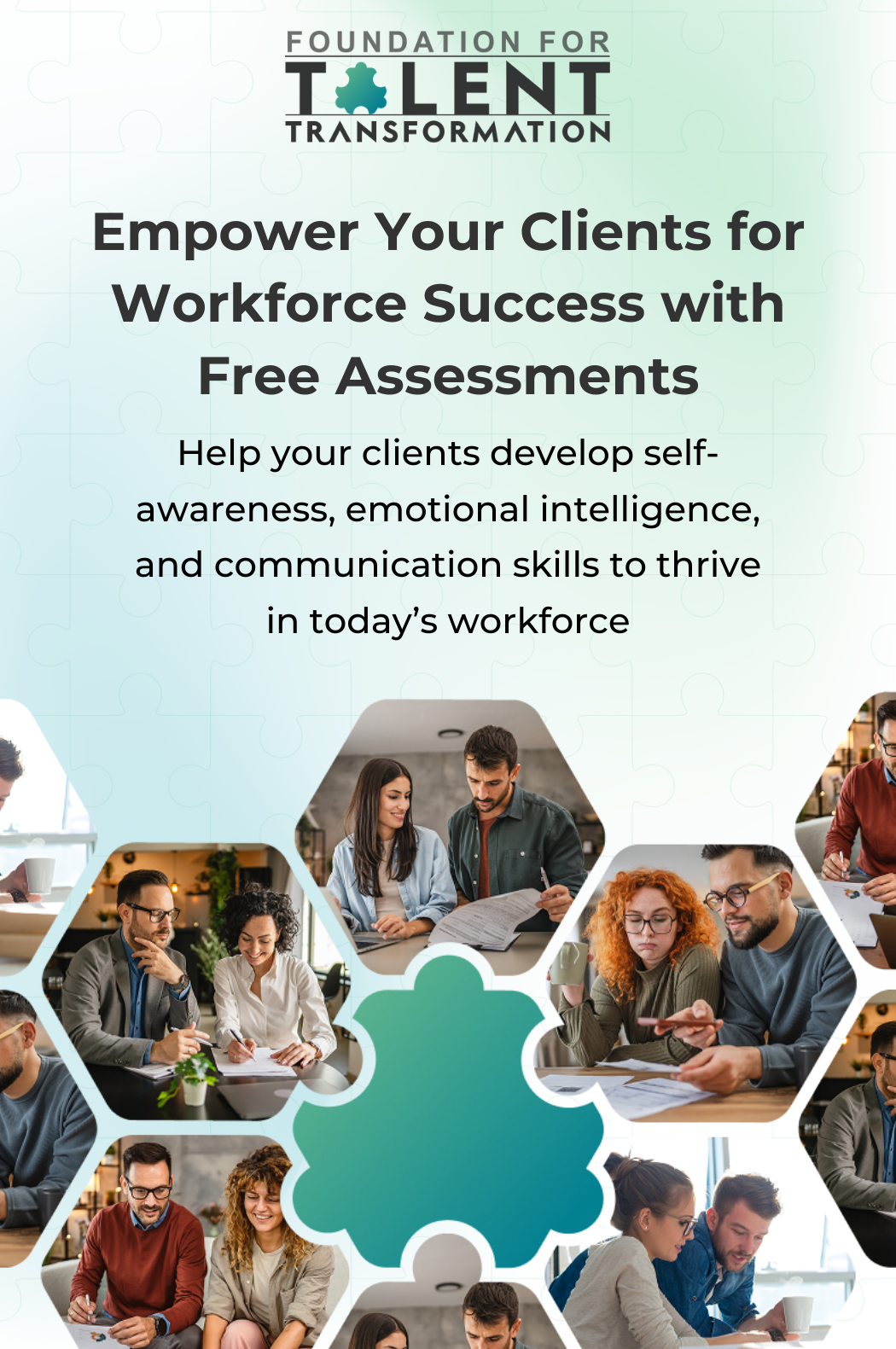
Partner with the Foundation for Talent Transformation to make employability skills visible, measurable, and actionable. Our nonprofit provides valid psychometric assessments and AI powered coaching that help individuals build self-awareness, communication, emotional intelligence, adaptability, resilience, and confidence. Together, we help workforce organizations strengthen career readiness, engagement, retention, and long-term success while turning human growth into meaningful workforce insight.
| |
July 2026 Edition
Welcome to the July 2026 Edition of the MUS Connector!
July's theme, Data-Informed Workforce Strategies and Measurable Impact, explores how workforce leaders use data to make decisions, improve services, and demonstrate results.
Workforce Development Boards rely on labor market information, performance outcomes, employer feedback, and participant data to guide investments and shape workforce strategies. These insights help identify workforce needs, strengthen programs, and ensure resources are aligned with local priorities.
Data also helps workforce leaders better understand the populations they serve, the effectiveness of workforce programs, and the outcomes being achieved across their communities. From labor market trends and participant outcomes to employer demand and service utilization, data provides valuable insight into how workforce systems are performing and where opportunities exist to strengthen results.
Behind every outcome is an individual who secured employment, earned a credential, advanced along a career pathway, or gained access to new opportunities. Together, these outcomes tell the story of workforce development in action and demonstrate the value of investments designed to strengthen the nation's workforce.
In this issue, we will explore how workforce organizations are using data to guide strategy, strengthen accountability, measure impact, and communicate the results of their work.
| |
Flat MUS Reporting In
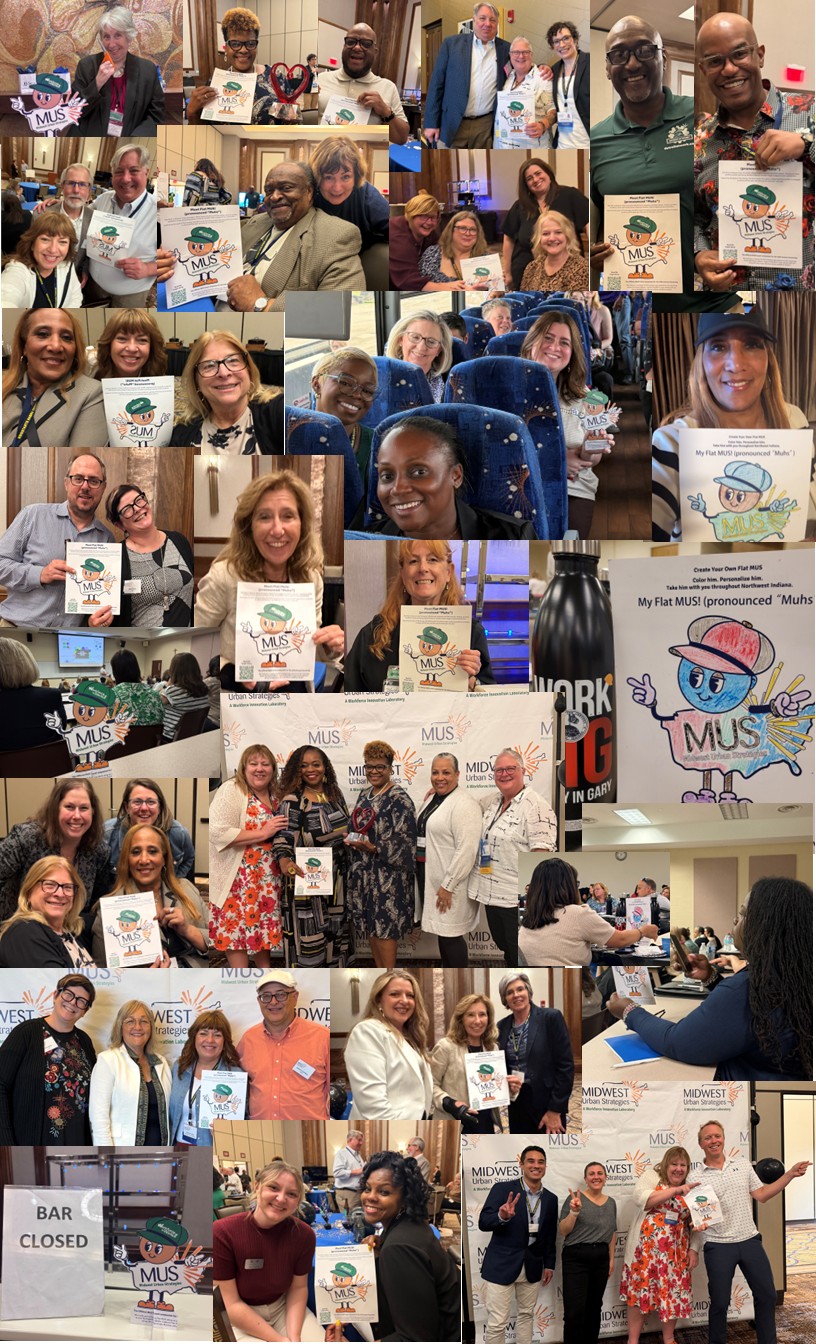
Over three days, I traveled from Michigan City to Rensselaer to Gary, rode a bus, attended award ceremonies, visited opportunity hubs, and explored workforce training programs. I mingled, I networked, and somehow managed to sneak my way into more photos than I can count.
And wow... you all really embraced me this year. Thank you!
Everywhere I turned, someone was carrying me around, posing me for photos, coloring me, introducing me to a friend, or finding a new place for me to pop up. One attendee even cut me out, just like my hero Stanley Lambchop AKA Flat Stanley! Somehow, I ended up with custom makeovers, and brand-new looks too!
By Day 3, people weren't asking, "Who's Flat MUS?"
They were saying, "Where's Flat MUS?" and "Get over here, we need a picture with Flat MUS!" It seemed like folks thought I was pretty funny too. I sure did hear a lot of laughter everywhere I went.
At this point, I'm kind of a big deal.
I visited some pretty amazing places, but the people I met along the way are what made the trip memorable. Read More
| Fun in Northwest Indiana with Flat MUS | | Learn more about MUS Sponsors: HERE | |
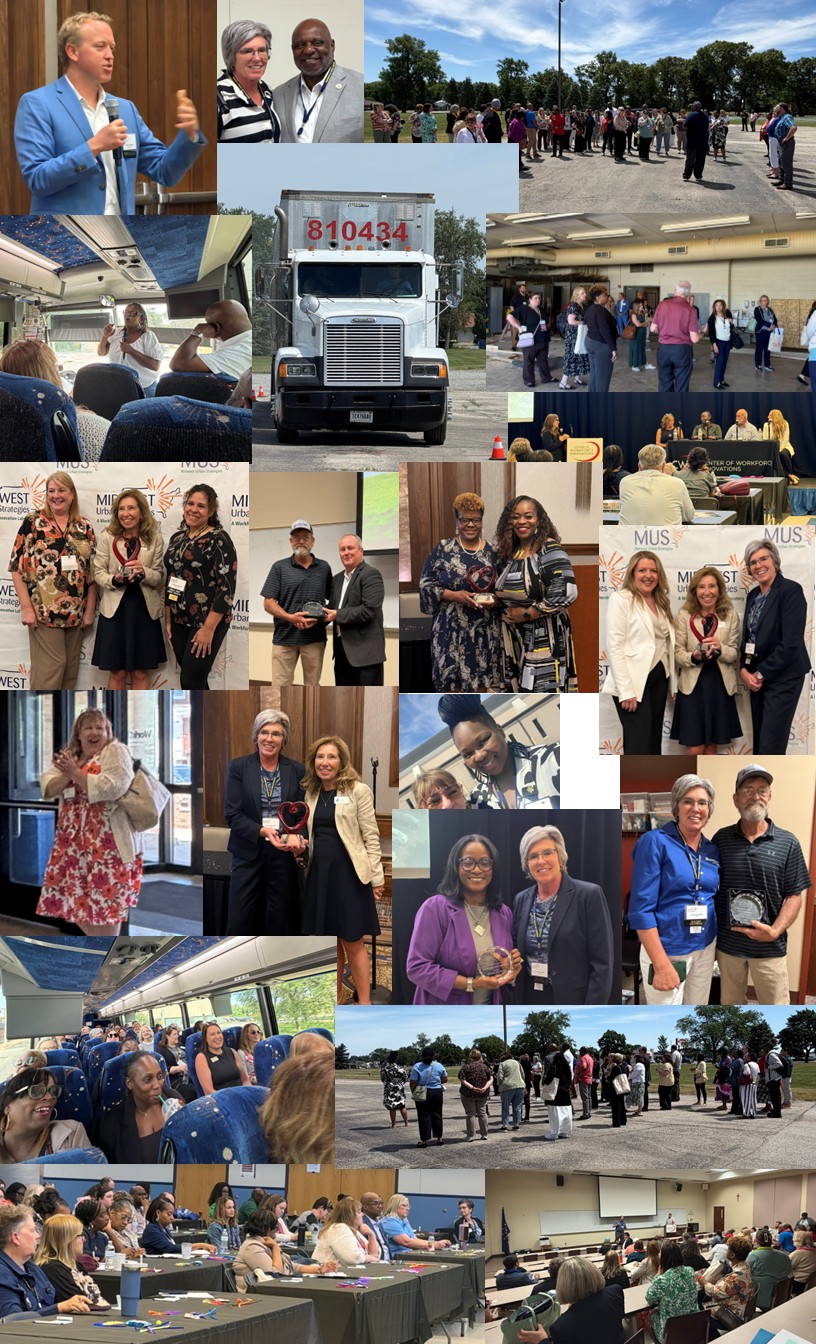
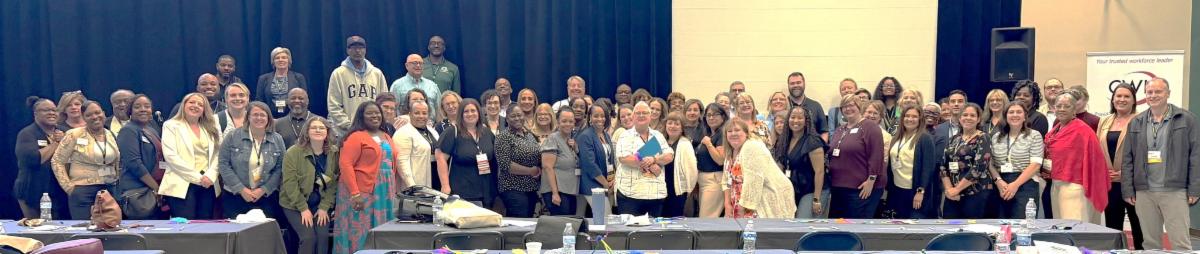
Scenes from our 2026 Annual Convening:
WorkforceWorks!! - The Urban Rural Connection
| | |
2026 Convening Reflections:
We’re Better Together: Sponsoring
the 2026 MUS Convening
As a close partner with Midwest Urban Strategies (MUS) on the Early Childhood Workforce Connector (ECWC) project, TriMetrix was proud to sponsor and attend their annual convening in early June.
A leader in strengthening workforce systems across urban communities in the Midwest, MUS brings together workforce development professionals, partners, and stakeholders each year to share ideas and advance workforce solutions. Read More
| | |
MUS Policy Perspective
As the Fiscal Year (FY) 2027 federal Appropriations process continues, House Republicans have yet again proposed significant funding cuts and program eliminations connected to WIOA. The House Appropriations Committee has approved its FY2027 Labor, HHS, Education Appropriations Bill that would destroy workforce development programming.
Fortunately, this proposed spending bill has basically no chance of becoming law. However, it serves as another reminder that advocacy and connection to congressional members and their staff is critically important. The proposed bill would eliminate the WIOA Adult and Youth programs, while also eliminating national programs like Ex-Offender/Re-Entry Activities, Migrant and Seasonal Farm Worker, and the Senior Community Service Employment Program (CSEP). Adult Education, Title II of WIOA, would also be eliminated.
Lawmakers from both parties are asking the right questions when examining these budget proposals – how do these programmatic funding cuts and eliminations place more people in education and training? The answer is obvious – they do not. Describing the local and regional impacts of these funding proposals is imperative as workforce stakeholders collectively push back. Read More
| |
Turning Information into Impact: The Strategic
Role of Workforce
Development Boards
Every day, Workforce Development Boards (WDBs) operate at the intersection of employers, education, economic development, community organizations, and public systems. In that role, they are uniquely positioned to understand workforce needs, identify emerging trends, and bring partners together around shared goals.
The workforce system generates a tremendous amount of information. Labor market data, employer feedback, performance outcomes, demographic trends, and service utilization all provide valuable insight into the challenges and opportunities facing local communities. Yet information alone does not create change. The real value lies in how that information is used to inform decisions, shape strategy, and drive results.
Across the country, WDBs are using data and local intelligence to better understand employer demand, identify workforce gaps, and align investments with community priorities. These insights help guide decisions about training programs, career pathway development, supportive services, industry partnerships, and resource allocation. They also help workforce leaders evaluate what is working, where improvements are needed, and how services can be strengthened to better meet the needs of workers and businesses. Read More
| |
MUS Summer Convening 2026: The Power of Connection
What a time we had at the Midwest Urban Strategies Summer Convening in Northwest Indiana!
As I reflect on our days together, I am incredibly grateful to have been part of such an inspiring experience. From our Annual Meeting to visits to the Elston Hub, St. Joseph's College in Rensselaer, the B.I.G. Project in Gary, and yes, even our unexpected bus breakdown, we experienced something special together.
We learned. We shared. We collaborated. We explored innovative approaches to workforce development. We strengthened existing relationships and built new ones. And if I had to guess, I suspect a few partnerships, projects, and deals were sparked along the way.
One of my greatest joys as Membership Director is watching our members and those who have not yet joined MUS come together with a shared purpose. Time and again, I witness workforce leaders, educators, community organizations, employers, and innovators intentionally supporting one another, exchanging ideas, and expanding the impact of their work.
This year's convening reinforced something I have long believed: our ability to convene and connect is MUS's secret sauce.
In a world where challenges are increasingly complex, the opportunity to gather face-to-face, learn from one another, and build authentic relationships remains one of the most valuable resources we can offer. Read More
| | |
The Workforce Behind
the Workforce:
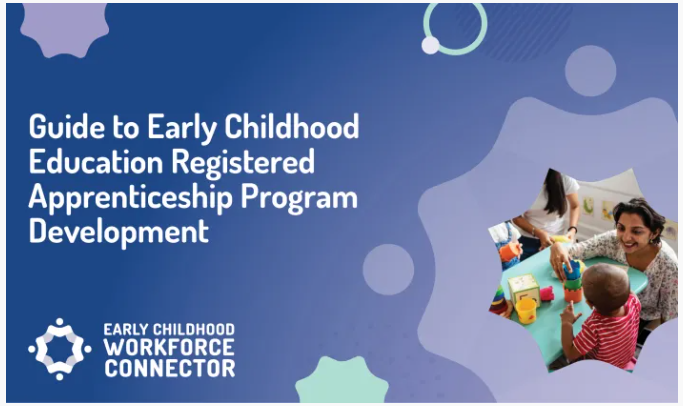
New Registered Apprenticeship Resource
As early childhood educators across the country face ongoing staffing shortages and increasing operational pressures, Registered Apprenticeship (RA) programs have emerged as a proven solution for building and retaining a qualified workforce. Like all RA programs, ECE RA programs are industry-informed and provide measurable impact in communities nationwide. In previous columns, I’ve highlighted successful RA programs across the country designed to bolster and increase the workforce behind the workforce; we know that without high-quality and accessible child care, employers in all industries cannot recruit or retain a well-trained and consistent workforce. A local workforce ecosystem depends on early childhood education (ECE) to enable the community’s growth and well-being.
That said, establishing and maintaining RA programs can be complex for any sector. Developing and sustaining RA in ECE requires careful planning by sponsors both within and outside of child care. As I’ve emphasized before, early childhood educators are navigating workforce shortages, educator well-being, regulatory demands, funding constraints, and the daily realities of delivering high-quality care. That’s why I’ve often advocated for workforce development boards, community colleges, and other workforce system partners to consider becoming a group ECE RA program sponsor.
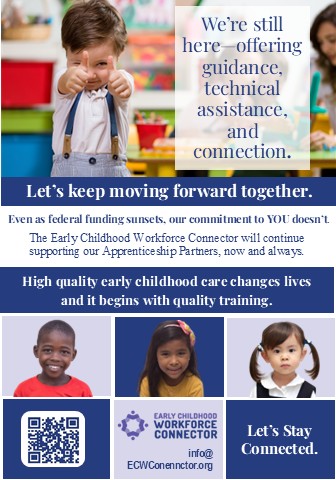
The Early Childhood Workforce Connector (ECWC) has supported ECE RA programs and sponsors for more than three years. Throughout those three years, ECWC has heard from countless interested parties – ECE centers, family child care providers, Child Care Resource & Referral Centers, community colleges, universities, workforce boards, and state agencies – who want to get involved in ECE RA, but don’t know how or where to begin. There was no step-by-step guide tailored for the ECE sector, in a language that providers and their partners understand and can see themselves in. Until now! Read More
| |
Member Spotlight
Organization Name:
Detroit Employment
Solutions Corporation
Executive Leader:
Terri Weems
Interim President
and Special Advisor to
the Mayor for Workforce
Website:
www.descmiworks.org
About the Organization
Detroit Employment Solutions Corporation (DESC) serves as the workforce development agency for the City of Detroit and leads Detroit at Work, the city's workforce system. Our mission is to empower Detroit residents by connecting them to career opportunities, education, training, and supportive services that help individuals achieve long-term economic success.
Through Detroit at Work, we serve job seekers and employers, and collaborate with civic, corporate, philanthropic and community partners to help connect talent businesses ready to hire and train. We support employers in building a skilled workforce and help individuals move to the middle class so that they can sustain lucrative careers and create thriving communities.
Building Detroit's Talent Pipeline Through Opportunity, Partnership, and Impact
Detroit is a city defined by resilience, innovation, and opportunity. For many residents, access to training, employment, and career advancement can be life-changing. As the fiscal and administrative for the Mayor’s Workforce Development Board, Detroit Employment Solutions Corporation (DESC) helps make these opportunities available through Detroit at Work, the city's workforce development system.
Under the leadership of Terri Weems, Interim President of DESC and Special Advisor to the Mayor for Workforce, the organization works alongside employers, educators, community partners, and city leaders to expand access to workforce opportunities across Detroit.
The scale of this work is significant. Each year, the Detroit at Work system connects thousands of residents to employment opportunities, training programs, career services, and workforce resources. DESC’s approach is rooted in the understanding that workforce development is about creating pathways that support long-term career growth, economic mobility, and lasting success for individuals and families.
One of the most visible examples of this work is Grow Detroit's Young Talent (GDYT), a citywide summer employment initiative that has provided more than 87,000 work experiences to young people since its launch in 2015. Through paid work experiences, career exploration, and industry-focused learning opportunities, GDYT helps youth build skills, gain confidence, and explore future career pathways. Read More
Learn more about DESC, visit their website: HERE
Read DESC's Member Spotlight on the MUS Website: HERE
| |
10 Commitments Workforce
Leaders Should Consider
Before The Next MUS Convening
| | |
Every year, Midwest Urban Strategies convenes some of the brightest minds in workforce development. Workforce leaders gather to exchange ideas, share promising practices, discuss policy challenges, and celebrate innovation across our communities.
This year's convening in Northwest Indiana was no exception.
As I listened to conversations about talent pipelines, economic mobility, employer engagement, technology, and regional collaboration, I found myself reflecting on a simple question:
“What if every attendee left with one commitment instead of one takeaway?”
Takeaways are easy. Commitments require action.
The workforce challenges facing our communities demand more than inspiration. They require leadership. They require urgency. They require action. They require us to hold ourselves accountable for the promises we make to the people we serve.
Before gathering again next year, I believe workforce leaders should commit to the following ten actions.
1. Commit to Seeing Adult Education as Workforce Development
(This one is personal.)
Too often, adult education is treated as a separate system rather than a workforce strategy.
The reality is simple: individuals who lack foundational literacy skills, a high school credential, English language proficiency, or digital skills cannot fully participate in today's labor market.
If workforce development is about preparing people for employment and advancement, adult education is where that preparation begins.
We cannot solve workforce shortages while overlooking the very systems that help adults become workforce-ready.
2. Commit to Designing Systems Around People, Not Programs
Participants should not need a flowchart to navigate our services.
Yet many individuals are still required to move between multiple agencies, complete duplicate paperwork, tell their story repeatedly, and navigate fragmented systems.
Our success should not be measured by how many programs we operate. It should be measured by how easy it is for people to achieve their goals. The customer experience matters. Read More
| |
|
Data-Informed
Workforce Strategies
and Measurable Impact
Across the workforce development landscape, one question continues to rise to the top: How do we know our programs are working?
For years, success was often measured by participation numbers: How many individuals attended an orientation, enrolled in training, or completed a program. While those metrics remain important, today's workforce environment demands a deeper understanding of outcomes and return on investment. Funders, employers, educational institutions, and workforce boards increasingly want evidence that workforce initiatives are creating meaningful and measurable results.
This shift has led to a growing emphasis on data-informed workforce strategies.
Moving Beyond Enrollment Numbers
Enrollment is only the beginning of the story. Effective workforce programs track a range of indicators that help determine whether participants are truly progressing toward economic mobility and whether employers are gaining access to the skilled talent they need.
Key performance indicators often include:
- Program completion rates
- Credential attainment
- Employment placement rates
- Wage gains
- Retention at 90, 180, and 365 days
- Employer satisfaction
- Advancement opportunities for incumbent workers
When viewed collectively, these data points provide a much clearer picture of program effectiveness than enrollment numbers alone. Read More
| | |
The Story Behind
The Number: How Workforce Professionals Are Turning Data Into Impact
Every data point in a workforce report represents a person. A job seeker who completed training. An employer who filled a critical role. A family whose economic trajectory shifted because the right program existed at the right time. The challenge for workforce boards is not collecting that data, but making sure the human reality behind it stays visible when decisions get made. When data and storytelling work together, they do something neither can do alone: they create the evidence and the urgency to act.
This is the central opportunity facing workforce boards today. Not a lack of data, but a chance to connect it to the human context that makes it truly actionable.
When Data and Story Work Together
Workforce boards have access to more information than ever: Workforce Innovation and Opportunity Act (WIOA) metrics, common measures, labor market intelligence. The opportunity is in how that information gets used.
Data shared without human context can be easy to absorb without prompting action. A number on a slide informs. A person's story moves people to respond.
The reverse is also true. A compelling story that stands alone without connection to a trend, a population, or a measurable outcome is meaningful, but it is not yet evidence. It is harder to act on in a budget conversation or a board vote, and harder to scale into lasting program change. Read More
| |
Employability Skills Are Workforce Data Too
Workforce leaders rely on data every day. Labor market information shows where jobs are growing. Performance reports show who completed training, earned credentials, secured employment, and increased earnings. These measures are essential, but they do not tell the whole story. For Workforce Development Boards and their partners to understand what truly helps people succeed, they must also pay closer attention to employability skills.
Employability skills help people get hired, stay employed, work effectively with others, and advance. They include communication, teamwork, professionalism, emotional intelligence, critical thinking, problem solving, adaptability, resilience, and self-awareness. These skills are often called soft skills, but there is nothing soft about their impact. They shape whether someone can accept feedback, manage conflict, collaborate, communicate with customers, show initiative, and stay steady when work becomes difficult.
Employers Are Sending a Clear Signal
Career Readiness Requires More Than Technical Skills
The demand for these skills is clear. The National Association of Colleges and Employers reported in its 2026 Job Outlook Spring Update that employers view communication, teamwork, professionalism, and critical thinking as among the most important career readiness skills for new hires. Read More
| | |
FROM THE FIELD:
Minnesota Teens and
the Summer Job Market
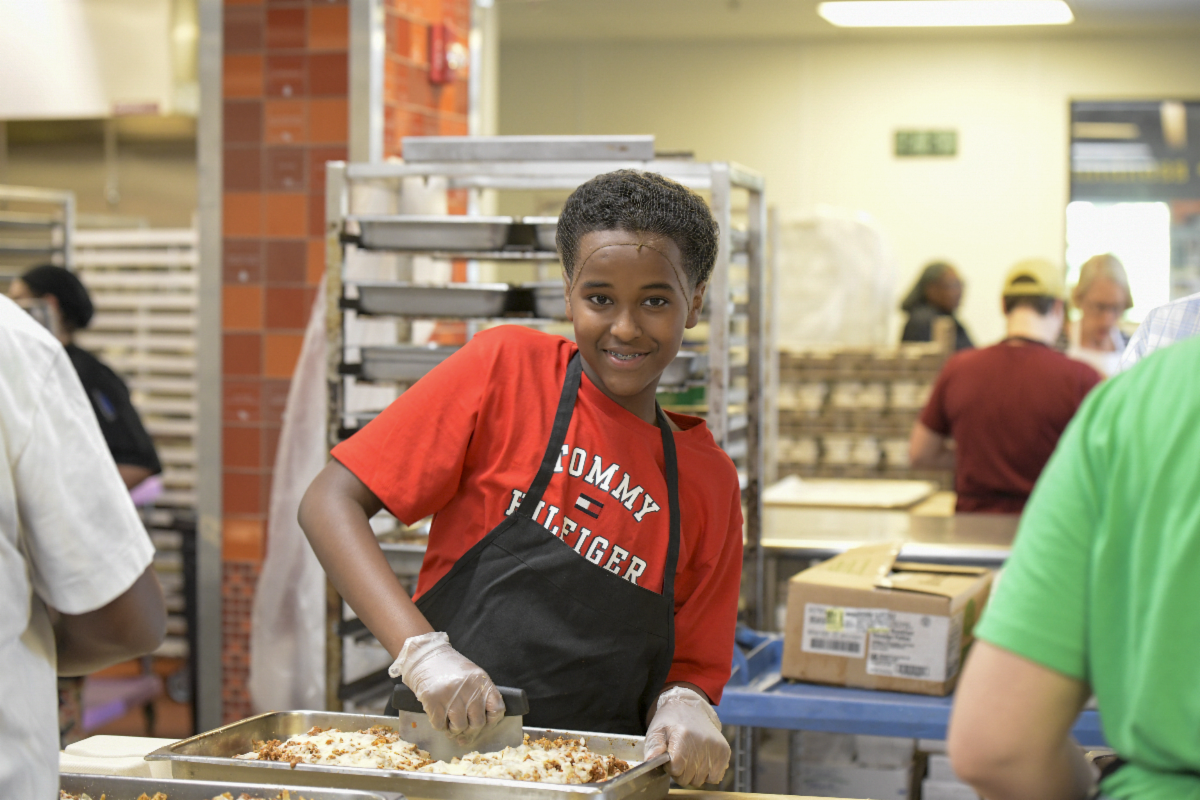
Summer job season is here and many teens and young adults are looking for a chance to earn money, gain experience and build skills.
Recently, Minneapolis Employment and Training Manager Mark Brinda joined Minnesota Public Radio's Angela Davis to discuss the summer job market for teens and young adults. During the conversation, Brinda highlighted the important role workforce organizations play in helping young people connect with employment opportunities while also supporting employers seeking emerging talent.
Watch Minnesota Public Radio News segment: HERE
| |
From Metrics to Meaning: Storytelling Through Data
Storytelling through data is not simply the act of presenting statistics. It is the discipline of translating numbers into meaning, context, and human relevance. In a world saturated with dashboards, reports, and performance metrics, organizations often face a common challenge: they have abundant data, but struggle to communicate why it matters. Numbers on their own can describe scale, efficiency, or change, yet they rarely inspire action unless they are connected to people, experiences, and outcomes.
At its core, data storytelling bridges the gap between evidence and emotion. It transforms raw information into a narrative that helps audiences understand both what happened and why it matters. A figure such as a 20 percent increase in program participation becomes far more compelling when paired with the story behind it: more families reached, more students supported, more individuals connected to critical services. In this way, data becomes more than a reporting tool. It becomes a way to make impact visible.
For organizations, programs, and systems, this is especially important. Stakeholders today expect more than isolated metrics. Funders want to see return on investment. Community members want to know whether services are making a real difference. Leaders and policymakers want evidence they can use to make informed decisions. Storytelling through data allows organizations to meet these needs by combining quantitative results with qualitative insight. It shows how resources were used, what changed, who benefited, and where future opportunities exist. Read More
| |
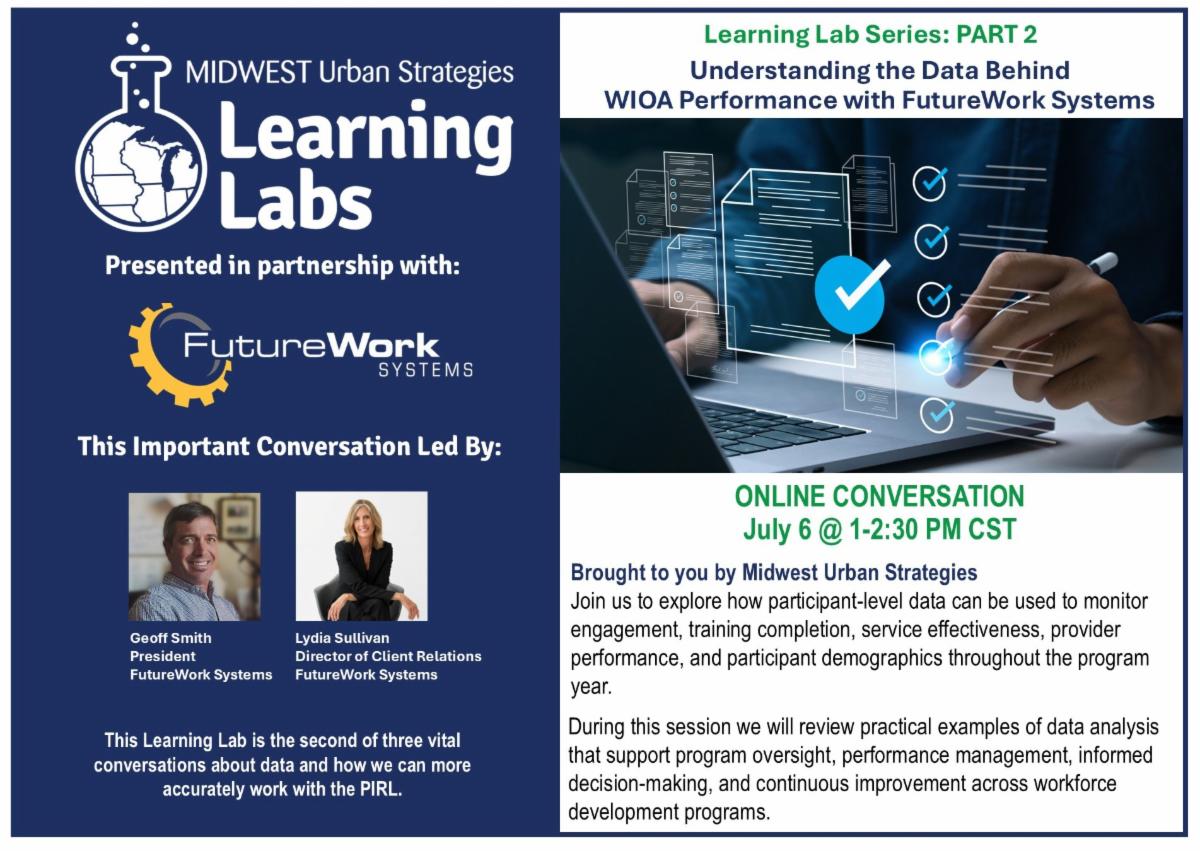
Understanding the Data Behind WIOA Performance: A Summary of Learning Lab Session 1 of 3
How frontline data becomes the metrics that shape our workforce system
Every quarter, workforce boards across the country submit performance reports that influence funding, policy decisions, and public perception. But behind every percentage point and indicator is a much deeper story; one built from thousands of individual participant records, frontline data entry, and a highly structured federal reporting process.
In our recent MUS Learning Lab, FutureWork Systems walked members through the full journey of WIOA performance data; from the moment a participant walks through the door to the moment their outcomes appear in federal reports.
The Workforce Data Lifecycle: Where It All Begins
WIOA performance starts long before a report is generated. It begins with frontline staff entering participant information into case management systems. These systems capture:
- Demographics and eligibility
- Barriers to employment
- Services and training
- Supportive services
- Enrollment and exit dates
Importantly, case management systems track events, not outcomes. Outcomes are calculated later using the PIRL. Read More
This is article serves as a great reminder of everything we learned in our first data session and sets the stage for what we'll discuss in the upcoming session.
Did you register for Part 2 of this series, yet? If not, there is still time!
Register: HERE
| |
Community Spotlight Advertisements
The Community Spotlight is open to any organization, employer, or partner that wants to share programs, services, events, or solutions with a national audience of workforce leaders and practitioners.
Created by workforce development stakeholders for workforce development stakeholders, the MUS Connector provides a respected platform for those contributing to workforce innovation, talent development, and system strengthening to connect with peers across the country.
Community Spotlight advertising also serves as a meaningful way to support the ongoing work of Midwest Urban Strategies as a 501(c)(3) nonprofit. To learn more about placement options or request a rate card, please contact Melanie.
Please Note: For your convenience, all advertisements are clickable links.
Learn more about our Authors by clicking on their headshots.
Explore and Connect Today!
734-331-8604
| |
Next month’s newsletter theme will focus on:
Youth Workforce Readiness
and Summer Youth
Employment Programs
Questions about article submission?
We are happy to help!
734-331-8604
melanie@midwesturbanstrategies.com
| | | | |
CLASSIFIED SECTION:
EMPLOYMENT: Open positions for the OhioMeansJobs Cincinnati-Hamilton County Center in Cincinnati, Ohio The Workforce Council of Southwest Ohio is contracting with DB Grant Associates, Inc. to operate the job center and provide RESEA, WIOA adult and WIOA dislocated services (as of July 1). We are looking for workforce development professionals who are committed to serving the community, innovative, and future-focused! Grant Associates anticipates filling 15 – 20 roles. Visit their website to see open positions: Here
REQUEST FOR PROPOSALS: Workforce Services Through the Chicago Cook Workforce Partnership The Chicago Cook Workforce Partnership (The Partnership) and the Local Workforce Innovation Area #7 (LWIA 7) Workforce Innovation Board (WIB) are issuing this Request for Proposals (RFP) to identify, through competitive selection, organizations to provide workforce services to businesses and job seekers in accordance with Title I of the Workforce Innovation and Opportunity Act (WIOA or The Act). View the full Request for Proposals and submission information: Here
EVENT: 30 Minutes of Excellence – Moving Employers from Hesitation to Confidence: Strategies for Engaging Employers Around Disability Inclusion, July 22, 1:00-1:30 pm CDT, Workforce professionals often encounter employers who express uncertainty or hesitation when discussing the employment of individuals with disabilities. This session will provide practical strategies for engaging employers in productive conversations that move beyond assumptions and toward opportunity-focused thinking. Learn about approaches for addressing common employer concerns, navigating American Disability Act (ADA)-related conversations, and effectively communicating the value individuals with disabilities bring to the workforce. Register Here
ANNOUNCEMENT: Sponsor MUS. Our sponsors receive red carpet treatment! Supporting MUS comes with plenty of benefits and opportunities to build strong connections and partnerships. Inquire within to learn more: Here
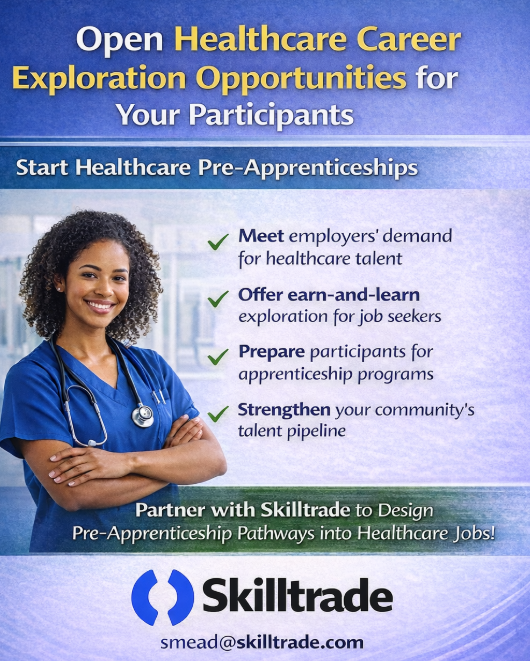
ANNOUNCEMENT: Skilltrade seeks partners to launch new Clinical Medical Assistant Career Training Pilot Programs across the country. Contact Sandy Mead to collaborate and learn more: Here
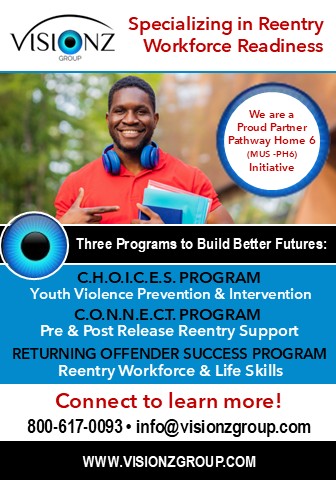
ANNOUNCEMENT: Visionz Group seeks partners to collaborate on expanding workforce readiness and reentry training programs in communities nationwide. Organizations interested in strengthening youth intervention, pre- and post-release support, and returning citizen workforce development are encouraged to connect and learn more: Here
ANNOUNCEMENT: The Foundation for Talent Transformation introduces its Well-being Framework in a comparative study of global models. More About Well-being Framework: Here
ANNOUNCEMENT: MUS Learning Labs are open to all, especially our readers. These online, expert-led sessions bring together professionals from various fields to explore key topics such as labor market statistics, early childhood education, workforce development programs, apprenticeships, and more. The best part? Learning Lab topics are selected by you—our readers and members—ensuring they remain timely and relevant.Sign up to receive an invitation to all MUS Learning Lab: Here
ANNOUNCEMENT: The MUS Connector would like to feature your success stories! Share your impact and inspire others. Submit your story: Here
ANNOUNCEMENT: MUS Wants to Hear About Your Workplace Wellbeing Initiatives! We are gathering insights on how our partners support well-being in the workplace. Do you offer initiatives that help employees thrive? Share your strategies and inspire others. Submit your workplace well-being initiatives: Here
| | Disclaimer: The views and opinions expressed in the author’s articles featured in this newsletter are those of the individual authors and do not necessarily reflect the official policy or position of Midwest Urban Strategies nor do they represent the views of any federal funding agency. Inclusion of these articles does not imply endorsement by Midwest Urban Strategies. | | | | |