|
|
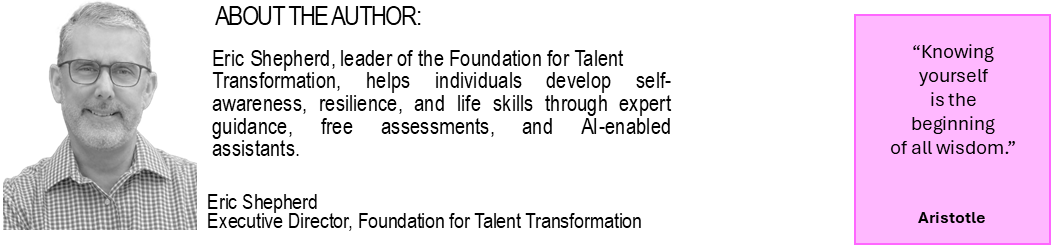
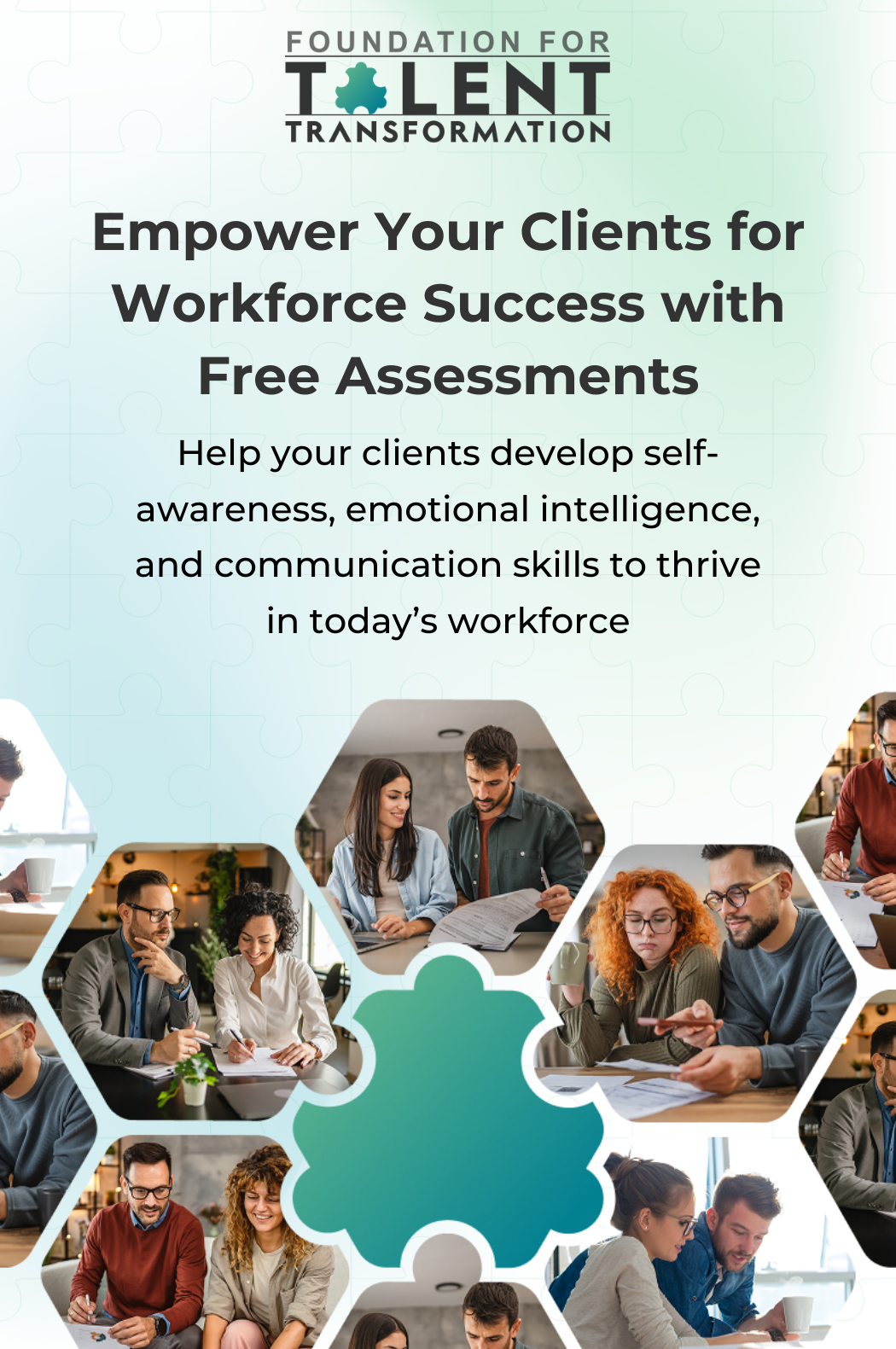
Advancing workforce innovation requires more than new systems. It requires a deeper understanding of the people those systems serve. As skills-based hiring and training continue to expand, success depends on more than skills alone. Individuals need self-awareness, motivation, communication skills, and the ability to adapt and stay engaged. We provide free, evidence-based assessments and AI coaches, and partner with organizations to design and license tools that help individuals not only access opportunity but persist and grow. Together, we are turning workforce innovation into lasting impact for people and communities. communities
| |
May 2026 Edition
Welcome to the May 2026 Edition of the MUS Connector!
May’s theme, Workforce Innovation and Skills for a Changing Economy, builds on the momentum of prior Connector editions by focusing on how systems evolve in response to change. As workforce demands continue to shift, the ability to adapt, innovate, and align around skills is becoming increasingly important.
Across the MUS network, Workforce Development Boards (WDBs) and our affiliate members are working to better align workforce strategies with the skills employers need to hire and retain talent. This includes identifying in-demand competencies based on employer demand, translating those needs into training strategies, and creating flexible pathways that allow individuals to move into and advance within the workforce.
Innovation in workforce program design has long been a foundation of this work. What is changing is how intentionally it is being applied across the system. Across the MUS network, our members are working together to test and refine new approaches, strengthen employer engagement, and design programs that reflect real hiring needs. These efforts help ensure the workforce system is more accessible to job seekers and more responsive to employers, supporting business growth, regional stability, and long-term economic mobility.
In this issue, we will focus on how workforce innovation and skills for a changing economy are strengthening workforce systems. When industry insight, system alignment, and flexible design come together, workforce systems are better positioned to support mobility, resilience, and long-term success, helping drive business growth and strengthen local economies. As employers invest in talent, those investments move through local communities, supporting wages, business growth, and continued economic activity.
| |
Flat MUS, Reporting In
Hi again. Flat MUS here...
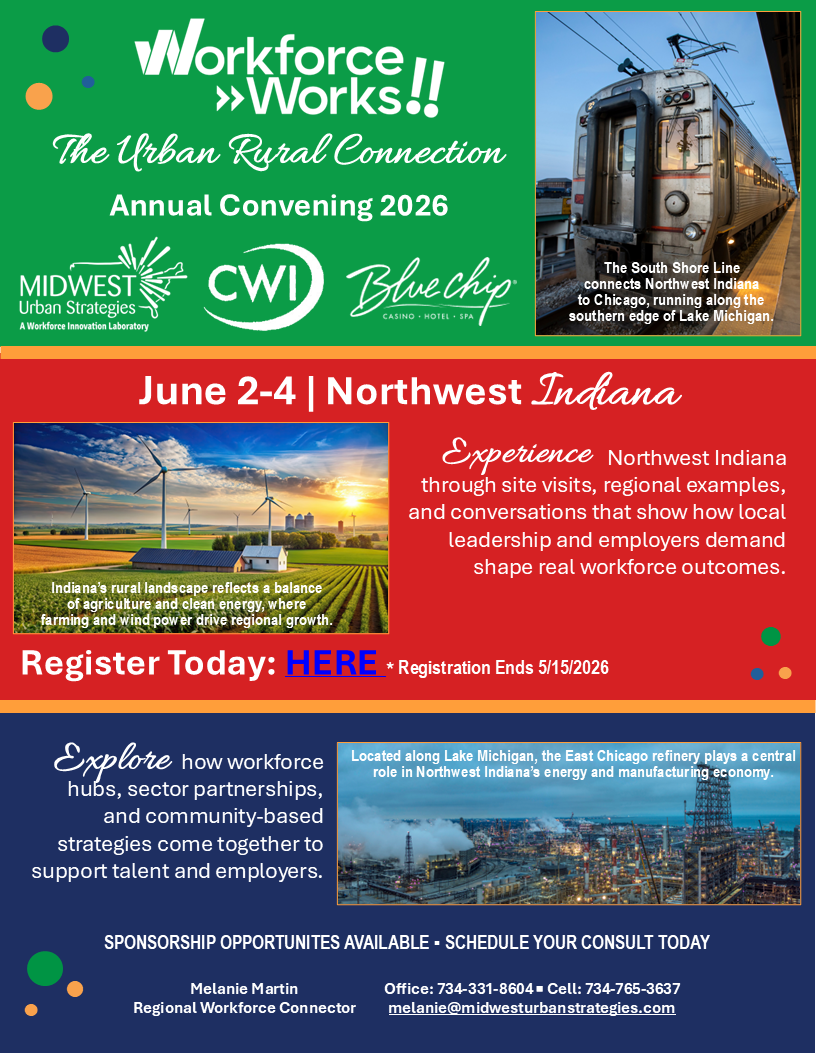
I’ve still got my eye on Northwest Indiana, and things are coming together nicely.
Registration is open through May 15, and with a convening this size, you’ll want to save your spot now.
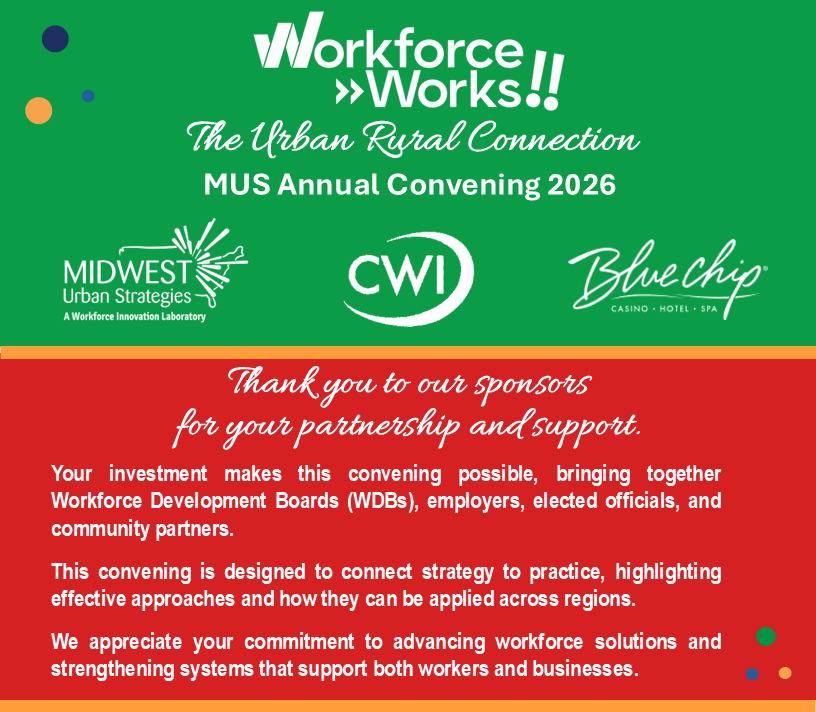
WorkforceWorks!! Northwest Indiana: The Urban Rural Connection takes place June 2–4, 2026, and yes, we’re still keeping it boutique-curated. A small group, intentionally brought together to experience workforce strategies in action.
We’ll be on the move across Michigan City, Rensselaer, and Gary, stepping into training centers, connecting with employers and community partners, and hearing directly from the people responsible for making it all work.
I’m also sharing a look at the event narrative, so you can see how it all comes together before we get there. Read Event Narrative: HERE
Sponsorship opportunities are also still open. If you’re looking to be part of the experience, I’d recommend taking a look at the media kit and connecting with Melanie.
I’ll see you in June… I have a way of standing out.
| There is Still Time to Register: Event Registration Ends May 15, 2026! | |
MUS Policy Perspective
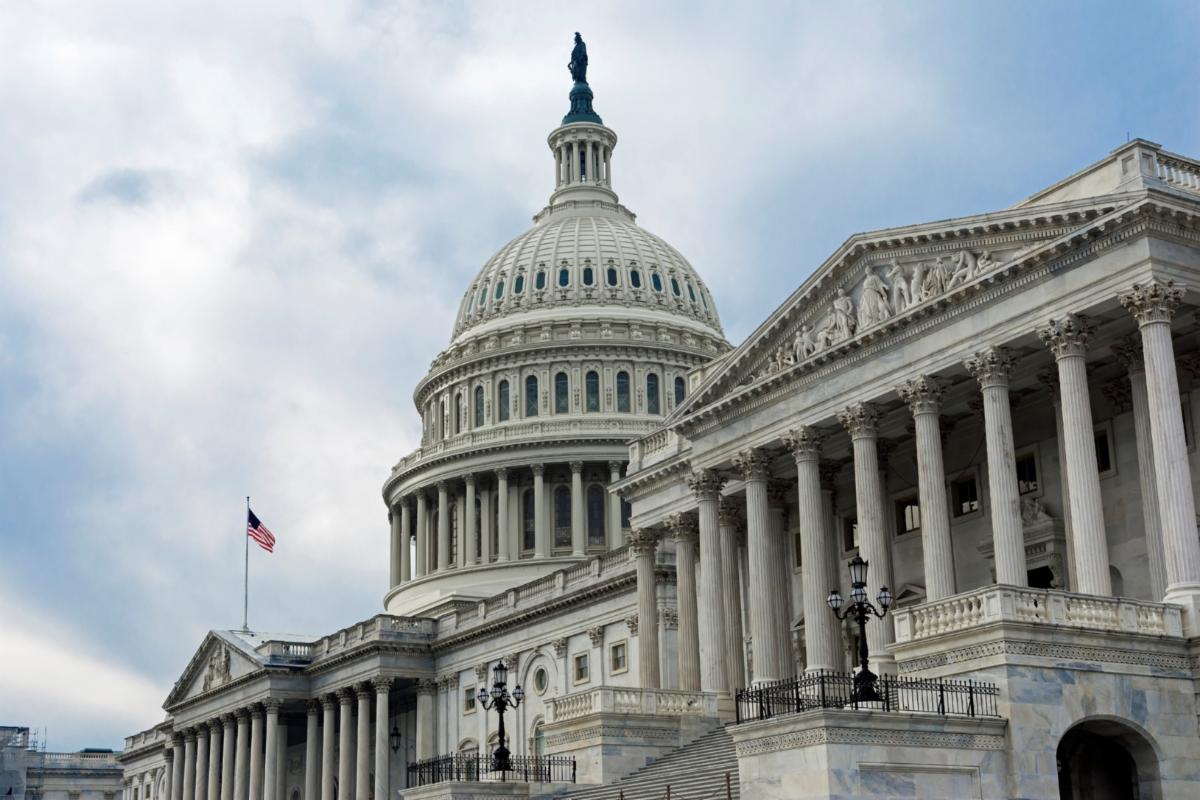
The House Education and Workforce Committee has approved its latest WIOA Reauthorization bill, A Stronger Workforce for America (ASWA) of 2026, along a party-line vote, 19-14. Importantly, this version of ASWA, which is similar to previous versions considered by Congress in December 2024, is not bipartisan.
The most significant policy change, which led to Democrats pulling their support for the bill, would legally move Title II, Adult Education, from the Department of Education to the Department of Labor. The Trump Administration has moved several Education offices, including the Office of Career, Technical, and Adult Education, to the Department of Labor via Inter-Agency Agreements (IAAs).
For local workforce development stakeholders, ASWA 2026 also includes concerning provisions including:
- Establishes a 50% training requirement for Adult and Dislocated Worker accounts (with a 10% set aside for supportive and individualized career services)
- Allows an additional 10% to the Governor’s Reserve for Critical Skills Industry grants (this would increase the effective Governor’s Reserve from 15% to 25%)
- Creates a Single State Board redesignation process for states with a population under 5.1 million people or 5 or fewer local workforce development areas.
ASWA 2026 would also enhance a previously proposed state block grant pilot program, entitled the ‘Make America Skilled Again Block Grant Pilot.’ This pilot program would allow up to 10 states to Read More
| | |
From Innovation to Implementation: The Role of Workforce Development Boards in a Skills-Based Economy
As workforce demands shift, federal priorities are placing greater emphasis on skills, employer-driven strategies, and measurable outcomes. Industries are evolving more quickly, and workforce systems are expected to respond with greater precision, speed, and alignment. This is not a future state. It is the environment we are operating in today. The ability to support job seekers in finding their next job, as well as those who wish to gain new knowledge and skills through training, while delivering clear results, is central to how workforce systems support business growth, connect individuals to opportunity, and strengthen regional economies.
In practice, this work extends beyond training alone. Workforce systems are supporting individuals through employment services, direct placement, and supportive services that help people enter and succeed in the workforce in real time.
Workforce Development Boards (WDBs) are increasingly engaging employers in more intentional ways, working alongside them to define the skills, competencies, and expectations that shape today’s workforce. This approach allows WDBs to better understand the “skills DNA” employers are seeking and translate that into training strategies and career pathways that lead to real employment opportunities for job seekers.
This integrated approach reflects how the system is designed to operate, bringing together employment, training, and supportive services to meet both job seeker and employer needs.
This more intentional approach reflects the foundation MUS has built over time. Midwest Urban Strategies has consistently focused on strengthening workforce system infrastructure, advancing sector partnerships, and creating a network where members learn from one another and scale practices that are replicable, sustainable, and effective across communities. Read More
| |
Expanding the Circle:
Why MUS Membership Growth Matters Right Now
The workforce system isn’t just evolving; it’s being redefined in real time.
Skills are changing. Career pathways are shifting. The line between education, training, and work is blurring. And no single organization or even sector can keep up alone.
That’s exactly why Midwest Urban Strategies (MUS) is growing the way it is.
At our core, MUS is built on a strong foundation of workforce development boards, grounded in communities, connected to employers, and accountable for results. That foundation matters. It keeps our work real, practical, and responsive.
But today’s challenges demand more.
That’s where our expanding membership comes in.
As MUS grows beyond the Midwest, we’re not just adding geography; we’re adding perspective, insight, and reach. And with the intentional growth of our Affiliate Membership, we’re bringing the full workforce ecosystem to the table: education partners, training providers, assessment and skills organizations, consultancies, foundations, and national associations. Read More
| | |
The Workforce Behind
the Workforce:
Competency-Based Early Educator Training
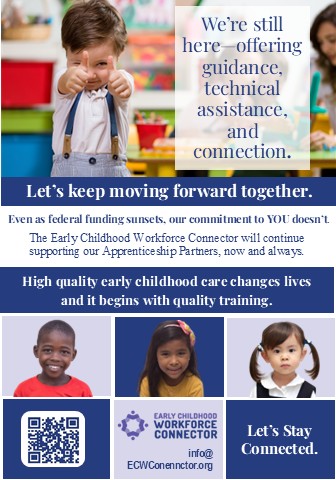
I’ve been writing this column for about nine months now, and I’m going to do something new this month: I’m going to tie a few of these articles together (innovation!) to show how the early childhood education (ECE) field has seen the value of skills-first training for a long time. I’ve included links to the related articles in case you missed them and/or want to know more. This month’s focus on skills in the workforce dovetails nicely with best practices for Registered Apprenticeship (RA) programs for early childhood educators. Since the recruitment and retention of the workforce of all industries relies on the availability of and access to high-quality child care, this month, we’re going to talk about competency-based training models for the workforce behind the workforce.
Why is Competency-Based Training Important for Early Educators?
In ECE, competency-based RA models have proven to be most effective. This program approach emphasizes skill mastery through practical demonstrations, such as developing lesson plans and managing classroom environments, rather than solely focusing on the number of hours spent in training. Apprentices move forward based on their ability to demonstrate skill and knowledge in specific competency tasks. They are evaluated on their mastery of each skill to advance through the program. The Early Childhood Workforce Connector’s (ECWC) ECE RA program approach recommendation is competency-based. While not every state currently encourages competency-based programs, this model's flexibility recognizes and acknowledges experienced ECE educators, enabling them to progress through the RA program more quickly while supporting retention and career advancement. Read More
| |
Member Spotlight
Organization Name:
Stark Tuscarawas
Workforce Development Board
Executive Leader:
JoAnn Breedlove, Executive Director
Website:
www.stwdb.org
About the Organization
Stark Tuscarawas Workforce Development Board is committed to strengthening the local workforce by connecting individuals to meaningful employment opportunities and helping businesses find the talent they need to grow. Their mission centers on building a skilled, resilient workforce that supports long-term economic success across the region. They provide oversight of OhioMeansJobs centers in Stark and Tuscarawas Counties, delivering career services and employer support while aligning workforce needs with in-demand opportunities.
Aligning Skills, Data, and Opportunity Across
Stark and Tuscarawas Counties
Stark Tuscarawas Workforce Development Board (STWDB)is focused on strengthening how the workforce system responds to real-time economic need across northeast Ohio. Serving Stark and Tuscarawas Counties, the organization works across employers, education providers, and community partners, to ensure job seekers are connected to meaningful career pathways while businesses have access to the talent required to grow.
STWDB provides oversight of the OhioMeansJobs centers in both counties, where workforce strategy meets day-to-day service delivery. These centers provide job seekers with practical support such as resume development, job search guidance, interview preparation, and access to training aligned with in-demand careers. At the same time, employers are supported through talent connection services and opportunities to upskill their existing workforce through incumbent worker training. This dual focus reflects the role Workforce Development Boards (WDBs) play in serving both sides of the labor market, ensuring alignment between workforce supply and industry demand. Read More
Read Stark Tuscarawaras Member Spotlight on MUS Website: HERE
| |
SLATE Continues Recruiting for Disaster Recovery Jobs Program to Support St. Louis Residents and Tornado Recovery Efforts
| | |
SLATE continues recruiting for Disaster Recovery Jobs Program, offering paid jobs up to $25/hour while supporting tornado recovery in St. Louis.
ST. LOUIS, MO — The SLATE Missouri Job Center is continuing to recruit participants for its Disaster Recovery Jobs Program, an initiative designed to connect St. Louis residents to paid employment opportunities while supporting ongoing tornado recovery efforts across the city.
This initiative was made possible through a $1.5 million award from the Missouri Department of Higher Education and Workforce Development (MDHEWD) to support residents impacted by the devastating tornado that struck the St. Louis region on May 16, 2025.
The funding is part of a larger $4 million Disaster Recovery National Dislocated Worker Grant awarded to MDHEWD by the U.S. Department of Labor to provide temporary employment and workforce training to individuals who are unemployed, underemployed, or have been impacted by recent economic disruptions.
Participants in the program may earn up to $25 per hour while contributing to critical recovery projects, including debris removal, site cleanup, and rehabilitation efforts at impacted properties and community spaces. Read More
| |
|
The Future of Workforce Development Isn't Just Creative—It's Measurable
The workforce development field stands at a crossroads. On one side, traditional program models that have served us for decades. On the other, a generation of participants who learn differently, communicate differently, and expect more from the programs designed to help them succeed.
Meeting today's job seekers and career builders where they are means rethinking how we design and deliver skills training. It means embracing tools like artificial intelligence, virtual reality, and adaptive learning platforms—not because they're trendy, but because they reflect how people actually engage with information in 2026.
Consider the participant sitting in a classroom listening to a lecture about conflict resolution. Now imagine that same person practicing a difficult workplace conversation with an AI coach who responds in real time, adjusts to their answers, and provides immediate feedback. The difference isn't just engagement—it's retention, confidence, and skill transfer that actually shows up on the job.
This is the promise of 21st-century workforce programming. Immersive simulations that let participants rehearse job interviews before the stakes are real. Personalized learning pathways that adapt to individual strengths and gaps. Digital tools that make soft skills—historically the hardest to teach and measure—tangible and trackable. Read More
| |
Workforce Innovation and Skills for a Changing Economy
As our economy continues to evolve, one thing is clear: the pace of change is accelerating faster than traditional workforce systems were designed to support. Healthcare, technology, advanced manufacturing, and skilled trades are all experiencing rapid transformation driven by automation, artificial intelligence, and changing demographic needs. Employers are seeking talent with new skill sets, while job seekers are looking for clear, efficient pathways to meaningful careers.
This moment presents an opportunity... and a responsibility... for workforce leaders to rethink how training is delivered, funded, and connected to employment.
Innovation in workforce development is no longer about creating entirely new programs; it is about building smarter systems that align training with real-time labor market demand and reduce barriers for individuals seeking opportunity.
Across the country, we are seeing promising models emerge that demonstrate how collaboration between workforce boards, community-based organizations, employers, and training providers can create faster and more effective talent pipelines. These partnerships are increasingly built on a few core principles
Read More
| | |
Workforce Innovation
That Works: Aligning Skills, Engagement, and Retention
Across the country, workforce systems are making an important and necessary shift. Skills-based hiring and training are gaining momentum, helping employers expand their talent pools and giving job seekers new pathways into meaningful work. Degrees are no longer the only signal of potential. Competencies, capabilities, and real-world skills are taking center stage.
This is progress.
But there is a critical gap that often goes unaddressed. Skills-based systems, on their own, are not enough. If individuals do not understand their own strengths, motivations, and work styles, even the most well-designed skills-based pathways can fall short. People may enter roles that look like a good match on paper but feel misaligned in practice. The result is familiar across workforce systems: low engagement, early attrition, and unrealized potential.
To build workforce systems that truly work, we must pair skills with self-awareness. Read More
| |
You Didn't Plan to Work in Workforce Development.
Neither Did Most of Us.
Maybe you came from education. Maybe social services, the military, or community organizing. Maybe you answered a job posting that sounded interesting and ended up staying for 15 years. However you got here, you know the work matters, and you have probably figured out most of it as you went.
That is not a weakness. It is actually one of the most interesting things about this field. Workforce professionals bring backgrounds and experiences that no single degree program could manufacture. The person who spent 10 years in manufacturing before joining a Board understands employer pressure in a way that cannot be taught in a classroom. The person who came from case management knows how to sit with someone in crisis and help them take the next step.
But here is the honest truth. A field full of people who found their way in without a roadmap also needs intentional pathways for growth. Especially now. Read More
| |
Not Begging for Jobs: Building Talent Pipelines That Employers Need
As workforce systems adapt to a changing economy, there is a growing emphasis on skills, flexibility, and alignment with real-time labor market demand. Yet one critical question remains: who are these systems designed to serve?
For individuals facing multiple barriers to employment, including those returning from incarceration, opportunity youth, women reentering the workforce, older adults, and those affected by the digital divide, the learning curve is real. Time has been lost, and access has been inconsistent. Yet potential remains.
If we are serious about workforce innovation, we must be equally serious about how we equip people quickly, effectively, and with intention.
Modular and stackable training strategies provide a clear path forward. They enable individuals to build skills in phases, apply them immediately, and sustain momentum. When paired with contextualized learning that integrates foundational skills, digital literacy, and occupational training, individuals can close gaps more quickly without being pulled into disconnected systems.
But training alone is not enough. Read More
| | |
Bringing the Training
to the Students:
How Cutting Edge Is Meeting Job Seekers Where They Are
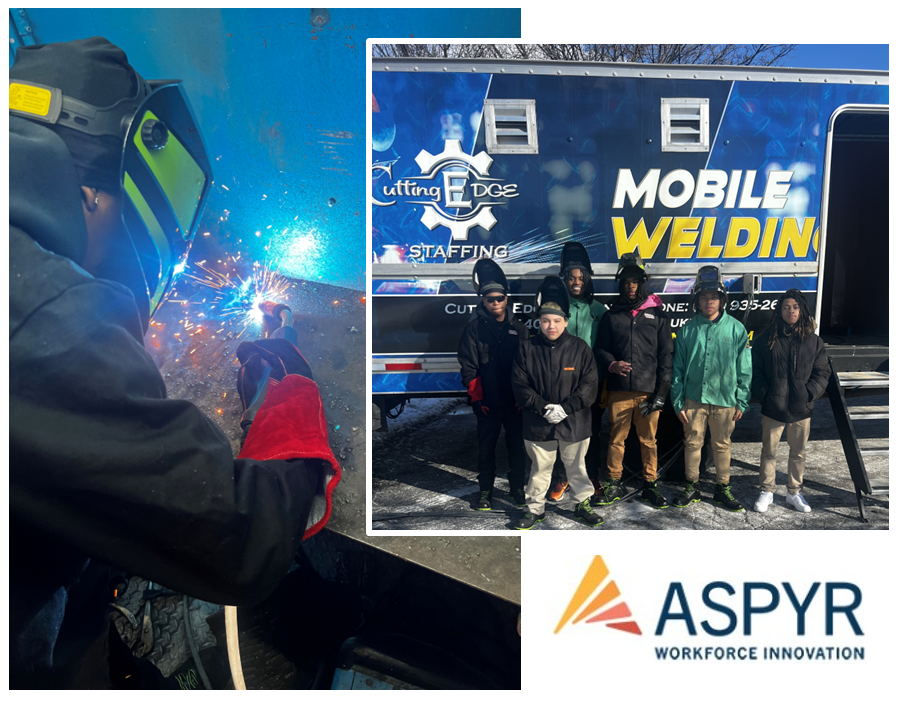
Access can be one of the biggest barriers between a job seeker and a high-quality training opportunity. Transportation challenges, long commutes, and rigid schedules often stand in the way—even when strong programs exist. A recent Accelerated Welding cohort offered through Cutting Edge takes a different approach: instead of requiring students to come to the training, the training comes to them.
Cutting Edge, a post-secondary education provider specializing in skilled trades, is doing exactly what its name suggests—redefining how and where workforce training happens. Through a mobile welding lab, the organization can deliver hands-on, industry-recognized training directly to students in locations that are convenient, accessible, and connected to local workforce hubs.
“We can bring it to you versus you coming to us,” said Andrea Bester, owner of Cutting Edge. That flexibility, she noted, is especially impactful for schools, workforce centers, and rural communities where traditional training facilities may be out of reach.
A Welding Lab on Wheels
At the center of the program is a mobile welding truck equipped with six individual welding booths. Inside, students complete the hands-on portion of a six-week accelerated welding program that blends classroom instruction with real-world application. Read More
| |
Making Workforce Pell
More Workable:
Takeaways from a CAEL
and MUS Member Webinar
If you’ve been following the news in higher education and workforce development, you know that Workforce Pell is a hot topic, especially as we approach the July implementation date. Recently, I had the pleasure of hosting a joint member webinar with our partners at Midwest Urban Strategies, bringing together practitioners who represent major stakeholders in this work - community colleges, universities, systems, workforce boards, training providers, local, state, and federal government officials, consultants, and nonprofit organizations.
The expansion of Pell Grants, which have been around for quite some time, to short-term programs (as short as eight weeks!) can be viewed as a win for adult learners and employers. However, this change comes with a high bar for accountability and many unanswered questions that pose real challenges for the colleges, universities, and other organizations that are providing the training - not to mention the coordination required at the state level. Our panel of experts, comprising Casandra Blassingame, M.Ed., president & CEO, Continuing Education Unit Accreditation Council; Tracey Carey, executive director, Midwest Urban Strategies; Dr. Andrew Gardner, associate vice president of workforce strategies, North Carolina Community College System; Rachel Hirsch, vice president of public partnerships, CAEL; Fahim Karim, manager of economic stability and mobility, Employ DMV; and Julie Straub, president & principal consultant, Future Ready Consulting came together to unpack some of these hurdles and offer up learner-centered guidance to leverage this opportunity. Read More
| | |
From Skills Data to Workforce Strategy
When was the last time you were asked what kind of grades you got in school? I was asked for my undergrad grades exactly once – when I was applying for graduate school. The grades I earned in graduate school have been exactly… never. Not that the learning wasn’t important, but in truth, what happened in the classroom was important only insomuch as it offered a framework to understand what was happening in the real world. I’ve never been asked about a class took, but we’ve all been called upon countless times to take what we have learned and apply that learning to new situations, to solve problems and create opportunities in the real world.
And while the nature of those problems and opportunities have always been in a state of evolution, it seems that that pace of changes continues to accelerate. And as workforce system practitioners, it is our job to keep pace with that change and empower participants in our programs and in the broader communities to continually develop and refine the skills needed to do so.
As the need to rachet up our skills game increases, we are fortunate to be living in a time when we have more and better tools at our disposal. Gone are the days of manually pouring over job descriptions, trying to divine the meaning and the context behind what seem like so many generalities/platitudes, getting even a few companies in our communities to let us know what they are looking for in terms that we can understand and act on. No longer are we shackled to data that comes out once a year. Read More
| | |
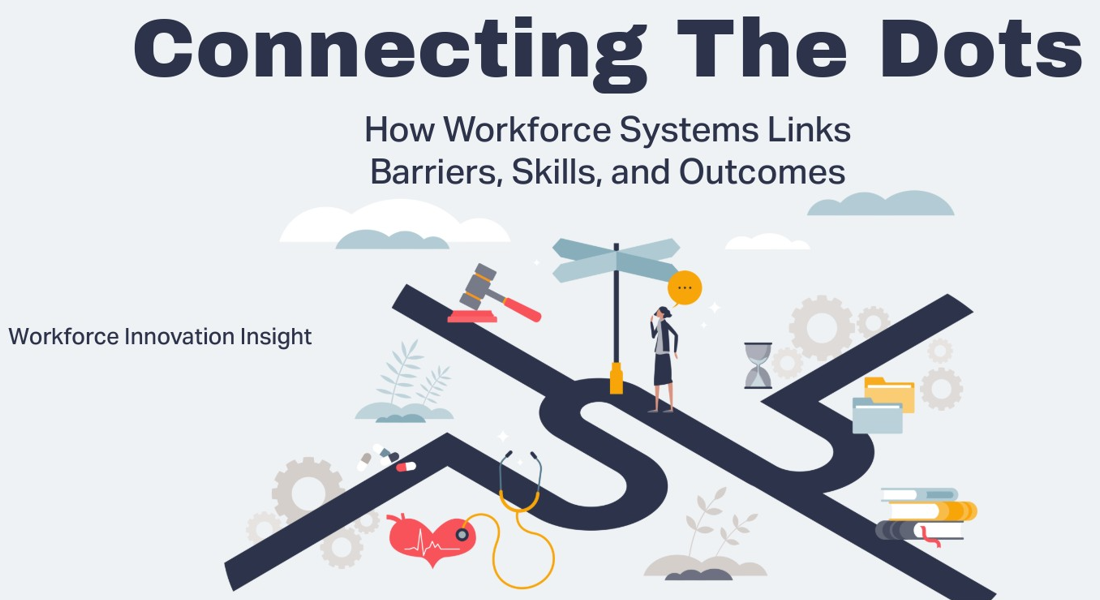
From Barriers to Skills to Outcomes:
Rethinking Workforce System Design
Across the workforce development field, there is a growing emphasis on skills—how they are defined, developed, and aligned with employer demand. This shift is both necessary and timely. As industries evolve, workforce systems are being asked to move faster, respond more precisely, and create clearer pathways to economic mobility.
Yet, in the midst of this shift, a persistent challenge remains.
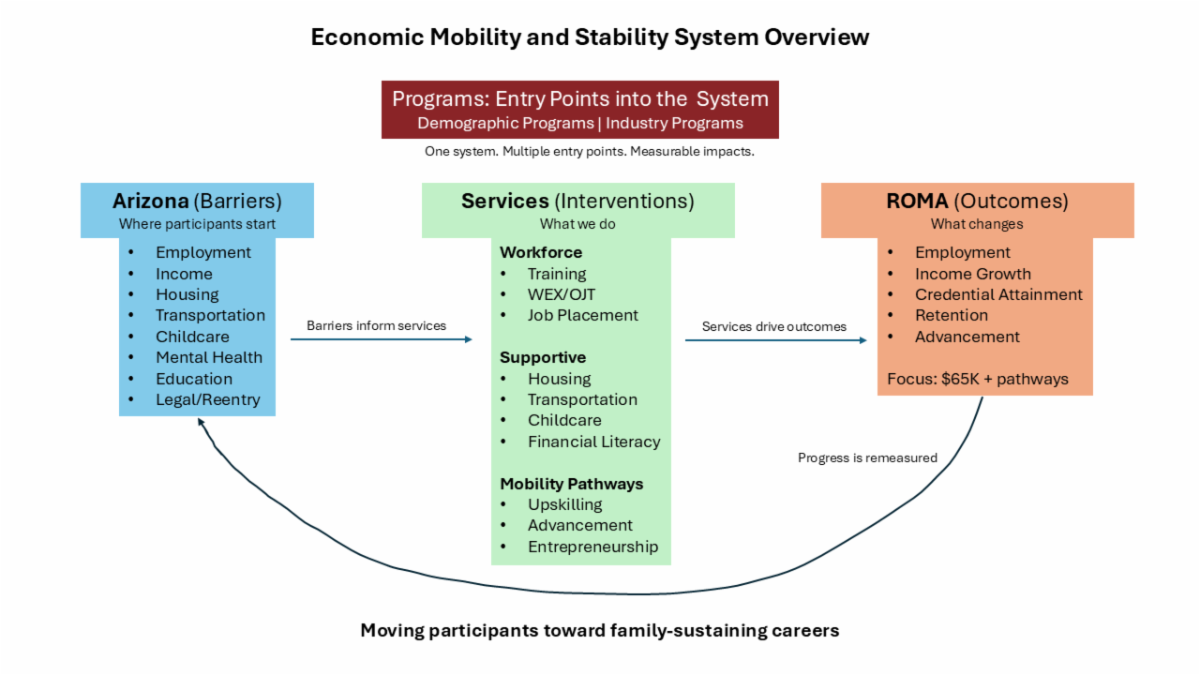
Many workforce systems are designed to track services delivered and outcomes achieved, but often struggle to clearly connect the two. We can report how many individuals completed training, attended workshops, or secured employment. We can also report wage gains or credential attainment. But we are not always able to answer a more fundamental question:
What actually led to that outcome—and how did skills development intersect with the barriers individuals were facing?
This gap matters, especially in a skills-based economy.
If we are serious about aligning talent development with real-time employer demand, we must also be serious about understanding the full context in which individuals are building those skills. Skills do not develop in isolation. They are shaped by a range of factors, including access to transportation, housing stability, financial pressure, childcare responsibilities, and mental well-being. Read More
| |
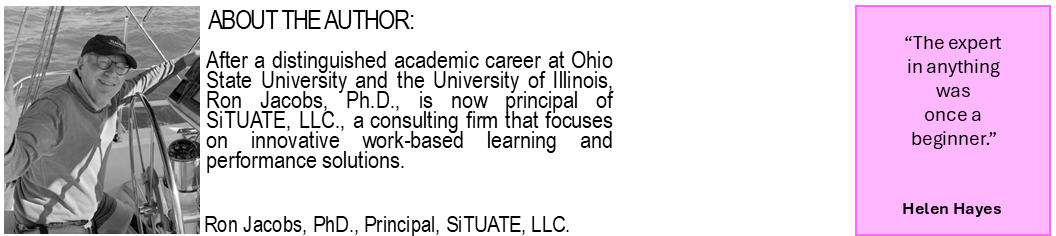
Responding to Skills Gaps: A Strategy for Competitiveness and Development
Experts say that leaders can future-proof their organizations by addressing immediate and forecasted gaps in the abilities of their employees. Such an action is crucial for adopting a broader skills-based organization perspective which, in contrast to an exclusive credential-based perspective, helps organizations respond more nimbly to changes in the workplace, which is of uppermost importance for managers these days.
What’s the root cause for the need to focus on skills gaps? The answer lies in dramatic changes in the nature of work, brought on primarily by today’s advanced technology. But, technology has long been considered a disruptive force on employees’ skills. Several years ago, a colleague and I surveyed senior managers in Singapore about the key drivers of change and skills gaps in their organizations (Osman-Gani & Jacobs, 2005). Not surprisingly, technology was shown as the highest-ranked driver but, in retrospect, the influence of technology at that time pales in contrast to what is occurring now. AI and other advanced technologies have just now begun to impact work expectations and it seems the impacts are just gaining traction going forward, in still unforeseen ways.
More recently, I conducted a study to identify skills gaps in the team leader position across six Chicago-area manufacturing companies, and showed that most of the forecasted skills gaps were indeed based on impending adoption of new technologies, such as the introduction of smart factory principles (Jacobs & Boulay, 2021). Read More
| | A Message of Gratitude to Our 2026 Sponsors: | |
|
Understanding the Data Behind WIOA Performance
Part of a Three-Part Series
This session is the first in a three-part learning lab series designed to help workforce systems move from understanding their data to using it more effectively.
-
Learning Lab 1: Understanding the Data Behind WIOA Performance
-
Learning Lab 2: Using Workforce Data to Monitor Program Performance
-
Learning Lab 3: Turning Workforce Data into Strategy and Story
Together, these sessions will explore how workforce data can support not only compliance, but also program improvement, strategic decision-making, and communication of impact.
Learning Lab 1: Monday, May 11, 2026 | 1:00 PM CDT
Workforce systems rely on data every day—yet few have the opportunity to step back and fully understand how that data moves from the point of entry to the performance outcomes reported at the federal level.
Every WIOA outcome begins with information captured in local case management systems. From eligibility and services to training and outcomes, this data is entered by staff across the workforce system, and ultimately shaped into the Participant Individual Record Layout (PIRL). From there, it is used to calculate the federal performance indicators defined in TEGL 10-16.
But the value of this data extends well beyond federal reporting.
The same data used to calculate performance outcomes also provides a deeper understanding of who workforce systems are serving and how programs are performing. It can help answer important questions about participant characteristics, service engagement, and outcomes that are not fully captured by federal measures alone.
Why This Matters
Data collection, data integrity, and data literacy are critical at every level of the workforce system. Read More
Join the conversation and register for this Learning Lab: HERE
| |
Community Spotlight Advertisements
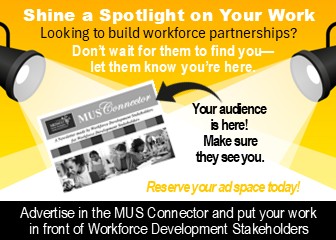
The Community Spotlight is open to any organization, employer, or partner that wants to share programs, services, events, or solutions with a national audience of workforce leaders and practitioners.
Created by workforce development stakeholders for workforce development stakeholders, the MUS Connector provides a respected platform for those contributing to workforce innovation, talent development, and system strengthening to connect with peers across the country.
Community Spotlight advertising also serves as a meaningful way to support the ongoing work of Midwest Urban Strategies as a 501(c)(3) nonprofit. To learn more about placement options or request a rate card, please contact Melanie.
Please Note: For your convenience, all advertisements are clickable links.
Learn more about our Authors by clicking on their headshots.
Explore and Connect Today!
734-331-8604
| |
Next month’s newsletter theme will focus on:
Community-Centered Workforce Systems and Collaboration
Questions about article submission?
We are happy to help!
734-331-8604
melanie@midwesturbanstrategies.com
| | | | |
CLASSIFIED SECTION:
EVENT: EARLY BIRD REGISTRATION OPEN! MUS Summer Convening 2026, June 2–4, A WorkforceWorks!! Northwest Indiana - The Urban/Rural Connection. MUS will bring workforce leaders together for three days of collaboration, innovation, and partnership in northwest Indiana. Save $50 Early Bird Registration ends on April 30th. Register: Here
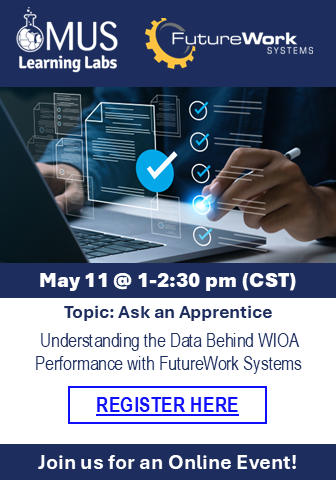
EVENT: May 11 from 1:00-2:30PM CST, MUS Learning Lab: Understanding the Data Behind WIOA Performance. Part one of a three-part series on unlocking the value of workforce data. This session will walk through how participant data moves from local case management systems into federal performance reporting. Learn how PIRL is structured, how WIOA indicators are calculated, and how data shapes program outcomes. Register: Here
EVENT: NAWDP’s 30 Minutes of Excellence – Activating Your Board for Real World Results, June 24, 1:00-1:30 pm CDT: Join Cape and Islands Workforce Board (CIWB) and Massachusetts Workforce Association to learn how a restructured board, grounded in diverse industry, geography, and lived experience, has strengthened alignment with regional workforce needs. Hear how onboarding, communication, and engagement strategies support policy implementation, partnerships, and responsiveness to funding and community priorities. We are excited to welcome presenters Kara O’Donnell-Galvin, Executive Director of CIWB, and Kelly Hanlon, Deputy Director of the Massachusetts Workforce Association. Register: Here
ANNOUNCEMENT: 2026 MUS Convening Sponsorships Available through May 11. Our sponsors receive red carpet treatment! Partnering with MUS comes with plenty of benefits and opportunities to build strong connections and partnerships. Inquire within to learn more: Here
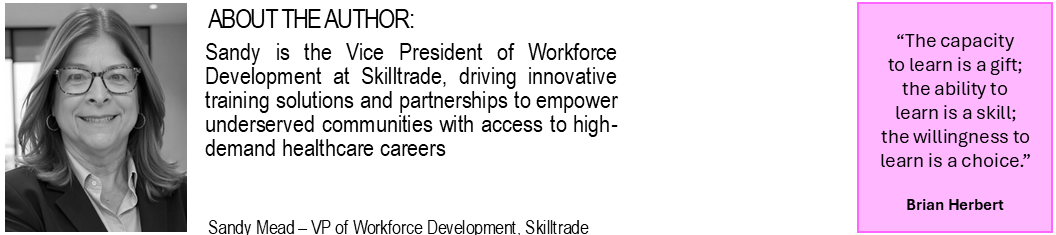
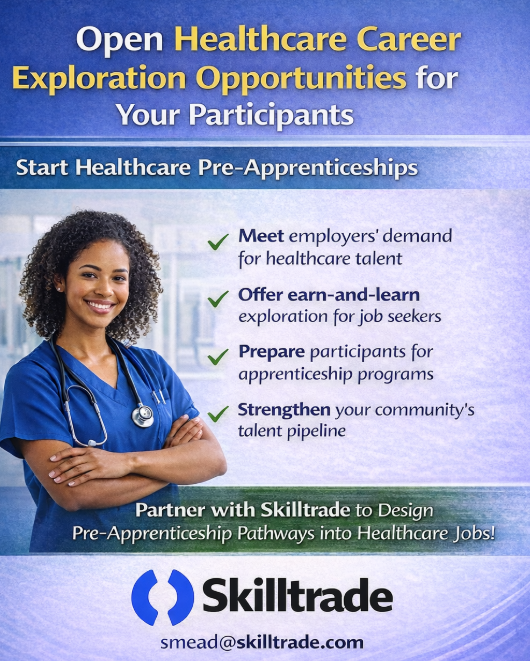
ANNOUNCEMENT: Skilltrade seeks partners to launch new Clinical Medical Assistant Career Training Pilot Programs across the country. Contact Sandy Mead to collaborate and learn more: Here
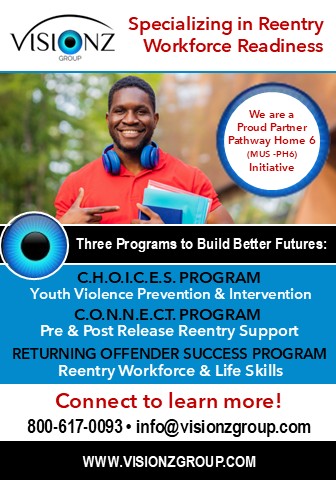
ANNOUNCEMENT: Visionz Group seeks partners to collaborate on expanding workforce readiness and reentry training programs in communities nationwide. Organizations interested in strengthening youth intervention, pre- and post-release support, and returning citizen workforce development are encouraged to connect and learn more: Here
ANNOUNCEMENT: The Foundation for Talent Transformation introduces its Well-being Framework in a comparative study of global models. More About Well-being Framework: Here
ANNOUNCEMENT: MUS Learning Labs are open to all, especially our readers. These online, expert-led sessions bring together professionals from various fields to explore key topics such as labor market statistics, early childhood education, workforce development programs, apprenticeships, and more. The best part? Learning Lab topics are selected by you—our readers and members—ensuring they remain timely and relevant.Sign up to receive an invitation to all MUS Learning Lab: Here
ANNOUNCEMENT: The MUS Connector would like to feature your success stories! Share your impact and inspire others. Submit your story: Here
ANNOUNCEMENT: MUS Wants to Hear About Your Workplace Wellbeing Initiatives! We are gathering insights on how our partners support well-being in the workplace. Do you offer initiatives that help employees thrive? Share your strategies and inspire others. Submit your workplace well-being initiatives: Here
| | Disclaimer: The views and opinions expressed in the author’s articles featured in this newsletter are those of the individual authors and do not necessarily reflect the official policy or position of Midwest Urban Strategies nor do they represent the views of any federal funding agency. Inclusion of these articles does not imply endorsement by Midwest Urban Strategies. | | | | |