|
When I was growing up, I was taught to see Columbus as a hero. “In 1492, Columbus sailed the ocean blue” that’s the story I memorized in school. He was the man who “discovered” America. I never questioned that version of history until I began exploring more about my own Dominican roots. That’s when I started to realize how much of history depends on who gets to tell it. People rarely write themselves into a bad light, and so much of what we’ve been taught leaves out the voices and experiences of others.
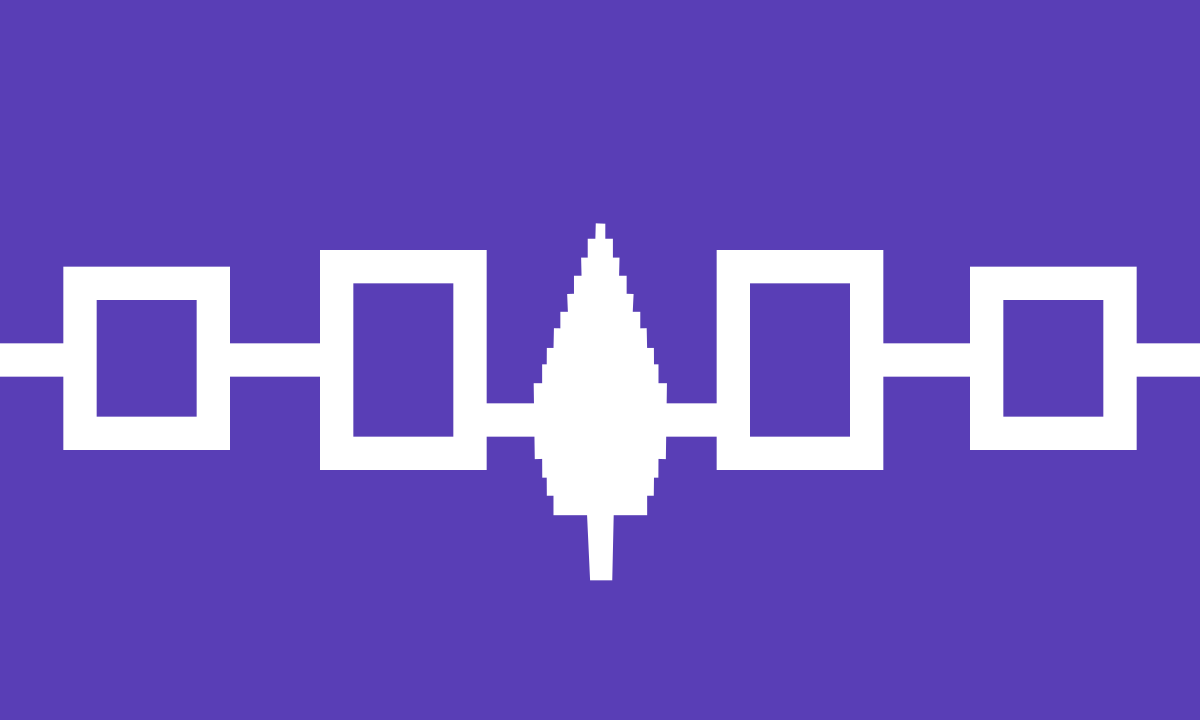
Indigenous Peoples’ Day challenges us to rethink that narrative. What was once known as Columbus Day now centers the people who were here first, the Native and Indigenous communities whose stories were silenced or erased. This day is about honoring their resilience and recognizing the full truth of our shared past. There’s so much unlearning we all have to do, and it begins with making space for the voices that history left behind.
I’m not saying don’t celebrate Columbus Day, if you choose to, that’s your decision. What I’m asking for is reconsideration. Let’s take this moment to reflect and reconsider: Who is writing history, and through what lens? Whose perspectives are we hearing, and whose have been excluded? When we begin to read and learn from all sides of history, our outlook might shift and we might begin to understand the full picture of our collective past.
South Dakota led the way in 1990, becoming the first state to make the change. Hawai‘i renamed its October holiday “Discoverers’ Day” to honor the Polynesian navigators who first settled the islands, and in 1992, Berkeley, California, became the first city to officially celebrate Indigenous Peoples’ Day.
Including Indigenous perspectives allows us to tell a more complete and honest story
about Columbus and the lasting impact his arrival had on the people who were already here.
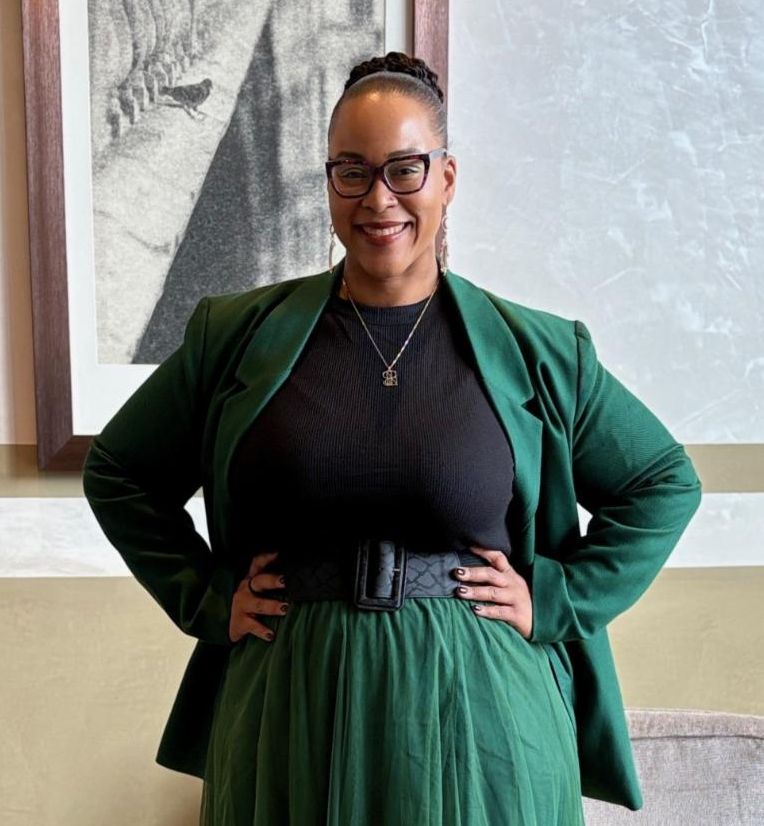
Stephanie Paredes, your DEIB Operations Manager
|