Visit our Website

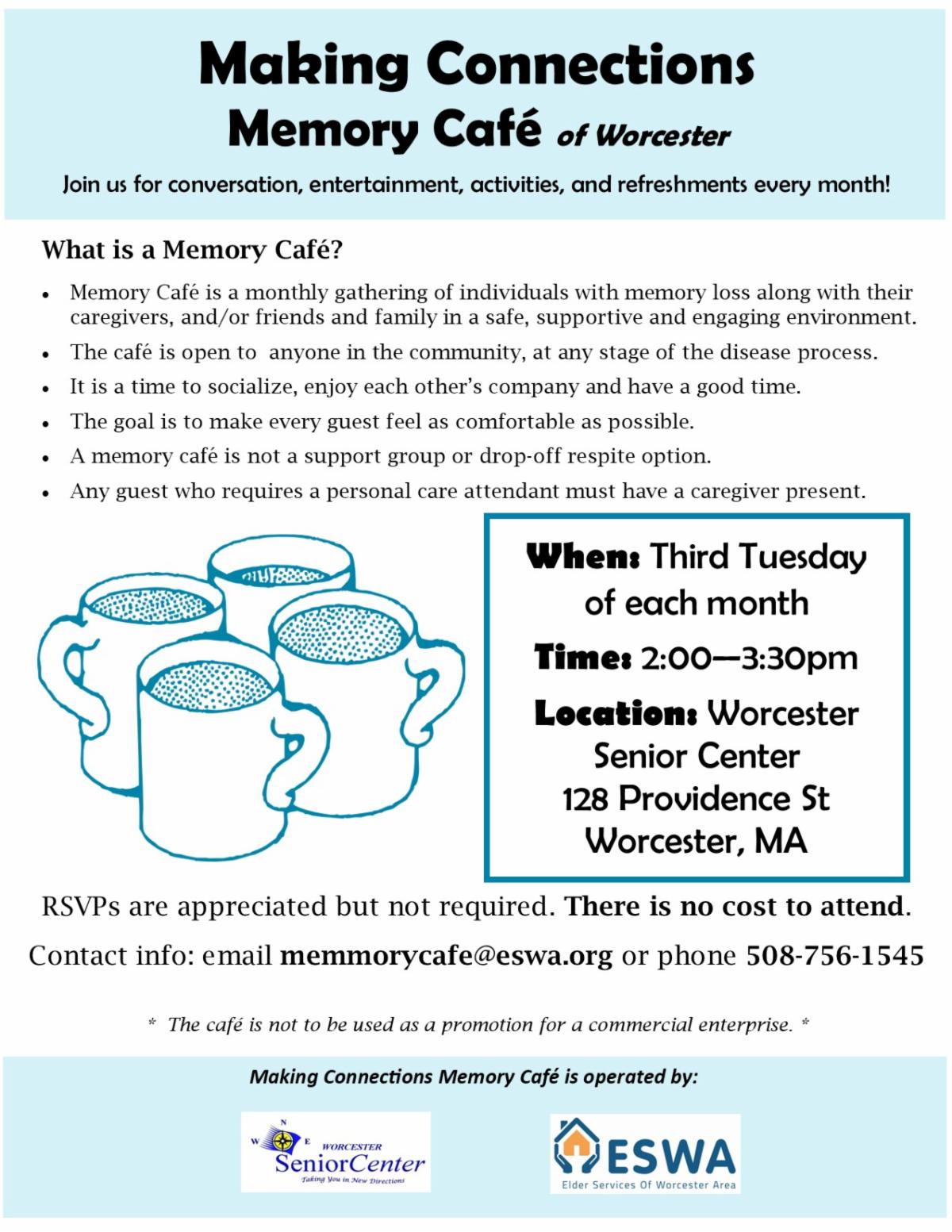
The Making Connections Memory Cafe at the Worcester Senior Center!

Join Deb, Patty, Jenn, and the gang for the next in person gathering of Worcester's Making Connections Memory Cafe. Held in a safe and welcoming environment.


Tuesday

September 20th 2:00PM

Worcester Senior Center

128 Providence Street

Worcester MA


The Hip Swayers!

Hailing from the hills of West Tatnuck, the Hip Swayers are a good time, get up and dance band. Their music combines tight rhythms, searing solos and soulful harmonies in an eclectic mix of catchy originals, old time country, and twangy, reverb-soaked surf that keeps your toes tapping and your hips swaying


Feel free to just drop in, or if you prefer, Email your RSVP to Memory Cafe Team

by clicking here

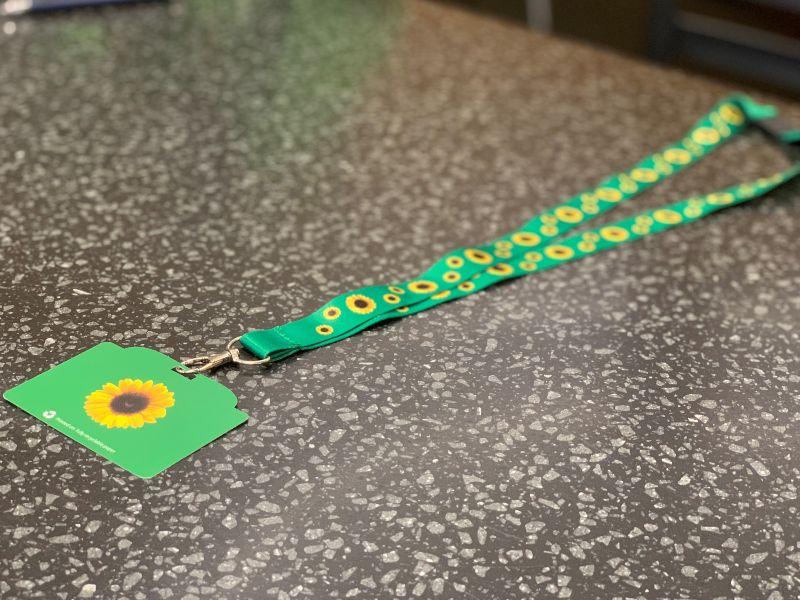
Sunflower Lanyard Program Grows Disability Awareness

It’s easy for airport employees to lend a hand to travelers with visible cues of a disability like a passenger in a wheelchair. But there are other “hidden disabilities” that are less apparent such as autism, Crohn’s disease, dementia, hearing impairment, multiple sclerosis, and PTSD.


According to the Centers for Disease Control (CDC), 26 percent of American adults have some type of disability, many of them not visually apparent. SEA Travelers with hidden disabilities may request a sunflower lanyard to let airport staff know that they may need a little help or extra patience.

To better meet the needs of all travelers with disabilities, SEA Airport celebrated our one-year anniversary of the Sunflower Lanyard program on October 23. This program was pioneered by Gatwick Airport in Great Britain, and SEA became the first airport in the United States to implement the Sunflower Lanyard program. In the first year of the program, we have distributed hundreds of lanyards and seen expansion to other U.S. airports.


Click here to read the rest of the article on Daily Caring

The Conversation Project®

The Conversation Project® is a public engagement initiative of the Institute for Healthcare Improvement (IHI). Our goal that is both simple and transformative: to help everyone talk about their wishes for care through the end of life, so those wishes can be understood and respected.


It’s time to share the way we want to live through the end of our lives. And it’s time to communicate about the kind of care we want and don’t want for ourselves.


We believe that the place for this to begin is at the kitchen table—not in the intensive care unit—with the people who matter most to us, before it’s too late.


Together we can make these difficult conversations easier. We can make sure that our own wishes, and those of the people who matter most to us (our loved ones, friends, chosen family), are both understood and respected. The Conversation Project offers free tools, guidance, and resources to begin talking with those who matter most about your and their wishes.


Our free Conversation Guides can help you have ‘the conversation’ with the important people in your life about your – or their – wishes for care through the end of life.


All the Guides are available to download and print at home for free.


Click here to download the guide

Dance with me? Study uses music to soothe dementia patients and caregivers

HERSHEY, Pa. — The room transformed as an older woman danced around the skilled nursing care unit to rock ’n’ roll hits from her youth. Her husband later took her hands and joined her in a two-step tour of the space. First-year Penn State College of Medicine medical student John Bufalini watched in awe as the couple’s joy filled the room at the assisted living facility.


“That was when I first witnessed the true power of music,” said Bufalini, who is now an internal medicine resident at Penn State Health Milton S. Hershey Medical Center. “I watched a quiet woman go from sitting in a chair passively interacting with her world to a lively lady dancing around the room. I also saw her husband enjoy every step of that transformation as well.”


Click here to read thefull story on PSU website

Alzheimer's: Who Is Caring for the Caregivers?

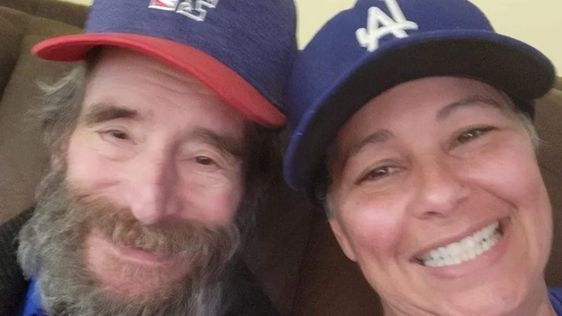
Katherine Sanden drove over 1,400 miles, from California to Nebraska, to care for her beloved uncle after he was diagnosed with Alzheimer's in November 2020, but seeing him after years apart was more devastating than she could have ever imagined.


Like Sanden, many family caregivers are thrown into the deep end with little to no experience helping someone with Alzheimer's. Though some find outside support to help them navigate health care systems, Sanden struggled to get that for her uncle in Nebraska.


After living with him in a small town for three months, Sanden found herself needing to learn ways to advocate for her uncle Larry. The 50-year-old was faced with a completely different health care system than the one she knew in California.


Click here to read the rest of the article on Consumer Health Day website

Facebook  Twitter  Linkedin  Pinterest  Instagram  Youtube  
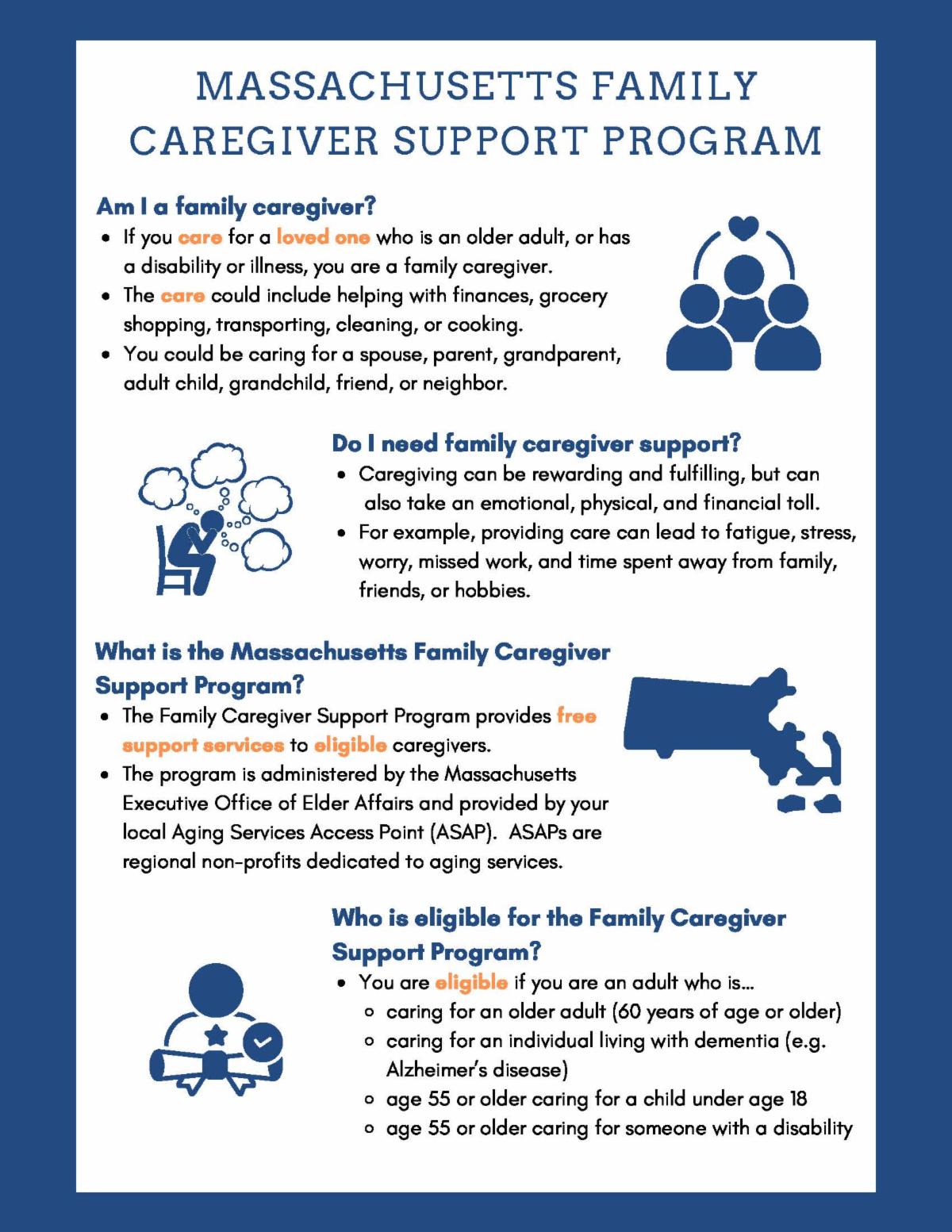
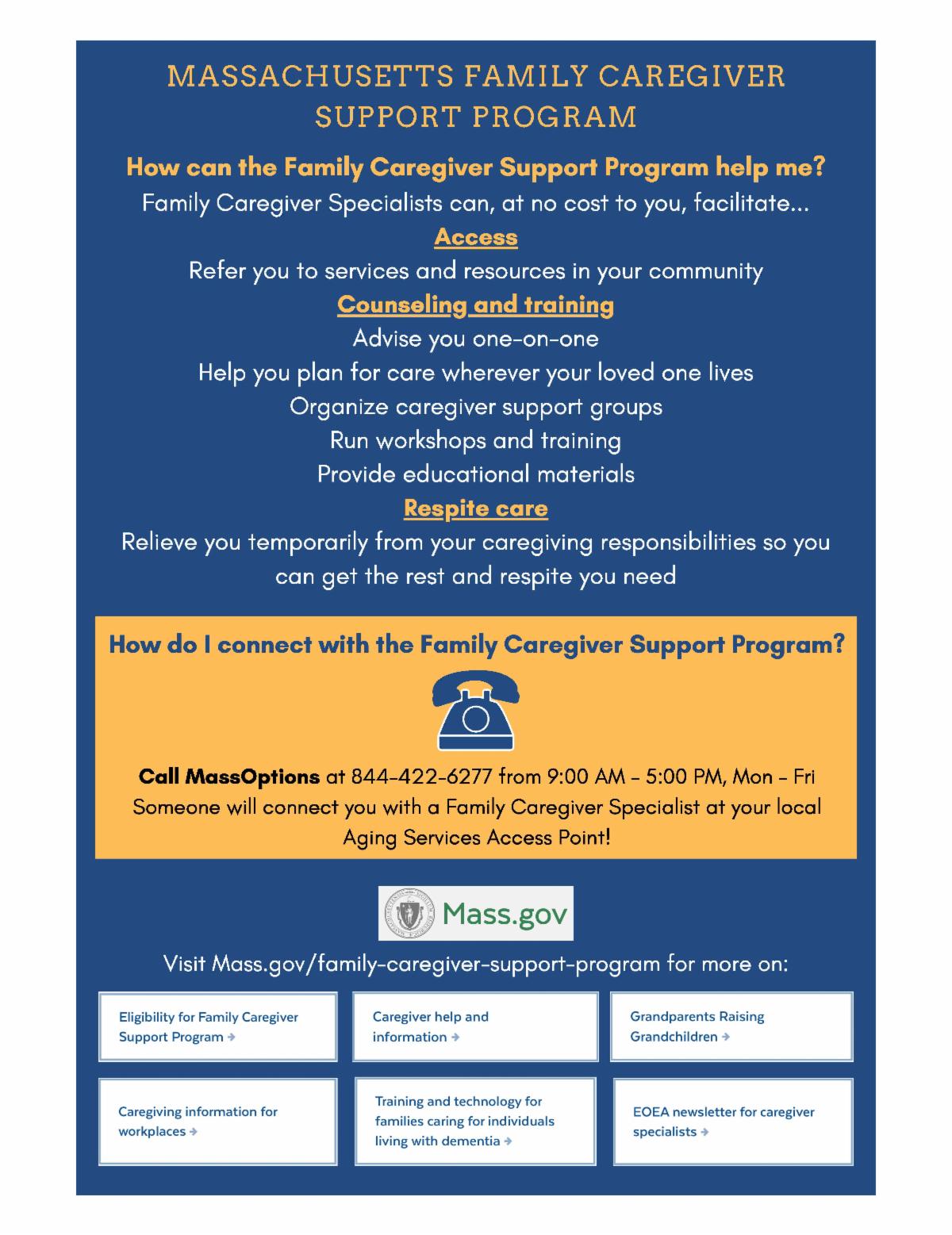
The Massachusetts Family Caregiver Support Program was established under Title III-E of the Older Americans Act to assist caregivers with information and access to services and supports. The Central Massachusetts Family Caregiver Support Program is administered by the Massachusetts Executive Office of Elder Affairs, in cooperation with the Central Massachusetts Agency on Aging, Elder Services of Worcester Area, Inc.; Montachusett Home Care Corporation and Tri-Valley, Inc.
  www.800ageinfo.com  1-800-AGE-INFO