Making an Impact
September 2025
| | |
In this issue:
- Traffic Alert!!! College Football Season Is Here
- Child Passenger Safety Week
- Vehicular Heatstroke Prevention
- Oregon Impact Toolbox: Tools You Can Use
- Upcoming Events
| |
Traffic Alert!!!
College Football Season Is Here
| | |
The college football season is here, and ODOT (Oregon Department of Transportation) reminds drivers to expect heavy traffic on Interstate 5 on the weekends of home games for the University of Oregon in Eugene and Oregon State University in Corvallis. If you are traveling on game days, plan ahead.
Traffic will be especially heavy when both the Beavers and Ducks have home games, on August 30 and September 6, and the big rivalry game on September 14. Drivers can expect congestion through the Willamette Valley all day on these days as thousands of fans travel to and from the games.
Some tips for travelers:
① Plan ahead and stay alert.
Leave early and be patient. Be prepared for sudden stops in traffic and quick lane changes.
② Stay informed:
Check road and traffic conditions by visiting TripCheck.com or calling 511. If you’re already on the road, have one of your passengers do this!
③ Avoid distractions:
Hand your phone to a passenger for calls, texts, or checking:
TripCheck.com.
④ Buckle Up:
Make sure everyone is wearing their seat belts.
⑤ Drive Safely:
Make sure your driver is sober and well-rested before and after the game. If you see someone driving dangerously or suspect they are impaired, call 911 if it is safe for you to do so.
⑥ Consider alternative transportation:
The Amtrak Cascades passenger train stops in Eugene and train riders can catch the Lane Transit District’s Autzen Express bus.
| | Child Passenger Safety Week | |
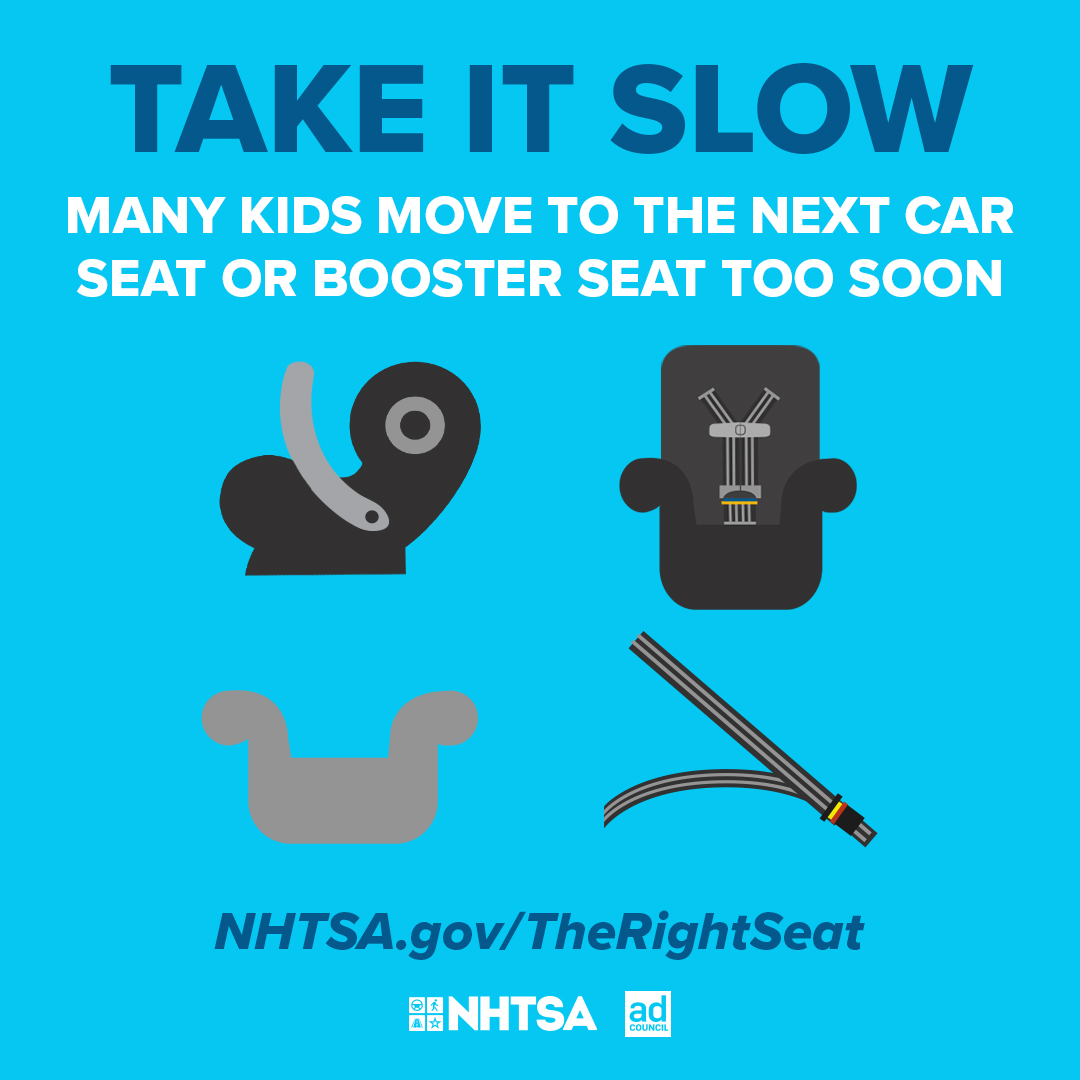
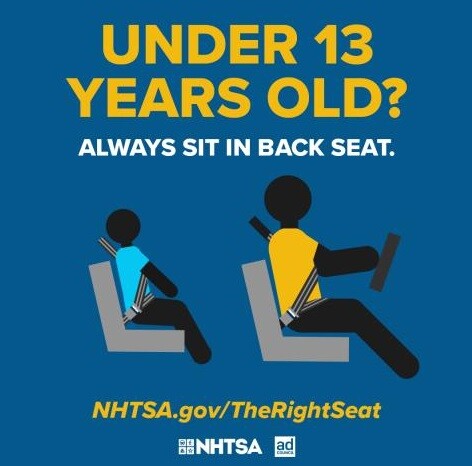
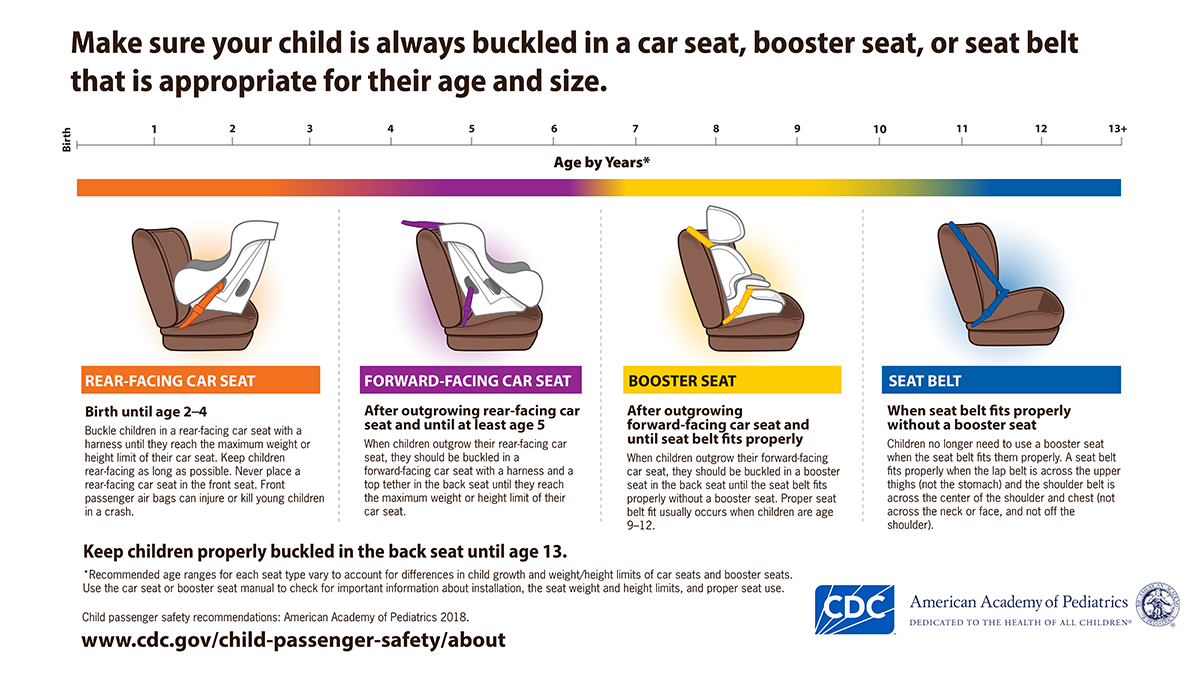
Child Passenger Safety Week is recognized each year in September and brings heightened awareness to how parents and caregivers can keep children safe in vehicles. Child Passenger Safety Week 2025 will be held from September 21-27. Use NHTSA’s Car Seat Finder to make sure your child is in The Right Seat.
| | | As part of Child Passenger Safety week, National Seat Check Saturday, on September 27, is a day for you to receive free instruction on how to correctly install and use the right car seats for your children. Use NHTSA’s Car Seat Inspection locator to find a location near you. | | |
➊ Every day in 2023, on average, two children under 14 were killed and 345 were injured in traffic crashes while riding in passenger vehicles.
➋ A total of 700 children were killed in traffic crashes while riding in passenger vehicles in 2023, and over 125,000 were injured.
➌ In 2023, 43% of children (14 and younger) who died while riding in passenger vehicles were unrestrained.
➍ Over the 5-year period from 2019-2023, there were 1,862 “tweens” (8 to 14 years old) killed in passenger vehicles.
➎ In 2023 alone, the 8- to 12-year-old age group had the highest number of fatalities (314) among children in traffic crashes. This age group is often found to be using the wrong type of restraint for their age and size. Moving a child passenger into a booster seat or adult seat belt before they are the right age and size can increase the risk of injury and death.
➏ In 2023, almost half (49%) of the children killed while riding in light pickup trucks were unrestrained, followed by SUVs (38%), passenger cars (39%), and vans (44%). Children are safest when secured in the proper car seats or booster seats for their ages and sizes, regardless of the vehicle type.
➐ Parents and caregivers can model safety for their kids. Research shows there is a strong correlation between caregivers who buckle up and their child passengers’ seat belt use. In 2023, of the child passengers killed in crashes while riding with an unbuckled driver, 64% of those children were also unbuckled.
| |
|
1. In passenger cars, car seats reduce the risk of fatal injury by 71% for infants and by 54% for toddlers 1 to 4 years old in passenger cars.
2. For infants and toddlers in light trucks, the corresponding reductions are 58% and 59%, respectively.
3. NHTSA estimates that since 1975, child restraints have saved the lives of 11,606 children under the age of 5.
4. A NHTSA study found that while most parents and caregivers believe they know how to correctly install their car seats, about half (46%) have installed their child’s car seat incorrectly.
| | | | |
It's important to choose the right seat and use it correctly every time your child is in the car.
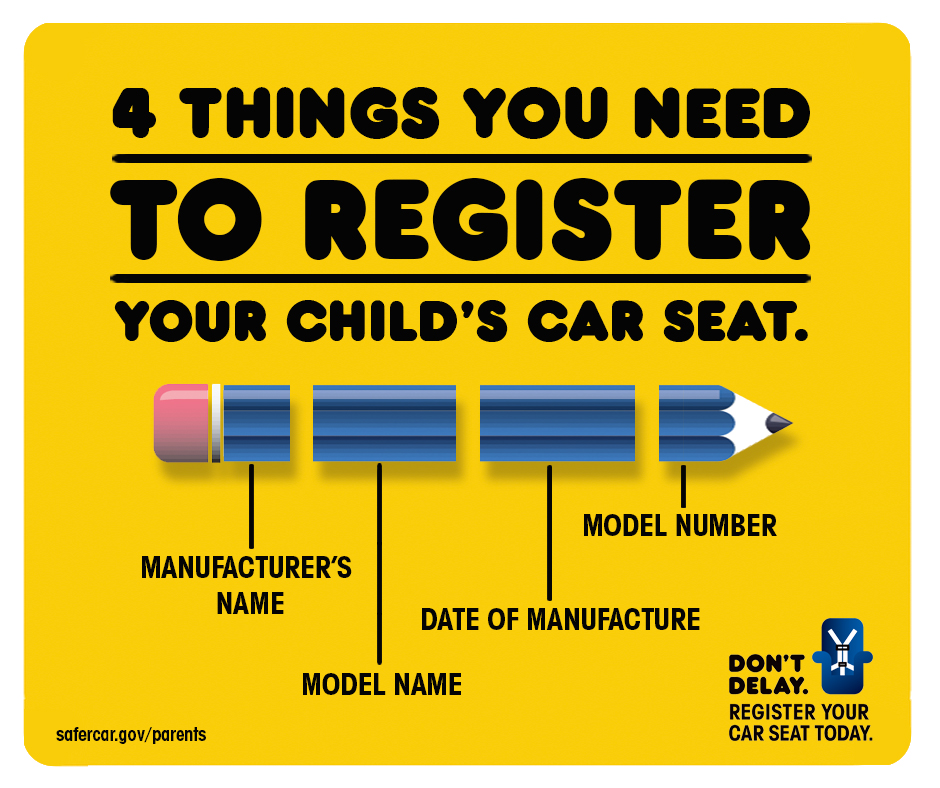
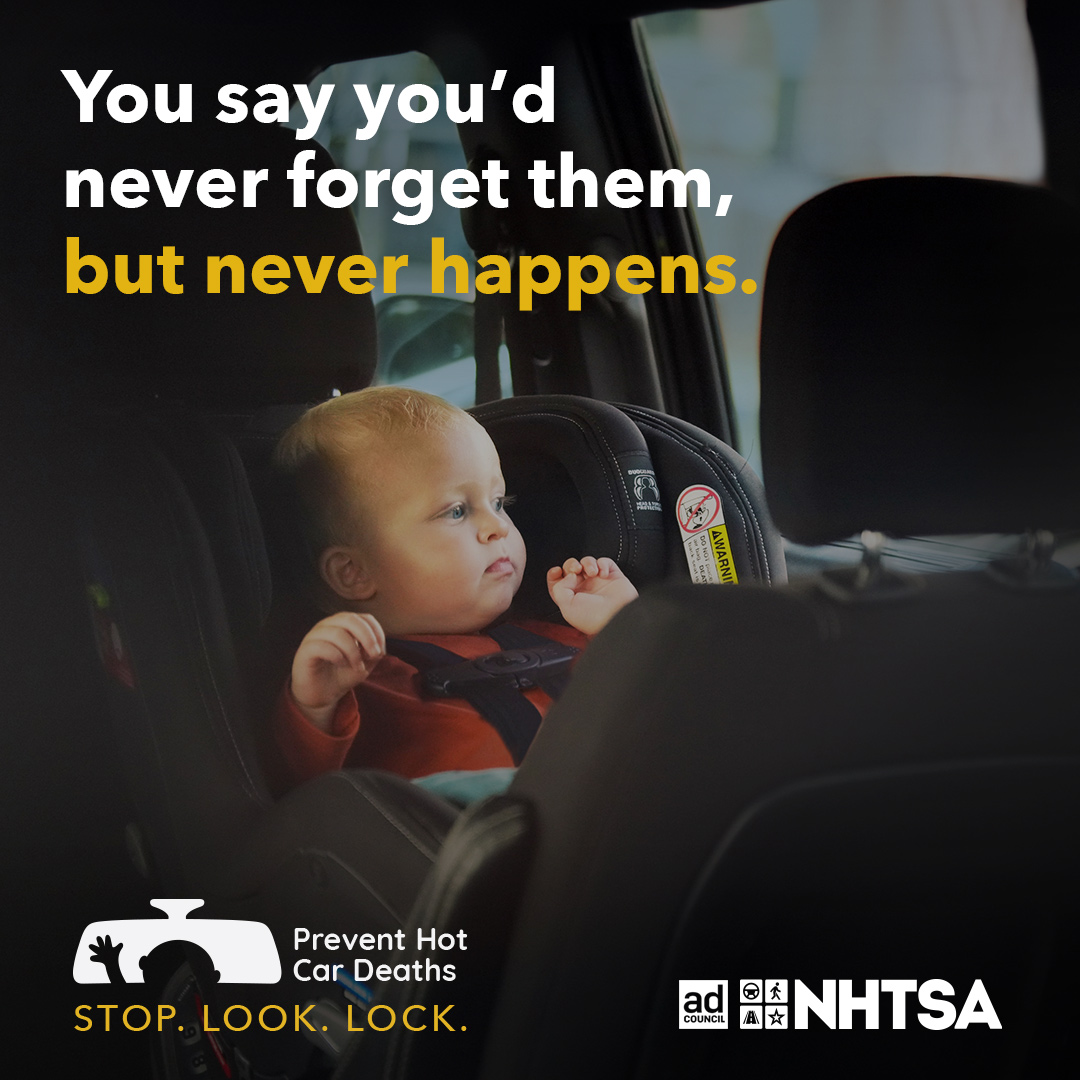
| | Install Your Car Seat Correctly | | Keep Your Child Safe - Register Your Car Seat | | Vehicular Heatstroke Prevention | | Join the U.S. Department of Transportation’s National Highway Traffic Safety Administration (NHTSA) for the Once You Park, Stop, Look, Lock heatstroke prevention campaign. NHTSA’s goal is to educate parents and caregivers about critical information regarding pediatric vehicular heatstroke. NHTSA, safety advocates, and academic institutions urge parents and caregivers to learn about the deadly consequences of leaving children in cars. | |
Every Death is Preventable
| |
- Hot car deaths are the leading cause of non-crash, vehicle-related deaths for children 14 and younger.
-
As temperatures start to rise across the country, it is essential for parents and caregivers everywhere to remember: Stop. Look. Lock.
- Before leaving a vehicle, stop, look for a child, and lock the car doors. It only takes a second.
- Since 1998, when safety advocates first began tracking, hot car deaths have killed more than 1,000 children. Each death was preventable.
- On average, 37 children die per year due to vehicular heatstroke. The biggest risk factor in these cases is a change in routine.
- The three main scenarios in which heatstroke occurs are:
- Children are forgotten in vehicles by parents or caregivers.
- Children gain access to unlocked vehicles and become trapped inside.
- Children are knowingly left in vehicles by parents or caregivers.
It is critical that all parents, caregivers, and drivers understand that children should never be left alone in a vehicle, not even for a minute.
| |
- The primary way a child dies from heatstroke is from a parent or caregiver “forgetting” their child in a vehicle. There are many factors at play, but a common one is a change in routine. Every family experiences a change in routine at some point, so every parent or caregiver is susceptible to this mistake.
-
This “forgotten” circumstance accounts for more than half of the total child hot car deaths that have occurred since 1998. In approximately half of these “forgotten” deaths, specifically, the child was on their way to childcare or preschool. A busy parent or caregiver may unintentionally forget that a quiet or sleeping child is in the back of the vehicle. This most often occurs with children under one year of age. Always remember: Once You Park, Stop, Look, Lock. These actions could save a life.
- Toddlers and young children are also at risk, as they can climb into a vehicle without supervision. Children may be playing or hiding, but if they enter a vehicle without the knowledge of an adult, they may be unable to get out of the car, especially if child locks are activated. It is essential to teach children that cars are not a place to play. Parents and caregivers should get into the habit of storing keys and fobs out of a child’s reach.
- Sometimes, children are left intentionally by parents or caregivers who do not understand the dangers of a hot vehicle and may have a quick errand to run, or who may not understand how quickly a vehicle can heat up to deadly temperatures. It cannot be overstated: Never leave a child in a vehicle alone, not even for a minute.
- The day of the week may have an influence on children who have been forgotten in a vehicle, or who have gained access: “Forgotten” deaths are most likely to occur on Thursdays and Fridays, while deaths in which a child has unknowingly climbed into a vehicle typically occur on weekends, with Sunday being the most at-risk day.
- By the end of 2024, Texas and Florida had the highest number of child heatstroke deaths. Additional states at the highest risk for heatstroke deaths per capita are Alabama, Arkansas, Arizona, Kansas, Kentucky, Louisiana, Mississippi, Nevada, New Mexico, Oklahoma, South Carolina, and Tennessee.
| | High body temperature can cause permanent injury or even death | |
- Heatstroke begins when the core body temperature reaches approximately 104 degrees and the thermoregulatory system is overwhelmed. A core temperature of approximately 107 degrees is lethal.
- Children are more sensitive to heat than adults.
- Children are at a higher risk than adults of dying from heatstroke in a hot vehicle because their body temperature rises three to five times faster than an adult’s.
- The children most at-risk for heatstroke are those under 1 year, yet they make up one-third of hot car deaths.
- In 10 minutes, a car can heat up by as much as 20 degrees. Rolling down a window does little to keep a vehicle cool, even on a cooler day.
- Heatstroke fatalities have occurred even in vehicles parked in shaded areas and when the outside air temperatures were 80 degrees Fahrenheit or less.
- Summertime is the peak season for these tragic incidents, with children dying at an average rate of two per week. Unfortunately, hot car deaths can even occur in outdoor temperatures as low as 57 degrees.
- The warning signs of heatstroke vary, but may include:
- Red, hot, and moist or dry skin
- Absent sweating, even though the child is warm
- Strong rapid pulse or a slow weak pulse
- Throbbing headache
- Dizziness
- Nausea
- Confusion
- Grouchiness or strange behavior
| | These tips could save a child's life | | |
Tip 1.
NEVER leave a child in a vehicle unattended, not even for a minute.
Tip 2.
Make it a habit to check your entire vehicle, especially the back seat, EVERY time you exit the car.
Tip 3.
Always lock your car when you aren’t using it, and put the keys out of reach. Even if you don’t have a child of your own, a child in your neighborhood could get into your unlocked vehicle.
Tip 4.
Keep an item in the back seat, like a toy. Put the toy up front with you when your child is in the car seat to serve as a reminder. Or, put your purse or work bag in the back seat with the child.
Tip 5.
If you see a child in distress in a vehicle, act. Call 911 immediately and get help.
For more information, visit NHTSA.gov/Heatstroke.
| | |
Oregon Impact Toolbox:
Tools You Can Use
| |
| | |
Impairment Goggles:
See the World Through Impaired Eyes
| | | | |
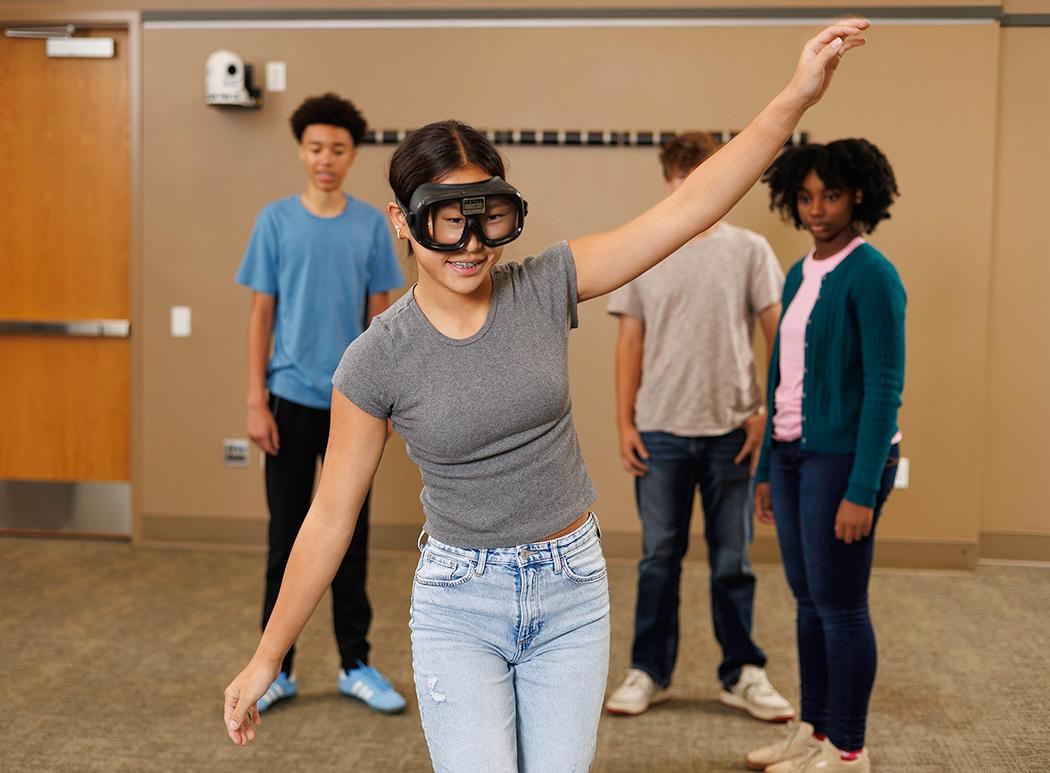
Oregon Impact has a variety of impairment goggles, often referred to as "drunk goggles" — powerful tools designed to simulate the effects of various impairments, such as alcohol or drug intoxication or drowsiness, by distorting vision, balance, and perception, these goggles offer a safe and eye-opening way to understand the challenges and risks associated with impaired functioning.
Here are some easy ways to use them in your community:
| | |
1. Educational Campaigns
Impairment goggles are widely used in schools, community events, and workplaces to raise awareness about the dangers of driving under the influence. By attempting to perform simple tasks while wearing the goggles, participants gain insight into the risks associated with impairment.
2. Workplace Safety Programs
Industries that rely on heavy machinery or driving use these goggles to stress the importance of being sober and alert on the job.
3. Common activities with impairment goggles include:
- Walking a straight line
- Catching or tossing a ball
- Navigating an obstacle course
- Driving simulators to illustrate the risks of impaired driving
These hands-on experiences often leave a lasting impression, reinforcing the importance of staying sober and focused in critical situations.
The Bottom Line
Impairment goggles are more than just a learning tool; they are a conversation starter. By giving people a glimpse into what it feels like to be impaired, they inspire individuals to think twice about their actions and the consequences. Whether it’s for educational programs or professional training, impairment goggles are an innovative way to promote safety and awareness in our communities.
All our goggles are available for your use at no charge. Please reach out to Anna at anna@oregonimpact.org for reservations.
Remember: The safest choice is to always stay clear-headed, whether on the road or in daily life.
| | |
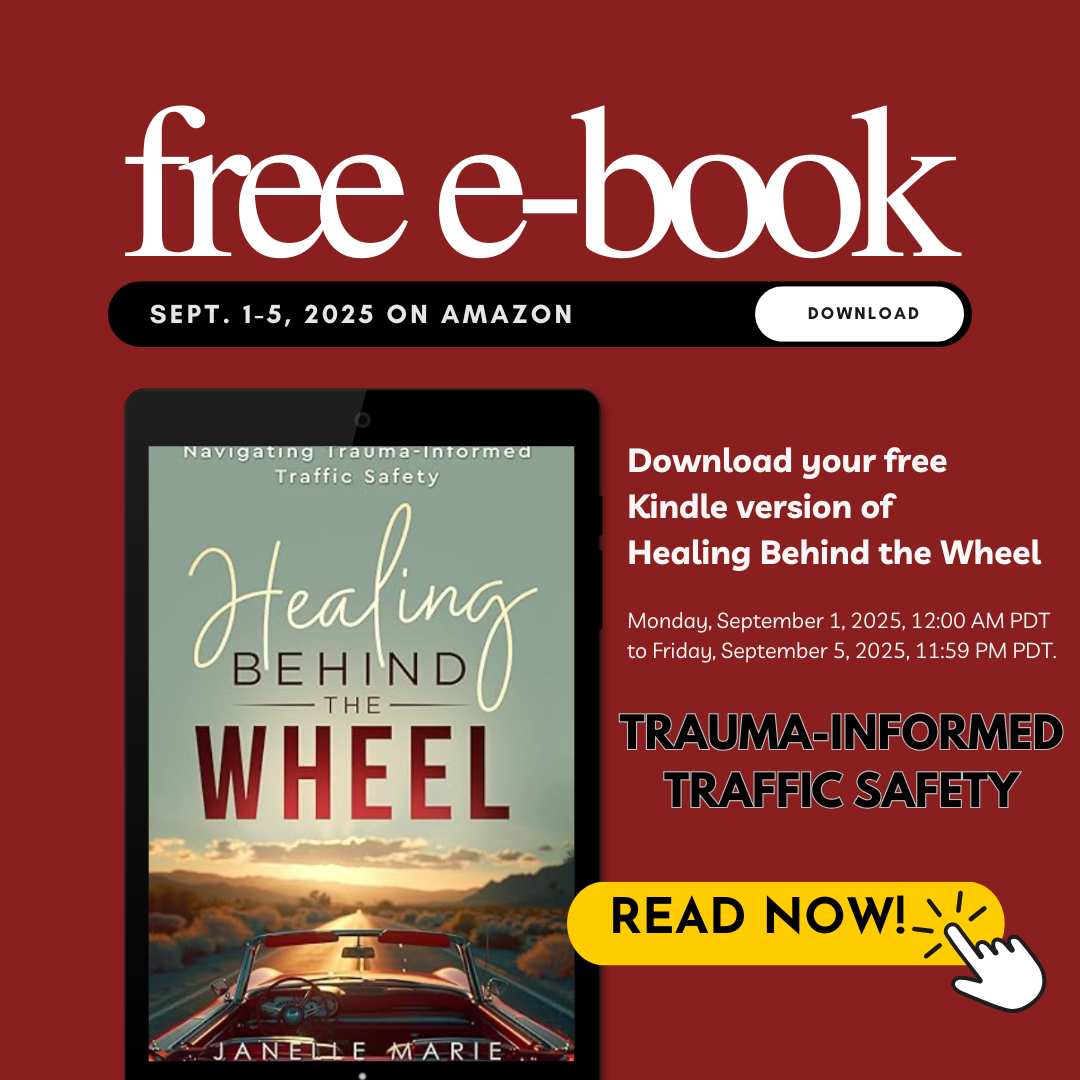
FREE EBOOK! Let’s Shine A Light On Traffic-Trauma Recovery
Executive Director of Oregon Impact, Janelle Marie, is offering her book Healing Behind the Wheel: Navigating Trauma-Informed Traffic, as FREE Kindle download on September 1 - 5, 2025.
Reclaim your confidence, your control, and your road through proven trauma-informed driving recovery approaches.
Use this link amazon.com/dp/B0DS6MD76N to download your copy!
| |
-
October: Pedestrian Safety Month
-
November: Fall Check, Vehicle Safety Recalls
-
December 1-5: Older Driver Safety Awareness Week
-
December: National Drunk & Drug-Impaired Driving Prevention Month
| |
|
Drive Sober, Safe, and Happy!
from your
Friends at Oregon Impact
| | | | |