|
1. Rolling back protections emboldens those who target Jews
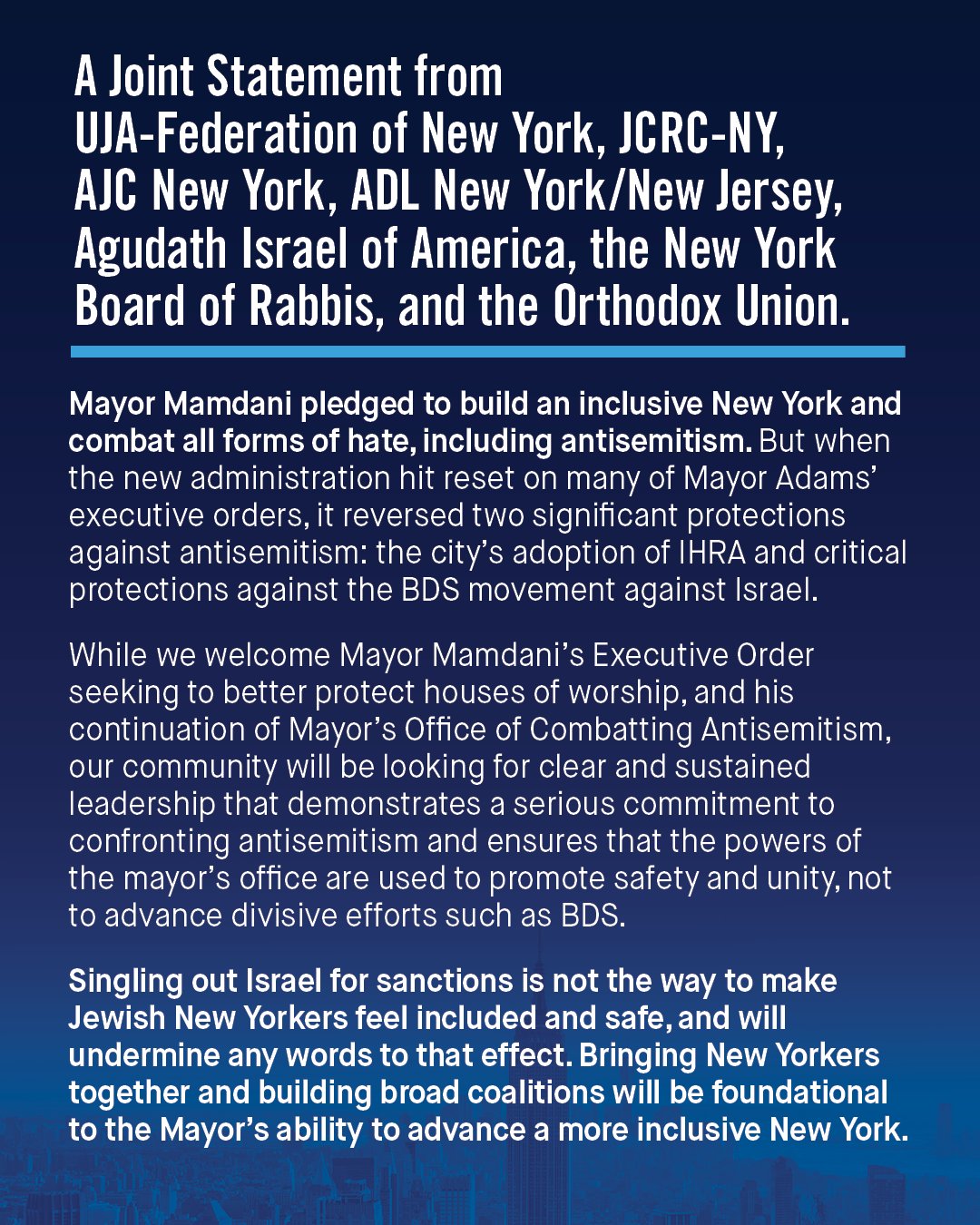
When city leaders remove clear standards and enforcement tools, extremists take notice. Mayor Zohran Mamdani’s decision to revoke the use of the International Holocaust Remembrance Alliance working definition of antisemitism and weaken guidance around protests at synagogues stripped away constraints that extremist groups have repeatedly tested. History shows that ambiguity does not calm tensions – it emboldens those already pushing boundaries through intimidation and disruption.
2. Leaders who weaken safeguards invite escalation
Political leaders set the ceiling for acceptable conduct. By reversing antisemitism safeguards, Mamdani lowered that ceiling at a volatile moment. Activist groups that surround synagogues and disrupt Jewish events see the removal of legal guardrails as license to commit violence. Escalation follows a familiar pattern: provocation increases, confrontations intensify and the risk of violence grows. Jewish history makes clear where that path leads – and it never ends with the Jews.
3. Political ideology is being prioritized above Jewish safety
Political movements increasingly treat safety for the Jewish community as collateral damage in pursuit of anti-Israel agendas. When government officials align with anti-Israel activists, they send a clear message that Jewish safety is at the bottom of the list. These leaders and appointed government officials reshape policy, policing and the everyday security of Jewish life.
4. When antizionism goes unchecked, Jews pay the price
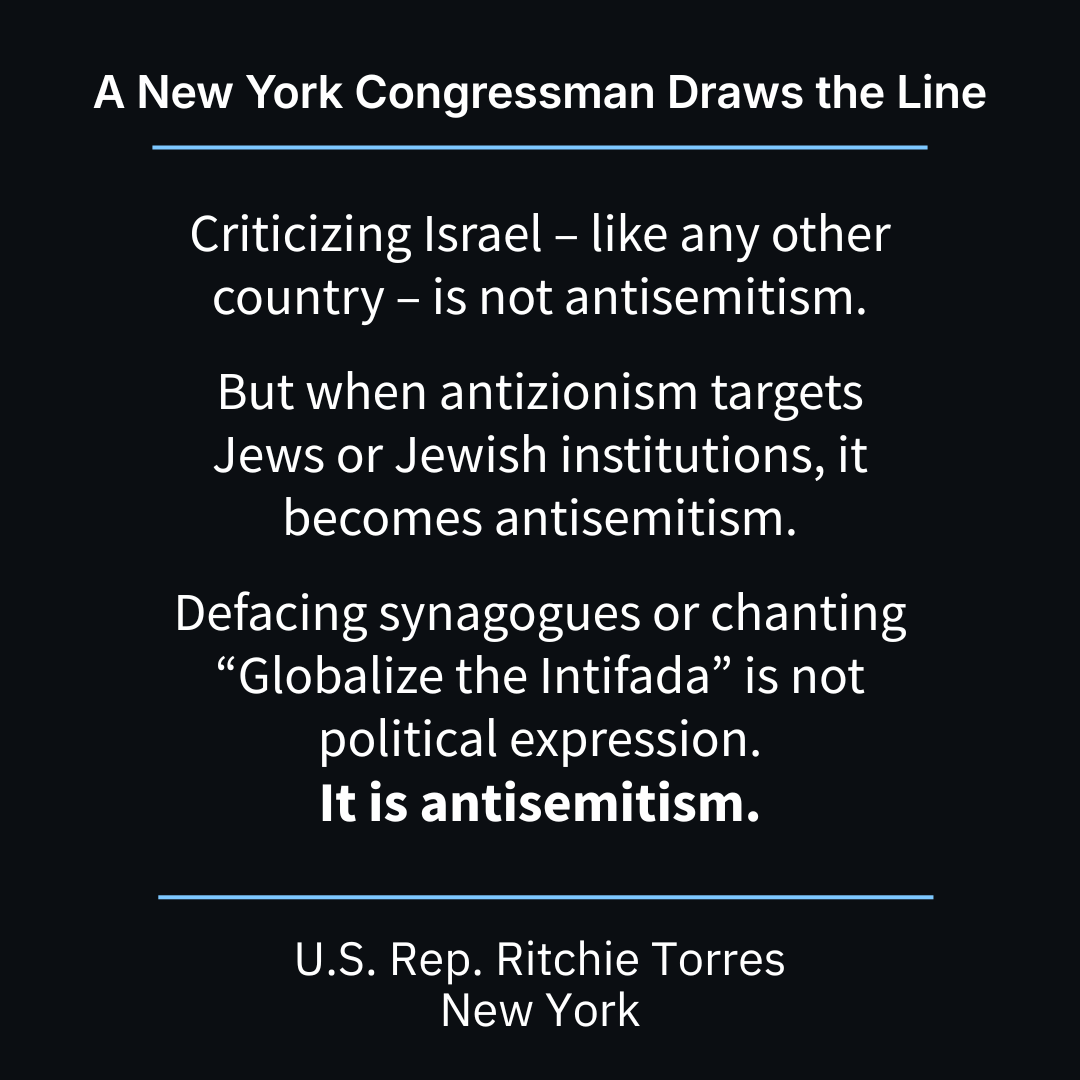
Language that denies Jewish legitimacy does not stay theoretical for long. Activists who frame Zionism as uniquely evil have repeatedly translated that rhetoric into harassment, vandalism and violence against Jews far removed from any policy debate. When this ideology is tolerated or excused, it functions as a license for targeting Jewish communities. The costs are measured in fear, disruption and, increasingly, bloodshed.
5. Failure to act now normalizes anti-Jewish hostility
Each moment of silence from level-headed officials and institutions gives permission to hostile actors. When intimidation, harassment and disruption are met with silence, they start becoming more acceptable. That normalization is not accidental. History shows that once anti-Jewish hostility is treated as tolerable, reversing the damage becomes harder and with higher stakes.
|