August 12, 2026

IN THIS NEWSLETTER

Science Showcase

  • 2026 Research Professionals Exemplar Awardees Announced

Research News from the Manne Research Institute Pillars

  • New Wearable Stickers Simplify Cystic Fibrosis Diagnosis
  • Commentary Evaluates the Developmental Substructure Model for Autism
  • Lurie Children’s Program Helps Pediatricians Gain Independent Expertise to Treat More Kids with Depression and Anxiety, Study Finds

Manne Research Institute in the Media

SCIENCE SHOWCASE

2026 Research Professionals Exemplar Awardees Announced

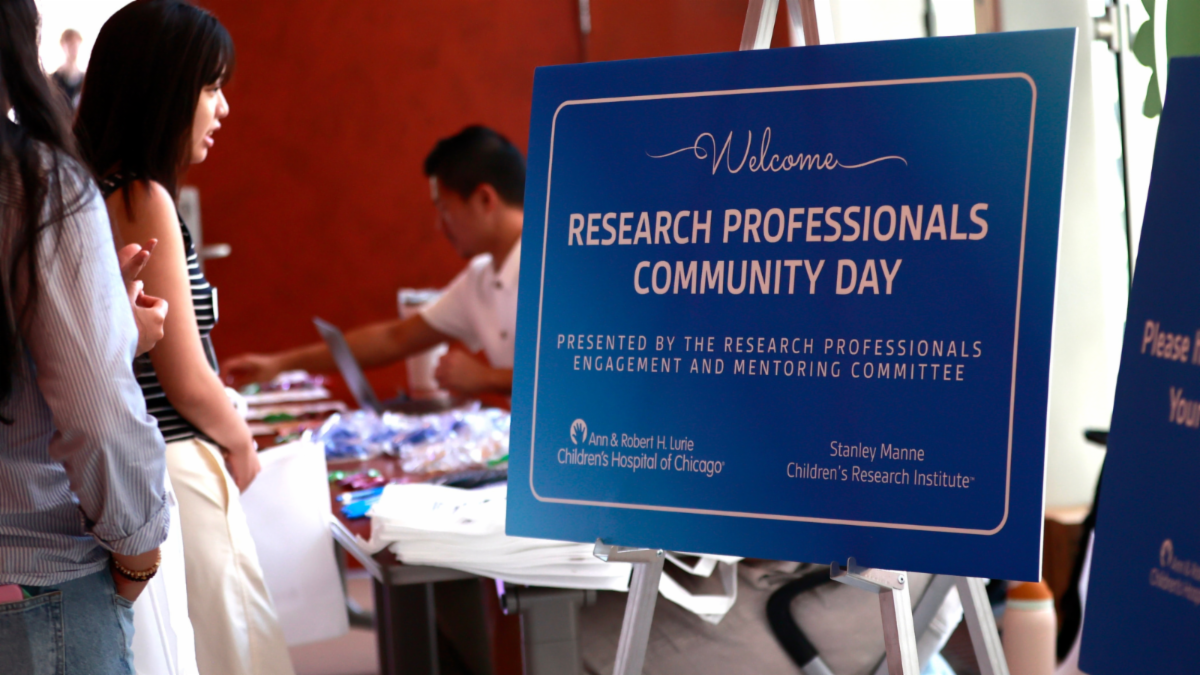
The Research Professionals Exemplar Awards celebrate the dedication and impact of research professionals throughout Stanley Manne Children's Research Institute. This year, the Research Professionals Steering Committee and the Research Professionals Engagement and Mentoring Committee collaborated to introduce six award categories that recognize the outstanding work of research professionals. The nominees and winners were honored during RP Community Day on August 3. Click below to view all of the award winners and nominees.

NEWS FROM THE RESEARCH PILLARS

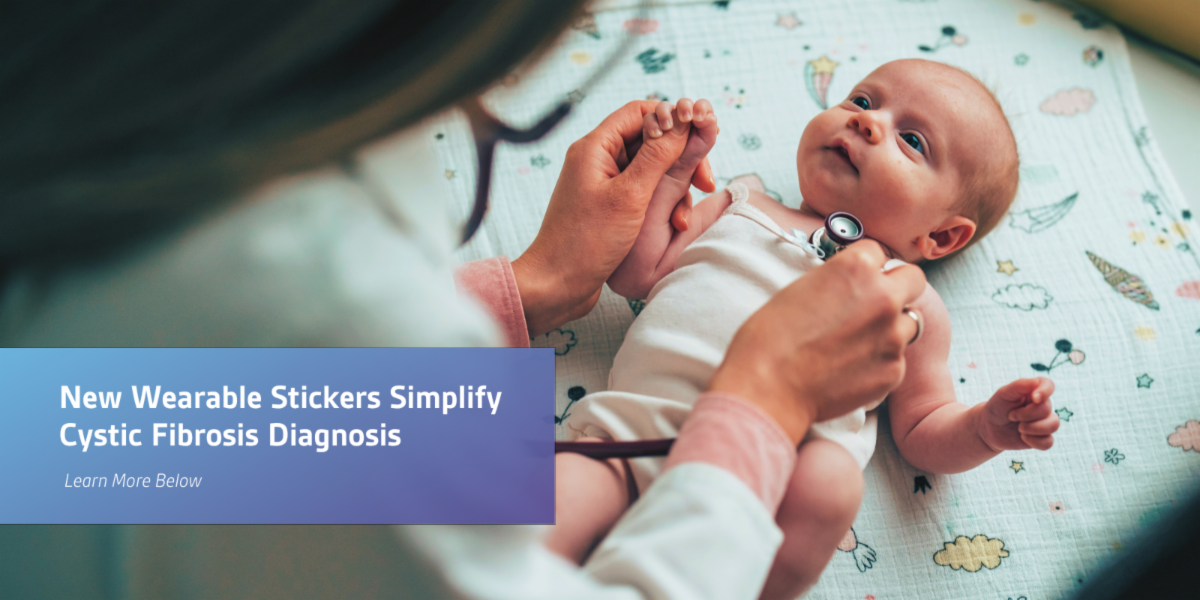
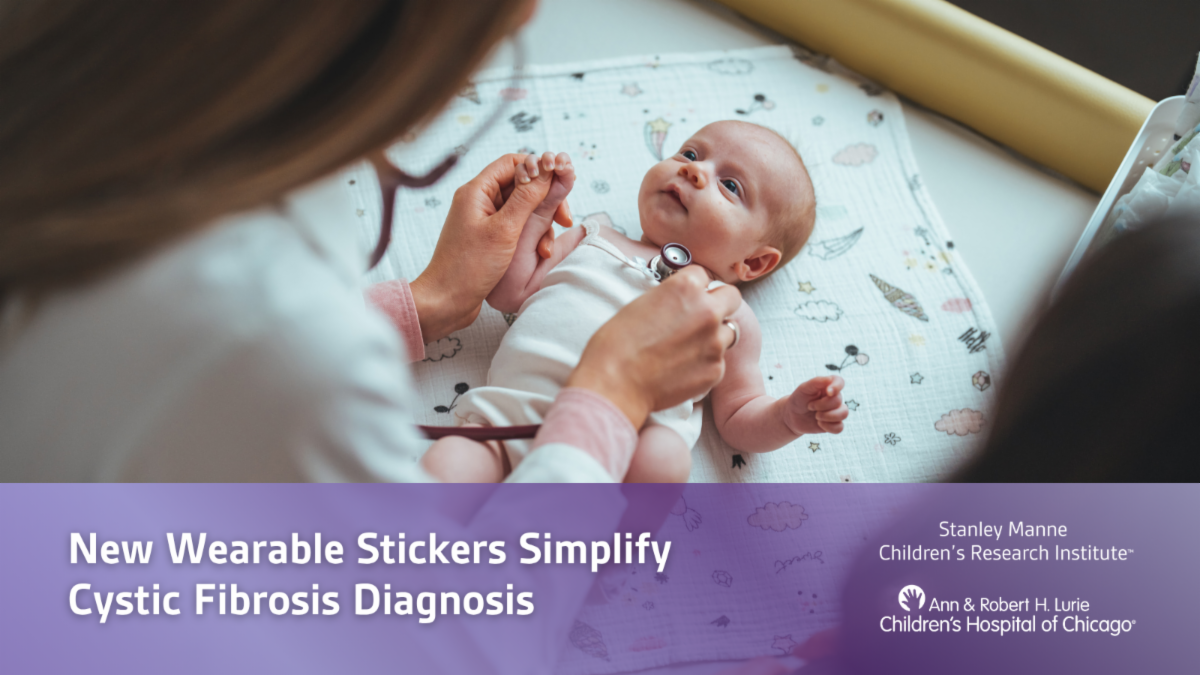
A pair of wearable stickers may transform diagnostic sweat testing for cystic fibrosis (CF), a genetic disorder that causes problems with digestion and breathing. The innovative technology was found to be reliably accurate compared to standard sweat testing, according to the study published in npj Digital Medicine journal.


Small, flexible and gentle on babies’ delicate skin, the sweat test stickers are less expensive, simpler to use and do not require specialized lab equipment or technical expertise, in contrast to the standard sweat testing process primarily available in accredited CF centers at children’s hospitals. This means potentially greater access to the diagnostic test and timely treatment, especially for babies living in rural areas far from a CF center or lower income countries where testing availability is limited.


“It has been estimated that about half of people with CF around the world have not been diagnosed. Without treatment, their life expectancy is less than 5 years of age. This is in stark contrast to 66 years, which is the projected median age of survival with treatment in the US currently,” said co-senior author Susanna McColley, MD, CF expert at Ann & Robert H. Lurie Children’s Hospital of Chicago and Professor of Pediatrics at Northwestern University Feinberg School of Medicine.

Theories that propose that autism is a singular underlying developmental trait that causes its core features (differences in social communication and restricted or repetitive behaviors) are not supported by current evidence, according to a commentary published in Autism Research. Taken together, evidence showing that 1) large differences exist between autistic individuals and neurotypical peers on core autistic traits and 2) the relationships among core autistic traits in the general population are mostly equivalent to those within a group of autistic individuals, is incompatible with such theories. 


The commentary is authored by Sean McWeeny, PhD, Research Scientist, Ewen Laboratory, Stanley Manne Children’s Research Institute, and Joshua Ewen, MD, Division Head of Developmental and Behavioral Pediatrics at Ann & Robert H. Lurie Children’s Hospital of Chicago, and Professor of Pediatrics (Developmental Behavioral Pediatrics) at Northwestern University Feinberg School of Medicine. 

Pediatricians who participated in the collaborative mental health program at Ann & Robert H. Lurie Children’s Hospital of Chicago were more likely to diagnose and treat anxiety and depression in kids without reliance on additional support from specialists, according to a study published in Academic Pediatrics. Findings suggest that the program – called Mood, Anxiety, ADHD Collaborative Care (MAACC) – successfully prepares pediatricians to manage these conditions independently, so that more children can access care despite the ongoing shortage of pediatric mental health professionals.


“Our study demonstrates that training pediatricians through collaborative care builds their capacity to manage mental health conditions on their own, which translates to exponentially greater access for children,” said senior author John Parkhurst, PhD, Psychology Director of Collaborative Care at Lurie Children’s and Associate Professor of Psychiatry and Behavioral Sciences at Northwestern University Feinberg School of Medicine.


The MAACC program was launched in 2018 and currently serves 57 pediatric primary care practices with over 350 pediatricians participating. Pediatricians in MAACC completed training consisting of a 12-module curriculum and monthly virtual case presentations. Following training, they could refer patients for multidisciplinary evaluation and be equipped with a treatment plan. Pediatricians also had access to consultation with pediatric psychologists or psychiatrists at Lurie Children’s as needed.

MANNE RESEARCH INSTITUTE IN THE MEDIA

Lurie Children's logo