|
Science Showcase
- Stanley Manne Children’s Research Institute Receives $3 Million Gift to Advance Fertility and Hormone Preservation Research
- Manne Research Institute Names Fall 2025 Internal Funding Awardees
- Lindsay Schwartz Receives $200,000 Conquer Cancer Career Development Award
- Introducing the FY 2026 Fellow Research Scholar Awardees
Research News from the Manne Research Institute Pillars
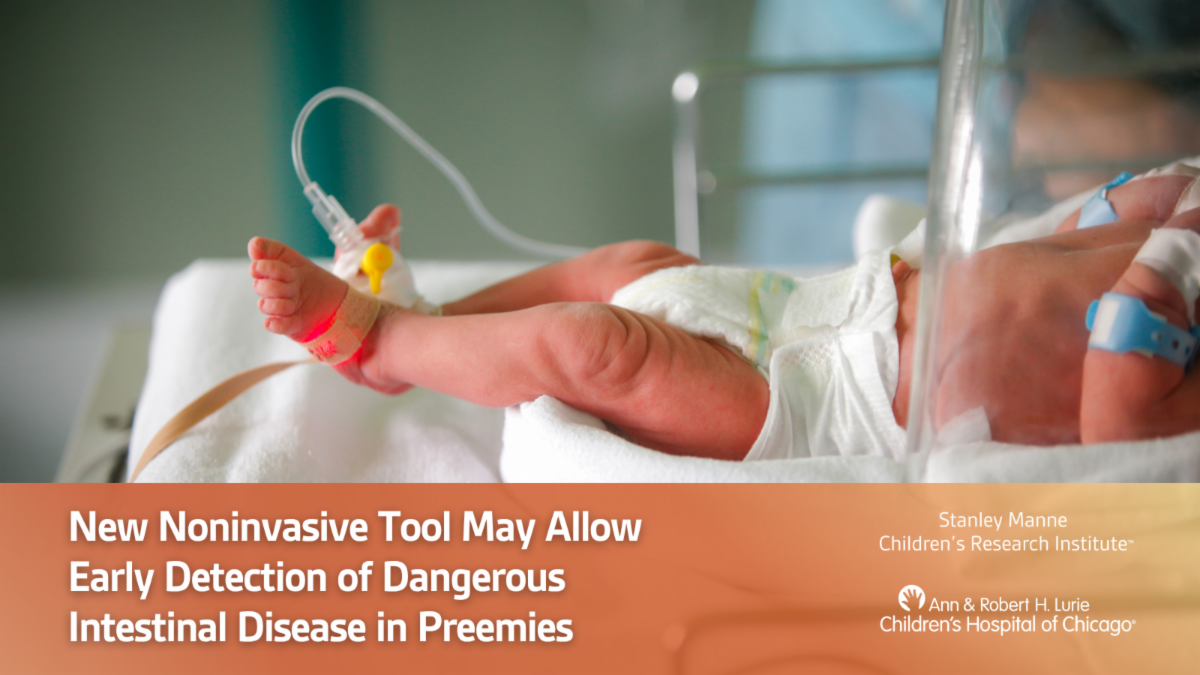
- New Noninvasive Tool May Allow Early Detection of Dangerous Intestinal Disease in Preemies
- Two Common IV Fluids Perform Equally Well for Treating Septic Shock in Kids
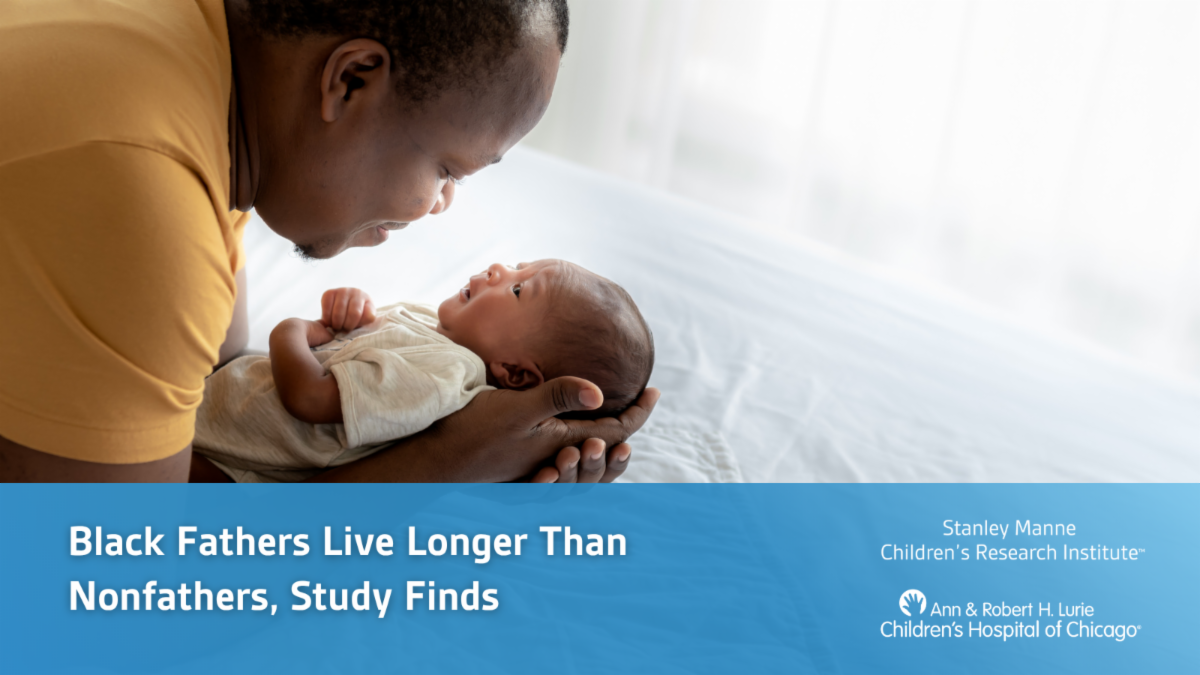
- Black Fathers Live Longer Than Nonfathers, Study Finds
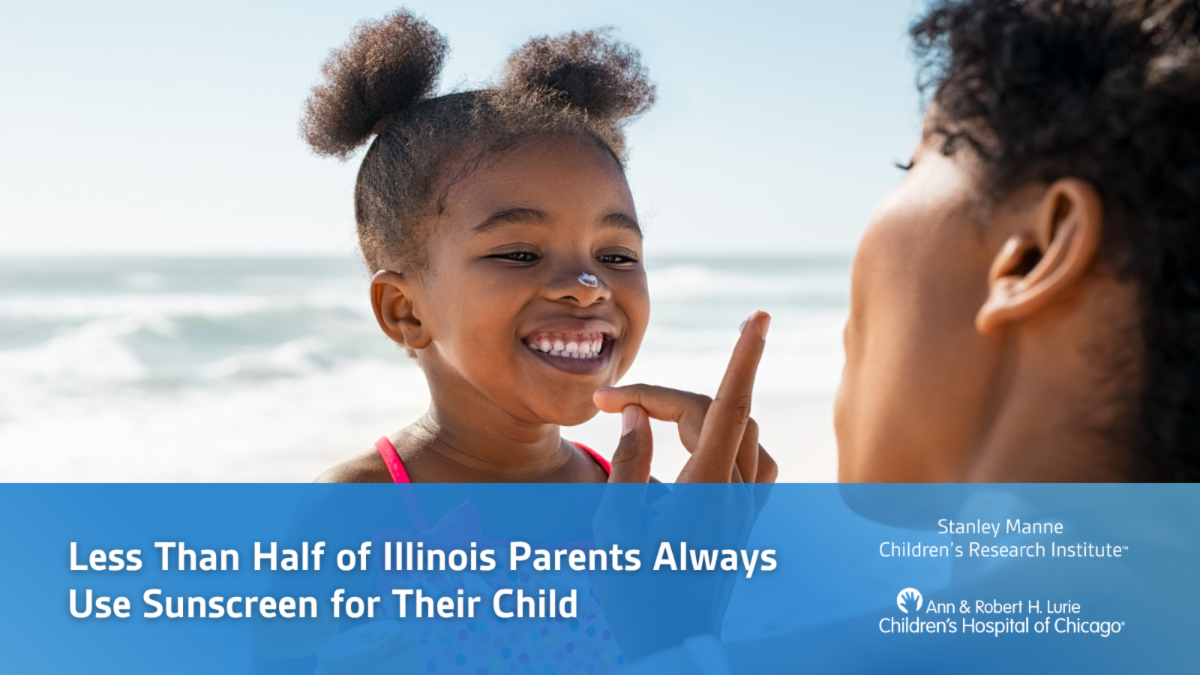
- Less Than Half of Illinois Parents Always Use Sunscreen for Their Child
- First National Study of Home Care Safety for Children with Medical Complexity
- Study Reveals Core Values That Drive Black and Hispanic Parents’ Decisions on Vaccinating Their Kids Against COVID-19
- New Benchmarks Based on Top Performers Aim for Achievable Excellence in Pediatric Emergency Care
- Applying Bundles of Best Practices Improves Outcomes of Pediatric Surgery, Clinical Trial Finds
- Lurie Children’s First in World to Offer Natural Ear Reconstruction Without Prolonged Pain After Surgery
Manne Research Institute in the Media
| | | |
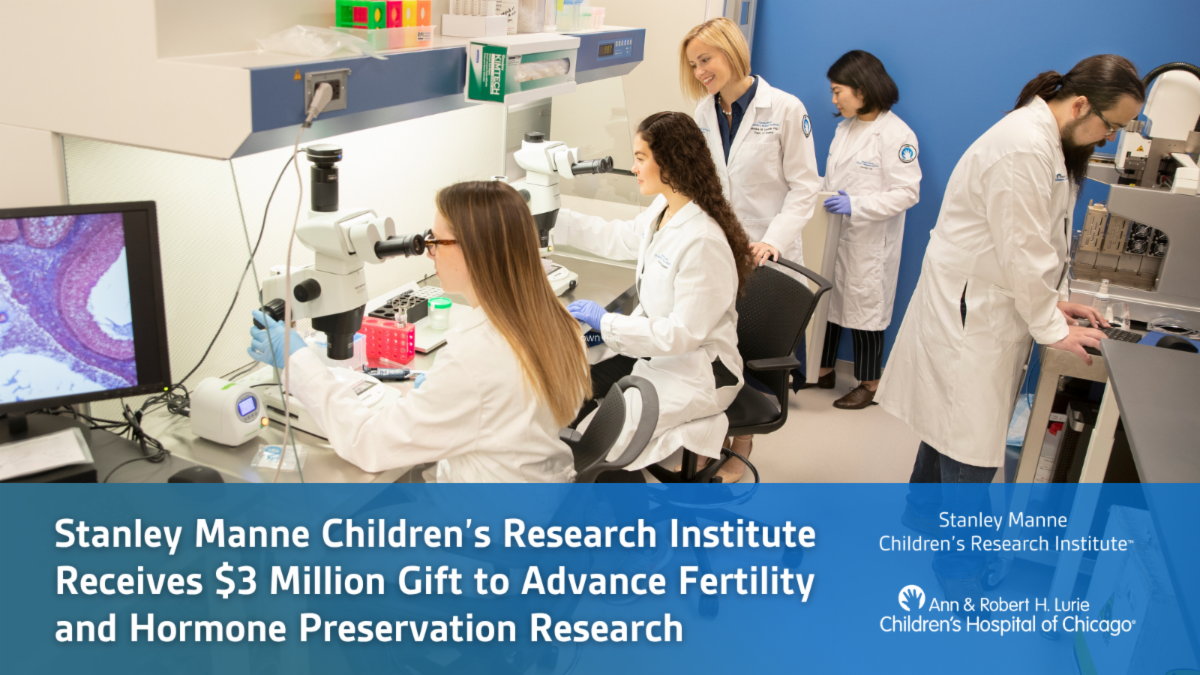
Monica Laronda, PhD, and Erin Rowell, MD, co-directors of the Fertility and Hormone Preservation and Restoration Program at Stanley Manne Children’s Research Institute, have received a transformative $3 million gift from the Mary and Ralph Gesualdo Family Foundation to advance pioneering research in fertility and hormone preservation.
Longtime supporters of the program since its founding in 2016, Mary and Ralph Gesualdo’s latest investment will accelerate efforts to expand future family-building options for children and adolescents facing conditions that threaten fertility.
“This extraordinary gift allows us to push the boundaries of what’s possible in fertility and hormone restoration,” said Laronda. “Our goal is to create innovative, clinically meaningful solutions that give young patients more options and hope for their future.”
| | |
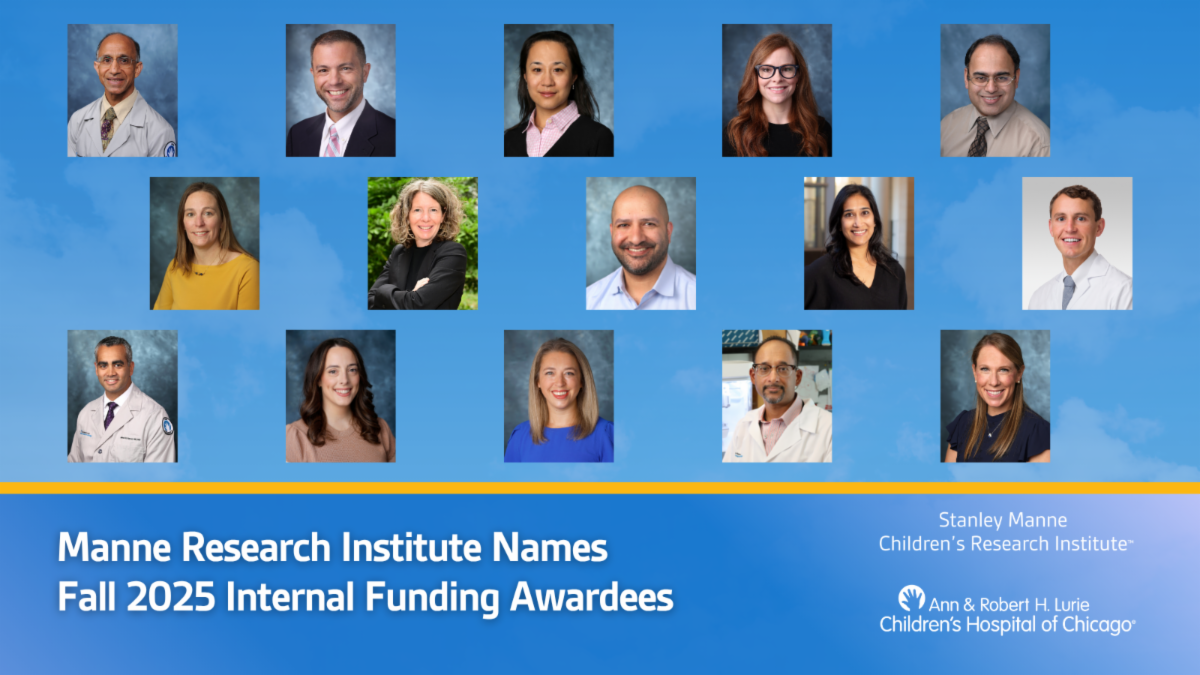
Stanley Manne Children’s Research Institute has announced the recipients of the fall 2025 internal funding opportunities. Manne Research Institute provides internal grant and award opportunities to a faculty member or other person who has principal investigator-eligible status to develop projects that will lead to a highly competitive extramural application for sustained research support within 18 months of receiving the award. Funding opportunities vary depending on the year and cycle.
- Proposal Revision Award: Arun Gosain, MD
-
Accelerator Award: Innovate2Impact Commercialization Fund: Gustave Falciglia, MD
- Schreiber Family Center GROW to 5 Grant: Amy Fang, MD, MPH
- Schreiber Family Center GROW to 5 Grant: Marie Heffernan, PhD
- Schreiber Family Center GROW to 5 Grant: Rajesh Kumar, MD
- Schreiber Family Center GROW to 5 Grant: Michelle Macy, MD, MS and Callie Kaplan, MPH, DrPH Candidate
- Visionary Award: Divakar S. Mithal, MD, PhD
- Accelerator Award: Innovate2Impact Commercialization Fund: Leena Mithal, MD
- Schreiber Family Center GROW to 5 Grant: John James Parker, MD, MS
- Interdisciplinary Colloquia Award: Mehul V. Raval, MD, MS, MBA
- Kenneth C. Griffin Research Catalyst Award: Kelly Regan-Fendt, MD, PhD
- Catalyst’s Spark Award: Lindsay Schwartz, MD, MS
- Accelerator Award: Innovate2Impact: Arun Sharma, PhD
- Accelerator Award: Innovate2Impact: Allison Sherling, APRN-NP, CPNP-PC
| | Lindsay Schwartz Receives $200,000 Conquer Cancer Career Development Award | | |
Lindsay Schwartz, MD, MS, a pediatric oncologist and physician-scientist at Ann & Robert H. Lurie Children’s Hospital of Chicago, received the Conquer Cancer Career Development Award from Conquer Cancer, the ASCO Foundation.
The organization presented the $200,000, three-year grant (July 2026–June 2029) to Dr. Schwartz at its 2026 ASCO Annual Meeting. The award provides research funding to clinical investigators, who have received their initial faculty appointment, as they work to establish an independent clinical cancer research program. It is a mentored award, and the research project is conducted under the guidance of a scientific mentor.
Dr. Schwartz, who is also an assistant professor of pediatrics at Northwestern University Feinberg School of Medicine, investigates the impact of health behaviors and psychosocial factors on long-term health outcomes of childhood, adolescent, and young adult cancer survivors; evaluates clinical outcomes of young patients with rare types of non-Hodgkin lymphoma, who are often ineligible for clinical trials; and studies long-term fertility issues that young patients receiving gonadotoxic therapies may face as cancer survivors.
| | |
Introducing the FY 2026 Fellow Research Scholar Awardees
Congratulations to the following recipients of the Stanley Manne Children’s Research Institute FY2026 Fellow Research Scholar Awards. Each principal investigator will receive a $5,000 award to support their research project. View the announcement on the Manne Research Institute website.
| | |
Lauren Boland, MD
Pediatric Hematology-Oncology Fellow (2024–2027)
Project title: Determining the Immunologic Effects of an “Off-the-shelf” Neoantigen Heat Shock Protein Vaccine for Treatment of Diffuse Intrinsic Pontine Glioma (DIPG)/Diffuse Midline Glioma (DMG): A First-in-Children Phase 1 Clinical Trial
Mentor: Jason Miska, PhD
Travis Churilla, MD
Pediatric Nephrology Fellow (2024–2027)
Project Title: Evolution and Kinetics of Pre-Transplant and de novo Donor Specific Antibodies in Pediatric Kidney Transplant Recipients
Mentor: Priya Verghese, MD, MPH
Samuel Dowling, MD, PhD
Pediatric Rheumatology Fellow (2024–2027)
Project title: Transcriptional Profiling and Modeling of Juvenile Idiopathic Arthritis
Mentor: Harris R. Perlman, PhD
Catherine Ludwig, MD
Pediatric Neonatal and Perinatal Medicine Fellow (2024–2027)
Project title: Association of Differential Gestational Exposure to Ambient Pollutants with Adverse Birth Outcomes in a Large-Volume, Urban Delivery Hospital
Mentor: Abel Kho, MD, MS, FACMI
| |  | |
Kathryn Phillips, MD
Neonatal and Perinatal Medicine Fellow (2024–2027)
Project title: The impact of innate immune training after early life viral infections on subsequent viral challenges.
Mentor: Bria M. Coates, MD
Charlene Walton, MD
Pediatric Emergency Medicine Fellow (2024–2027)
Project title: Adding Context to Characterize Pre-Hospital Interventions for U.S. Youth Drowning with Narrative Data, 2018-2024: A Retrospective Convergent Mixed Methods Study
Mentor: Michelle L. Macy, MD, MS
Alexis Williams, MD
Pediatric Hematology-Oncology Fellow (2024–2027)
Project title: Early Screening for Neurocognitive Deficits in Infants and Young Children with Sickle Cell Disease
Mentor: Sherif M. Badawy, MD, MS, MBA
Madison Wolfe, MD
Pediatric Rheumatology Fellow (2024–2027)
Project title: Diaphragm Ultrasound in Juvenile Myositis
Mentor: Angela Chun, MD, MEd
| | | | NEWS FROM THE RESEARCH PILLARS | | |
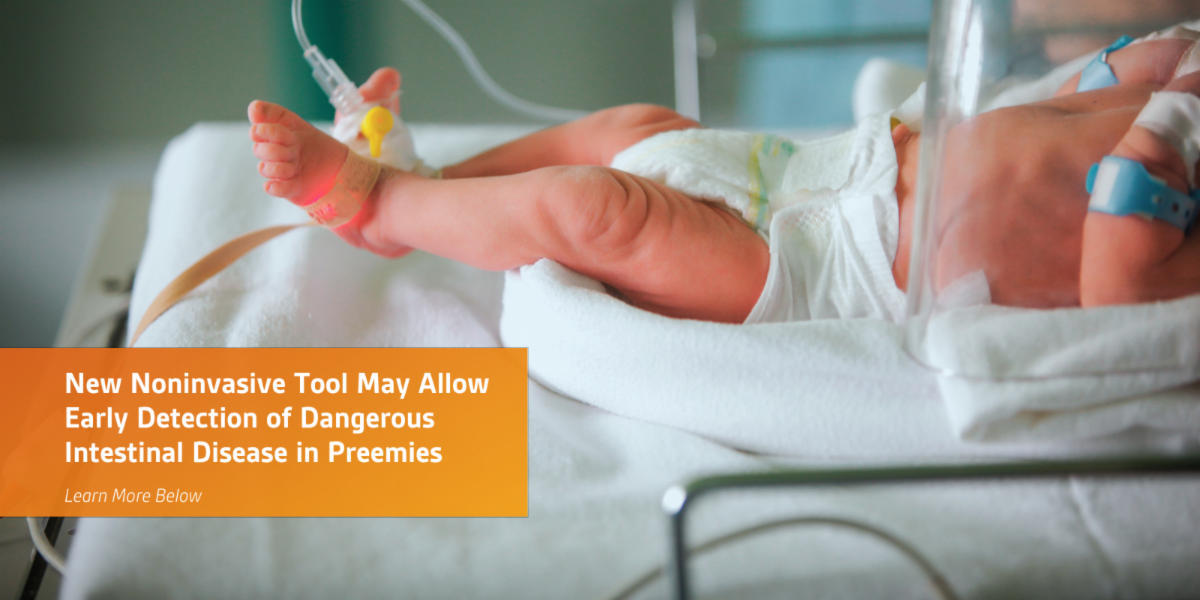
A new noninvasive technology, called broadband optical spectroscopy (BOS), has promise to reliably detect necrotizing enterocolitis (NEC) in premature infants at earlier stages, before this devastating intestinal disease progresses enough to be visible on x-ray, according to a first-in-human study from Ann & Robert H. Lurie Children’s Hospital of Chicago published in the Journal of Pediatric Surgery.
NEC strikes suddenly and progresses quickly. At early stages, it can be treated with antibiotics, while more advanced disease often requires surgery and carries a high risk of complications and death. So far, there has been no reliable way to detect it early.
“NEC is one of the most feared diagnoses in any neonatal intensive care unit, and the field has been searching for an early detection tool for decades,” said senior author Seth Goldstein, MD, MPhil, pediatric general and thoracic surgeon at Lurie Children’s and Associate Professor of Surgery at Northwestern University Feinberg School of Medicine. “We are excited that our new handheld device reliably distinguishes NEC from healthy tissue within two minutes, and that it can be used at the bedside without subjecting these fragile babies to any pain or radiation. We hope that additional studies confirm our findings that this tool can screen for early stages of NEC.”
| | |
A randomized clinical trial conducted across five countries in 47 pediatric emergency departments, including Ann & Robert H. Lurie Children’s Hospital in Chicago, established that both commonly used IV fluids for treating septic shock – balanced crystalloid fluid and 0.9% saline – are equally safe and effective. Results were published in the New England Journal of Medicine.
Septic shock is a life-threatening medical emergency in which the body’s extreme response to infection causes organ failure. Treatment with IV fluids, either balanced crystalloid fluid (which mimics blood composition) or 0.9% saline, is used for resuscitation. Previous smaller studies have shown mixed results as to whether balanced fluid is more beneficial, especially for the kidneys, than saline.
“Our study provides a definitive answer that there is no additional benefit or harm from using one type of IV fluid over another for septic shock resuscitation in children,” said study co-author Elizabeth Alpern, MD, MSCE, Division Head of Emergency Medicine at Lurie Children’s and Professor of Pediatrics at Northwestern University Feinberg School of Medicine. “We found no difference in outcomes, such as major adverse kidney event or persistent kidney dysfunction at 30 days. This is great news, since centers around the world can now confidently use whichever of these IV fluids is readily available.”
| | |
Fatherhood in Black men is associated with lower rates of all-cause mortality by middle age compared to nonfathers, according to the U.S.-based longitudinal study that enrolled Black and White individuals aged 18-30 years at baseline (1985-86). This association was not observed in White fathers in the study. Findings were published in the American Journal of Public Health.
“Fatherhood is increasingly recognized as a social influencer of health, but we were surprised to uncover racial differences in health outcomes of fathers, especially in relation to early death,” said lead author John James Parker, MD, pediatrician and researcher at Lurie Children’s and Assistant Professor of Pediatrics and Medicine at Northwestern University Feinberg School of Medicine. “The potentially protective effect of fatherhood for Black men warrants further study to understand how and why this is the case.”
| | |
Only 42% of Illinois parents always apply sunscreen when their child goes outdoors in the summer, and over one in 10 parents (11%) never do, according to the new Voices of Child Health report from Ann & Robert H. Lurie Children’s Hospital of Chicago. Over 1,000 parents from urban and rural communities across Illinois were surveyed about sunscreen usage and other habits related to child sun safety.
“All parents should teach their children sun safety habits, regardless of skin tone, since 80% of lifetime sun exposure occurs before age 18,” said report co-author Michelle Macy, MD, MS, Director of Mary Ann & J. Milburn Smith Child Health Outcomes, Research and Evaluation Center, Stanley Manne Children’s Research Institute at Lurie Children’s, and Professor of Pediatrics at Northwestern University Feinberg School of Medicine.
| | |
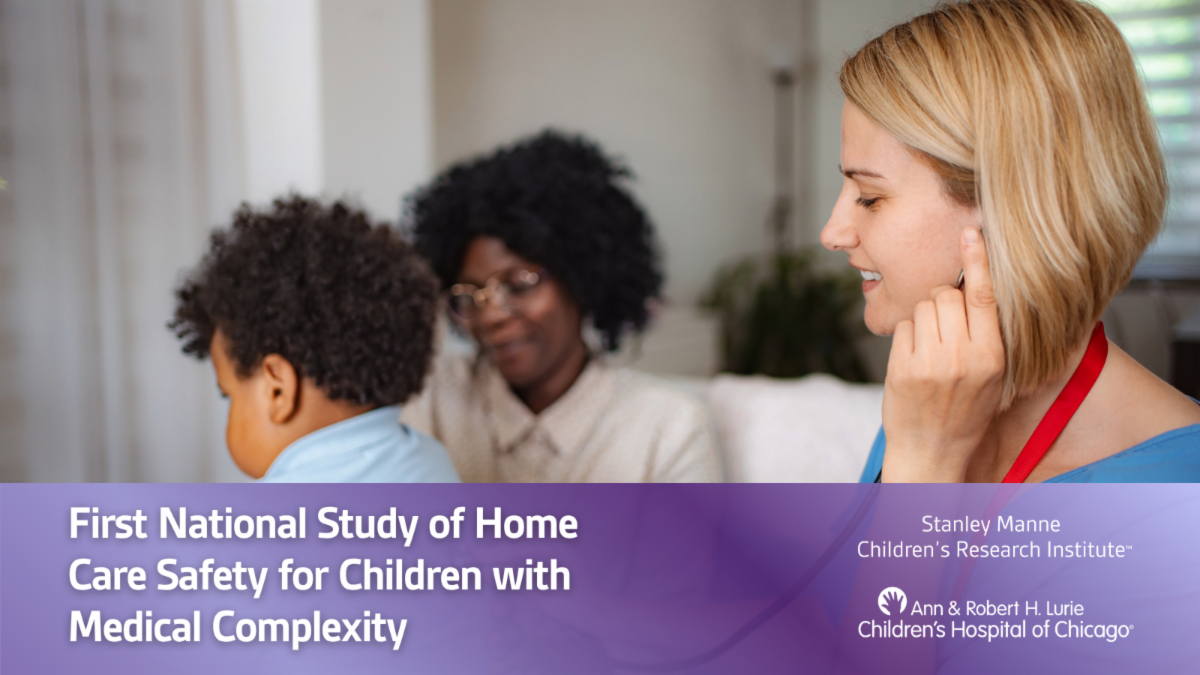
More than one in 10 children with medical complexity had an incident reported by home care agency staff, according to a multi-state study recently published in JAMA Network Open. Half of reported events were safety related and a quarter caused harm to the child.
“Children with medical complexity often require complicated home care regimens, such as gastrostomy tubes and invasive ventilation, but we have not really known how often healthcare safety issues might be happening at home, which makes it hard to track and make improvements to this type of care,” said lead author Carolyn Foster, MD, MS, Director of the Stanley Manne Children's Research Institute’s Health@Home Initiative at Ann & Robert H. Lurie Children’s Hospital of Chicago, and Assistant Professor of Pediatrics at Northwestern University Feinberg School of Medicine. “Our study is a first step towards tracking safety event rates so that we can start identifying patterns and then develop interventions to prevent their occurrence.”
| | |
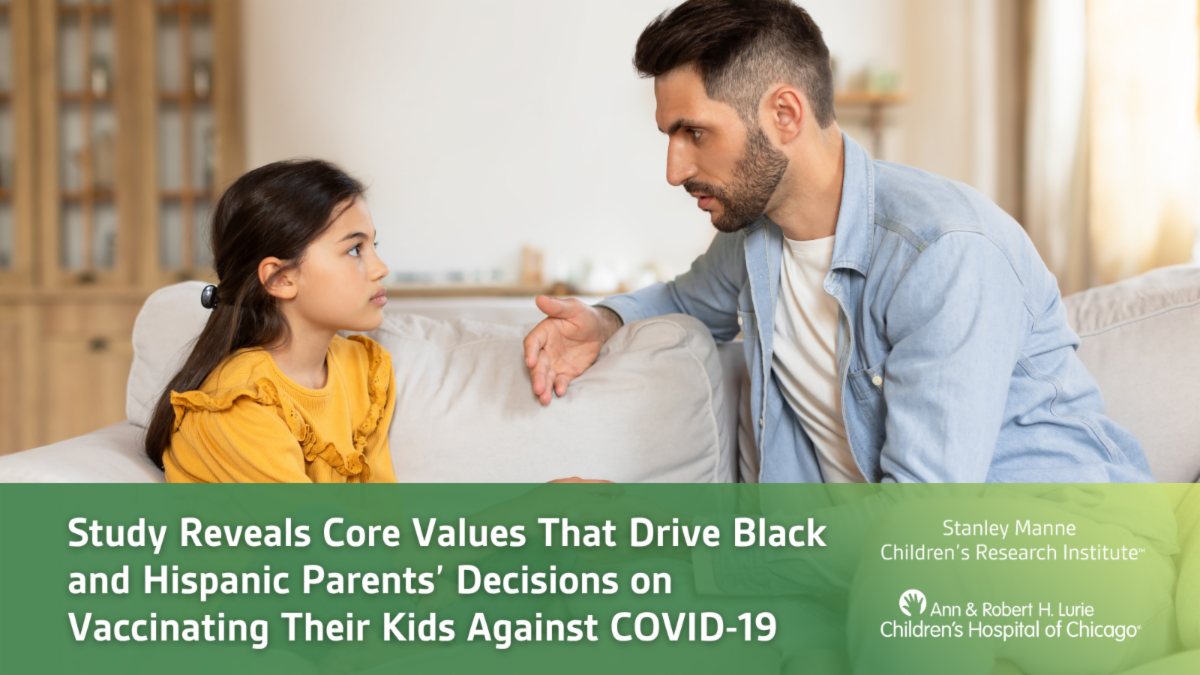
Persistently low rates of COVID-19 vaccination in Black and Hispanic children suggest that parents in these communities tend to be hesitant about the vaccine for their kids, even when they have received it themselves. Through interviews with parents of school-aged children, a new study sheds light on the factors influencing decisions about vaccination. Findings were published in the June issue of the Vaccine: X journal.
Researchers derived five core values that parents used to appraise COVID-19 vaccination – safety, knowledge, trust, humanity and autonomy.
“In talking with parents from minoritized communities, we found that when these core values were upheld, parents expressed more confidence in the vaccine, while if the values were threatened, there was greater skepticism and hesitancy,” said senior author Andrea Spencer, MD, Vice Chair for Research at the Pritzker Department of Psychiatry and Behavioral Health at Ann & Robert H. Lurie Children’s Hospital of Chicago and Associate Professor of Psychiatry and Behavioral Sciences at Northwestern University Feinberg School of Medicine. “Consideration of these values could help inform targeted public health campaigns and respectful discussions with parents about vaccination in the doctor’s office.”
| | |
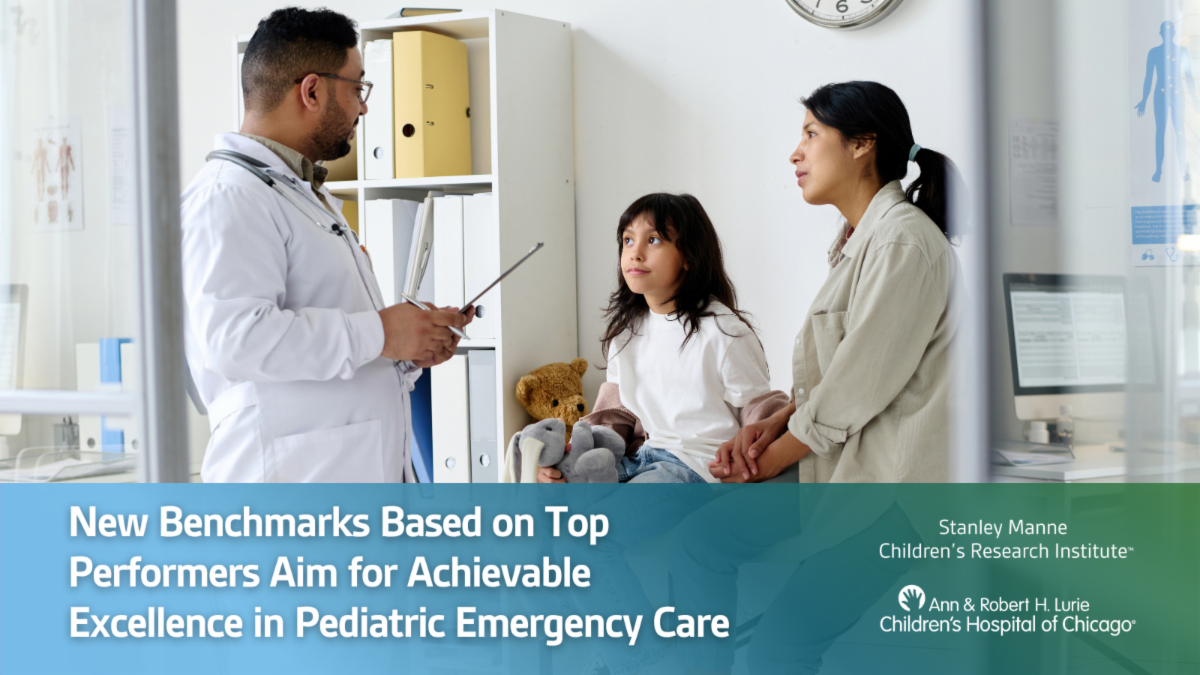
A large, multi-center study led by Ann & Robert H. Lurie Children’s Hospital of Chicago derived “achievable benchmarks of care” (ABCs) using electronic health record data, which allows pediatric emergency departments across the country to set high yet realistic performance goals. The new benchmarks are based on high achievers – a shift away from relying on peer averages in performance metrics. The study is published in JAMA Network Open.
“Using ‘average’ performance as a benchmark fails to motivate progress toward an achievable goal,” said lead author Elizabeth Alpern, MD, MSCE, Division Head of Emergency Medicine at Lurie Children’s, Executive Vice Chair and Professor of Pediatrics at Northwestern University Feinberg School of Medicine. “The new benchmarks provide a more meaningful target than means or medians, highlighting gaps between typical performance and what top-performing clinicians can achieve in real-world practice.”
| | |
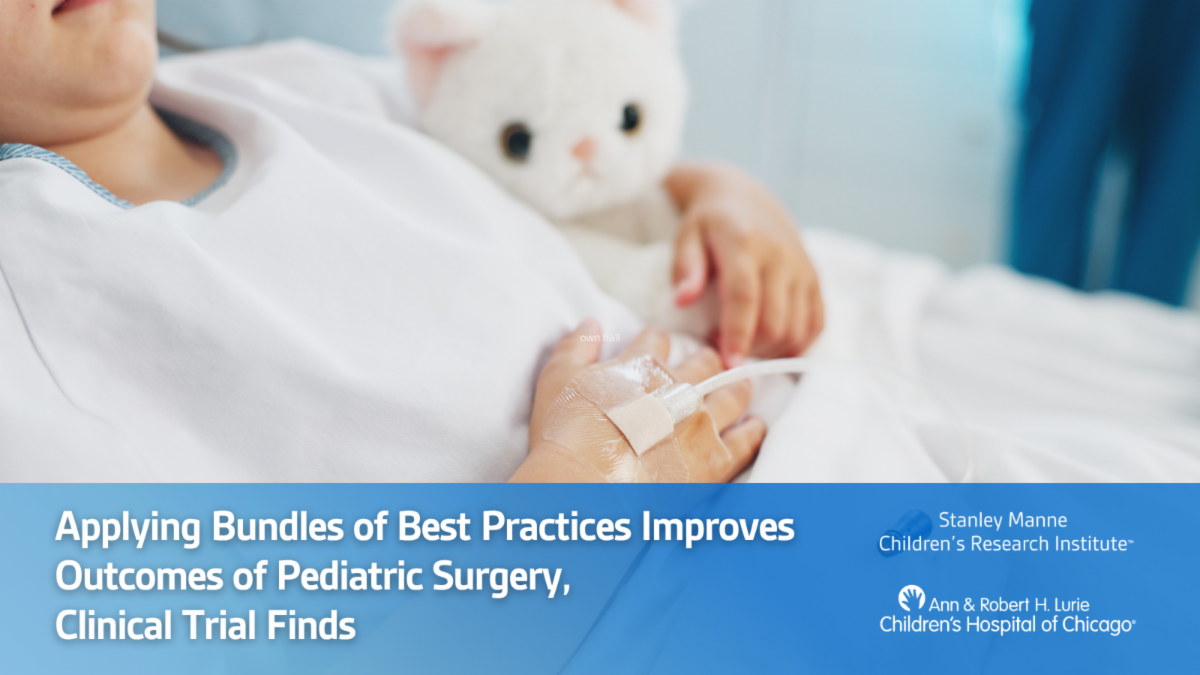
Implementing “enhanced recovery protocols (ERPs),” or bundles of consensus-based interventions that span the surgical experience, improved outcomes for children undergoing gastrointestinal surgery, according to a multicenter clinical trial published in JAMA Surgery. Overall, time to regular diet after surgery decreased, and opioid use was reduced by 50%. Children who received 13 or more ERPs had shorter hospitalizations after surgery and fewer complications.
“This is a first-of-its-kind clinical trial in children's surgery,” said lead author Mehul V. Raval, MD, MS, MBA, Head of the Division of Pediatric Surgery at Ann & Robert H. Lurie Children’s Hospital of Chicago, as well as Associate Professor of Surgery and Pediatrics at Northwestern University Feinberg School of Medicine. “ERPs have been shown to improve outcomes for adults undergoing surgery for nearly 20 years, yet adoption for children has lagged with most studies having modest sample sizes and coming from single hospital experiences. Our study was a robust look at implementation of these bundles for nearly 600 surgical patients across 18 pediatric centers. We are excited to show that ERPs lead to better outcomes for children after surgery.”
| | |
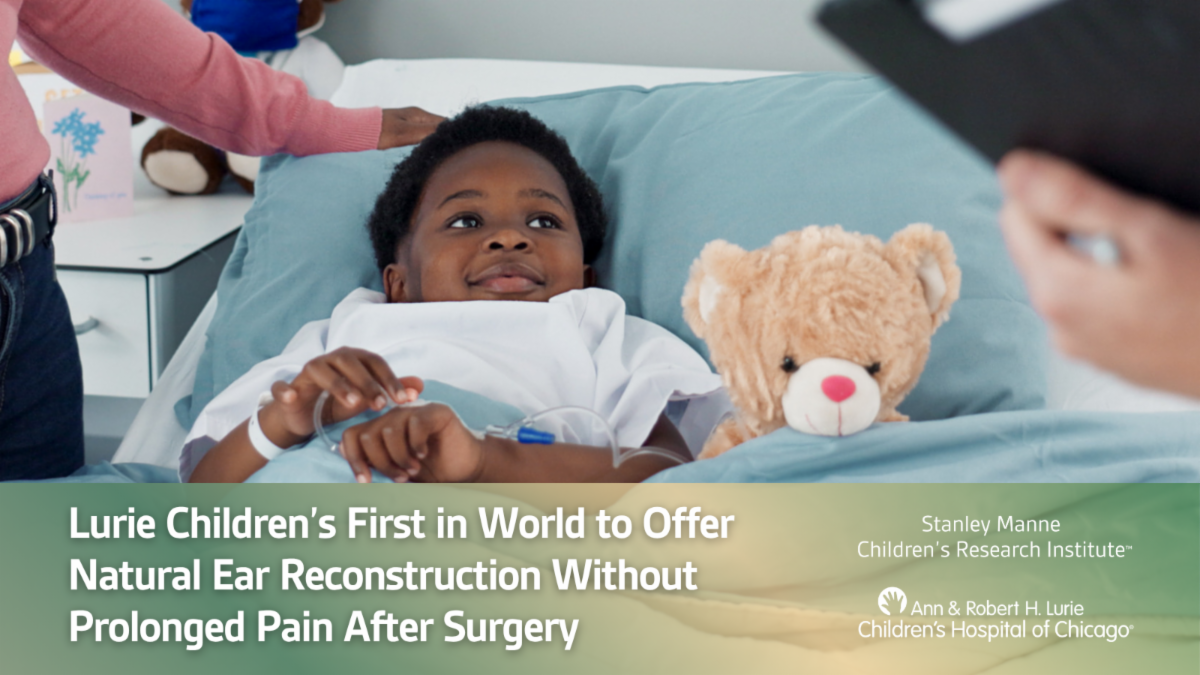
Ann & Robert H. Lurie Children’s Hospital of Chicago is the first in the world to eliminate months of pain after surgical repair for microtia – a rare condition where a child is born with underdeveloped or missing outer ear. Previously, children with microtia suffered prolonged postoperative pain because cartilage for ear reconstruction is harvested from one of their ribs. Now, prior to plastic surgery, Lurie Children’s specialists freeze the nerve at the rib harvesting site through a minimally invasive, ultrasound-guided procedure that lasts only 20 minutes. Patients can go home without pain as early as a day after surgery.
Experience with this groundbreaking approach in the first three patients was recently reported in Plastic and Reconstructive Surgery, journal of the American Society of Plastic Surgeons. Currently, over 30 patients have benefited from this method to control pain, with reduced opioid use and shorter hospital stays.
“Severe pain after a rib harvest was a major challenge in microtia repair that uses the patient’s own tissue to reconstruct the ear,” said senior author Akira Yamada, MD, PhD, plastic surgeon at Lurie Children’s and Professor of Pediatric and Plastic Surgery at Northwestern University Feinberg School of Medicine. “Remarkably, pain is no longer a concern during recovery, so opioids are mostly eliminated and kids go home sooner. This is monumental.”
| | MANNE RESEARCH INSTITUTE IN THE MEDIA | | | | |