|
Stanley Manne Children's Research Institute President's Message
- Informing Research Priorities Through Community Partnerships
In Pursuit Podcast
- Launching Research Careers Through the Robert Louis Katz & Manne Research Institute Summer Scholars Program
Science Showcase
- Manne Research Institute Achieves AAHRPP Reaccreditation
- Benya, Berger, Macy, Tan Win American Academy of Pediatrics Awards
- Hannah McDowell Honored With Driskill Scholar Award
- FDA Visits Lurie Children's, Manne Research Institute for Experiential Learning Program
Research News from the Manne Research Institute Pillars
- Study Shows Increase in Rates of Hospitalizations with Acute Kidney Injury and Dialysis Over Past 25 Years
- Children with Common Genetic Variant May Have More Inflammation in Response to Asthma Drug
- Insights About Ovarian Reserves in Cancer Patients Can Guide Fertility Preservation Counseling
- GLP-1s Linked to Nutritional Deficiencies in Children
Manne Research Institute in the Media
| | | Informing Research Priorities Through Community Partnerships | For research to have its greatest impact, it must be informed not only by scientific expertise, but also by the experiences, priorities, and perspectives of the communities served. The latest Manne Research Institute President’s Message from Patrick Seed, MD, PhD, discusses how the Manne Research Institute Community Advisory Council brings together researchers and community partners to share their expertise and shares the perspectives of two members on why community engagement matters to research. | | The Robert Louis Katz & Manne Research Institute Summer Scholars Program helped Mario Landa turn an interest in biology and infectious disease into a career in pediatric research. Now a clinical research coordinator at Lurie Children’s, Landa joins In Pursuit host Dr. Patrick Seed to discuss his path into research, the importance of mentorship and representation and what it takes to help the next generation of researchers find their place in pediatric medical research. | | Manne Research Institute Achieves AAHRPP Reaccreditation | |
Stanley Manne Children's Research Institute's Office of Research Integrity and Compliance is pleased to announce that the research institute recently achieved reaccreditation from the Association for the Accreditation of Human Research Protection Programs (AAHRPP). First earned in 2013, this accreditation recognizes the institute’s continued commitment to protecting the rights of research participants and maintaining rigorous standards for ethical and accountable research.
Considered the gold standard for human research protection programs, AAHRPP accreditation recognizes the spectrum of policies, procedures, and practices that extend beyond regulatory requirements. Reaccreditation affirms Manne Research Institute's strong systems for ethical review, regulatory compliance, investigator support, and participant protection, supported by collaboration among investigators, study teams, institutional leadership, and the Institutional Review Board. It also reflects an ongoing commitment to transparency, evaluation, and continuous improvement in human subjects research oversight.
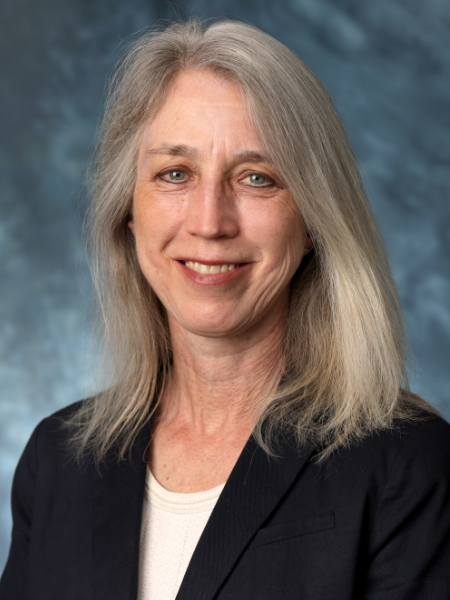
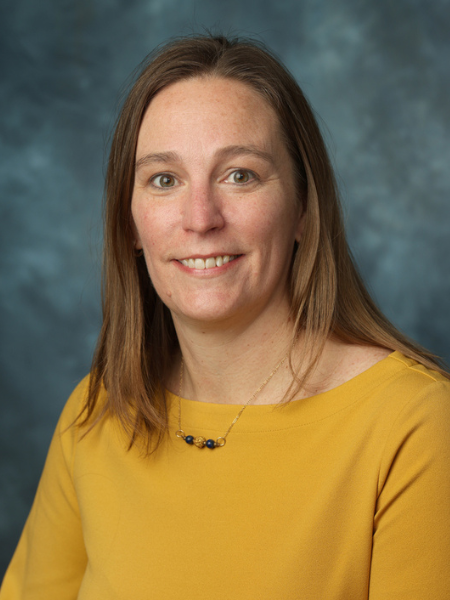
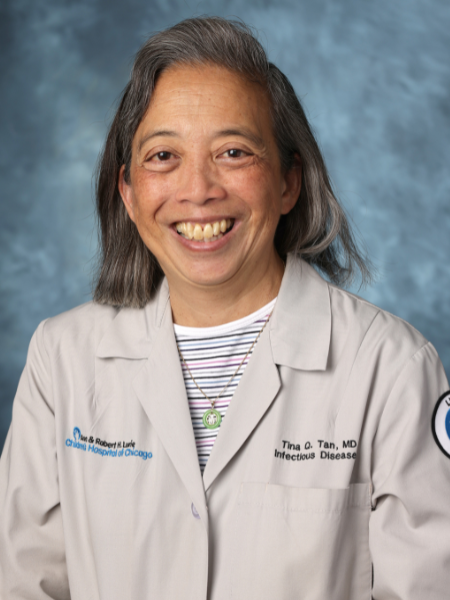
| | Benya, Berger, Macy, Tan Win American Academy of Pediatrics Awards | | Congratulations to the following physician-scientists from Ann & Robert H. Lurie Children’s Hospital of Chicago and Stanley Manne Children’s Research Institute who received awards from the American Academy of Pediatrics. The 2026 AAP Awards recognize pediatricians, pediatric subspecialists, and trainees for exemplary achievements in advocacy, practice, and research that impact the care of children. | | |
Ellen C. Benya, MD, Section Head of Ultrasound at Ann & Robert H. Lurie Children’s Hospital of Chicago and Professor of Radiology at Northwestern University Feinberg School of Medicine, received the Section on Radiology, Committee on Continuing Medical Education Dr. Beverly P. Wood Outstanding Pediatric Radiology Clinical Educator Award Funded through the Dr. Beverly P. Wood Outstanding Pediatric Radiology Clinical Educator Endowment Fund.
| |
Stuart Berger, MD, Attending Physician of Cardiology at Ann & Robert H. Lurie Children’s Hospital of Chicago; Getz Professorship in Cardiology at Lurie Children’s; and Professor of Pediatrics (Cardiology), Medicine (Cardiology), and Pediatrics (Critical Care) at Northwestern University Feinberg School of Medicine, received the Section on Cardiology and Cardiac Surgery Helen Taussig Founder’s Award Sponsored by Maria Fareri Children’s Hospital/Westchester Medical Center Health Network.
| |
Michelle L. Macy, MD, MS, Attending Physician of Emergency Medicine at Ann & Robert H. Lurie Children’s Hospital of Chicago; Director of the Mary Ann & J. Milburn Smith Child Health Outcomes, Research and Evaluation Center at Stanley Manne Children’s Research Institute; Mary Ann and J. Milburn Smith Research Professorship for the Director of Child Health Research at Lurie Children’s; and Professor of Pediatrics (Emergency Medicine) at Northwestern University Feinberg School of Medicine, received the Council on Injury, Violence and Poison Prevention Fellowship Achievement Award
| |
Tina Q. Tan, MD, Attending Physician of Infectious Diseases at Ann & Robert H. Lurie Children’s Hospital of Chicago and Professor of Pediatrics (Infectious Diseases) at Northwestern University Feinberg School of Medicine, received the Section on Infectious Diseases Award for Lifetime Contribution in Infectious Diseases Education.
| | Hannah McDowell Honored With Driskill Scholar Award | | |
Hannah McDowell, PhD candidate in the Laronda Laboratory (Monica M. Laronda, PhD, Principal Investigator), recently received the 2026 Driskill Scholar Award from the Walter S. and Lucienne Driskill Graduate Training Program in Life Sciences at Northwestern University Feinberg School of Medicine. The award recognizes trainees for their outstanding research achievements. Hannah presented her work, “A Multi-species Map of the Ovarian ECM Identified EMILIN1 as Potential Modulator of Follicle Growth,” at the award celebration last month.
| | FDA Visits Lurie Children's, Manne Research Institute for Experiential Learning Program | |
The FDA plays a critical role in ensuring the safety and effectiveness of therapies and medical devices while supporting innovations that save lives and improve quality of life. Ann & Robert H. Lurie Children's Hospital of Chicago and Stanley Manne Children's Research Institute were honored to host an FDA Experiential Learning Program in September, where patients, caregivers and physician-scientists provided firsthand perspectives – from how the children and families we serve inspire and inform advances in home-based care to how the FDA’s guidance and safeguards intersect with the critical work of our research teams.
Hospital stays, regardless of length, can be challenging for the patient, their caregivers, and their support systems. It is important families have options to continue care at home where their child can be more comfortable. It is equally imperative that they feel empowered and equipped with the knowledge and training necessary for the medical devices their child requires.
Over the course of two days, a series of discussions focused on topics including:
- Medical device development, digital health technologies, and research insights
- Translating lived experience into medical device design requirements
- How the home serves as a health care hub, especially for pediatric patients
- Connecting home-generated data with clinical workflows
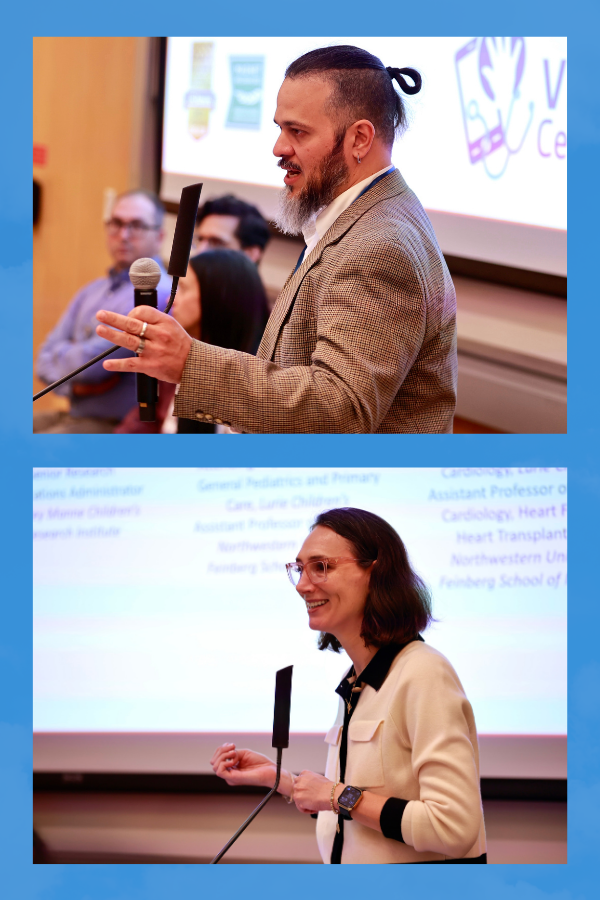
Juan Espinoza, MD (photo, top), and Carolyn Foster, MD, MS (photo, bottom), coordinators of the visit, were grateful to the staff, faculty, patients, and families who shared their time, experience, and expertise, and to the FDA for joining us for two days of discussion, collaboration, and learning in Chicago.
| | | | NEWS FROM THE RESEARCH PILLARS | | |
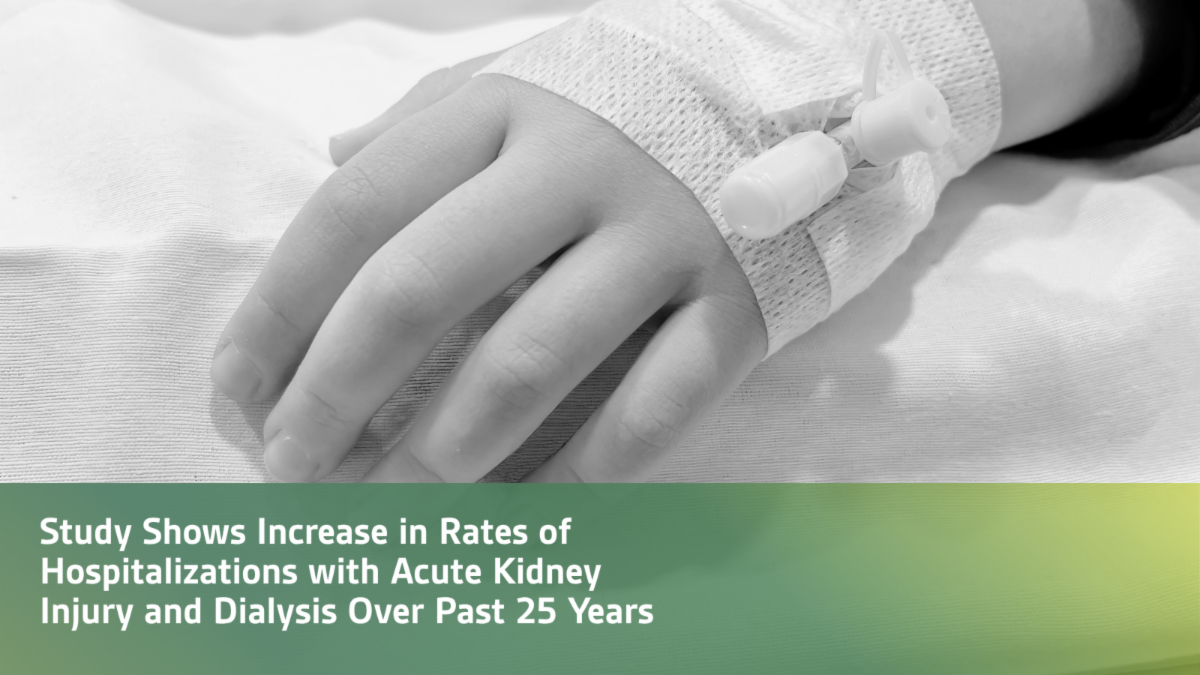
Acute kidney injury occurs frequently in hospitalized patients across the age spectrum and is associated with increased risk of mortality and adverse short- and long-term renal and systemic complications. After discharge, these patients are at a higher risk for repeated episodes of the disease and increased health care utilization. Data detailing longitudinal trends of acute kidney injury and acute kidney injury requiring dialysis in children, adolescents, and young adults in the United States is limited. A study published in JAMA Open Network investigated the number and rate of U.S. pediatric hospitalizations complicated by acute kidney injury and acute kidney injury requiring dialysis between 1997 and 2022 and showed a significant increase in the total number, and rates, of pediatric hospitalizations across the United States complicated by acute kidney injury during that time frame.
Similar increases were noted for hospitalizations with severe acute kidney injury that required dialysis therapy, says lead author Alexander J. Kula, MD, Attending Physician, Nephrology (Kidney Diseases) at Ann & Robert H. Lurie Children’s Hospital of Chicago, Children’s Research Fund Junior Board Research Scholar at Lurie Children’s, and Assistant Professor of Pediatrics (Nephrology) at Northwestern University Feinberg School of Medicine.
| | |
Children with a variant in the SERPINE1 gene – which is found in 60% of the population – may be less responsive to mepolizumab, a drug used to treat asthma flares, according to a study published in the Journal of Allergy and Clinical Immunology.
The study revealed that this genetic variant produces more protein (PAI1) during a viral illness, which leads to more scarring of the airway and lower antiviral response. When combined with the asthma drug, more inflammatory pathways that damage the airway are stimulated, whereas these changes do not occur when the drug is given to patients without the SERPINE1 variant.
“We know from previous studies that children with this genetic variant are more likely to have asthma exacerbations during a viral illness, and now we have greater understanding of how that happens,” said senior author Rajesh Kumar, MD, Interim Division Head of Allergy and Clinical Immunology at Ann & Robert H. Lurie Children’s Hospital of Chicago and Professor of Pediatrics at Northwestern University Feinberg School of Medicine.
| | |
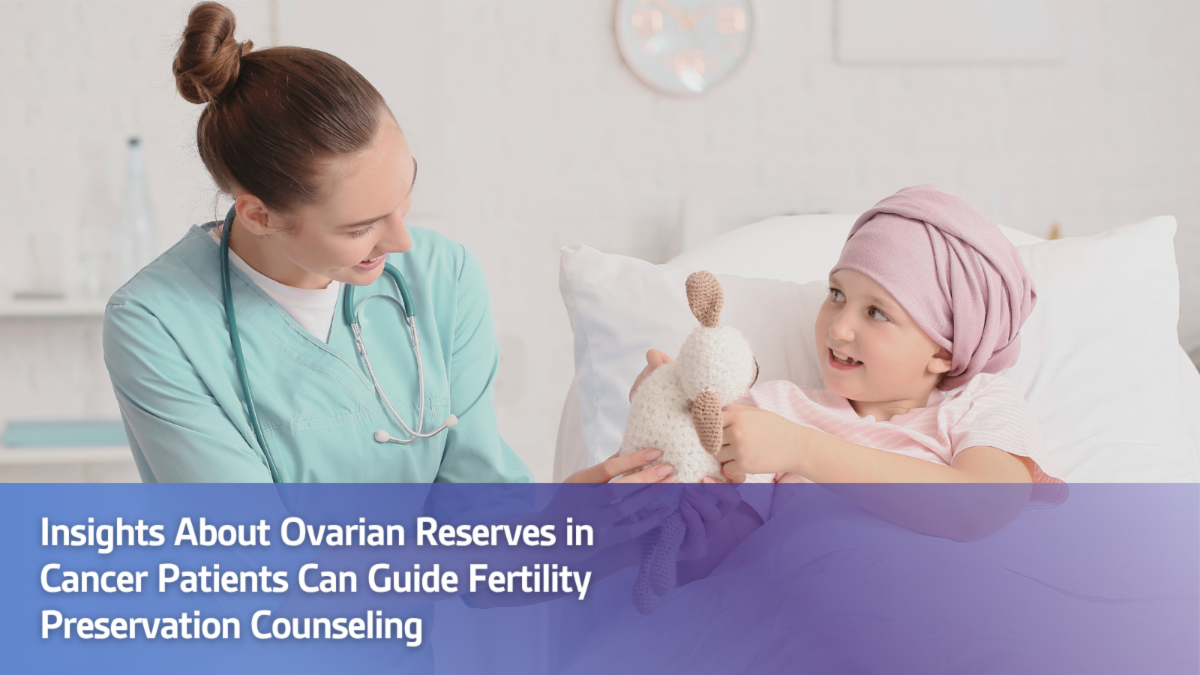
Young women with lymphoma may have lower ovarian reserve even before starting cancer treatment, and their ovarian reserve declines even further during chemotherapy, according to a study published in the journal Pediatric Blood & Cancer. Although ovarian function showed some recovery after treatment, ovarian reserve remained lower than expected one year later. Importantly, about one-third of participants had evidence of diminished ovarian reserve one year after treatment.
Researchers also identified two factors that can help predict who is most likely to experience diminished ovarian reserve: having a low ovarian reserve at the time of lymphoma diagnosis and receiving higher doses of alkylating chemotherapy. These findings suggest that measuring ovarian reserve at diagnosis, before treatment begins, may help doctors and families better understand an individual patient’s potential fertility risks and make more informed, personalized decisions about fertility preservation, says lead author Lindsay Schwartz, MD, MS, a pediatric oncologist and physician-scientist at Ann & Robert H. Lurie Children’s Hospital of Chicago and Assistant Professor of Pediatrics (Hematology, Oncology, and Stem Cell Transplantation) at Northwestern University Feinberg School of Medicine.
| | |
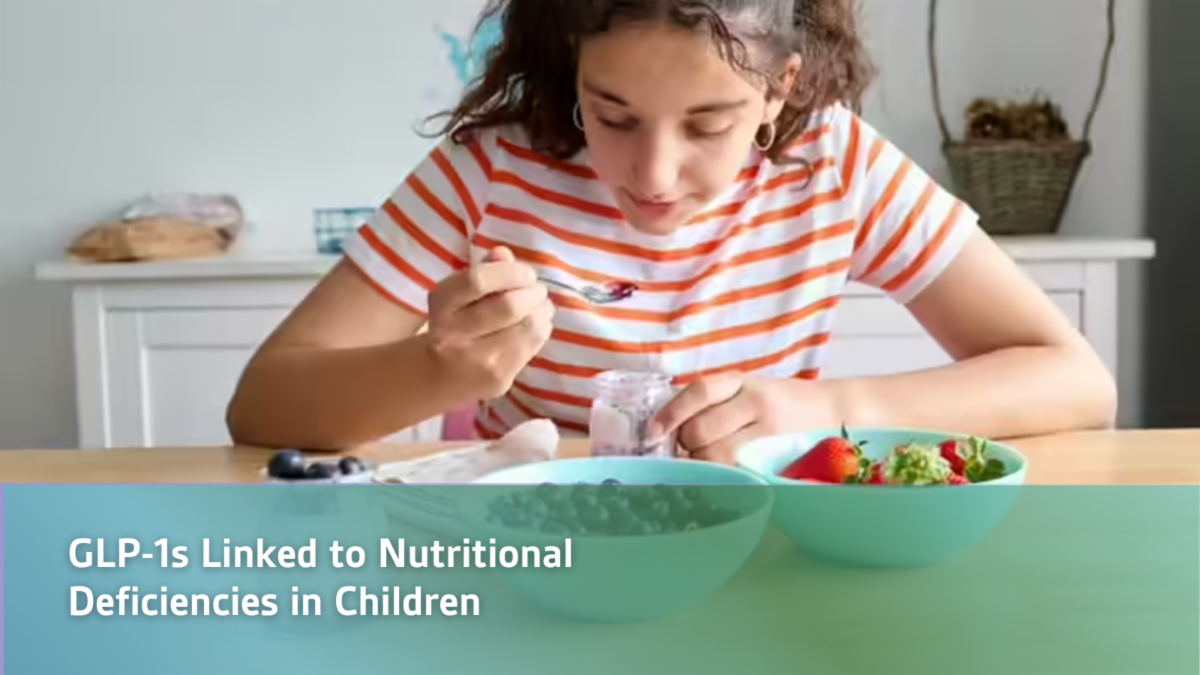
Children prescribed GLP-1 medications for weight loss, prediabetes, or type 2 diabetes are at risk for nutritional deficiencies – diagnosed in nearly one in six patients (16.8%) within the first year – according to a new study published in the journal Childhood Obesity. Vitamin D deficiency was the most common, identified in 12.4% of children within one year of GLP-1 treatment.
“As appropriate pediatric use of GLP-1s becomes more widespread, we need to understand the risks during periods of rapid growth and pubertal development,” said senior author Justin Ryder, PhD, Vice Chair of Research for the Department of Surgery at Ann & Robert H. Lurie Children's Hospital of Chicago, and Associate Professor of Surgery and Pediatrics at Northwestern University Feinberg School of Medicine. “Nutrients such as vitamin D, iron and calcium are of particular concern during adolescence, when deficiencies may have lasting implications for skeletal health and overall development.”
“Nutritional support needs to play a critical role once treatment with a GLP-1 medication is initiated,” he added. “In our study, however, we found that only 5% of patients received nutritional counseling within 30 days of GLP-1 treatment and less than 25% received nutritional counseling within 6 months.”
| | MANNE RESEARCH INSTITUTE IN THE MEDIA | |
Becker's Healthcare Review Podcast: John Walkup, MD, President of the American Academy of Child and Adolescent Psychiatry and Chair of the Pritzker Department of Psychiatry and Behavioral Health at Ann and Robert H. Lurie Children’s Hospital of Chicago - Listen here
| | | | | |