|
Research News from the Manne Research Institute Pillars
- Lurie Children’s and Manne Research Institute Receive NHLBI funding for Pediatric Acute Care Research Training Program
- Children’s Suicide-Related Emergency Visits Spiked by 74% in U.S.
- National Study Led by Lurie Children’s Finds Physical Exams Alone May Not Reliably Diagnose Pneumonia in Children
- Kyle MacQuarrie, Kelly Michelson Collaborate on NSF Science and Technology Center at Northwestern University
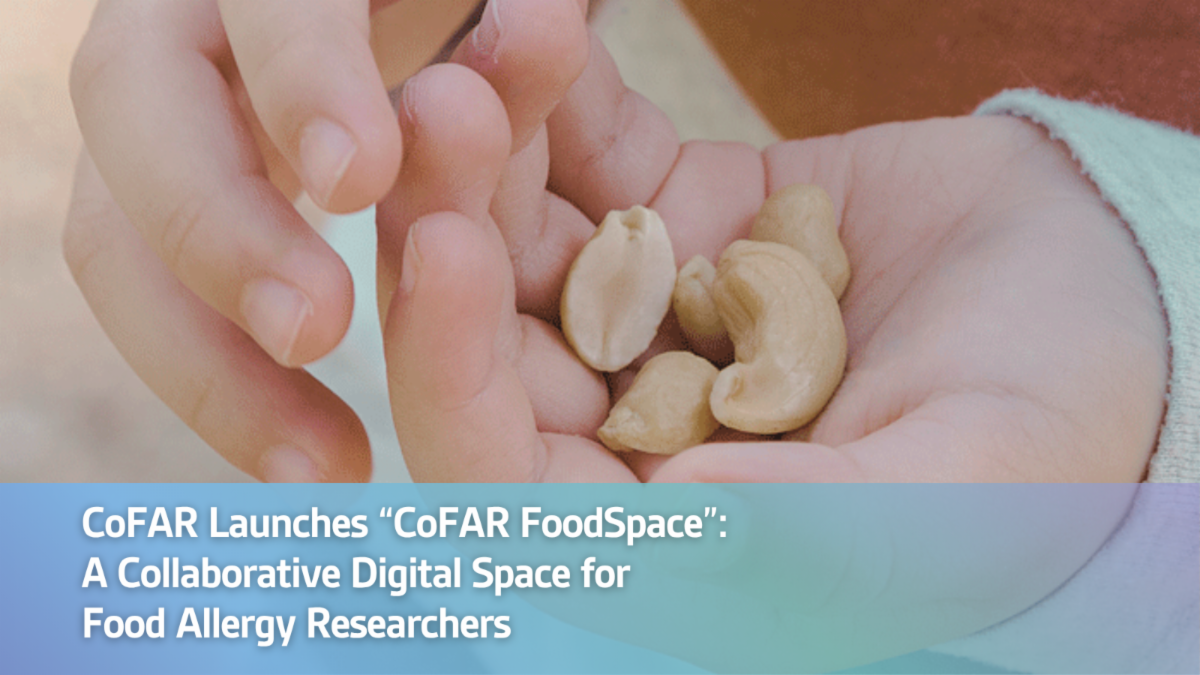
- CoFAR Launches “CoFAR FoodSpace”: A Collaborative Digital Space for Food Allergy Researchers
- Pilot Faculty Support Program Enhances Promotion Readiness and Career Development
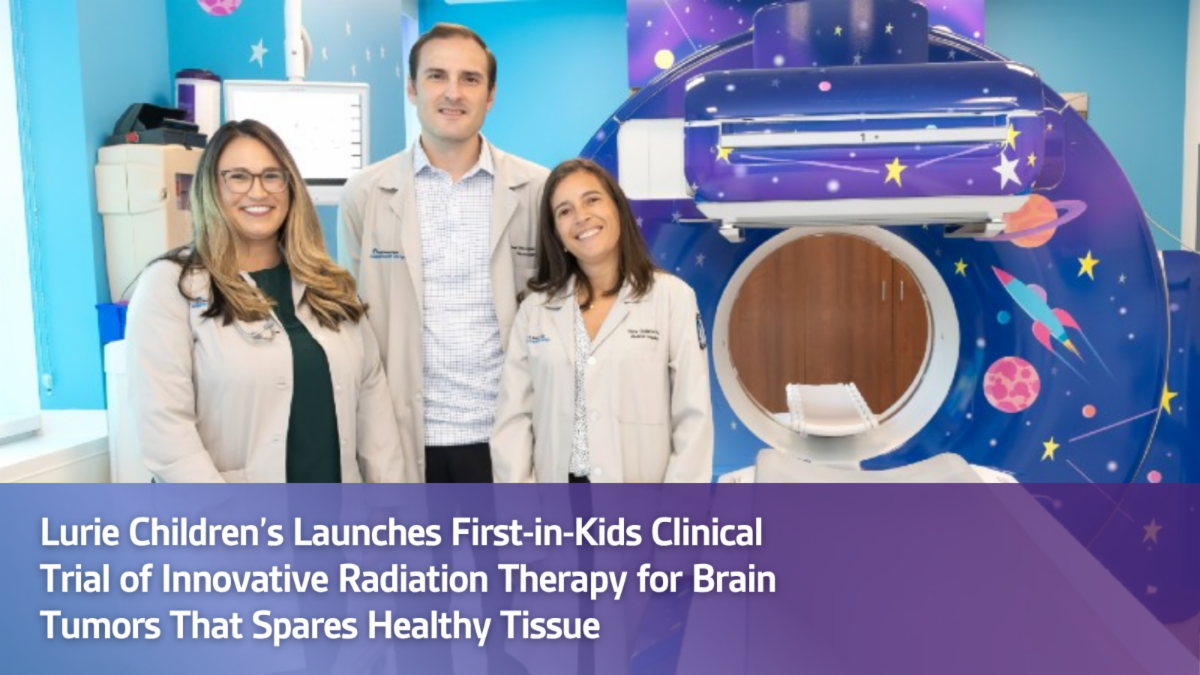
- Lurie Children’s Launches First-in-Kids Clinical Trial of Innovative Radiation Therapy for Brain Tumors That Spares Healthy Tissue
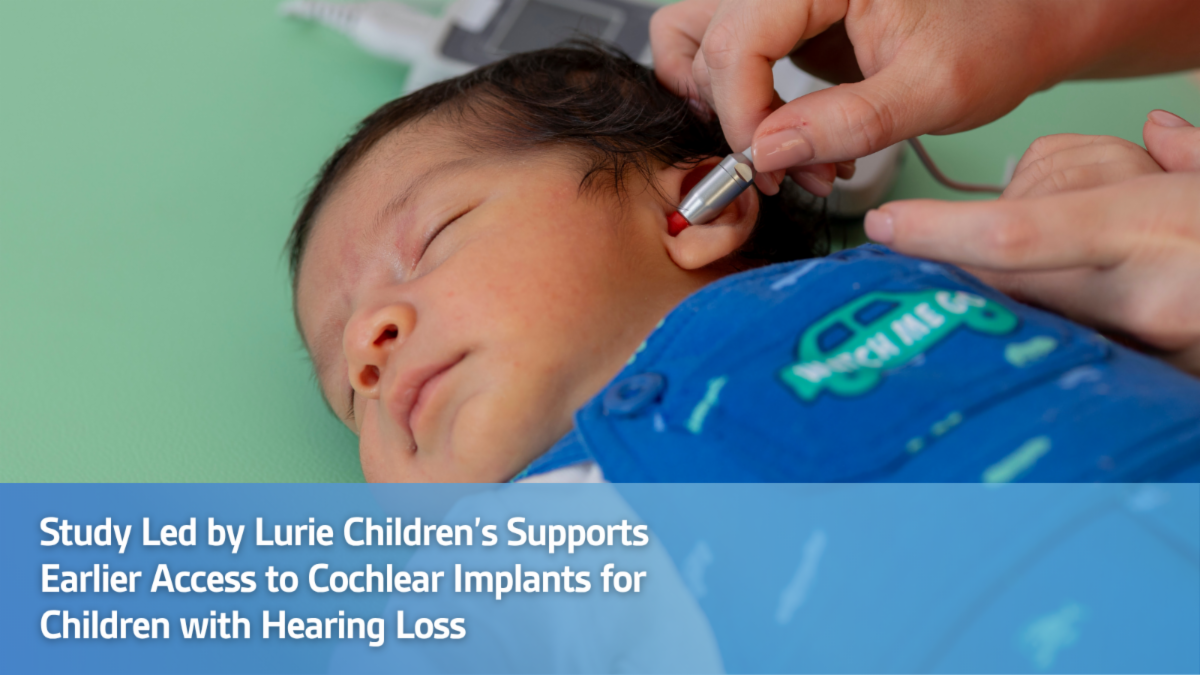
- Study Led by Lurie Children’s Supports Earlier Access to Cochlear Implants for Children with Hearing Loss
Manne Research Institute in the Media
| | | U.S. News & World Report Names Lurie Children’s Among the Top 10 Children’s Hospitals in the Nation | |
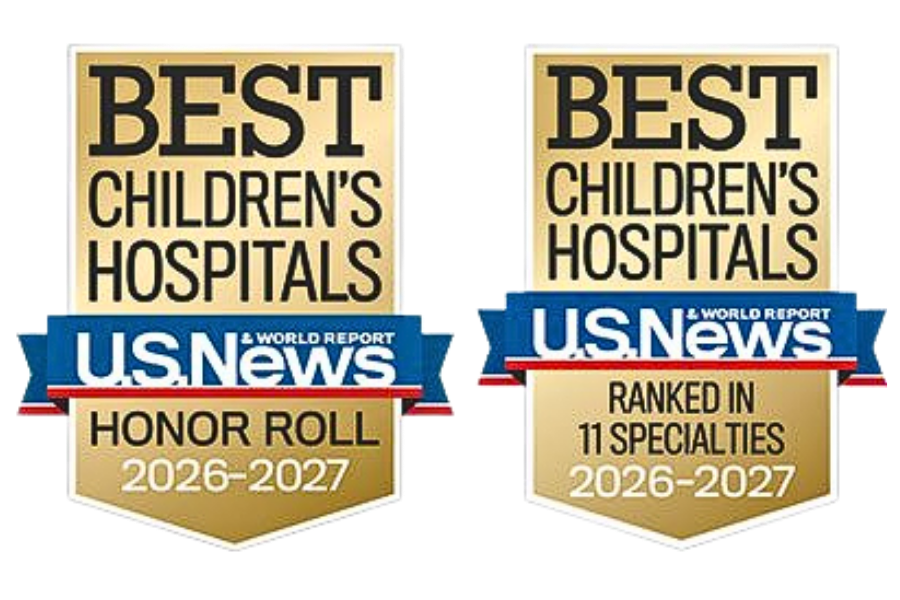
Recognized as a 2026-2027 Best Children’s Hospital by U.S. News & World Report, Ann & Robert H. Lurie Children’s Hospital of Chicago, the home of Stanley Manne Children's Research Institute, placed among the best of the best on the national honor roll, ranking among the top 10 children’s hospitals. Lurie Children’s again ranked as the #1 children’s hospital in Illinois.
The rankings assist parents, in consultation with their children’s doctors, in finding exceptional pediatric care – whether for serious illness, a high-stakes surgery or complex medical needs.
Lurie Children’s once again made the list in all 11 ranked pediatric specialties. Six specialties ranked in the top 10 – Urology (#3), Neurology & Neurosurgery (#6), Gastroenterology & GI Surgery (#6), Nephrology (#8), Diabetes & Endocrinology (#10) and Neonatology (#10). Read more.
| | | | | NEWS FROM THE RESEARCH PILLARS | | |
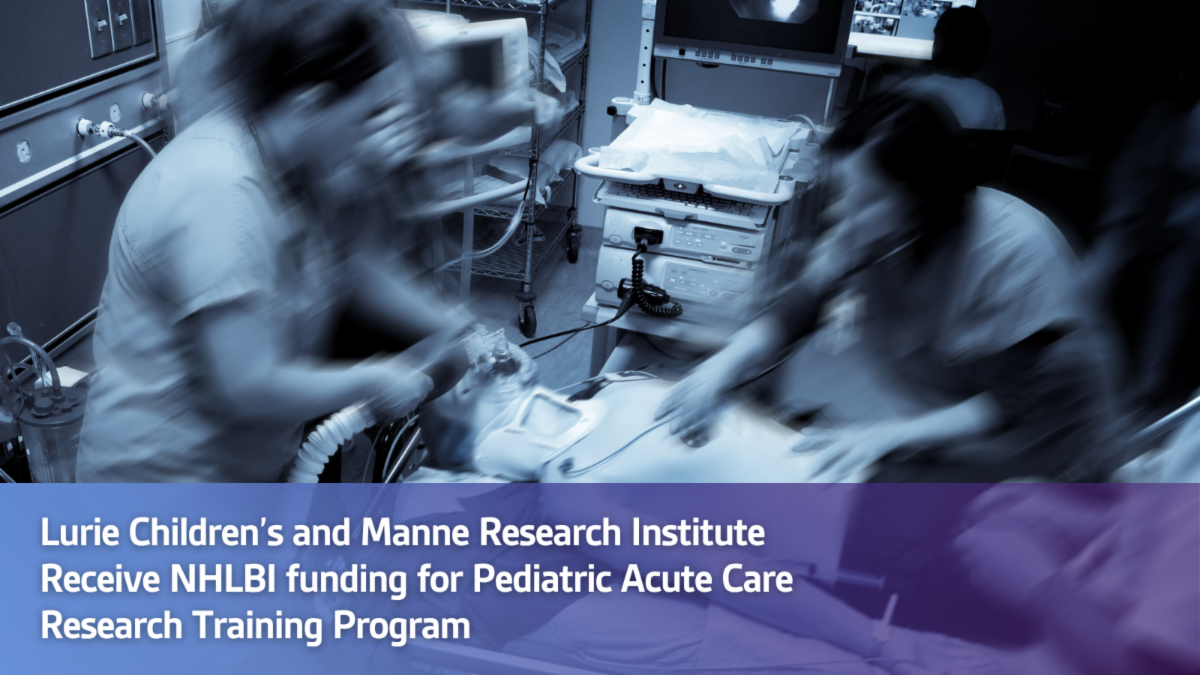
Ann & Robert H. Lurie Children’s Hospital of Chicago and Stanley Manne Children’s Research Institute received funding from the National Heart, Lung, and Blood Institute to support the new Pediatric Acute Care Research (PACeR) training program. This will be the only T32 research training program nationally in pediatric emergency medicine and the only one that introduces research training across the continuum of acute care, rather than focus solely on emergency or critical care.
The PACeR training program will address the critical shortage of acute care pediatrician-scientists and the small number of research training opportunities in pediatric emergency and critical care medicine. The PACeR curriculum will be tailored to provide essential knowledge and skills specific to developing a research career in these settings. What sets the PACeR program apart is that it will bring together trainees from different pediatric acute care specialties under a single, multidisciplinary umbrella, rather than have distinct training programs for emergency medicine, critical care, or organ system-specific investigators. The PACeR program will provide postdoctoral scholars with mentored, experiential research opportunities, didactics, seminars, apprenticeships, and other career development experiences, with a focus on respiratory conditions, acute cardiovascular dysfunction, and resuscitation—the chief pathways to morbidity and mortality in children and key focus areas in the mission of the National Heart, Lung, and Blood Institute.
| | |
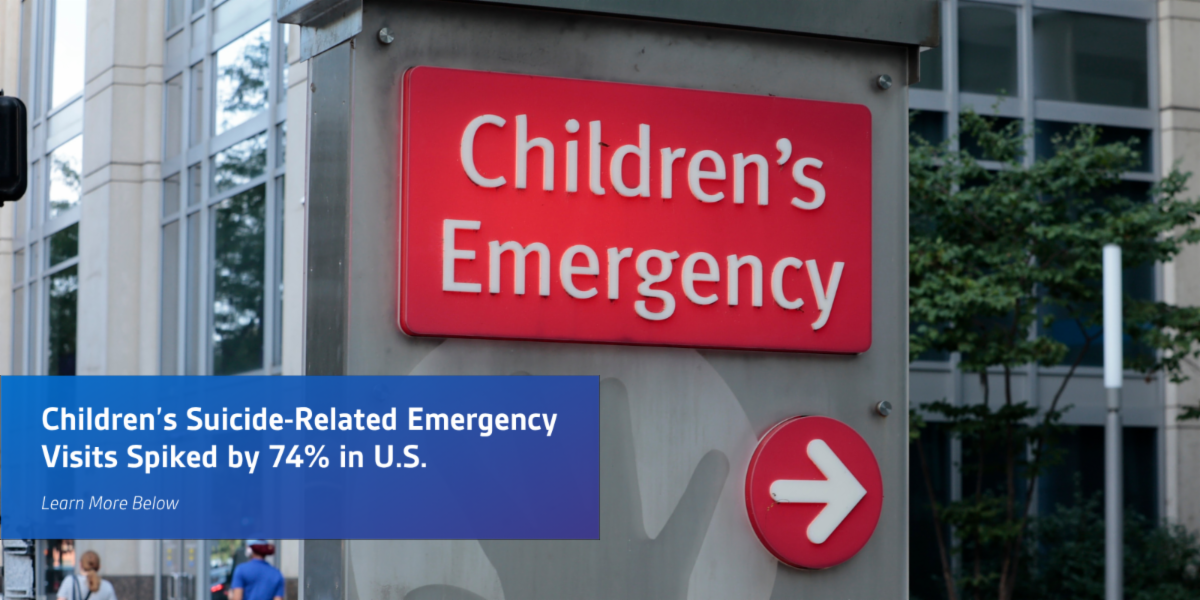
Emergency visits by children with suicide-related crises increased by 74%, according to a study representing over 5 million emergency department (ED) visits for mental health concerns by U.S. children from 2016 to 2022. About half of suicide-related ED visits – and half of all children’s mental health ED visits – occurred in hospitals with lower pediatric volume (under 10,000 annually). These EDs often are not prepared to care for children with acute mental health needs. The study was published in Annals of Emergency Medicine.
“A child experiencing a mental health crisis may arrive at any emergency department. Our findings underscore the need to equip every ED – not only large pediatric centers – with tools and resources to provide evidence-based mental health care,” said lead author Audrey Brewer, MD, MPH, a pediatrician and researcher at Ann & Robert H. Lurie Children’s Hospital of Chicago, and Assistant Professor of Pediatrics at Northwestern University Feinberg School of Medicine. “Strengthening mental and behavioral health capacity across all emergency care settings is essential to ensuring children receive timely, effective and equitable care.”
| | |
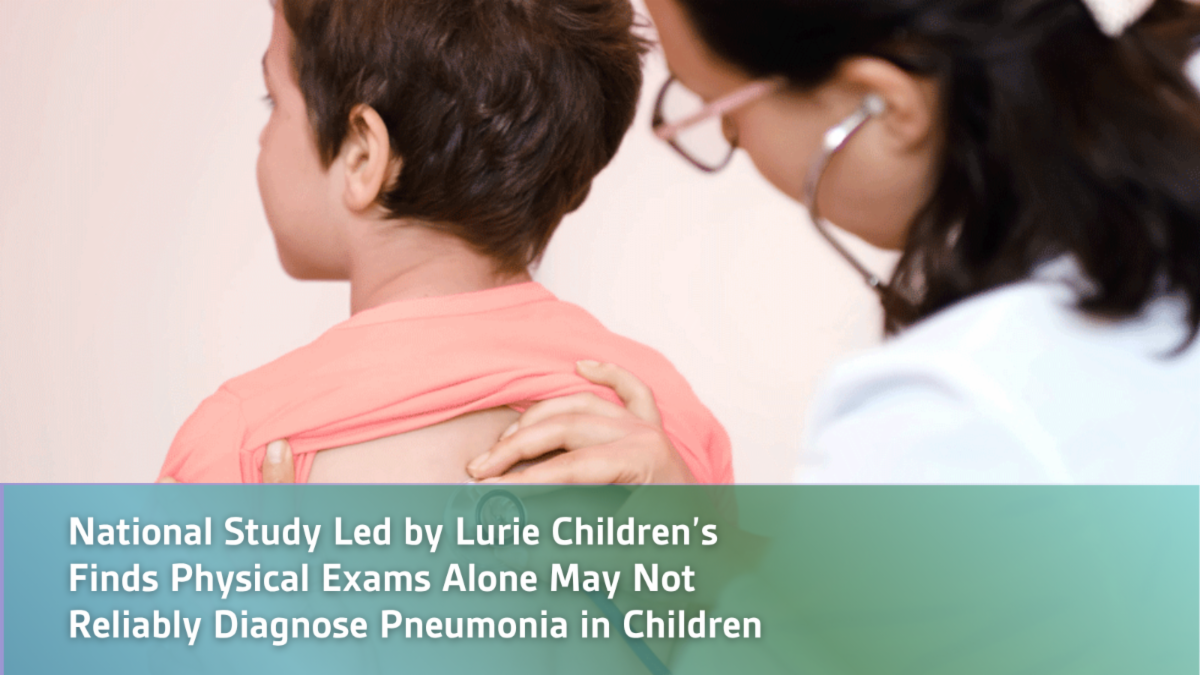
When a child has symptoms that could be pneumonia, doctors often listen to the child’s lungs with a stethoscope to help make a diagnosis. But a new national study led by physician-scientists at Ann & Robert H. Lurie Children’s Hospital of Chicago and PECARN finds that doctors may not always hear or interpret the same things when examining the same child, illustrating limitations of the physical examination.
The study, published August 20 in JAMA Network Open, found that doctors often disagreed about common lung sounds used to help diagnose pneumonia, including crackles, decreased breath sounds and rhonchi. The findings suggest that a physical exam alone may not always provide enough information to confidently diagnose pneumonia in children.
“Doctors rely heavily on what they hear when listening to a child’s lungs, but our study shows that two doctors can examine the same child and come away with different findings,” said the study’s principal investigators and senior author Todd Florin, MD, MSCE, Associate Division Head for Academic Affairs & Research and Attending Physician, Emergency Medicine at Lurie Children’s; Scientific Director, Research Development & Co-Director, Center for Pediatric Acute & Critical Care Research & Innovation at Stanley Manne Children's Research Institute; Professor & Associate Chair of Research, Department of Pediatrics, Northwestern University Feinberg School of Medicine. “This can make diagnosing pneumonia challenging and points to the need for better tools to help us make these decisions.”
| | Kyle MacQuarrie, Kelly Michelson Collaborate on NSF Science and Technology Center at Northwestern University | | |
Two physician-scientists from Ann & Robert H. Lurie Children’s Hospital of Chicago and Stanley Manne Children’s Research Institute will team up with researchers from around the country as members of a new U.S. National Science Foundation Science and Technology Center dedicated to identifying ways to understand cell function and develop innovative ways to prevent and reverse declines in it.
Kyle MacQuarrie, MD, PhD, Attending Physician in Hematology, Oncology, Neuro-Oncology, and Stem Cell Transplantation at Lurie Children’s and Assistant Professor of Pediatrics (Hematology, Oncology, and Stem Cell Transplantation) at Northwestern University Feinberg School of Medicine, will contribute his expertise studying chromatin and genomic organization to the research. Kelly N. Michelson, MD, MPH, Attending Physician in Critical Care at Lurie Children’s and Director of the Center for Bioethics and Medical Humanities at Feinberg School, will co-lead the ethics arm of the new center. Dr. Michelson is also the Julia and David Uihlein Professor of Bioethics and Medical Humanities at Feinberg School of Medicine.
The NSF awarded Northwestern University $30 million over five years to establish the Center for Genome Intelligence Engineering (GENIE), which will be led by biomedical engineer Vadim Backman, PhD, MS, Professor of Biomedical Engineering, Medicine (Hematology/Oncology), and Biochemistry and Molecular Genetics at Feinberg School of Medicine. GENIE will bring together experts in medicine, engineering, biology, physics, ethics, and artificial intelligence to study how DNA’s three-dimensional structure helps determine each cell’s function and identity and investigate ways to physically reshape the structure. The new knowledge generated by the research can lead to ways to help cells and tissues withstand damage, restore lost function, and regenerate tissues and may one day be used to develop new treatments for cancer, Alzheimer’s disease, and cardiovascular disease. The center will also train students and early-career researchers.
| | Pilot Faculty Support Program Enhances Promotion Readiness and Career Development | | |
Academic promotion affects career development and retention in academic pediatrics, but challenges to promotion, such as competing clinical and research demands, various requirements, and targeted mentorship opportunities, still exist for faculty members. Supporting faculty in career development and promotion readiness is critical to a robust workforce in an academic medical center, says Angira Patel, MD, MPH, Associate Chair of Faculty Development in the Department of Pediatrics, at Ann & Robert H. Lurie Children’s Hospital of Chicago and Professor of Pediatrics (Cardiology) and Medical Education at Northwestern University Feinberg School of Medicine.
A descriptive study published in the journal Pediatric Cardiology showed that a longitudinal faculty promotion support program that offered institution-specific education, interactive workshops, coaching, and peer support successfully addressed the challenges that faculty members faced and improved faculty satisfaction, career development, and promotion readiness. Dr. Patel, the lead author of the study, along with a team of clinician-researchers from Lurie Children’s created and implemented this pilot initiative within a division of pediatric cardiology.
| | |
Neuro-oncology, neurosurgery and nuclear medicine physicians from Ann & Robert H. Lurie Children’s Hospital of Chicago, in collaboration with Cerenome, Inc., launched the first clinical trial in children of radiotherapy called Rhenium-186 Nanoliposome (186RNL), which is injected directly into the brain tumor through a catheter with hopes of providing minimal exposure to the surrounding healthy tissue. Children with recurrent high grade glioma (HGG) and ependymoma who have exhausted the standard of care options might be eligible to participate.
HGG and ependymoma are highly aggressive pediatric brain tumors. HGG has less than 20 percent survival rate at five years after diagnosis, while five-year survival rate for children with ependymoma is at 71 percent for a grade II tumor and 57 percent for grade III. Brain tumors are the second most common type of cancer in children.
“We are excited to offer this innovative treatment to children with some of the most challenging brain tumors,” said Co-Principal Investigator Ashley S. Plant-Fox, MD, neuro-oncologist and A.M. Khokhar Research Scholar at Lurie Children’s, and Associate Professor of Pediatrics at Northwestern University Feinberg School of Medicine. “The novel technology has the potential to deliver higher doses of radiation than conventional radiotherapy while better avoiding healthy brain tissue. We are very encouraged by the data from trials in adults and have advocated bringing this to children. We will be the first to deliver this treatment in pediatric patients and are excited for the potential application to other pediatric brain tumors in the future. This trial aligns with our overall goals of bringing safer and more efficacious treatments.”
Study team leadership includes Co-Principal Investigator Michael DeCuypere, MD, PhD, neurosurgeon and Eleanor Clarke Research Scholar in Developmental Neurobiology Research at Lurie Children’s, and Carla Quijano, MD, Section Head of Nuclear Medicine at Lurie Children’s and Assistant Professor of Radiology at Northwestern University Feinberg School of Medicine.
| | |
Children with severe hearing loss may benefit from cochlear implants at younger ages and under broader eligibility criteria than previously recognized, according to a multicenter study led by researchers at Ann & Robert H. Lurie Children’s Hospital of Chicago. The findings were published online in August in The Laryngoscope.
The evidence provided by this study was the basis for the recent expanded FDA indications for MED-EL cochlear implants. This important change increases access for infants as young as 7 months old and for children whose hearing aids do not provide enough benefit.
The study was led by Dr. Nancy M. Young, Founder and Medical Director of the Cochlear Implant Program at Lurie Children’s, and included children from centers across the United States. Researchers evaluated outcomes following cochlear implantation in infants younger than 12 months of age and in children with more residual hearing for whom hearing aids did not permit them to hear the essential sounds in spoken language.
| | MANNE RESEARCH INSTITUTE IN THE MEDIA | | | | |