|
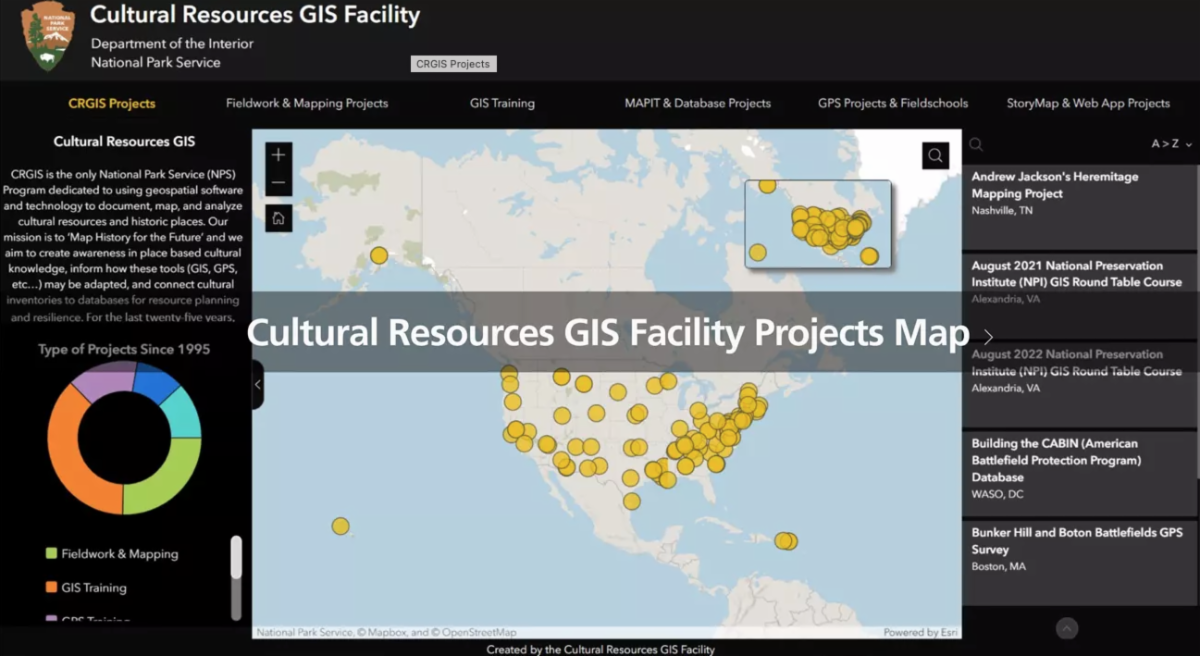
As natural disasters continue to alter the landscape of our neighborhoods, mapping cultural resources is becoming more important in helping understand and preserve the identify of the places we inhabit.
However, because a cultural resource map can have several goals, the process for creating one will vary.
Are you thinking about creating a map to:
- Build community cohesion and identity?
- Capture historical, architectural, and community-designated places of importance?
- Support a narrative for tourism and economic development?
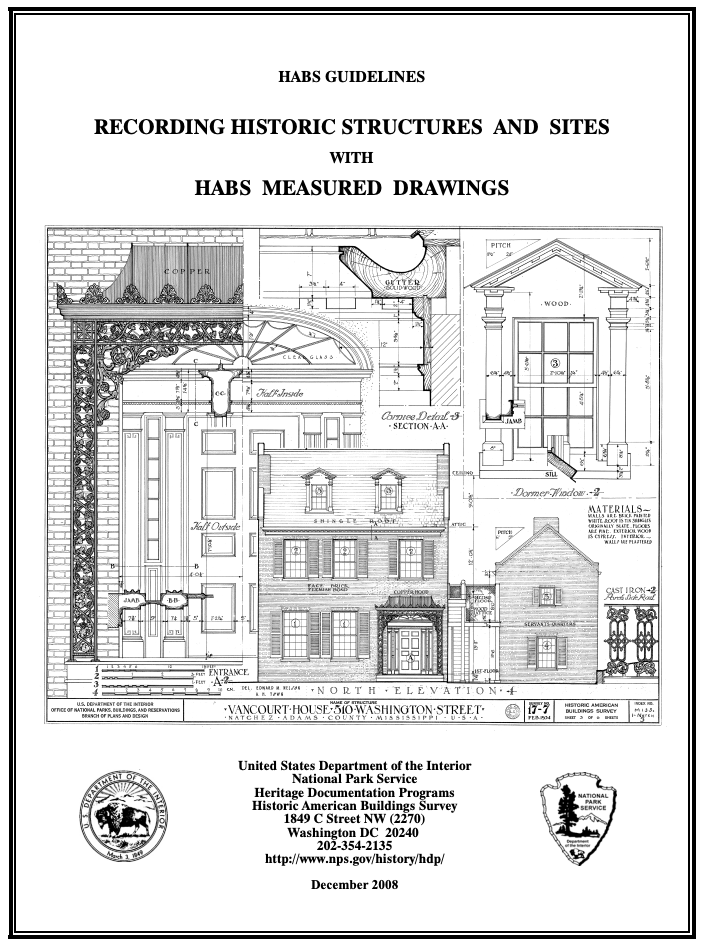
- Create an inventory for disaster planning and management professionals? If so, does this inventory contain information on building design, materials, history, and use?
The level of robustness in a cultural resources mapping project will depend on the quality and quantity of data gathered. Access to other resources may also impact how you present your data - as a stand-alone database, simple map or GIS mapping systems.
As neighborhoods change over time, think about setting a process that meets your community needs for updating data and community stories over time.
Check out the cultural mapping toolkit guide created by 2010 Legacies Now and Creative City Network of Canada, which spells out a process for getting community input and support for your cultural mapping process. (Available for download at nominal fee.)
|