KALEIDOSCOPE EVENING SET FOR APRIL 21
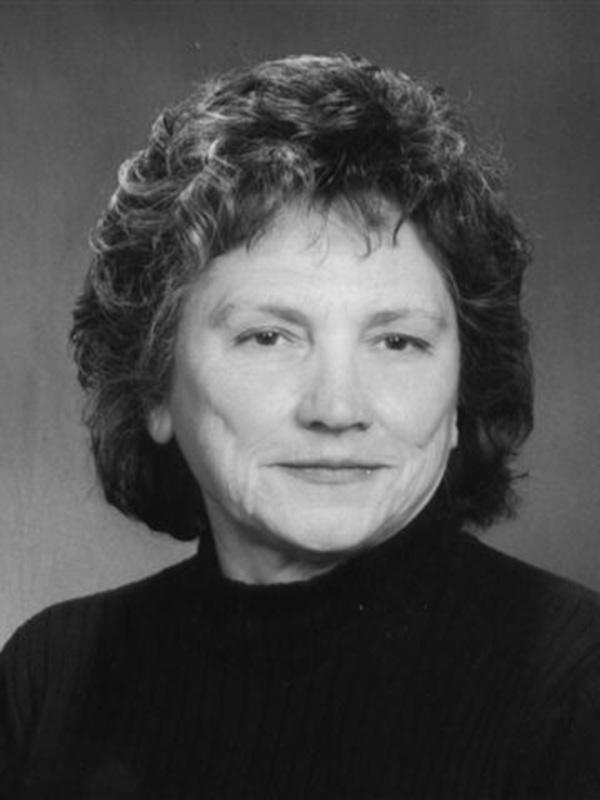
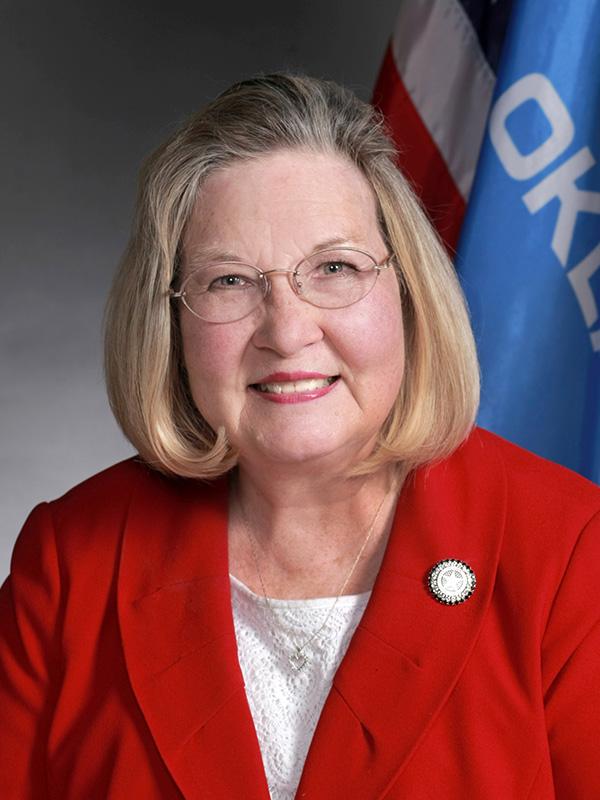
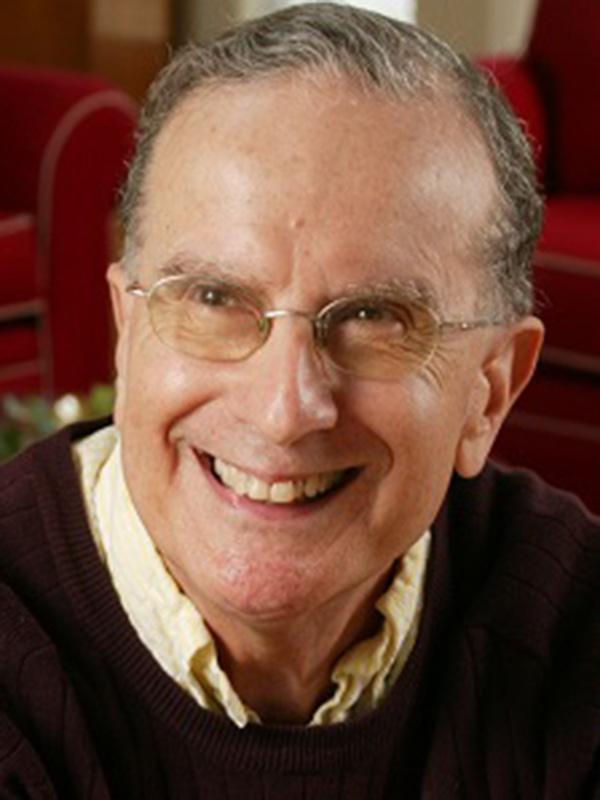
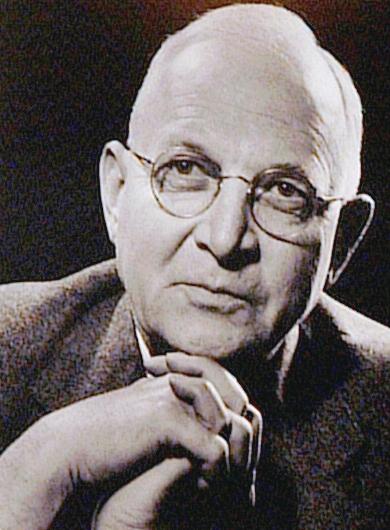
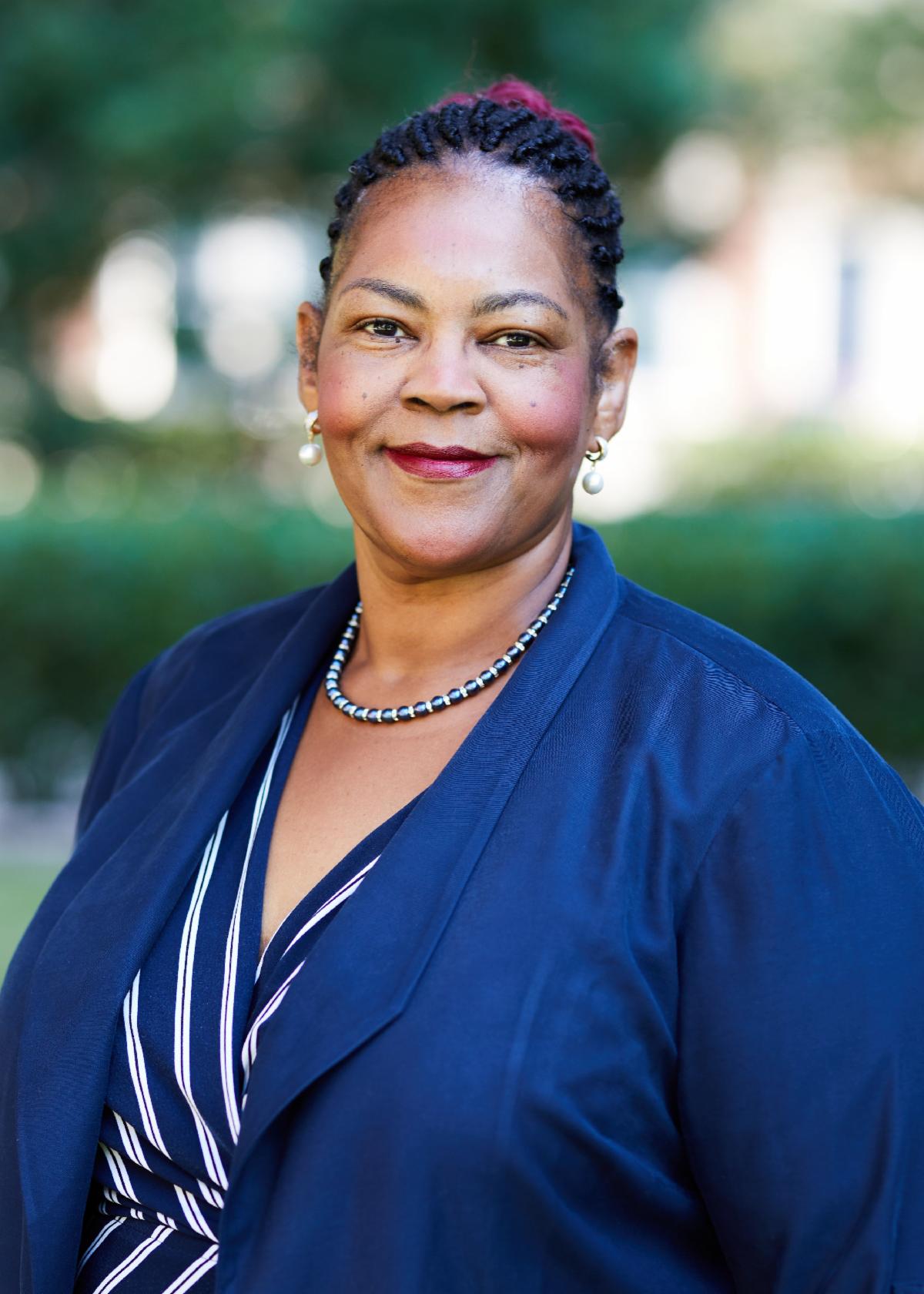
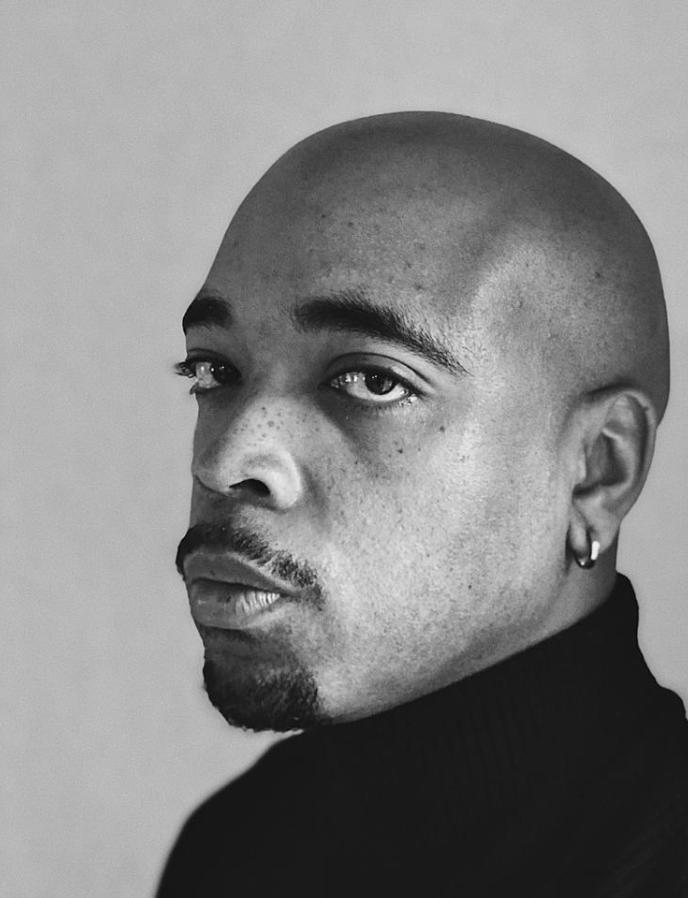
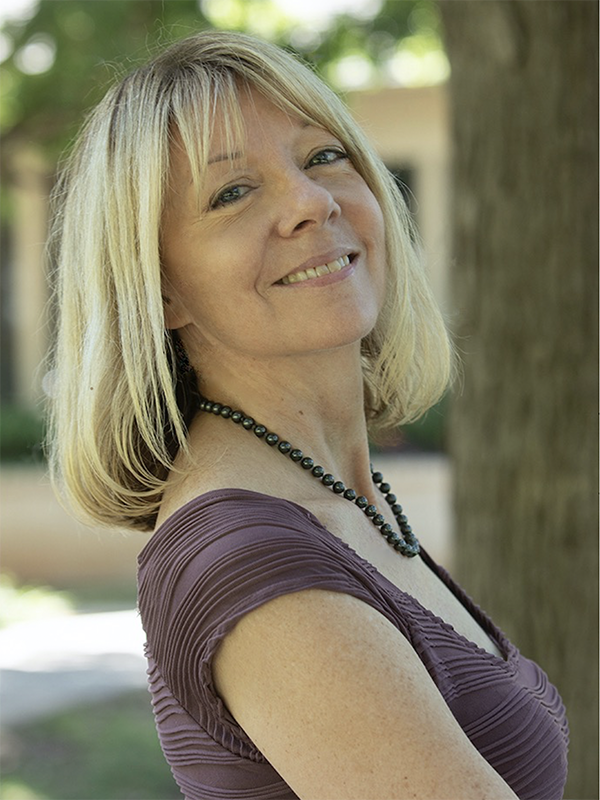
For their contributions on the local, state, national and international levels, Lotsee Patterson, Karen Gaddis and Allan Saxe will be recognized as the 2022 Distinguished Alumni of the Dodge Family College of Arts and Sciences at the University of Oklahoma. Homer L. Dodge will be recognized posthumously with the Distinguished Service Award for his leadership and generosity in support of areas that reflect the values of the college. In addition, Mubeen Shakir will be honored as the 2022 Young Alumni Award recipient for his exemplary leadership, service and character. Award recipients will be honored at Kaleidoscope Evening on April 21, an evening designed to celebrate the college and recognize its distinguished alumni as well as faculty teaching award recipients.
|
|
OU DODGE FAMILY COLLEGE OF ARTS AND SCIENCES CREATES SCHOLARSHIP PROGRAM
A new initiative in the Dodge Family College of Arts and Sciences at the University of Oklahoma has been launched that will expand on its ongoing commitment to accessibility to education and affordability for students. The Dodge Family Scholars program is a financial need-based scholarship opportunity that will benefit and support a talented cohort of students with financial need. The Dodge Family Scholars program is intended to help students reach their educational goals by assisting with the costs of tuition, fees and books. “The Dodge Family College of Arts and Sciences is deeply committed to ensuring that every talented student, regardless of financial means, has the opportunity to enroll in, succeed in, and graduate from one of our many, many programs,” said David Wrobel, dean of the college. “We are also committed to ensuring the college is at the leading edge of OU’s ambitious ‘Lead On’ Strategic Plan, which includes expanding access to OU’s excellence. We are enormously grateful to the Dodge family for the support they have provided us to pursue that mission more boldly and ensure that we can better serve the needs of our current students and future generations of deserving students.” READ MORE
|
|
JOIN US FOR #OUGivingDay
Save the date for April 14 and join the OU community for a 24-hour celebration of Sooner Spirit. This fundraising event honors the generosity of the OU community and raises awareness of the impact of giving and giving back. It brings together the entire OU family – faculty, staff, students, retirees, alumni, corporations, foundations and friends – to ensure our university lives on for generations to come. Learn more at givesooner.org.
|
|
FACULTY AND DEPARTMENT NEWS |
|
Adrienne Carter-Sowell, Ph.D., professor of social and industrial-organizational psychology, is leading a working group on COVID-19 for the Association for Psychological Science Global Collaboration. The collaboration convenes psychological scientists and other behavioral science experts to assess how the field has contributed to combating the COVID-19 pandemic and identify gaps in understanding that should be addressed through new research. Professor Carter-Sowell is the symposium chair for the collaboration’s working group on the psychology of work and COVID-19. This international group investigates the effects of new work realities pertaining to COVID-19, such as how different types of work and workers may be differentially affected by COVID-19, what we have learned about productivity and how uncertainty and anxiety has influenced workers and employers. In May, Professor Carter-Sowell’s workgroup will convene a pre-conference workshop at the APS Annual Convention in Chicago. Additionally, she is leading a special invited research symposium, “COVID-19 and the Workplace: Interdisciplinary Insights on the Shecession, Essential Workers, and the New Normal.” APS, the world’s leading professional community dedicated to advancing psychological science through research, education and public engagement, is working to improve public health and well-being by catalyzing the best psychological science to inform solutions to COVID-19 and future crises.
|
|
James Howard Hill Jr., acting assistant professor in the Department of Religious Studies, has been selected by The Crossroads Project as one of the first recipients of Crossroads Fellows grants for projects that will help advance understanding of the diversity of Black religious communities and cultures past and present. The 2022-2023 cohort of Crossroads Fellows represent scholarly, artistic, activist and religious communities, and their projects will take a variety of forms, including documentary and experimental film, digital mapping, oral history interviews, curated digital exhibits, research reports, sound installation, dance and spoken word performance. Hill's project “All that Noise is about America: Religion, Race, and Michael Jackson" is a multidisciplinary digital project that examines how Michael Jackson is germinal to both the study of religion and the politics of popular culture. READ MORE
|
|
Janet Ward, senior associate vice president for research and partnerships at the University of Oklahoma, has been named a Fellow of the American Council on Education for academic year 2022-2023. Following nomination by the senior administration of their institutions and a rigorous application process, 46 Fellows were selected this year (click here for the full list). Established in 1965, the ACE Fellows Program is designed to strengthen institutions and leadership in U.S. higher education by identifying and preparing faculty and staff for senior positions in college and university administration through its distinctive and intensive nominator-driven, cohort-based mentorship model. About 2,500 higher education leaders have participated in the ACE Fellows Program over the past five decades, with more than 80% of Fellows having gone on to serve as senior leaders of colleges and universities. “I am honored to have been nominated by Provost André-Denis Wright and to be invited to serve as an ACE Fellow for 2022-2023. It’s a wonderful chance to explore in depth some of the key issues for higher education leadership today,” said Ward. “I am truly looking forward to this opportunity where I can help advance the mission of the Office of the Vice President for Research and Partnerships and introduce the new comparative perspectives gained during my fellowship year to various leadership units across our institution. In particular, I look forward to helping our campus build an integrated internationalization framework for OU, in tandem with the goals for convergence research and inclusive equity that underpin our ‘Lead On’ Strategic Plan.” READ MORE
|
|
The college congratulates Constance Chapple, who accepted the role of faculty director of the Carceral Studies Consortium. Chapple is serving as incoming director during the spring semester, and will officially assume the position on July 1. Chapple is an associate professor of sociology with research specialties in the causes and consequences of crime and criminal justice involvement. Chapple has published over 28 articles, chapters and edited books on the topics of gender and crime, family and crime, peers and crime, the social and financial consequences of incarceration and arrest, and the long-term negative effects that early life-course maltreatment and adversity have on children, youths and adults. She is a principal investigator, along with Sherri Castle, of an OU VPRP Big Idea Challenge Grant and leads a transdisciplinary team of faculty who are conducting research on “Child Wellbeing and Opportunities across the Lifespan.” The consortium brings together faculty, staff and students from across the university and beyond to cultivate and support rigorous research, pedagogy and community engagement toward social transformation.
|
|
Ian Carrillo, an assistant professor of sociology, was recognized for his article, "Racialized Organizations and Color-Blind Racial Ideology in Brazil,” as honorable mention for the Sérgio Buarque de Holanda Prize as the best article in the social sciences in the Brazil Section of the Latin American Studies Association. Professor Carrillo’s article was published in the journal Sociology of Race and Ethnicity. In this study, Carrillo shows how white elites in Brazil's sugar-ethanol industry use the discourse of color-blind racism to rationalize and perpetuate exploitative labor processes involving rural workers of color. This article advances our knowledge of why powerful actors use organizations to enact racial ideologies and how everyday practices in organizations reproduce racial inequality.
|
|
Lucas Bessire, associate professor of anthropology, was recently awarded the 2022 George Perkins Marsh Prize from the American Society for Environmental History for the best book in environmental history. The book, Running Out: In Search of Water on the High Plains (Princeton University Press, 2021), explores the ongoing depletion of the Ogallala Aquifer in order to ask what it means to inhabit the troubled legacies of the past and how we can create a more inclusive, sustainable future. The ASEH prize committee praised Bessire’s book as “a moving account of individual and collective responsibility” that “crafts a unique and affective analytical narrative of the stories and emotions that surround historical actors’ conscious participation in ecological depletion.” Previous recipients of the Marsh Prize include distinguished authors and scholars like William Cronon, Karl Jacoby and Kate Brown. The prize is named after the 19th-century writer and environmentalist George Perkins Marsh, whose insights into the causes and consequences of resource loss helped catalyze conservation movements in America.
|
|
This semester, two courses in the college were selected as Presidential Dream Courses. Founded in 2004, the program enables faculty to bring scholars and world-renowned experts to campus to interact with OU students and give a public lecture to the local community. Alejandro Chavez-Dominguez, Keri Kornelson and Miro Kramar from the Department of Mathematics are teaching The Mathematics of Data. Students in this course, majors from Mathematics, Physics and Engineering, are learning about the mathematical underpinnings in modern data analysis techniques. In addition, Sarah Trabert from the Department of Anthropology is teaching Archaeology of Migration in America. This course draws from the work of archaeologists to explore the long-term histories of human migration and movement in America. A number of public lectures remain for both courses this semester. For more information on these courses visit here and for a full schedule of public lectures visit here.
|
|
SOC2723 – Sociology of the Family - Matthew Bejar is replacing a commercial textbook.
COMM 2003 – Communication in Non-Western Culture - Ioana Cionea is replacing a textbook with one that will better meet her needs. In the process, she will give graduate students and early career academics the opportunity to help craft a textbook that will add a unique resource to the open educational resources landscape.
MATH1501 – College Algebra - Casey Haskins is creating a new open educational resource.
SWK2223 – Statistical Methods for Social Work - David McLeod is adopting the OpenStax statistics textbook.
HSCI2133 – Science and Popular Culture - Katherine Pandora will replace several commercial texts with one she will create.
|
|
FACULTY AND STAFF SPOTLIGHT |
|
Joanna Hearne, a scholar of Indigenous media studies, joined the OU faculty in the fall of 2021 as the new Jeanne Hoffman Smith Professor of Film and Media Studies, after spending 17 years at the University of Missouri. At OU, her research in the Film and Media Studies department focuses on Native American and global Indigenous film and media; digital media and digital storytelling; North American film history; and screen genre histories including animation, documentary, and westerns. She was drawn to the university because of the 39 tribal Nations in the state and the Indigenous students, communities, and research archives here. "My research makes sense here” she says, “and I think it might be useful here in a way that is really different from almost anywhere else I could be.”
Hearne is working on several ongoing projects right now. One, funded by a National Endowment for the Humanities fellowship, is a history of three Chickasaw brothers who worked in the film industry from the silent era of cinema through the early developments of television (Chickasaw Hollywood: The Fox Brothers and the Studio System, 1914-1954). The Fox brothers were originally from Indian Territory and later moved to Los Angeles, where they often worked together on different films. What sets them apart from most other Indigenous peoples working in the film industry at the time was their work behind the camera (as writers, directors, and producers) rather than in front of it (as performers).
Hearne is also working on a project funded by the National Science Foundation, titled “A visualization process for Indigenous calendrical knowledge.” This collaboration with a group of scholars, artists, and Indigenous knowledge-keepers, including Hopi filmmaker Victor Masayesva, will share information about traditional ways of time-keeping in relation to agricultural and ceremonial cycles.
As for her teaching, many of Hearne’s classes are core courses or electives for Film and Media Studies. Last semester, she taught Media Theories and Methodologies and is now teaching a course on the history of animation. Next year she will teach courses on Indigenous media, the history of documentary and global film history. Her teaching—not only in Indigenous media but in all of her courses--emphasizes Indigenous contributions. She stresses that “You cannot understand American film history or global film history without understanding Indigenous participation.”
Hearne has many other upcoming projects including a forthcoming edited book collection on the films of Chickasaw filmmaker Wallace Fox and a book about Indigenous women’s media in North America in the 1970s. We are looking forward to seeing what Professor Hearne will accomplish as a faculty member here and to her ongoing work spotlighting the Indigenous media community!
|
|
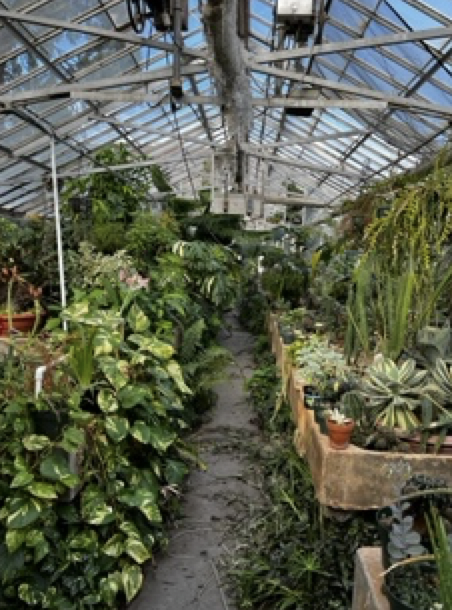
Located on the south oval of campus just east of George Lynn Cross Hall, the OU Department of Microbiology and Plant Biology operates three greenhouses, each with its own purpose and containing an impressive collection of more than 100 species of plants originating from around the world. The greenhouses provide students with key hands-on experience and potential employment opportunities during the academic year.
The “old” glass greenhouse is where the university and department keep their collections. These plants are the most prized and are propagated to keep the collection thriving. The other two houses are used for different purposes, such as growing plants for classroom and research use. Additional plants are grown from seed for the Botany Club to sell in their yearly plant sale.
Jessica Winkler, a junior who is currently serving as president of the Botany Club, describes the organization as “a club that brings students together over their shared interest in plant biology, gardening and horticulture, and is open to all students on campus.” She oversees all the organization’s activities and runs general meetings. Featured activities include plant chemistry demonstrations and discussions on plant biology news. The Botany Club actively seeks to collaborate with different organizations to highlight plant sciences and engage with the community.
Lynn Nichols has been the greenhouse manager for seven years. As manager, he maintains the greenhouses and their operating systems to make sure the plants are provided with their preferred growing conditions. He also enjoys giving tours, when requested, as well as potting and repotting plants. His favorite area of the greenhouses is the “jungle” area in the glass greenhouse. Much of the research he’s helped with has focused on rice, switchgrass and other native perennial grasses and how to use these plants as biofuel sources, and which native perennial grasses grow back the fastest after a fire. Interestingly, he is also working with Dr. Jocelyn Barton from OUHSC growing a perennial cut flower named Star of Bethlehem that has been found to contain a compound shown to have anticancer and antiviral properties that may be highly effective against COVID-19.
The department is exploring ways to continue to utilize the greenhouses to a greater degree. They have long-term plans to hire new botany research professors, and in the short term, Nichols is hoping to attract more students, faculty and staff to the greenhouses. “We have an amazing plant collection here and hope to expose this beauty to many more people in the future through tours and promotion,” he said.
For information on tours, please contact Nichols at lnichols@ou.edu. Mark your calendars for the Botany Club plant sale on April 22 and purchase your new favorite plant while benefiting the club and greenhouses!
|
|
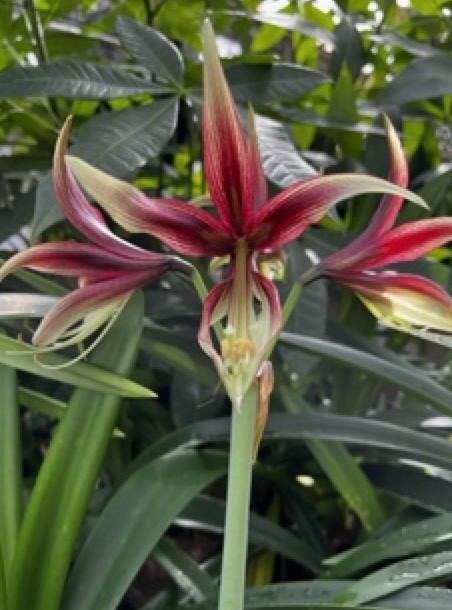
Cyberster Amaryllis in bloom |
|
Ficus elastica
(Rubber Tree) cultivar “Robusta”
|
|
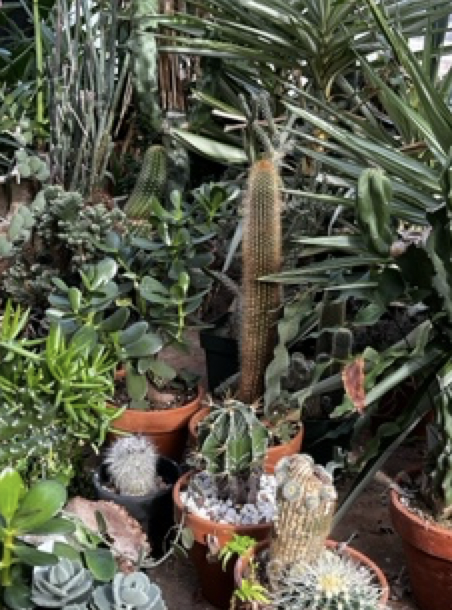
Cacti and succulent collection |
|
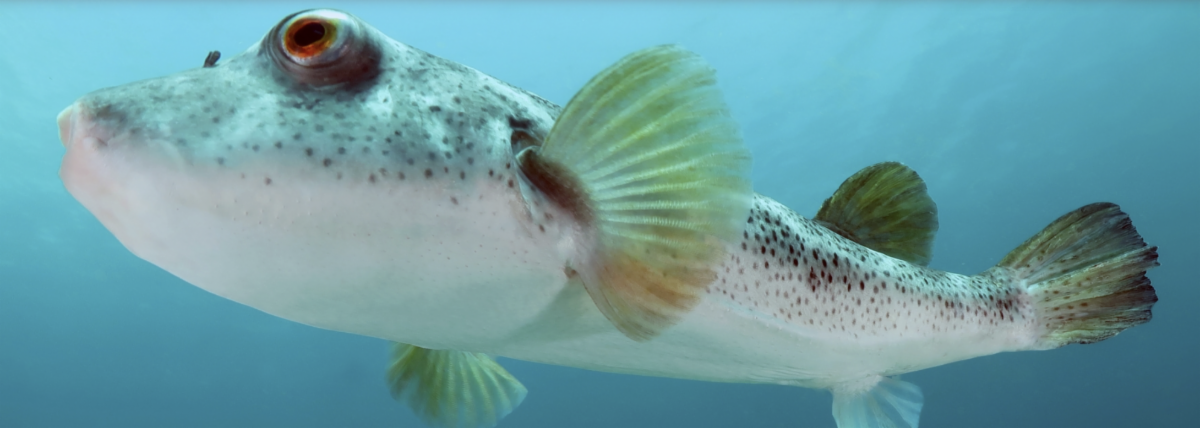
Dahiana Arcila, an evolutionary biologist at the University of Oklahoma, has received a $1.2 million Faculty Early Career Development Award from the National Science Foundation to improve scientific understanding of the evolutionary history of life on Earth. Arcila is an assistant professor of biology in the Dodge Family College of Arts and Sciences at OU and an assistant curator of ichthyology at the Sam Noble Oklahoma Museum of Natural History. For the five-year project, Arcila is studying how fish like pufferfish, boxfish, ocean sunfish and other relatives of the fish order Tetraodontiformes have evolved to develop their distinctive physical traits. This morphological evolution can be traced through fossil records and compared with species living today. READ MORE
|
|
As comets approach the Sun, they release gas and dust known to astronomers as cometary activity. For comets passing near or inside Earth’s orbit, this activity slows over successive orbits. University of Oklahoma astronomer Nathan Kaib has found this same comet-fading phenomenon occurs as comets make repeated passages through the more distant region beyond Saturn. Kaib, an associate professor in the Homer L. Dodge Department of Physics and Astronomy in the Dodge Family College of Arts and Sciences at OU, is the lead author of the article “Comet Fading Begins Before Saturn,” published in Science Advances. READ MORE
|
|
Tuberculosis is the second most common cause of death worldwide by an infectious pathogen, COVID-19 being the first. However, many aspects of TB’s long history remain controversial. Scientists studying ancient TB genomes are assembling pieces of this complex evolutionary puzzle, now suggesting that not only does TB pre-date the arrival of European settlers in the Americas, but also that early TB variants traveled long distances on land. Building on the 2014 discovery that the emergence of TB in Peru likely came from marine mammals like seals and sea lions, a recent study published in the journal Nature Communications confirmed those findings and discovered cases in people who lived nowhere near the coast, suggesting these infections were not the result of direct transmission from seals but rather caused by one or more spillover events – where a pathogen moves from one species to another. The research team, co-led by Tanvi Honap, a research assistant professor of anthropology and Åshild Vågene with the Section for Evolutionary Genomics, GLOBE Institute at the University of Copenhagen, recovered three new ancient TB genomes. READ MORE
|
|
The Data Institute for Societal Challenges has awarded Kalenda Eaton (Clara Luper Department of African and African American Studies) a seed grant for the project “Locating, Cataloging, and Assessing Historical Land Ownership Data in Rural African American Communities in Western Oklahoma.” The DISC seed funding competitions are intended to address short-term project needs that are necessary to enhance projects that will be competitive for large external grants. Through her work with the Oklahoma Homesteading project, Eaton has noted a lack of accessible historical data for institutions, communities and state agencies attempting to accurately chronicle state history and address the needs and concerns of rural Black Oklahomans. She sought seed grant funding to assist with data entry of files identified in federal records, census research and equipment needs for pilot data interviews that will be foundational to a digital oral history database (for example). Her goal is to apply for large federal and private grant funding to support the project’s greater data and digital humanities needs.
|
|
David McLeod, associate director of research and associate professor in the Anne and Henry Zarrow School of Social Work, has been awarded a $31,525 contract with the Oklahoma Pardon and Parole Board to serve as their principal data evaluator. This award is renewable on a yearly basis and will support the development of a database for details of pardon and parole board hearings and the cases they are considering. The award also supports a consultation partnership between McLeod and the board to help address parole board member questions and concerns and to provide evidence-based feedback on a routine basis.
|
|
The Carl Albert Congressional Research and Studies Center has been awarded a $538,484 ($300,519 OU portion) National Science Foundation Grant “Understanding the Evolution of Political Campaign Advertisements over the Last Century.” The project is led by Michael Crespin and JA Pryse at OU and is being conducted jointly with Kosuke Imai (Harvard University) and Bryce Dietrich (University of Iowa). The project uses a collection of over 100,000 political ads from 1912-2018, archived in the the Julian P. Kanter Political Commercial Collection at the University of Oklahoma, to develop (1) an automated system to identify issue (and other politically relevant) content from ad image, audio and text and (2) a state-of-the-art user interface that gives researchers the ability to query, interact with and view videos, and also output data for analysis. The project uses the data to examine the evolution of political advertising, testing models of horizontal and vertical diffusion of issues. The project’s tools and data will be introduced at an interdisciplinary workshop and made widely available to scholars across several disciplines that involve the study of American politics, campaigns, political communication and public opinion. This collaborative project is jointly funded by the Accountable Institutions and Behavior program and the Established Program to Stimulate Competitive Research.
|
|
Firat Demir, professor of economics, has been conducting and organizing a series of interviews for OU’s Center for Peace and Development. These interviews have been with thought leaders and academics on topics related to global peace, security, U.S.- China economics and a number of other issues. The events are a collaboration between the center and the Security in Context network, and they are supported by a grant from the Carnegie Corporation of New York. The center’s mission is to advance knowledge of local peace-building efforts and to work alongside local civil society organizations committed to community transformation. The center has been working with various grassroots organizations in northern Uganda for a bottom-up approach to peace and development. They also have a mission to link scholars and activists from around the world who are contending with these important issues. Security in Context is an interdisciplinary research and pedagogy initiative that promotes critical research and policy analysis around key questions related to peace and conflict, political economy, development, the politics of in/security and militarism (particularly as they intersect with issues related to emerging technologies), mobility, infrastructure, climate change and geopolitics. As a collective, members of the project are working toward bridging scholarly research and public engagement with a center of perspectives from and about the global South. Demir is an executive committee member and project director at the Center for Peace and Development and a founding member of Security in Context. He started these events in fall 2020 and his recent interview with world-renowned economics professor Jeffrey D. Sachs has had more than 90,000 views since January. Sachs serves as the director of the Center for Sustainable Development at Columbia University, and he is president of the UN Sustainable Development Solutions Network. Click here to see past interviews and here to see information about events and news on upcoming programs.
|
|
During the past year, the Department of Economics has seen the work of several faculty members published in high-quality journals. Assistant professors Tyler Ransom, Hewei Shen, Chunbei Wang, MJ Yang and Myongjin Kim have all had research appear in a number of publications recently. To read more about their work visit here to learn about their findings, which have been published in the European Economic Review, Review of Economic Dynamics, Journal of Public Economics, Emerging Infectious Diseases and the International Journal of Industrial Organization among others. LEARN MORE
|
|
$162,000 – U.S. DEPARTMENT OF HEALTH AND HUMAN SERVICES
DEFINING MECHANISMS OF MICROBE-MICROBE INTERACTIONS IN CHRONIC WOUND INFECTION
Chronic human infections are frequently polymicrobial, with interactions between microbes leading to increased disease severity. The overall goal of this project is to define how interactions between Staphylococcus aureus, a key pathogen in multispecies infections, and co-infecting microbes alter S. aureus physiology in human wound infection. To address this goal researchers will define the spatial parameters and metabolic interactions that occur between S. aureus and common co-infecting microbes in infection and expand on these findings to determine the impact of microbe-microbe interactions on S. aureus physiology in human wound infection. This work is likely to yield important discoveries that will aid in the understanding of the underlying mechanisms of microbe-microbe interactions within chronic wound infections.
|
|
Maya Ferrell, a junior at the University of Oklahoma majoring in biochemistry, has been named a 2022 Goldwater Scholar in a prestigious national competition that recognizes undergraduates for their outstanding achievements in science and mathematics. Ferrell is among 417 students nationwide to be selected this year out of more than 1,200 nominees representing 433 institutions. Her selection brings OU’s total number of Goldwater Scholarship winners to 60 since the inception of the scholarship in 1986. READ MORE
|
|
An OU graduate student has played a critical role in a Jupiter-like protoplanet forming through what researchers describe as an "intense and violent process." This discovery provides the first plausible detection of a planet via long-debated theory for how planets like Jupiter form. Kellen Lawson, a doctoral student in the research group led by John Wisniewski, Presidential Professor in the Homer L. Dodge Department of Physics and Astronomy at the Dodge Family College of Arts and Sciences, led analysis of extreme adaptive-optics coronagraphic integral field polarimetry observations of the system. Thayne Currie of the Subaru Telescope and Eureka Scientific was lead researcher on the study and Lawson was the second author. The group was supported by a collaborative grant from NASA’s Exoplanet Research Program, for which Wisniewski is the principal investigator. The group's results are detailed in their paper “Images of Embedded Jovian Planet Formation at Wide Separations around AB Aurigae,” which is published in the April 4 issue of Nature Astronomy. READ MORE
|
|
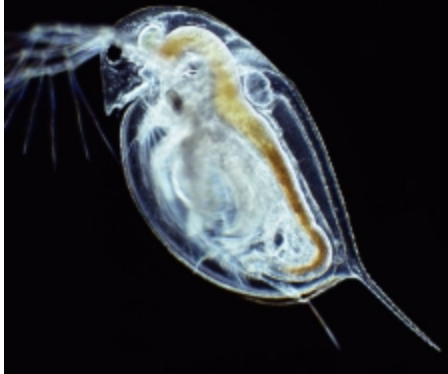
A team of researchers from the University of Oklahoma and Oklahoma State University published a genome sequence and chromosome map for the micro-crustacean Daphnia pulicaria. Researchers in the laboratory of OU biology professor Lawrence Weider, in collaboration with the laboratory of Punidan Jeyasingh in OSU’s Department of Integrative Biology, led the efforts. The results of their work were published in the journal Molecular Ecology as part of a special issue highlighting the latest advances in DNA sequencing technology. The researchers used HiFi DNA sequencing technology, which produces highly accurate and very long stretches of DNA “letters” known as sequencing reads. “Many people describe assembling a genome as a bit like putting together a huge jigsaw puzzle, fitting together many smaller pieces to form a whole image,” said Matthew Wersebe, a doctoral candidate at OU and lead author of the study. “When the pieces are large and the picture crisp, the whole process is a lot easier.” READ MORE
|
|
During the fall 2021 semester, the OU biology department collaborated with the Fred Jones Jr. Museum of Art's Learning + Engagement staff to develop an interactive assignment for university students enrolled in Concepts in Biology, a general education class for non-biology majors. The students participated in a guided tour of Nuclear Enchantment by Patrick Nagatani and discussed the role visual art can play in highlighting social issues. This exhibition provided the perfect vehicle for this conversation as students contemplated his depiction of the nuclear industry in New Mexico and its profound effect on the environment and the people living there. After the visit, students were then tasked with using visual language to create their own photographic images in the style of Nagatani to summarize an environmental issue of their choosing. The students had one week to compete the assignment before they presented it to the class. To see some of the images the students created click here.
The assignment originated when biology professor Mariëlle H. Hoefnagels contacted Amanda Boehm-Garcia, director of Learning + Engagement for the museum, to improve on a class assignment connecting biology to the arts. The two visited about the Nagatani exhibition and thought it would be the perfect work to explore during the portion of the class focusing on human impact in ecosystems. In the summer of 2021, Hoefnagels stepped in as interim chair of the Department of Microbiology and Plant Biology, and Matthew Taylor, an adjunct instructor, took over teaching the course and implemented the idea.
“For many years, I’ve incorporated a trip to the museum in the syllabus because the course is for nonmajors. They come from many backgrounds, including the arts, and I thought they might find it interesting to think about different ways that human impacts on the environment could be depicted visually,” said Hoefnagels. “Amanda’s choice of the Nagatani work was ideal because the techniques he used are easy for students to see and replicate. The students did a great job of building on Nagatani’s examples to illustrate environmental issues that are important to them.”
Pictured above: Asher Felty created his picture by lighting a globe on fire with a base of ice. The globe was a literal representation of the earth and the ice at the base represents the melting of the polar ice caps. The fire was a metaphor for human-caused wildfires and global warming.
|
|
Students in this spring’s capstone course for the environmental studies major are working on a service project for the John F. Kennedy Neighborhood Association in central Oklahoma City. The JFK neighborhood has been an African American neighborhood for decades, as a result of redlining practices in the past. Residents have also faced environmental challenges related to several industrial facilities at the neighborhood’s boundary.
Led by environmental studies instructor Kasey Jones-Matrona, the capstone project has students examining the JFK neighborhood’s situation as matters of environmental justice and environmental health. Working with the JFK Neighborhood Association, students are interviewing residents in order to complete, transcribe and analyze oral histories of the area. To prepare for this work, students completed oral history project training, and they composed a Community Engagement Ethics Plan. They are also collecting visual representations of the neighborhood, illustrating some of the environmental issues it has faced in the past and that continue into the present.
Environmental studies’ project with the JFK neighborhood is part of an exciting collaboration with the School of Civil Engineering and Environmental Science in the Gallogly College of Engineering. The CEES Capstone, led by professors Robert Knox and Robert Nairn, for many years has had students in both the Civil Engineering and Environmental Science degree programs conduct environmental assessments for communities across Oklahoma. This year, they agreed to examine environmental conditions in the JFK neighborhood. Professors Knox and Nairn reached out to environmental studies director Zev Trachtenberg about the possibility of adding a social science and humanities-based assessment to the technical environmental quality monitoring the engineering students would perform.
The two capstone classes had joint meetings to provide the wider context for their respective efforts. They will come together at the end of the semester to present a comprehensive report to an audience of JFK Neighborhood Association members, state and local officials, other experts and neighborhood residents. The final report, along with data the students have developed, will be housed in the Oklahoma City Metropolitan Library System Public Online Archives. The interdisciplinary character of this report, and the collaborative work involved in preparing it, shows how the DFCAS Environmental Studies Program aims to teach students skills and ideas from multiple academic disciplines, and to give them experience of the cross-disciplinary teamwork that generates effective environmental knowledge.
|
|
Tammy Ho, a senior psychology major with a minor in human relations from Oklahoma City, over the course of this academic year has been working with the Federal Aviation Administration on a research project that investigates stress management training for air traffic control trainees. Because of the new mentors she met while working at the Allen Ecology Lab as a lab assistant, she was inspired to explore different research opportunities that aligned with her major and what she wanted to do in the future. Through professor Eric Day’s mentored research class assisting Kelsey Richel’s research on emotional variability and stress, she was introduced to Dr. Brett Torrence and Dr. Jamie Barrett’s work at the FAA. Currently, she’s the only student working on this project because of the new partnership between the university and FAA. Her duties include weekly update meetings discussing the project’s progress. Projects she handles include compiling and synthesizing relevant research articles for annotated bibliography reports, conducting descriptive and correlational analyses, and interpreting research data in order to answer research questions of interest. There are also monthly seminars and developmental meetings that Dr. Barrett gives with FAA researchers. This semester, Ho has started to investigate how age may impact human performance in safety-critical occupations. Because of this unique opportunity, she was able to work with research data from over 500 participants and have in-depth conversations with other team members, who offered their academic, professional and developmental advice. She describes her role as “a great opportunity for students to meet and collaborate with research, explore career positions and gain valuable hands-on experience.” Ho will be graduating this spring with her bachelor’s degree in psychology. After graduation, she’d like to work in the field and gain some hands-on experience and further her skillset for when she returns to school to pursue her master’s- degree – ideally, specializing in cognitive psychology or human factors research.
|
|
April 18
Deadline to enter Summer 2022 OTIS into the OTIS spreadsheet in OneDrive.
April 21
Dodge Family College of Arts and Sciences award recipients will be honored April 21 at Kaleidoscope Evening, an event designed to celebrate the college and recognize its distinguished alumni. For ticket information for Kaleidoscope Evening click here.
April 26
Chairs and Directors meeting 9 a.m.
April 27
CASFAM Staff meeting, 9 a.m.
April 29
Deadline for academic units to submit post-tenure review dossiers via FAS to the Dean’s office
April 29
Deadline for academic units to submit copies of progress-toward-tenure letters to the Dean’s office
April 29
Comprehensive evaluations for contract renewal are due to the Dean’s office
May 1
Deadline for academic units to request reimbursements from the college to departments.
May 2
Summer 2022 OTIS returned to departments to prepare ePAFs
May 13
Deadline for units to submit to the Dean’s office the names of any faculty members who will undergo promotion-only review in the following academic year
May 13
Deadline for units to submit to the Dean’s office their lists of external evaluators for faculty members who will undergo tenure and promotion or promotion-only review in the following academic year
May 14
This year, the Dodge Family College of Arts and Sciences will celebrate the achievements of our graduating students on Saturday, May 14, at Lloyd Noble Center. We will have two ceremonies, which will begin at 4 p.m. with the Humanities and Natural Sciences Convocation. The Dodge Family College of Arts and Sciences Convocation for Professional Programs and Social Sciences will begin at 7:30 p.m. For more information and a list of majors that fall within each group click here.
|
|
If you have information or announcements for News & Updates, please submit to the College communication office.
|
|
|
|
|
|
|