March
2023
Issue 3
This newsletter was developed (in part) with federal funds from the Office of Population Affairs. For more information on the rules and regulations that apply to our programs, please visit
|
|
The Wyoming Health Council works to ensure that all people can access safe, unbiased, high-quality sexual and reproductive health care. |
|
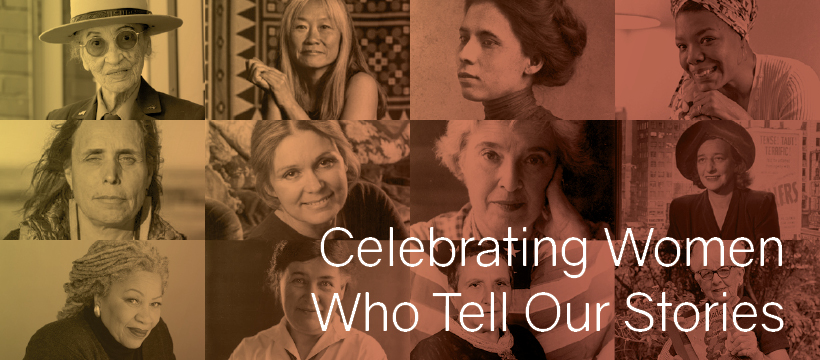
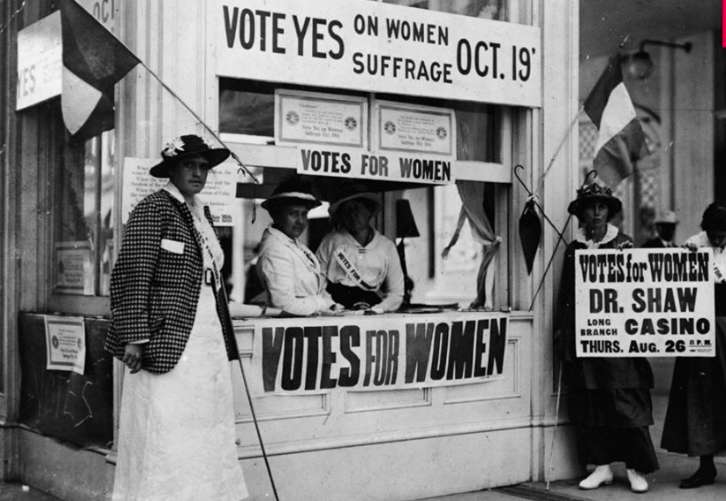
Women’s History Month is a celebration of women’s contributions to history, culture and society and has been observed annually in the month of March in the United States since 1987.
Women’s History Month 2023 takes place from Wednesday, March 1 - Friday, March 31, 2023.
The National Women's History Alliance designates a yearly theme for Women's History Month. The 2023 theme is "Celebrating Women Who Tell Our Stories." This theme recognizes "women, past and present, who have been active in all forms of media and storytelling including print, radio, TV, stage, screen, blogs, podcasts, news, and social media."
|
|
"If we want our girls to benefit from the courage and wisdom of the women before them, we have to share the stories."
-SHIREEN DODSON
|
|
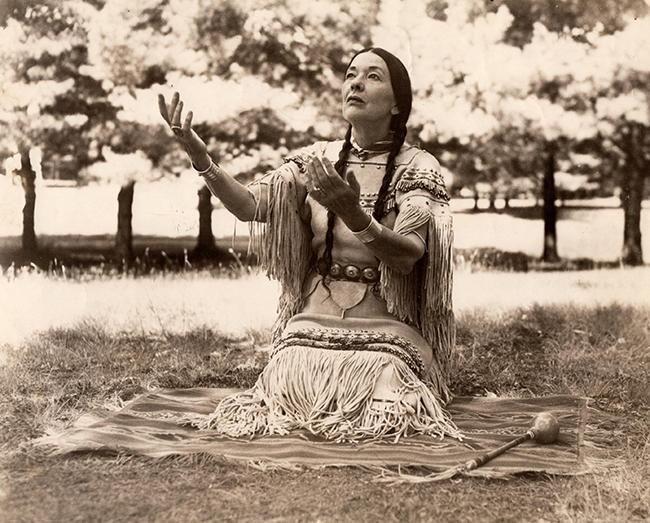
Te Ata
(TAY’ AH-TAH)
Mary Thompson Fisher, also known as Te Ata, is a woman who traversed cultural barriers to become one of the greatest First American performers of all time.
Born in Indian Territory, and raised on the songs and stories of her Chickasaw culture, Te Ata’s journey to find her true calling led her through isolation, discovery, love and a stage career that culminated in performances for a United States president, European royalty and audiences across the world. Yet, of all the stories she shared, none are more inspiring than her own.
|
|
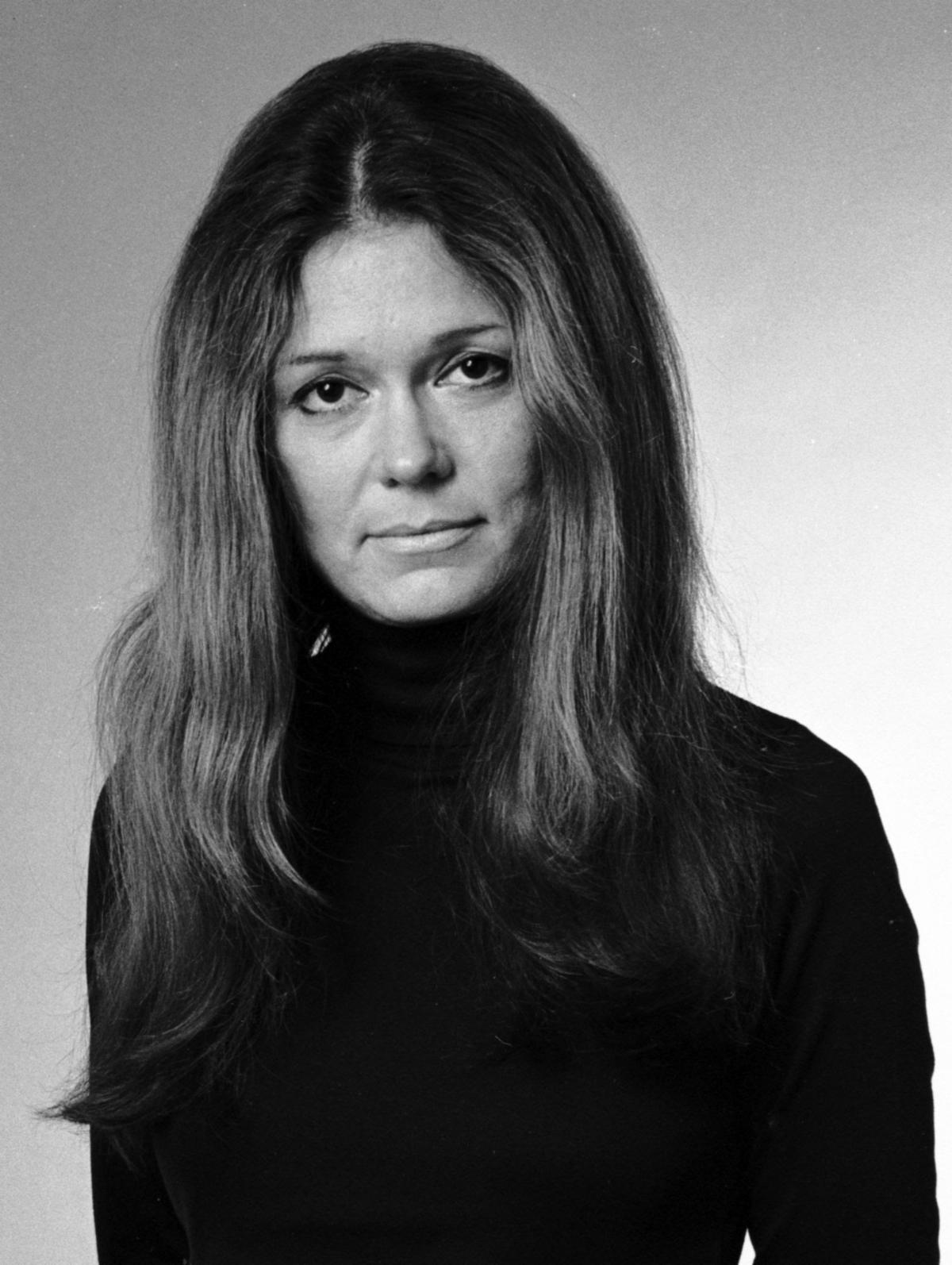
Gloria Steinem
Gloria Steinem is a writer, lecturer, political activist, and feminist organizer. She has spent decades traveling in this and other countries as an organizer and lecturer and is a frequent media spokeswoman on issues of equality.
She is particularly interested in the shared origins of sex and race caste systems, gender roles and child abuse as roots of violence, non-violent conflict resolution, the cultures of indigenous peoples, and organizing across boundaries for peace and justice. She lives in New York City.
|
|
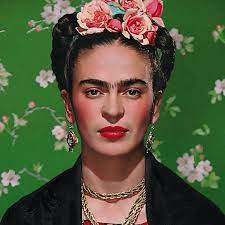
Frida Kahlo
Mexican artist Frida Kahlo (1907-1954) is celebrated for her many portraits, self-portraits, and works inspired by nature and objects native to Mexico.
Considered by many as one of the most revolutionary female artists of all time, she broke with many social conventions. Rather than appearing like a typical woman, she assumed a more masculine appearance through her clothing choices, wild hair, and unplucked eyebrows.
She presented this female defiance in many of her self-portraits. Not only this, but her paintings explored many female issues such as abortion, miscarriage, birth, breastfeeding, and more.
|
|
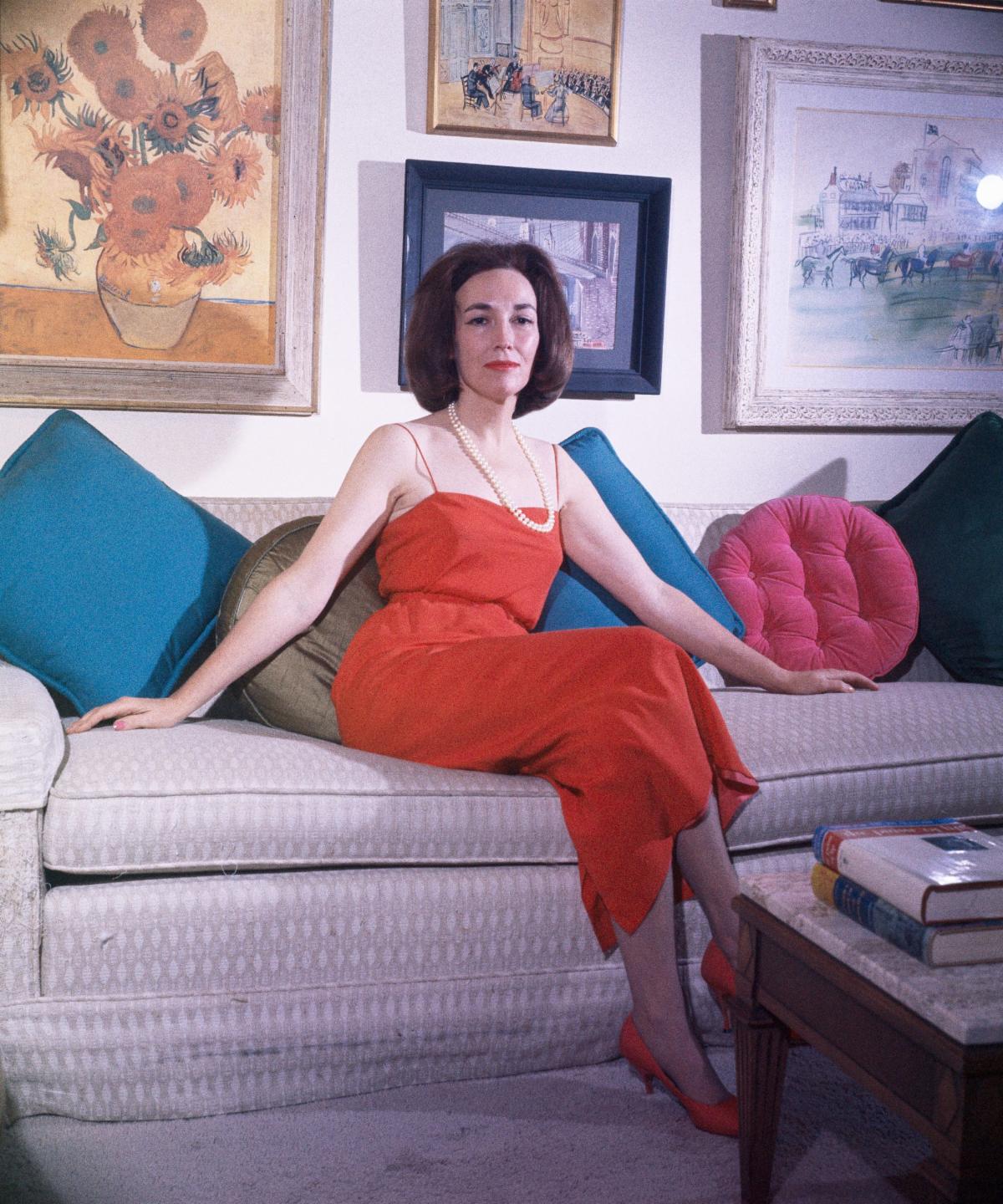
7 Amazing Women Who Made It Easier For You To Have Sex
We think about those incredible women who fought for our right to vote and won. Often, we also think of women who fought (and are continuing to fight) for women's equality in the workplace. But, there's another kind of equality that we can thank brave women for: sexual equality.
Without the tireless work of some badass women in history, single women would still be expected to be celibate. We wouldn't have access to the birth control that makes it safe for us to have sex without fear of pregnancy. And we'd probably still think women can only orgasm when someone sticks a penis inside of them (although, some people really do still think that). So, let's raise a glass to the women who made it okay for us to have as much (or as little) sex as we want.
Ahead, we celebrate 7 of the women who pioneered conversations about sexuality and sexual health.
|
|
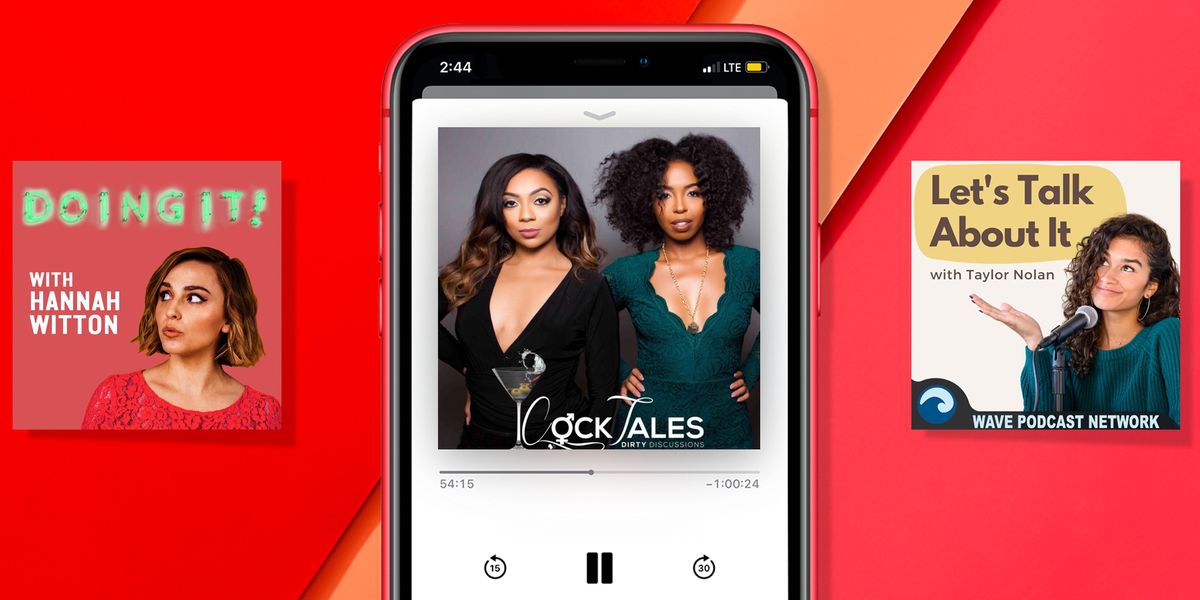
The 25 Best Sex Podcasts About Relationships, Erotica, Kink and More
When you press play on a sex podcast, you enter a shame-free, no judgement zone. “Podcasts that offer rich and approachable conversations about these critical topics can serve as an ice breaker for conversations in our daily lives about identity, healthy relationships, pleasure, birth control, pain during sex, and so much more with our loved ones,” says Sex Ed With DB podcast host Danielle Bezalel.
Besides, sex education is not only for younger folks looking for a more informative version of the super vague lessons they got in health class. As we all age, we tackle new challenges in our sex lives and relationships that aren’t always easy to understand. “There are so many gaps within sex ed at schools which leads young people, old people, and everyone in between to find real conversations and information about sex elsewhere,” says Bezalel. “Podcasts allow (basically) everyone to have access to non-judgmental education with the touch of a button.”
She also notes that many sex educators, sex workers, artists, OBGYNs, and activists often get shaddowbanned on social media whereas sharing that information on a podcast allows them to speak about pretty much everything without censorship.
Whether you want some smutty bedroom inspo, the dirty details about a kink you’re kinda sorta curious about, or advice on saying “Boy, bye” to deep-rooted sexual shame, these 25 eargasm-worthy sex podcasts will give you exactly what you’re in the mood for. Have a laugh, feel seen, and get a little spicy. All are welcome.
|
|
23 Podcasts That Celebrate Women's History All Year Long
The real modern storytelling is the Podcast. Podcasts for and about women have been emerging steadily as more diverse women find their voices and are open to discussing real issues.
Even though there are over 100,000 English language podcasts, women are still underrepresented. Only 29 % are helmed and developed by women, but those women podcasters are excited and expanding. Events and markers like Women’s History Month bring interest in women and our long history, out of the shadows.
|
|
National Women’s History Museum
Biographies
Founded in 1996, the National Women’s History Museum (NWHM) is an innovative online museum dedicated to uncovering, interpreting, and celebrating women’s diverse contributions to society. A renowned leader in women’s history education, the Museum brings to life the countless untold stories of women throughout history, and serves as a space for all to inspire, experience, collaborate, and amplify women’s impact—past, present, and future. We strive to fundamentally change the way women and girls see their potential and power.
Women have always played an active role in history. Explore some of the historical women and contemporary newsmakers that continue to impact the world. New biographies are added regularly, so check back to discover inspiring new stories!
|
|
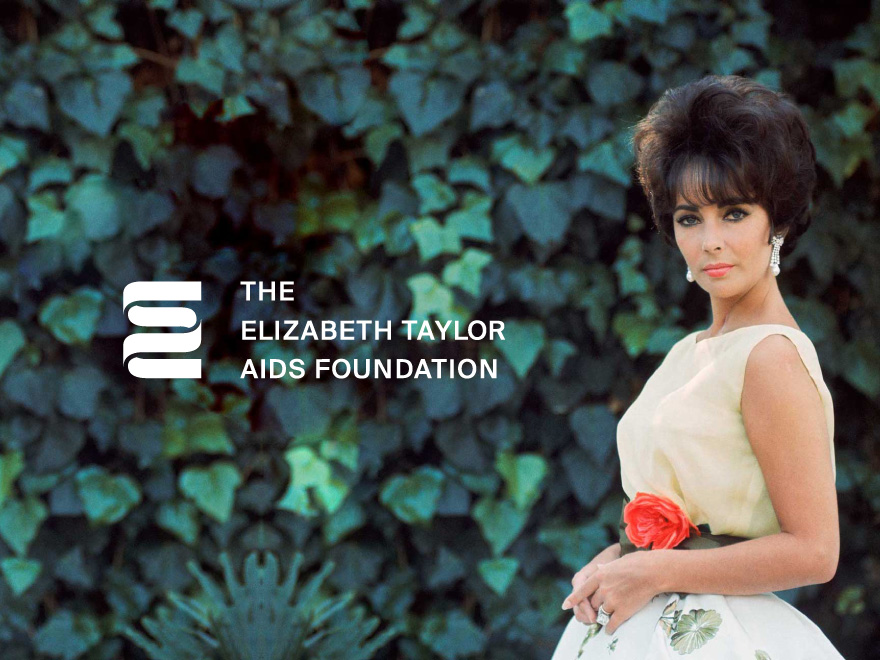
Elizabeth Taylor
The Elizabeth Taylor AIDS Foundation
Compelled by radical compassion and bolstered by moral courage, Elizabeth Taylor became the first globally recognized celebrity HIV and AIDS activist.
In the early 1980s, Elizabeth Taylor was famous the world over. Known for her legendary acting career, as well as her extraordinary beauty and glamorous lifestyle, she could always command an audience. When Elizabeth spoke, people listened.
As ignorance, fear, and prejudice fueled the emerging HIV/AIDS epidemic, Elizabeth simply could not remain quiet. She used her massive celebrity platform to speak truth to power, exposing the injustice of society’s response to the disease. Her unyielding conviction and passion raised hundreds of millions of dollars, changed the hearts and minds of a generation, and saved countless lives.
|
|
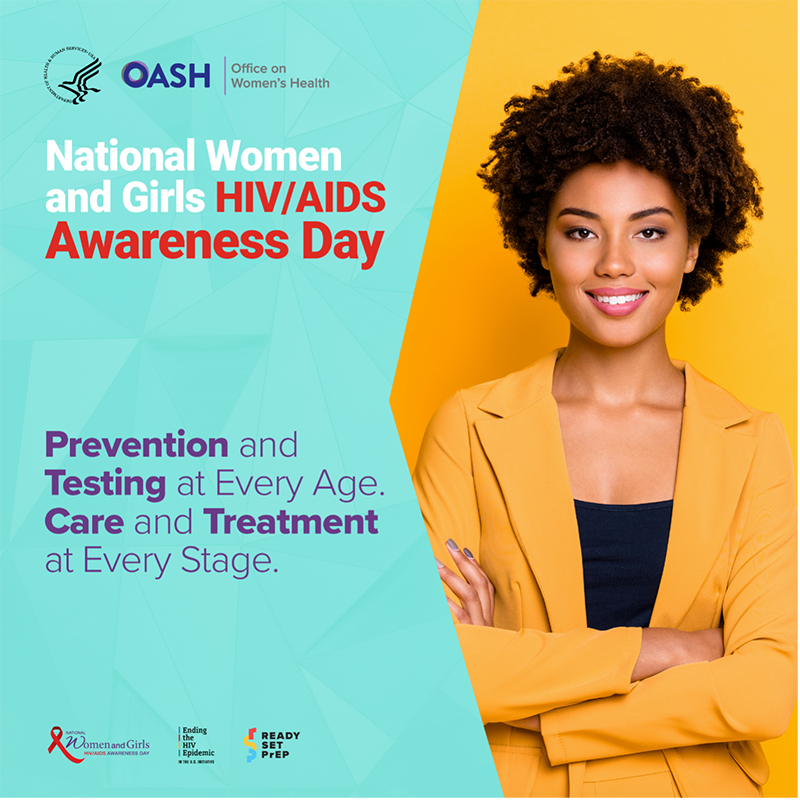
National Women's and Girls HIV/AIDS Awareness Day
March 10
In the United States, about 23% of people living with HIV are women and, in 2018, women made up 19 percent of new diagnoses. The highest number of new diagnoses were among women ages 25 to 44. Advances in testing, treatment, and prevention have resulted in progress towards the nation’s goal to end the HIV epidemic by 2030.
The theme for NWGHAAD 2022 is: Prevention and Testing at Every Age. Care and Treatment at Every Stage. This year’s theme reinforces the 1st and 2nd goals of the National HIV/AIDS Strategy, which focuses on the prevention of new HIV infections and improving HIV-related health outcomes of people living with HIV.
|
|
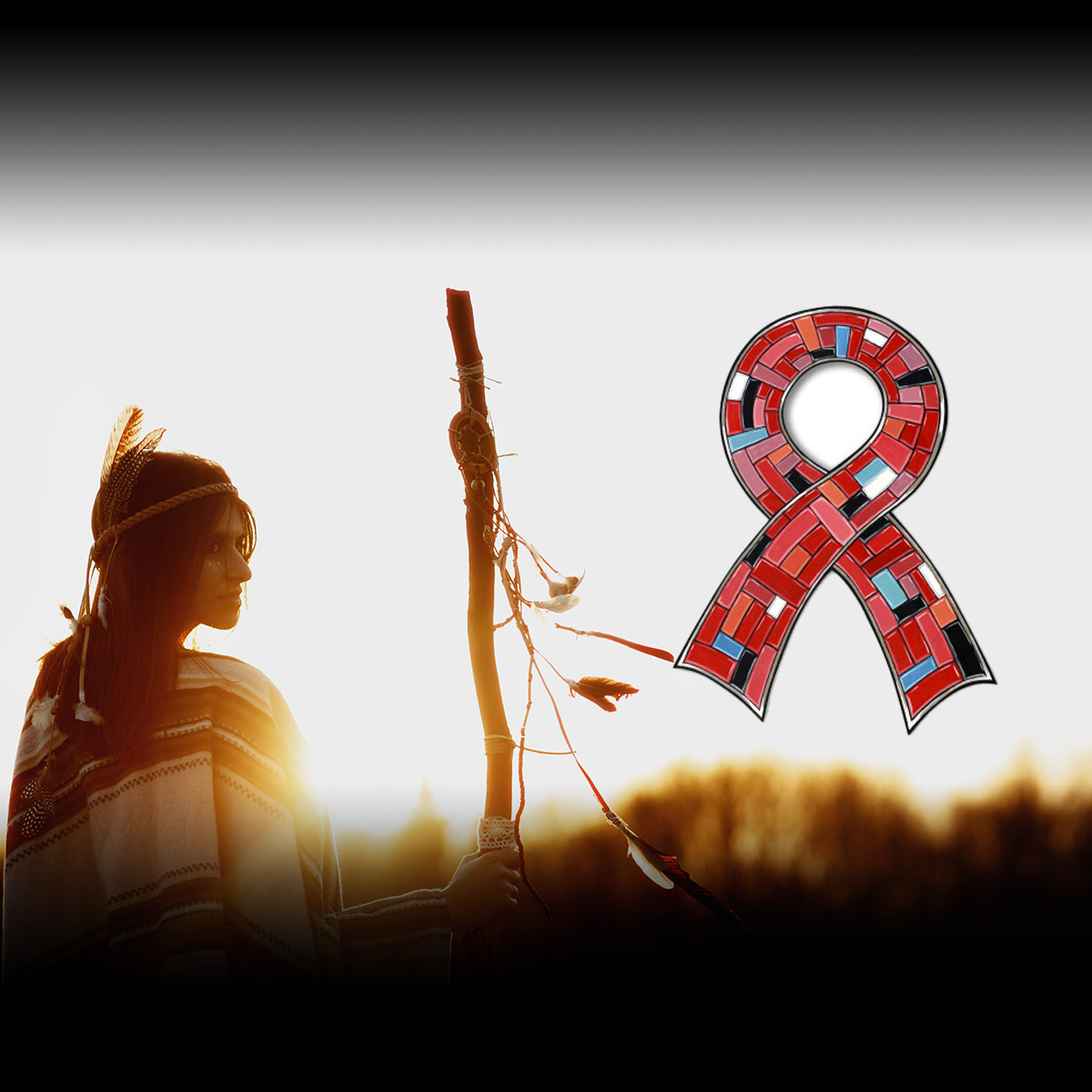
National Native HIV/AIDS Awareness Day
March 20
While Indian Country has made progress since the late 1980s in the fight against HIV, there is still more work to do. It is estimated that 3,000 American Indians and Alaska Natives are living with Human Immunodeficiency Virus (HIV)Among people living with HIV, American Indian and Alaska Native communities have the largest percentage of persons with undiagnosed HIV infection. National interventions have reduced the number of new HIV diagnoses, but not everyone benefits equally from these advances. For example, men who have sex with men account for most new HIV diagnoses. Stigma in Native communities can also be a debilitating barrier preventing someone living with HIV or at risk for HIV from receiving the health care services they need and deserve. Indian Health Service (IHS) continues to address barriers for people living on Indian reservations and in other rural communities that limit opportunities for education and HIV testing.
|
|
#BiHealthMonth, founded and led annually by the Bisexual Resource Center, raises awareness about the bisexual+ (bi, pansexual, fluid, queer, etc.) community’s social, economic and health disparities; advocates for resources; and inspires actions to improve bi+ people’s well-being.
According to current estimates, bisexual+ (bi, pan, fluid, queer, m-spec, and non-monosexual) individuals represent over half of the LGBTQ+ community in the United States, but experience significantly worse physical, mental, and social health than their gay, lesbian, and heterosexual peers. Nonetheless, bisexual+ populations are often understudied in health research and bi-specific community services are critically underfunded.
In 2011, the Institute of Medicine’s report on LGBT health recommended more research focus on bisexual+ people to better understand bi+ population needs. Despite these recommendations, bi+ people are often still grouped with lesbian and gay people in research studies. When research does focus on bisexual+ communities specifically, they regularly find that bisexual+ people experience higher rates of depression, suicidality, interpersonal violence, and other physical and mental health disparities compared to their homosexual and heterosexual peers. The bisexual+ community receives little funding, services, and resources to address these disparities. According to the Funders for LGBT Issues 2018 report, out of nearly $200 million of funding for LGBT organizations, less than 1% went to bisexual interests, the majority of which was from one funder that devoted it to academic research, not to bisexual+ organizations serving the community.
|
|
 |
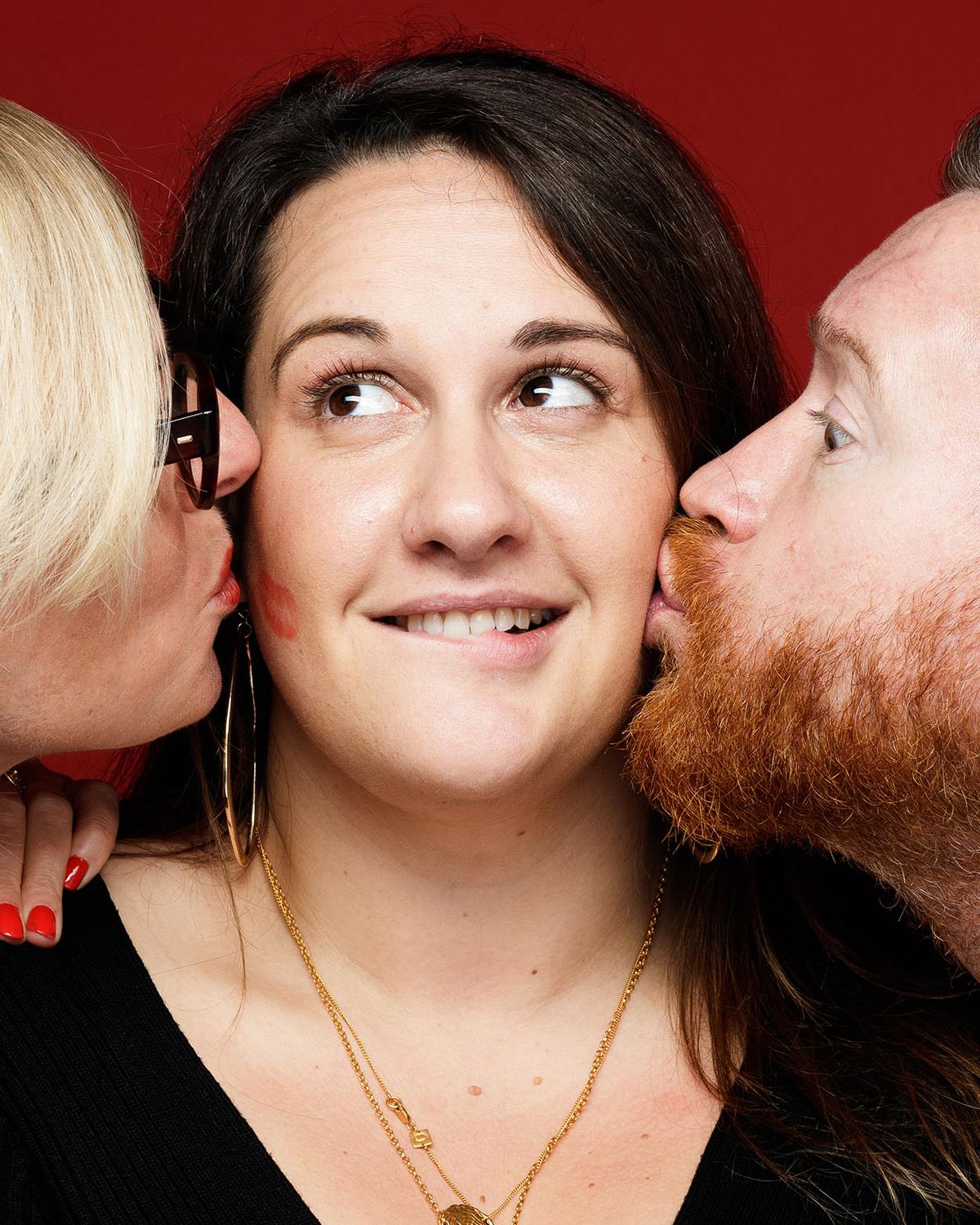
To disclose or not to disclose: Inside the push for bisexual-affirming medical care
The last time Lauren Krouse saw her primary care doctor, the medical assistant breezed through Krouse’s patient history form. She laughed and brushed off the question about sexual orientation. “I don’t even know why I’m asking this,” the assistant said. She assumed Krouse was straight.
Bisexual people are significantly less likely to disclose their sexual orientation than straight or gay people. Bisexuals are far less likely to be out to important people in their life, and about 39% of bisexual men and 33% of bisexual women reported not disclosing their sexuality to a medical provider.
|
|
|
|
Bisexuals are the ‘invisible majority’ in LGBTQ America
Nearly three-fifths of LGBTQ adults in America identify as bisexual, according to a new Gallup poll, a finding that illustrates the extent of a population that some researchers have termed the “invisible majority” of the queer community.
Young Americans, and young women in particular, have widely rejected the notion of sexuality as a binary choice — straight versus gay — just as they have largely abandoned the either-or, boy-girl system of fixed gender.
One-fifth of Generation Z respondents identified as queer, Gallup found, one of the largest generational LGBTQ populations ever documented.
Two-thirds of young, queer adults polled consider themselves bisexual, meaning they are attracted to more than one gender. Most of them are women, who outnumber bisexual men 3 to 1, according to Gallup. Scholars say American society allows women more latitude than men in exploring sexual identity.
|
|
|
|
LGBTQ Health Awareness Week
March 22-26
|
LGBT Health Awareness Week aims to bring attention to the devastating cycle of discrimination and health disparities that affects the lesbian, gay, bisexual and transgender (LGBT) community. Because LGBT people are regularly discriminated against in employment, relationship recognition and insurance coverage, they are more likely to get sick and less likely to be able to afford vital health care than their straight and non-transgender neighbors.
LGBT people and their families also experience high rates of anti-LGBT violence, the stress of coping with discrimination and a widespread lack of LGBT cultural competency in the health care system. This year’s LGBT Health Awareness Week theme, “Come Out for Health,” encourages LGBT people, health care providers and policymakers to work together to eliminate the health disparities affecting the LGBT community and to promote better health and well-being for all LGBT people and their families.
|
|
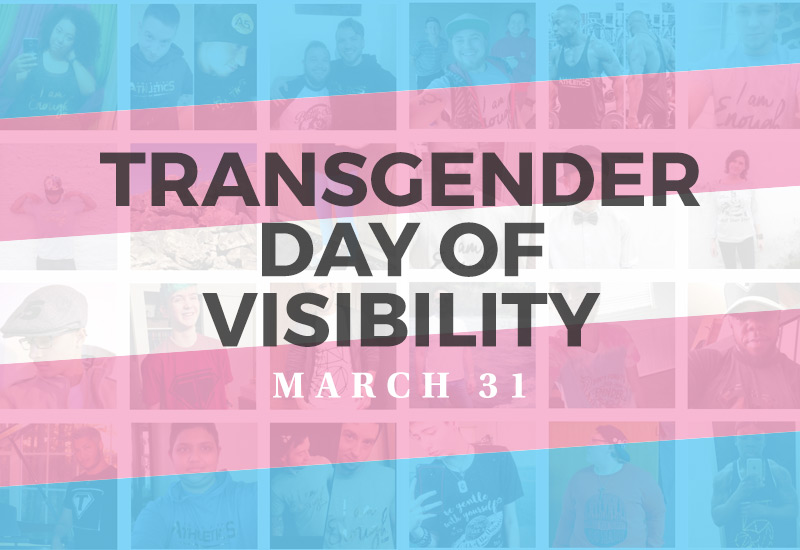
International Transgender Day of Visibility- March 31 |
International TDOV was created in 2010 by trans advocate Rachel Crandall. Crandall, the head of Transgender Michigan, created TDOV in response to the overwhelming majority of media stories about transgender people being focused on violence. She hoped to create a day where people could re-focus on celebrating the lives of transgender people, empowering them to live authentically, while still acknowledging that due to discrimination, not every trans person can or wants to be visible.
We celebrate the activism and determination that have fueled the fight for transgender equality. We acknowledge the adversity and discrimination that the transgender community continues to face across our Nation and around the world. On this day and every day, we recognize the resilience, strength, and joy of transgender, nonbinary, and gender nonconforming people.
|
|
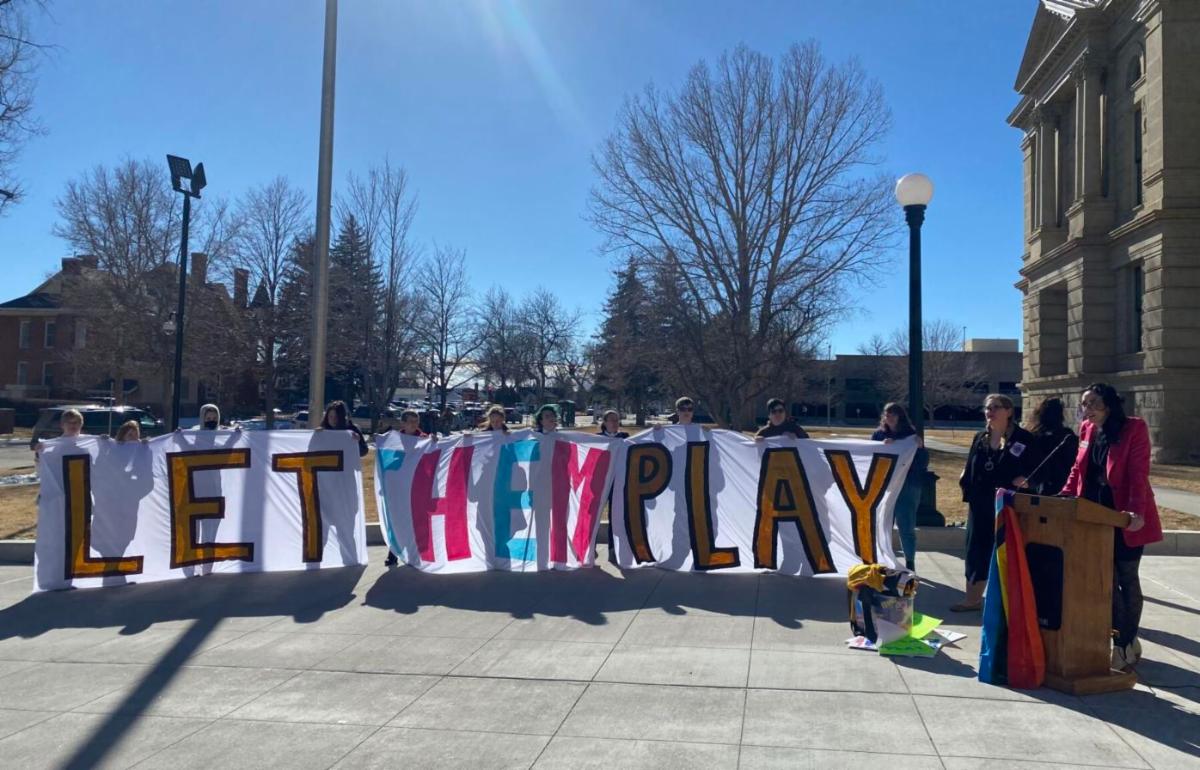
Human Rights Campaign Condemns Wyoming Legislature for Moving Discriminatory Sports Bill to the Governor’s Desk
"We Urge Governor Gordon to Veto this Discriminatory Legislation"
Cheyenne, Wyoming – Today, the Human Rights Campaign (HRC) — the nation’s largest lesbian, gay, bisexual, transgender and queer (LGBTQ+) civil rights organization — condemned the Wyoming Legislature for approving SF133, legislation that bans transgender students from playing sports consistent with their gender identity. The bill will now go to Governor Mark Gordon’s desk, and HRC is urging him to veto it.
|
|
Trevor Project
New Poll Emphasizes Negative Impacts of Anti-LGBTQ Policies on LGBTQ Youth
January 19, 2023 —The Trevor Project, the leading suicide prevention organization for lesbian, gay, bisexual, transgender, queer & questioning (LGBTQ) youth, released a new poll today that finds an overwhelming majority of LGBTQ youth have been negatively impacted by recent debates and laws around anti-LGBTQ policies and that many have also experienced victimization as a result.
The poll, conducted by Morning Consult between October 23 and November 2, 2022, among a national sample of 716 LGBTQ youth ages 13–24, also assessed emotional responses to these anti-LGBTQ policies, as well as which other social issues often give LGBTQ youth stress and anxiety. The full analysis can be found here.
These data are published as more than 150 anti-LGBTQ bills have been pre-filed or introduced across 23 states in the first two weeks of 2023.
|
|
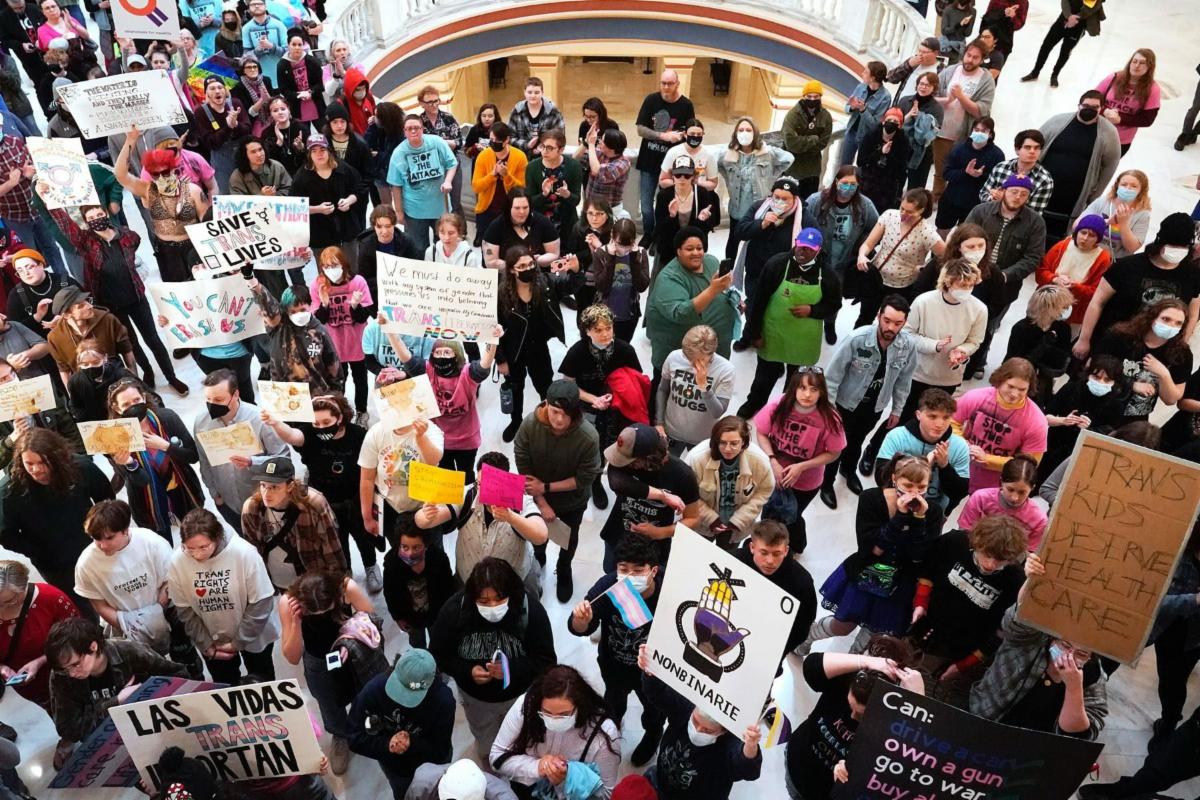
2023 wave of bills is fueling a political ‘war against LGBTQ+ people,’ new report shows
The volume and speed of anti-LGBTQ+ bills advancing through state legislatures has already defined 2023 as a historically challenging and frightening year, advocates say.
In a new report, the Movement Advancement Project (MAP), which tracks LGBTQ+ policy, describes the current political landscape as a “war against LGBTQ people in America and their very right and ability to openly exist.” It is a culmination of efforts: gender-affirming care bans for trans youth becoming law in states where such bills were previously blocked, growing efforts to restrict how students learn about LGBTQ+ subjects in schools, an increase in dehumanizing rhetoric that could lead to harassment or violence.
|
|
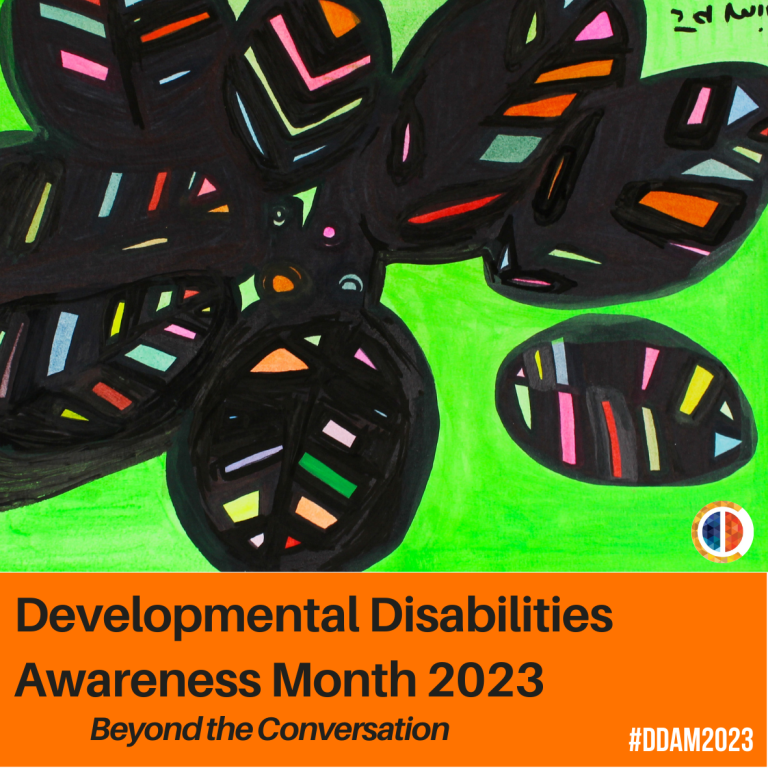
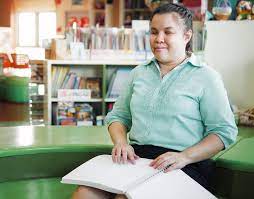
March is Developmental Disabilities Awareness Month.
The goal is to create awareness about developmental disabilities, teach the importance of inclusion and share stories of individuals with disabilities.
A little history...
Back in the 1960s, people with intellectual and developmental disabilities (I.D.D.) were regarded as ‘mentally disabled,’ and often relegated to the back rooms of family homes or underfunded state-run institutions open to neglect and abuse.
In the early 1960s, President Kennedy leveraged his family’s personal experience with his sister Rosemary’s disability and used the power of the Presidency to bring attention to the needs of people experiencing life with an intellectual and developmental disability (I.D.D.). He convened a Presidential Panel focused on the exclusion from education, employment, and community participation suffered by people with I.D.D.
The D.D. Act of 1984 set up much of the system we all experience today. The emphasis on goals for services for people with developmental disabilities is “to achieve their maximum through increased independence, productivity, and integration into the community.”
In 1987 President Reagan proclaimed March as National Developmental Disability Awareness Month to focus awareness on the potential of citizens with I.D.D. to work, contribute, and enjoy typical lives.
In 1990, another landmark year, President Bush signed the Americans with Disabilities Act (D.D.). The act was amended again to move from the goals of independence, integration, and productivity toward interdependence, inclusion, and recognition of individual contributions.
|
|
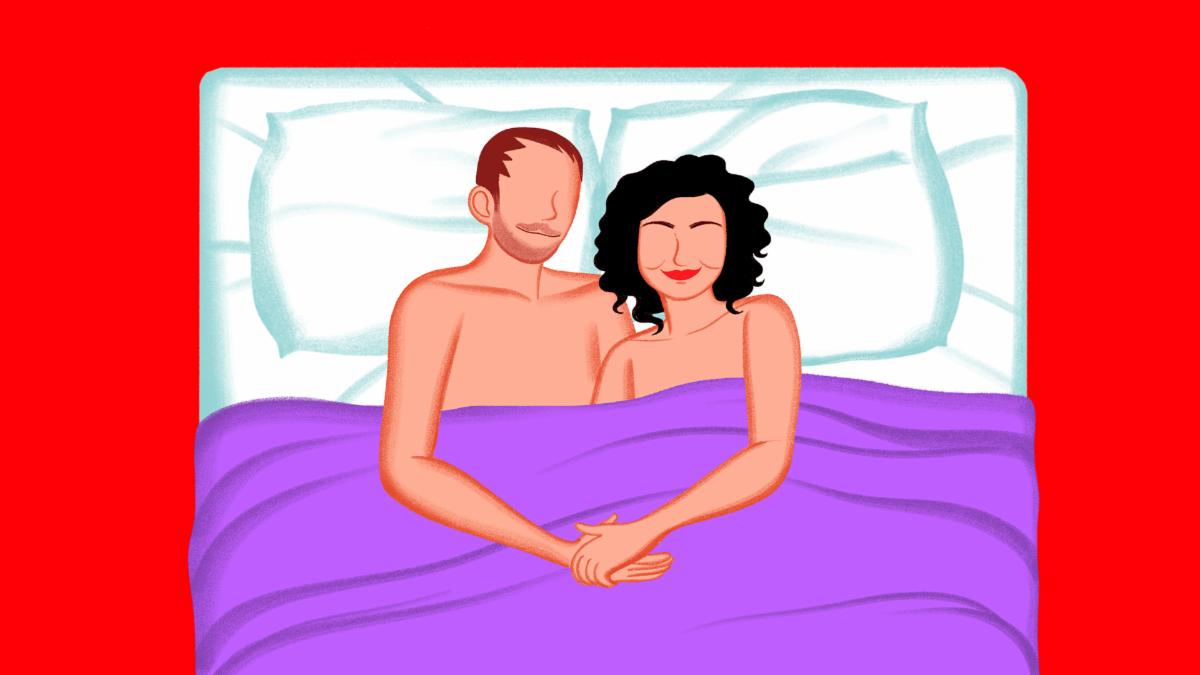
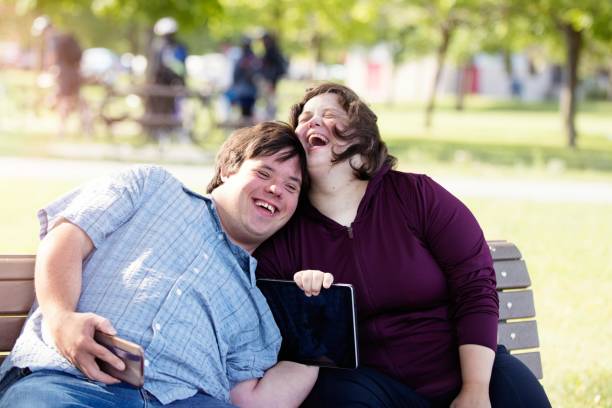
Sex and Disability.....
While support and research surrounding people with IDD have improved dramatically since the 1960s, sexual health education still remains inaccessible for many students with IDD.
Every individual deserves the right to explore and enjoy their sexuality in a safe and appropriate manner. The existence of a disability may present a complexity to the implementation of sexuality education, and/or sexual activity for the individual and their partner (s), but it does not make it impossible with the right tools!
|
|
|
I Have Cerebral Palsy. This Is How I Have Sex
CP is a rare disorder which may lead to vastly varied effects on a person’s lifelong balance, movement, and muscle tone and control. Yet for all the support and information out there, almost none of it explores how CP can affect an individual or a couple’s sex life.
These resources, while limited, highlight how diverse the experience of sex with CP can be
|
|
|
|
What Isn't Being Said About Autism, Intimacy, and Sex: How therapists can support healthy intimate relationships in those with autism
Sexuality and intimate relationships among people with autism are subjects that seem to be rarely discussed by health professionals.
Yet, research shows that many people on the autism spectrum often do not identify with heteronormative and traditional values when it comes to intimate and sexual relationships. It seems odd that more academic research and professional discussion are unavailable on these subjects.
Such work would support autistic people in having healthy and meaningful intimate relationships, particularly as their condition affects how they relate to and interact with other people.
There are some
But it seems the services and professionals that support autistic people are not doing enough to increase awareness and education of how people with disabilities and neuro-differences enjoy intimate and sexual relationships.
|
|
|
|
|
Friendship and Dating
The Friendships and Dating Program (FDP) is an evidence-based, comprehensive approach to teach individuals with intellectual and developmental disabilities the skills needed to develop meaningful relationships and prevent interpersonal violence.
Wyoming Institute for Disabilities (WIND) is partnering with the Wyoming Department of Health and the Wyoming Governors Council on Developmental Disabilities to offer a sexual and reproductive health training course to individuals with disabilities.
|
|
|
|
Access, Autonomy, and Dignity: Contraception for People with Disabilities
Every person should have the right to determine what happens – or does not happen – to their own body. It is one of our most basic human rights, one that is foundational to both reproductive and disability rights and justice. Deciding whether or when to have a child is fundamentally about asserting autonomy over our own bodies. Access to contraception helps to make this right a reality by giving people control over their own reproductive futures. Contraception access is also intrinsically tied to dignity because it allows us to maintain a level of respect for our own bodies and our own decisions about whether and how to expand our families – and encourages society to respect our decisions as well.
People with disabilities understand all too well how society, the medical establishment, other systems, and even other individuals feel ownership over their own bodies. People with disabilities are frequently told how to live, whether they can or should have children, whether they can or should have sex, what interventions they “need” for their bodies or minds, among other intrusions
|
|
|
|
WYOMING HEALTH COUNCIL
111 S. Durbin, Suite 200
Casper, WY 82601
Call Us: (307) 439-2033
|
|
|
|
|
|
|
|