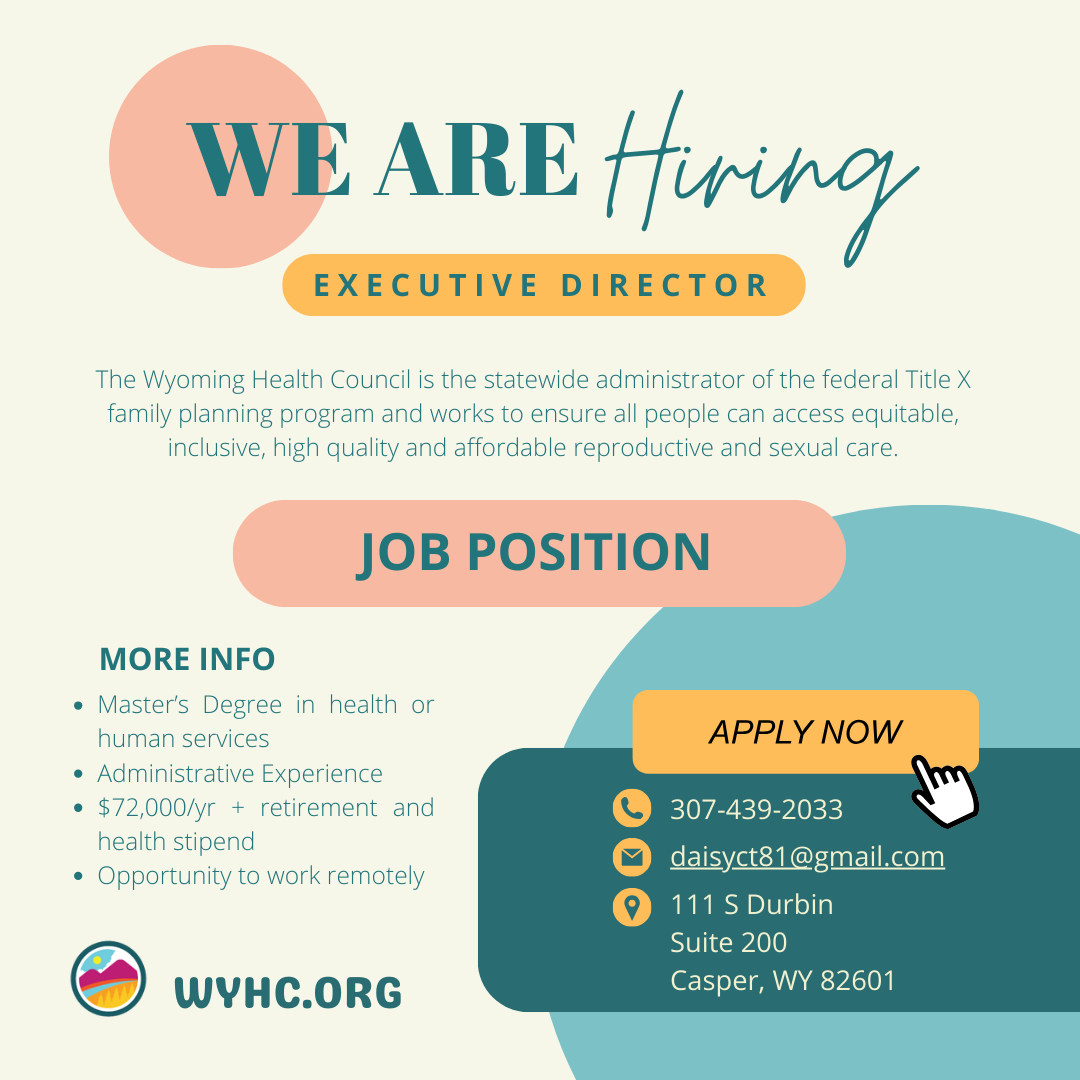
The Wyoming Health Council works to ensure that all people can access equitable, inclusive, high-quality, and affordable reproductive and sexual health care. | |
|
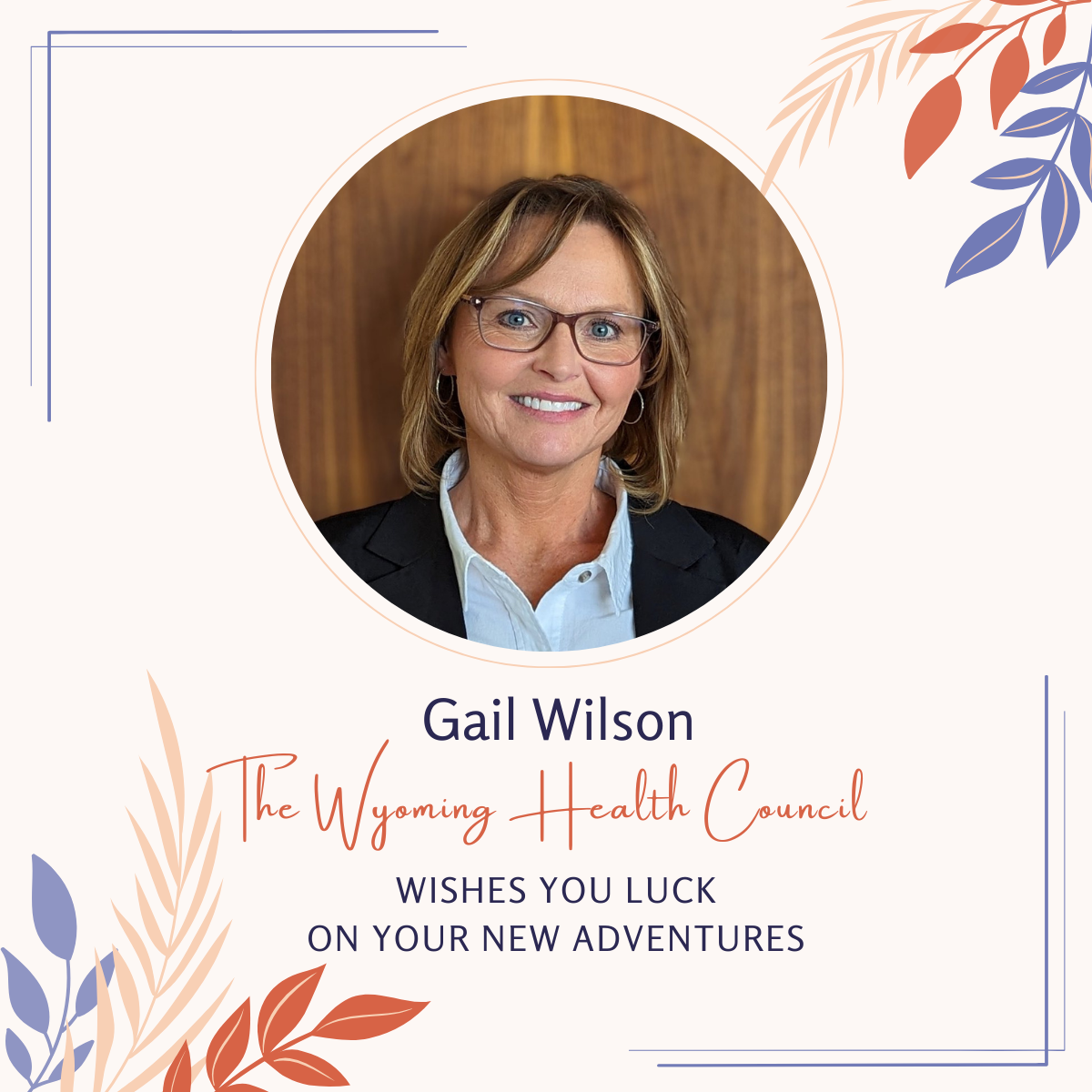
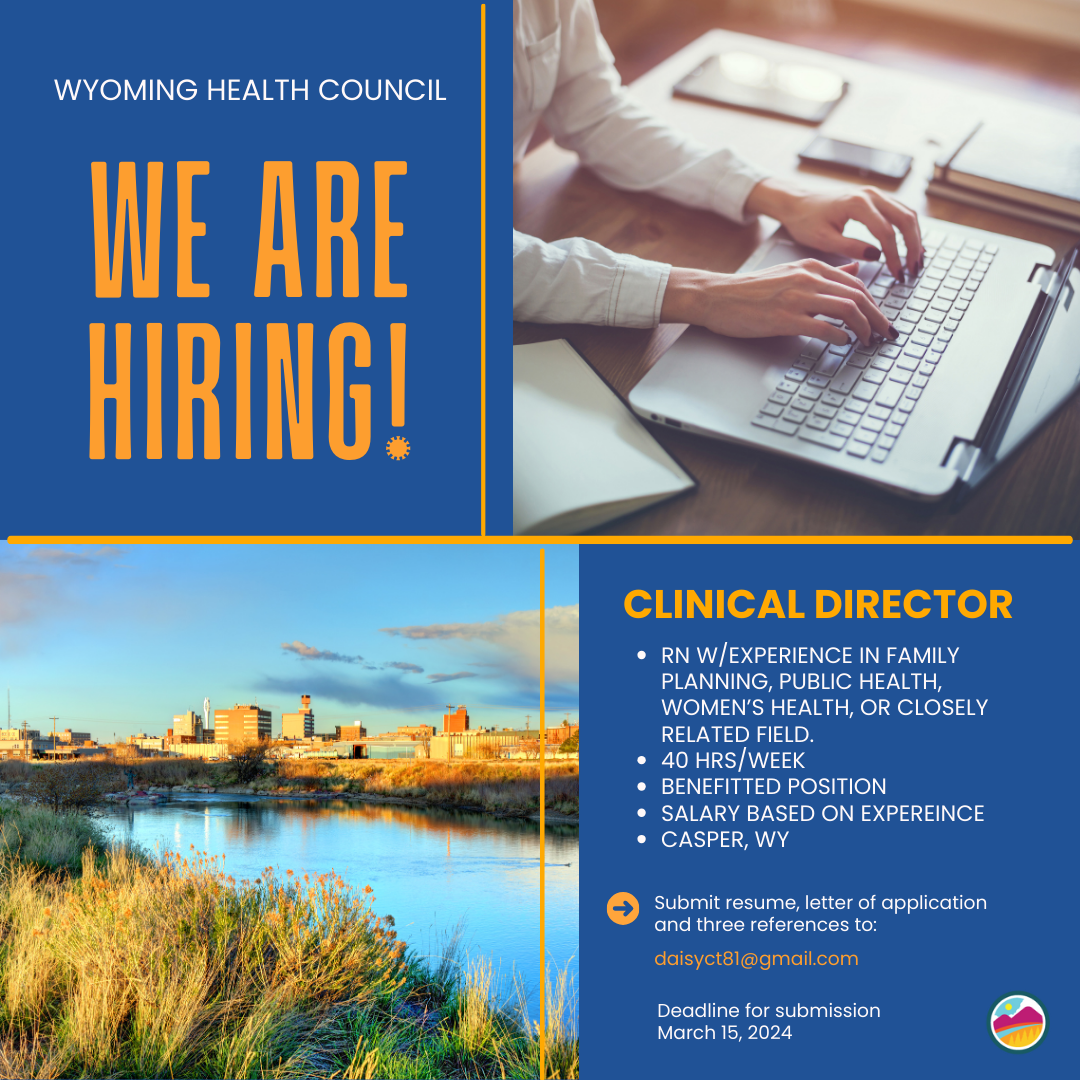
It is with mixed emotions that we announce the departure of Gail Wilson, the Clinical Director of the Wyoming Title X Family Planning Program.
Gail has been instrumental in advancing the mission and goals of our Title X Family Planning Program for several years. She has not only been a beacon of knowledge and expertise, but also a compassionate advocate for reproductive and sexual health care.
Throughout her time with Title X, first in the clinic and then in administration, Gail has demonstrated an unwavering commitment to excellence, fostering a collaborative and supportive environment with the Wyoming Health Council team and Title X Clinics. She played a pivotal role in implementing innovative strategies and ensuring the highest standards of care for our clients. Gail leaves behind a lasting legacy of compassion, professionalism, and dedication.
Please join us in extending our heartfelt thanks Gail Wilson for her years of service and wishing her luck and happiness on her next new adventure!
“We must have perseverance and above all confidence in ourselves. We must believe that we are gifted for something and that this thing must be attained.” — Marie Curie
The Wyoming Health Council
| |
Women Who Advocate For Equity, Diversity and Inclusion | |
|
“Each time a woman stands up for herself, without knowing it possibly, without claiming it, she stands up for all women.”
Maya Angelou
| |
|
During Women’s History Month, we celebrate the courageous women who have helped our Nation build a fairer, more just society. This years theme, Women Who Advocate for Equity, Diversity and Inclusion,
Throughout March and 2024, the National Women’s History Alliance encourages people to recognize the women who are committed to embracing everyone in "our common quest for freedom and opportunity."
"It takes courage for women to advocate for practical goals like equity, diversity and inclusion when established forces aim to misinterpret, exploit or discredit them. Throughout 2024, we honor women from the past and present who have taken the lead to show the importance of change and to establish firmer safeguards, practices and legislation reflecting these values. Following decades of discrimination, we are proud to celebrate women who work for basic inclusion, equality and fairness."
| |
|
Throughout history, the vision and achievements of powerful women have strengthened our Nation and opened the doors of opportunity wider for all of us. Though their stories too often go untold, all of us stand on the shoulders of these sung and unsung trailblazers — from the women who took a stand as suffragists, abolitionists, and labor leaders to pioneering scientists and engineers, groundbreaking artists, proud public servants, and brave members of our Armed Forces.
Despite the progress that these visionaries have achieved, there is more work ahead to knock down the barriers that stand in the way of women and girls realizing their full potential — in a country founded on freedom and equality, nothing is more fundamental. That is why my Administration has put women and girls at the heart of everything we do. When I first came into office, I established the White House Gender Policy Council to advance their rights and opportunities across domestic and foreign policy. I also released the Nation’s first-ever National Gender Strategy to advance gender equity and equality across my Administration — from women’s economic security and leadership opportunities to freedom from gender-based violence and equal access to education and health care. Women are seated at every table where decisions are made in my Administration
| | |
FACT SHEET: Biden-Harris Administration Continues the Fight for Reproductive Freedom
Ahead of the State of The Union on March 7, the White House issued a fact sheet that included Title X support as part of the "fight for reproductive freedom." Here is the excerpt:
"Support Access to Family Planning Services Through Title X Clinics. HHS has strengthened access to care through Title X clinics, which have played a critical role in ensuring access to a broad range of high-quality family planning and preventive health services for more than 50 years. HHS provided funds to help these safety net clinics deliver equitable, affordable, client-centered, and high-quality family planning services and provide training and technical assistance for Title X clinics. Last year, HHS provided $263 million to over 4,000 Title X clinics across the country to provide a wide range of voluntary, client-centered family planning and related preventive services. The Title X Family Planning Program remains a critical part of the nation’s safety net, providing free or low-cost services for 2.6 million clients in 2022."
| |
|
9 Women Who Fought for Reproductive Freedom
During Women's History Month we are celebrating all the amazing women in our lives and throughout history. And as we continue to fight for the power for all people to decide their future and attain reproductive well-being, we’re taking a moment to recognize nine women who have fought (or are still fighting) for everyone to have access to the full range of contraceptive methods and fact-based, nonbiased sex education.
| |  |
|
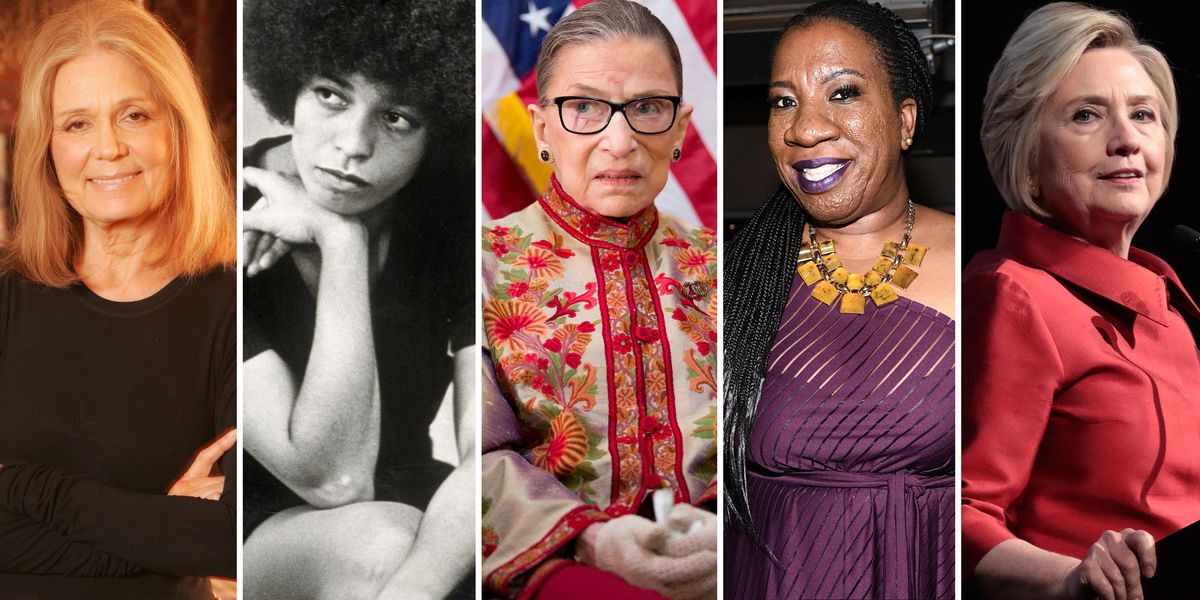
37 Inspiring Women Who Shaped Feminism
In honor of Women's History Month, we're celebrating the women who've had huge impacts on the feminist movement. For all its misconceptions, feminism at its core is about fighting for women's equality. And there are women who have been trailblazing the fight for decades now.
From the brave Suffragettes who fought for women's right to vote, to Tarana Burke launching the #MeToo movement, to Winona LaDuke leading the fight against climate change, these are the women of the 20th and 21st century who are paving the way for gender equality, the real definition of feminism.
| | |
|
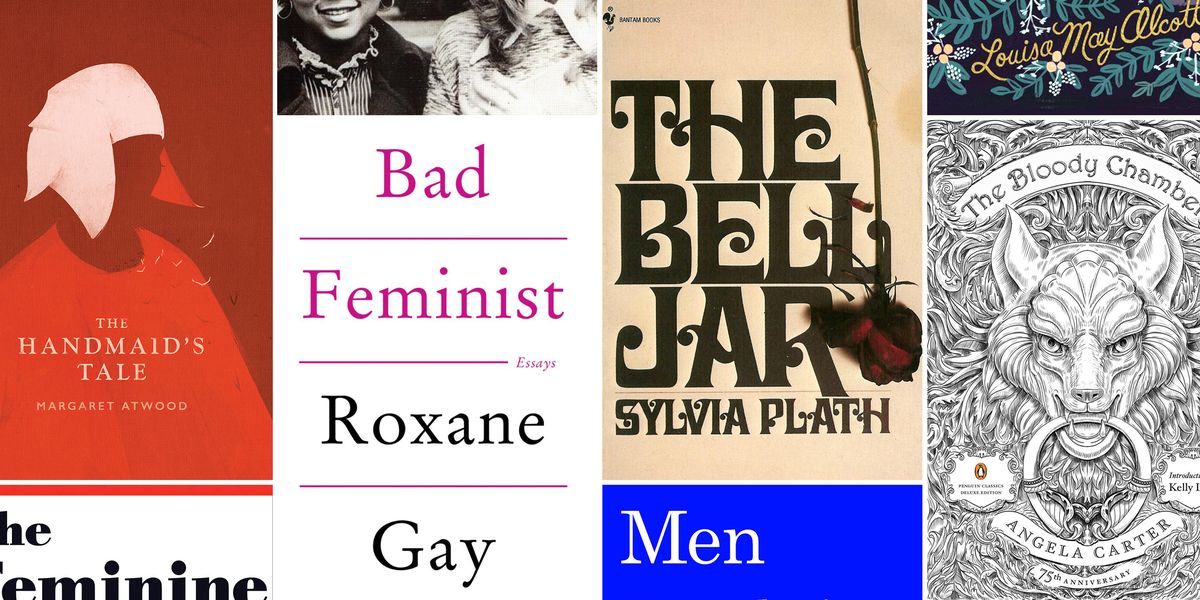
40 Essential Feminist Books to Read for Women's History Month
Here, we rounded up a list of thought-provoking books that cover everything from reproductive justice and economic equity to domestic labor and sex work. Whether you're looking to brush up on the early days of the movement, be inspired by modern-day feminist heroes, or witness how far we've come (and how far we still have to go), these are the perfect books to pick up for Women's History Month—and every other time of year.
| | |
|
50 Films to Watch During Women's History Month
March is Women's History Month – though it goes without saying that it is impossible to contain all of the contributions that women have made throughout human history to only 31 days. Still, it's as good a reason as any to add some movies by, for and about women to your watchlist.
Below, A.frame presents 50 films fit for Women's History Month, culled from recommendations from female directors, writers, actors and more, as well as movies that made Oscars history, and some of our personal favorites. The list includes everything from historical biopics and documentaries to dramas, comedies, thrillers and rom-coms.
| | |
|
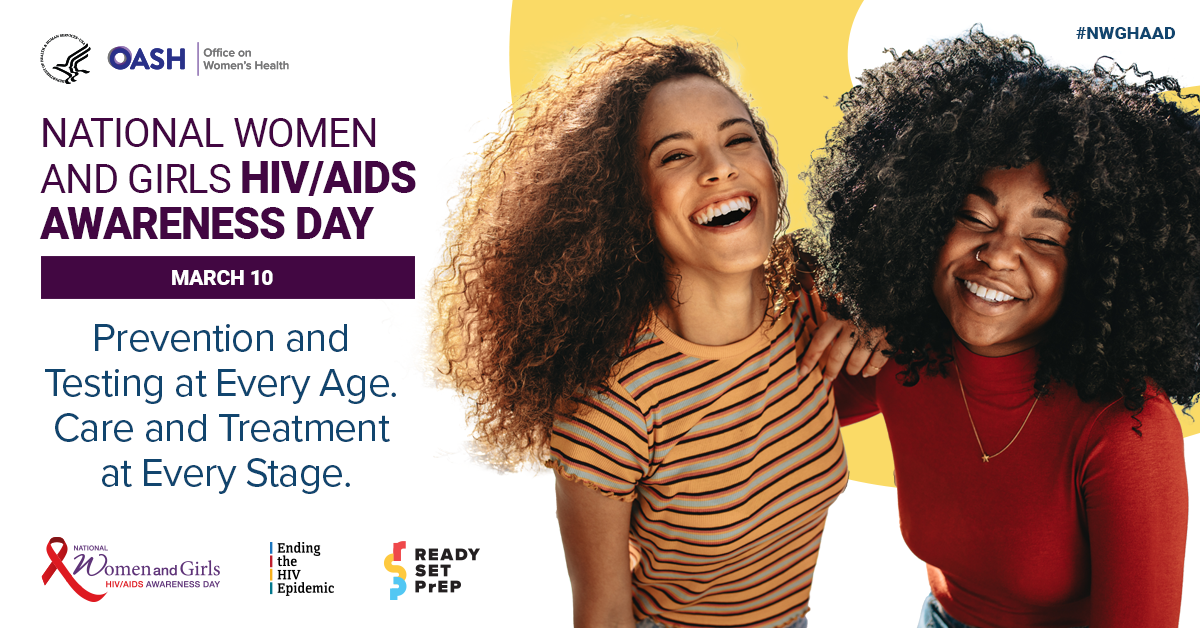
Every year on March 10 — and throughout the month of March — local, state, federal, and national organizations come together to shed light on the impact of HIV and AIDS on women and girls and to show support for those at risk of and living with HIV. This year marks the 19th annual observance of National Women and Girls HIV/AIDS Awareness Day (#NWGHAAD).
- At the end of 2019, the majority of new HIV cases were among women ages 25-34.
- Disparities in HIV continue, as Black or African American women accounted for 54% of the new HIV diagnoses.
- PrEP is for women too! PrEP reduces the risk of getting HIV from sex by about 99% when taken as prescribed.
This year’s theme, “Prevention and Testing at Every Age. Care and Treatment at Every Stage.” reemphasizes the need to further prevention efforts. It also reinforces three goals of the National HIV/AIDS Strategy, which concentrates on the prevention of new HIV infections, improving HIV-related health outcomes of people living with HIV, and reducing HIV-related disparities. By working together, we can help eliminate HIV and improve the quality of treatment and care for people currently living with HIV.
| | |
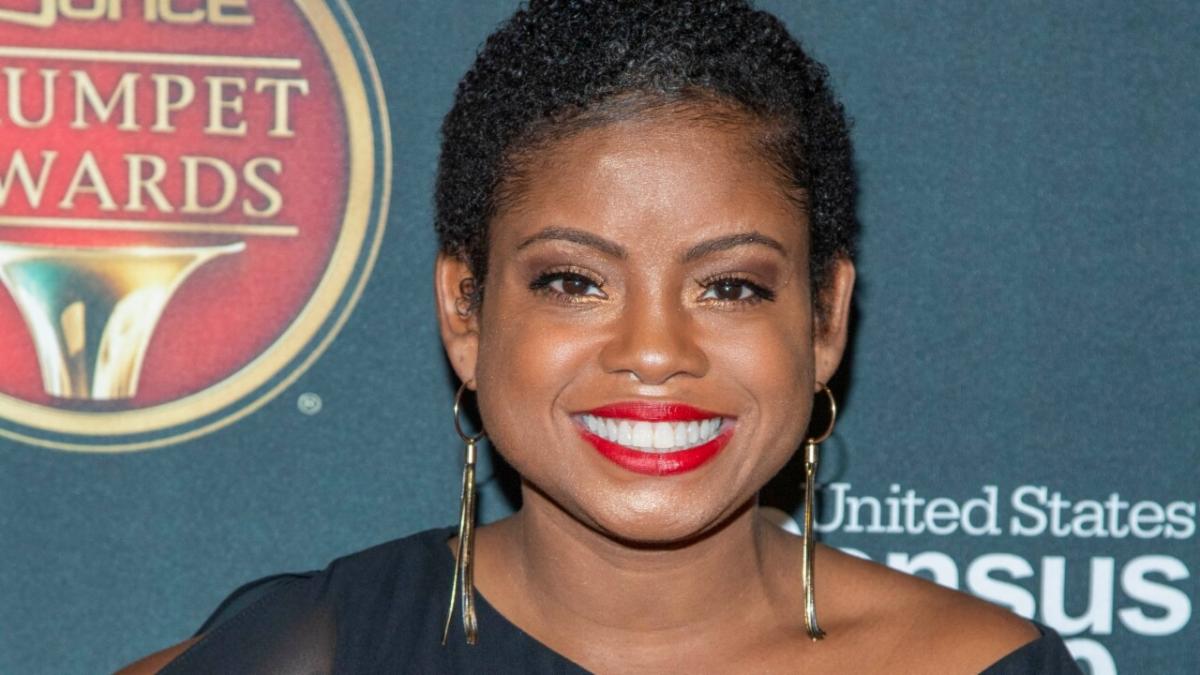 | |
Activist Hydeia Broadbent, who rose to prominence as a child living with HIV, dies at 39
As an infant, Broadbent was abandoned at the University Medical Center of Southern Nevada in Las Vegas and later adopted by Loren and Patricia Broadbent. It was presumed that Broadbent was born with HIV, but she was not diagnosed until she was 3.
Broadbent became a fixture in HIV/AIDS advocacy before medications became available that could make living with HIV, the virus that causes AIDS, a more manageable chronic illness.
Broadbent continued to work in advocacy and awareness of HIV, particularly with ensuring that Black communities were engaged with understanding HIV, reducing stigma, practicing safe sex or abstinence, and getting tested regularly. In addition to appearing on TV shows and specials over the years, Broadbent was honored by Essence magazine, The Grio, Ebony, the American Red Cross and others. Broadbent had been working with the Magic Johnson Foundation for the last decade, according to BET News.
| |
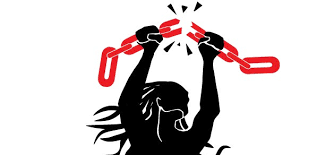 | |
Violence Against Women and HIV
There are several ways in which violence and HIV are connected for women. Women who are abused or fear a violent response may not be comfortable asking their partner to use protection (e.g., a condom) during sex. Similarly, women in abusive relationships may not be comfortable saying no to sex if their abusive partner refuses to use protection when asked. Lastly, forced sex acts can cause cuts, scrapes, or tears that make it easier for HIV to enter the body. All of these issues can put women at higher risk for HIV and make living with HIV more difficult.
Several studies have shown that women with a history of physical and/or sexual abuse are more likely to be living with HIV, especially if that abuse first started during their childhood.
One promising tool that HIV-negative women can use to prevent HIV without their partners' cooperation is PrEP, or pre-exposure prophylaxis. PrEP refers to taking HIV drugs before being exposed to HIV to avoid acquiring the virus. For more information on how PrEP works and if it might be right for you, see our fact sheet on PrEP for Women.
| |
|
U.S. President's Emergency Plan for AIDS Relief (PEPFAR)
The U.S. President's Emergency Plan for AIDS Relief (PEPFAR) saves lives, prevents HIV infections, and accelerates progress toward achieving HIV/AIDS pandemic control in more than 50 countries around the world.
PEPFAR is the largest commitment by any nation to address a single disease in history, enabled by strong bipartisan support across ten U.S. congresses and four presidential administrations and through the American people’s generosity.
PEPFAR shows the power of what is possible through compassionate, cost-effective, accountable, and transparent American foreign assistance.
Since PEPFAR’s inception in 2003, the U.S. government has invested over $100 billion in the global HIV/AIDS response, saving over 25 million lives, preventing millions of HIV infections, and supporting several countries to achieve HIV epidemic control, all while significantly strengthening global health and economic security.
| |
|
Each March Developmental Disability Awareness Month, highlights the many ways in which people with and without disabilities come together to form strong, diverse communities.
This month seeks to raise awareness about the inclusion of people with developmental disabilities in all facets of community life, as well as awareness of the barriers that people with disabilities still sometimes face in connecting to the communities in which they live.
A World of Opportunities
"We’re celebrating people and working together to remove obstacles. Our goal is to build a community that’s committed to creating a world where everyone can do well and succeed. Join us in making a world where all kinds of people have the chance to thrive."
National Association of Councils on Developmental Disabilities
| |
|
Rethinking Guardianship to Protect Disabled People's Reproductive Rights
Pervasive beliefs about a lack of reproductive decision-making capacity among disabled people—coupled with the disturbing historical inclinations to control the fertility and reproduction of disabled women and people who can become pregnant that persist to this day64—make the topic of reproductive health care access and sexual relationships among people with disabilities especially complicated and fraught. Adding guardianship to the equation exacerbates serious concerns about bodily autonomy and the systemic denial of reproductive rights and privacy.
Guardianships can be helpful in certain, carefully prescribed circumstances. However, when it comes to accessing reproductive health care or deciding to enter into a healthy sexual relationship, guardianship arrangements are inherently problematic.
| |
|
'Disabled People are sexual': inside the audio pornography boom that is revolutionizing desire
Pornography wasn’t something Amelia Lander-Cavallo thought much about. Until, that is, they were asked to host a podcast on the subject. Lander-Cavallo had “kind of given up on porn for a variety of reasons” but as a blind, non-binary drag performer, cares deeply about the representation of disabled people’s sexuality, feeling they are often infantilized or dismissed.
“Generally speaking – and this is one of the main reasons I was excited to do this podcast – it’s very important to me that people understand that disabled people are sexual,” they explain over Zoom from the Sheffield home they share with their wife Al, who sits just out of shot. “Most people just don’t assume that disabled people have sex, think about sex, care about sex – and would consume porn, be interested and excited by porn. So it was great to talk to people who have made this their entire career.”
| |
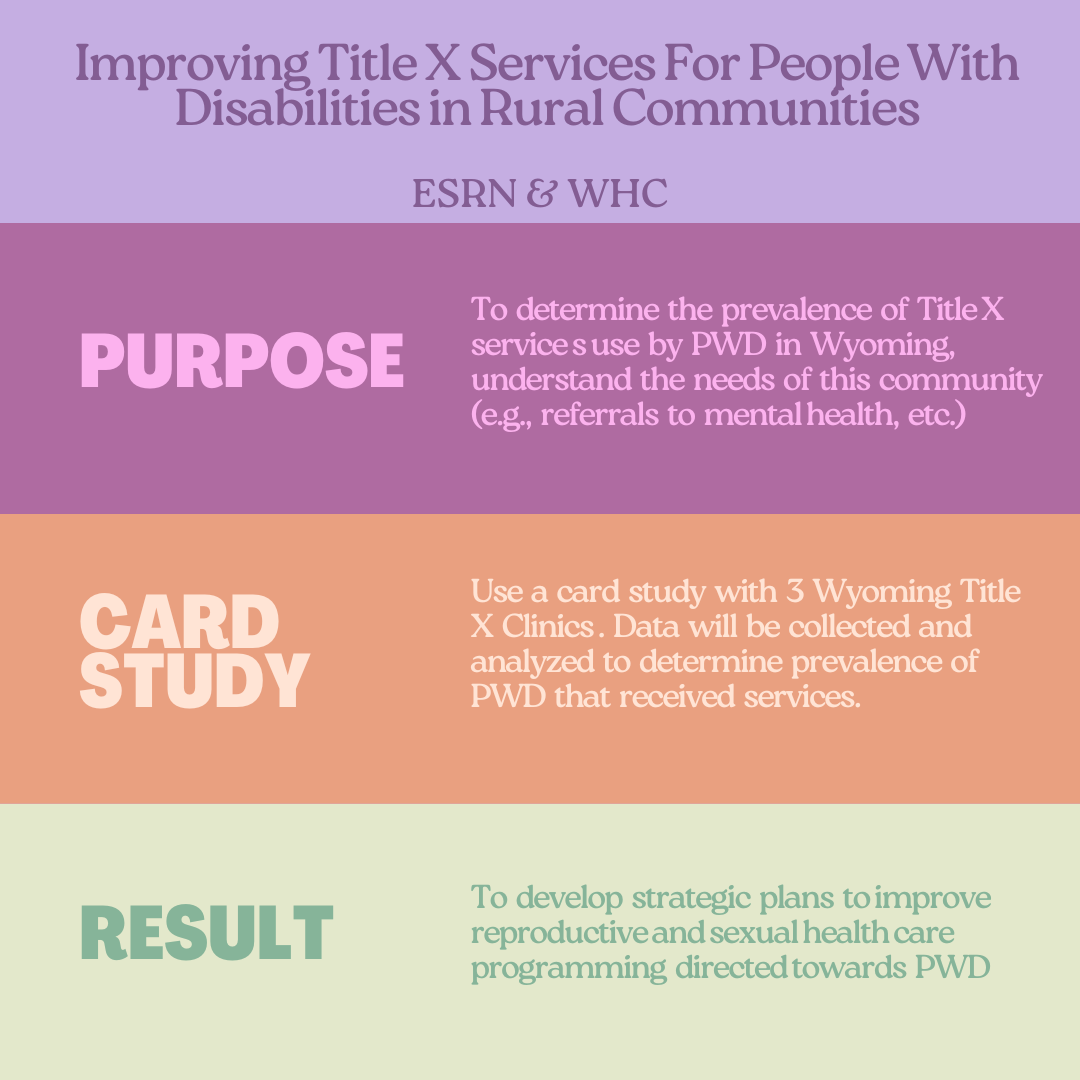
Improving Title X Services For People With Disabilities in Rural Communities
The Wyoming Health Council is collaborating with the Equality State Research Network (ESRN) out the the University of Wyoming on a Community Based Participatory Research Project aimed at improving reproductive and sexual health care services at Title X Family Planning clinics for people with disabilities (PWD).
Why is this important?
•People with disabilities (PWD) access family planning and sexual and reproductive health services at lower rates than people without disabilities
•Barriers include stigma, inadequate facilities/medical provider training related to disabilities, and lack of general knowledge about sexual and reproductive healthcare
•Like PWD, individuals living in rural and frontier communities also experience limited access to family planning and sexual and reproductive health services
•Given that Wyoming is more frontier than rural and faces significant healthcare disparities such as increased teen birth rates, low birth weight, and premature deaths, this suggests that PWD living in rural and frontier communities face substantial barriers to accessing family planning services and reduced sexual health outcomes.
•There is little research exploring the rates of use of reproductive healthcare by PWD, especially in rural communities.
Utilizing a card study with 3 of Wyoming Health Council's Title X Family Planning clinics, the ESRN and WHC hope to determine the prevalence of Title X services used by PWD and better understand the needs of this community so as to develop strategic plans to improve services and programs for PWD.
| |
Keep an eye out for updates! | | |
|
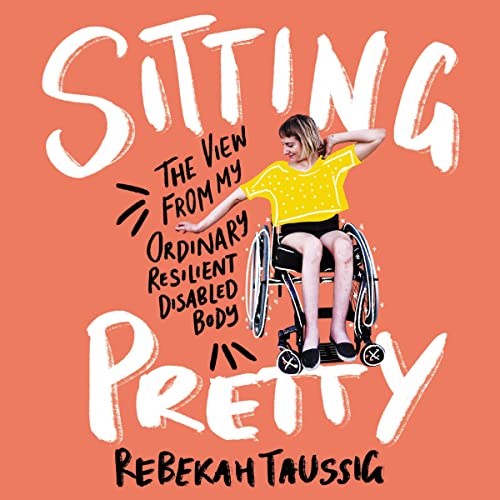
15 Inclusive Books By Disabled Women Writers
Here is a must-read list of books – including memoirs, biographies, essays, fantasy fiction and even an accessible cookbook – all written by disabled female authors that we would highly recommend.
| | |
|
The perks of being bi+: Positive sexual orientation-related experiences among bisexual, pansexual, and queer male youth
Previous research on sexual minority health has largely focused on negative experiences related to one’s sexual orientation with limited attention to the ways in which being a sexual minority can contribute to positive experiences. This is especially true of bisexual, pansexual, and queer (bi+) male youth, whose experiences have not been represented in the literature. To address these gaps, the goal of the current study was to characterize positive experiences related to one’s sexual orientation in a sample of 46 bi+ male youth (ages 14–17) who were interviewed as part of a larger study.
| |
|
Good Bi Love: 6 Things I Love About Being Bi
Continuing in the spirit of celebration this Bi Pride Month, this week, I want to discuss something short and sweet: Why I Love Being Bi.
While we undoubtedly face many challenges as bi individuals, there are also a number of reasons why being bi is the absolute best! If I could magically snap my fingers and turn myself either gay or straight, I would never do it — not in a million years. Despite all the discrimination I face as a bi person, I still absolutely love being bi.
| | |
|
What People Get Wrong About Bisexuality, According to 27 Bi Australians
Even in 2023, unfortunately there is still a need for light to be shone on the many myths, misconceptions and biphobia surrounding our sexuality. No, bi folk aren't all cheating, threesome-obsessed, indecisive, hypersexualised beings. We aren't confused or going through a phase. And please, don't flatter yourself; we aren't attracted to every breathing bundle of flesh that looks our way.
We asked 27 Australians who identify as bisexual to share the misconceptions they hear most often. Sidney wants people to know that "we all hold dualities and contradictions which form our whole, beautiful selves".
| | |
|
BisexualRealTalk
Welcome to BisexualRealTalk, a channel devoted to bisexual empowerment, bisexuality and all things bisexual and mostly-straight, whether it's TV shows, movies, myths, tips for coming out or the latest scientific research.
| | |
|
Bi+ Health
Bi Resource Center
#BiHealthMonth, founded and led annually by the Bisexual Resource Center, raises awareness about the bisexual+ (bi, pansexual, fluid, queer, etc.) community’s social, economic and health disparities; advocates for resources; and inspires actions to improve bi+ people’s well-being.
| | |
It Gets Better: Queer Sex Ed | |
|
14 Things I Wish Queer Men Were Taught In Sex Ed
Oh, sex ed. A decade later, and the only thing I remember "learning" from it is "wear a condom." I honestly don’t think I could tell you another single bit of information they "taught" me except for that men have a vas deferens, which is somewhere in the penis. (Testicles, maybe?)
Imagine how nice it would have been if they actually taught us something useful! Imagine if instead of scaring us and making us fear our own sexuality, sex ed courses taught us how to embrace and explore our sexuality safely! Can you imagine??
So here are 14 things I wish sex ed courses taught me! (And all queer men and queer folks, for that matter. Screw it—everyone can benefit from this!)
| |
 | |
Sex Ed For Adults: A Queer Positive Guide to Sexual Health
My bad experience wasn’t exceptional, it was the norm — and sadly still is. Most students receive inadequate sex education, and many receive outright harmful sex ed. And while more and more sex education curricula are being updated to include positive representations of LGBTQ people (and relevant information for queer folks), many still don’t.
When I first came out, I had to learn about queer sex by actually just…having sex. In the long-term, that worked out for me — I became curious, got an internship at a sex ed organization, and fast-forward 10 years to me working full-time as a sex educator.
So, here’s an abridged version of everything I wish I had known before I came out and started having sex. I’ve touched on pleasure and relationships, and provide details on queer-specific STI prevention. (And for the record, many hetero/cis folks might learn something too.) I hope it helps you feel more safe, secure, and comfortable with you who are and a little more well-prepared in your sex life.
| |
World’s largest psych organization says ‘damaging’ gender affirming care bans are wrong
Following a resolution taken on Wednesday (28 February), the American Psychological Association (APA) announced that it is fully supportive of gender-affirming care and equally opposed to bans on the medical practice.
Passed by an overwhelming vote of 153-9, the policy states that gender-affirming healthcare, including for trans youth, is consistent with the organization’s mission to promote beneficial, evidence-based care.
The Policy also addresses the spread of misinformation around gender-affirming care for trans people, which, it says, leads to “unfounded narratives that mischaracterize gender dysphoria and affirming care, likely [to result] in further stigmatization.”
| | |
Transgender People in Rural America Struggle To find Doctors Willing or Able To Provide Care
For Tammy Rainey, finding a health care provider who knows about gender-affirming care has been a challenge in the rural northern Mississippi town where she lives.
As a transgender woman, Rainey needs the hormone estrogen, which allows her to physically transition by developing more feminine features. But when she asked her doctor for an estrogen prescription, he said he couldn't provide that type of care.
"He's generally a good guy and doesn't act prejudiced. He gets my name and pronouns right," said Rainey. "But when I asked him about hormones, he said, 'I just don't feel like I know enough about that. I don't want to get involved in that.'"
So Rainey drives around 170 miles round trip every six months to get a supply of estrogen from a clinic in Memphis, Tennessee, to take home with her.
The obstacles Rainey overcomes to access care illustrate a type of medical inequity that transgender people who live in the rural U.S. often face: a general lack of education about trans-related care among small-town health professionals who might also be reluctant to learn.
| | |
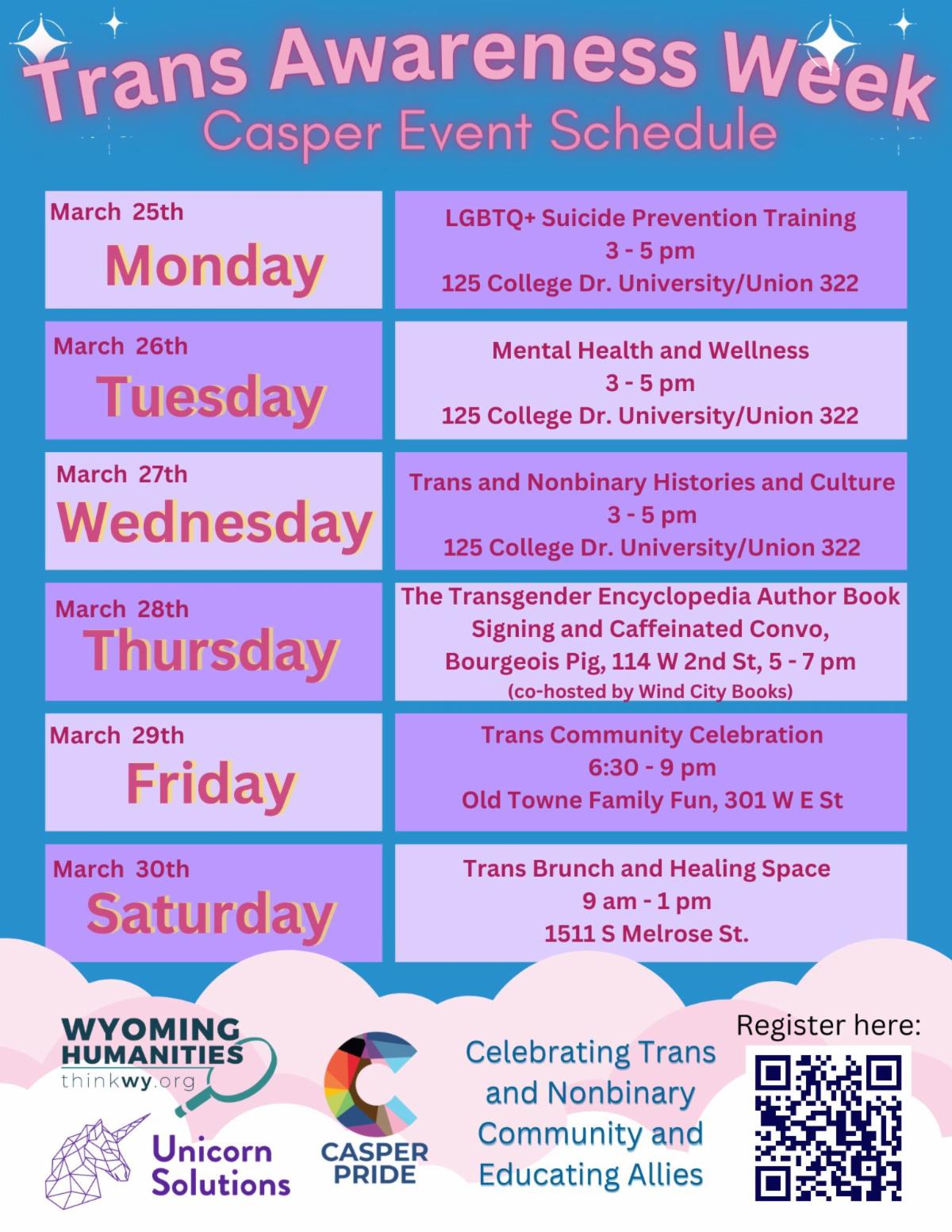
CASPER PRIDE TRANS FUND
In 2021, the Casper Pride Trans Project Fund was launched to support the livelihood of Natrona County’s transgender community by providing financial assistance for projects that positively impact the transgender community’s wellbeing.
In 2023, the funding was expanded to include microgrants for trans and non-binary individuals to reduce financial burdens in Natrona County.
Financial assistance is available for projects and individuals who qualify.
| |
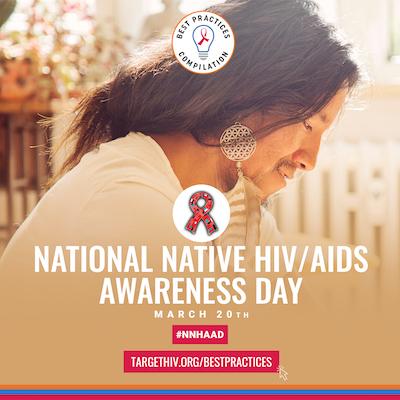
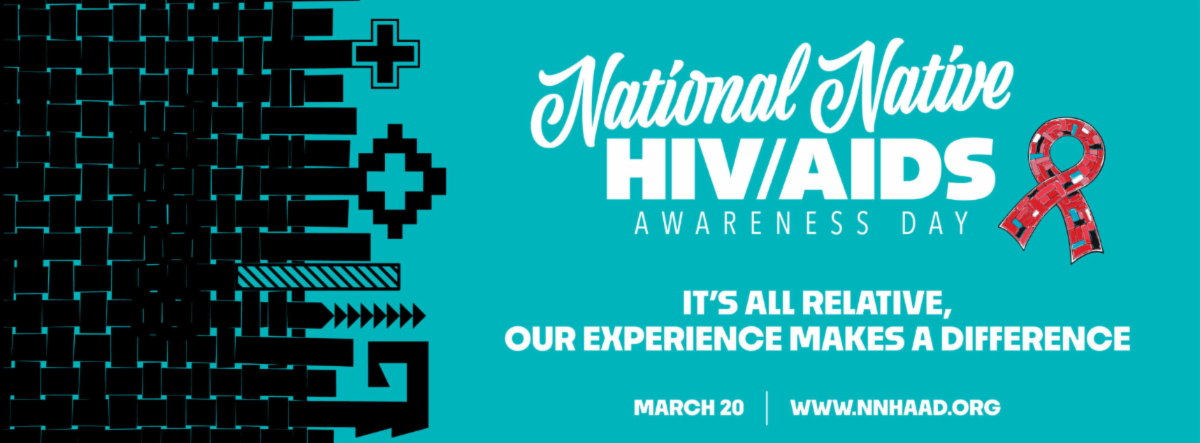
Native American HIV/AIDS Awareness Day
March 20th
National Native HIV/AIDS Awareness Day, a day to promote HIV testing, prevention, and treatment in American Indian, Alaska Native, and Native Hawaiian communities.
Nearly three-fourths of HRSA Ryan White HIV/AIDS Program (RWHAP) clients are from racial/ethnic minority populations. American Indians/Alaska Natives (AI/AN) comprise 0.5% of persons receiving HIV care from the RWHAP. The majority are low income, men who have sex with men, and over 50 years of age.
From 2010 to 2022, viral suppression rates increased among all populations getting RWHAP medical care (69.5% to 89.6%), including American Indian/Alaska Native clients (70.4% to 88.3%)
Target HIV
| | |
|
In The News
......Click on links......
| |
|
Educational Extras
.....Click on links....
| |
|
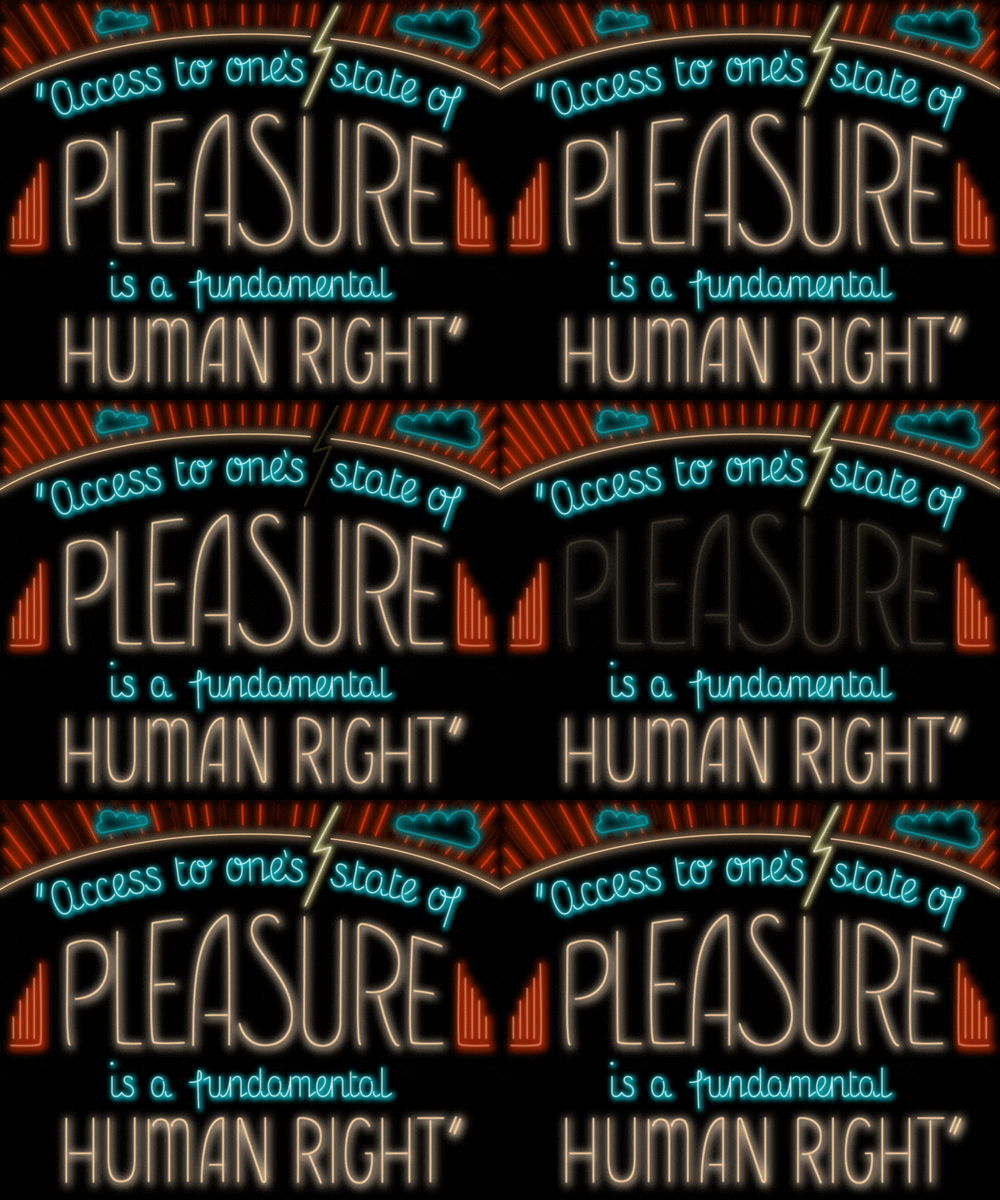
Sexual pleasure is always worth celebrating!
Sex has been shown to promote better sleep habits, less stress, and more happiness. Our bodies thrive on the chemicals released during orgasm, so a healthy sex life is indeed part of a healthy body.
Join the American Sexual Health Association (ASHA) to learn more about sexual pleasure!
| |
Below are just a few of the awesome materials that ASHA has to offer! Check them out! | | |
|
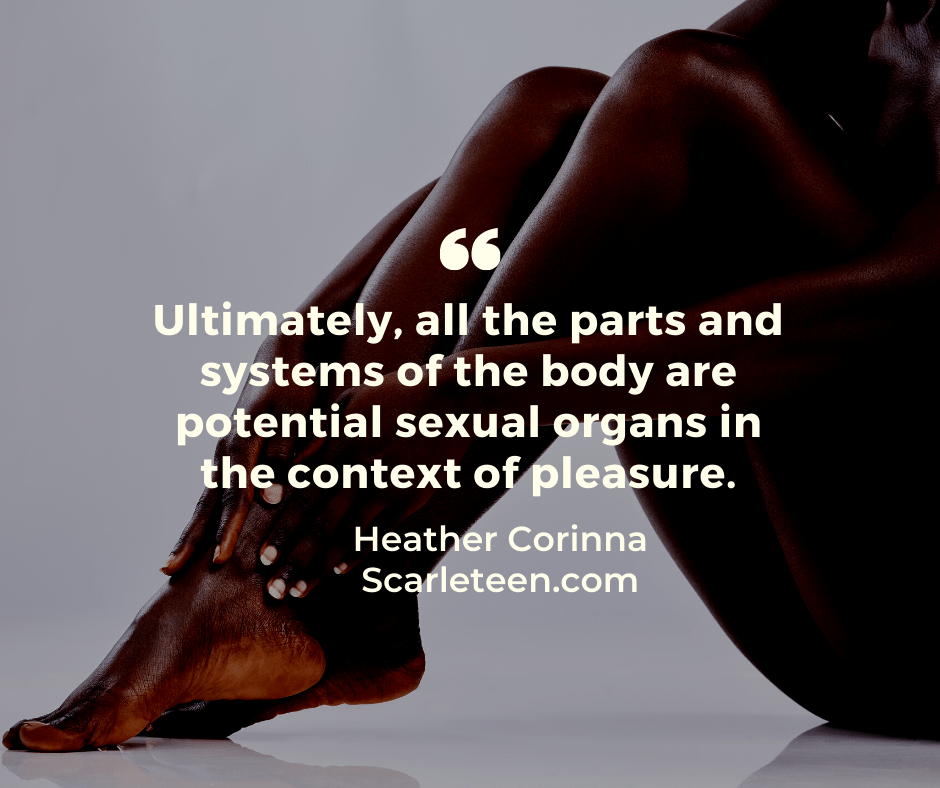
What’s the first step to sexual pleasure? A better understanding of your body. This fantastic article from Scarleteen takes you through sexual anatomy, starting with the most important sexual organ—the brain.
#letstalkpleasure
| | | |
|
The Pleasure Project is an international education and advocacy organization working to eroticize safer sex. They promote sexual health by focusing on one of the primary reasons people have sex – the pursuit of pleasure! A great resource to check out! | | | |
|
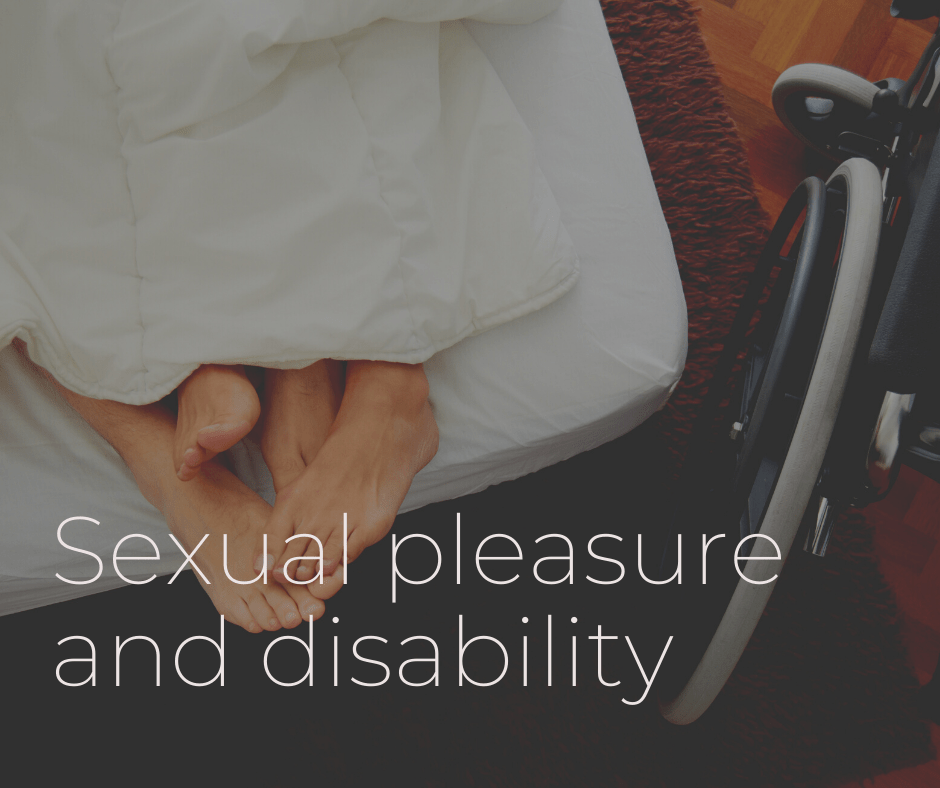
Assistive sexual devices can help people with disabilities experience sexual pleasure. Explore the possibilities with the PleasureABLE manual and learn more from Andrew Gurza, co-founder of a sex toy company for and by disabled people! | | | |
|
Title X Family Planning Clinics
Getting lucky this St. Patrick's Day?
Stop by your local Title X Family Planning Clinic for your STI Test, birth control and FREE Condoms!
| | |
WYOMING HEALTH COUNCIL
111 S. Durbin, Suite 200
Casper, WY 82601
Call Us: (307) 439-2033
| | | | | |