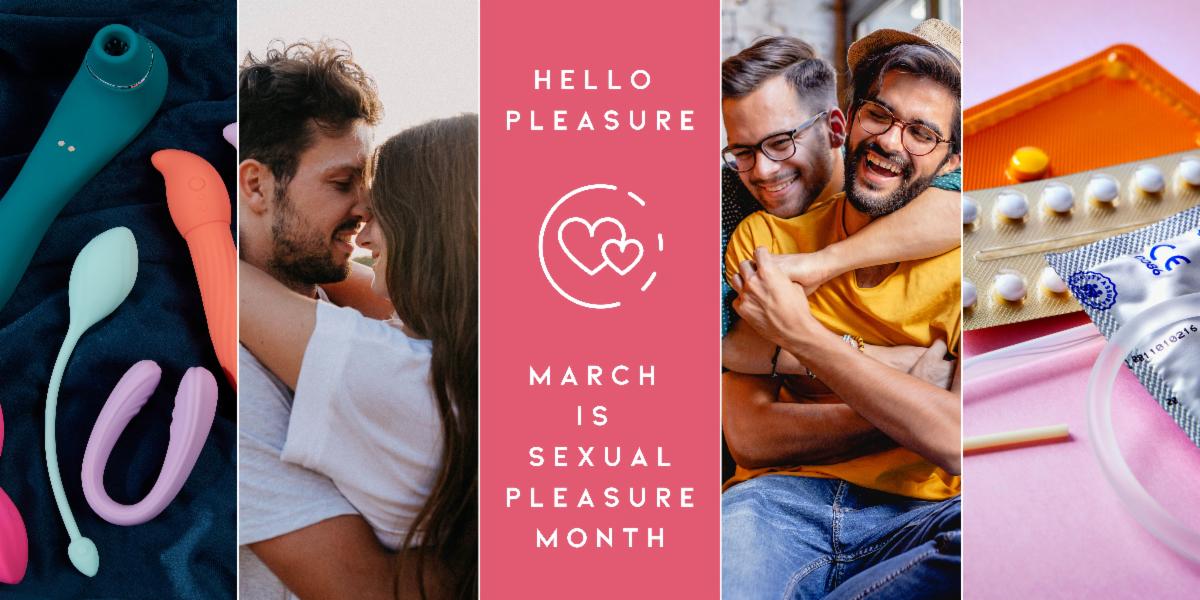
The Wyoming Health Council works to ensure that all people can access equitable, inclusive, high-quality, and affordable reproductive and sexual health care. | |
“Moving Forward Together! Women Educating & Inspiring Generations.”
2025
| |
|
A History of Women in Medicine
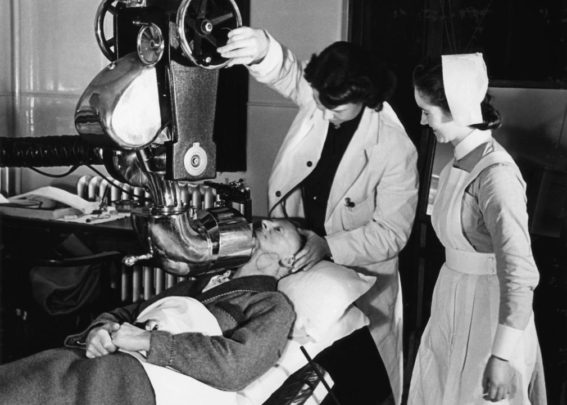
From Hippocrates to Dr. Anthony Fauci, the face of medicine has often been male. There are many reasons for this gender imbalance, from broad systemic discrimination in society, to medical-specific discrimination. For many years, women were not allowed in medical schools, and in some cases, such as in ancient Greece, a woman practicing medicine was considered a crime.
But despite these oppressive odds, women throughout history have defied these pressures and have gone on to study and work in various medical fields. Many of them have made groundbreaking discoveries and contributions to medicine, ranging from neonatal health to DNA structure.
| |  |
The Frenemies Who Fought to Bring Birth Control to the U.S.
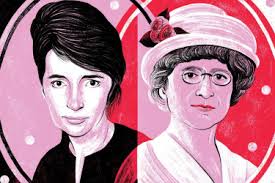
Though Margaret Sanger and Mary Ware Dennett shared a mission, they took very different approaches. Their ensuing rivalry was political, sometimes even personal.
Judging by how commonly birth control is practiced in the United States, it ought to rank among the least controversial of subjects. In surveys, ninety-nine per cent of women of reproductive age report having used contraception in their lifetimes. Catholics avail themselves of it at about the same rate as other Americans. Evangelicals do, too. Given the fact that heterosexual Americans, like humans in general, tend to be fans of non-procreative sex, this is not so surprising. Nor is it new.
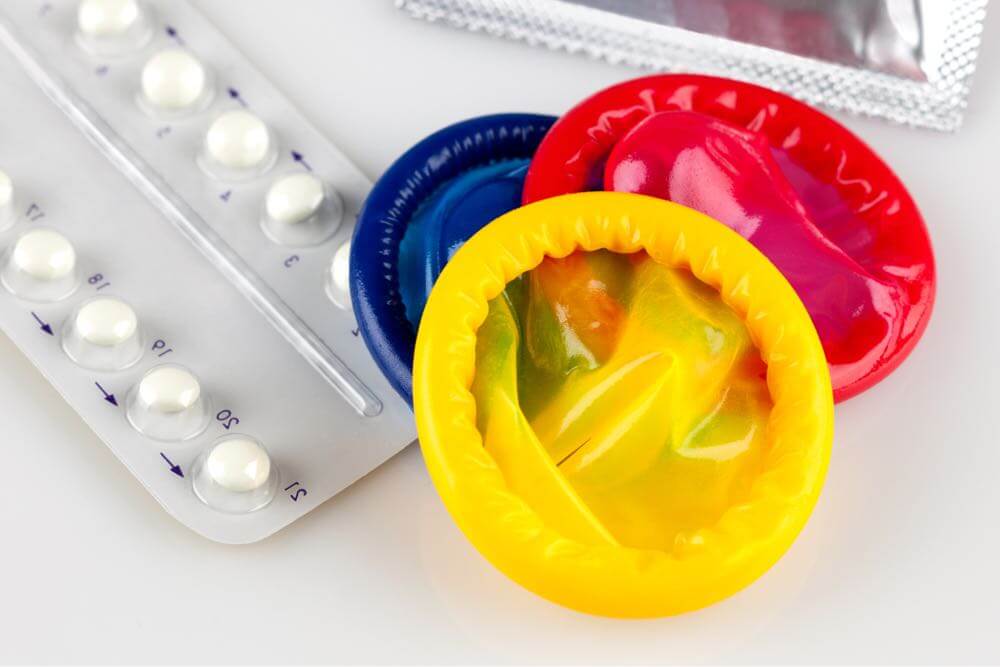
In the nineteenth century, lots of people tried to game their gametes, especially anyone lucky or wealthy enough to have a discreet private physician; or who could read between the lines of newspaper ads slyly offering “rubber goods for men” or “married women’s friends” or “French periodical pills”; or who knew a midwife able to whip up an herbal concoction that might or might not work. Between 1800 and 1900, the average number of children for white married couples (the group most studied) dropped from just over seven to less than four—a decline marked enough to suggest the purposeful wrangling of fertility, whether through abstinence or intervention.
| | |
|
Feminism: The Second Wave
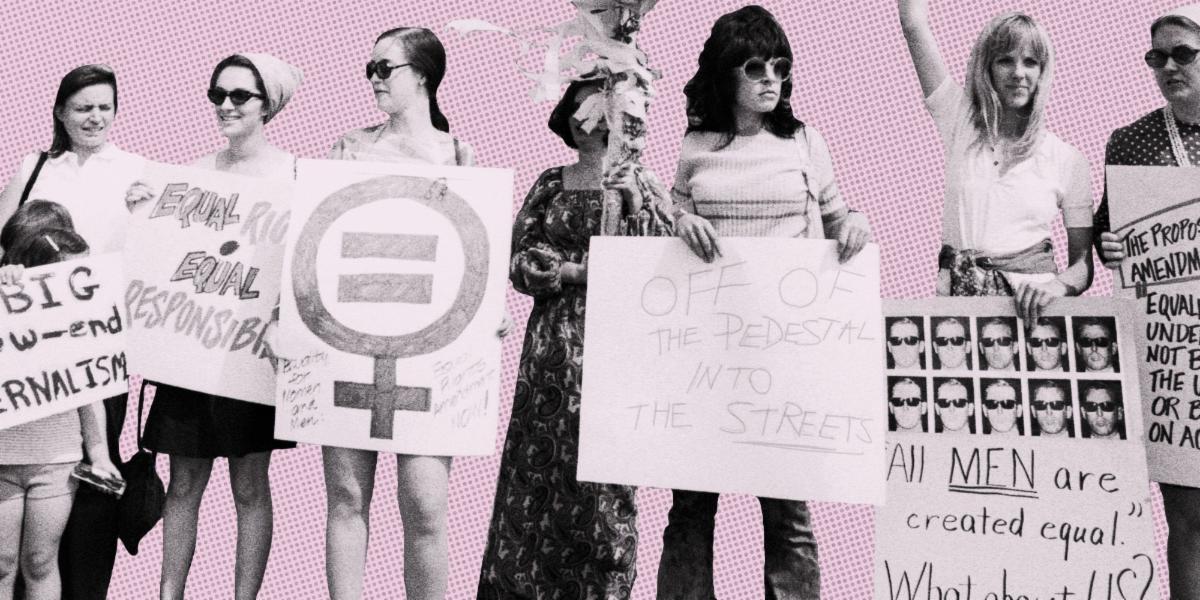
After the ratification of the 19th amendment in 1920, which granted women the right to vote, the first wave of feminism slowed down significantly. Although many of these activists continued to fight for women's rights, the next sustained feminist movement is believed to have started in the 1960s. Much like the first wave that developed during a period of social reform, the second wave also took place amidst other social and political movements.
In between the first and the second wave, French feminist author Simone de Beauvoir published a foundational book that set the tone for the next surge of women's rights activism. Published in 1949, her book entitled "The Second Sex," provided extensive definitions of womanhood and outlines how women have historically be treated as second to men. Originally published in France, "The Second Sex," quickly became a phenomenon and was published in the United States in 1953.
| | |
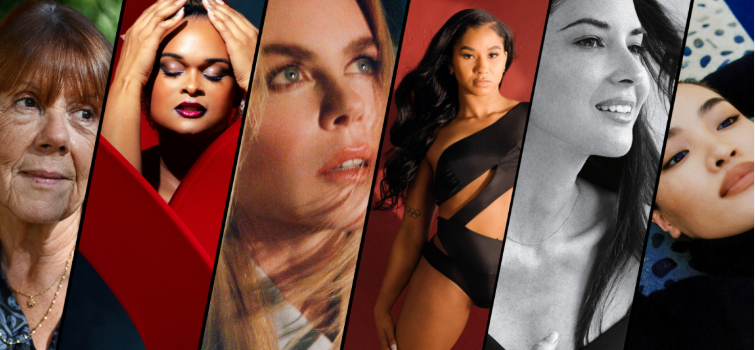
Women of the Year
These extraordinary leaders are working toward a better, more equal world
When we sit down to think about the Women of the Year each winter, we ask ourselves the same question: What are the most significant issues facing women and girls around the world right now? Challenges are abundant, from gender-based violence and attacks on women’s rights to the dangers of a volatile climate. But everywhere those threats can be found, so too can leaders pushing for change. The 13 women on this year’s list are all, in their own way, working toward creating a better, more equitable world.
| |
|
How a survey of over 2,000 women in the 1920s changed the way Americans thought about female sexuality
American women still have fewer orgasms than men, according to new research that suggests that decades after the sexual revolution, the “orgasm gap” is still very much in effect.
One of the study’s lead authors at the Kinsey Institute for Research in Sex, Gender, and Reproduction told The New York Times that the gap persists because many Americans continue to “prioritize men’s pleasure and undervalue women’s sexual pleasure.”
As my research shows, these attitudes toward sexual pleasure have a long history.
But so do efforts to push back against them.
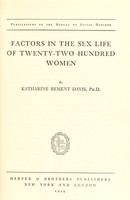
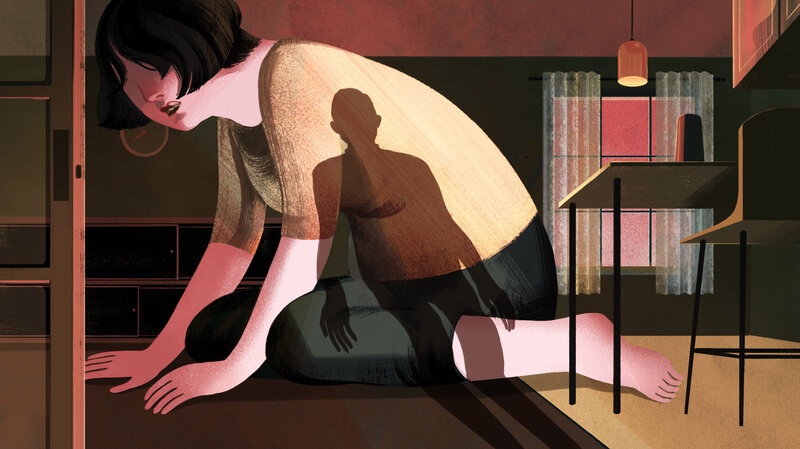
Almost a century ago, a pioneering American sex researcher named Katharine Bement Davis challenged the prevailing view that respectable women did not – and should not – experience sexual desire or have sex, except to please men or to have children.
Davis’s 1929 book, “Factors in the Sex Life of Twenty-Two Hundred Women,” completely upended this thinking.
By surveying everyday American women, she was able to show that it was completely normal for American women to have sex for the sake of pleasure.
| | |
|
Surprising Insights About Men’s Sexual Satisfaction
We know that men don’t care about the appetizers or dessert when it comes to sex; they just want the main course. That’s what women have been taught about what men desire in the bedroom for centuries.
Bubble burst!: That’s just not true.
When it comes to sexual desire, men want some of the same things that women want; they just don’t talk about them as much. Research has unearthed some pretty surprising things about what we thought we knew about men’s intimacy needs from a psychological perspective and physical perspective.
One of the most important things that men desire in bed is effective communication, despite the common stereotype that men are primarily driven by physical needs. Men who feel emotionally connected with their partners report higher levels of sexual satisfaction, according to Mark and Lasslo (2018). In other words, having an emotional connection in which both partners share their desires, needs, and preferences creates a better sexual experience for men.
| | |
If You’re Never Completely Satisfied in the Bedroom, You’re Not Alone
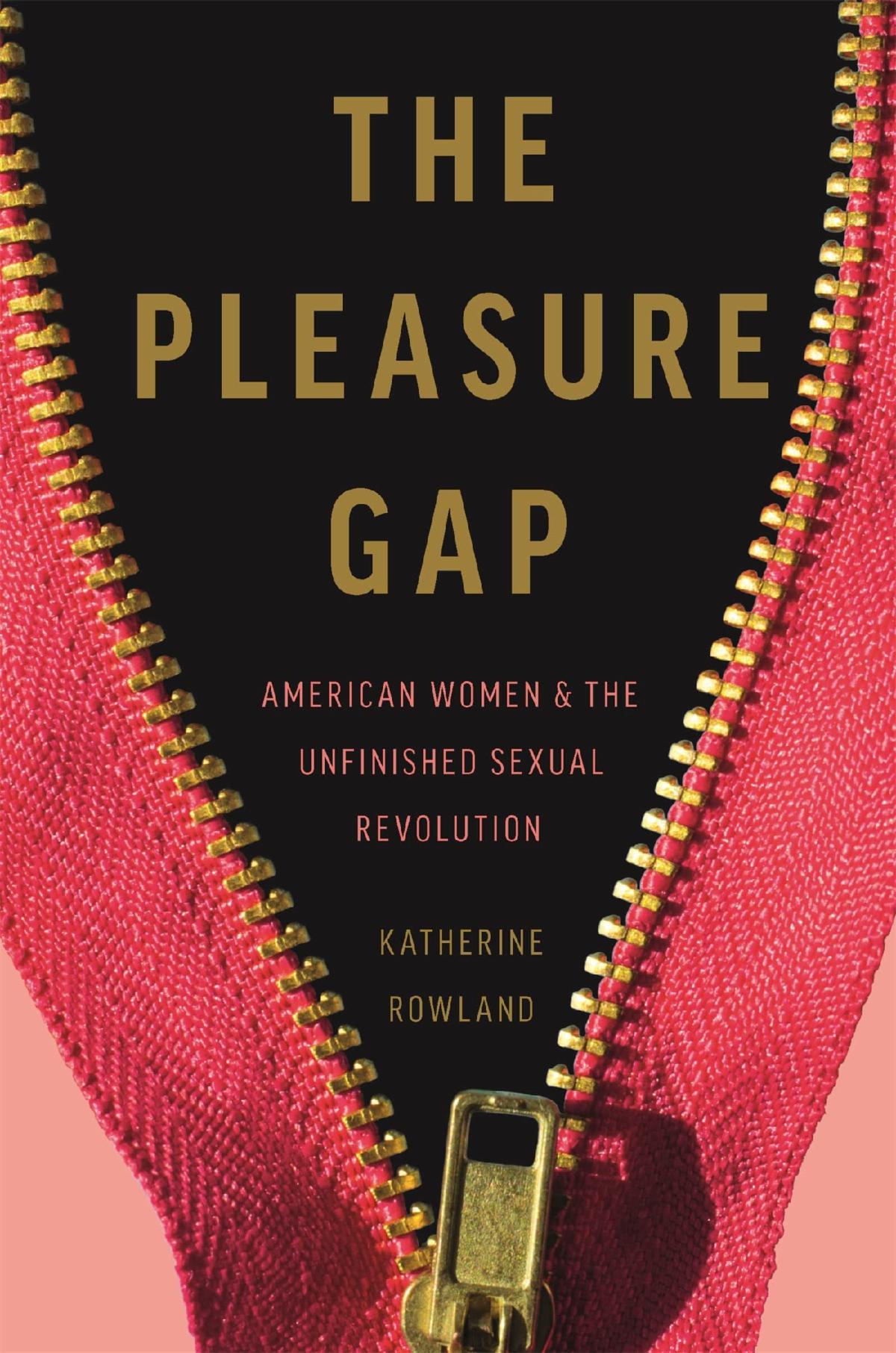
Relatively speaking, it’s a good time to be an American woman...who likes a good time. Compared with past generations, we engage in a wider range of sexual acts; we take more initiative; we receive more oral sex; we put a greater premium on the quality of sex within a marriage. But while many will say they’re having the most empowered intercourse of their lives, experts estimate that roughly one-quarter to one-half of American women experience a sexual concern, including low desire, diminished arousal, difficulty reaching orgasm, and pain. This is especially striking in comparison with men: Women tend to report less satisfaction with their most recent sexual encounter, as well as with sex throughout their lifetime.
Journalist Katherine Rowland, whose background is in medical anthropology, devoted five years to researching women’s erotic attitudes and experiences, sifting through the scientific literature, and conducting in-depth interviews about desire and pleasure with 120 women around the U.S. In her new book, The Pleasure Gap: American Women and the Unfinished Sexual Revolution, Rowland argues that we still have a ways to go before women reach their full erotic potential.
| | |
|
"We're Here All Year"
2025
“We need to make every single thing accessible to every single person with a disability.” – Stevie Wonder
| |
|
How Accessible Sex Ed Helps Young Adults With Developmental Disabilities Form Health Relationships
When he was a teenager, Ben believed that he struggled with friendships and romantic relationships more than others his age. Discerning personal boundaries and finding ways to effectively communicate often bewildered him, and he wasn’t sure what certain signals meant or how many he may have missed. As someone with autism, cerebral palsy, and expressive dysphasia—which means it takes him longer to find the words he wants to use when speaking or writing—he found nearly every encounter with someone he liked or had a crush on fraught with anxiety and confusion.
He was not alone. Many people with intellectual and developmental disabilities are never explicitly taught that the ways a person touches someone else depend on the nature of the relationship, or even what it means for someone to consent. It was only once he was 26, in the spring of 2022, that Ben (not his real name) would be offered a class dedicated to teaching the nuances of those distinctions.
For all young people, sex education varies widely by state, and options are often limited. But those with intellectual and developmental disabilities (IDDs) are even less likely to have access to mainstream sex ed—much less instruction with information relevant to their situations.
| | |
|
For Some With Intellectual Disabilities, Ending Abuse Starts With Sex Ed
Editor's note: This report includes graphic and disturbing descriptions of sexual assault.
In the sex education class for adults with intellectual disabilities, the material is not watered down. The dozen women and men in a large room full of windows and light in Casco, Maine, take on complex issues, such as how to break up or how you know you're in an abusive relationship. And the most difficult of those issues is sexual assault.
Katy Park, the teacher, begins the class with a phrase they've memorized: "My body is my own," Park starts as the rest join in, "and I get to decide what is right for me."
People with intellectual disabilities are sexually assaulted at a rate more than seven times that for people without disabilities. NPR asked the U.S. Department of Justice to use data it had collected, but had not published, to calculate that rate.
At a moment when Americans are talking about sexual assault and sexual harassment, a yearlong NPR investigation finds that people with intellectual disabilities are one of the most at-risk groups in America.
"This is really an epidemic and we're not talking about it," says Park, a social worker who runs arts and wellness programs for Momentum, an agency based in Maine that provides activities in the community and support services for adults with intellectual disabilities. Those high rates of abuse — which have been an open secret among people with intellectual disabilities, their families and people who work with them — are why Park started this class about healthy relationships and healthy sexuality.
| | |
|
How to Identify and Help End 7 LGBTQIA+ Health Disparities
We all deserve compassionate, medically accurate, informed healthcare
If you’re reading this, hopefully you agree with that statement full-heartedly. Unfortunately, members of LGBTQIA+ communities do not always receive that kind of care.
“Despite the progress we have made as a country toward granting equal rights to those who identify as LGBTQ+, this community continues to experience worse health outcomes and reduced access to care when compared to their heterosexual and cisgender counterparts,” says Brentton Lowery, PA-C.
Lowery is an AAHIVS certified specialist in HIV prevention and a sexual health and medical provider with Nurx.
There are a number of factors at play, such as higher rates of behavioral health issues, lower rates of insurance coverage, a lack of cultural competence in the medical setting, and, sadly, even outright discrimination on the part of some medical professionals, he says.
“These disparities are even more likely to impact LGBTQ+ individuals who are part of a racial or ethnic minority group.”
Here, a full breakdown on seven of the top health disparities facing LGBTQIA+ communities. Plus, insight on what you can do to navigate these disparities as an LGBTQIA+ person, as well as an LGBTQIA+ ally.
| | |
Empower Your Health: LGBTQIA+ Sexual Wellness Guide
Have you ever felt nervous about discussing sexual health or struggled to find a healthcare provider who understands your needs? You’re not alone. Sexual health is a crucial part of overall well-being, especially for the LGBTQIA+ community, which often faces unique challenges in accessing healthcare. In fact, did you know that 30% of LGBTQIA+ individuals have canceled or missed healthcare appointments due to cost or discrimination?. This eye-opening statistic highlights the urgent need for accessible and inclusive sexual health services.
We’re here to help. In this guide, we’ll provide expert tips on preventing STIs, getting tested, and practicing safe sex.
Understanding sexual health for the LGBTQIA+ community
Sexual health is about more than just preventing STIs; it also involves building healthy sexual health habits and having access to proper healthcare. For the LGBTQIA+ community, this can be especially tough due to stigma, discrimination, and a lack of inclusive healthcare options. According to the "Let's Talk About Health Equity 2024 Report" by LetsGetChecked, over 70% of U.S. adults feel let down by the healthcare system, with marginalized groups, including LGBTQIA+ individuals, facing significant disparities. This highlights the urgent need for healthcare solutions that address the community's unique needs.
| | |
|
Health Care for Lesbians and Bisexual Women
Lesbians and bisexual women encounter barriers to health care that include concerns about confidentiality and disclosure, discriminatory attitudes and treatment, limited access to health care and health insurance, and often a limited understanding as to what their health risks may be. Health care providers should offer quality care to all women regardless of sexual orientation. The American College of Obstetricians and Gynecologists endorses equitable treatment for lesbians and bisexual women and their families, not only for direct health care needs, but also for indirect health care issues.
Although prevalence statistics vary in the United States, data from the National Survey of Family Growth suggest that 1.1% and 3.5% of women identify as lesbian or bisexual, respectively. Lesbians and bisexual women are as diverse a population as the population of all women and are represented among all racial, ethnic, and socioeconomic groups. All obstetrician–gynecologists encounter lesbian or bisexual patients, although not all women will disclose their sexual orientation to their health care providers. Additional research is needed to assess the current state of knowledge about the health of this population as well as to identify research gaps and formulate a research agenda as outlined by the Institute of Medicine.
| | |
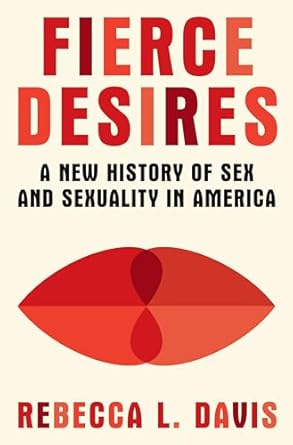
The Best New Sexuality Books to Read in 2025
Discover the best new sexuality books, recommended by leaders, experts, and readers worldwide
| | |
|
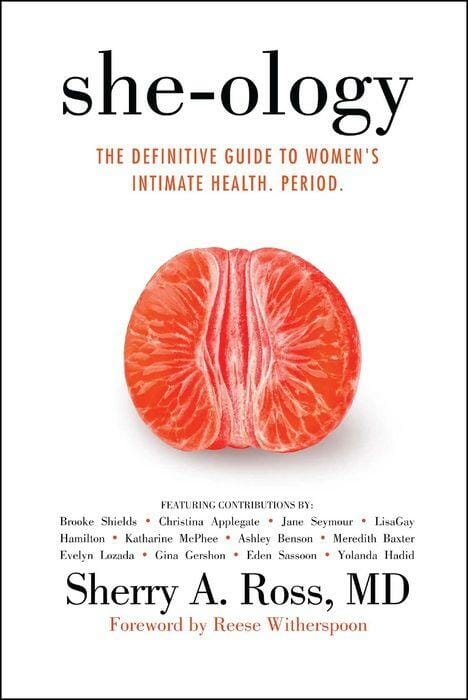
9 Books on Women’s Health & Gynecology
Books remain the undisputable golden standard in the distribution of information.
It is important to make informed decision about own body – that is why we put together a few pieces that spread awareness and answer questions about women’s health and gynecology. Let’s take a read!
| | |
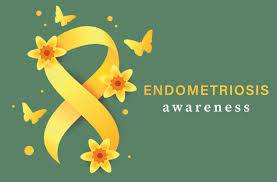
National Endometriosis Month | |
Road to Diagnosis: 3 Patients Share Their Endometriosis Journeys
Endometriosis is a common condition, impacting about one in 10 people with uteruses. Yet on average, it takes nearly a decade to diagnose—if patients ever get a diagnosis at all.
There are a couple of reasons why. First, patients and their providers alike may dismiss endometriosis pain as “normal” period pain since its flare-ups can be linked to the menstrual cycle. Endometriosis tissue, which grows outside of the uterus, continues to act like tissue inside the uterine lining: getting thicker, breaking down, and bleeding with each menstrual cycle, causing inflammation and pain.
By sharing three unique journeys to an endometriosis diagnosis, we hope to show that disease progression can take many forms. You might not know what to look for or when to ask for help until you hear from people who’ve already been there.
| |
National Teenager Day
March 21
| |
|
The Benefits of Sexual Education in Schools
Sexual education in public schools aims to provide accessible, accurate, inclusive, and positive information to children and adolescents. The goal is to teach young people how to have healthy sexual relationships and avoid sexually transmitted infections (STIs) and unplanned pregnancies.
Research has shown that abstinence-only education does not work. Pregnancy prevention and safe sex education must start young but should be lifelong.
This article will cover 10 reasons why comprehensive sexual education should be part of a young person’s education.
| | |
|
5 Queer Sex Ed Resources by and for Young People
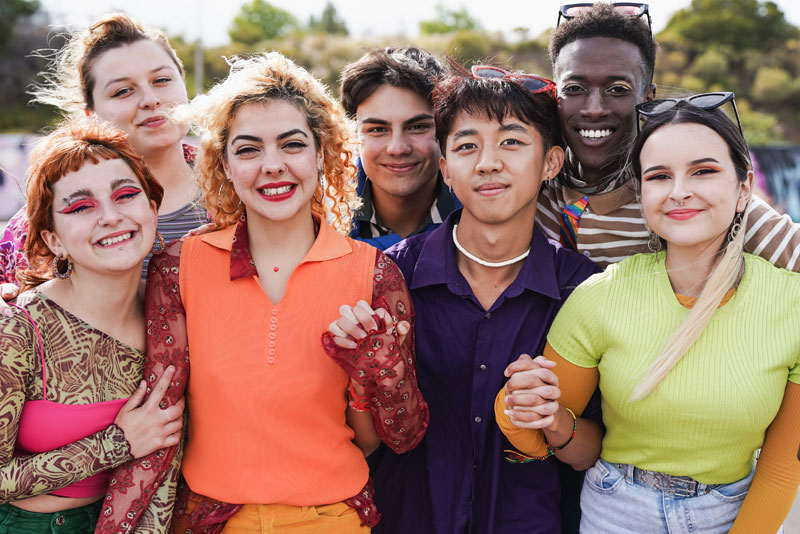
I' m constantly in awe of young people who work collectively to fill the gaps in their sex education experiences. As someone approaching their late 20s, yet still feels like a teen, it’s incredibly healing to witness what young people are creating for themselves and their communities. Open doors provide the platforms and allow young people to take the lead in reimagining building a society that centers their experiences.
Get to know what young people are working on! Here are five queer sex ed resources that were created by and for young people.
| | |
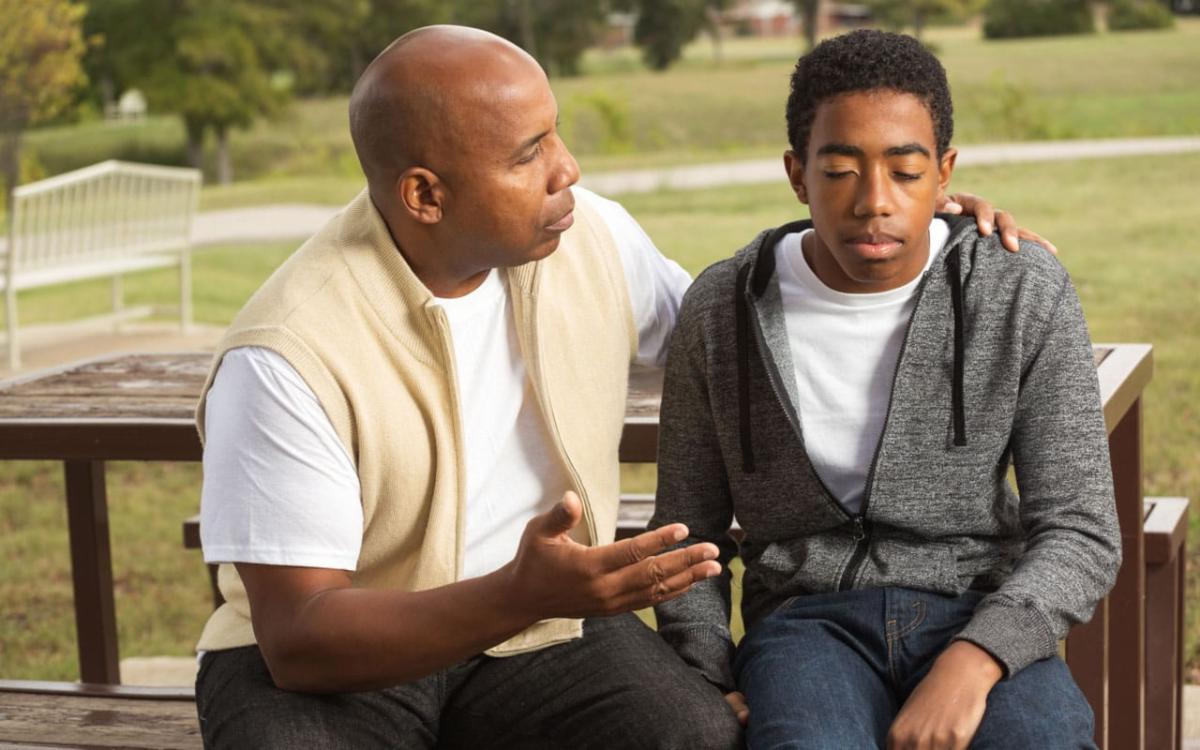
From Cyberbullying to Depression, These Things Affect Teenagers Today
One of the biggest challenges teens face is handling social problems. They may also be more susceptible to problems with friends and socializing because their brains are still developing and their bodies are changing quickly. Combine that with advances in technology—social media may be one culprit for the youth mental health crisis—and today's teens are facing new and different social issues than their parents may have.
Teens also are at a higher risk for overdose, might not practice safe sex, and are facing increasing academic pressures—and those problems might look different tan generations ago. In fact, there are many red flags in teenage behavior parents need to watch for. So what things affect teenagers today? Here's a closer look at the top 10 social issues teens might face.
Bringing up any difficult subjects with your teen can feel uncomfortable. And your teen isn't likely to respond well to a lengthy lecture or too many direct questions. But having a conversation with your teen about social issues, world problems, and other teenage troubles isn't something you should shy away from.
Even when it seems like they're not listening, you're the most influential person in your teen's life. It's important to lay a strong foundation before the window of opportunity closes. A good way to strike up a conversation about drugs, sex, vaping, or other uncomfortable situations is to ask a question like, "Do you think this is a big issue at your school?"
| | |
HPV Awareness Day
March 4
| |
|
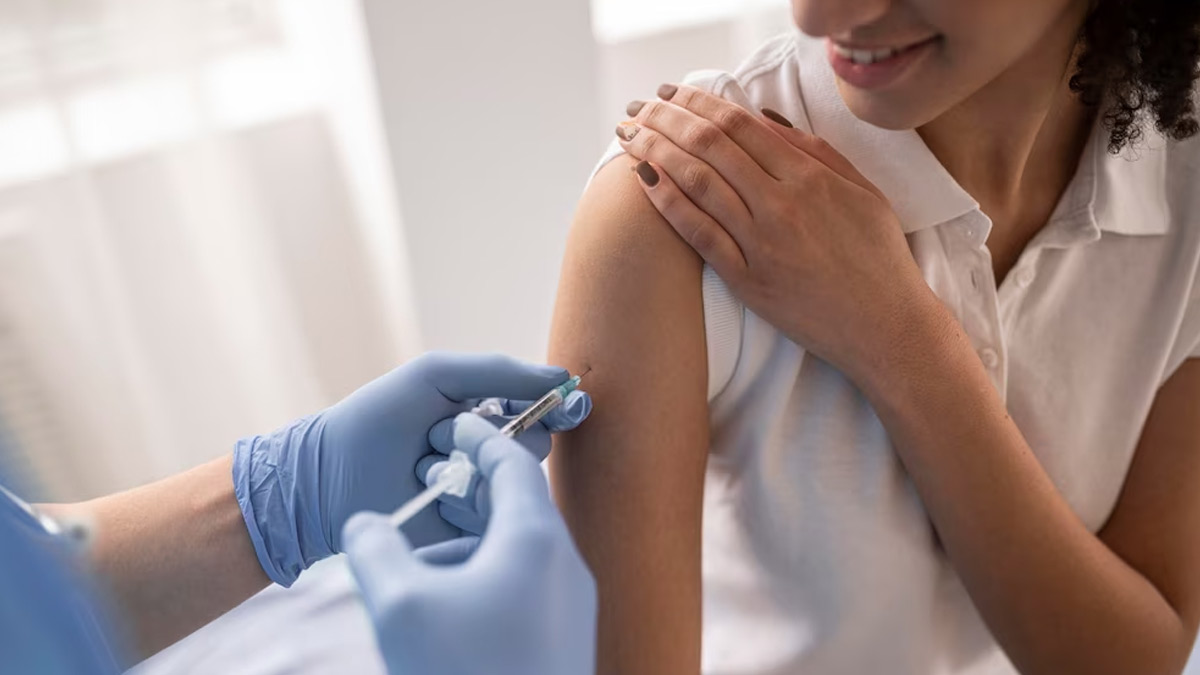
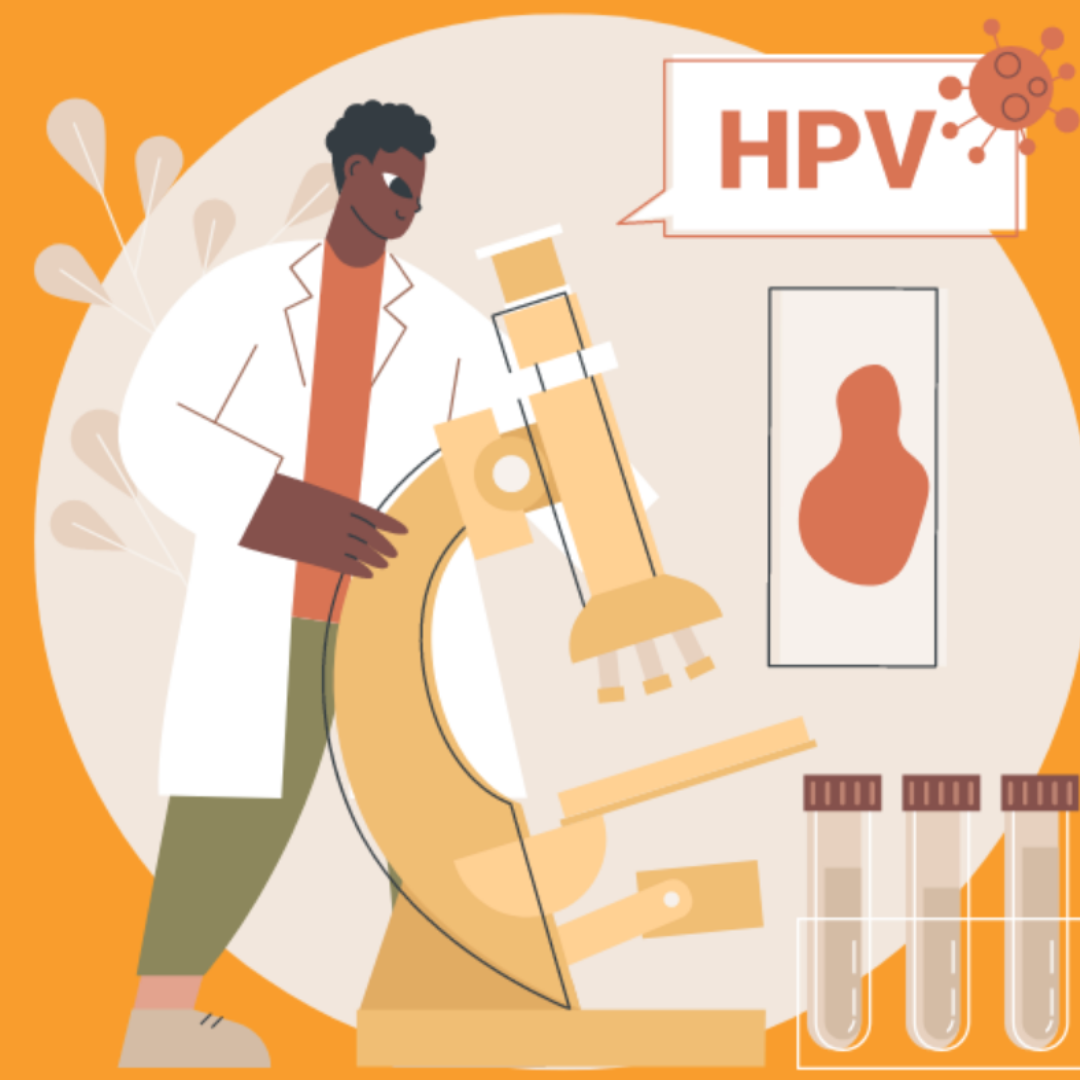
HPV vaccine credited for declining cervical precancer rates
Fewer precancerous lesions are being found in young women undergoing cervical cancer screenings thanks to the human papillomavirus (HPV) vaccine.
Rates of precancerous lesions in women between the ages of 20 and 24 dropped by roughly 80 percent from 2008 to 2022, according to data published by the Centers for Disease Control and Prevention’s (CDC) Morbidity and Mortality Weekly Report.
About 10,800 cases of cervical cancer occur in the U.S. every year with most of them stemming from an infection from the human papillomavirus.
The first ever HPV vaccine — Gardasil — was put on the market in 2006. Increasing vaccination rates have since worked to steadily knock down cases of the disease along with increased screening efforts.
“Observed declines in cervical precancers are consistent with HPV vaccination impact and support Advisory Committee on Immunization Practices recommendations to vaccinate children against HPV at age 11–12 years with catch-up through age 26 years,” the CDC report reads
| | |
|
Some Types of HPV may affect men’s fertility new study suggests
The high-risk strains of human papillomavirus that are linked to cancer appear to also pose a threat to sperm quality.
Scientists have long considered that the world’s most common sexually transmitted infection, human papillomavirus, or HPV, may be a driver of infertility.
Most research about HPV’s potential impact on fertility has focused on women. But in recent years, researchers have increasingly expanded their focus to include the infection’s association with male fertility.
A new study from Argentinian researchers has found that the strains of HPV considered high risk because of their links to cancer were not only more common than low-risk strains in a small study population of men, they also appeared to pose a greater threat to sperm quality.
The study, published Friday in Frontiers in Cellular and Infection Microbiology, found that high-risk HPV appears to suppress key components of the immune system in the male genital tract. This could hamper the body’s ability to clear HPV, a process that typically takes about six months to a year after infection, while raising the risk of other infections that may also compromise male fertility.
| | |
|
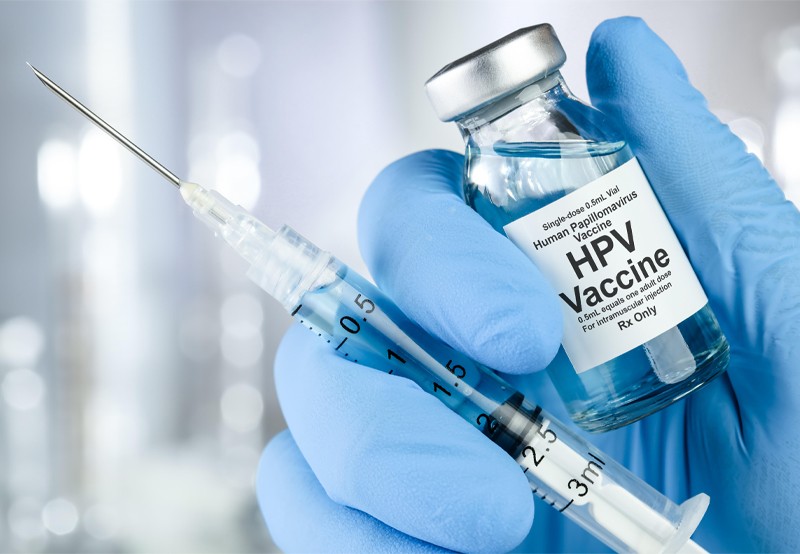
The Ideal Age to Get The HPV Vaccine
The human papillomavirus (HPV) vaccine has become an essential part of basic preventive healthcare for preteens, teenagers, and young adults. It prevents against nine strains of HPV, a virus that can be transmitted through sexual contact of all types, including vaginal, oral, and anal sex.
HPV can cause genital warts and, in some people, cervical, throat, anal, or other cancers.
Two major public health bodies—the Centers for Disease Control and Prevention (CDC) and the American Cancer Society (ACS)—offer specific recommendations for those who are 9 to 26 and those who are 27 to 45.
This article discusses the ideal age to get the HPV vaccine, as well as the HPV vaccination recommendations for adults who have not yet been vaccinated.
| |
|
This newsletter was developed (in part) with federal funds from the Office of Population Affairs. For more information on the rules and regulations that apply to our programs, please visit
https://opa.hhs.gov/grant-programs/title-x-service-grants
This project is supported by the Office of Population Affairs (OPA) and the Office of the Assistant Secretary of Health (OASH) of the U.X. Department of Health and Human Services (HHS) as part of a financial assistance award 1 FPHPA 006541-0-00 totaling $978,380 with 100 percent funded by OPA/OASH/HHS. The contents are those of the author and do not necessarily represent the official views of, nor an endorsement, by OPA/OASH/HHS or the U.X. Government.
| |
WYOMING HEALTH COUNCIL
111 S. Durbin, Suite 200
Casper, WY 82601
Call Us: (307) 439-2033
| | | | | |