In this issue:
- Markets Column by Ashley Memory
-
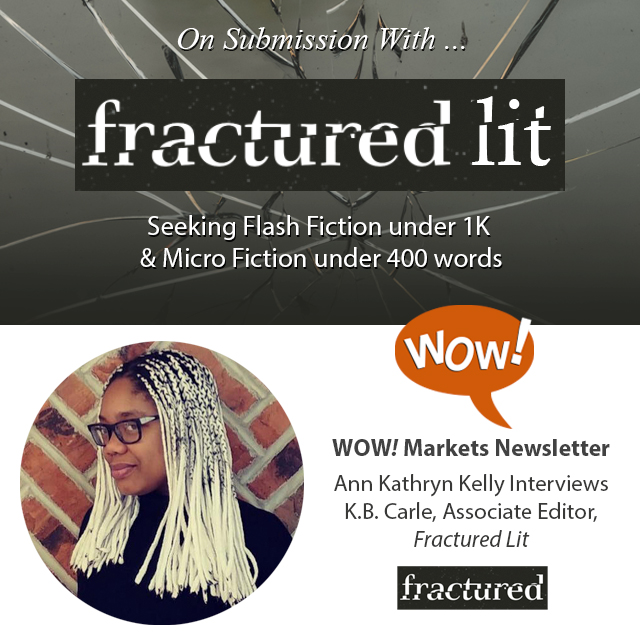
On Submission with... Fractured Lit: Interview with editor K.B. Carle by Ann Kathryn Kelly
- March Deadlines: Poetry, Fiction, Nonfiction, Multigenre
- Success Stories from the WOW community!
|
|
With the season of shamrocks and St. Patrick’s Day, it’s only natural that we wish a little luck would come our way when submitting our writing for publication. Sometimes it does, but you can’t depend on luck alone.
Our WOW community knows the importance of perseverance better than anyone, so I won’t bother quoting all those business titans who tell us just to “work harder” and “never let 'em see you sweat.” We won’t mention any names, but I’d bet my last dollar that many of them had more luck than most along the way.
|
|
Instead of luck and toil, we’re going to concentrate on pluck, which is defined as “spirited and determined courage.” And when it comes to submitting, pluck is all about knowing what NOT to do when submitting.
Five Things You Should Never Do
1. Take a decline personally. That’s right. Just because an editor passes on one piece of your work, it’s never a rejection of you personally. If it’s a contest that’s being judged blindly, the judges don’t even know who you are! And editors’ tastes are so subjective and likely affected by things you can’t possibly know so there’s no point losing sleep over a decline.
2. Circulate just one piece. If you’re new to the world of submitting, the worst thing you can do is write and submit just one story, essay or poem, even if you’re submitting simultaneously. Do your ego a favor and try to circulate multiple pieces at multiple places at a time. Write three, submit three. Keep your work in constant motion, and keep writing more.
3. Submit to a publication you’ve never read before. This is generally always a mistake. Because of the subjective nature of submission decisions, you should always be aware of the type of work a magazine publishes. If a poetry magazine says they want only rhyming poems written in iambic pentameter, they mean it.
4. Fail to submit again to a publication that published you before. When you earn your first submission to a magazine or other publication, this can be the beginning of a lifelong relationship. Continue to submit to other places, but try to save a little something for your first fan once in a while. After all, they already “get” you. A good friend of mine submitted a short story to a publication across the country for years, and they nearly always accepted it. Eventually, they flew her out there for a conference, paid her an honorarium to speak, and treated her like a queen for a whole week. She also got a book of stories out of it.
5. Give up. Don’t submit only once, receive a “decline,” and never submit again. Don’t give up. There are literally thousands of magazines, lit mags, blogs, anthologies, and websites seeking submissions, and chances are great that the editors are just waiting to read a piece like yours. With every decline, chances are good that there’s an acceptance somewhere, just waiting in the wings.
Join us at the end of the markets for the one thing you SHOULD do. The secret that the pluckiest writers already know. And as you scroll along, make a list of all the markets that bring out the pluck in you.
|
Ashley Memory
For a forkful of the literary life, follow Ashley's blog, Cherries and Chekhov, or find her on Twitter @memoryashley. |
Giveaway: Save the Cat! Cracking the Beat Sheet Course
|
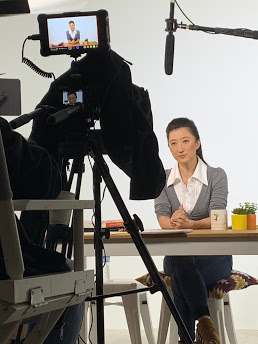
The Cracking Your Beat Sheet course is designed for writers to turn their idea into a movie or novel. This learn-at-your-own-pace online class helps you develop the 15 key “beats” or “plot points” of your story. Strung together, in the right order, these 15 beats make up the blueprint to a successful screenplay or novel. |
You'll turn an idea into a story by learning to:
- Create a solid beat sheet that will serve as the blueprint, road map, and “backbone” of your story
- Identify and know the key components of your story genre
- Learn the clichés of your genre so that you can break them like an artist
- Plot your hero’s “transformation”
- Troubleshoot your story idea for viability
- Write a compelling logline or elevator pitch
- Develop a title to your story that anyone can visualize
|
This course includes over 3 hours and 17 minutes of original video production, 9 downloadable worksheets, 3 reading assignments (book not included), 4 homework assignments.
Led by award-winning writer Jennifer Zhang.
($59 value.)
|
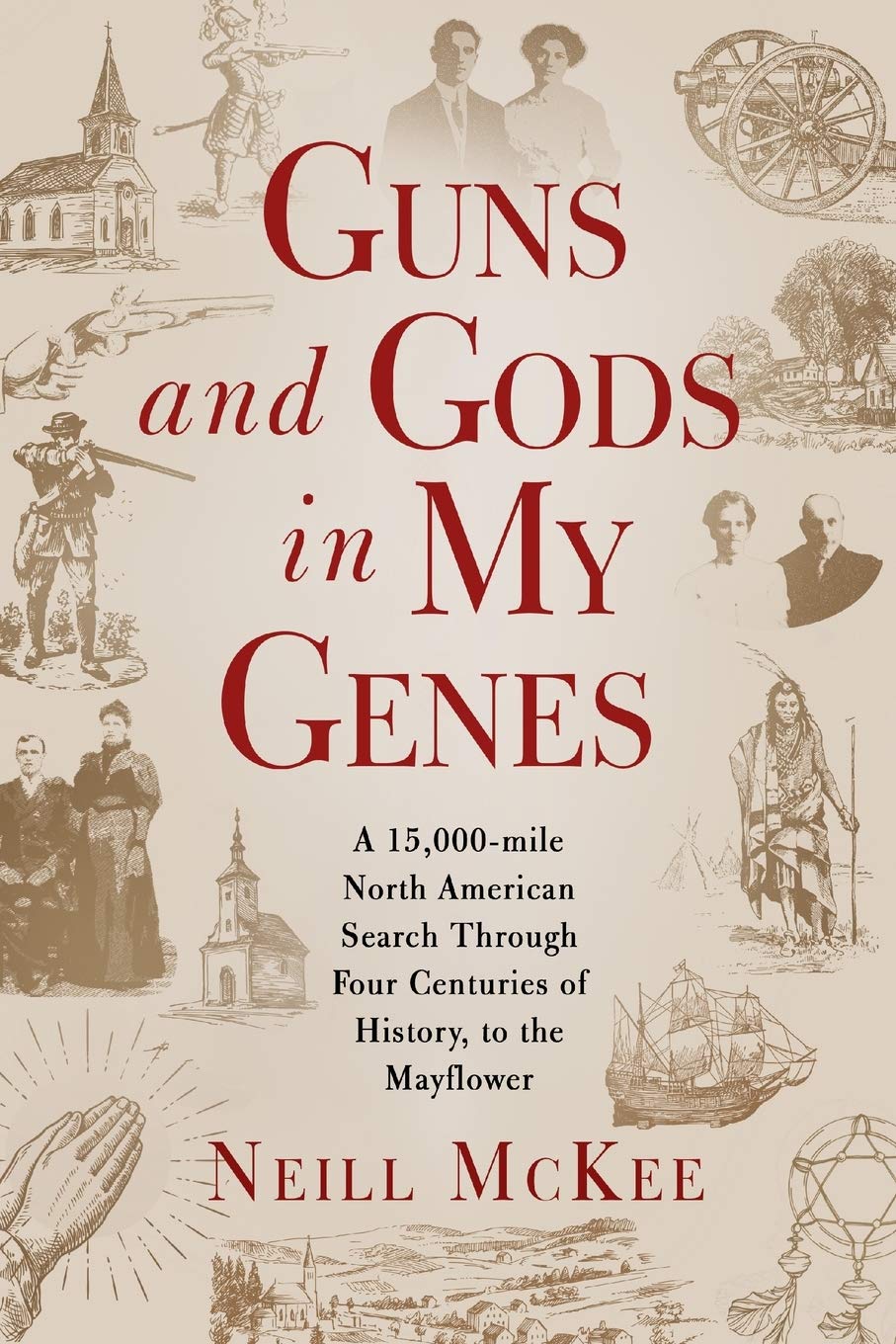
Giveaway: Guns and Gods in My Genes (memoir)
|
Neill McKee, author of the award-winning travel memoir Finding Myself in Borneo, takes the reader through 400 years and 15,000 miles of an on-the-road adventure, discovering stories of his Scots-Irish ancestors in Canada, while uncovering their attitudes towards religion and guns.
|
Become the writer you've always known you could be at one of the top workshops in the world for writers of fantasy, science fiction, and horror
The Odyssey Writing Workshop
Held at Saint Anselm College, Manchester, NH
June 7-July 16, 2021
Only 15 students. The most intense learning experience you'll ever have.
Application deadline: April 1
Six weeks of directed study with Jeanne Cavelos, former senior editor at Bantam Doubleday Dell, bestselling author, and winner of the World Fantasy Award
Guest Lecturers:
David Farland * Gregory Ashe * Meagan Spooner * P. Djéli Clark * Melissa Scott * Sheree Renée Thomas
Virtual Guests:
David Brin * Scott H. Andrews
Become the writer you've always known you could be!
|
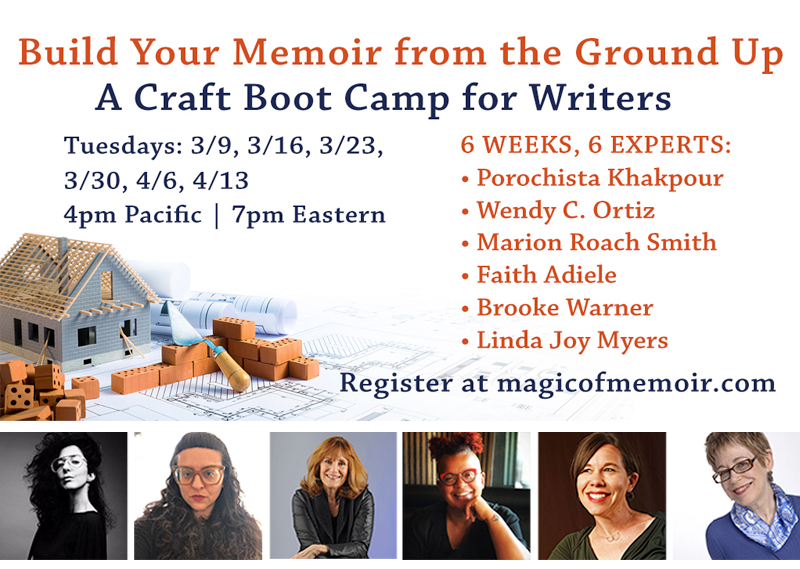
Boot Camp for Memoir Writers |
If there’s one thing that’s lacking in the landscape of memoir, it’s straightforward teaching about craft and how to execute your memoir project from the ground up. Six expert memoir teachers will guide you through structure, beginnings, scene and narration, transitions, voice and language and self-expression, and finally reflection and takeaway. Join us for this Zoom class for 6 Tuesdays starting March 9th.
|
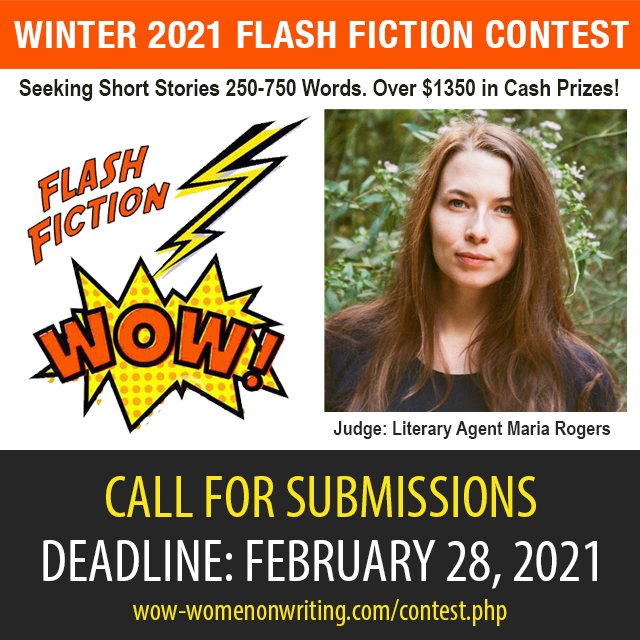
Winter Flash Fiction Contest
Deadline: February 28th
|
Guest Judge: Literary Agent Maria Rogers with The Tobias Literary Agency
Do you have a flash fiction story between 250 - 750 words ready to submit? Our Winter 2021 Flash Fiction Contest is seeking submissions! There are 20 winners and over $1,350 in cash prizes, plus Amazon gift cards. You can write about anything as long as it's fiction. Enter by 11:59 pm PST, 2/28.
|
|
Editors Seeking Pitches
Epic
Epic magazine publishes extraordinary true stories that tap into the thrill of being alive. Their deputy editor is always accepting pitches for longform, narrative, reported pieces. Most of their stories are at least 5,000 to 6,000 words. They generally pay $1 to $2 per word. Send your pitches to editor Gina Mei at gina@epicmagazine.com.
Wine Enthusiast Magazine
Editor Layla Schlack is looking for pitches. “I want pieces that are deeply reported and tap into intersections between wine and culture/science/labor/hospitality. These are NOT trend, service or pandemic pieces. Less about the wine, more about how it’s made and gets into people’s glasses.” She's not seeking pieces that focus on a single business or individual. She prefers pitches on the shorter side. Pay is $1/word for about 1,500 words. Pitches to lschlack@wineenthusiast.net.
Pilgrim Magazine
Pilgrim Magazine is a publication curating colorful and narrative stories that take readers on sensory adventures through words and imagery, be it in their own backyards or across the world. Editor Ali Wunderman is seeking stories focusing on mindful, sustainable travel that supports diverse voices and communities. ‘Pilgrim’ is meant to evoke conscious, sacred movement, rather than reinforcing colonial structures. Pay is $50 - $150. Pitch her at ali@pilgrimmag.com.
Lux
Lux is "a socialist feminist mag for the masses." They are seeking pitches from Black writers on the topics of “youth organizing, mutual aid, climate crisis, speculative design, how cities should be, video games,” and more. Pay is $1 per word for reported features and $0.50 per word for most other things. Pitches to pitches@lux-magazine.com.
Woman and Home
A premier UK-based women’s magazine. They publish articles on home, hair and beauty, fashion, recipes, diet and health and travel. Editor Lauren Hughes is looking for journalists who specialize in homes and interiors. Pitch: lauren.hughes@futurenet.com.
Tom's Guide
Tom’s Guide upgrades your life by helping you decide what tech to buy, showing you how to get the most out of it and solving problems as they arise. Deputy Editor Michael Prospero is looking for someone who can review webcams, microphones, and other office equipment. $400+ per review. Contact him at mike.prospero@futurenet.com.
Washington Family Magazine
A go-to resource for D.C. area parents. They are seeking writers who are interested in covering parenting topics. Familiarity with the DC metro will be a plus. Pay will be $75 to $125. Pitches and portfolio links sent to editor PJ Feinstein: pfeinstein@midatlanticmedia.com.
Task & Purpose
A website that provides “news, culture, and analysis by and for the military community.” They are looking for gear and tech writers for their Reviews section. Pay is $1,500 to $2,000 per month for 10 to 15 buying guides and occasionally informational content guides. Contact Deputy Editor Jared Keller at jared@taskandpurpose.com.
Undark Podcast
Undark is looking for accomplished audio journalists to pitch story ideas for The Undark Podcast, their monthly exploration of topics at the intersection of science and society. Pay is $3,000 for a 25-minute story, including a short scripted conversation with the host. Pitch.
Lady Science
A monthly magazine about “women and gender in the history and popular culture of science, technology, and medicine.” They are accepting pitches for features. They want thoroughly researched historical pieces that are written for a general audience. Pay $150/piece. Pitch: sarah@ladyscience.com
i-D
Contributing editor Douglas Greenwood is looking for pitches from “a wide range of relevant voices, but particularly those who don’t get a bigger chance in major/tabloid media.” He's interested in "'low brow'" pop culture takes w/ strong tension and multiple voices, anniversary pieces and oral histories of iconique albums + movies with a singular angle, anything setting TikTok on fire.” Pay is £150 - £200. Pitches to editor@frowning.us.
The Breakdown
An online health magazine that aims to tell the real and raw stories from people who’ve experienced mental illness – in any way, shape or form. Editor Hattie Gladwell is seeking home + interiors pitches (with a mental health + wellbeing theme). They want personal essays, features, listicles, explainers, and how-to guides. They will pay £80 for 700 words. Pitches should be sent to hattie@the-breakdown.co.uk or pitches@the-breakdown.co.uk with "Pitch" in the headline.
Borderless
Borderless Magazine is looking for immigration-related stories with a Midwestern connection! We especially encourage people from immigrant communities to pitch! Pay for reported stories starts at $250 and increases depending on a reporter’s experience and the type of story. Pitches to pitch@borderlessmag.org with the subject line “Story Pitch.”
Yellow Eve
Yellow Eve is a digital magazine that provides millennial career women with the knowledge and tools to progress in the way they want to. Pay is negotiated for journalists. Check out their media kit, then submit your article here.
Passion Passport
A community-based travel website that features personal travel stories, travel guides, city guides, how-to guides, Instagrammer’s guides, and more. They are always accepting story pitches. Pay is $75 for 500-800 words. Pieces over 1,000 words are negotiated based on experience and whether they have photos or not. Submit here.
Vox
Vox is seeking personal narratives for their “First Person” section. They are seeking “provocative personal narratives that explain the most important topics in modern life.” Pay is negotiated, though reported at $500 per essay. They accept submissions from all writers, including “previously unpublished writers.” See guidelines link above and pitch firstperson@vox.com.
She Knows
Empowers women through discussions and articles related to women’s issues including health, relationships, sex, parenting, and beauty. They are open for pitches to their entertainment vertical. They are interested in movies, TV, books, music, pop culture, royal family, and celebrity life. They typically pay $100 for such features. Send pitches to editor Louisa Ballhaus with "pitch" in the subject line: lballhaus@shemedia.com. |
|
On Submission With ... Fractured Lit
|
|
By Ann Kathryn Kelly
Our guest journal this month is garnering attention in the literary community, particularly on Twitter, when it comes to all things flash and micro fiction. As a CNF writer and memoirist, I don’t dip my toes (or pen) into fiction waters, but I read so many wonderful examples on Twitter where the fiction community thrives. This journal consistently puts out some of the best of what’s out there today in flash and micro fiction. And, its Associate Editor is busy racking up her own impressive list of flash fiction publications. Please give a warm welcome to K.B. Carle, Associate Editor for Fractured Lit!
Before diving into our Q&A, let’s take a look at the journal’s mission statement:
We want to find Flash with emotional resonance and characters we care about, who come to life through their actions and responses to the world around them. We’re searching for Flash that investigates the mysteries of being human, the sorrow and the joy of connecting to the diverse population around us.
Fractured Lit publishes flash and micro fiction year-round and they do not charge submission fees. Great news! They also pay—$50 per piece for micro, and $75 per flash! Fractured Lit is seeking micro fiction that is 400 or fewer words, and flash fiction between 401 and 1,000 words. See their submissions page for more details.
|
|
WOW: Thanks for chatting with us, K.B.! Let’s start with how long you’ve been an Associate Editor with Fractured Lit, and what led you to the journal?
K.B.: Thank you for having me! I’ve had the pleasure of being an Associate Editor with Fractured Lit for almost a year. Our Editor-in-Chief, Tommy Dean, contacted me with this great opportunity to assist him in building an online literary magazine. Fractured Lit is an offshoot from CRAFT, and we specialize in publishing flash fiction that “lingers long after the flash.” I knew immediately that I wanted to help Tommy any way I could, and here we are today!
WOW: We always like to share with our readers how journals differentiate themselves. I see where Fractured Lit brands itself on the website: “Welcome to the future of flash.” Can you elaborate on what this means? And, what do you think sets Fractured Lit apart from other journals publishing flash and micros?
K.B.: When reading for Fractured Lit, I’m always on the hunt for writers who don’t shy away from experimentation. Whether they are playing with form or content within the piece, I want to read stories that resonate deep within my bones for days but also delve into a story’s narrative from a different angle. In looking for these new, inventive ways to write and tell a story, we are seeking the future of flash, venturing into unexplored territory and sharing our discoveries with the writing community.
This is also what sets us apart from other journals publishing flash and micro. Oftentimes, writers hear the term “experimental” and believe the structure of the story must shift drastically in order to fit that category, which is not always the case. For example, if you have a story about a break-up, don’t rely on structure to carry the narrative if the story and emotional resonance is not there. If you have these two ingredients and the story wants to present itself in a series of telegrams, great! If your story wishes to be written in paragraph form, that’s wonderful. Just leave the editors and readers at Fractured Lit with something unique to remember, whether that be your character breaking up with a refrigerator or perhaps told from a mouse’s point of view, where its scavenging is interrupted as the couple constantly bickers.
WOW: I love it! Now I want to write from a mouse’s point of view! I see where Fractured Lit reads submissions year-round. Can you give us a snapshot of a typical week? Approximately how many subs come in on a weekly basis? How is the team structured, and what’s your editorial process like? Do you all have spirited debates?
K.B.: Our EIC, Tommy, divides the submissions among our readers. My typical week for Fractured Lit usually revolves around the readers and also depends on if we’re running a contest. When Fractured Lit first opened its doors, the flash fiction community welcomed us with open arms. The embrace quickly overwhelmed our submission queue, which led to many wonderful readers coming on board! We’re now fortunate to have groups of readers who are assigned different submissions. Some read from our regular submission queue, while others read for our contests. Presently, I tend to work more with contest submissions but I’ll also read submissions that readers mark as needing a second or third opinion.
Though we may not accept every story we receive, all of us at Fractured Lit are writers. If we see that a story has a lot of potential, we’re willing to work with the writer to polish it. There is a lot of back-and-forth between Tommy, Amy Barnes (another Associate Editor at Fractured Lit), and me regarding what strikes us about a story, possible edits, as well as how the readers responded. All of this factors into the final decision.
WOW: What gives you joy as an editor? On the flip side, can you share a challenge?
K.B.: What I enjoy most about being an editor is reading. I love learning about the new ways a writer approaches a topic. If this isn’t a writer’s first time submitting to Fractured Lit, I enjoy reading their latest submission, which will often be very different from the previous one as the writer tries out different narrative styles to determine which approach our editors most enjoy.
The most challenging aspect for me, and I believe most editors will agree, is the rejection process. Sometimes a piece isn’t ready for publication. The plot might be there, but the characters aren’t fully developed. The dialogue may interrupt the narrative’s pacing, or the beginning leaves the impression that the writer is still trying to find their way into the story. Sometimes, it ends too abruptly. We also receive pieces that aren’t self-contained, something that is challenging to accomplish when writing flash or micro. If a piece reads like a vignette from a short story, even if it’s well-written, we have to pass.
WOW: Fractured Lit is all about flash and micro fiction, so what in particular do you look for besides brevity? What makes a flash or micro stand out for you? Any concrete advice to give our readers on what to include to make it sing?
K.B.: I touched on this briefly, but what I’m really looking for is a self-contained story in 1,000 words or less that resonates in my bones and doesn’t shy away from experimentation. Now, experimenation doesn’t have to apply solely to structure and that’s what I enjoy most about reading for Fractured Lit’s contests. I’ve recently been reading submissions for our contest around ghosts, fables, and fractured fairy tales. I’m excited to see how writers reimagine fables and provide us with new definitions of a fairy tale, and how a ghost in a writer’s ghost story is uniquely theirs.
My advice on what to include in a flash or micro is to add a piece of yourself to the story. Even in fiction, writers leave breadcrumbs of themselves or their experiences. This is what makes their stories unique and makes it sing.
WOW: Your contest around ghosts, fables, and fractured fairy tales sounds so cool! I see on your site that it closed on February 15. The first-place cash prize of $3,000 is amazing! When will you announce winners?
K.B.: We’re thrilled by the number of submissions that flooded our queue! We hope to announce the longlist within eight to ten weeks after the contest’s closing deadline. The shortlist will be announced two weeks after the longlist, and we’ll announce the winners another two weeks after that.
WOW: I can’t wait to read the winning stories on Twitter! So, staying with the theme of fables and fairy tales, what makes “flash fable” so compelling? What do writers need to keep in mind to tick all the boxes and capture the essence of fable writing?
K.B.: What makes a flash fable so compelling is the writer’s ability to depict the overall moral in just 1,000 words or less! I’m really hoping to see some spectacular reimagined fables in our queue. When writers set out to write a flash fable, they should always ask themselves what moral are they trying to capture, are the personified animals enhancing or hindering the plot, and what makes this fable uniquely theirs as the writer?
|
|
“My advice on what to include in a flash or micro is to add a piece of yourself to the story. Even in fiction, writers leave breadcrumbs of themselves or their experiences. This is what makes their stories unique and makes it sing.”
~ K.B. Carle, Associate Editor, Fractured Lit
|
|
WOW: Are fables and fairy tales the same thing? If they aren’t, what’s the difference? And, how does one write a “fractured” fairy tale, like for your contest that just wrapped up? Does fractured equate to brevity?
K.B.: I asked myself this same question when writing my recommended reading lists for Fractured Lit that highlight Fairy Tales and Fables! What sets a fairy tale apart from a fable? Also, is it possible to have a fairy tale within a fable? A “faible”?
Here’s how I define the two: a fairy tale incorporates some element of magic. We have the dark forest that oftentimes houses a witch. We have fairies assisting royalty, or whimsical circumstances that reach beyond reality, such as the scenario in “The Princess and the Pea.” A fable, however, contains a lesson that’s clear to at least one of the characters or to the reader. A moral that isn’t stated at the end of the flash, at least not anymore. I’d love to read a piece that’s willing to explore this possibility.
I’m also hoping to read stories that cross genres. A fairy tale with a moral at the end, or a forgotten faible of the Keebler Elves named Tortoise and Hare. That’s how one can look at a “fractured” piece of writing. You don’t need to think of the word fractured based on what’s on the page, though you’re welcome to write and submit a fractured/mosaic/vignette/collage flash, with all the pieces coming together to form a complete story. I like to think of fractured in terms of the story’s creation. For example, when we look at shattered glass we see different pieces capturing a different part of our reflection.
In terms of the contest we just concluded, a writer may gaze upon the shattered glass and see the lost eighth dwarf. Another may see a group of wolves discussing their need to wear wool or a nightgown. A writer may see Frog and Toad, while another may see the Door Mouse. We all see, generate, and write stories differently. So, the word fractured does not equate to brevity, but rather how a writer approaches a piece in comparison to how someone else might when given the same materials to work with.
WOW: This is fascinating, K.B.! I just love your concrete examples of fables versus fairy tales, what makes a “faible” (great new word!), and what is meant by the word fractured in relationship to flash writing. So, what do you most enjoy about flash and micro? Do you have a favorite?
K.B.: What I enjoy most about both flash and micro is the freedom to play with form! I also love seeing what moment writers select to zoom in on, and why. What is it about this moment the writer hopes will remain with readers?
As for favorites, I love them equally. And if it’s not already clear, I love flash and micro that crosses genres and plays with structure. I love writers who describe everyday occurrences from a new perspective and invent new ways of storytelling.
WOW: What’s Fractured Lit’s acceptance rate, by the way? What can our readers expect for an average response time?
K.B.: According to Duotrope, we have an acceptance rate of 1.63 percent, which isn’t what it feels like from behind the Submittable curtain, by the way. We try to get a response to your inbox within three months. However, that is our max allotted time for consideration. We often respond to submissions much sooner.
|
|
“I like to think of ‘fractured’ in terms of the story’s creation. We all see, generate, and write stories differently. So, [it] does not equate to brevity, but rather how a writer approaches a piece in comparison to how someone else might when given the same materials to work with.”
~ K.B. Carle, Associate Editor, Fractured Lit
|
|
WOW: At WOW, we love to promote other writers. What flash and micro pieces from Fractured Lit have stayed with you, and why? We’d love to read them, so please share links!
K.B.: The following five pieces published in Fractured Lit have stayed with me because the writers challenged the common practices of storytelling. These are the stories that settled within me, the ones I continue to think about throughout the day, and left my emotions shattered on the floor which, if you know me, is the highest compliment.
WOW: K.B., these examples. My heart is thumping after reading Van Thaxten’s piece. I love stories written in one sentence, and this one is masterful and absolutely terrifying. And the three micro pieces from Melissa Bowers … wow. OK, turning the tables, from the journal to you personally. Tell us about your first publication. The thrill of it.
K.B.: When I received that first acceptance letter for my story Gone Fishing, I was thrilled! This story was inspired by my mother’s relationship with her father. It’s a short story I wrote during my first workshop on my journey to earning an MFA from Spalding University’s Low-Residency MFA program. I screamed with joy and couldn’t stop smiling. To think, an editor wanted to publish my story!
WOW: Since we touched on flash fable earlier, I came across one of your published pieces, This Is a Story About a Fox, that I want our readers to see. Can you tell us about your inspiration, and how you approached it?
K.B.: First, foxes are my favorite animal and I’ve always wanted to incorporate one into a story. I was enrolled in SmokeLong Quarterly' s flash fiction workshop and the teacher for the week, Michael Czyzniejewski, asked us to play with imagery. I knew I wanted to write a story about identity but would have never guessed that this story would end up as a fable. I approached the story as I do with many of my other pieces: I selected my cast of characters, decided how Bunny would see herself, and let my creativity flow onto the page.
WOW: I noticed on Twitter that you’re also a fiction editor with FlashBack Fiction, which publishes historical flash fiction, prose poetry, and hybrid work. Sounds cool! I love anything old—I live in a Victorian filled with antiques, “and” I just started experimenting with prose poetry—so I’m adding this journal to my wish list! How long have you been with them, and what do you love about what the journal publishes?
K.B.: I’ve been with the lovely ladies of FlashBack Fiction for a little over two years now! What I love about working with them are reading how our submitters capture history within 500 words! Some focus on one moment, others imagine a “what-if” scenario for a historical figure, and others really focus on the emotions tied to a moment in history. I’m particularly drawn to the stories that capture the emotional impact of a historical event, characters finding ways to survive events we hear about through documentaries or within the pages of a textbook.
WOW: A final question: Netflix or Amazon Prime? Why?
K.B.: Ah! Oh no, I don’t know! I do love HBO Max. I recently binge-watched, The Bee Gees: How Can You Mend a Broken Heart and I May Destroy You (CW: sexual assault) while recovering from a cold. I loved both! I’m also looking forward to watching Let Them Talk, Black Art: In the Absence of Light and new episodes of Snowpiercer.
But, I’m a child at heart and love cartoons. HBO Max has Adventure Time, Infinity Train, Close Enough, and my absolute favorite, Courage the Cowardly Dog!
|
|
My thanks to K.B. Carle, Associate Editor with Fractured Lit, for chatting with me. OK, scribes, it’s your turn now. Want to try writing a fable or fairy tale? Have you tightened and retightened a fiction piece down to its core, and it’s under 1,000 words? Submit your flash (or, if you’re feeling even less wordy, your micro under 400 words) to K.B. and her team!
Until next time!
|
|
|
|
Ann Kathryn Kelly lives and writes in New Hampshire’s Seacoast region. She’s an editor with Barren Magazine, a columnist with WOW! Women on Writing, and she works in the technology sector. Ann leads writing workshops for a nonprofit that offers therapeutic arts programming to people living with brain injury. Her essays have appeared in a number of literary journals. https://annkkelly.com/
|
|
Poetry Online Launch Prize - $1,000 for 1 Poem
Deadline: February 28
Gyroscope Review: Theme of “Place”
Deadline: March 1
“With the Spring 2021 Issue, Gyroscope Review celebrates its 6th Anniversary. In honor of that, and the tumultuous year we had in 2020, including lockdowns and stay at home orders, we are calling for poems that speak of place. Write about your state, your city, your street, the apartment building you live in, the bodega on the corner. We haven't been vacationing the past year, what can you tell us about your place that takes us there? I want to travel through your poems and get a glimpse of your little corner of the world. The issue will be taking regular submissions alongside “Place” submissions, but we hope you'll consider taking a shot at the theme.” No fee. https://manager.submittable.com/opportunities/opportunity/182949
North Dakota State University: Annual Poetry of the Plains and Prairies Chapbook Publication
Deadline: March 17
“Authors may submit any number of poems equaling thirty to thirty-five pages in length, with no more than one poem per page. (Single poems may extend more than one page.) The selected poetry collection will be published as a limited edition chapbook, hand-printed with antique letterpress equipment.” No fee.
Pittsburgh Poetry Journal
Deadline: March 21
We welcome submissions from around the world. No biographical connection to Pittsburgh or western Pennsylvania is required. Please send us up to 3 previously unpublished pieces of work in a single submission, not exceeding 7 pages total. We allow simultaneous submissions, but please inform us immediately if your work has been accepted elsewhere. Please send only one submission per issue/reading period. Fee: $3
Wergle Flomp Humor Poetry Contest
Deadline: April 1
“Our 20th annual humor poetry contest welcomes your entry now. There's no fee to enter. The final judge is Jendi Reiter, assisted by Lauren Singer Ledoux. We'll award $3,500 in prizes, including a top prize of $2,000 and a second prize of $500, both double last year's amounts. Winners are published on our website.” This contest welcomes published and unpublished poems up to 250 lines.
Lascaux Prize in Poetry
Deadline: April 1
“Poems may be previously published or unpublished, and simultaneous submissions are accepted. Winner receives $1,000 and a bronze medallion. Finalists receive $100. Winner and finalists are published in both the online and annual print editions of The Lascaux Review. Two copies of the journal will be supplied to every poet appearing in it. Poets may enter more than once, and as many as five poems may be submitted per entry (all pasted into one document). There are no length restrictions. All genres and styles are welcome.” Fee: $15.
|
|
Infinite Worlds
No deadline
“We are interested in printing new, unpublished science fiction stories between 1,500–5,000 words in length. Writers may be asked to edit their work. We pay $100 for each story and we’ll send you a free copy of the issue that includes it.” No fee.
The Gutsy Great Novelist Chapter One Prize 2021
Deadline: March 1
“The Chapter One Prize is awarded for an outstanding first chapter of an unpublished novel. First prize is $1,000; 2nd is $500; and 3rd is $250. The prize is open to anyone over 18 writing a novel in English in any genre for adult or YA readers. Please submit only the complete first chapter of your unpublished novel-in-progress. Please do not include title pages, epigraphs, dedications, prologues, introductions or any other opening pages—submit only your complete first chapter. There is no page limit or word count limit. Your name should not appear anywhere on your pages or in the name of your document.” Fee: $20
Alice Munro Festival of the Short Story: Adult Contest (19+)
Deadline: March 14
“The Alice Munro Short Story competition, now in its 16th year, is an opportunity for writers to explore the short story, a literary art form made popular by 2013 Nobel Laureate Alice Munro. The winning entry will be the Canadian work of up to 2,500 words in the English language, fiction, written by an author not yet published in book format. Winners will be announced at the 2020 festival with simultaneous social and print media release. First prize for Adult submissions is $1,500, 2 additional prizes of $500 being awarded.” Fee: $25.
James Jones First Novel Fellowship
Deadline: March 15
“The 30th Annual James Jones First Novel Fellowship will be awarded to an American author of a first novel-in-progress, in 2021, by the James Jones Literary Society. The award is intended to honor the spirit of unblinking honesty, determination, and insight into modern culture exemplified by the late James Jones, author of From Here to Eternity and other prose narratives of distinction. Jones himself was the recipient of aid from many supporters as a young writer and his family, friends, and admirers have established this award of $10,000 to continue the tradition in his name. Two runners up awards of $1,000 each may be given by the Jones Literary Society. All selections are at the discretion of the judges.” Fee: $33. https://jamesjones.submittable.com/submit/111731/james-jones-fellowship-contest-2021
Colorado Review: Nelligan Prize for Short Fiction
Deadline: March 19
“$2,000 will be awarded for the best short story, which will be published in the fall/winter 2021 issue of Colorado Review. There are no theme restrictions, but stories should be at least 10 pages and under 50 pages.” Manuscripts should be double-spaced, 12-point type, and one-inch margins. Your name, address, phone number, and e-mail address should be entered in the cover letter field, separate from your story. Be sure your name is NOT anywhere in the story itself. Fee: $17
The London Magazine Short Story Prize 2021
Deadline: March 31
“The London Magazine has published short stories by some of the most well-respected literary figures over the course of long history, from Jean Rhys to Raymond Carver and V. S. Pritchett. Our annual Short Story Competition seeks out new voices to join them. The London Magazine is taking submissions for previously unpublished short stories that do not exceed the maximum of 2,500 words, from writers across the world.” Fee: £10
Fiction Southeast: 2020 Ernest Hemingway Flash Fiction Prize
Deadline: March 31
“Entries for the Fiction Southeast Editors' Prize should be approximately 1,500 words or less. Submissions should be unpublished and in .rtf, .doc, or .pdf format. Feel free to submit multiple stories, but please DO NOT submit multiple Word documents as one submission or one text document containing multiple stories.” Winner – $200 and publication in Fiction Southeast; Runners-up – publication in Fiction Southeast. Fee: $10
Goodman Publications: Tales from the Magician’s Skull
Deadline: April 1
Seeking sword-and-sorcery, heroic fiction, sword-and-soul, swashbucklers, and the lie up to 10,000 words. Tales of adventure shot through with elements of horror and magic. “Give us interesting people doing interesting things for interesting reasons in fascinating places.” Stories have to be PG-13. No fee. Pays $.04 per word.
|
|
Hindsight
Deadline: Rolling
“Hindsight seeks a collection of stories about 2020, written by people just like you. We’re seeking nonfiction stories up to 2,000 words from around the world that capture what it was like to wake up every day to a new normal — whether that means navigating emergencies as a first responder or tying the knot over Zoom. We're particularly interested in material that gets up close and personal with the struggles of 2020, rather than headlines or commentary on current events. Hindsight is an independent, one-time publication. Content will be made available in two forms: Some stories will be shared on our website; the very best submissions will be compiled into a print anthology, which will be published in 2021.” No fee.
Wanderlust: A Travel Journal
Deadline: February 28
“#Travel. #Photos. #Postcards. Look through your photos and pick just one that captures a magical moment, the essence of a place or interaction. Give us a few words as if you were sending a postcard to a friend. Submissions are seen blind so add a title to the photo. In your cover letter, use the same title. We'll post with your name, and social media links. Please include a list of 5 to 10 tag words, and a list of 2 or 3 SEO keywords as part of their submission”. Fee: $5.
Appalachia Journal: Annual Waterman Fund Wilderness-Themed Essay Contest for Emerging Writers
Deadline: March 2
“In 2020 a once-in-a-century global pandemic affected almost all aspects of life, forcing us to change how we relate to the world and to one another. In this historical moment, in what ways has your connection to the natural world changed–and in what ways has it remained the same? Essays will be accepted from emerging writers through March 2, 2021; the winner will be awarded $1,500; the runner-up, $500. Both will be published online and in Appalachia. Essay winners will be selected and announced by mid-summer 2021.” No fee.
The Writer: 2021 Essay Contest
Deadline: March 10
“Submit your best essay in 2,000 words or less. Any topic or subject is fair game as long as your submission is a work of nonfiction. Grand prize: $1,000 and publication in our magazine.” Fee: $25.
|
|
Wordrunner eChapbooks Fiction: 2021 Annual Anthology Theme of “Borderline Love”
Deadline: February 28
“For our annual themed anthology, we welcome poetry, fiction and nonfiction about ‘Borderline Love’— love that is ambivalent, dubious, problematic, unrequited, impossible — be it familial, romantic, passionate, merciful, political — tell us about love in all its sometimes painful diversity. Our preference is for emotional complexity. Authors will receive payment: $100 for each fiction collection. Annual anthology: $5 for poems, $15 to $25 for stories and essays.” Poetry: Submit up to 3 poems. Fiction: one short story (up to 5,000 words) or up to three flash fictions (600 to 1,000 words each). Nonfiction: one essay (up to 5,000 words). All should be submitted in a Word doc or docx, RTF or ODT, which includes title/s in the file name (but NOT the author's name). Do not include author name anywhere in the file, as readings are blind. Fee: $3
Black Warrior Review
Deadline: March 1
“We especially strive to magnify voices that are traditionally and systemically silenced. Writers of color, queer and trans writers, disabled writers, immigrant writers, fat writers and femmes: you are welcome and wanted here”. Poetry: Up to 5 poems. Maximum 10 pages. One document. Titles separated by commas in the “Submission Title” field. Query if longer than 10 pages. Fiction and nonfiction: Please send work under 7,000-ish words. One piece at a time. Please include a short cover letter and bio. Fee: $3. “If you are a Black, Indigenous, or incarcerated writer, you may email your submission to blackwarriorreview@gmail.com for no fee.” Fee: $3. https://bwr.submittable.com/submit
Coastal Shelf Contests
Deadline: March 5
Ceiling 200 Contest: Seeking very short fiction or prose poetry under 200 words long. We want all sorts but make them interesting, make them memorable. The ceiling is 200 words, but the story should break through that ceiling in our minds. Give us your icebergs and your sudden prose that pops back into our minds when we’re trying to get to sleep at 3am. Also seeking entries for The FuPo Poetry Contest for “FUnny and POignant” -poems under 60 lines. 1st Place: $250, 2nd Place $100, 3rd Place $50. All submissions are considered for publication in Coastal Shelf (which has a payment of $30 currently). No fee. https://coastalshelf.submittable.com/submit/186672/ceiling-200-contest
Tennessee William Contests for Poetry and Fiction
Deadline: March 7
“In commemorating Tennessee Williams’s 110th Birthday and the 10th Anniversary of the Tennessee Williams Museum, the Key West Art & Historical Society welcome submissions to the Tennessee Williams Poetry Contest and the Tennessee Williams Short Story Contest. Three published authors will judge each contest.” Poetry: 30 lines or less and must not have been written before 2020. Short stories: Between 1,500 to 4,000 words and must not have been written before 2020. Work should reference Tennessee Williams in some way. Award: $400/$200 and publication in each category. Fee: $10. https://www.kwahs.org/education/twbc
Idaho Review
Deadline: March 7
“The Idaho Review remains open to a wide range of possibilities within the literary arts. We welcome both traditional and experimental works of fiction, nonfiction, poetry, drama, novellas, excerpts, and translation. Please submit within your genre below. Our submission period is now open and all submissions will be considered for our 2021 issue.” Poetry: Up to five poems. Prose: short stories, flash fiction (up to 3 pieces under 1,000 words), and essays. Please include a brief cover letter with your submission. Fee: $3.
Burningword Literary Journal
Deadline: March 10
“Burningword Literary Journal is a quarterly international publication of poetry, short fiction, short nonfiction, and photography. The journal is available in print, e-book, and online.” Poetry: Any form or style up to five (5) poems, may be submitted as one file, should run fewer than 10 pages in length, and must be unpublished. Simultaneous submissions are welcomed so long as you withdraw them when accepted elsewhere. Flash fiction and nonfiction: Submissions should aim for a word-count of 300-500 words or less per piece. You may submit up to two (2) pieces per issue, may be submitted as one file, should run fewer than 5 pages in length, and must be unpublished. Simultaneous submissions are welcomed so long as you withdraw them when accepted elsewhere. The submission review process is blind; please remove all instances of your name from your work before uploading it. Your name, along with contact info. and third-person bio should be entered inside the submission form. Fee: $3
The Plentitudes
Deadline: March 10
“The Plentitudes, a quarterly literary journal, is home to captivating stories, essays, and poetry from diverse voices. We believe in the power of narratives to touch the soul, shift the gaze, and offer new perspectives. We are looking for pieces that are well-written, captivating, and from the heart. We especially love writing from new voices and fresh perspectives for the now. LGBTQ and BIPOC writers are particularly encouraged to submit.” Personal Essays: 1,500 - 6,500 words. Short Stories: 1,500 - 6,500 words. Poems: No more than 10 pages and no more than 5 poems, in ONE document. Submissions must be in English. No fee.
Wild Roof Journal
Deadline: March 12
“Wild Roof Journal is an online art & literary publication that will feature work from a wide range of creative people—painters, drawers, photographers, digital artists, writers, poets, and anyone else who is passionate about the creative process and self-expression.” Poetry: 1-6 poems (submit multiple poems in a single file). Fiction: 1-3 pieces of short fiction (approx. 1,000-3,000 words) or flash fiction (under 1,000 words). Nonfiction: 1-3 pieces of creative non-fiction/essay (total length approx. 3,000 words max.) No fee.
Camas: Theme of “Ramble”
Deadline: March 12
“Camas cultivates a community of writers and artists dedicated to land health and cultural resilience in the American West. We pursue fresh ideas and perspectives while remaining rooted in the West's landscapes and traditions of art and literature. We celebrate the people who work and live here; we celebrate the land that connects us; and we provide an opportunity for emerging writers and artists to publish their work alongside established voices. The Summer 2021 theme for Camas will focus on the idea of a ‘ramble,’ broadly interpreted. A walk without a definitive route, meandering, being adrift, rediscovering what has been forgotten, straying off the familiar path, etc.” Poetry: Up to 5 poems. Fiction and nonfiction: Suggested length of 5,000 words. No fee.
Tahoma Literary Review
Deadline: March 14
Seeking poetry, fiction, and nonfiction. Payment: $55 for flash prose and short poems; $135 for longer prose and poems. TLR defines the term "longer" as 1,500 to 6,000 words for prose, and any poem that is seven pages or longer. One submission per writer per reading period. Word or PDF files only. Poetry: up to six poems in one manuscript. Prose: submissions should be in standard manuscript format. Flash: fiction and nonfiction up to 1,500 words. Fee: $4-$5. https://tahomaliteraryreview.submittable.com/submit
Southern Humanities Review
Deadline: March 15
“While we are located in the American South, we are interested in work from all human communities and variety of perspectives, geographic and otherwise. We are also interested in writers in various stages of their careers, and especially in work from historically underrepresented voices. We publish works of fiction, nonfiction, and poetry on a quarterly basis.” Poetry: Submit up to 3 poems at a time. Fiction and nonfiction: Manuscripts should be no longer than 8,000 words, double-spaced. Fee: $3 https://southernhumanitiesreview.submittable.com/submit/
Hive Avenue Literary Journal
Deadline: March 15
“Hive Avenue is focused on inclusion and diversity therefore it does not have a theme restriction for submissions. If submitting a translation, you must include the original language with the submission. All translations must be in the public domain. Hive Avenue wants to represent writers from all around – there is no geographical requirement.” Poetry: Poetry submissions may include up to five poems in a single document but are limited to six pages. Concrete and visual poems must be submitted in the .PDF or .JPEG format in preserve their form. Fiction: We accept short stories, flash fiction, and selections of longer works provided they stand alone. Experimental pieces are accepted. All prose submissions should be fewer than 7,000 words. Nonfiction: We accept essay, memoir, flash, or selections from a longer work as long as it stands alone. Experimental pieces are accepted. All prose submissions should be fewer than 7,000 words. Fee: $2
Seneca Review
Deadline: March 15
“Seneca Review typically accepts submissions twice annually—from September 1st through October 15th and from February 1st through March 15th. (Reviews are accepted year-round and require no submission fee.)” Poetry: Recommended submission: 3-5 poems (as ONE FILE). Essays: Up to 20 pages of original, unpublished work. Only one submission per reading period, please. We do not publish fiction. Fee: $3. https://senecareview.submittable.com/submit/
Hoxie Gorge Review
Deadline: March 15
“Hoxie Gorge Review is committed to publishing innovative poetry, fiction, and nonfiction by both emerging and established contemporary writers. We aim to provide a platform for writing that is urgent and engaging, regardless of theme or style. To that end, we seek work that compels us, that challenges us, that breaks us open. Our only requirement is quality. Send us your best.” Poetry: Please submit 3-5 poems in a single document. Each poem should start on a new page. Fiction and nonfiction: Please send only one story or essay at a time. While we prefer shorter pieces, we are happy to read quality work of any length. No fee.
phoebe Contests
Deadline: March 15
“phoebe prides itself on supporting up-and-coming writers, whose style, form, voice, and subject matter demonstrate a vigorous appeal to the senses, intellect, and emotions of our readers. We choose our writers because we believe their work succeeds at its goals, whether its goals are to uphold or challenge literary tradition.” 2021 Greg Grummer Poetry Prize ($500): You may submit multiple entries of 3-5 poems, but must pay an entry fee for each new submission. 2021 Fiction Contest ($500): Up to 5,000 words. 2021 Nonfiction Contest ($500): Up to 5,000 words. Fee: $7. https://phoebe.submittable.com/submit/
New Plains Review
Deadline: March 15
“ The New Plains Review seeks quality creative works ranging from poetry and prose to plays/screenplays and music and short films. Established in 1986, New Plains Review is a student-run literary journal published in spring and fall through the University of Central Oklahoma’s New Plains Student Publishing. Keeping with the university’s goals of both excellence and diversity, it is our mission to share with our readers thought-provoking, quality work from a diverse number of authors and artists.” Poetry: Up to 3 poems. Prose: Accepting fiction, flash fiction and nonfiction up to 5,500 words. Fee: $3. https://newplainsreview.submittable.com/submit/
Capsule Stories Summer 2021 Edition: Theme of “Starry Nights”
Deadline: March 15
“Our Summer 2021 Edition theme is ‘Starry Nights.’ We’re looking for stories, poems, and essays that feel summer-y. Send us writing about camping under the stars in your backyard or as far away in the wilderness as you can go. Taking the long way home at night so you can gaze up at the night sky. We accept short stories, poems, and remarkably written essays.” Poetry: You may include up to five poems in a single poetry submission (please send them all in one Word document). Prose: For short stories and essays, we’re interested in pieces under 3,000 words, only one story or essay at a time. No fee. https://capsulestories.submittable.com/submit/177228/capsule-stories-summer-2021-edition-starry-nights
Prairie Schooner: 2021 Raz Shumaker Book Prize Contest
Deadline: March 15
“The Prairie Schooner Raz-Shumaker Book Prize Series welcomes manuscripts from all living writers, including non-US citizens, writing in English. Both unpublished and published writers are welcome to submit manuscripts. We will not consider manuscripts that have previously been published, which includes self-publication. Manuscripts may contain stories or poems that have been published in journals or in chapbook form; however, if the full-length manuscript includes work from a previously published chapbook, the majority of the manuscript must be additional work not appearing in the chapbook.” Winners will receive $3,000 and publication through the University of Nebraska. Fee: $25.
The Great Midwest Contests: Poetry, Fiction and Nonfiction
Deadline: March 15
“Midwest Review is an annual print magazine featuring the Midwest in new work by writers, photographers, and artists who live in, or have lived in, the Midwest.” Poetry: Up to 10 pages of poetry (one poem or several; one poem per page). Fiction and Nonfiction: Up to 6,500 words. Fee: $15
Bellingham Review Contests
Deadline: March 15
The 49th Parallel Award for Poetry: 1st Prize: $1,000. Contest Fee: $20 for one entry (up to 3 poems in one document)
The Tobias Wolff Award for Fiction: 1st Prize: $1,000. Contest Fee: $20 for one story up to 5,000 words (or up to 3 pieces of flash, each under 1,500 words)
The Annie Dillard Award for Nonfiction: 1st Prize: $1,000. Contest Fee: $20 for one entry up to 5,000 words (or up to 3 pieces of flash, each under 1,500 words)
Missouri Review – The Spring 2021 Perkoff Prize
Deadline: March 15
“The re-vamped Perkoff Prize is a tri-genre contest that will award $1,000 and publication each to writers of the best story, set of poems, and essay that engage in evocative ways with health and medicine as judged by the editors. All submissions must engage with health and medicine in some way.” Poetry: up to 10 pages of poetry. Fiction and Nonfiction: up to 8,500 words, double-spaced. Fee: $15.
Sycamore Review
Deadline: March 31
“General submissions for poetry, fiction, and literary translations are open. We look forward to reading your submission.” Poetry: Please submit no more than five poems, all of which should be included in a single document. Fiction: Please submit no more than one story or novel excerpt. Please submit a .doc or .rtf file only and include a cover letter in the comments section. Nonfiction: Submissions are limited to one piece of non-fiction. Please submit a .doc or .rtf file only and include a cover letter in the comments section. Fee: $3
Sunspot. Geminga: $500 for Tiny Fiction, Nonfiction, or Poetry
Deadline: March 31
“Geminga is a neutron star so small it was difficult to detect. It was named, in part, for a transcription of gh’è minga, meaning “it’s not there.” For 2021, Sunspot Lit is launching Geminga: $500 for Tiny Fiction, Nonfiction, Poetry, or Art to honor the power of the small. No restrictions on theme or category. Word limit is 100 for fiction and nonfiction. Micropoetry is limited to 140 characters.” Fee: $6.
Raleigh Review
Deadline: March 31
Raleigh Review is a nonprofit magazine of poetry, short fiction, and art that offers accessible works of experience that are both emotionally and intellectually complex. “At Raleigh Review we believe that great literature inspires empathy by allowing us to see the world through the eyes of our neighbors, whether across the street or across the globe.” Poetry: Submit 4-5 poems. Flash fiction: up to 1,000 words; 1 flash per general submission. Short fiction: 1,001-7,500 words.
Narrative: Winter 2021 Story Contest
Deadline: March 31
“Our winter contest is open to all fiction and nonfiction writers. We’re looking for short shorts, short stories, essays, memoirs, photo essays, graphic stories, all forms of literary nonfiction, and excerpts from longer works of both fiction and nonfiction. Entries must be previously unpublished, no longer than 15,000 words, and must not have been previously chosen as a winner, finalist, or honorable mention in another contest. Awards: First Prize is $2,500, Second Prize is $1,000, Third Prize is $500, and ten finalists will receive $100 each. All entries will be considered for publication.” Fee: $27 (all entries receive 3 months of complimentary access to Narrative Backstage). https://www.narrativemagazine.com/winter-2021-story-contest
Perennial Press: Poetry, Fiction and Nonfiction Manuscripts
Deadline: April 7
“Perennial Press archives truths through fiction, art, and poetry. We are committed to highlighting and uplifting voices & perspectives that have traditionally been underrepresented in literature. We center narratives of womxn, people of color, and queer folks. Our published works explore trauma and resilience in our histories, and visions of more just futures.” Seeking manuscripts up to 48 pages in poetry, fiction, and nonfiction. Fee: $10
WOW! Women on Writing Quarterly Flash Fiction and Creative Nonfiction Contests - Deadlines: April 30 (Creative nonfiction) and February 28 (Fiction). Our favorite writing community offers quarterly contests judged blindly with multiple cash prizes and more for 20 winners, up to $1,350 (fiction) and $1,175 plus a gift certificate to CreateWriteNow (nonfiction), an affordable critique option, and a 300-entry limit on each contest. What’s not to love? This season's guest judge is Literary Agent Maria Rogers with The Tobias Literary Agency. Fee: $10 (Flash Fiction) and $12 (Nonfiction).
|
|
March 3 is National “I Want You to Be Happy” Day! Celebrate a day of joy by entering Wingless Dreamer’s new contest called "101 ideas to stay happy." “Don't worry, you don't have to write 101 ideas but just 5 ideas that can help to encourage people on how to stay optimistic, constructive, hopeful, helpful, and confident in their day-to-day struggles. The choice is yours!” Deadline: February 28. No fee. https://winglessdreamer.submittable.com/submit/187217/101-ideas-to-stay-happy-book-publishing-contest
|
|
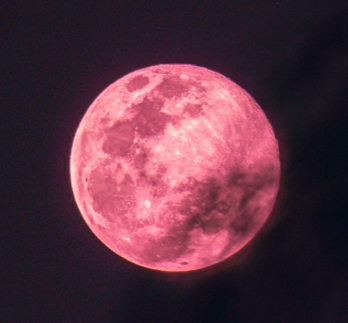
March 8 is National Women’s Day and March 21 is National California Strawberry Day. Celebrate both days by submitting to Other Worldly Women Press’s “Summer 2021 Anthology: What Will We Do Under the Strawberry Moon?” Deadline: March 31. “Bring back high hopes for a summer of love and enchantment for those who identify with the feminine divine. Send us your best work about love, flowers blooming, dancing in the rain, and renewal after the long winter (and the year that was stranger than fiction, 2020), give your goddess time to shine in the sun and sparkle in the moon. Please specify if you consider your work poetry, hybrid, or nonfiction essay. Contributors will receive a no-cost digital copy. Guidelines for submitting: Use 12-point Times New Roman typeface, double spaced, PDF or Doc files only. Please do not include personal information on the submission (add it to your short letter). Up to three poems per submission; please keep all poems on one document. Nonfiction essays 1,000 words or less.” No fee. https://otherworldlywomenpress.submittable.com/submit/182421/summer-2021-anthology-what-will-we-do-under-the-strawberry-moon
|
|
March 11 is “National Worship of Tools” Day. Celebrate by entering On the Premises Contest #37 with a theme of “Repairs.” Deadline: March 5. “For this contest, write a creative, compelling, well-crafted story between 1,000 and 5,000 words long in which one or more characters try to repair something. The ‘something’ can be tangible (e.g., a smartphone, a bad haircut, a broken leg) or intangible (e.g., a relationship). The judges don't care whether the characters succeed in their repair efforts, so long as they try.” No fee. https://onthepremises.submittable.com/submit/181445/otp-contest-37-repairs
|
|
Success Stories from the WOW Community: |
|
Column by Margo L. Dill
I wrote a blog post on The Muffin the other day, encouraging our WOW! community of writers to send me their success stories. Here’s how I started, “We write a lot about success on this blog—last week on Wednesday, Cathy C. Hall wrote about the seduction of the spectacular. Sometimes, we're chasing the spectacular—an agent, the best-sellers’ list, a no. 1 badge—and we don’t celebrate success of all kinds, like a published book with a smaller publisher or a story published on a website.
“I nodded my head the whole time I read Cathy's post because I'm the worst offender of this. I'll look at all I've accomplished so far and constantly be disappointed in myself that it’s not enough—there aren't enough reviews or followers or national publications on my bio. I had a book review column in the Sunday edition of The News-Gazette (Champaign-Urbana, IL) for six years, which is pretty cool, but my brain will say: Well, it wasn't The Chicago Tribune.”
If you want to read the whole post, click here, but make sure you come back and read all these fantastic success stories below from WOW! writers. They range from accomplishing writing goals to submitting work to publishing books. Every success matters and should be celebrated.
Then at the end of the column, we just have a little fun! We had four people write a caption for our photo. Which one do you like? Can you write your own?
Facebook Success Stories:
Dana Goldstein said, “I published Murder on my Mind: A Memoir of Menopause and climbed #1 in the menopause category. You can snag a copy here.”
Lynn Von Sien said, “Small personal success: A couple of years ago, I filled a large 200-page sketchbook with nothing but words. I let the writing be terrible in the name of just getting stuff out. It is functioning now as source material for my graphic memoirs.”
Linda Strader said, “My publisher will release my second memoir later this year...and I just completed a TV pilot script for my first book, Summers of Fire, and will enter into a competition this week!”
Twila Camp said, “Published first fantasy novel finished during COVID lockdown.” [Title: Seekers of Nazar (The Weavers Trilogy Book 1)]
Terez Peipins said, “I am finishing up my fourth novel!”
Melanie Gibson said, “I am publishing a memoir, and it’s the first book I’ve ever written and tried to publish. The overall journey has taken about six years. It’s called Kicking and Screaming: A Memoir of Madness and Martial Arts and tells the story of how I learned to cope with mental illness by practicing the Korean martial art, Taekwondo. (Spoiler if you can’t tell by my profile pic: I got my black belt 😉.) Pub date is 4/20/21!”
Heather E. Schwartz said, “I finished my middle grade novel! Rising Star, 1983 follows brainy-but-shy-7th grader Lisa Boring, as she discovers new ways to fit in, stand out, and take a stand when her heart demands it.”
Chris Moray St Germain said, “I wrote a 10,000-word short story in a single day. Just a few days ago.”
Robin Lentz Worgan shared that Literary Mama published her response to one of their writing prompts, and it is at this link.
Jamie Sibulkin Schneider said, “I wrote a book! I had a vision of my character, looked at my 6 year old, and said, ‘Dream big, start small,’ and I wrote the first draft in three months. Amazingly, an incredible novelist read it, gave me a master class, and is helping with my revisions. About to start my second revision, then it should be ready to send to agents. Somehow, COVID has helped my creativity explode. I also managed to start a blog and have begun submitting essays and articles online.”
Charlyne Blatcher Martin said, “My debut compilation of poems is finished. Join me. I give you an invitation to follow me to a riverbank. Tells of love, loss, social justice, and more. Walking Through Memories at Charlyneblatchermartin.com.”
Instagram Success Stories:
christina_rauh_fishburne wrote, “Started querying agents.”
modernmillenialmom wrote, “I wrote a 150-pg thesis on influencer marketing to finally graduate with a master’s degree in strategic comms. It was a long and arduous process. But completing it has proven to myself that I can accomplish all I set out to do.”
naomiarmsakimbo wrote, “I just wrote another novel after the first one went splat. I’m only days away from finishing a first draft. It took just five months. Not sure how I did that.”
judithshaw_writer wrote, “I’m a very late bloomer. It’s fun making a splash on the way off the stage.”
carolcovengrannick wrote, “Having fun marketing my debut MG novel in verse with fabulous new trailer embedded on home page at www.carolcovengrannick.com!”
Let’s Have Fun with a Caption!
|
|
Instagram captions
dwc.osa_777: Finally…no MASK!
roloveandsci: Dare to dream...or at least write one.
Blog commenters captions
Sioux Roslawski: Women say they'll wear purple when they're old. I say, "Write—when you're young or old—surrounded by purple."
Angela Mackintosh: Keep dreaming and writing—even if your prose is purple.
|
|
WOW Workshops Starting Soon: |
|
 |
Writing with Transitions: How to Keep Readers Close While Moving Them Through Time and Space
6 weeks: Mar 1 - Apr 12
Learn how to lead readers from scene to scene smoothly when it requires a change in time or space, large and small - with instructor Sheila Bender.
|
|
|
|
Writing Nonfiction for Children and Young Adults
4 weeks: Mar 1 - Mar 29
Biographies, science, history, how-to, and more. Learn how to write nonfiction with Sue Bradford Edwards, author of over 25 nonfiction books for young readers.
|
|
|
|
|
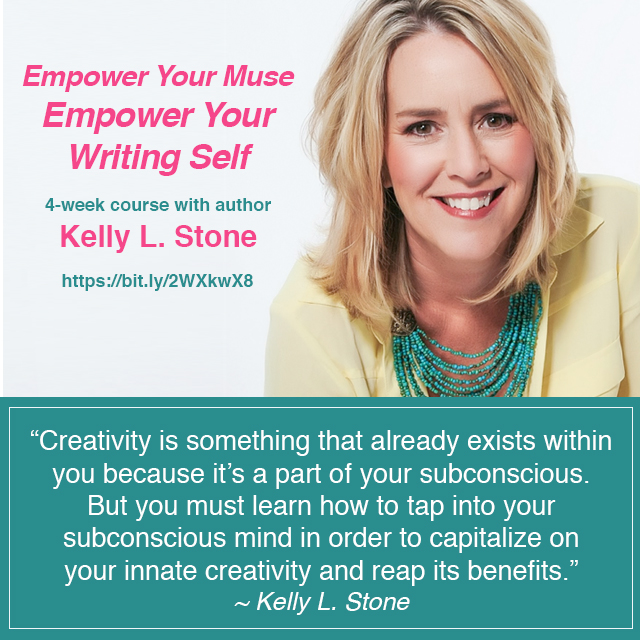
Empower Your Muse, Empower Your writing Self!
4 weeks: Mar 1 - Mar 29
Learn how to tap into the power of your subconscious mind to achieve writing success. Based on the instructor, Kelly L. Stone's book LIVING WRITE: The Secret to Bringing Your Craft Into Your Daily Life.
|
|
|
|
Creating an Online Creative Writing Class for Fun and Profit
4 weeks: Mar 5 - Apr 2
Explore step-by-step the route from generating an online class idea to finding your target audience of students, through crafting a writer-friendly syllabus to launch a successful class online with Melanie Faith!
|
|
|
|
|
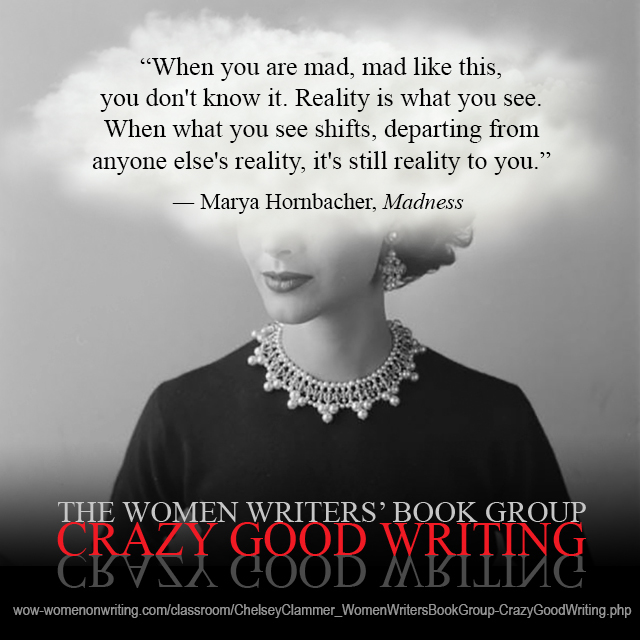
The Women Writers' Book Group: Crazy Good Writing
4 weeks: Mar 29 - Apr 25
Using the memoir Madness by Marya Hornbacher as a guide, writers will explore how to write about mental illness in a way that is insanely good! Look at narrative arc, structure, pace, rhythm and more with editor Chelsey Clammer.
|
|
|
|
Writing Middle Grade and Young Adult Fiction
6 weeks: Apr 7 - May 26
Learn what makes a middle grade or young adult novel successful, how to plot one, how to relate to the audience, and study popular novels that kids and teens love. You'll receive a critique of your first two chapters. Led by Margo L Dill!
|
|
|
|
|
In a Flash: Writing and Publishing Dynamic Flash Prose
5 weeks: Apr 16 - May 21
Explore this eclectic art form and everything you’ll need to have a lively flash-writing practice, from where to get ideas and drafting to editing and submitting your work. Discuss practical tips and techniques along with inspiring exercises by Melanie Faith!
|
|
|
|
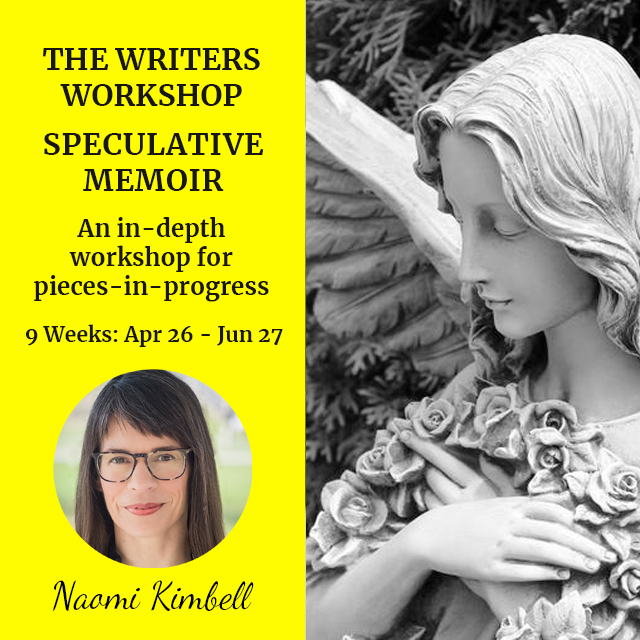
Speculative Memoir
9 weeks: Apr 26 - Jun 27
Speculative memoir pushes the boundaries between the observable world and the inner sphere of the psyche. Often employing techniques from other genres, speculative memoir is a way to engage in personal storytelling when the story defies expression using traditional narrative. Learn this form with Naomi Kimbell!
|
|
|
|
I hope you’re as inspired by this month’s markets as I am, and you’re ready to submit. Before we close, I want to share another tip for submission, and this counts as a “do” rather than a “don’t.”
Branch out! Plucky writers make the most of what they’re already written by branching an idea or theme in multiple ways. For example, turn one of your favorite poems into a short story. Next, use that short story as the genesis for an essay. No need to plagiarize yourself, just stress different dimensions of the same experience. Be a triple threat. You’ll have three times the number of eggs in your submission basket, and three times more likely to net an acceptance. Whatever you do, jump to it!
~ Ashley & Team WOW!
|
|
|
|
|
|
|