Improving Accessibility of Conservation
Our mission is to conserve native species and habitats through
restoration, research and education. Our vision is a world where all people and wildlands are healthy and interact positively, biological diversity flourishes, and environmental challenges are met with a social commitment to solving problems with scientific principles.
To join us in our work,
"The beautiful spring came, and when nature resumes her loveliness, the human soul is apt
to revive also." - Harriet Ann Jacobs
|
|
|
|
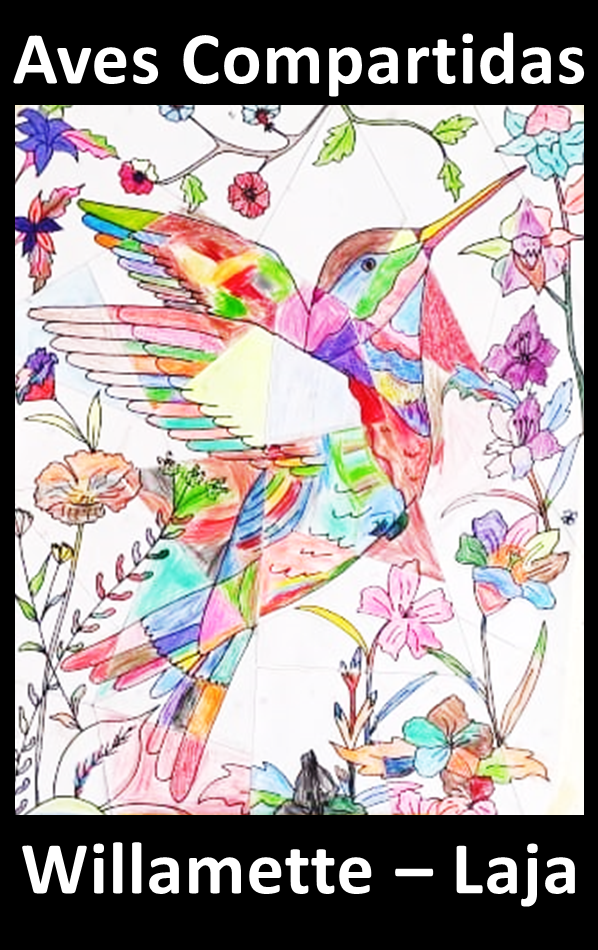
The Aves Compartidas education program is adapting like a bird
El programa educativo Aves Compartidas se adapta como un pájaro
|
**Español a continuación**
As we all know, the 2020-2021 school year has presented some unique challenges. However, just like a bird adapts to obstacles during its migration, the Aves Compartidas youth education program has adapted to current pandemic obstacles. Aves Compartidas means “shared birds” in Spanish. This program connects students at dual-language schools in the Willamette Valley with students in the Laja River Watershed in the Mexican state of Guanajuato, through shared migratory bird lessons, watershed education, and pen-pal exchanges. Aves Compartidas is a program of the Willamette Laja Twinning Partnership which unites youth, educators, habitat restoration practitioners, and the birding community for deep cultural connections and sustained conservation of our shared migratory species and habitats. Institute for Applied Ecology is a partnering organization of the Twinning Partnership. Read More
|
|
|
|
2020 on the Farm: Growing Through Adversity
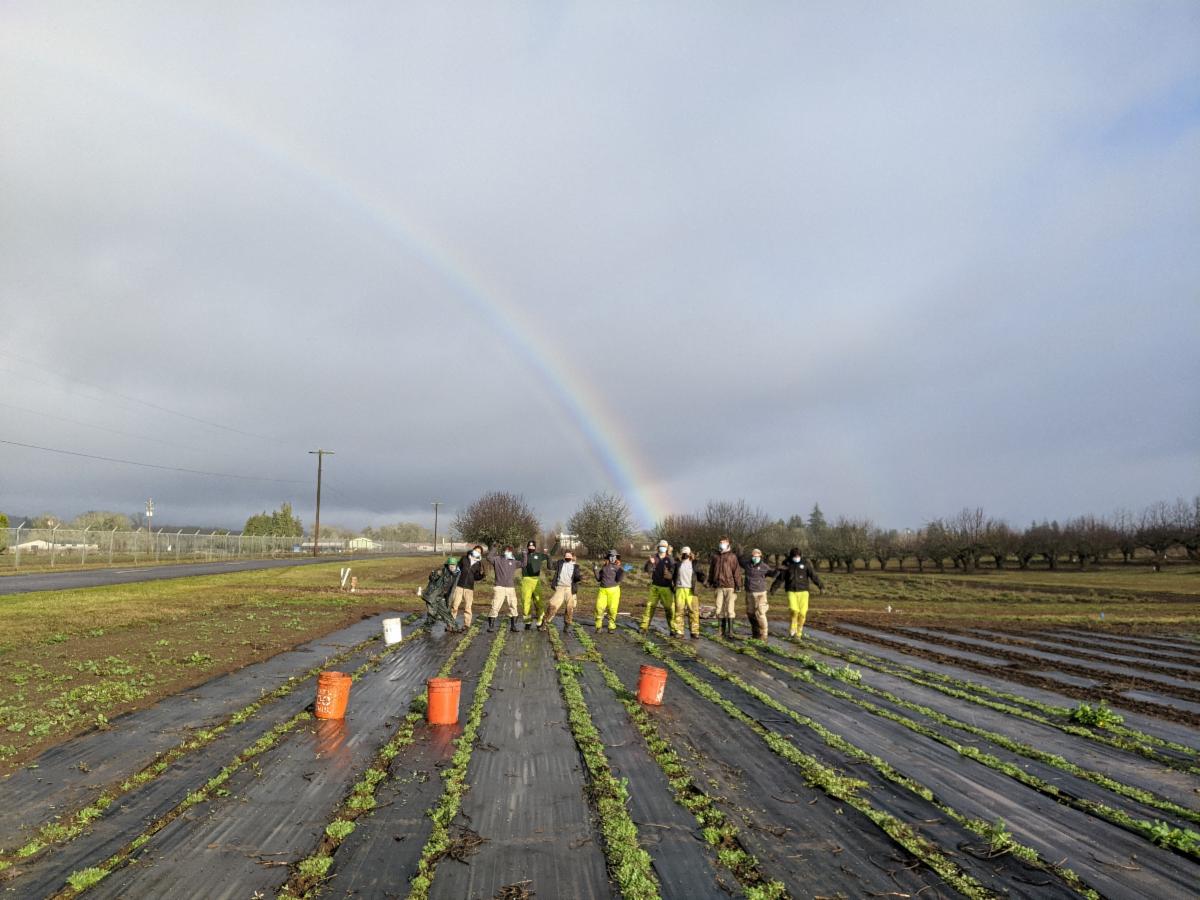
Through the tribulations of what has been a harrowing year, we take solace in the ability to overcome and move forward. The 2020 growing season is a reminder that even through personnel changes, historic wildfires, and a global pandemic, our work is important and worth doing. In 2020, the IAE native plant farm overcame many of the challenges and continued its work to plant the seeds for a successful future. In the following blog, we will show some of the challenges bested and successes to celebrate. Read More
|
|
|
|
Science Corner:
Seed Dormancy and the Dizzying Variability of Ricegrass
|
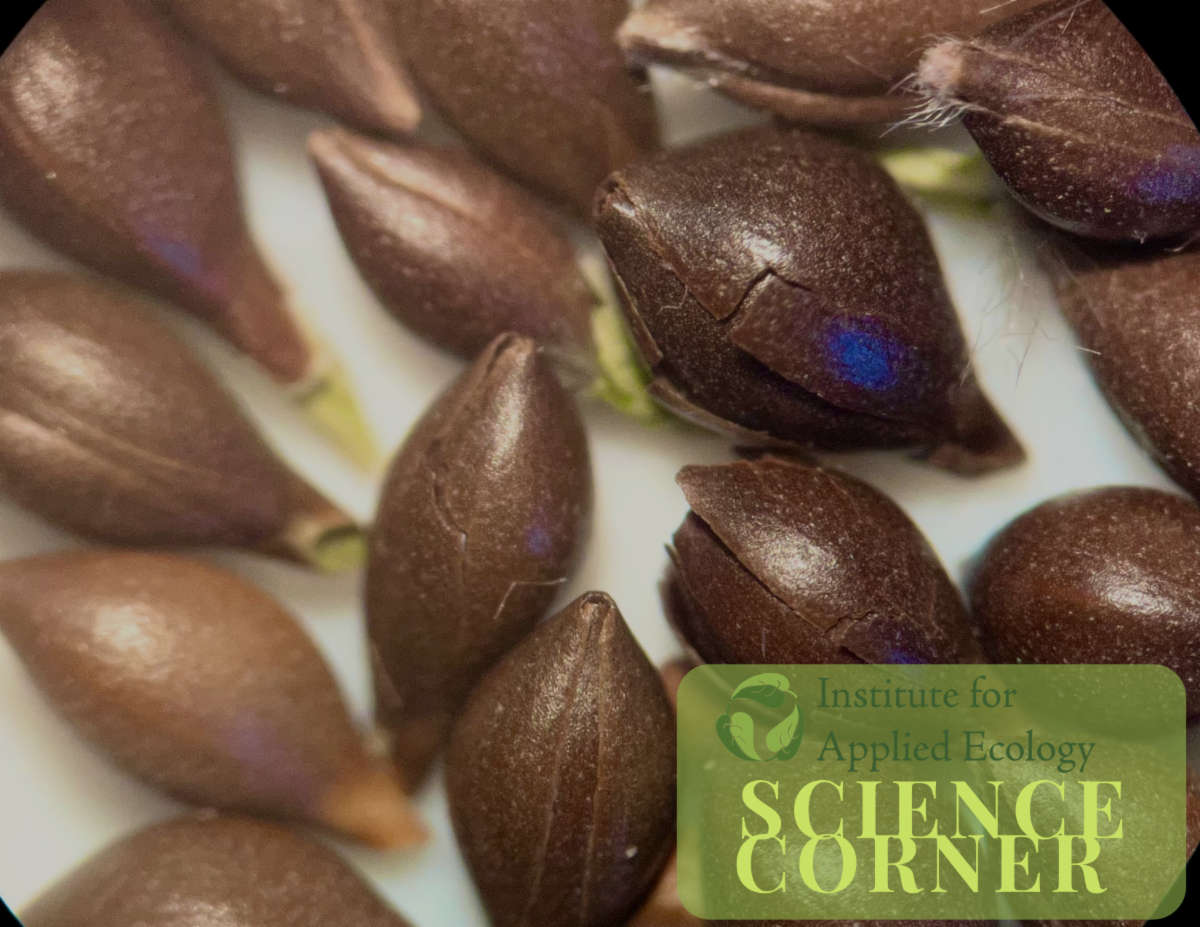
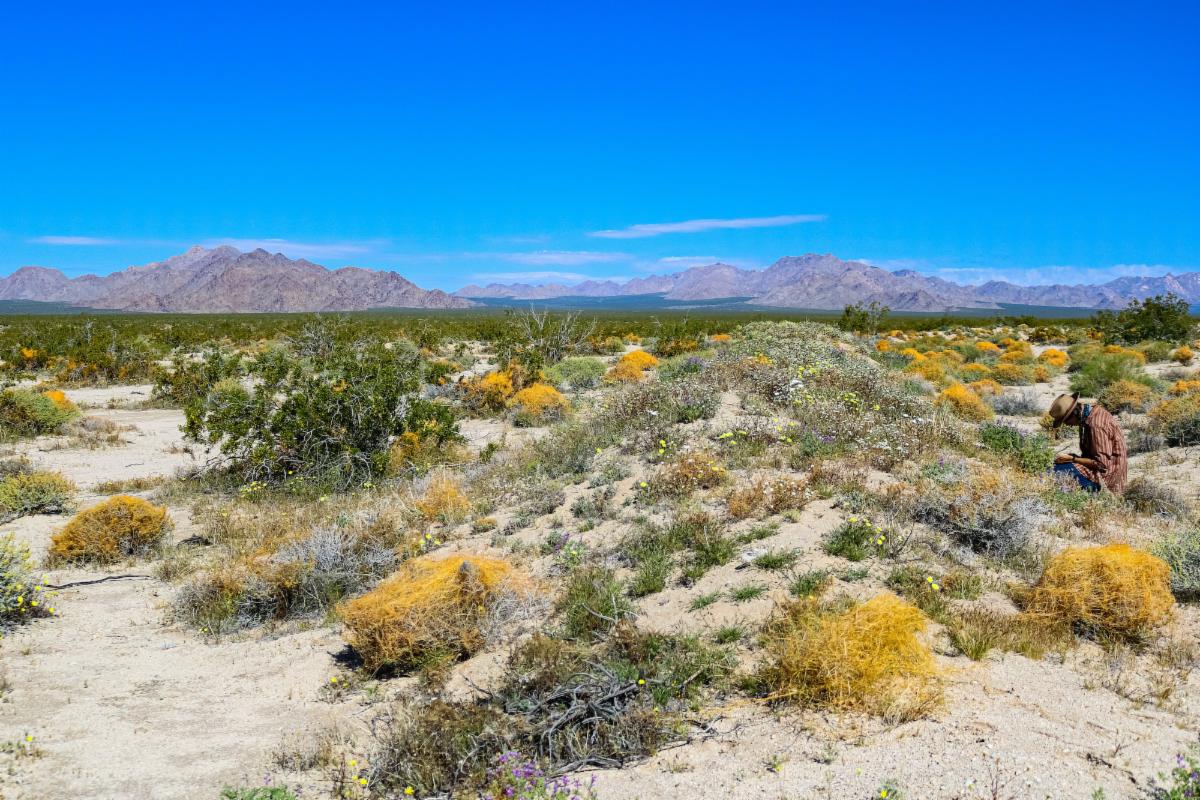
Plants in the Southwest have developed specialized strategies to survive variable conditions. Here, we dive into the natural history of a native perennial grass, Indian ricegrass (Achnatherum hymenoides; hereafter referred to as ricegrass), and how this beloved species has evolved to weather variability, particularly through an adaptive strategy called seed dormancy. We also explore how ricegrass seed dormancy comes into play in restoring degraded land in an environment that will only become more variable under a changing climate. Read More
|
|
|
|
Beautiful Blooms and Bothersome Blossoms: The Dichotomy of Seeing Spring Growth |
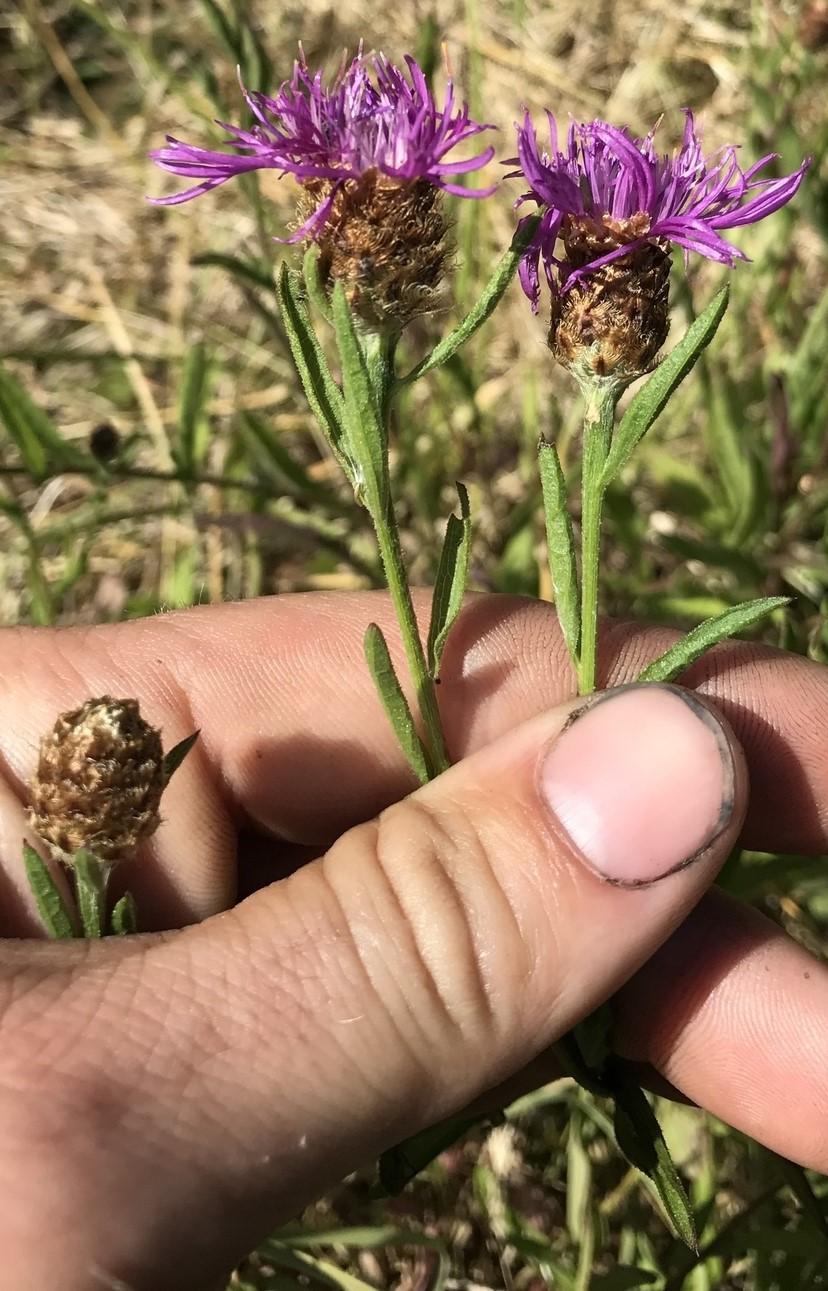
Spring plants are starting to grow, which usually prompts me to message photos to my mom bragging about being able to see daffodils (Narcissus sp.) in bloom before hers have even emerged from the cold soil. In recent years, however, the spring growth has created feelings of a dichotomous nature – spring brings growth of the plants we want…and those we don’t. Small seedlings pop up starting their months-long goal of eventual creation of the next generation of seeds while I start my 8-month botany exploration game of ‘Who am I looking at?’ - an activity to which I am sure many of you readers can relate. On the other hand, working to restore native grassland habitats for rare and endangered plants and butterflies requires a strong connection with the weedy species and an understanding of their seasonal timing and phenology. This dichotomous nature of looking excitedly for the magic of the landscape flourishing with things we planted last fall is mixed with the dread of seeing how many plants are on the list to be killed. Read More
|
|
Stories from the Field Webinar Series:
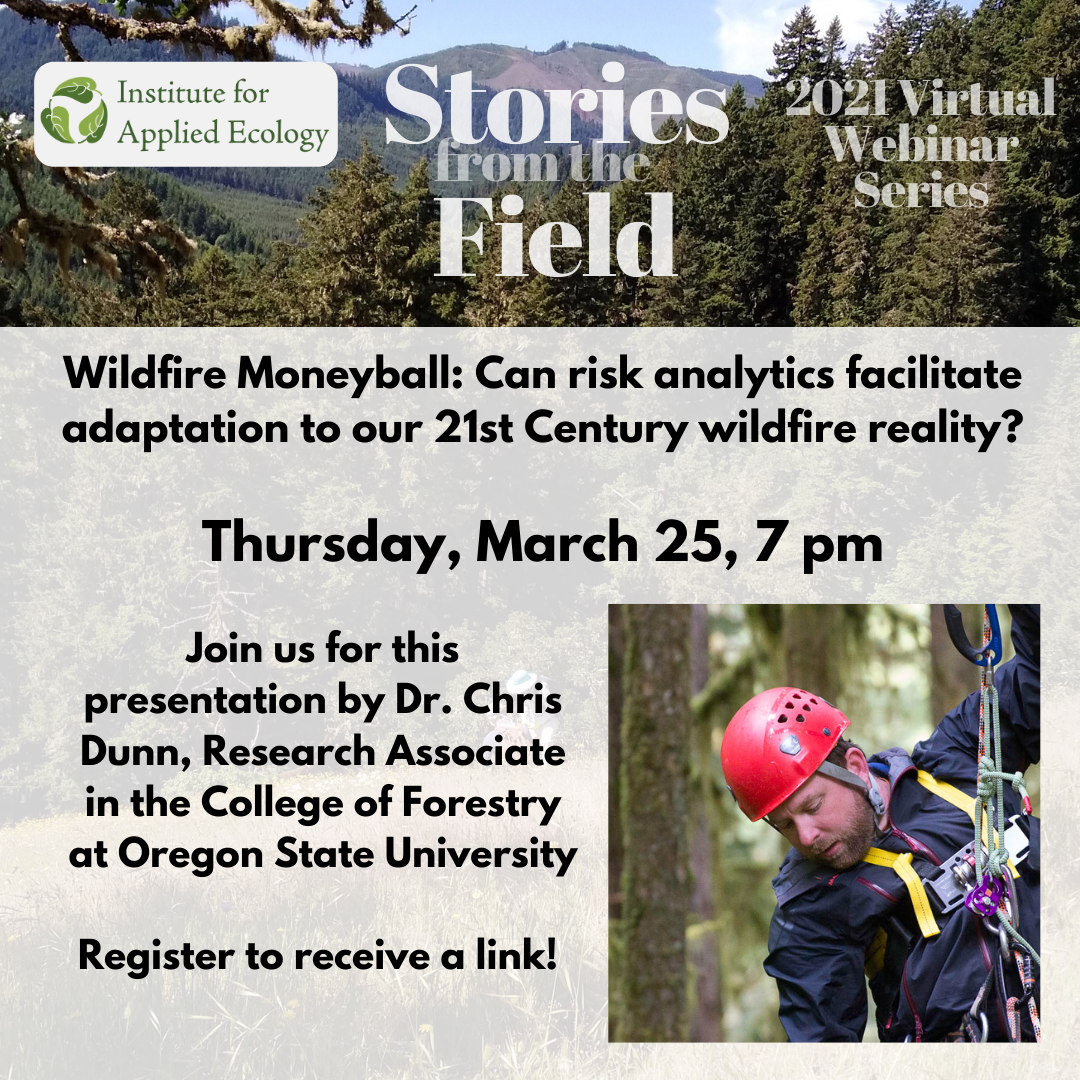
March 25, 7 pm Webinar: Wildfire Moneyball: Can risk analytics facilitate adaptation to our 21st Century wildfire reality?
|
The year 2020 was exceptional for many reasons, and hindsight will clarify this in the coming years. For some, 2020 will be remembered as the year of wildfire, and hopefully the year we embraced a different relationship with fire. Join us for a presentation describing the historical context of the human-fire relationship and a vision for adapting ourselves to a future with more fire. A vision grounded in analytics, and integrated with expert judgement, as we look for ways to learn to live with wildfire. Register here.
In lieu of our annual Stories from the Field fundraiser event, we have a lineup of exciting guest speakers to present, free of charge, to our supporters. Please register for all of the talks you are interested in to receive a Zoom link to use for the event. All webinars are on the the 4th Thursday of the month at 7 pm. Click for more information.
|
|
|
Virtual Winter Wildlife Field Days |
|
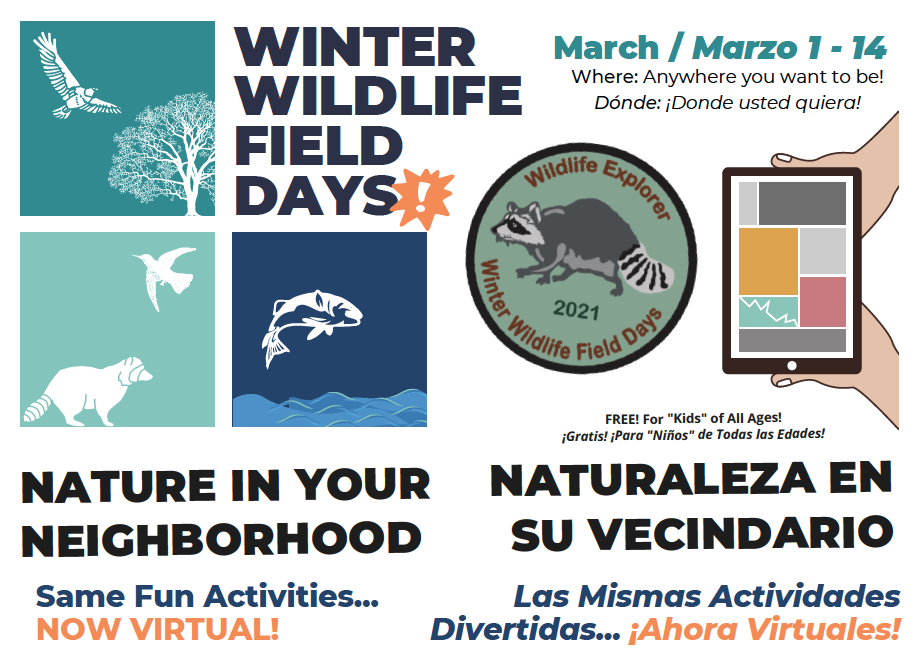
Join the US Fish and Wildlife Service and partners for the 7th Annual Winter Wildlife Field Day(s) from March 1st - March 14th! This year's theme is "Nature in your Neighborhood." It's the same event you love, just offered virtually on more than one day, with activities you can complete in your favorite outdoor (and indoor) spots! Seventeen community partners have come together to bring you two weeks of activities: crafts, games, hands-on science, self-guided nature explorations, videos, story times, field guides, and even some pop-up activity stations at William L. Finley National Wildlife Refuge and animal searches in your local parks. Our traditional passport and patch are back and of course everything will be available in both Spanish and English. Event information and details can be found at www.winterwildlifefieldday.org and starting March 1st all of the bilingual activities will also be there. Llámanos a 541-760-3036 para más información. |
|
Invasive Alert: Zebra Mussels |
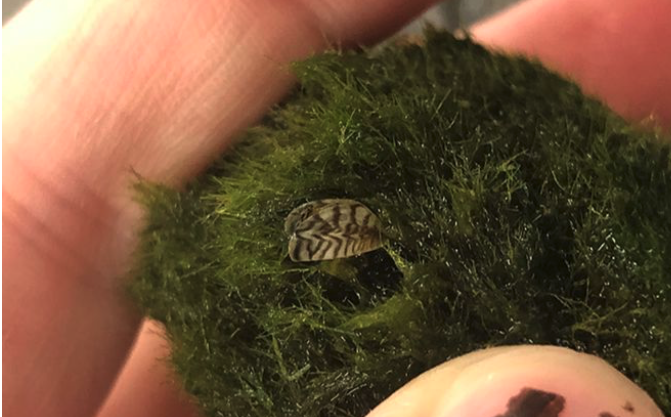
Invasive zebra mussels (Dreissena polymorpha) have been found in popular aquarium products in the Pacific Northwest. If you are at your local pet store and see Marimo "Betta Buddy" moss balls for sale, please report to the Oregon Department of Fish and Wildlife. A Seattle PetCo employee stated, “I work in the aquatics department, and almost every shipment of these moss balls that I have unpacked for the past two months has had mussels nestled in the moss balls.” Rick Boatner of ODFW reported to Oregon Public Broadcasting, “It would be devastating to our environment if these ever got established in Oregon or the Pacific Northwest.” Read More
|
|
|
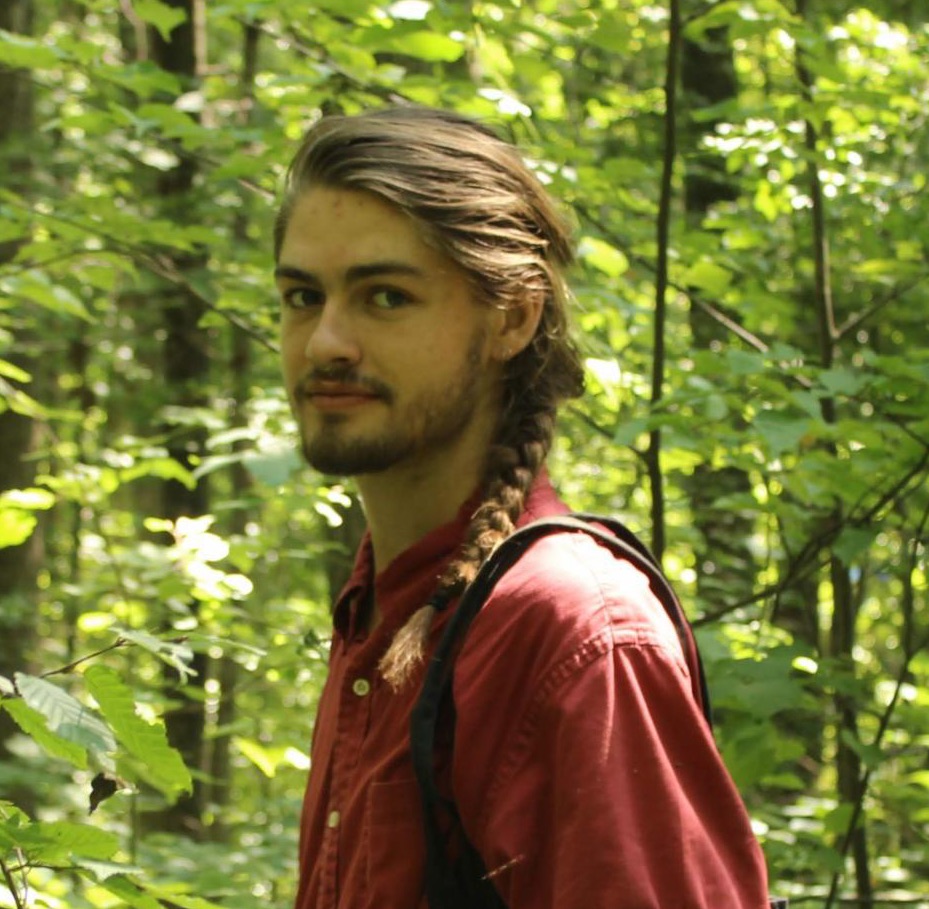
Staff Spotlight: James McAuliffe |
We are thrilled to have James on board as IAE Farm Technician. James's boundless energy and unquenchable thirst for botanical knowledge are an exciting addition to the Plant Materials Team. Welcome, James!
James attended college studying philosophy and environmental science. He has always enjoyed the endless questions and learning that accompanies environmental work. Working with the environment has brought him immense joy and endless captivation.
For multiple years he has worked to contribute to the preservation and conservation of native landscapes. Making seed collections and devoting time to clearing and repairing native plant community matrices. Partnering with different forest preserves or county nature preserves as a volunteer and as an employee at other times.
Some of the organizations he has had the pleasure to work for are the Lake Forest Open Lands, Chicago Botanic Gardens, Champaign County Forest Preserve District, and Bureau of land management. He has performed a number of different roles from chainsawing, wetland restoration, prairie/savanna restoration, native plantings, seed collection, rare plant monitoring, and cultivation of native plants.
In a never faltering effort to help conserve species James has found his way to the Institute for Applied Ecology where he works to ensure that the needs of the native species in farm production are met so that they can be successfully harvested or planted in the field. This varies from green house work to farm field work and seed cleaning. Read More
|
|
|
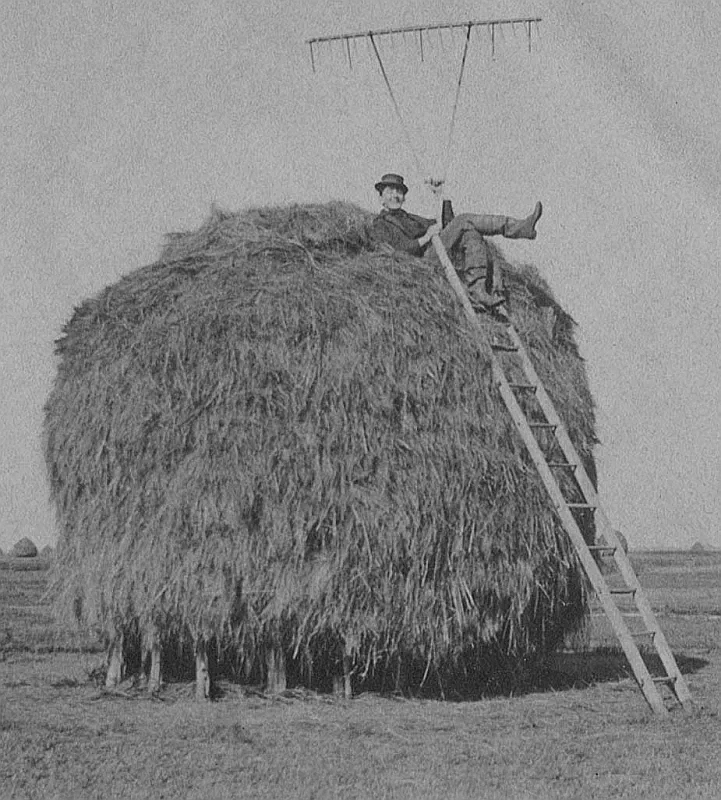
"What's a staddle?"
A "staddle" was a platform of cedar posts supporting a haystack in a salt marsh -- the posts lifted the hay above the highest tides and kept it dry. Salt marsh hay was an important part of the economy during the earliest days of farming in New England, as far back as the 1600's. The Estuary Technical Group is learning interesting historical facts like these as we co-lead a new nationwide project to improve estuary mapping, understand estuary history, and find restoration opportunities.
|
|
|
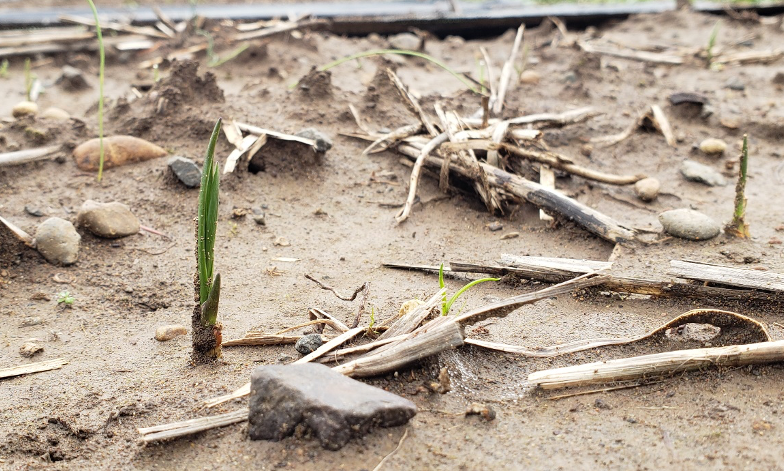
This year is one of much growth. Our new farm technician, James, McAuliffe, started in January and we are so excited for him to be a part of our team. His joyful energy is contagious, and we are lucky to have him aboard. Our Plant Materials Director, Sienna Hiebert, also started in January and has been leading our team triumphantly. Our Seed Partnership Coordinator, Alexis Larsen, has just returned from maternity leave. Congratulations, Alexis! We are also hiring a Plant Materials Coordinator. Our seasonal crews will be working in the Willamette Valley, Burns/Vale, Oregon, and Ukiah, California collecting seed for the Seed of Success program. As our team grows, so do our plants on the farm. At right is a picture of Tolmie star tulip, Calochortus tolmiei, growing on the farm.
|
|
|
In this time of new beginnings, we give thanks to two longtime board members who are passing the torch to new members. Thank you Laurie Halsey and Debbie Johnson for your leadership, time and commitment to IAE's mission. We are so grateful for all of your hard work! Read More about our Board of Directors.
|
|
|
|
|
IAE is proud to partner with EarthShare Oregon, a federation of over 100 leading non-profit environmental charities. EarthShare makes it easy for Oregonians to share the responsibility for our environmental legacy. When you give at work through Institute for Applied Ecology, you’re keeping our state and planet healthy for our families today and for future generations. If you have questions, please reach out to by email. We are grateful for all the ways you take action for restoration, research, and education!
|
|
IAE Board of Directors:
Ken Bierly, President; Brandy Humphreys, Vice President; Cary Stephens, Secretary; Jason Bradford, Anne Bradley, Deborah Clark, Jack Halsey, Shinji Kawai, Carol Savonen, Sunia Yang
|
|
|
|
|
|
|