Spring Field Season is Here |
|
Our mission is to conserve native species and habitats through
restoration, research and education. Join us with your donation today by clicking below.
|
|
“I can awaken to the fact that I am never alone and can never die. You [the Earth] are always there within me and around me at every step, nourishing me, embracing me and carrying me far into the future.” - Thich Nhat Hahn
|
|
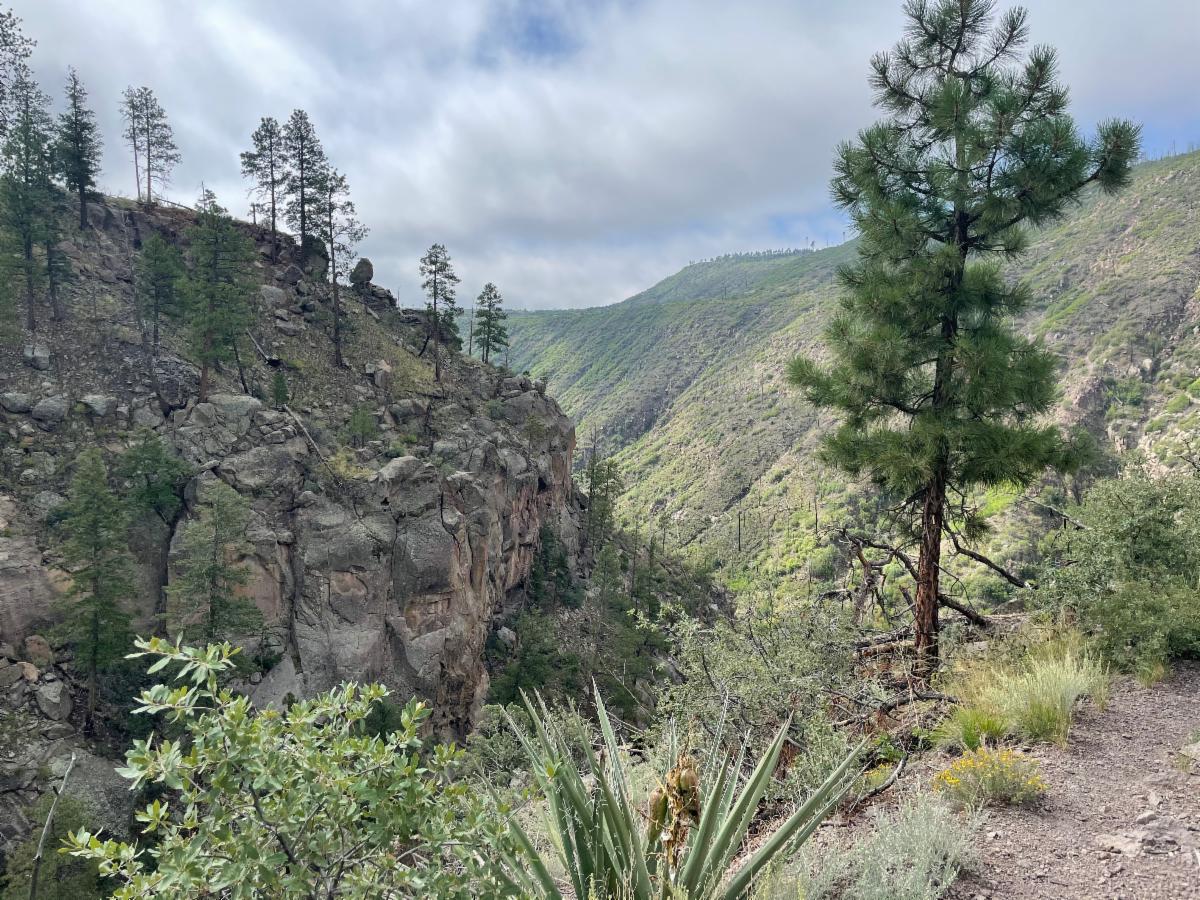
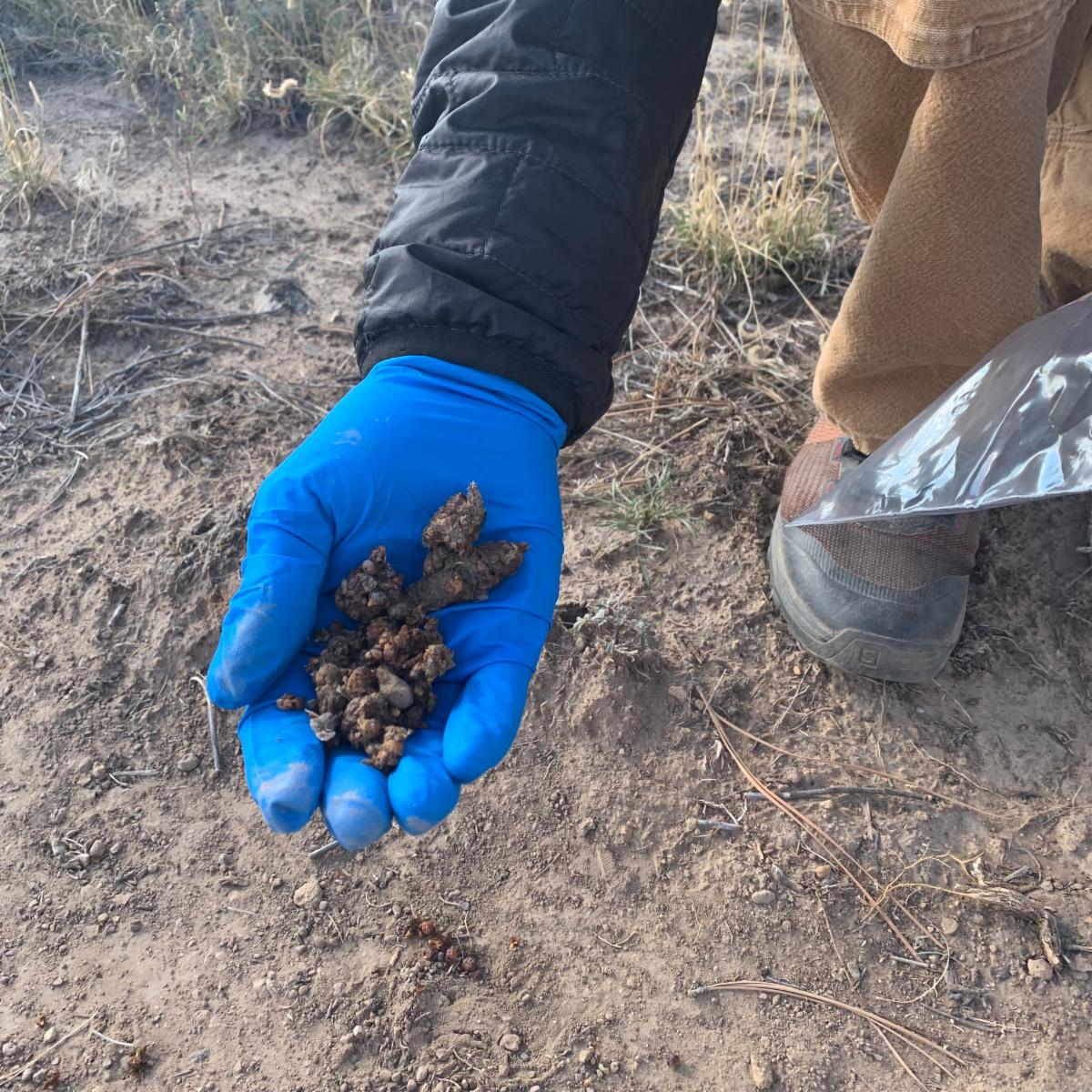
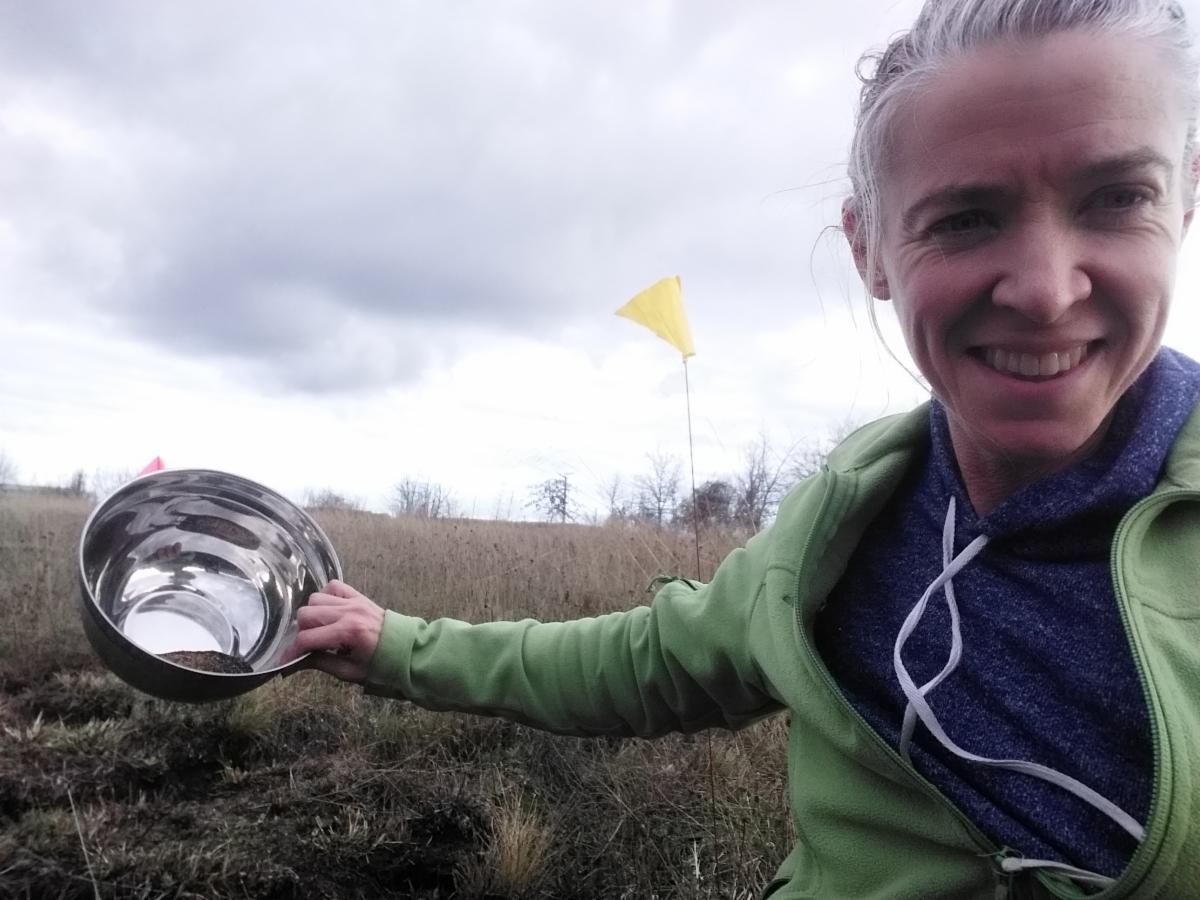
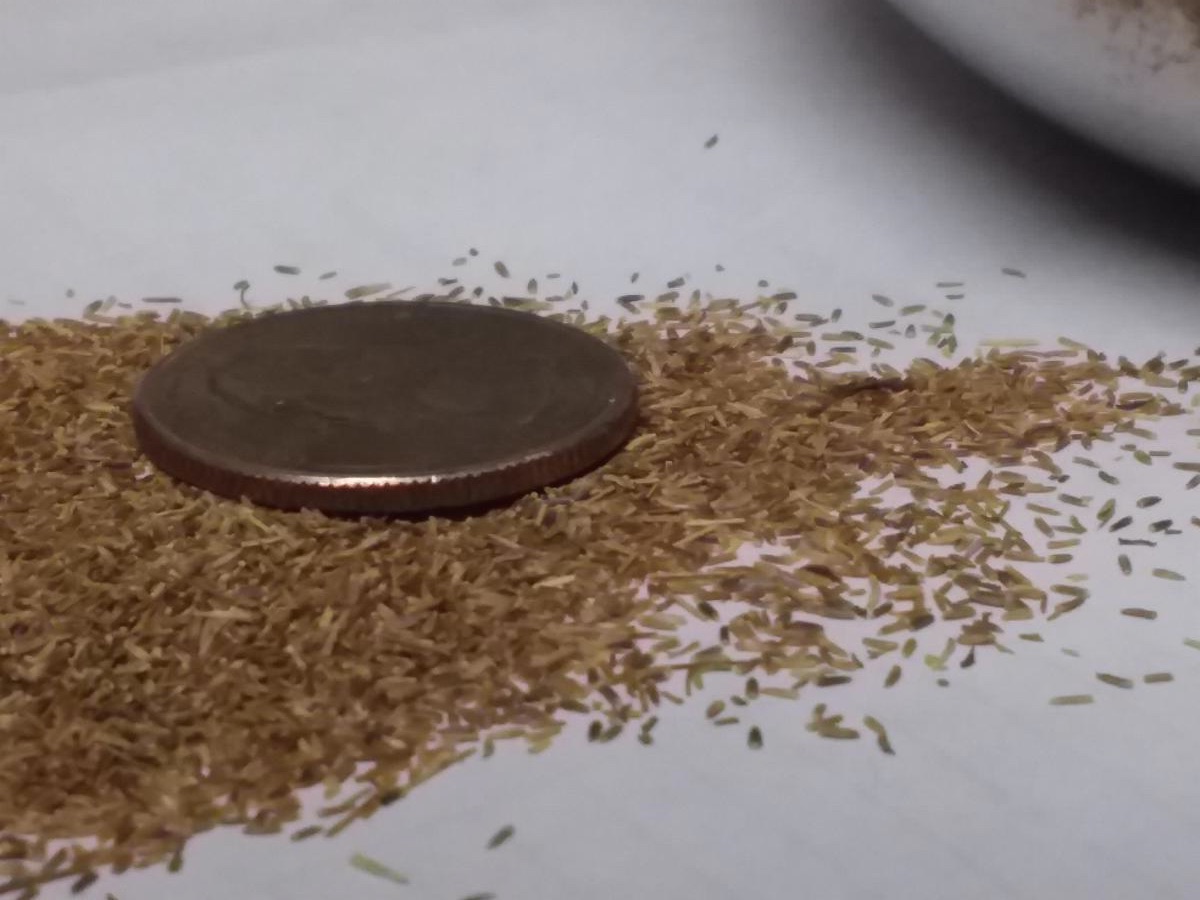
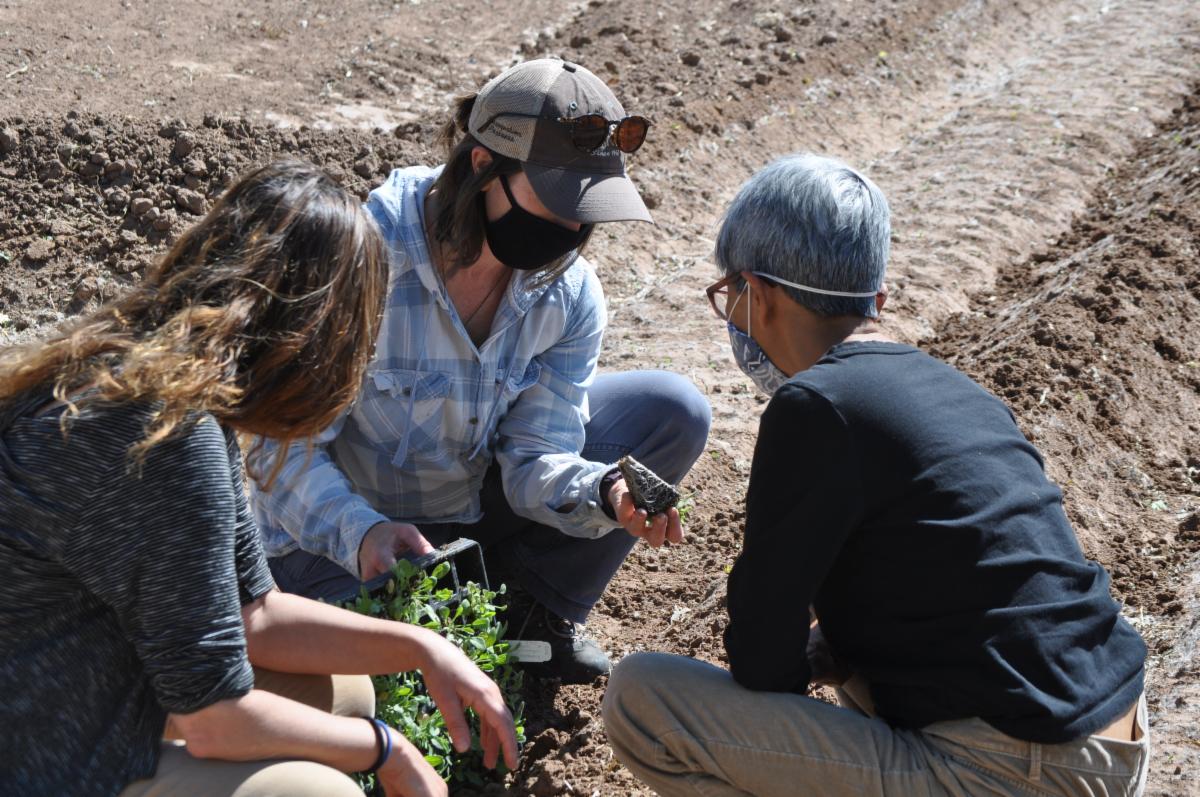
In the fall of 2021, IAE’s Southwest office coordinated a field crew tasked with the collection of native seeds for a unique project, through even more unique means. This seed collection effort took place within Bandelier National Monument. Bandelier is a small monument in Northern New Mexico managed by the National Park Service, and is most famed for what remains of an Ancestral Puebloan civilization within Frijoles Canyon. Bandelier is currently in the process of expanding two parking lots within the monument, and asked IAE to collect a variety of native seeds that will be used to revegetate areas of disturbance created by this construction. The list of target species included grasses, wildflowers, shrubs, and tree species. Seed was collected by-hand using traditional techniques including stripping or plucking seeds from the plant, or clipping entire flowerheads. One of Bandelier’s most prevalent tree species however, requires something a little different: this is one-seed juniper (Juniperus monosperma). Read More
|
|
|
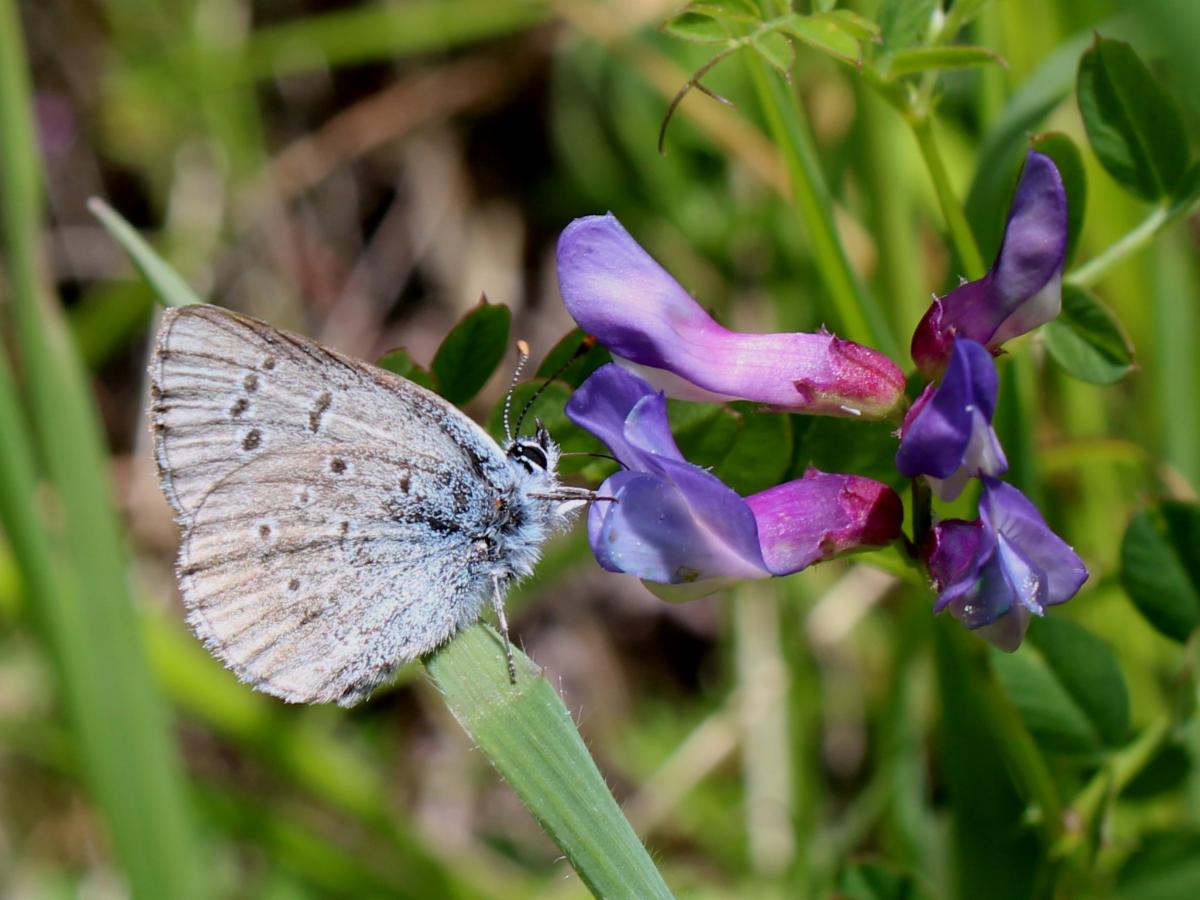
Camp Westwind welcomes everyone, even rare butterflies! |
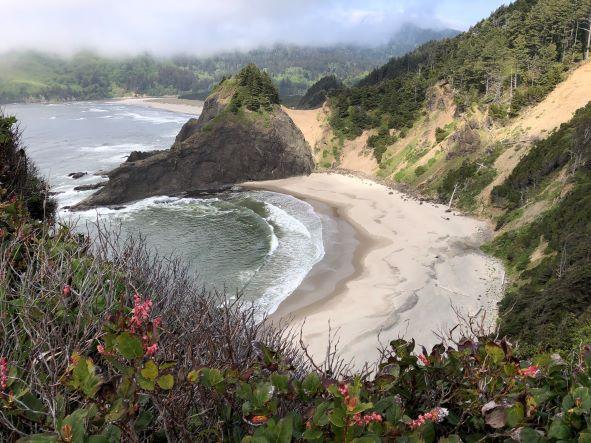
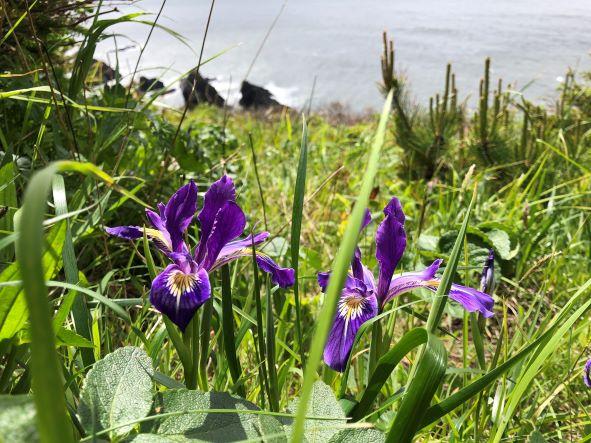
Camp Westwind is located on the central Oregon Coast north of Lincoln City. The 529-acre site provides campers with the chance to explore dunes, forests, marshes, and prairies that once dominated the Oregon Coast. As habitat loss occurred, some animal species declined because they depended on plant communities that were found in the same stretch of coastline that was most easily developed. Coastal prairie is one such plant community that has become rare over the last century. Once common, coastal prairies depend on recurring disturbance to maintain an early seral plant community. Along the coast, the combined effects of shallow soils, maritime climate, proximity to sea spray, blowing sand, and traditional burning practices by local tribes helped preserve the historical extent of coastal prairies.
|
|
|
Meet the Northwest Plant Materials Program! |
It’s March, and among the last webs of crisp, broken frost, true leaves are emerging and plugs will soon be planted. While some of the season’s phenology is still cloaked in leaf litter, we wanted to take a breath and highlight the Northwest Plant Materials Program and the staff who make this growth possible. Read More
|
|
|
Volunteer to plant native prairie plants! March 16-18, 2022 |
We need volunteers to help us plant Kincaid’s lupine (Lupinus oreganus) at prairie sites near Philomath and Wren, Oregon, March 16-18, 9am – 3pm. If you're interested in planting natives one or all of these days, please email peter@appliedeco.org. Full directions and instructions will be sent to participants a few days before the event. You must fill out IAE's volunteer release form and bring a copy to the event. More Info
|
|
|
Staff Spotlight: Denise Giles |
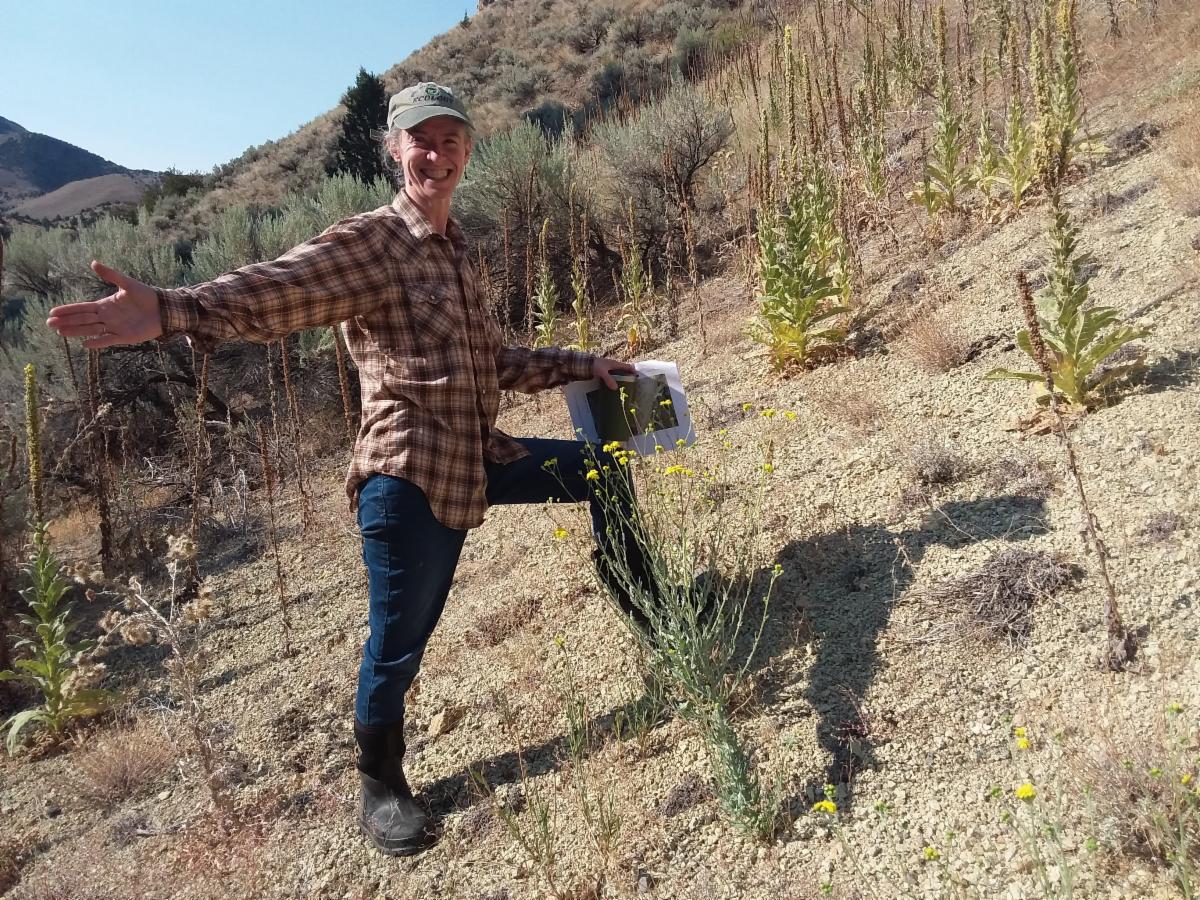
Denise Giles is an IAE Ecologist with decades of experience and botanical knowledge. She has explored countless miles of coastline, hiked miles of canyons, and camped in wild, wide open spaces to search and monitor endangered plants. We caught up with her as she prepared for her field season across the state of Oregon:
IAE: What is a hope or what are you looking forward to seeing/analyzing this field season?
DG: I am looking forward to seeing the Willamette daisy (Erigerosnseedlings in our treatment plots in the West Eugene Wetlands where we are testing management treatments to improve Willamette daisy habitat and ways to increase establishment of seeds of this rare and endangered species. I've worked with this species since my first week on the job 14 (!) years ago and it is near and dear to my heart.
IAE: What else are you looking forward to?
Another highlight from the year where I was able to go full circle: One of my first tasks at IAE was testing the viability of seeds of Senecio ertterae (SEER) that had been buried. This year, my son Cameron and I returned to collect seed from the species as part of a project with Center for Plant Conservation to evaluate the viability of seed stored for long periods of time and to look at genetic changes in the populations since the first collections were made back in 2008. Read More about Denise
|
|
|
|
|
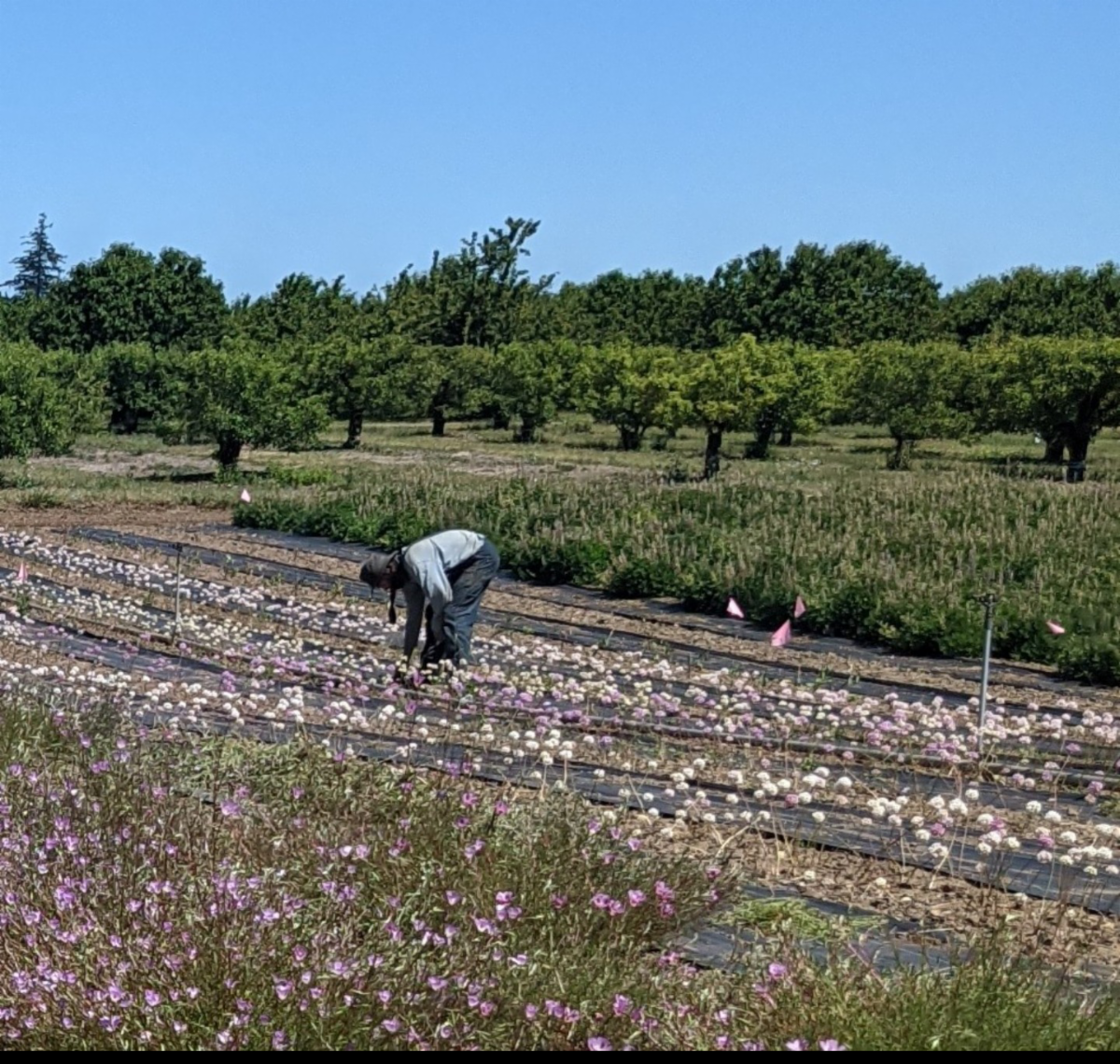
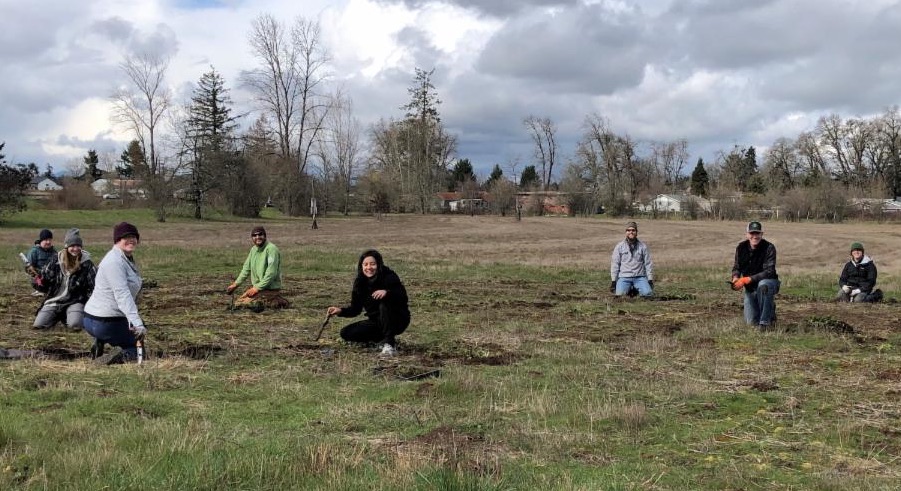
Volunteers helped plant over 1,000 rose checkermallow plugs (Sidalcea virgata) recently at Fir Butte near Eugene, Oregon. Rose checkermallow is the primary nectar source for the endangered Fender's blue butterfly. IAE has been collaborating with the Bureau of Land Management to manage prairie habitat at Fir Butte since 2011 to support the recovery of the Fender's blue butterfly and its host plant, Kincaid's lupine (Lupinus oreganus). We're grateful to our volunteers and partners for supporting this work.
|
|
|
|
Celebrating Women in Ecology |
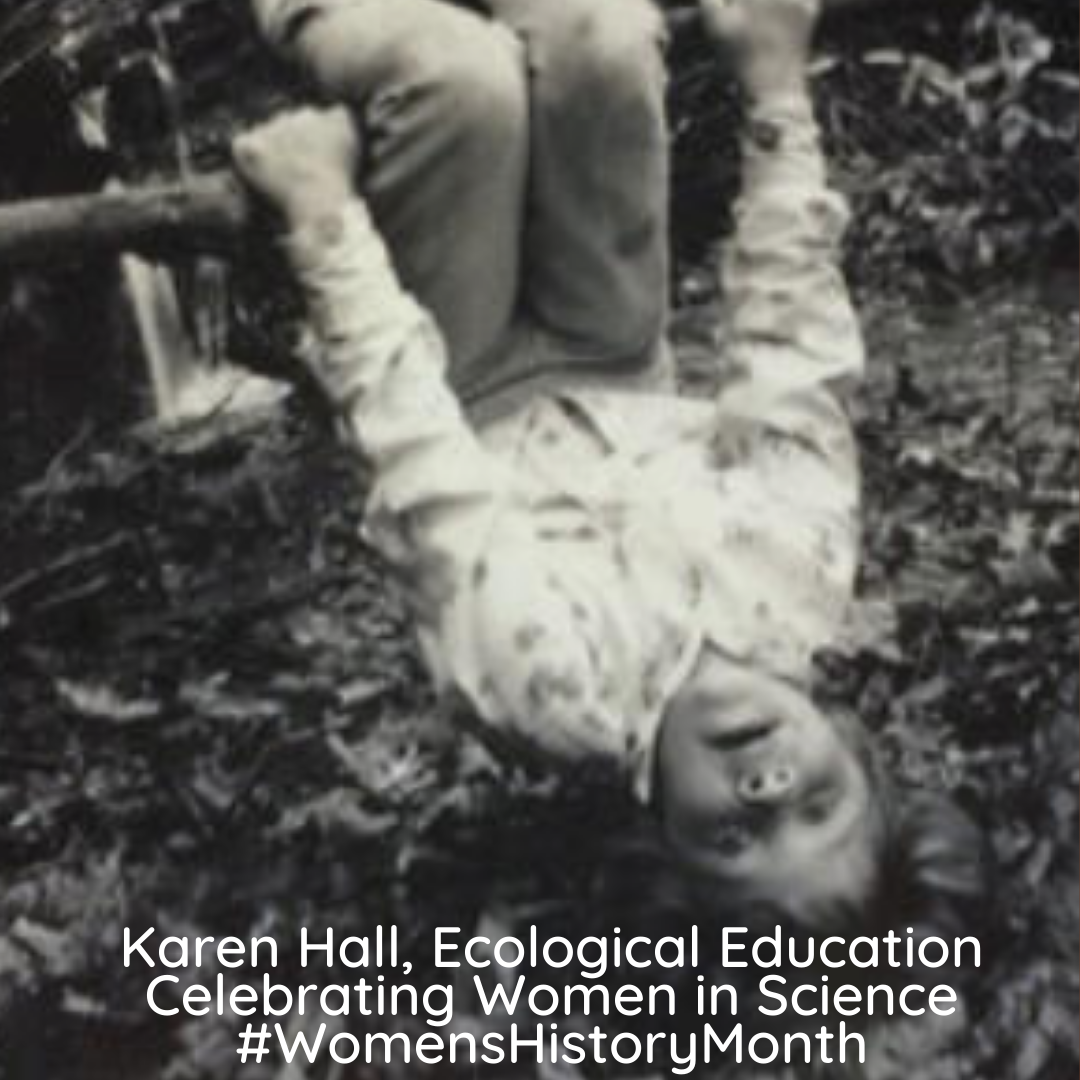
As a child encouraged by my grandmother and mother, I constantly sought out rocks with good slidability, vines to swing on, caves and water to explore, red clay to build mud pies, and soooo many plants and animals to connect with – it’s no wonder I became an educator to share how important it is to relate to the nature that is not us. Here I am hanging upside down by a secret little waterfall on my grandparents property. Before we cut a path to it, you had to crawl through a big laurel-hell to get to it - and I’m swinging on a vertical branch of that (Rhododendron maximum). As I got older, it was one of those places I’d go to to hide and contemplate life. I found lots of treasures there like a big ginseng population and a small cave. - Karen Hall, Ecological Education Program Director
For #WomensHistoryMonth, we are celebrating the histories and stories of the women of Institute for Applied Ecology, who may not have had the option for choosing science and land management as a career a generation ago. Follow IAE's Facebook and Instagram to see them all.
|
|
|
|
IAE Southwest Office Seeks an Ecologist |
IAE Southwest is hiring an Ecologist with a diverse skillset and interests in restoration implementation, conservation planning, research and monitoring, native plant materials development, and rare species recovery. This position is ideal for an ecologist who enjoys working with a team on a wide variety of projects and is looking for an opportunity to apply both practical on-the-ground skills as well as office- based conservation planning skills. This position also supports the Southwest Seed Partnership by assisting with native seed collection and cultivation efforts. Closes March 13; please share with your Southwest network! Read More
|
|
|
|
IAE Northwest Office Seeks an Adminstrative Assistant |
We are hiring a full-time administrative assistant to assist in a variety of tasks to support the day-to-day operations of our Corvallis, Oregon office. The ideal start date is early-mid April 2022. Application closes March 23, 2022. Please share with your ecologically-minded contacts! Read More
|
|
|
|
Community Earth Day Celebration, April 22, 2022 |
Take action this Earth Day! Stay tuned for community opportunities to get outside, learn how to reduce your carbon footprint, or volunteer with IAE and plant native plants. We're on this planet together - so let's come together for a community celebration of Earth Day 2022. |
|
Join Our Work - Volunteer, Become an IAE Member
|
|
IAE Board of Directors:
Ken Bierly, President; Brandy Humphreys, Vice President; Cary Stephens, Secretary; Jack Halsey, Treasurer; Jason Bradford, Anne Bradley, Shinji Kawai, Judy Li, John Savage, Carol Savonen, Sunia Yang
|
|
|
|
|
|
|