the Breakwater

A newsletter from the Prince William Sound Science Center

March 12, 2024

Iceberg frozen in the Sheridan Glacier lake.

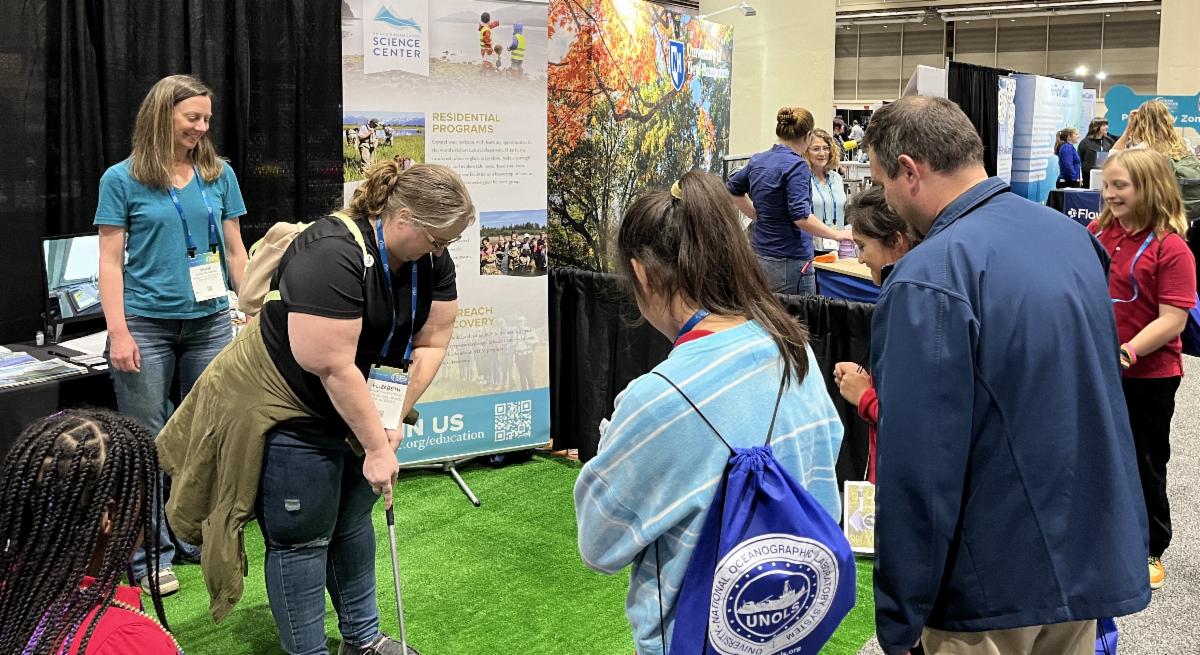
Last month, PWSSC staff attended the Ocean Sciences Meeting in New Orleans. We reunited with old friends and colleagues and made new connections with potential collaborators, students, and team members. Photo credit: PWSSC.

Free "OA in Alaska" Online Course

The Alaska OA Network is launching a free online course that provides a process-based understanding of ocean acidification's impacts in Alaska waters. The course comprises 8-modules that are filled with short videos, vibrant photos, and easy-to-digest language. Each module takes approximately 45-60 minutes to complete and can be accessed from your computer, tablet, or smartphone. The course does not require a log-in and there are no homework assignments. Anyone ages 14+ can learn how OA is affecting Alaska waters and its potential impacts on local species.


The course covers:

  • The basic principles of ocean acidification, including the functions of key biological and chemical processes (no prior science training necessary) 
  • The effects of increasing atmospheric carbon dioxide on the ocean
  • OA conditions in different regions around Alaska 
  • Current scientific understanding of how ocean acidification affects different marine species in Alaska (crab, salmon, bivalves, etc.)
  • Potential changes in human activities that can affect environmental outcomes and support positive changes within local communities. 


Explore the course here.

We Want to Hear From You!

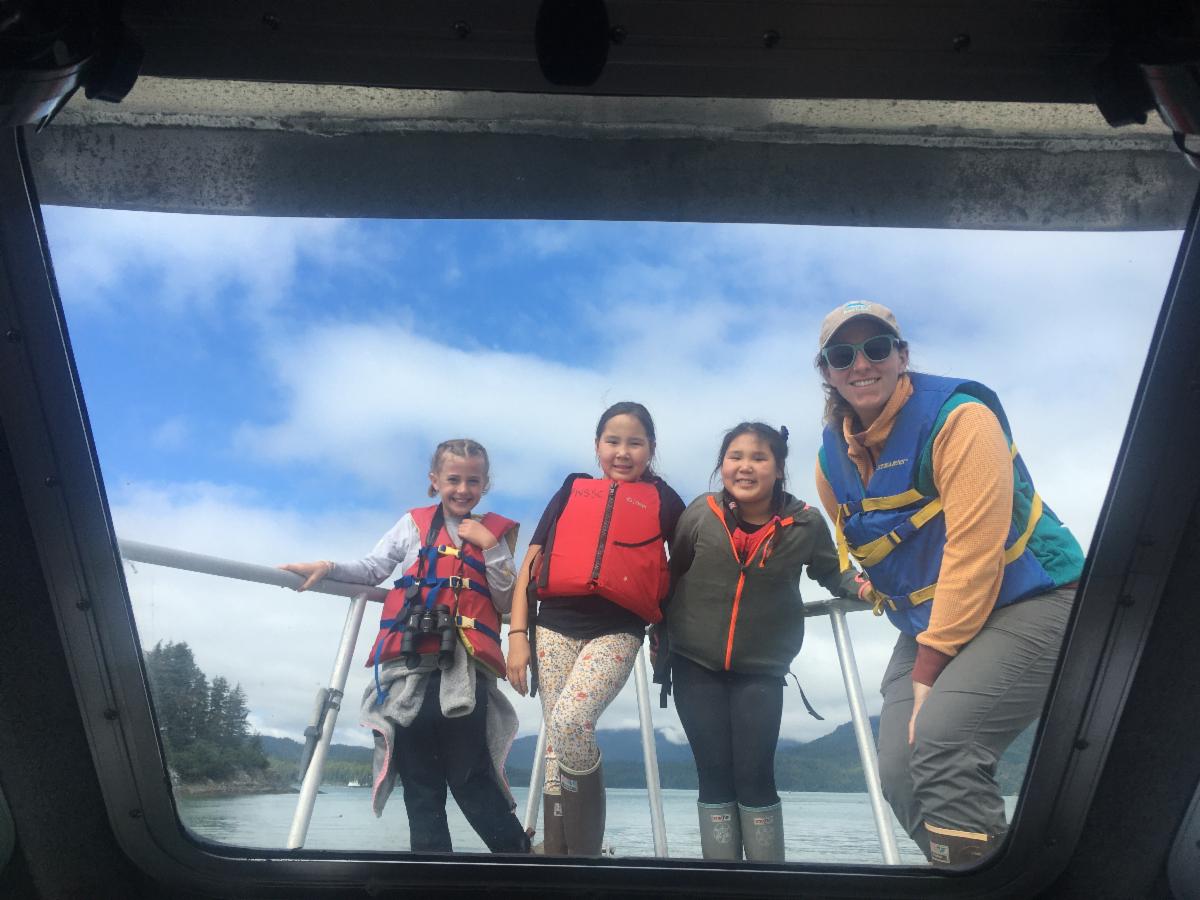
Mt. Eccles Elementary students on board M/V New Wave with education director, Lauren Bien. Photo credit: PWSSC.

The Science Center's education department is here to serve you! We want to know what you are interested in learning about and how you like to learn. Please consider filling out this quick survey (under 10 minutes) so we can better understand the community's needs. 

Community Events Calendar for March

We hope you can join us this month for some educational fun! Different programs are intended for specific ages, as noted below. Younger participants need to be accompanied by a caregiver. Everyone is welcome to attend. A current calendar of events can be found on our website. Subscribe here if you'd like to receive email notifications for upcoming community education programs.


March 11-15 (9-3 daily) Wind Energy Lab

Do your kids need to tinker during spring break? Come to the Science Center and play with the wind energy lab. Kids can experiment with different blades on our model wind turbines and compete to make the most power! This is a temporary exhibit, not an event, so feel free to drop by during business hours to experiment and explore. 


March 12 (7-8 pm) Tuesday Night Talk: South Harbor Updates

Collin Bronson of the City of Cordova will update us about the Cordova South Harbor Reconstruction Project. Feel free to stop by and ask Collin questions during this time. Open to the public.


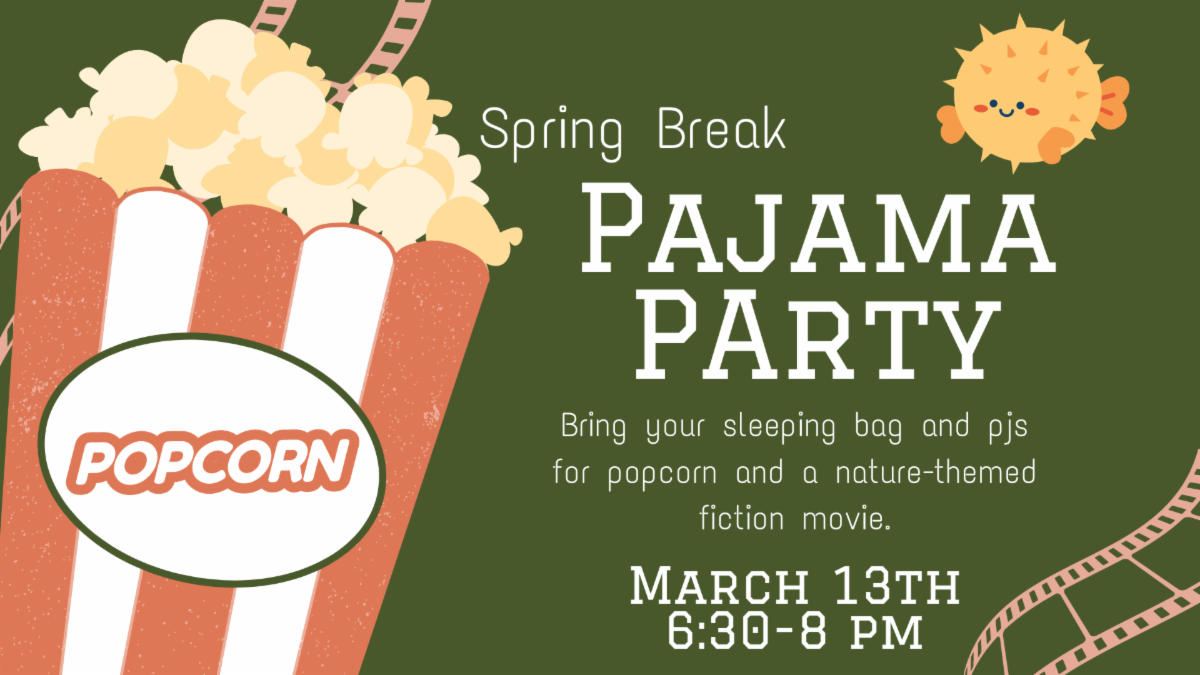
March 13 (6:30-8:00 pm) Spring Break Pajama Party!

Celebrate spring break with a pajama party at the Science Center. Bring your pjs, sleeping bags, and stuffies for popcorn and a movie on the big screen. Open to the public.


March 19 (7-8 pm) Tuesday Night Talk: Argentina

This night's talk will be a meeting of the Prince William Sound Audubon Society. Kristen Carpenter will lead this talk, and the topic of discussion is Argentina. Open to the public. 


March 22 (2:30-3:30 pm) Fun Friday: Ocean Wonders Learn what it is like to be an oceanographer through games, crafts, and interactive learning stations. The intended audience is kids in grades K-4 and their caregivers. 


March 26 (7-8 pm) Tuesday Night Talk: Gliders in Prince William Sound

Dr. Hank Statscewich of the University of Alaska Fairbanks will discuss his current research project using gliders in Prince William Sound, including live footage for people to view during his talk.

Education Month in Review: March

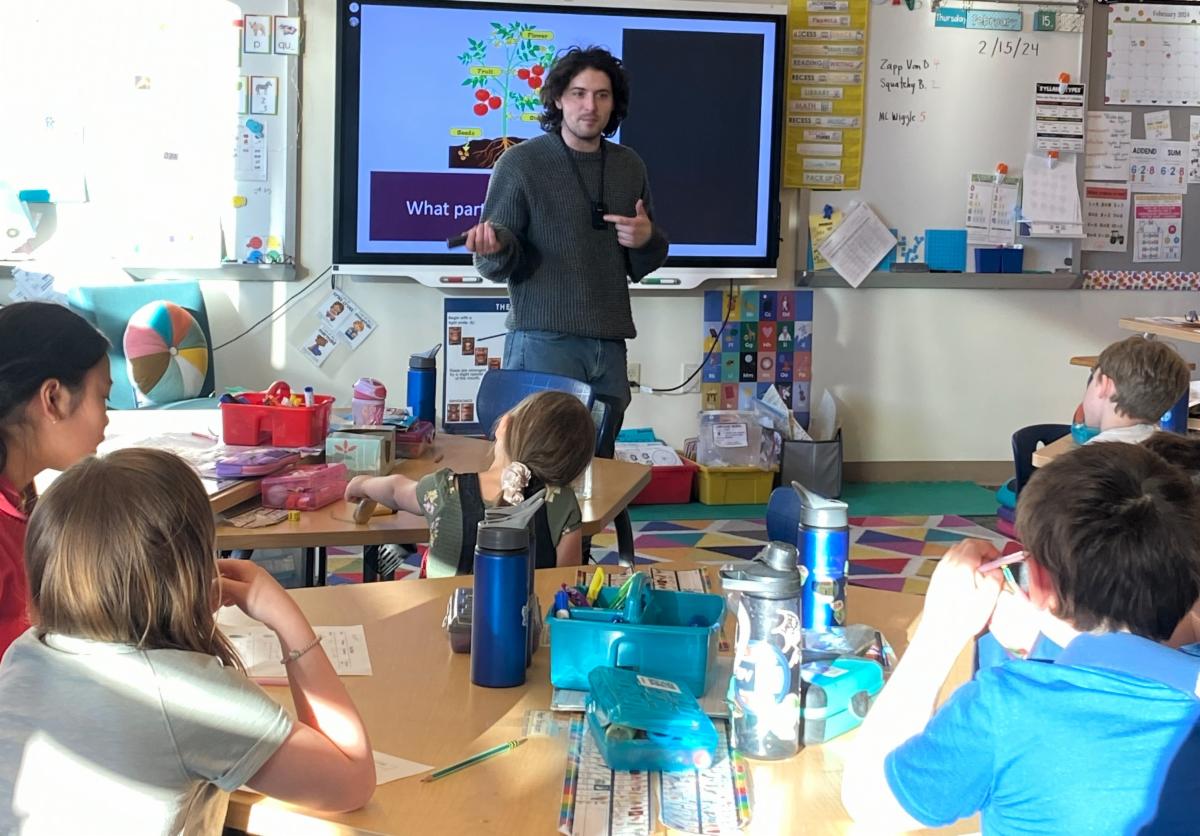
PWSSC’s AmeriCorps member, Esa, teaches the second-grade class about the different parts of a plant. Photo credit: PWSSC.

The Prince William Sound Science Center continues to offer free educational programs for people of all ages. Check out the events that were offered in February. 


Sea Squirts: Weather Pre-schoolers practiced fine motor skills, such as making clouds and precipitation experiments. They learned that a region’s climate is made up of weather patterns and created weather-themed dances.  


Fun Friday: Wacky Weather Participants played games, made crafts, and pretended they were real-life meteorologists. They learned about the Earth’s wacky weather and some common weather patterns being seen worldwide. 


Fun Friday: Seals, Sea Lions, and Walruses, Oh My! Attendees learned a new word: pinniped! They played games, participated in demonstrations, and made crafts while learning about the flipper-footed creatures of Alaska, including the harbor seal, the Steller sea lion, and the Pacific walrus.


Tuesday Night Talks from February can be viewed on our YouTube channel.


PWSSC educators continued to bring science into the classroom through Discovery Room.

  • Kindergarteners practiced their fine motor skills while learning about clouds. They counted how many drops of water a cotton ball could hold before it “rained” and made different types of cumulous clouds out of play dough. 
  • First grade learned a new word: illuminate. Through two different experiments, they learned that light is necessary to see.
  • Second grade tasted roots, shoots, and seeds while learning about the different parts of a plant. They can now tell you that peppers and tomatoes are fruits! 
  • Third grade dissected owl pellets – one method for learning what birds eat. They carefully extracted skulls, vertebrae, and leg bones to discover that these owls were eating rodents. 
  • Fourth grade was energized by wind power! Using their STEM skills, the fourth graders made different types of blades for wind turbines. They tested various blades and angles to see the variables that produced the most energy. 
  • Fifth grade dove into the carbon cycle with an interactive graphing game and mapped out how an imbalance in the carbon cycle affects Prince William Sound. 
  • The sixth grade embarked on the first part of the Remotely Operated Vehicle Challenge by constructing their ROVs. 
We're an official Pick.Click.Give. organization logo

Alaska residents: Time is ticking down to file your Permanent Fund Dividend application! Dedicating a portion of your PFD through Pick.Click.Give. is a quick and easy way to support the Prince William Sound Science Center. Your contribution helps us offer year-round science and outdoor education programs that get kids out in nature to learn about their local ecosystems.


The Prince William Sound Science Center is committed to resilient communities and healthy ecosystems. We need your help now more than ever. If you believe in our mission and care about what we do, please consider making a donation today.

DONATE NOW
Facebook  X  Instagram