Latest Updates on Children's Care | | | Transforming Children's Care Collaborative Update | | | |
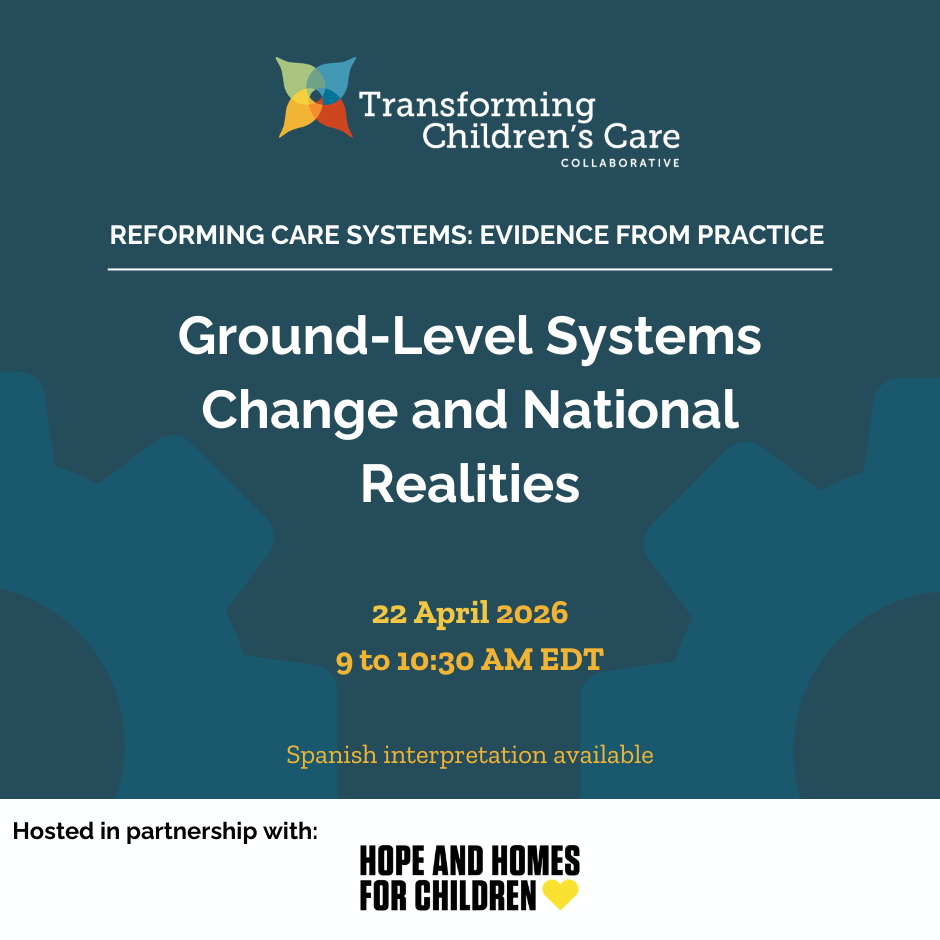
Upcoming Webinar: Ground-Level Systems Change and National Realities
Date: Wednesday, April 22, 2026
Time: 9-10:30 AM EDT
The Transforming Children's Care Collaborative is proud to host the second webinar in the Reforming Care Systems: Evidence from Practice webinar series. This session will dive into the ground-level realities of system strengthening across three diverse national contexts: South Africa, Rwanda, and Bulgaria. Drawing on the Hope and Homes for Children Global Roadmap for Care Reform: Families. Not Institutions., country experts will share the critical bottlenecks they encountered, the strategies that worked, the course corrections required, and the evidence of impact for children and families. This is a session for practitioners, policy-makers, and funders who want to understand not just what reform looks like — but how it actually happens. The webinar is being hosted in partnership with Hope and Homes for Children. Spanish interpretation will be available.
| | Resources on COVID-19 and Children's Care | | | The Better Care Network continues to share tools, guidance, information, and other resources regarding children's care and protection during the COVID-19 pandemic. For more resources on COVID-19 and children's care, visit our collection of documents in the BCN COVID-19 Resource Center. | | | | |
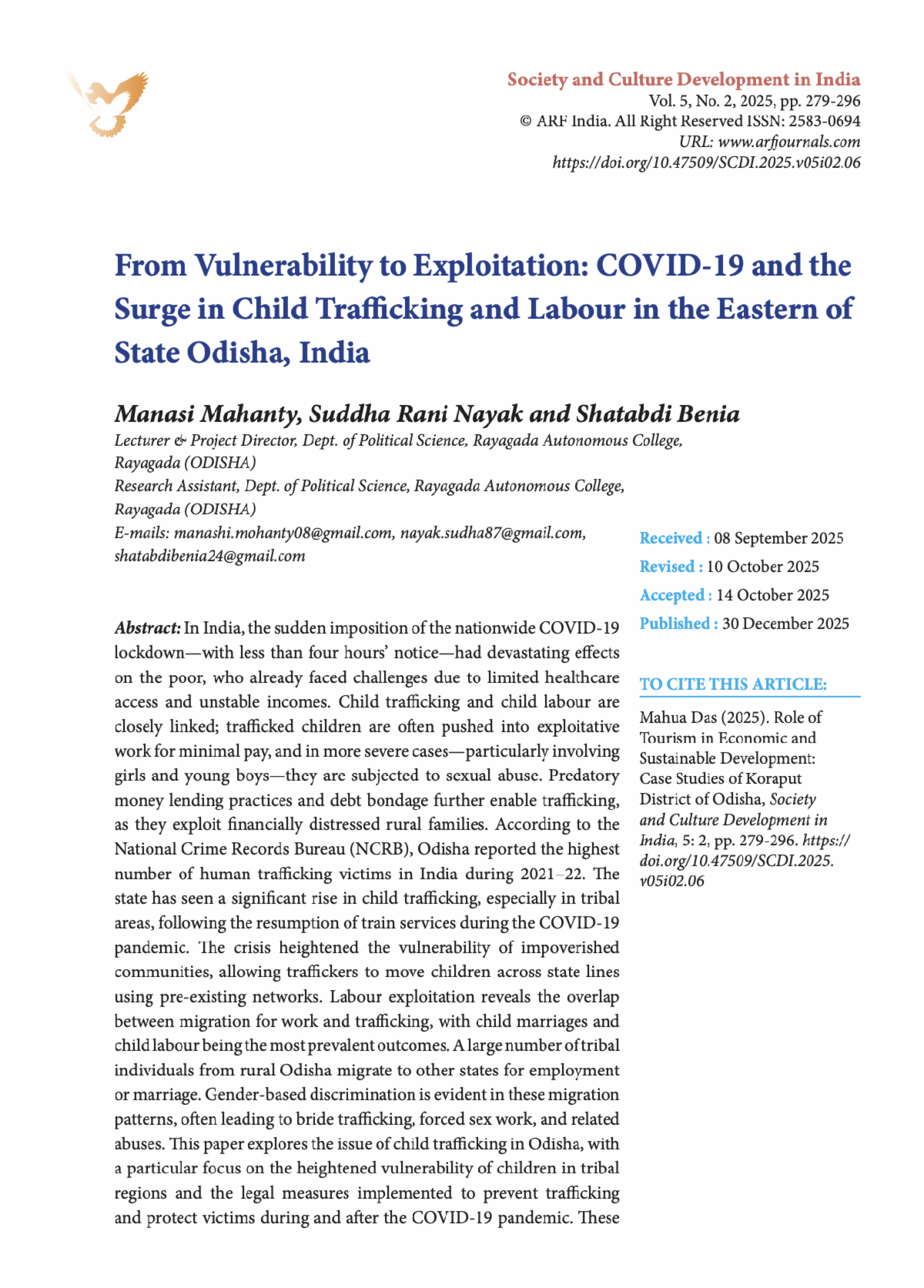
From Vulnerability to Exploitation: COVID-19 and the Surge in Child Trafficking and Labour in the Eastern of State Odisha, India
This paper explores the issue of child trafficking in Odisha, India, with a particular focus on the heightened vulnerability of children in tribal regions and the legal measures implemented to prevent trafficking and protect victims during and after the COVID-19 pandemic.
| | | | |
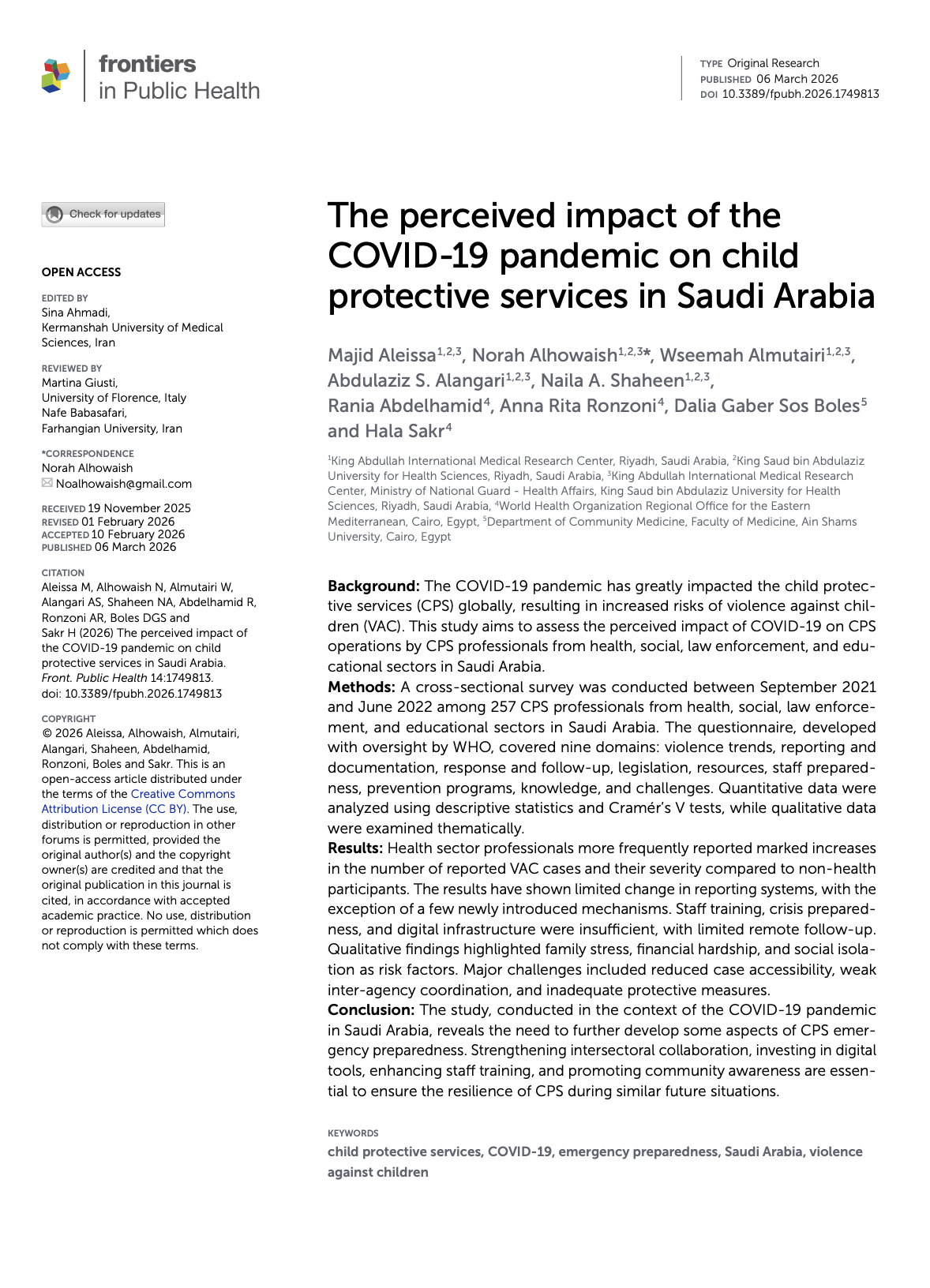
The Perceived Impact of the COVID-19 Pandemic on Child Protective Services in Saudi Arabia
This study examines how the COVID-19 pandemic affected child protection services in Saudi Arabia, finding increased risks and severity of violence against children alongside challenges such as limited reporting improvements, weak coordination, and insufficient staff training and digital tools. It highlights the need for stronger emergency preparedness, better collaboration across sectors, and improved resources to ensure effective child protection during future crises.
| | | | |
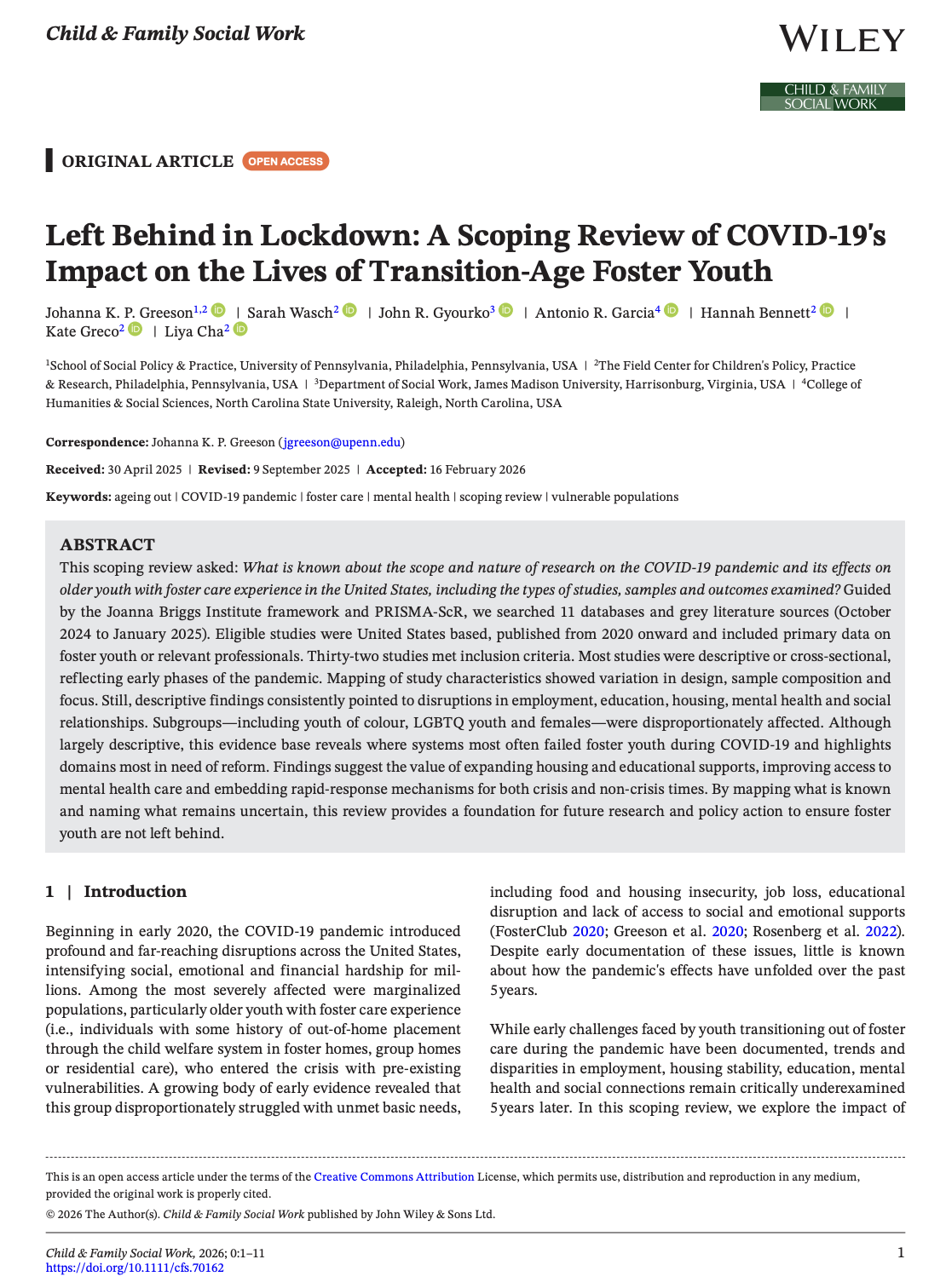
Left Behind in Lockdown: A Scoping Review of COVID-19's Impact on the Lives of Transition-Age Foster Youth
This review examines research on how the COVID-19 pandemic affected older youth with foster care experience in the United States, finding major disruptions in areas like housing, education, employment, mental health, and relationships. It shows that certain groups, such as youth of color, LGBTQ youth, and females, were especially impacted, and calls for stronger support systems and policies to better protect foster youth in future crises.
| | Understanding the Situation | | | | |
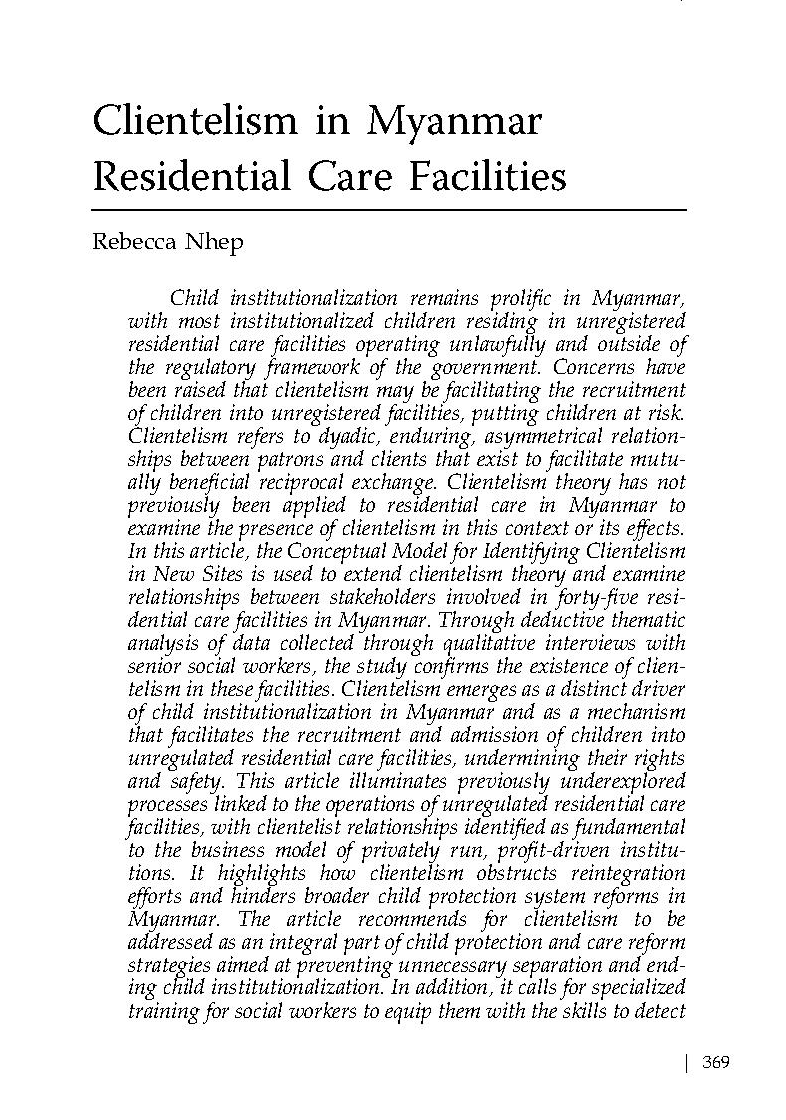
Clientelism in Myanmar Residential Care Facilities
In Myanmar, concerns have been raised that clientelism may be facilitating the recruitment of children into unregistered facilities, putting children at risk. This study uses clientelism theory and examines relationships between stakeholders involved in forty-five residential care facilities in Myanmar. It finds clientelism as a distinct driver of child institutionalization in Myanmar and as a mechanism that facilitates the recruitment and admission of children into unregulated residential care facilities, undermining their rights and safety.
| | | | |
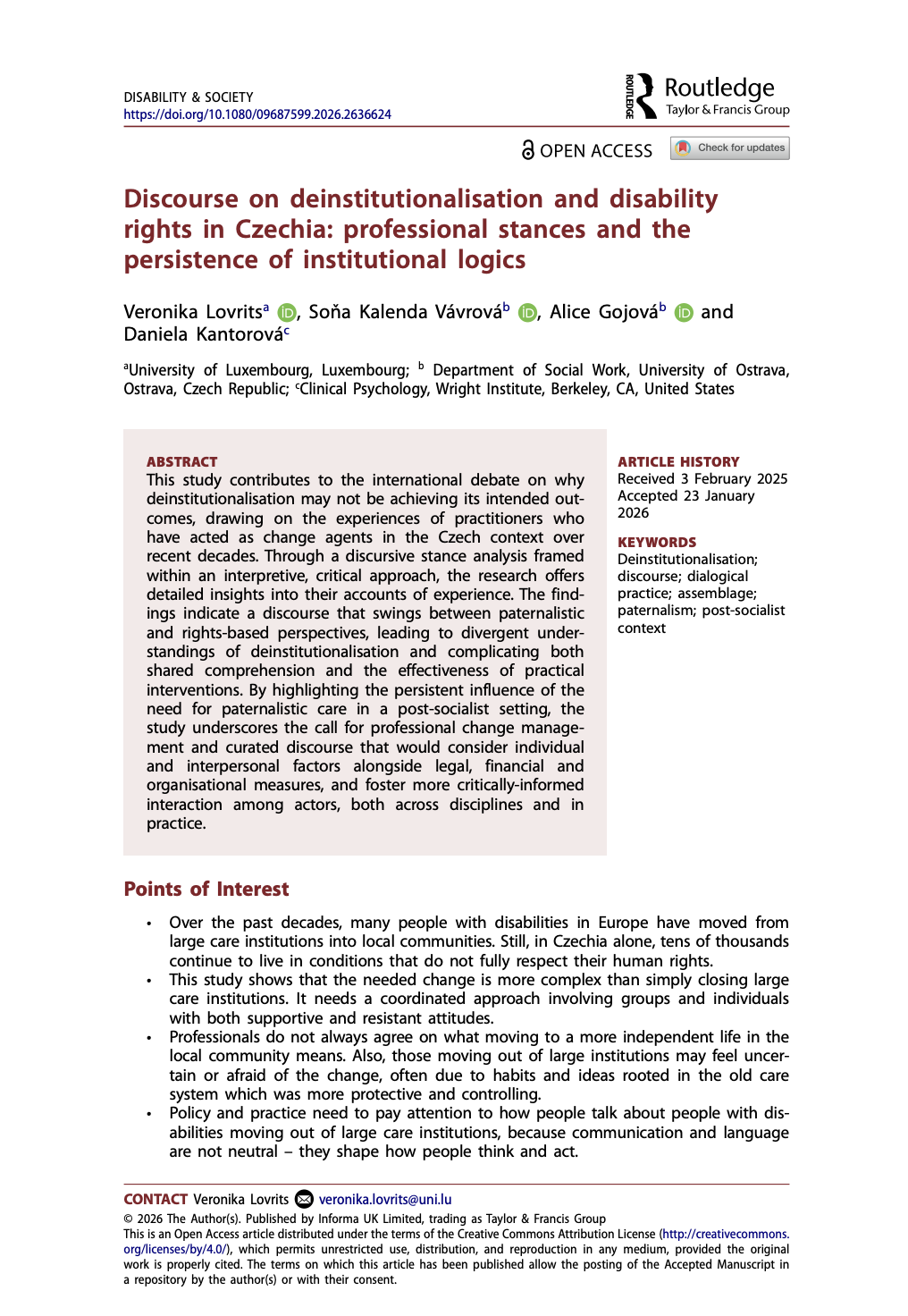
Discourse on Deinstitutionalisation and Disability Rights in Czechia: Professional Stances and the Persistence of Institutional Logics
This study explores why deinstitutionalisation has not always achieved its intended results in the Czech Republic by examining the experiences of practitioners involved in care reform. It finds that conflicting views—between paternalistic approaches and rights-based perspectives—create misunderstandings and challenges in implementing reforms, highlighting the need for stronger change management and collaboration among professionals.
| | | | |
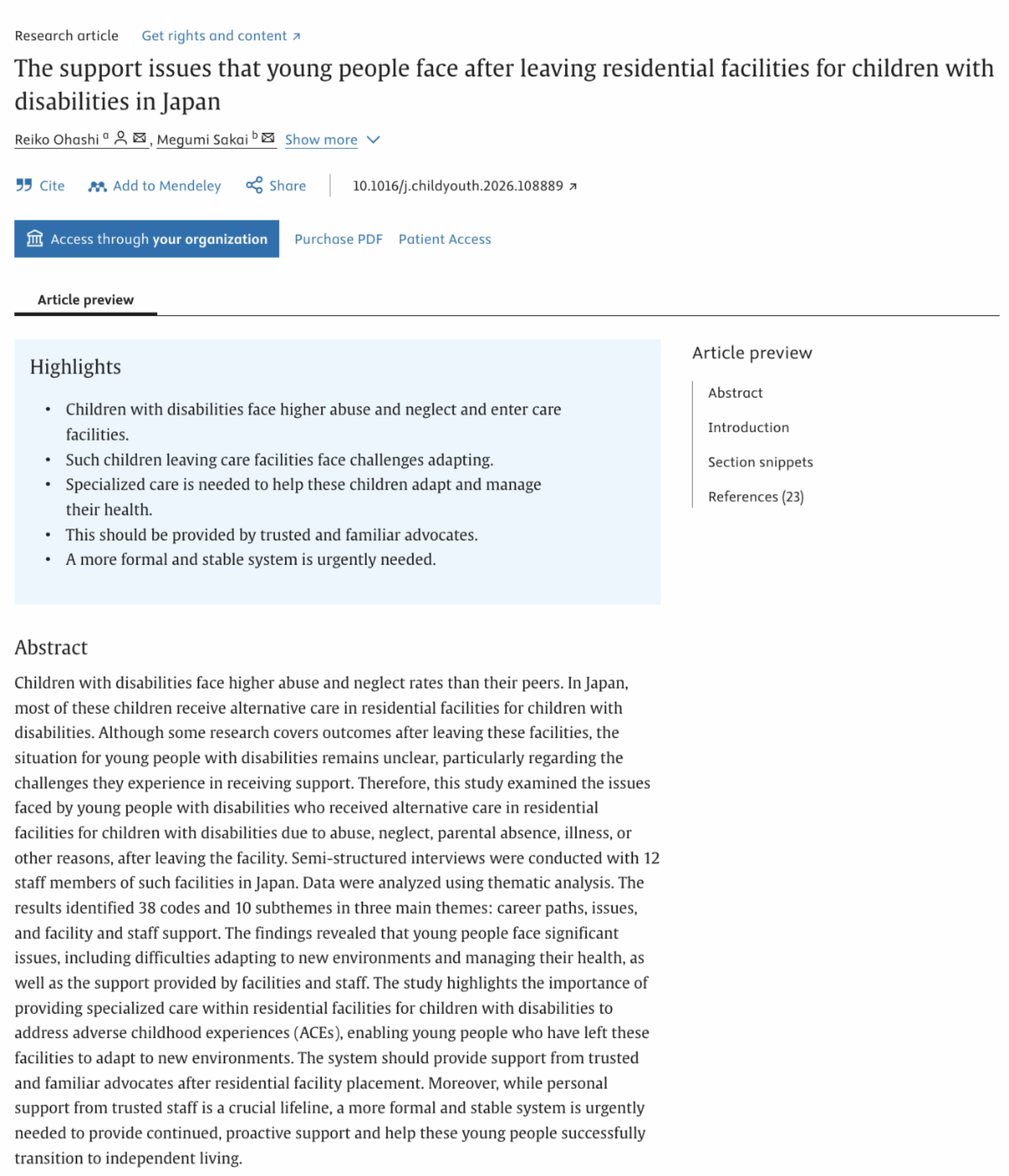
The Support Issues that Young People Face After Leaving Residential Facilities for Children with Disabilities in Japan
This study explores the challenges faced by young people with disabilities in Japan after leaving residential care, finding they often struggle with adapting to new environments, managing their health, and accessing consistent support. It highlights the need for more structured, long-term support systems to help them successfully transition to independent living.
| | | | |
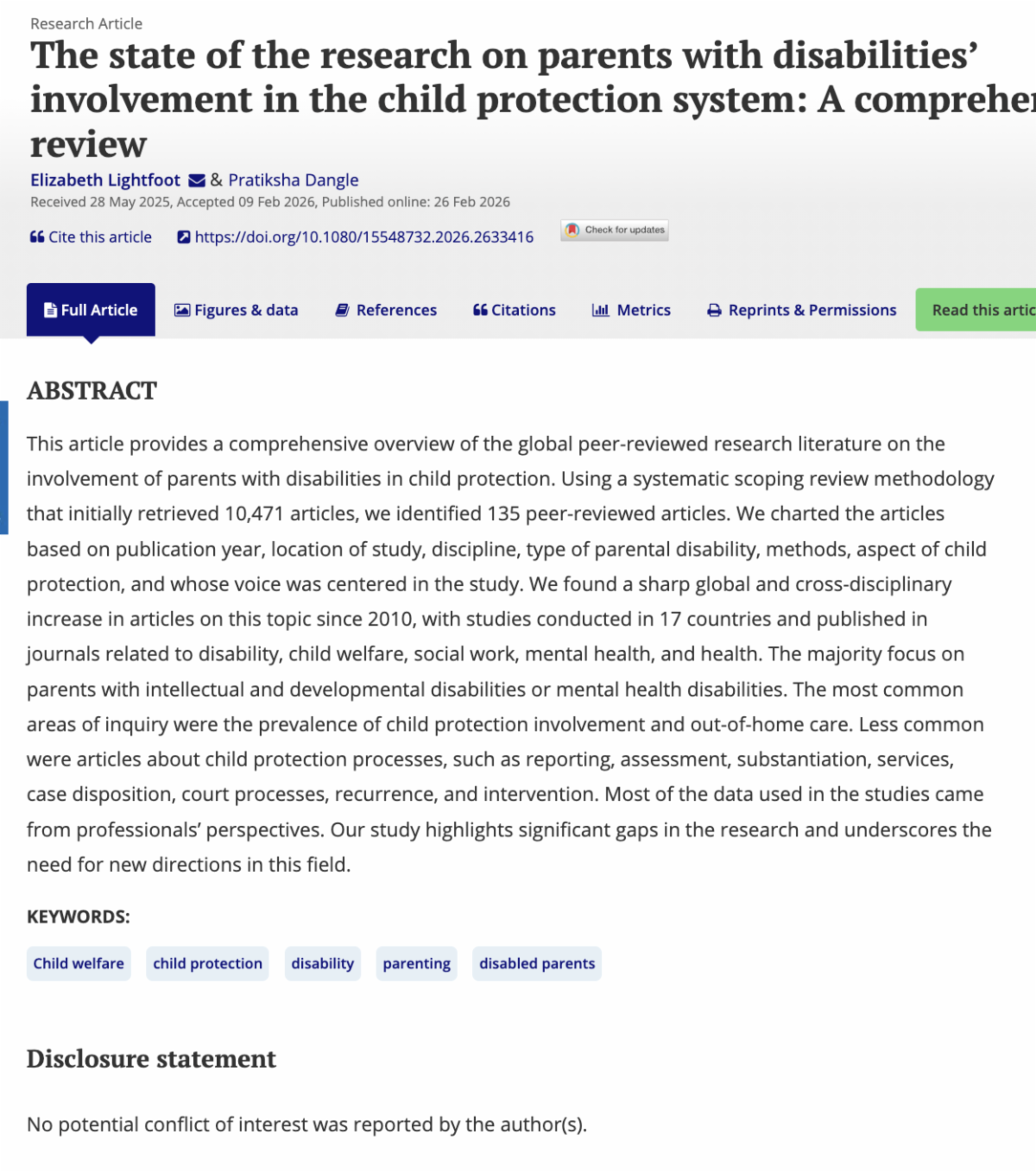
The State of the Research on Parents with Disabilities’ Involvement in the Child Protection System: A Comprehensive Review
This article provides a comprehensive overview of the global peer-reviewed research literature on the involvement of parents with disabilities in child protection. It finds that most studies focus on parents with intellectual, developmental, or mental health disabilities and rely largely on professional perspectives, highlighting important gaps in research, especially around parents’ voices and child protection processes.
| | | | |
“They Call Me the Girl from Residential Care”: Risks and Stressors of Care Leavers in Arab Society in Israel
This study explores the challenges faced by at-risk Arab young adults in Israel as they transition out of care, highlighting how minority status and cultural context shape their experiences. Findings reveal cycles of family risk, identity struggles, and feelings of loss and exclusion, underscoring the need for culturally responsive, gender-sensitive, and inclusive support programs for care leavers.
| | | | |
Residential Care Practitioners’ Knowledge, Training and Insights into Child Sexual Exploitation
This study surveys residential care practitioners in Queensland, Australia to examine their training, knowledge, and perceptions related to child sexual exploitation (CSE) among young people in residential care. It finds significant gaps in both pre-service and in-service training and highlights practitioners’ strong demand for more education to improve identification and responses to CSE.
| | | | |
Building Better Safeguarding: The Catholic Church and Its Institutions in Kenya
This study examines child safeguarding practices in Catholic dioceses in Kenya, finding that although safeguarding policies and support systems exist, only a small proportion of church personnel have received formal training. The research highlights ongoing risks—including sexual abuse, child labour, neglect, and early marriage—and identifies resource constraints, cultural resistance, and institutional barriers as key challenges to effective safeguarding.
| | | | |
Child Abuse and Child Protection Policies in Kosovo
This article examines child abuse in Kosovo by analyzing policy gaps, risk factors, legal frameworks, and challenges in implementing child protection laws, drawing on interviews with senior Ministry of Justice officials and national data. It highlights a significant rise in child victimization between 2020 and 2022 and recommends legislative updates, institutional reforms, and the development of a national strategic document to strengthen child protection systems.
| | | | |
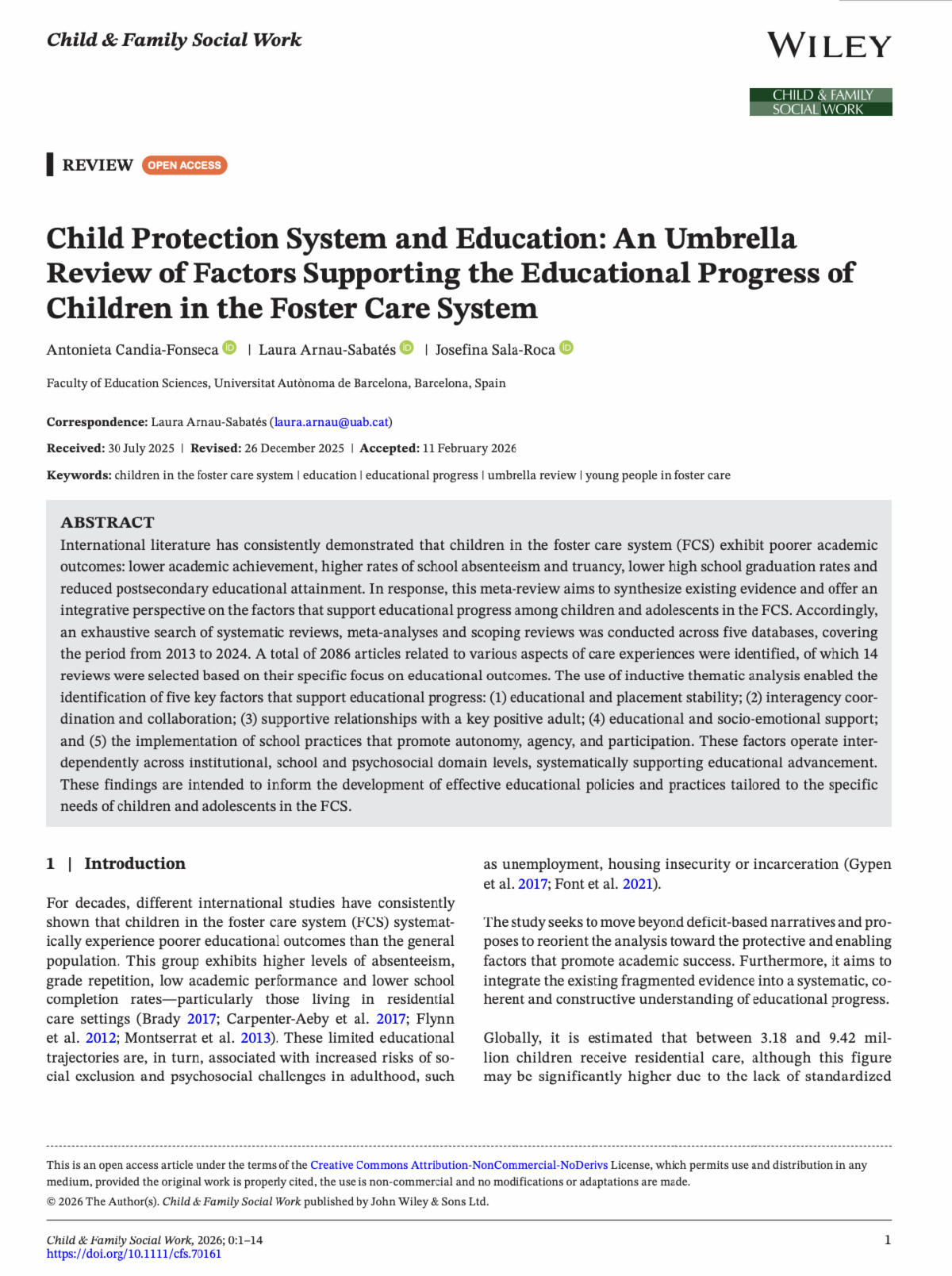
Child Protection System and Education: An Umbrella Review of Factors Supporting the Educational Progress of Children in the Foster Care System
This meta-review synthesizes global research on educational outcomes for children and adolescents in foster care, confirming that they often face poorer academic results and lower graduation rates. It identifies five key factors that support educational success: placement and school stability, interagency collaboration, supportive relationships with adults, academic and emotional support, and school practices that promote autonomy and participation.
| | | | |
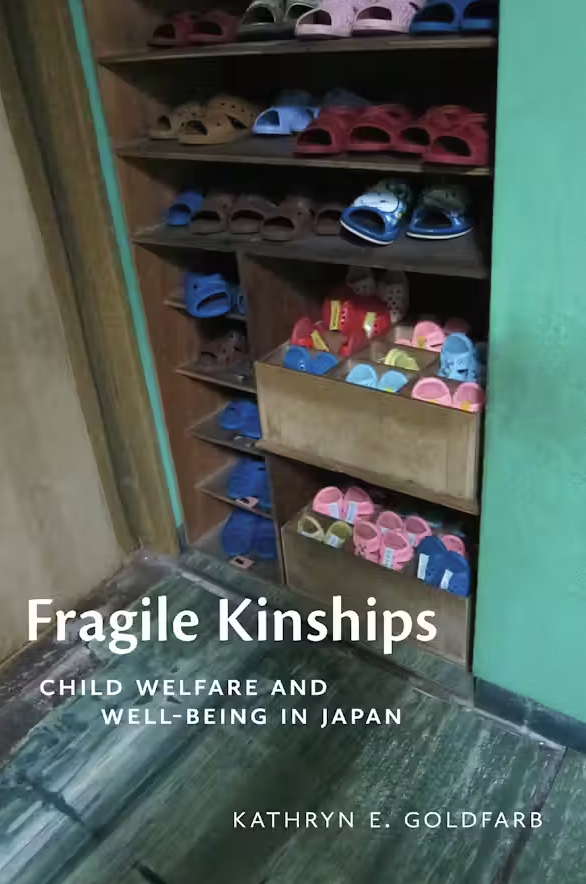
Fragile Kinships: Child Welfare and Wellbeing in Japan
In this book, Kathryn E. Goldfarb examines how child welfare systems in Japan do not always lead to well-being and can leave people feeling isolated despite efforts to support children and families. The book highlights the importance of relational well-being and shows how individuals create new forms of kinship and connection when traditional family ties are absent.
| | | | |
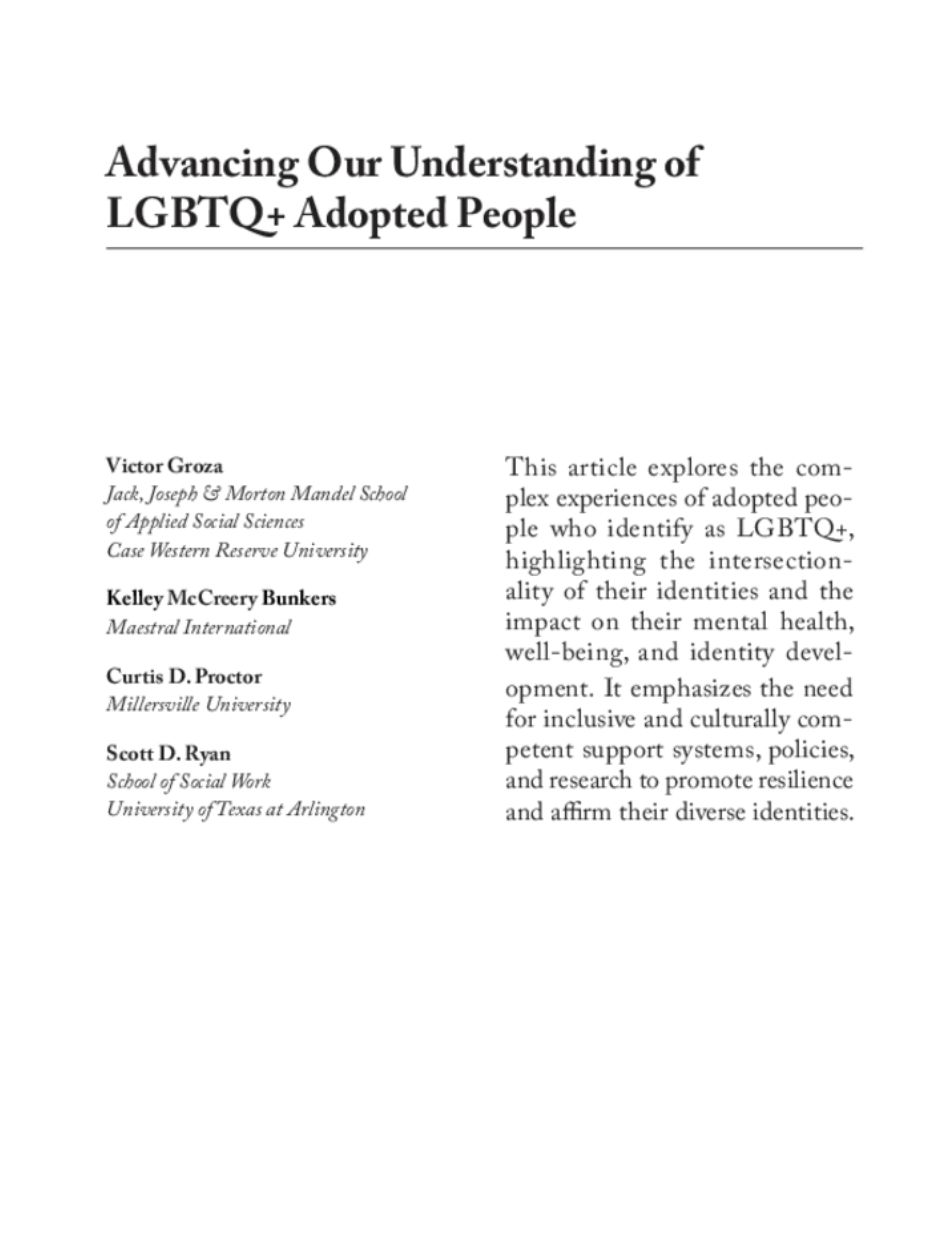
Advancing Our Understanding of LGBTQ+ Adopted People
This article explores the complex experiences of adopted people who identify as LGBTQ+, highlighting the intersectionality of their identities and the impact on their mental health, well-being, and identity development. It emphasizes the need for inclusive and culturally competent support systems, policies, and research to promote resilience and affirm their diverse identities.
| | | | |
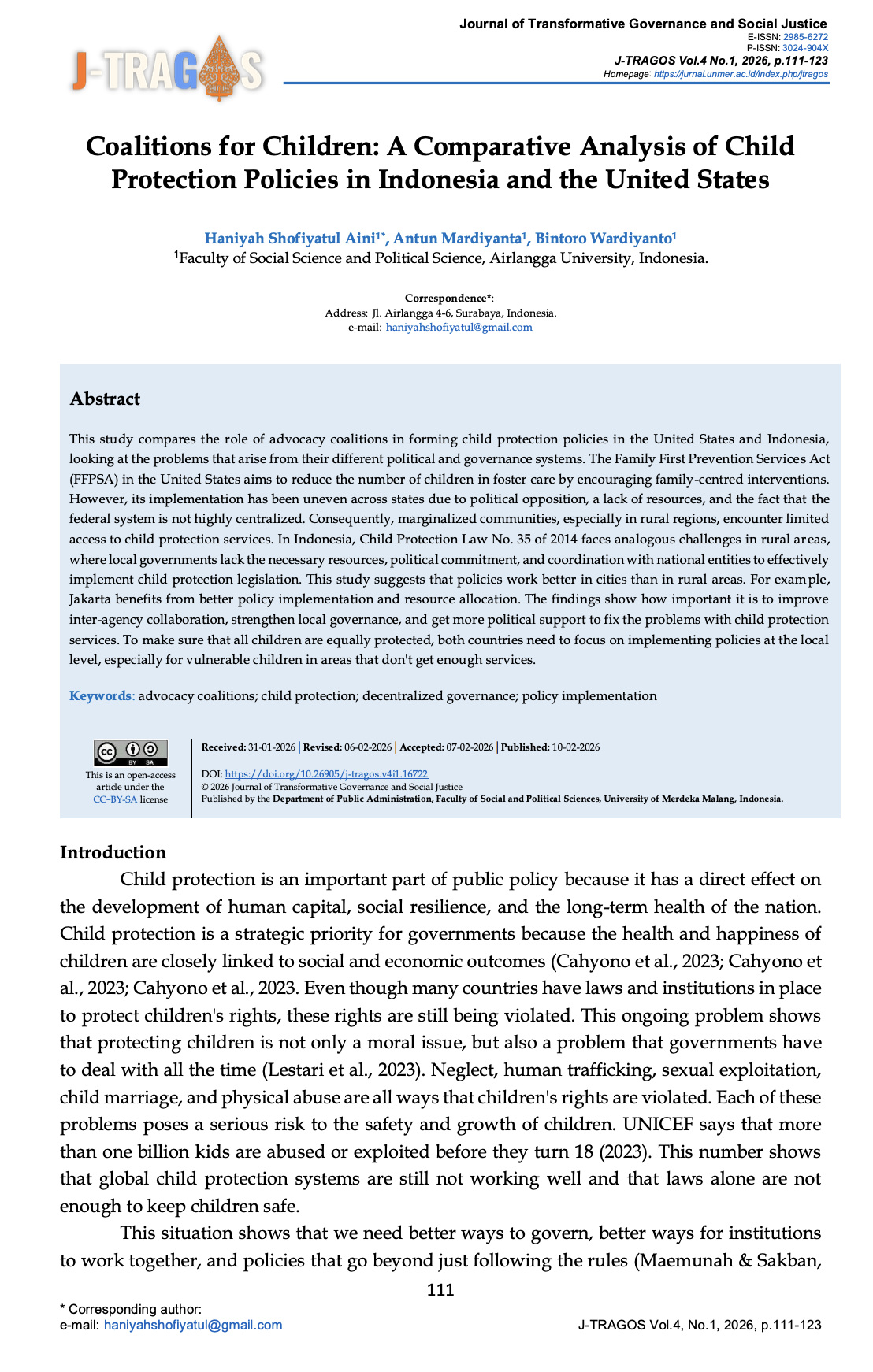
Coalitions for Children: A Comparative Analysis of Child Protection Policies in Indonesia and the United States
This study compares the role of advocacy coalitions in forming child protection policies in the United States and Indonesia, looking at the problems that arise from their different political and governance systems. The findings show how important it is to improve inter-agency collaboration, strengthen local governance, and get more political support to fix the problems with child protection services.
| | | | |
Reconceptualising Child Trafficking, Migration, And Agency In West Africa: Kinship, Care, Criminalisation, And The Politics Of Protection
This article offers an extensive theoretical and analytical interrogation of dominant trafficking discourses, with particular emphasis on Ghana, Nigeria, and the wider West African sub-region. It argues that prevailing global and national anti-trafficking frameworks often obscure children’s agency, misrecognise culturally embedded practices such as fostering and labour migration, and produce unintended harms through criminalisation and rescue-oriented interventions.
| | | | |
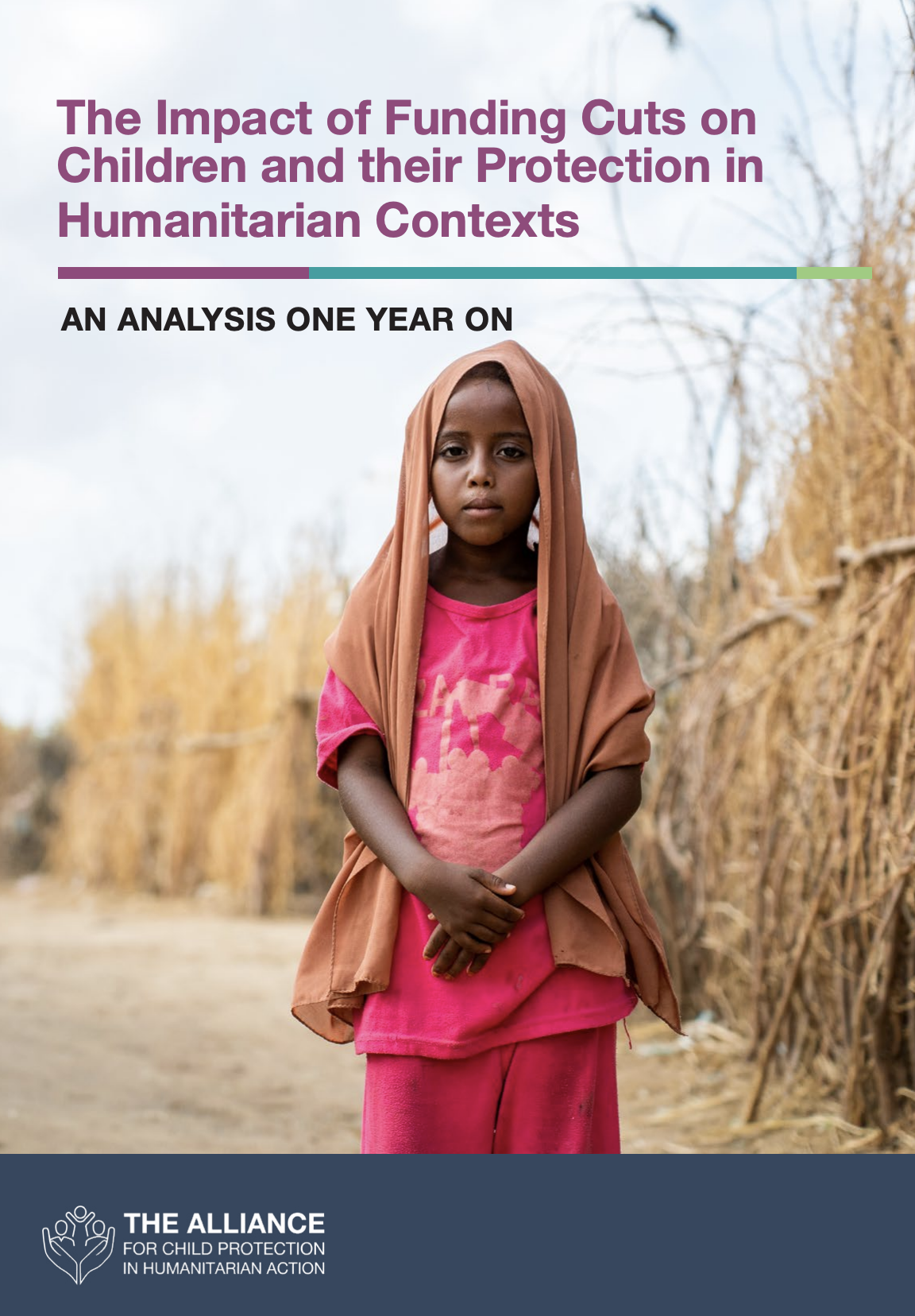
The Impact of Funding Cuts on Children and their Protection in Humanitarian Contexts
This global brief examines how sustained humanitarian funding cuts since early 2025 are affecting children’s safety, access to protection services, and the overall capacity of child protection systems across humanitarian contexts. Drawing on insights from 401 practitioners across 68 countries, alongside key informant interviews, the analysis shows that what began as short-term financial disruption has evolved into systemic deterioration.
| | Policies, Standards, and Guidance | | | | |
The Handbook of Social Protection: Evidence and New Directions for Low- and Middle-Income Countries
Social protection programs, such as cash transfers and pensions, have expanded widely in low- and middle-income countries and play a key role in reducing poverty and supporting vulnerable populations. This handbook reviews the growing body of research on these programs, summarizing what is known and highlighting important gaps for future study. An open access edition of this book is available thanks to funding and support from MIT Press Direct.
| | | | |
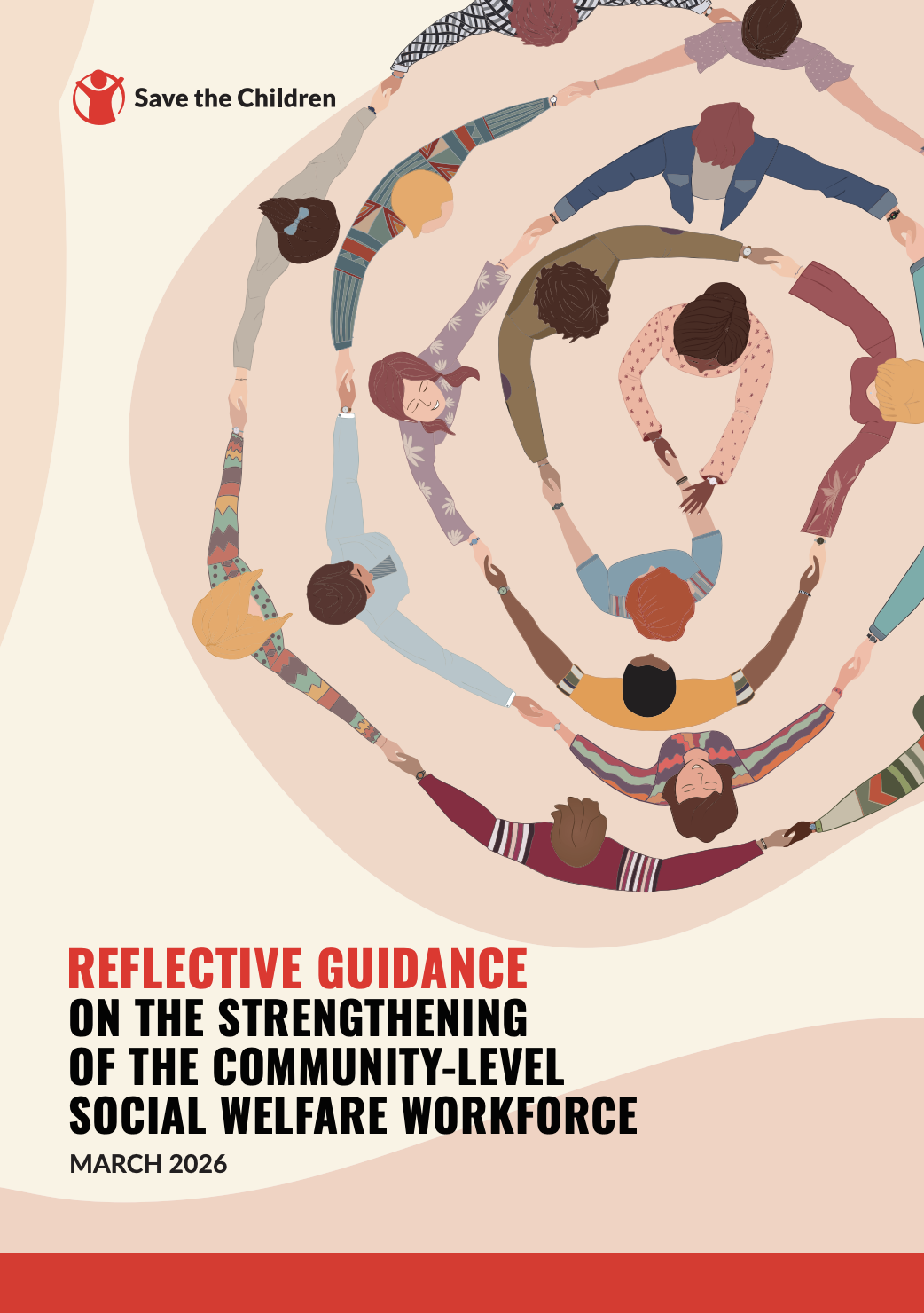
Reflective Guidance on the Strengthening of the Community-Level Social Welfare Workforce
This guidance is intended to support colleagues who are already engaged in this area of work in strengthening the CLSWW through a reflective, collaborative, and Child Protection Systems Strengthening (CPSS) approach. The guidance outlines a practical assessment and strategy development process in a step-by-step manner, enabling country offices—together with government counterparts and other child protection organizations—to identify strengths, gaps, and priorities, and to plan and implement targeted actions accordingly.
| | | | |
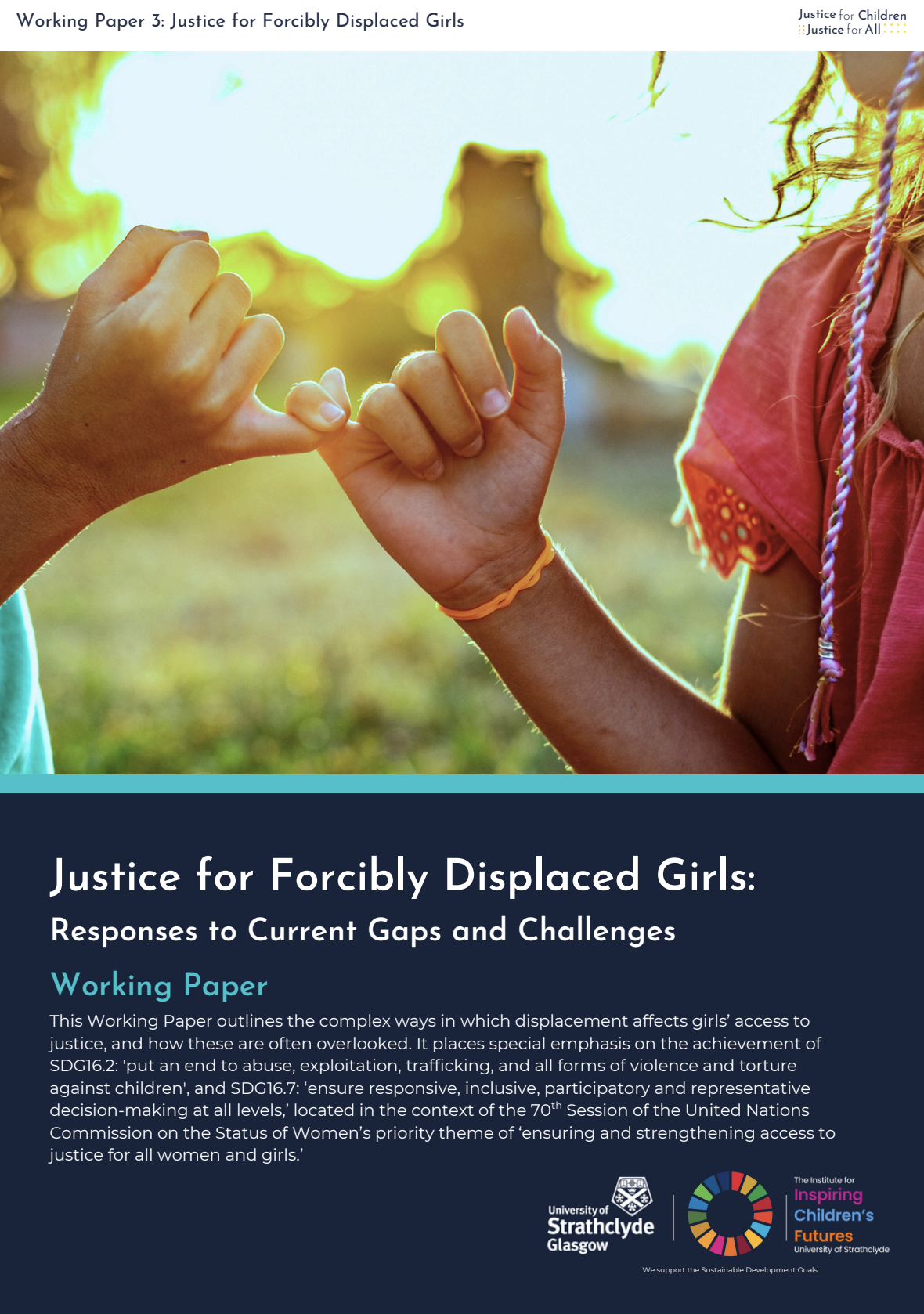
Justice for Forcibly Displaced Girls: Responses to Current Gaps and Challenges
This Working Paper outlines the complex ways in which displacement affects girls’ access to justice, and how these are often overlooked. It places special emphasis on the achievement of SDG16.2: 'put an end to abuse, exploitation, trafficking, and all forms of violence and torture against children', and SDG16.7: ‘ensure responsive, inclusive, participatory and representative decision-making at all levels, ’ located in the context of the 70 Session of the United Nations Commission on the Status of Women’s priority theme of ‘ensuring and strengthening access to justice for all women and girls.
| | | | |
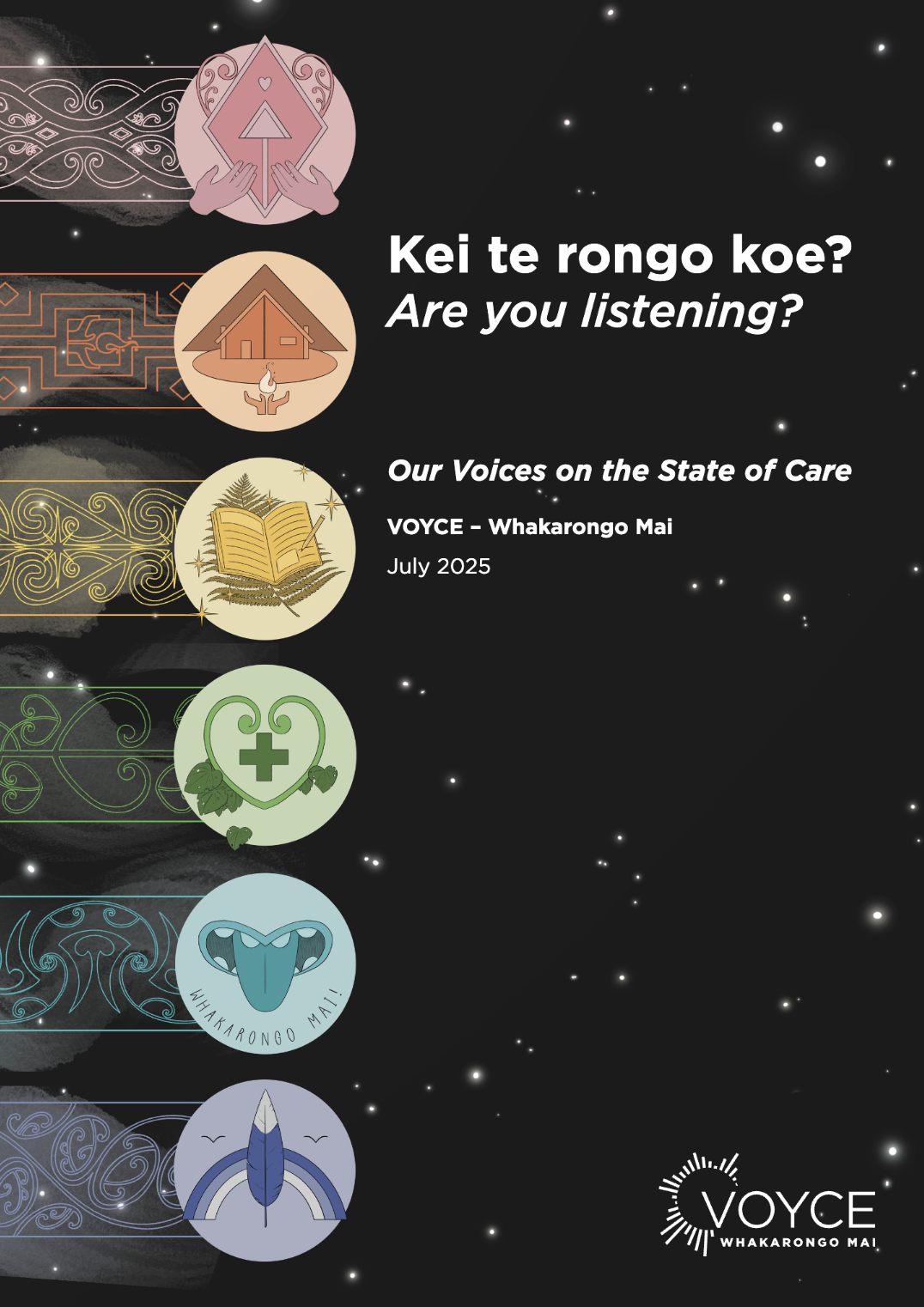
Kei te rongo koe? Are you listening?
The 2025 State of Care report by VOYCE Whakarongo Mai shares the experiences of children and young people in care in New Zealand, focusing on whether they feel truly cared for rather than just how the system performs. Co-written with care-experienced youth, the report amplifies their voices to highlight what is working, what needs to change, and their hopes and recommendations for improving the care system.
See also:
| | | | |
The Development of Social Services and Deinstitutionalization in Poland as an Example of Good Practices for Ibero-American Countries
This article explores the process of deinstitutionalization as a central challenge of contemporary social policy in Europe, with a special focus on Poland as an example of good practices for Ibero-American countries. The Polish case shows that implementing deinstitutionalization requires coordinated strategies, investment in human capital, digitalization, and multi-sectoral cooperation.
| | | | |
Trauma-Informed Parenting Interventions in Child Welfare: A Scoping Review
This global scoping review examines trauma-informed parent training programs in child welfare, identifying 24 studies—mostly focused on foster or resource parents—with a few addressing birth parents’ own trauma. The review finds that these programs, often delivered in group formats, lead to meaningful improvements for both children and parents and highlight the growing promise of trauma-informed approaches in supporting families involved in child welfare.
| | | | |
Comparative Analysis of Child Protection Systems in Sub-Saharan Africa: Review of Four Countries with Implications for the Practice of Social Workers
This literature review compares the child protection systems of Seychelles, Ghana, Kenya, and Sierra Leone with a shared colonial history under Britain to identify similarities and differences and to understand the implications of the operating child protection system on child protection social workers. Based on the findings, the paper argues for a system that empowers child protection social workers to work with discretion in the child's best interest rather than within a restrictive, controlled system.
| | | | |
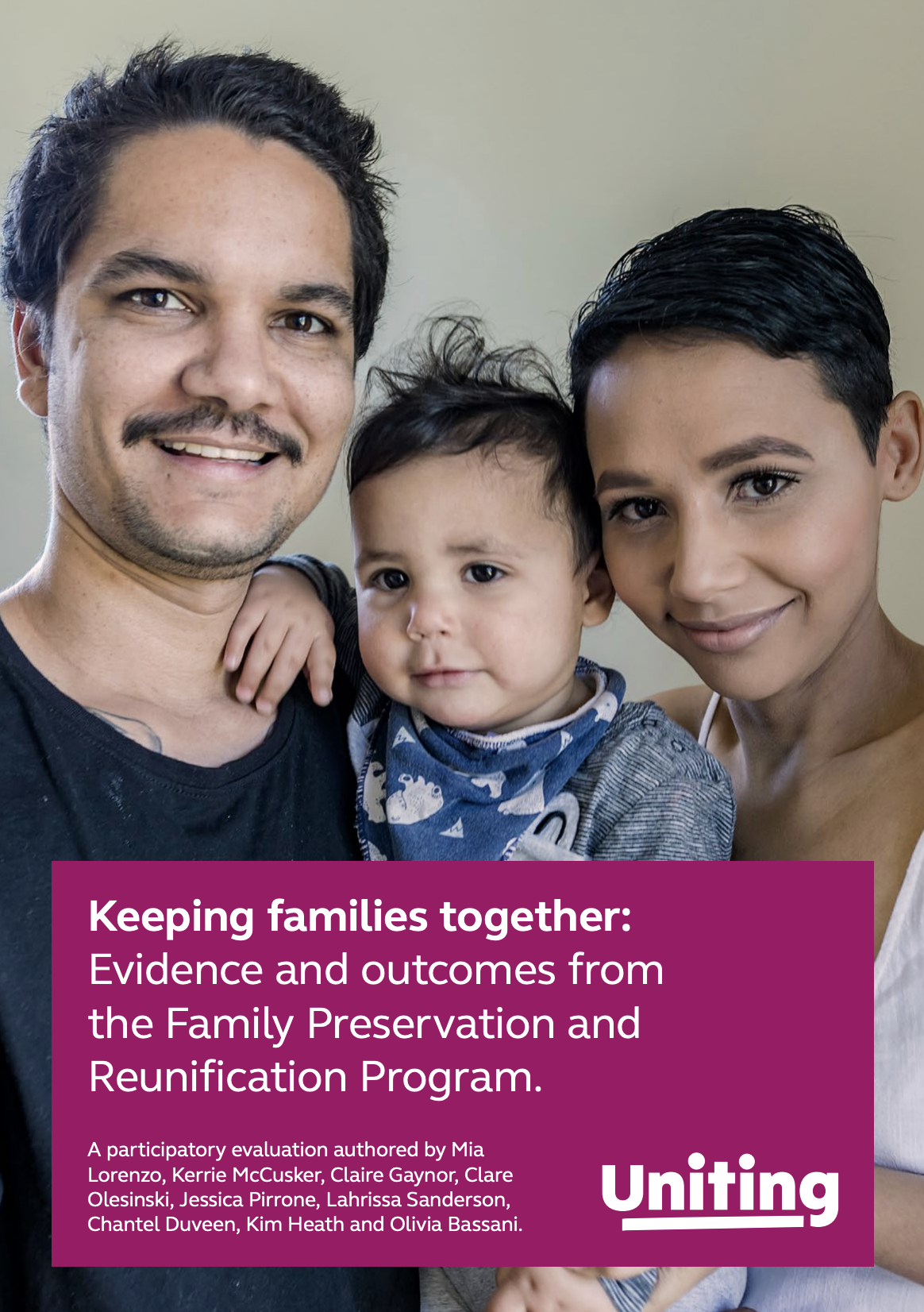
Keeping Families Together: Evidence and Outcomes from the Family Preservation and Reunification Program
This evaluation of Uniting Vic.Tas’ Family Preservation and Reunification (FPR) Program in Australia found that intensive, in-home support helps families stay safely together, especially when practitioners build trusting relationships and provide both practical and emotional support. The study also identified opportunities to strengthen the program, including longer engagement periods, greater continuity with practitioners, and follow-up support after families exit the program.
| | | | |
Measuring Child Protection Advocacy Reach: Development of an Advocacy Reach Calculator
This paper introduces an Advocacy Reach Calculator developed by ChildFund International to estimate how many children and families benefit from child protection policy changes. It outlines the tool’s development and pilot testing in four countries, showing how it can support better monitoring, planning, and advocacy efforts.
| | | | |
Preventing Child Sexual Abuse at Scale: What it Takes
Too often, child sexual abuse (CSA) prevention is seen as too complex to scale – too sensitive, siloed, or difficult to measure. In this study, Spring Impact reveals how 17 organisations are making scale work in the real-world: reaching more children, embedding prevention into public systems, and sustaining impact over time.
| | | | |
Evaluation of Save the Children Finland’s Child-Sensitive Social Protection (CSSP) programme in Asia and Africa
This evaluation of Save the Children Finland’s Child-Sensitive Social Protection (CSSP) programme (2022–2025) found that it improved access to social protection, strengthened government systems, and supported better parenting practices across six countries in Africa and Asia. The programme showed strong results—especially through its parenting component, which improved caregiver engagement and child development outcomes—while highlighting the need for greater government ownership to sustain long-term impact.
| | | | |
Relational Care in Out-of-Home Care in NSW: Learnings from Practitioners and Managers in Non-profit Organisations
This report explores relational practice in out-of-home care in New South Wales, Australia, highlighting the importance of strong, trusting relationships between children, families, carers, and practitioners for children’s healing and well-being. It finds that although practitioners value relational work, system pressures, such as administrative requirements and compliance demands, often limit their ability to prioritize meaningful human connections.
| | | | |
Latin America and Caribbean Regional Ministerial Consultation on Ending Violence Against Children and Adolescents Final Report
This report summarizes a regional consultation convened by UNICEF and Pan American Health Organization to strengthen efforts to prevent and address violence against children in Latin America and the Caribbean. It highlights existing evidence, policy frameworks, and good practices from participating countries to support more coordinated and effective responses to violence against children.
| | | | |
Narrative Interventions for Children and Adolescents in Foster Care: A Scoping Review
This global scoping review of 38 studies examines how narrative therapy is used with children and adolescents in foster care and finds that these young people often lack a sense of control and clear understanding of their life stories. It highlights therapeutic approaches such as externalization, re-authoring, and life story work as promising tools for strengthening identity and well-being, while noting the limited number of rigorously evaluated interventions for this population.
| | | | |
Parenting Interventions in Refugee Contexts: Overview of Findings and Promising Directions
This paper highlights the importance of supporting refugee parents through targeted parenting interventions to promote the well-being and resilience of children and adolescents in refugee settings. It finds that comprehensive, group-based, and longer-term programs, combined with support for basic needs, can strengthen parenting practices, though more research is needed on their cultural relevance and long-term impact.
| | | | |
The Tiny Cave Website
The Tiny Cave and the Magnificent Creatures uses the Tiny Cave as a metaphor for the often-unintentional constraints that philanthropy and international development place on young people’s expansive imaginations. Through a puppet animation adapted from the storybook and brought together on the Tiny Cave website, Children's Rights Innovation Fund reflects how funding systems can narrow both young changemakers and those seeking to support them.
| | | | |
We would love to learn more about your work as a practitioner so that your local, national and/or regional lessons and experiences in the field can be shared with other practitioners.
| | | | |
A CELCIS Emerging Insight Series webinar: AI and Children’s Social Care
For the second session in CELCIS' Emerging Insight Series they explored what is known about how AI is already being used in decision-making in responding to the care and protection needs of children. The webinar showcased examples from across the world of where systems using AI have been built, the safeguards considered and put in place, how these have been working, and what can be learned from these international case studies, including from the United States of America, the UK and Canada.
| | | | |
What it Really Takes to Scale Child Sexual Abuse Prevention
Social taboos, fragmented systems, limited funding, and political sensitivities mean that child sexual abuse (CSA) prevention is often perceived as too complex to scale. Yet across the world, organizations are demonstrating that it is possible and already happening. Building on Spring Impact's previous ISPCAN Network webinar on the fundamentals of scaling impact, this session dives deeper into what it truly takes to scale prevention-focused initiatives.
| | |
Newsletter participants, currently 3,375 in total, work on issues related to the care and support of vulnerable children across Europe, Africa, the Middle East, Asia and the Americas. The purpose of the newsletter is to enable members to exchange information on matters of mutual concern. If you would like to share a document, raise a specific issue, request a newsletter subscription, or reach out in any other way to the Network, please send the information to us at contact@bettercarenetwork.org or visit our website at www.bettercarenetwork.org.
Thank you!
| | | | |