| | |
In this Issue
- 2026 Winter Speakers Series
- Eastern Washington Riparian Planting Symposium Highlights
- Welcome New Board Member Jeff Thomas
-
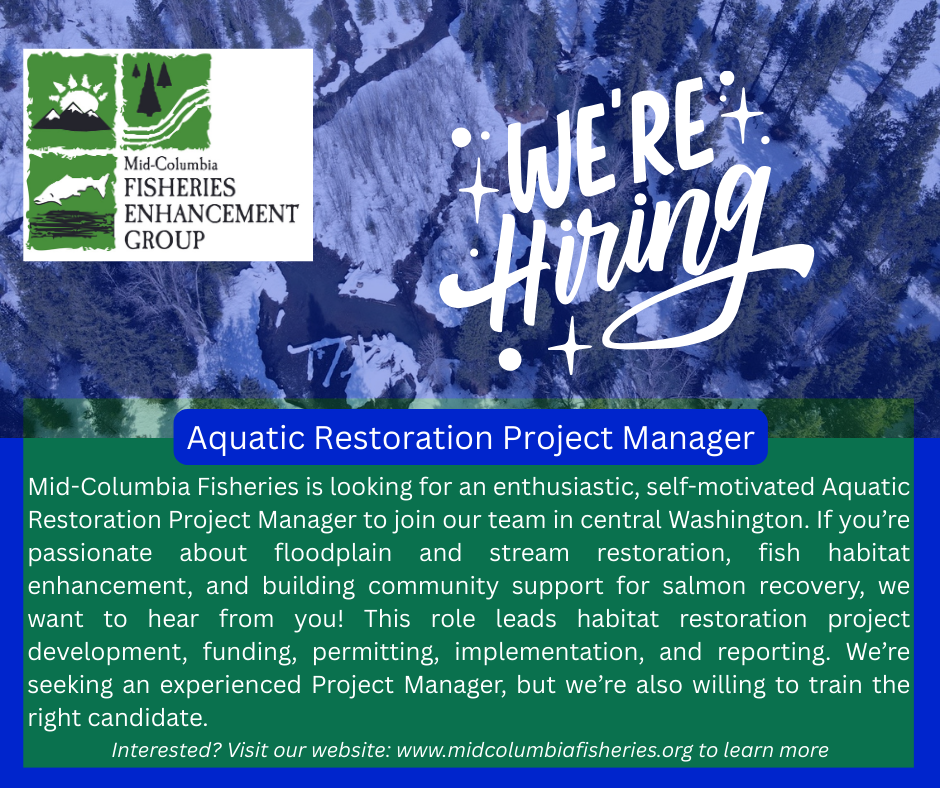
We Are Hiring
-
Welcome New Restoration Crew Leads
- Project in Focus: Monitoring Wells in the Teanaway
- It's Dissection Time!
- We Need Your Support!
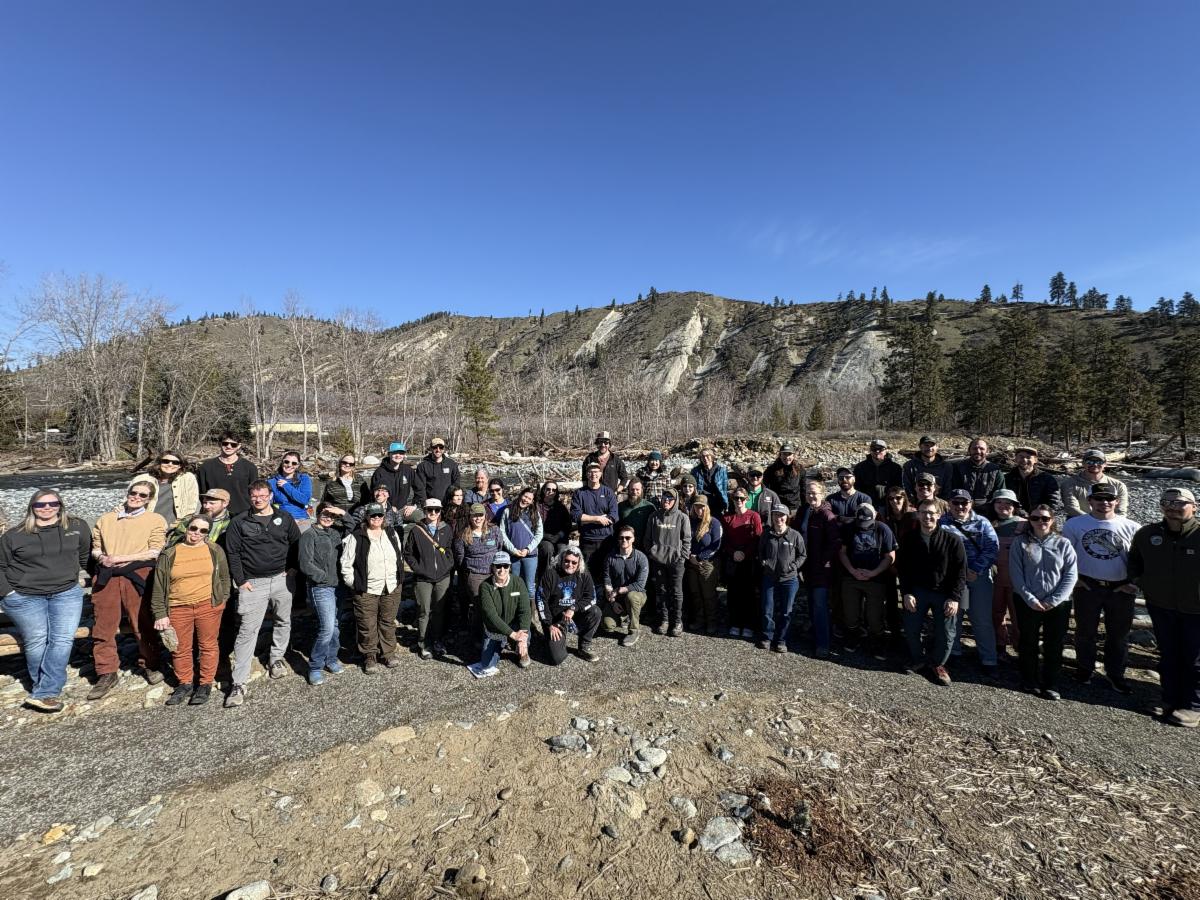
| | | | 2026 Eastern Washington Riparian Planting Symposium | | Field Trip Group Photo, Friday, February 27, 2026 - Lower Peshastin Restoration Project | |
|
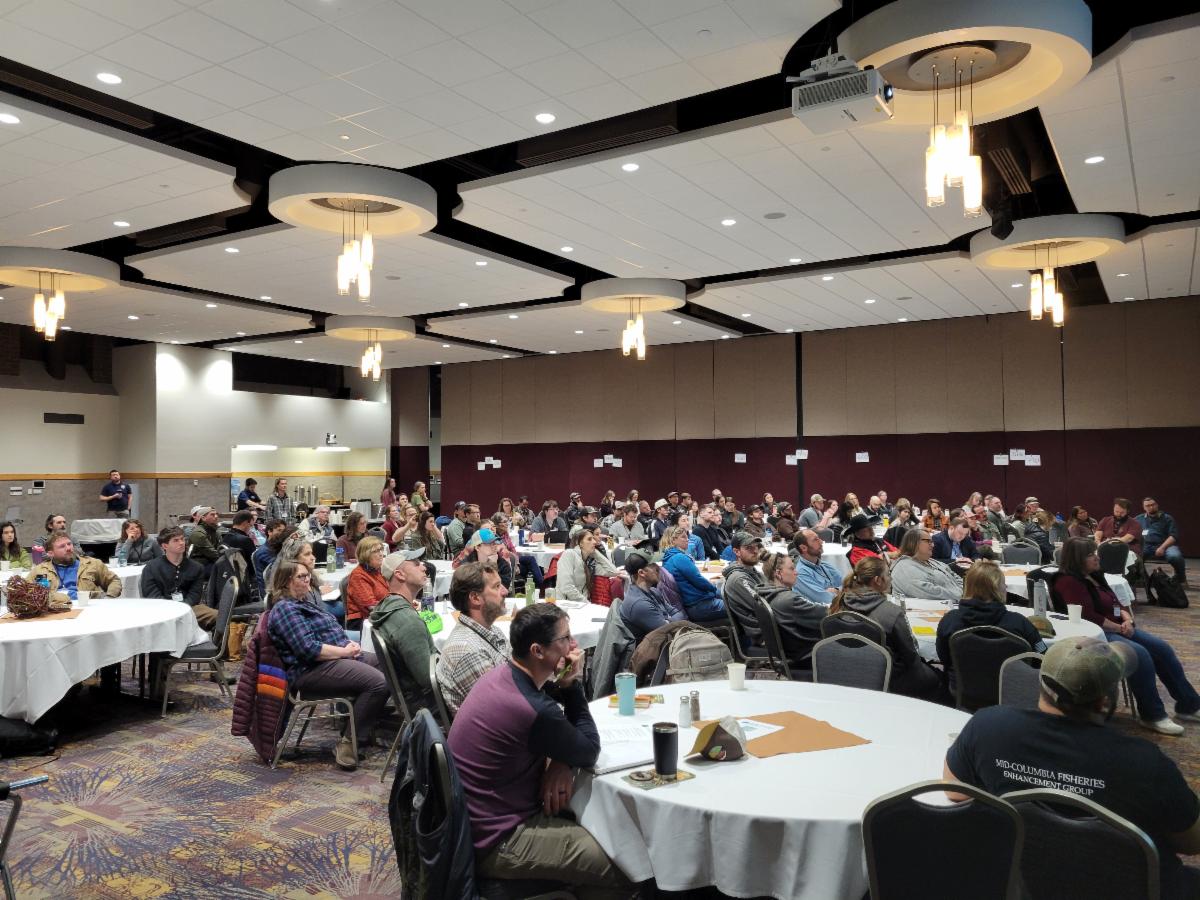
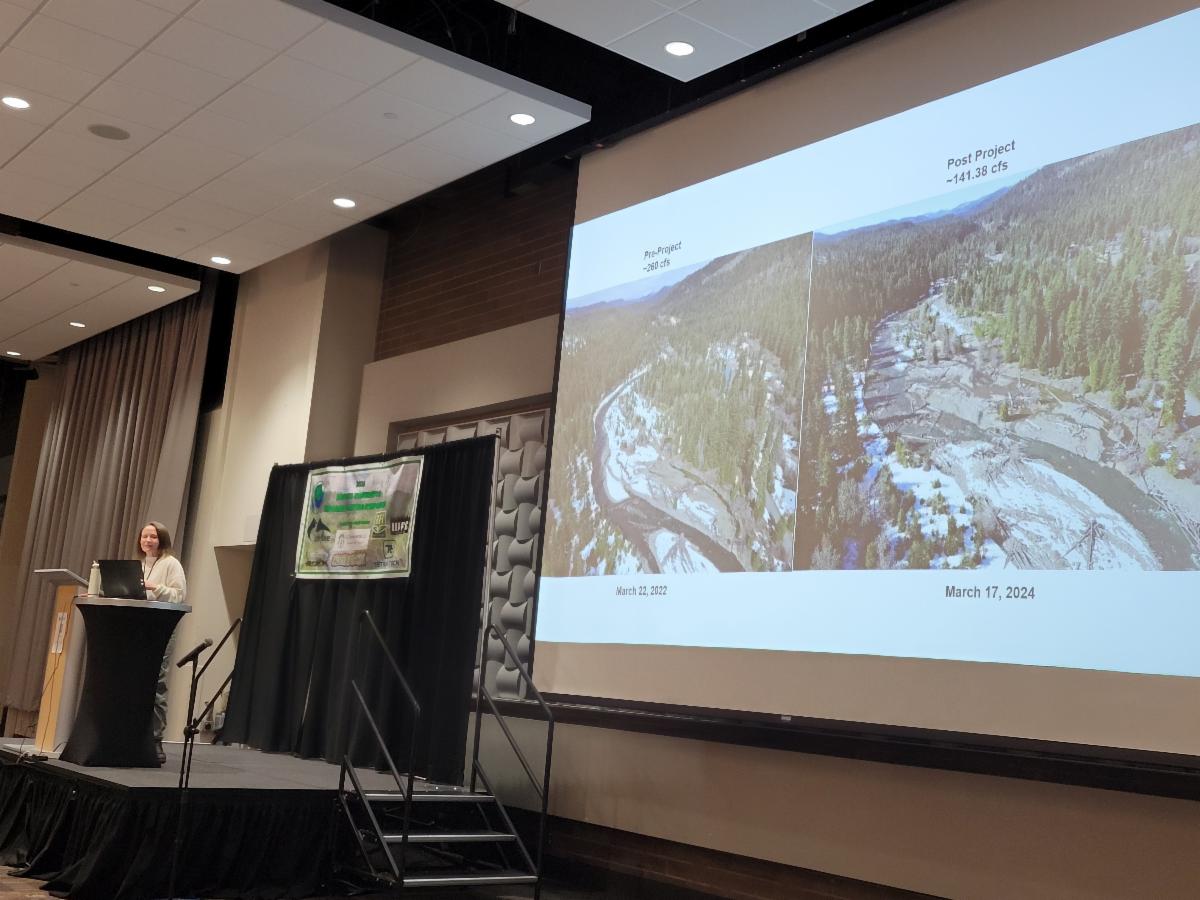
The 9th Annual Eastern Washington Riparian Planting Symposium—developed by Populus: The Columbia Basin Riparian Planting Partnership—brought together restoration professionals, tribal partners, agencies, nonprofits, and an engaged private landowner in Wenatchee for a dynamic day-and-a-half of learning, collaboration, and inspiration.
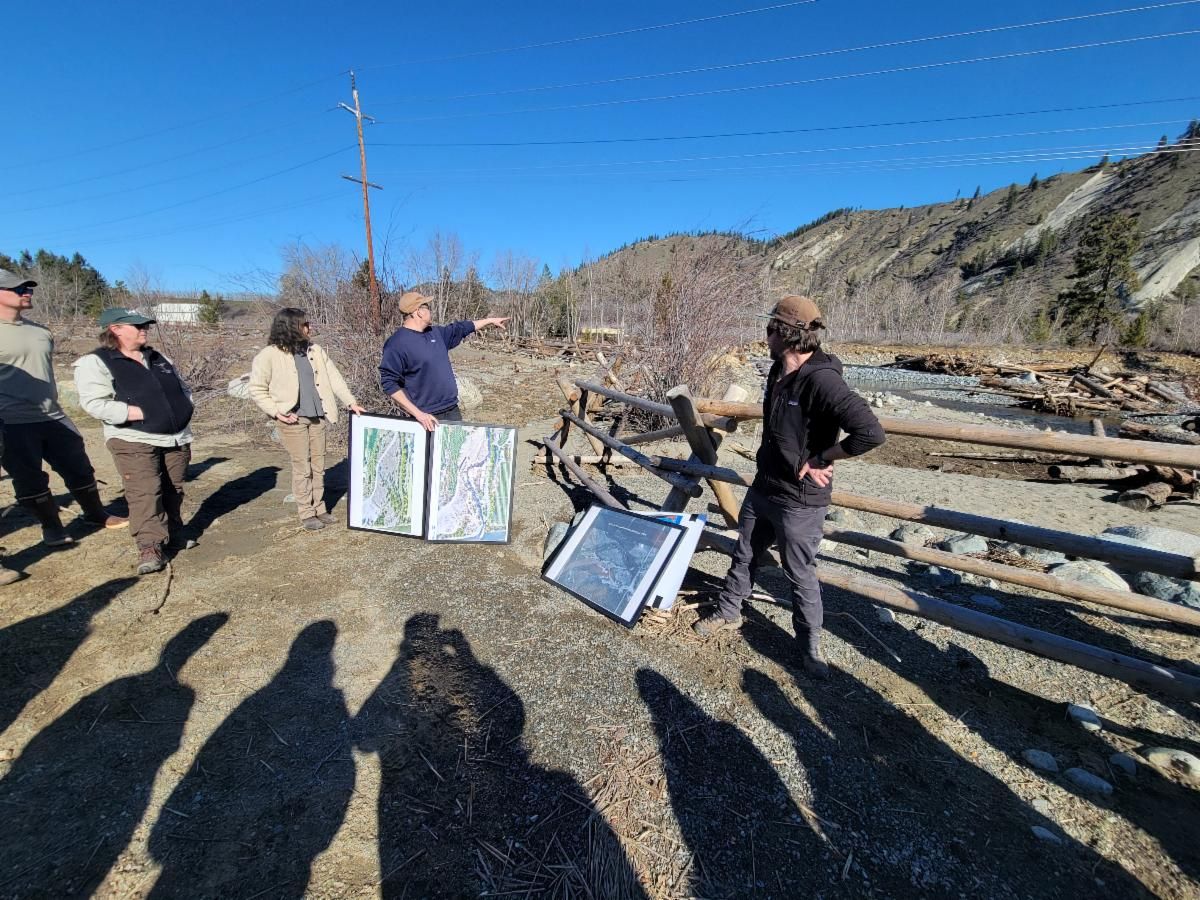
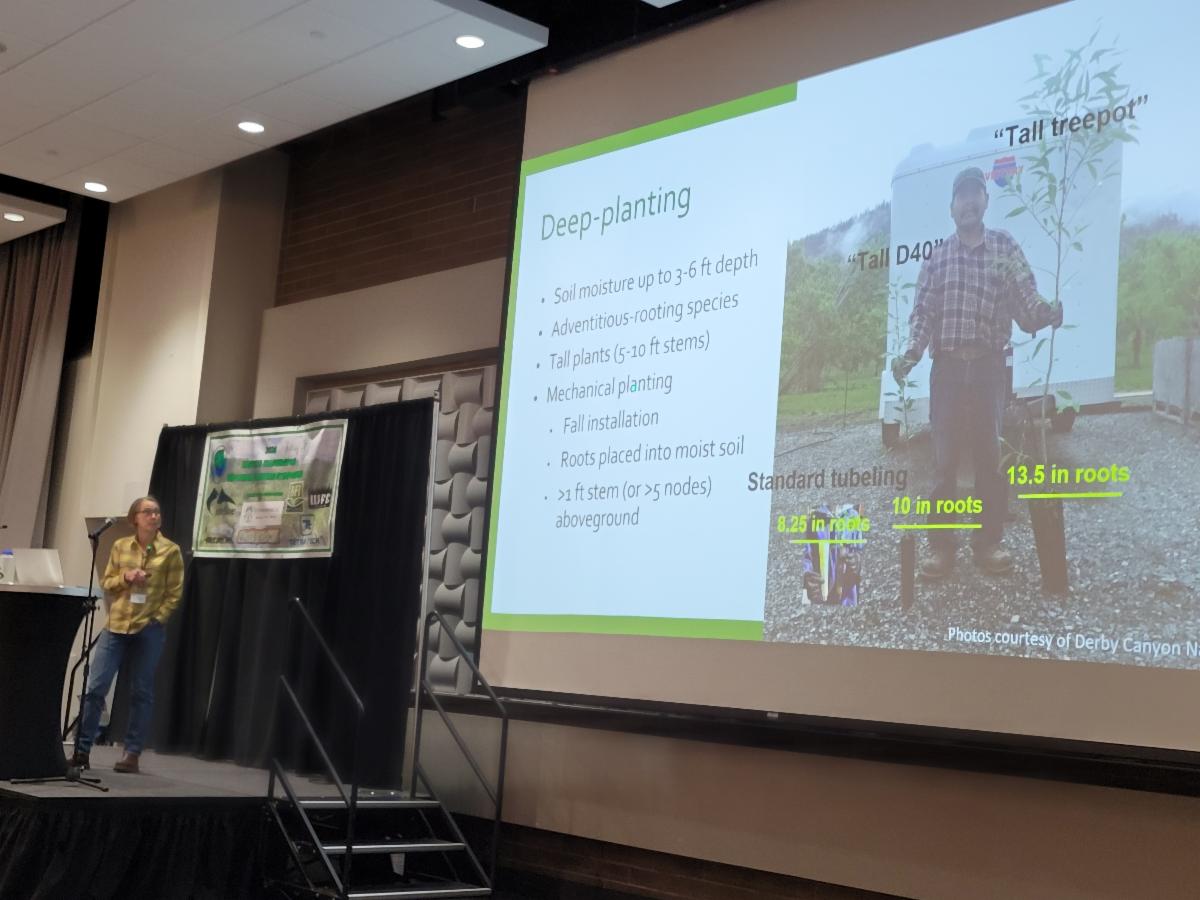
Populus exists to strengthen riparian restoration efforts across the Columbia Basin by connecting practitioners, improving planting success, and sharing science-based strategies. This year’s symposium reflected that mission in action. Participants dove into emerging technical tools, refined planting prescriptions, and explored real-world lessons about cost-per-acre, plant survivability, and long-term stewardship. A field tour brought discussions to life—grounding shared knowledge of the soils, streams, and floodplains we work so hard to restore.
Moderated by Mid-Columbia Fisheries’ Merritt Mitchell, with invaluable staff support from Justin Finkbeiner and on-the-ground coordination from Aaron Balagot and Steven Urakawa, the symposium also featured engaging presentations from our very own Rebecca Wassell and Katrina Strathmann. Together, presenters and participants fostered thoughtful dialogue around adaptive management, monitoring, and practical approaches to scaling restoration across diverse landscapes.
The strength of Populus lies in partnership. The planning team consists of representatives from the Yakima Basin Fish and Wildlife Recovery Board, the Palouse Conservation District, KoosKooskie Commons, Benton Conservation District, and Okanogan Conservation District, with funding support from the Washington State Department of Ecology. Together, these partners are working to increase planting survival, improve riparian function, and accelerate recovery for fish, wildlife, and communities throughout Eastern Washington.
A heartfelt thank you to our generous sponsors—Wildlands, Inc., GG Environmental, Wakefield Excavation, Plants of the Wild, Inter-fluve, Tetra Tech, BFI Native Seeds, Archaeological Services, and the Yakima Basin Fish and Wildlife Recovery Board. Your support not only makes this event possible, but also helps provide scholarships for emerging restoration practitioners—investing in the next generation of leaders in habitat recovery.
Populus is made possible through the financial support of Washington Ecology and the guidance of the Populus Committee, including representatives from the Yakima Fish and Wildlife Recovery Board, the Palouse Conservation District, KoosKooskie Commons, Okanogan Conservation District, and the Benton Conservation District.
As climate pressures intensify and restoration demands grow, gatherings like this strengthen the network of people committed to healthy rivers and resilient landscapes across the Columbia Basin and beyond.
Curious how to get involved with Populus? Click here to connect.
| | | | Welcome to Mid Columbia Fisheries
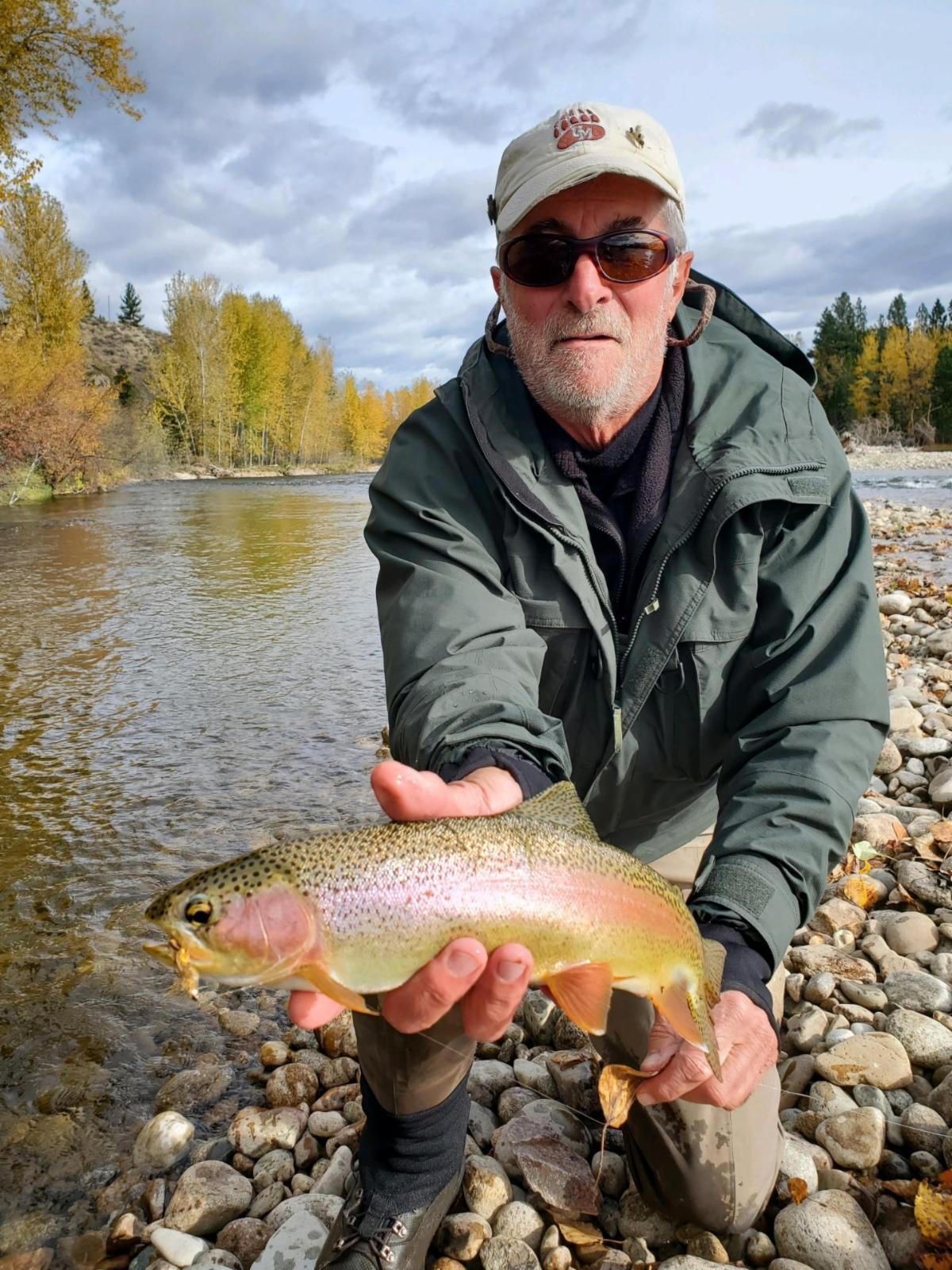
Board Member Jeff Thomas | | Jeff grew up in Kentucky and developed a love of water and the creatures that dwell in and around it very early in life. He attended the University of Kentucky, where he earned a BS in animal science. Immediately thereafter, he and his wife managed a cattle ranch in Nebraska for seven years. But the water kept calling, and they left the ranch in 1986. Admitted to Colorado State University, he earned an Masters in fish and wildlife biology in 1989. Hired almost immediately after graduation, Jeff began a twenty-nine-year career working for the U.S. Fish and Wildlife Service. For the entirety of his career, his work focused on the habitat requirements of native anadromous and resident salmonids. Having worked in Colorado and California, he spent the final twenty years of his career stationed in Yakima, Washington, where he still resides. Since retiring in 2018, he has avidly pursued his twin passions, fly fishing and scuba diving, with his wife of forty-six years. He welcomes the opportunity to serve on the MCF Board of Directors. | | | Introducing our 2026 Restoration Technician Crew Leads | | |
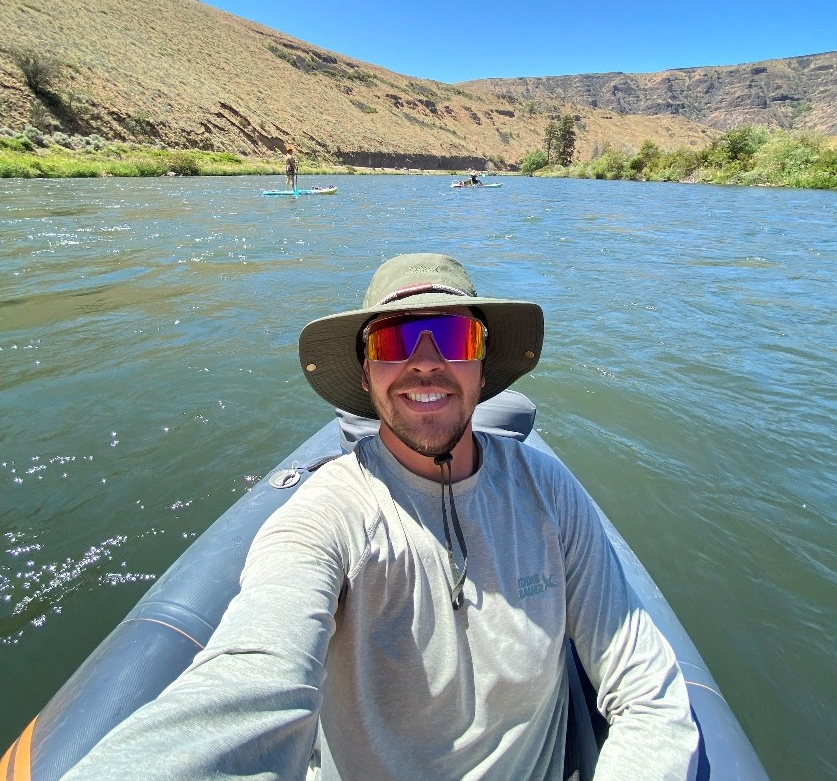
Caleb Benson grew up in Covington, WA, before spending five years working as a metal fabricator building mega yachts in Seattle. Seeking adventure, he sold everything and moved to Australia, living out of a van for eight months while traveling and working along the way. He later backpacked through Southeast Asia and hiked in the Himalayas.
Caleb has held a variety of hands-on jobs since, most recently building backcountry airplanes.
An avid outdoorsman who enjoys hunting, fishing, and time around a campfire, he’s passionate about working outside and caring for the environment. He’s excited to begin his second season with Mid-Columbia Fisheries as a crew lead.
Fun facts: Caleb once moved to New Zealand for four months to play rugby, and at home he and his partner keep four ducks, five chickens, and two dogs. 🦆🐔🐕
| |  | |
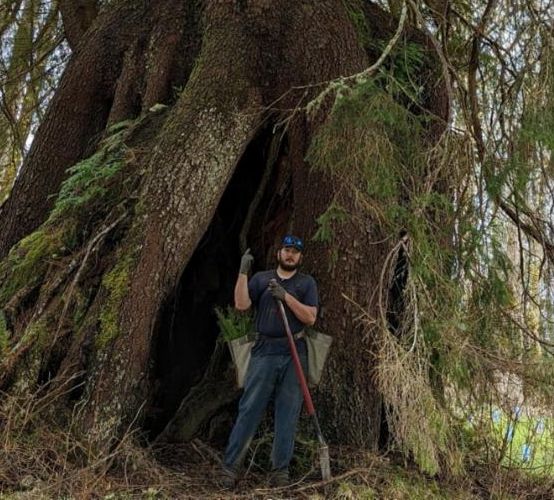
Stephen Richardson is returning for his third season as a Crew Lead with Mid-Columbia Fisheries. Originally from Sekiu, Washington, a small coastal town with a thriving recreational fishing industry, Stephen developed an early appreciation for salmon and the importance of healthy fisheries—an interest that continues to drive his work in salmon recovery today.
Stephen earned his B.S. in Biology from Central Washington University in 2014 and went on to spend eight years with the Washington Conservation Corps, including six years as a crew supervisor, gaining extensive experience leading field crews and completing restoration projects across the region.
When he is not out in the field, Stephen enjoys quieter times at home and spending occasional weekends in Port Angeles with his girlfriend, Amber. He is excited to continue supporting Mid-Columbia Fisheries’ habitat restoration work this season. 🌿🐟
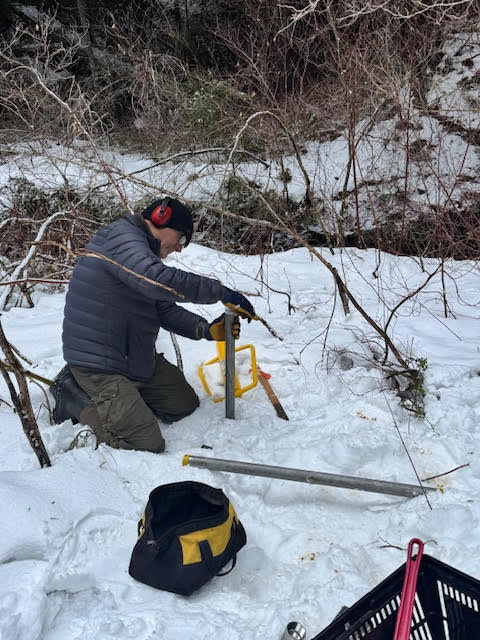
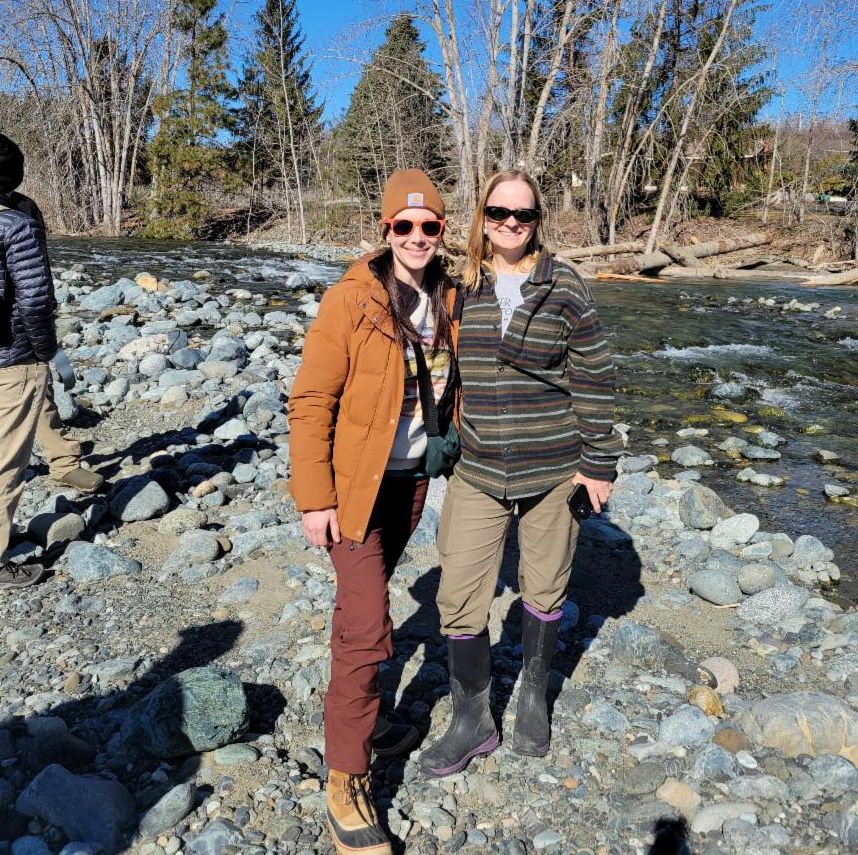
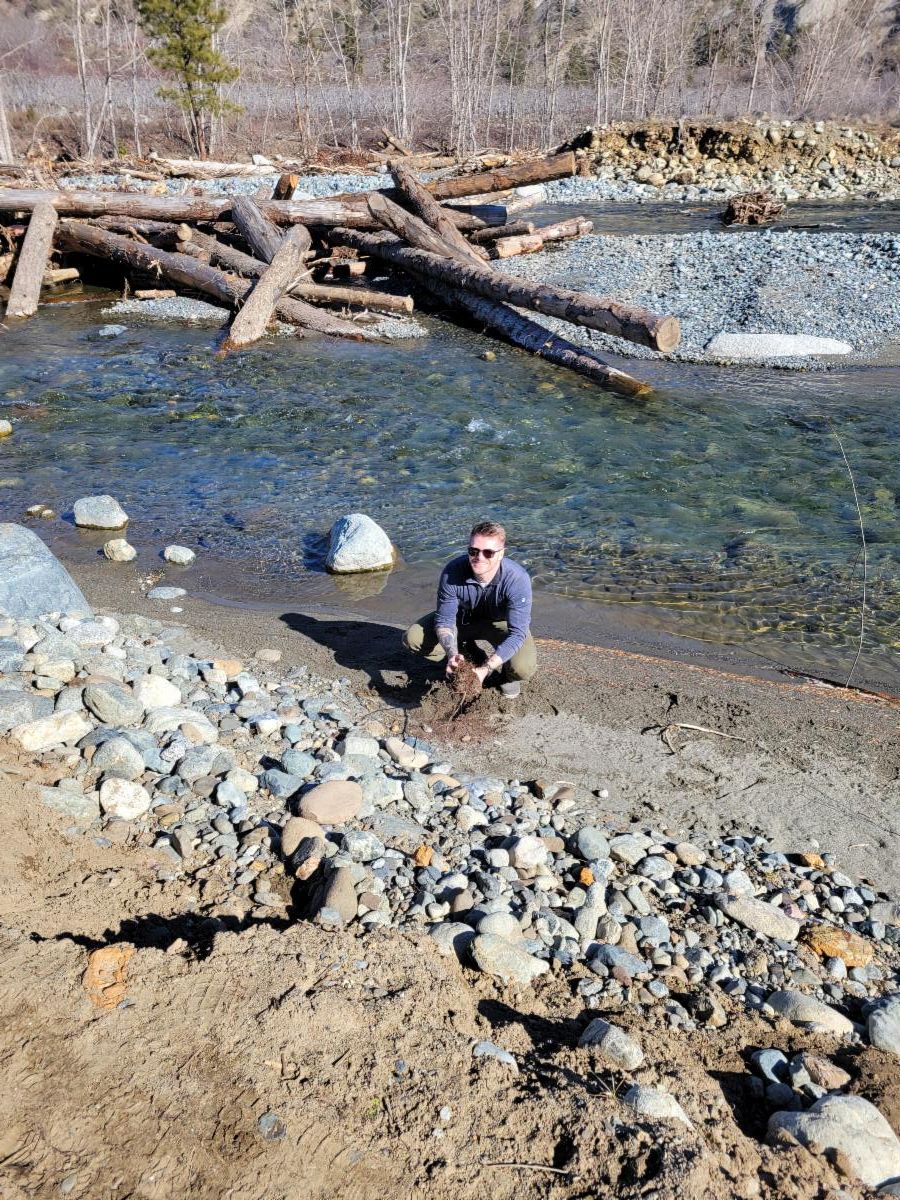
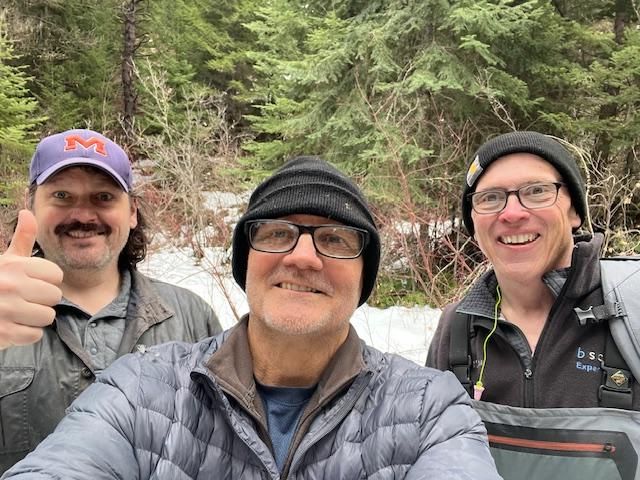
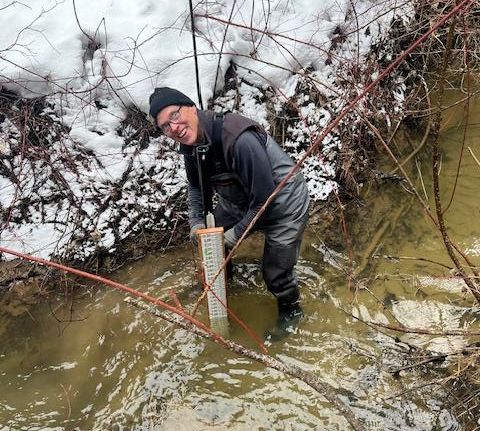
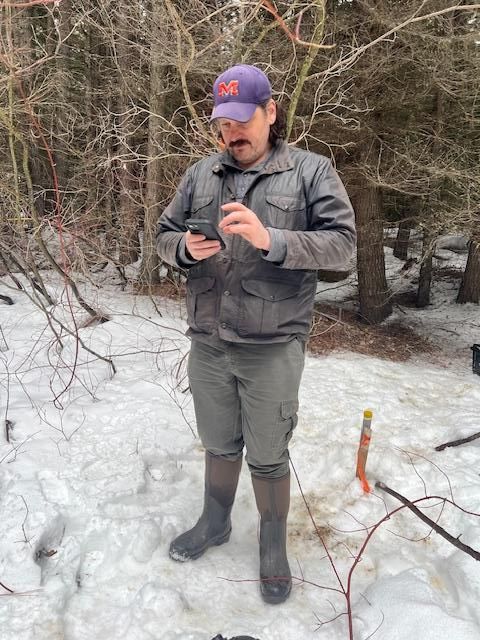
| | | Project in Focus: Monitoring Wells in the Teanaway | | Pictured from left: Sam Feder, Mike Bosko, and Brian Crowley | | |
Mid-Columbia Fisheries recently installed new groundwater and instream stilling wells in a tributary of the Teanaway River within the Teanaway Community Forest.
These monitoring wells will help us measure how much water can be stored in the stream and surrounding floodplain following low-tech, process-based restoration treatments — including beaver dam analogs (BDAs), post-assisted log structures (PALS), and strategic small wood additions.
By slowing the flow of water and reconnecting the stream to its historic floodplain, these restoration techniques are designed to hold more water in the upper watershed. Over time, we expect to see cooler, more resilient summer flows for fish and aquatic life, along with increased soil moisture to support riparian forests and the wildlife that depend on them.
The data collected from these wells are essential. The data will help us to track groundwater levels, monitor how restoration structures influence water storage, and refine our approach to ensure we are building climate resilience into the watershed for the long term.
| Brian Crowley, Teanaway Community Forest Advisory Committee Member | | |
If you’re out hiking in the Teanaway and come across our monitoring equipment, please help us by leaving them undisturbed. The information we are gathering directly informs how we restore streams and forests — work that benefits fish, wildlife, and the broader community.
This effort is being designed, implemented, and managed by Mike Bosko of Mid-Columbia Fisheries Enhancement Group, with support from dedicated volunteers Brian Crowley (Teanaway Community Forest Advisory Committee member) and Sam Feder (Central Washington University graduate student). Their hands-on contributions are helping to advance restoration science on the ground in the Teanaway.
We would like to extend special thanks to our volunteers and the funders supporting these Teanaway tributary restoration projects: the Washington Department of Ecology’s Streamflow Restoration Grant Program, the Washington State Conservation Commission’s Riparian Grant Program, the Duke’s Damsel on a Train Foundation, and the Bonneville Environmental Foundation.
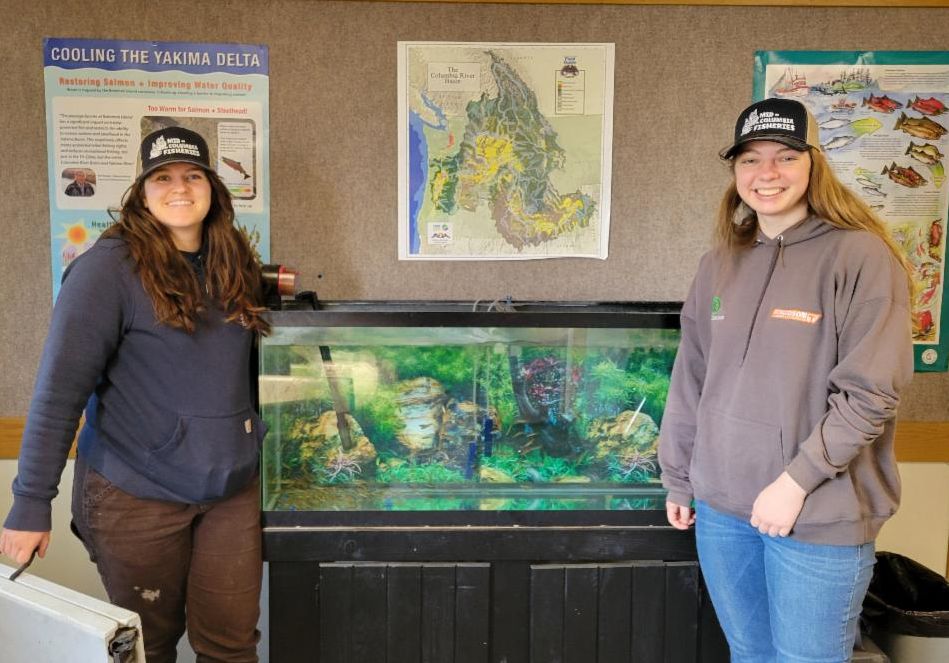
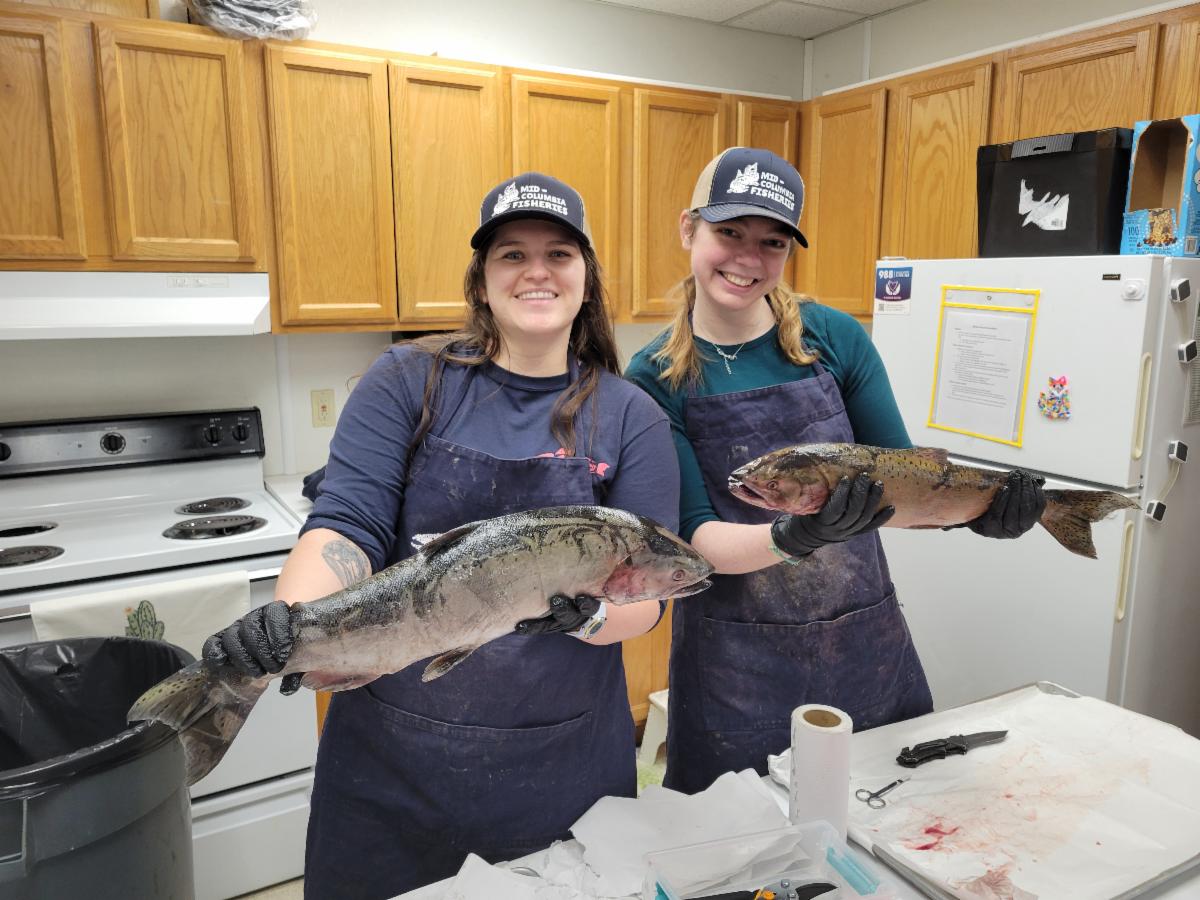
| Sam Feder, Central Washington University student | | | Pictured from left: Mid Columbia Fisheries Education and Outreach Coordinator Tori Wood and Education Assistant Emerson Blotz | |
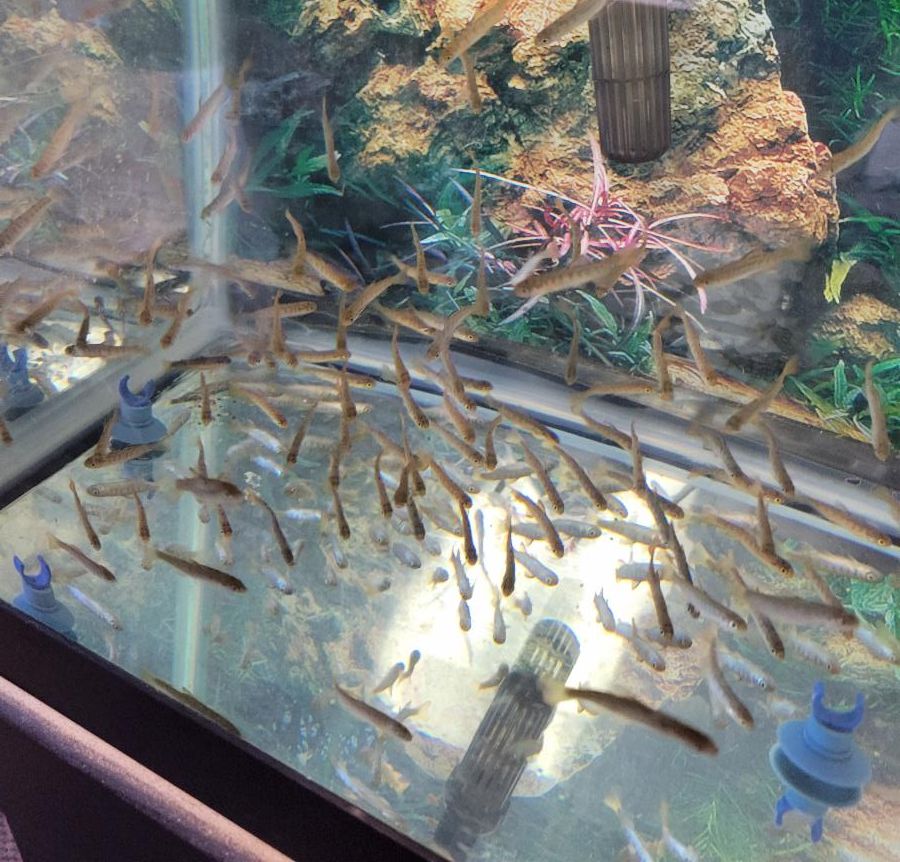
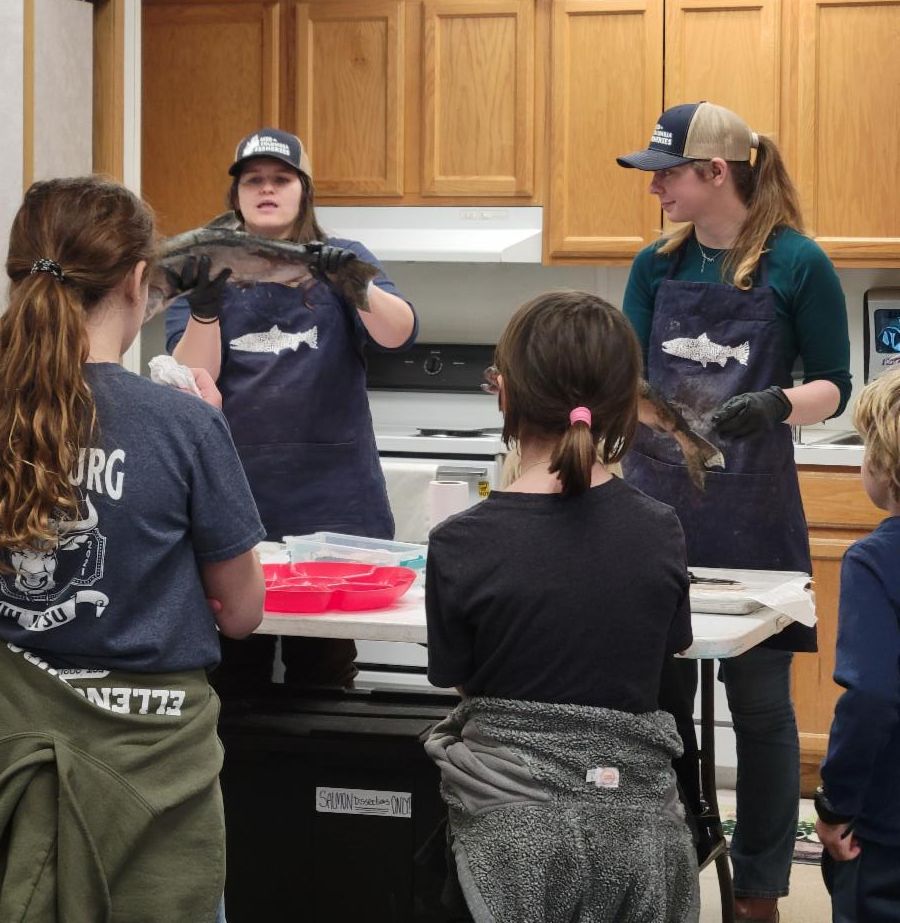
Many classrooms across the region are now participating in salmon dissections as part of Mid-Columbia Fisheries’ Salmon in the Classroom program. This hands-on lesson gives students the chance to see and touch adult Chinook salmon while learning about salmon anatomy, life cycles, and the remarkable adaptations that allow these fish to migrate between freshwater and the ocean.
As the final salmon lesson before spring fish releases, dissections help students deepen their connection to the species and watersheds we work to protect—building the next generation of stewards for healthy rivers and thriving salmon populations. 🐟🌿
|
Funding Cuts Threaten Local Salmon & Stream Restoration
Mid-Columbia Fisheries and other Regional Fisheries Enhancement Groups (RFEG) are struggling due to a number of cuts in state and federal funding. Last week, the final budget from the Washington State legislature resulted in a $300,000 cut to the statewide RFEG program. This comes on top of the total loss of federal funding for the last fiscal year and the loss of grant programs that support volunteer and education programs.
The impact is immediate and real.
- Fewer restoration crews in the field.
- Fewer riparian plantings along our rivers.
- Fewer students are connecting with salmon and science.
These cuts aren’t abstract. They slow the pace of river recovery. They delay critical habitat work. And they limit the next generation’s ability to engage in conservation at a time when it matters most.
We remain committed to this work. Our crews are still showing up. Our partners are still engaged. But we cannot sustain this momentum without your help.
Your support right now makes a direct, on-the-ground difference.
- It keeps crews planting.
- It puts students back on the river.
- It restores habitat where salmon need it most.
We invite you to stand with us. Please consider donating today.
| | Mid-Columbia Fisheries Enhancement Group is dedicated to protecting and restoring wild salmonid populations, their habitats, and ecosystem functions that support native fish species through restoration, protection, education, and community involvement throughout our region. | | | | |