M A R C H / A P R I L 2 0 2 5 | |
Greenwich Sustainability Committee
COMMUNITY NEWS
Advancing sustainability and climate resiliency
| |
O N E • P L A N E T • O N E • C H A N C E | |
SPECIAL LEGISLATIVE ISSUE | |
|
HOW TO BE AN EFFECTIVE CITIZEN
“Legislators look at how many testimonies of support there are for a bill. Even a single sentence that says you support or oppose a bill makes a difference.”
Your elected officials want to hear what matters to you! Because your representatives listen and track the topics their constituents care about, you can have a big impact in shaping the laws that affect your community. Legislators review hundreds of bills during a session that impact everything from environmental policy to education and public health. By staying informed and actively participating in the legislative process, you help ensure that your concerns and values are represented and the bills you support make it to the finish line Here’s a simple guide to tracking a bill, voicing your support or opposition, and engaging with your representatives.
Read the How-To HERE
| |
|
Opposition to Senate Bill 887: Protect Connecticut from Harmful PFAS Exposure
Senate Bill 887 currently under consideration in the Connecticut General Assembly proposes to exempt certain cookware from existing regulations that limit the use of per- and polyfluoroalkyl substances (PFAS) in consumer goods.
Understanding PFAS:
PFAS are a group of synthetic chemicals widely used for their water- and grease-resistant properties. Commonly found in non-stick cookware, food packaging, and stain-resistant fabrics, these substances are often referred to as "forever chemicals" due to their persistence in the environment and human body. Exposure to PFAS has been linked to various health issues, including certain cancers, liver damage, and immune system impairments.
Concerns About SB 887:
Last year, Connecticut took a significant step in protecting public health by enacting a comprehensive ban on products containing added PFAS chemicals. However, SB 887 seeks to roll back these protections by exempting specific non-stick cookware from the ban.
Concerns include:
- Health Risks: Allowing PFAS-containing cookware undermines efforts to reduce exposure to these harmful chemicals, posing ongoing health risks to consumers.
- Environmental Impact: PFAS are persistent environmental pollutants. Exempting certain products could lead to increased contamination of soil and water, affecting wildlife and ecosystems.
-
Regulatory Consistency: Creating exemptions may set a precedent for other industries to seek similar leniencies, weakening the overall effectiveness of environmental health regulations.
Voices of Opposition:
Health professionals and environmental advocates have voiced strong opposition to SB 887. For instance, the Alliance of Nurses for Healthy Environments has highlighted the potential public health implications of this exemption.
| |
|
SJ 36 Resolution Proposing a State Constitutional Amendment Concerning Environmental Rights
SJ 36, the Connecticut Environmental Rights Amendment (CTERA) would enshrine into the state constitution the individual right to clean and healthy air, water, soil, ecosystems and environment; and a safe and stable climate; for the benefit of public health, safety and the general welfare.
This is a resolution to put environmental rights on the ballot for a referendum of the people. Ultimately the people of Connecticut will decide. It would assert each person’s right to clean and healthy air, water, soil, and to a safe and stable climate.
By putting environmental rights into the state constitution, these rights would be protected by the state as with other fundamental human rights in the Connecticut constitution, like the right to free speech and freedom of religion.
The CT Environmental Rights Amendment would incorporate environmental justice by requiring the state to protect these rights equitably for all people, regardless of race, ethnicity, tribal affiliation, gender, socioeconomic status or geography. Protecting these rights
equitably means that the state would need to protect people and communities that are already burdened with environmental harm from further harm. This would improve equality toward giving each person a better chance to thrive and extend the environmental justice statutes we have now and raise them to a constitutional level.
The Connecticut Environmental Rights Amendment would create an obligation for the state to protect natural resources for present and future generations. No more depleting, degrading or diminishing the environment of the future people of Connecticut for the present, except under circumstances where that was found to be unavoidable. This is intergenerational justice by protecting communities are already overburdened by environmental harm.
| |
|
HB 6915 – Banning Harmful Rodenticides
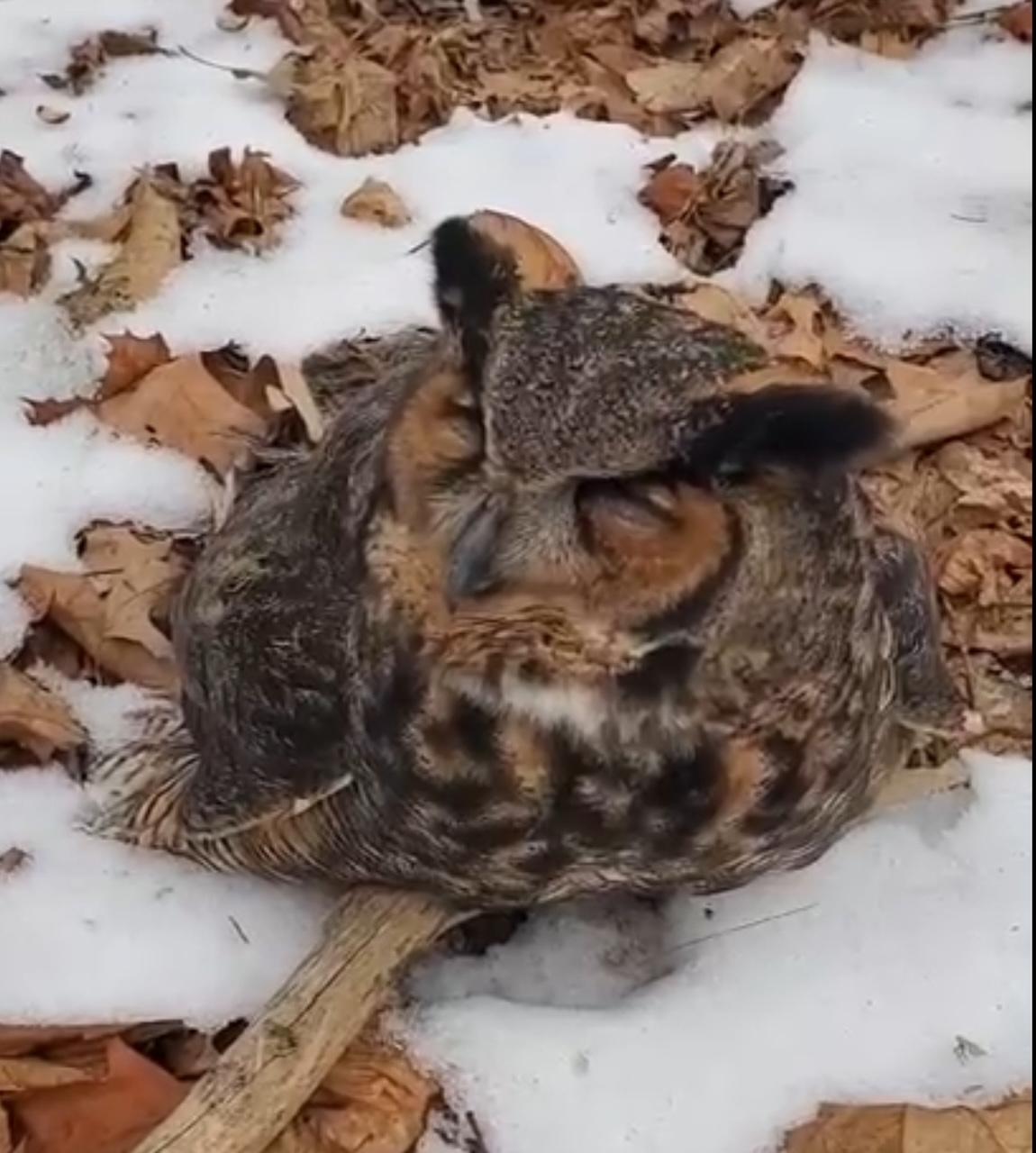
This owl was found in Bruce Park and after she was taken to Wildlife in Crisis where it was found that she was bleeding internally from having eaten a rodent poisoned from rodenticide. There is growing awareness of the need to restrict a class of poisons known as second-generation anticoagulant rodenticides (SGARs). These slow-acting, deadly poisons devastate ecosystems, linger in soil and water, harm wildlife across the food chain, and threaten human health and safety. Rodents who consume the poisons die slowly, with time to wander and be eaten by hawks, owls, and other predators, thus passing the deadly effects on, often harming protected species.
In 2020, California became the first state to implement a total ban on the use and sale of SGARs. Similar bans are working their way through state legislatures in states including South Carolina, Rhode Island, and Vermont.
The great news in Connecticut is that there are two proposed bills banning these harmful substances.
In the House of Representatives, HB 6915, An Act Concerning the Use of Second-Generation Anticoagulant Rodenticides, was referred to the Office of Legislative Research and Office of Fiscal Analysis on 3/11/2025.
Introduced by the Environment Committee, the bill lists the four harmful active ingredients by name and specifically restricts their sale and use. The bill has received wide-ranging community support.
Meanwhile in the Senate, the rodenticide restrictions have been folded into SB 9, a wide-ranging environmental bill (more about this bill below). However, the language in SB 9 is neither as specific nor as strong as that included in HB 6915, and that likely will not change.
By actively participating in the legislative process, we can protect wildlife and keep poisons out of our environment.
| |
|
Farm to School and School Breakfast
In January of 2025 Greenwich Food Alliance (GFA) established the GFA-Food and Agriculture Policy Working Group, which mobilizes the Greenwich community in support of Food Security, Farm To School, Waste Reduction and Sustainable Agriculture policy.
Two priority policies:
HB 7013 An Act Concerning Enhancements To The Local Food For Schools Incentive Program And The CT Grown For CT Kids Grant Program. This bill improves our state local food incentive program and supports the continued growth and funding for farm to school. The Education Committee held a hearing on H.B. 7013 on February 26th and received passionate testimony from the Farm to School community, they are hopeful that H.B. 7013 will move out of the Education Committee - and will be allocated funding. Read the bill here. Please consider writing the Greenwich delegation and let them know you support H.B. 7013.
HB 6864 An Act Concerning The State Budget For the Biennium Ending June Thirtieth, 2027, And Making Appropriations Therefore. The Governor's Proposed FY 25 Budget Adjustments for Elementary and Secondary Education Agencies included school breakfast for the next two years.
Year 1 - Reduced-Price eligible students are able to eat breakfast and lunch at no cost.
Year 2 - School Breakfast will be free for all students attending schools serving breakfast.
Appropriations held a hearing on February 20th; keeping breakfast in the budget is not expected to receive pushback. Please consider writing the Greenwich delegation and let them know you are happy to see the Governor include universal breakfast in the budget and universal lunch would be even better.
| |
|
NEONICS: THE NEW DDT: What You Can Do About Pesticides Harming Connecticut’s Birds, Bees, Wildlife & Waterways
Neonicotinoids, or “neonics,” are the most widely used insecticides in the U.S. and have been linked to alarming environmental and health impacts. These toxic chemicals are driving massive losses of bees and other pollinators, declining bird populations, and harming aquatic life. Worse, neonics pose serious health risks to humans, particularly children.
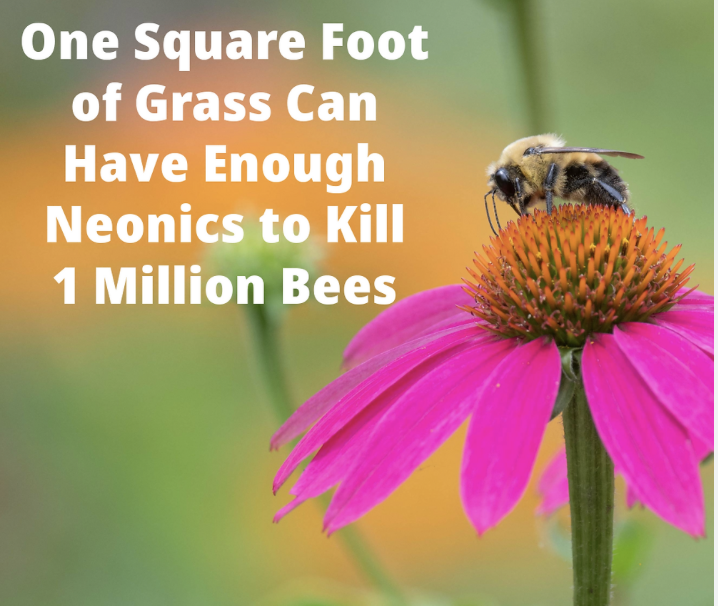
In Connecticut, neonics are commonly used on residential lawns, gardens, golf courses, and as seed coatings in agriculture. Shockingly, just one square foot of lawn treated with neonics at EPA-approved levels can kill a million bees.
Neonics in Connecticut’s Water: A Growing Crisis
Recent studies from the U.S. Geological Survey (USGS) and UConn reveal troubling levels of neonics in Connecticut’s rivers, groundwater, and surface waters—posing significant risks to aquatic ecosystems and human health. These findings make one thing clear: current management practices are failing to protect our water, wildlife, and communities.
The Solution: Stronger Legislation
The Connecticut Pesticide Reform (CPR) is leading the fight for new laws to end wasteful neonic use on coated seeds, lawns, and gardens. Other states—including New York and Vermont—have already taken action. Connecticut must act now.
Currently, two bills have been introduced:
-
HB 6916 – A strong bill that would restrict neonic use on residential lawns, gardens, golf courses, and certain agricultural seeds.
-
SB 9 – A broader climate bill with weaker neonic restrictions. This bill must be amended to include the full protections from HB 6916 to be truly effective.
Together, we can protect Connecticut’s ecosystems, wildlife, and public health from the devastating effects of neonics. Find the fact sheet HERE.
| |
|
Senate Bill 1375, "An Act Concerning Highway, Pedestrian, and Cyclist Safety."
This comprehensive bill,
SB 1375, aims to enhance the safety of all road users across CT.
Key Provisions of SB 1375:
-
Increased Penalties for Unsafe Driving: The bill proposes higher fines for drivers who endanger pedestrians in crosswalks, increasing the penalty from $500 to $750.
-
Restrictions on Left-Lane Usage: To improve traffic flow and reduce road rage incidents, SB 1375 seeks to limit prolonged driving in the left lane, ensuring it's primarily used for passing.
-
Mandatory Helmet Use: The legislation requires certain operators of motorcycles and bicycles to wear helmets, aiming to reduce head injuries and fatalities.
-
Ban on Open Alcoholic Beverage Containers: To deter impaired driving, the bill proposes prohibiting open alcoholic beverage containers in motor vehicles, aligning Connecticut with best practices nationwide.
-
Enhanced Roadway Visibility: SB 1375 mandates the use of reflective paint on highways, improving nighttime visibility for drivers, pedestrians, and cyclists.
-
Support for Complete Streets Projects: The bill promotes infrastructure designs that accommodate all users, including pedestrians, cyclists, and motorists, fostering safer and more inclusive roadways.
| |
|
Wasted food makes up almost a quarter of CT's waste stream.
HB 6917, An Act Concerning Solid Waste in the State, addresses the waste crisis in our state and focuses particularly on wasted food, which makes up almost a quarter of the waste stream. With increasing costs, limited disposal capacity and the negative impacts of burning and burying our waste, H.B. 6917 is a step in the right direction. The purpose of the bill is:
- To provide funding for enforcement concerning certain food waste diversion requirements,
- To study the need and viability of extended producer responsibility programs for consumer packaging,
- To provide for increased food waste diversion from certain entities,
- To create source funding for food waste diversion infrastructure projects and authorize municipal and regional waste coordinators.
The bill prioritizes donation of surplus food to alleviate hunger in CT where 1 in 8 residents is food insecure and obligates large generators of organics to first donate food before recycling, in alignment with the EPA’s waste food scale. Funding for enforcement of food waste diversion requirements is critical to effectively reduce municipal solid waste, as a recent study of five state policies revealed.
| |
|
Safe Solutions to Gardens & Landscapes with Lorraine Ballato
Gardening master, Lorraine Ballato will present non-toxic pest control alternatives to deal with common flower and vegetable garden issues, as well as safe solutions for sick trees and shrubs in a fun and informative talk.
Wednesday, March 26 | 10AM
$10/GBC Member | $15/Non Members
GBC Gallery
| |
|
Greenwich Academy and Waste Free Greenwich invite you for a screening of "The Box Truck Film: Building A Reuseful Home," which follows two builders as they convert a 17-foot moving truck into a tiny house and mobile reuse education center, using almost nothing but reused, repurposed and dumpster-dived materials! Q&A with reuse experts Alex Eaves and designer Derek "Deek" Diedricksen after the screening.
Thursday, April 3
5:30 reception, 6:00 screening
Greenwich Academy
200 North Maple Ave, Greenwich
RSVP
| |
|
Join Waste Free Greenwich for the 3rd annual ReThink Waste Fair, an engaging, family friendly event to explore ways to rethink waste through the 6 R’s: Refuse, Reduce, Reuse, Recycle, Repair and Rot!
Saturday, April 5
11 – 3pm
Christ Church Parish Hall
254 East Putnam Avenue, Greenwich
LEARN MORE HERE
| |
|
Come join the annual Vernal Pool Walk to explore what vernal pools are, listen to mating calls, look for salamanders, frogs and egg masses. Wear appropriate boots or shoes for mud and uneven ground. Fun for all ages!
Saturday, March 22
10 – 11:30am
Bible Street Community Gardens
129 Bible Street, Cos Cob
| |
|
Greenwich Audubon Environmental Leadership Awards honor teachers, business leaders, biologists, photographers, and visionaries who have demonstrated exceptional leadership and commitment to protecting birds and their habitat.
Honoring Eunice Burnett
Thursday, April 24 6:30 – 8:30pm
Tamarack Country Club
55 Locust Rd #2522, Greenwich
| |
|
A Greenwich Pollinator Pathway Earth Day Rabble*
Come celebrate Earth Day at the Cos Cob Library with Greenwich Pollinator Pathway. Learn about native plants, design your own garden, check out seed saving and all the ways Pollinator Pathway is creating habitat for wildlife and how you too can be an earth day champion for your community.
Saturday, April 26
11:00 am -3:00 pm
Cos Cob Library
View individual events here
| |
Your feedback is valuable to sustainability! | | | | |