Moving With Dignity

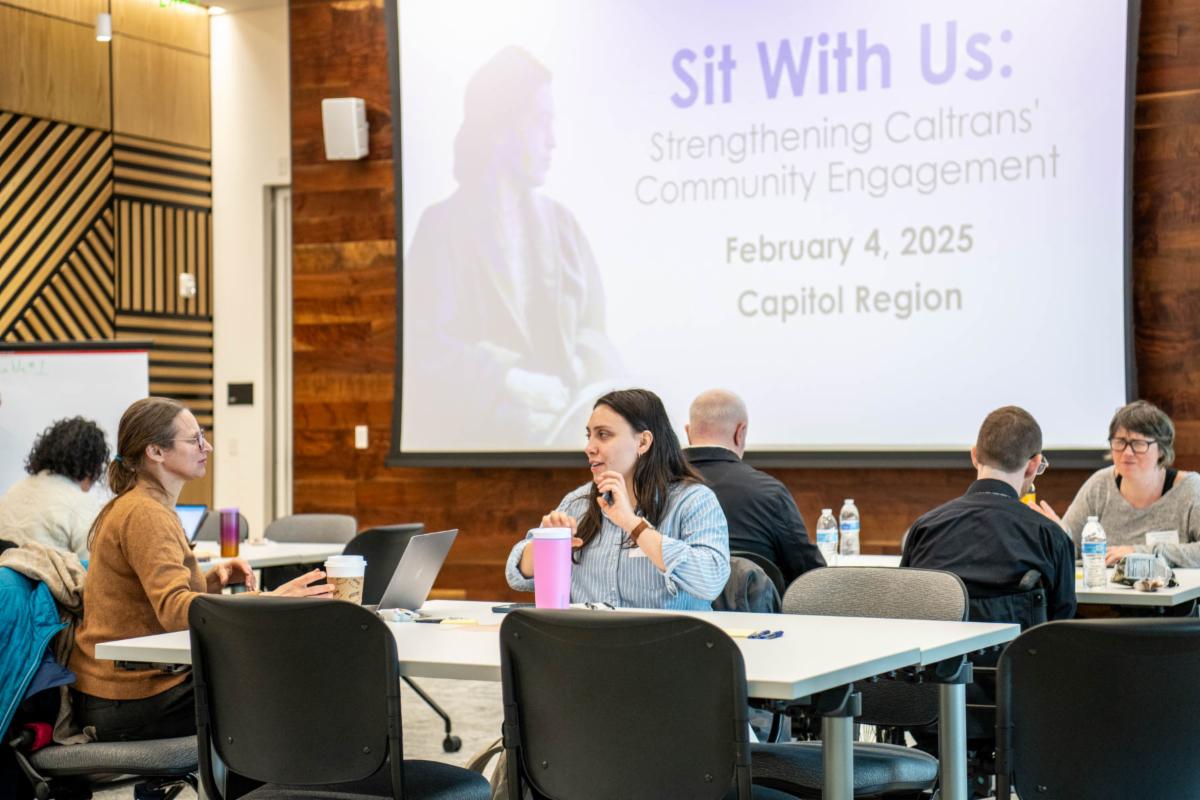
Last month, the Director's Office of Equity & Tribal Affairs hosted “Sit With Us,” a listening session with 22 community and advocacy organizations in the Sacramento region. Community leaders shared their experiences, local needs, and feedback for how Caltrans can improve community engagement practices.


An important value we heard was the need for self-determination and dignity in how we travel. We all want to get to where we need to go without having to rely on others or uncertain systems. What might dignity in transportation look like?

  • Frequent and popular bus service
  • Safe and shaded walkways with many spots to comfortably rest
  • Universally accessible street and building designs
  • A culture of safety and belonging
  • An abundance of pleasant, safe, and affordable travel options


Let’s make better and happier places where we design for every person to have real choice and dignity in how they get there. 


Nailah Pope-Harden 

Deputy Director, Director’s Office of Equity & Tribal Affairs 

On the Road with Caltrans:

District Highlights

District 3: Working in Partnership with Tribes

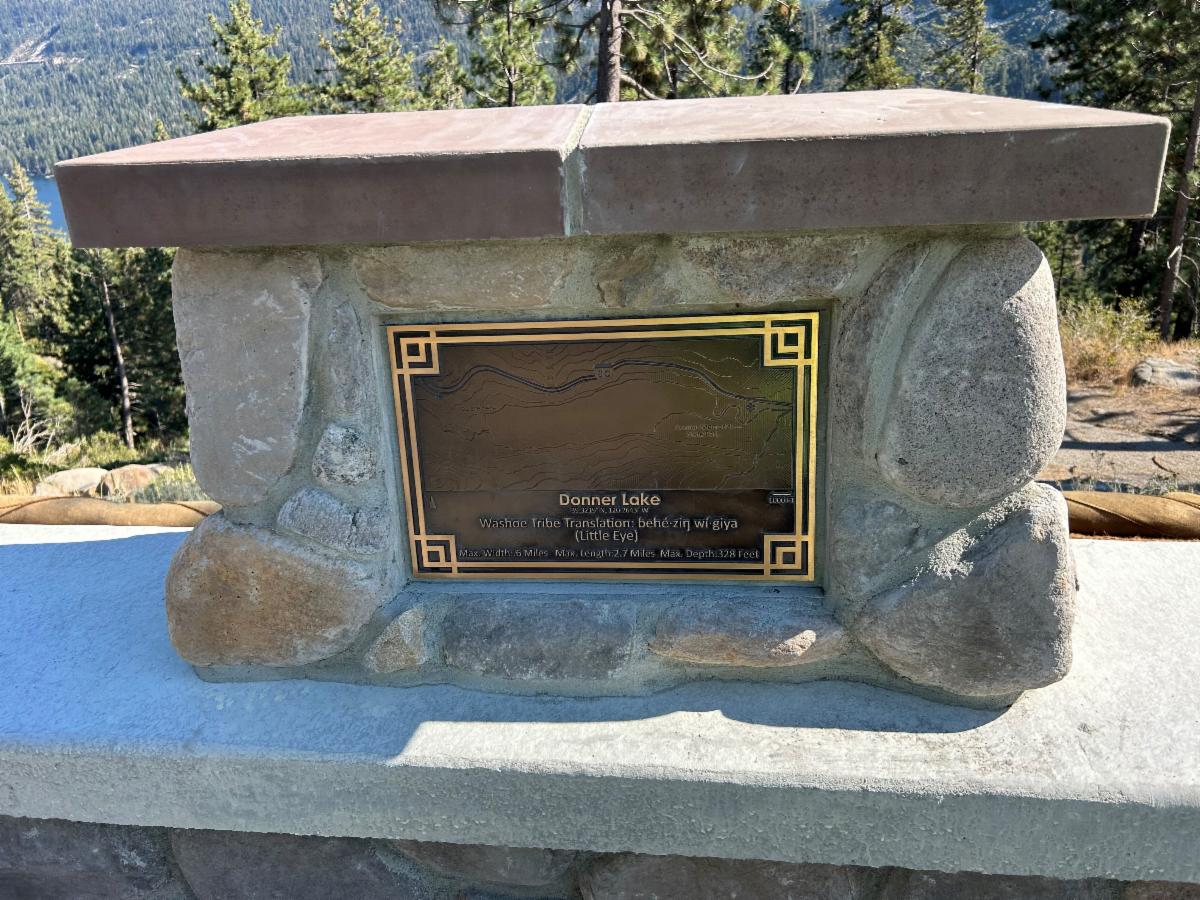
District 3 has worked with the Washoe Tribe of Nevada and California and the Yocha Dehe Wintun Nation to produce plaques and signage at the Donner Lake Vista Point Eastbound and Maxwell Rest Area Southbound to highlight tribal presence in the district and engage in language preservation efforts. Both series of plaques and signs have the respective tribe’s translation of key animals, landmarks, and plants in the area. District 3 has also been working with tribal partners to conduct cultural sensitivity trainings with the Department’s construction and contractor teams before construction activities begin. At least 20 trainings have been completed, and the District is working on making these a standard requirement. Pictured: Plaque at Donner Lake Vista Point Eastbound.

District 6: Experience the Street

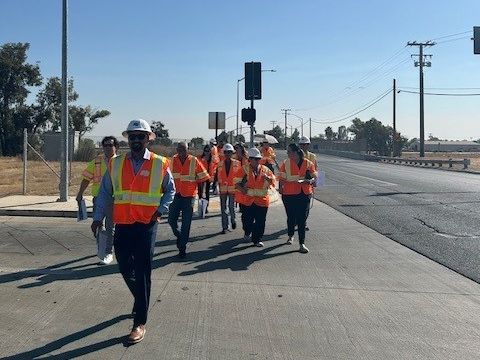
The District 6 walk assessment initiative started in 2021, and there have been over 15 walk assessments completed to date. District 6 utilizes this walk assessment initiative to support the Caltrans Strategic Management Plan’s goals of enhancing and connecting the multimodal transportation network as well as advancing equity and livability, particularly in underserved communities. These walk assessments provide opportunities for early engagement with local partners and community members to help better understand the needs for all users of the transportation system, therefore, resulting in projects that better reflect community ideas and needs. The walk assessment efforts are a testament of the grass roots approach to the community engagement and project development process. They provide a great opportunity to walk in each community for a better understanding of their needs and work with local partners to develop projects and identify funding opportunities to make the transition from the planning and conceptual phase to construction of a project. Pictured: District 6 Kern County Walk Assessment in October 2024.


Meet our Advisory Committees: Member Spotlight

Native American Advisory Committee (NAAC)

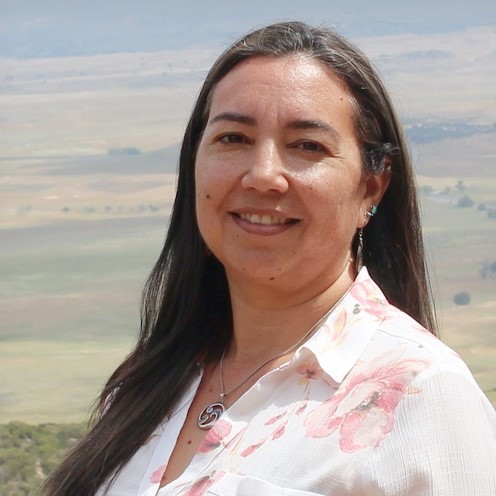
Keely Linton

Mesa Grande Band of Mission Indians

📍Caltrans District 11

Keely Linton is Íipay and Kupa Native from the Mesa Grande Band. She currently lives and works within her community and has worked in the violence against women field for over 20 years. She is the Chairperson for the Judicial Council of the Intertribal Court of Southern California and Mesa Grande Business Development Corporation. Keely currently works as the Executive Director for the Strong Hearted Native Women’s Coalition and is devoted to her community to assist with the reduction in family violence. She hopes to make policy changes within the local tribal governments she serves to better protect our families.

"The Mesa Grande Band, located in the mountains of San Diego County, is dedicated to the ongoing development and improvement of our infrastructure, with a primary focus on ensuring reliable emergency response access. In addition, we prioritize enhancing transportation options for our low-income families, ensuring they have reliable access to critical job opportunities and healthcare services. Our commitment to these vital areas aims to strengthen the well-being and economic stability of our community.

Learn about the NAAC

Equity Advisory Committee (EAC)

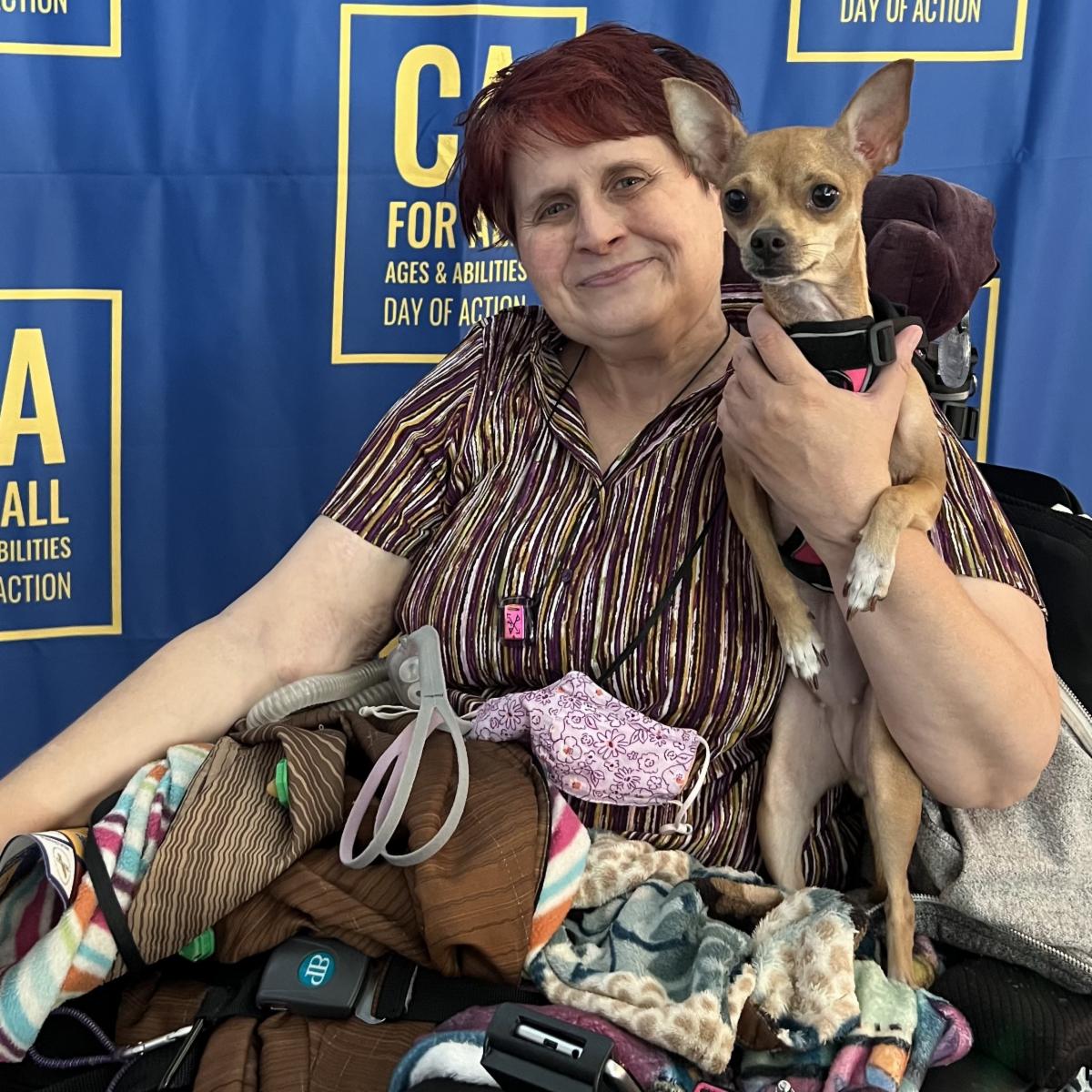
Michelle Rousey

Senior and Disability Advocate

📍Caltrans District 4

Michelle has been using public transit since she was a child. When she became disabled, she became an advocate for the transit services she uses. Michelle lives in Oakland but was raised in Sacramento. She no longer drives but she does use many of our public transit services. She has done lots of transit work over the last ten years but it is not her only focus. For Michelle, making things accessible for the disability community creates accessibility to all. Michelle tries to make her voice heard on the EAC and the State Disability & Aging Community Living Advisory Committee to represent not only the disability community but all users of our transit systems. The EAC matters to her because it has given her the opportunity to raise her voice on much needed equity issues for transit here in California.

"Transportation is important for everyone. For seniors and people with disabilities, it's a lifeline to go to doctor, grocery stores and other essential services in their communities to continue to live independently. I think we all need and use transit so it's important that transportation work efficiently for all."

Learn about the EAC

Equity Learning Corner

Tune into what our team is reading and listening to this month!

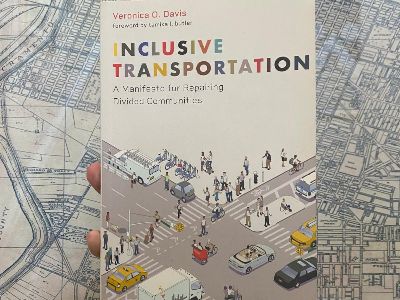
Photo of a light-skinned hand holding the book Inclusive Transportation in front of a black and white image of a map. The book cover has the title in colorful block letters and has an illustration of multiple people and different modes of transportation on a street intersection.

Equity Analyst Camille Randolph says, "As a new hire to the office, I wanted to read more literature on transportation equity. Inclusive Transportation: A Manifesto for Repairing Divided Communities by Veronica O. Davis has been at the top of my urban planning reading list, and I'm excited that I finally got around to reading it! Plus, the book has a forward from tamika l. butler, who is one of my inspirations in transportation equity work."

Close-up photo of a Black woman with medium-dark skin wearing a colorful orange, yellow, and black printed hair wrap and a sleeveless ruffled beige top. She is looking to the right with an in-ear microphone and her mouth is partially open in the middle of a sentence.

Equity Strategy Manager Jinnae Looney says, "I was deeply moved by watching Chimamanda Ngozi Adichie’s TED Talk The Danger of a Single Story and her powerful message on how implicit bias shape our perceptions. One of the most striking points is how we often depict people through a singular lens, focusing on just one aspect of their identity or story—and then defining them by that one narrative. This simplification, while often unintentional, can create a distorted and incomplete image that overlooks the richness of their full experience. Stories have tremendous power to limit or expand our understandings of one another. The talk made me reflect on the importance of telling stories in all their complexity, with the intention of protecting the diverse identities and experiences of people. 


WEBSITE

SUBSCRIBE

EMAIL US