|
Net Zero Times provides valuable information and perspectives to public and private sector building operators and c-suite interested in climate action and sustainability.
We cover a wide range of topics related to climate change, renewable energy, evolving clean technologies, policy developments, corporate initiatives, and innovative solutions aimed at achieving net-zero emissions. We aim to keep readers informed about the latest tech, trends, financial and risk mitigation strategies and advancements in the journey towards a circular economy.
Noteworthy: Case Studies in the Nerva Energy section from Mission Impossible - Building an Affordable Path to Net Zero. And ORBIS: Digital twin technologies: a major opportunity
Check out this month’s issue of Net Zero Times for more information and tips. Drop us a note if you wish to feature an article at mcresswell@thomascoleinc.com.
| | |
|
|
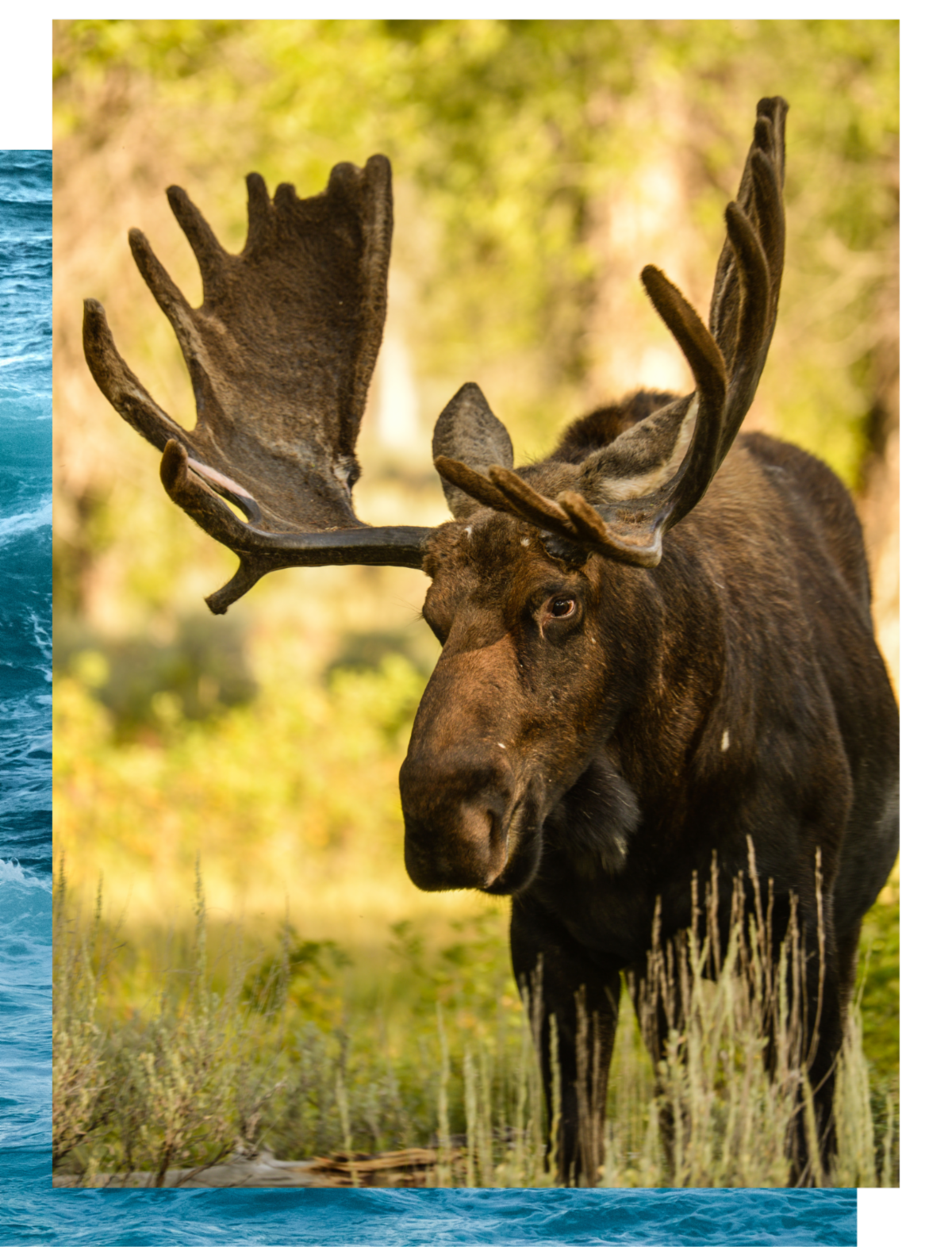
World's globetrotting animals at risk due to habitat loss, climate change
New report highlights challenges facing migratory species, and what can be done to save them.
Along with habitat loss, other human-caused impacts such as over-exploitation, pollution and climate change are making it harder for migratory species to survive, the report found.
| | |
|
|
Globe Climate: Studying winter air pollution from the top of the CN Tower
Chemistry – as any chemist or chef knows – depends on ingredients and on temperature. And while we tend not to think of it this way, the Earth’s atmosphere is one giant chemistry experiment to which we are adding ingredients on a daily basis.
This is especially true in the urban environment, where vehicles, industries and countless human-related activities are contributing a wide range of pollutants to the air we breathe – with implications for our health.
| | |
|
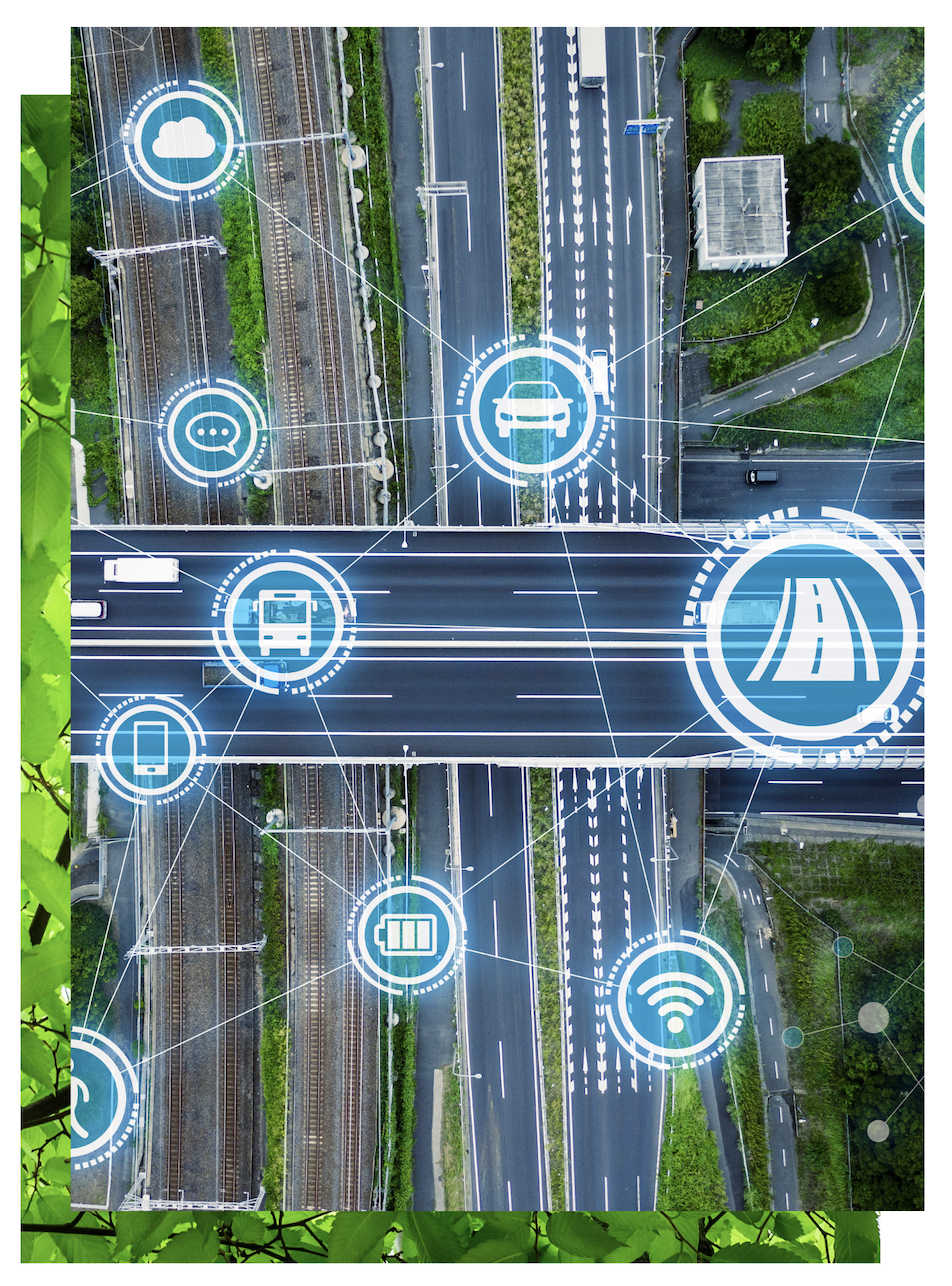
United Nations adopts landmark global decarbonization strategy in transport by road, rail and inland waterway
UN member States took a decisive step towards sustainable low carbon mobility with the adoption on 23 February of the Inland Transport Committee’s (ITC) Strategy on Reducing Greenhouse Gas Emissions from Inland Transport.
Transport accounts for some 23% of annual GHG emissions. Inland transport accounts for 72% of this total, with 69% coming from road transport, 2% from inland shipping and 1% from rail.
| | |
|
|
More Wall Street Firms Are Flip-Flopping on Climate. Here’s Why.
The results of the Paris Agreement’s Global Stocktake, which evaluates the world's progress on reducing greenhouse gas emissions and revealed at COP28, are expected to confirm that the planet is struggling to limit global warming to 1.5˚C.
While an estimated US$1.1t was invested in the global energy transition in 2022,1 the world needs more than triple that amount — between US$3.5t and US$4t every year until 2050 — to get on track for net zero.
| | |
|
|
Digital twin technologies: a major
opportunity
A digital twin of an urban region is an electronic model comprising several classes of analytic, simulation and visualisation technologies that use, and indeed generate, numeric, descriptive and
3D data to test-drive policies and design criteria.
The potential for transforming the guesswork involved in policymaking is significant.
| | |
|
Forests may flip from CO2 'sink' to 'source' by 2050
Forests and other land ecosystems today absorb 30 per cent of humanity's CO2 pollution, but rapid global warming could transform these natural 'sinks' into carbon 'sources' within a few decades, opening another daunting front in the fight against climate change, researchers have said.
Climate sceptics often describe CO2 as "plant food", suggesting that increased greenhouse gas emissions will be offset by a massive upsurge in plant growth.
| | |
|
|
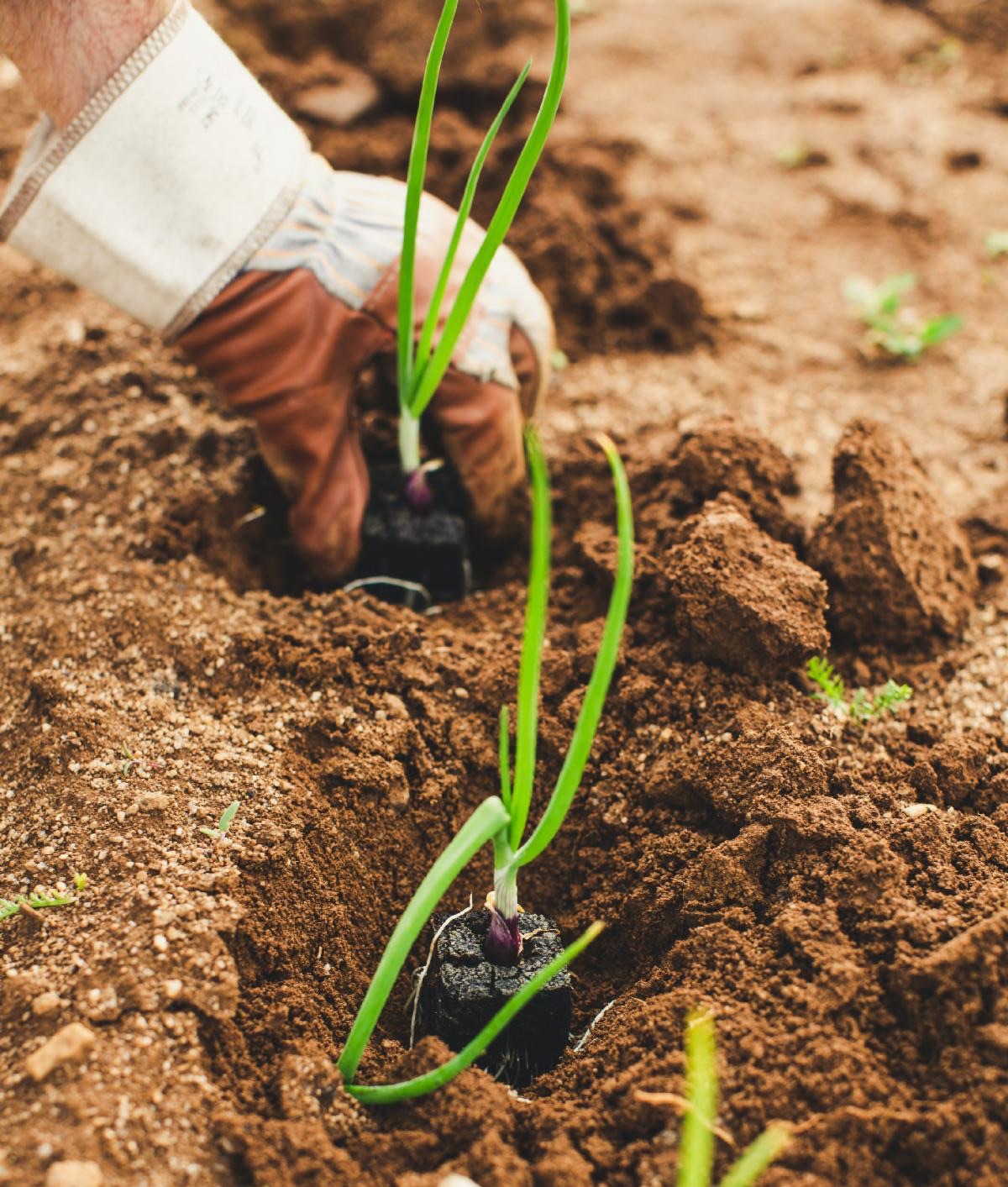
Bountiful harvests impact bottom line: Muskoka North Good Food Co-op
One of the main mandates for Muskoka North Good Food Co-operative was to create better food access in Huntsville, Ontario, a rural town located three hours north of Toronto. The store supported local producers and farmers in the area by stocking fresh produce in their store whenever possible.
| | |
|
|
Toronto conservation agency buys chunk of Ontario peninsula to protect against development
Another chunk of the Black Bay Peninsula - widely regarded as one of the most majestic wetland and forested areas in the world - has come under permanent protection from development.
The Nature Conservancy of Canada (NCC) announced this week(opens in a new tab) it has acquired 191 hectares of the 50,000-hectare woodland located about 100 kilometres east of Thunder Bay.
| |
“From Here to There,” a 3-episode podcast pilot series exploring the role that climate data plays in climate preparedness across Canada. | |
Wildfire season started early in Alberta with dozens of active fires fueled by warm, dry weather. | |
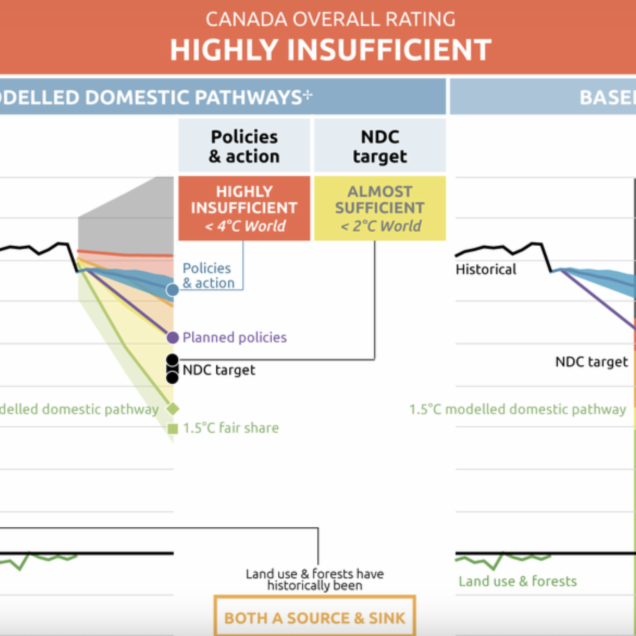
Canada's Climate Action Tracker. Check out the in-depth graph below and how to read it. | |
Where we live: Canadian climate action with David Suzuki | | |
The futures we imagine for humanity and our planet: Introducing the 2024 Global Futures | |
|
Good News
Enbridge has the following Early Bird Offer for all sectors which will be applicable for air duct sealing along with VFD turndown:
$0.50/m3 natural gas saved up to 75 percent of upgrade costs, up to a maximum of $100,000**
**The project needs to be confirmed by June 30, 2024 (P.O. issued) and project must be in service by October 31, 2024
Last year’s Limited Time Offer of 40 cents a m3 was only for multi-unit residential buildings, but this year’s Early Bird Offer is for all sectors, multi-residential, institutions, schools, etc. There was quite a few residential buildings that participated in last year’s Limited Time Offer, and hoping other customers this year can participate in the Early Bird Offer.
| | | |
|
|
|
The National Research Council of Canada’s (NRC) Construction Research Centre is addressing one of the biggest challenges facing Canada’s construction sector: decarbonization.
In collaboration with academia, industry and governments, the NRC is applying its research and development (R&D) expertise to support the development and deployment of low-carbon construction solutions at scale.
Advancing a low-carbon regulatory framework
Together with stakeholders, the NRC will develop new low-carbon requirements and work collaboratively to implement these through standards, specifications, guidelines, and publications such as the Canadian National Master Construction Specification (NMS), and the National Model Codes.
| | | | |
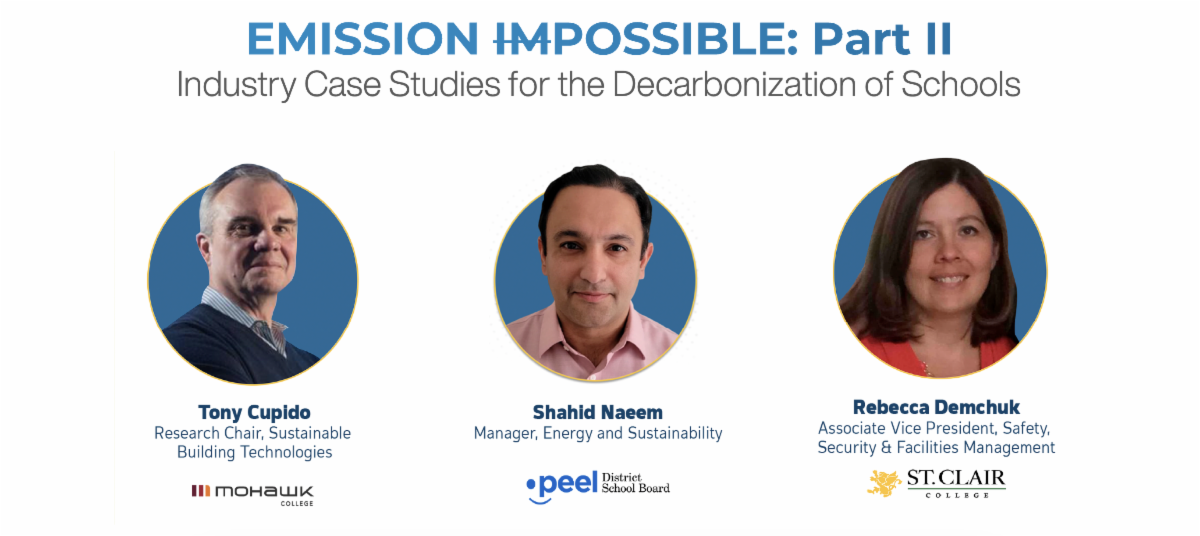
Part II Emission Impossible - Building an affordable path to net zero – Industry Case Studies for the Decarbonization of Schools
| | |
|
The panel discussion was moderated by Tony Cupido, to show how both of these institutions are successfully reducing energy waste and greenhouse gas emissions through a variety of active decarbonization initiatives.
In Part 1 of Emission Impossible - Building an Affordable Path to Net Zero
Josh Lewis, VP Engineering, Nerva Energy, emphasized the critical role of energy conservation and mechanical optimization in our journey towards 2030 and 2050. The main takeaways were straightforward: Conserve first, then optimize, and finally, convert.
| | |
Upcoming 2024 Ventilation Repair, Seal and Optimization Projects: | | |
Ventilation air loss is a major contributor to energy and GHG waste. While ventilation remains a key contributor to healthier indoor air quality and a primary focus for many schools and campuses, many spaces are overventilated which provides an opportunity to harvest energy savings of 12-15% and achieve greenhouse gas reductions of 20 - 30%. | | | | |