New Releases March 2024
Spring has arrived (here in Minneapolis it weirdly feels like it's been here all along) and with it, we're excited to share some new releases for March!
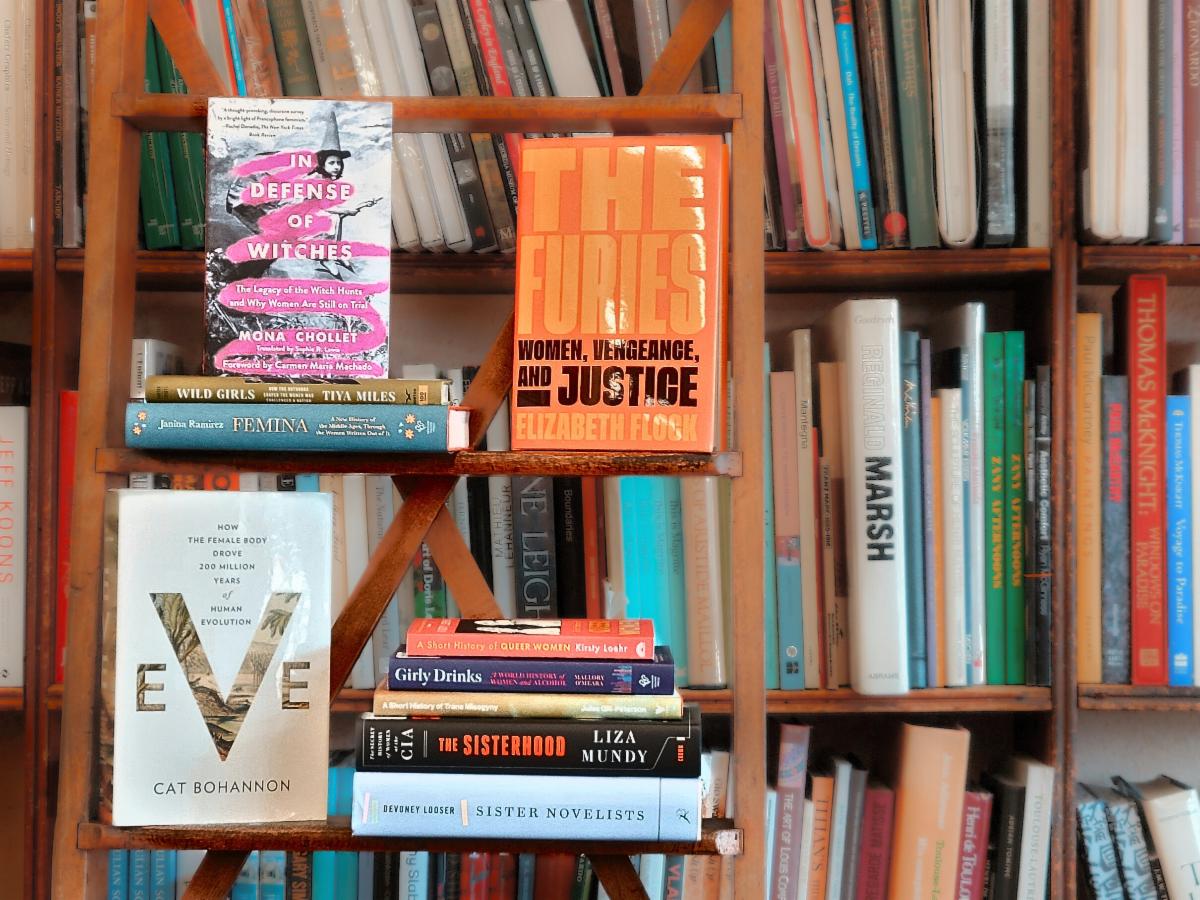
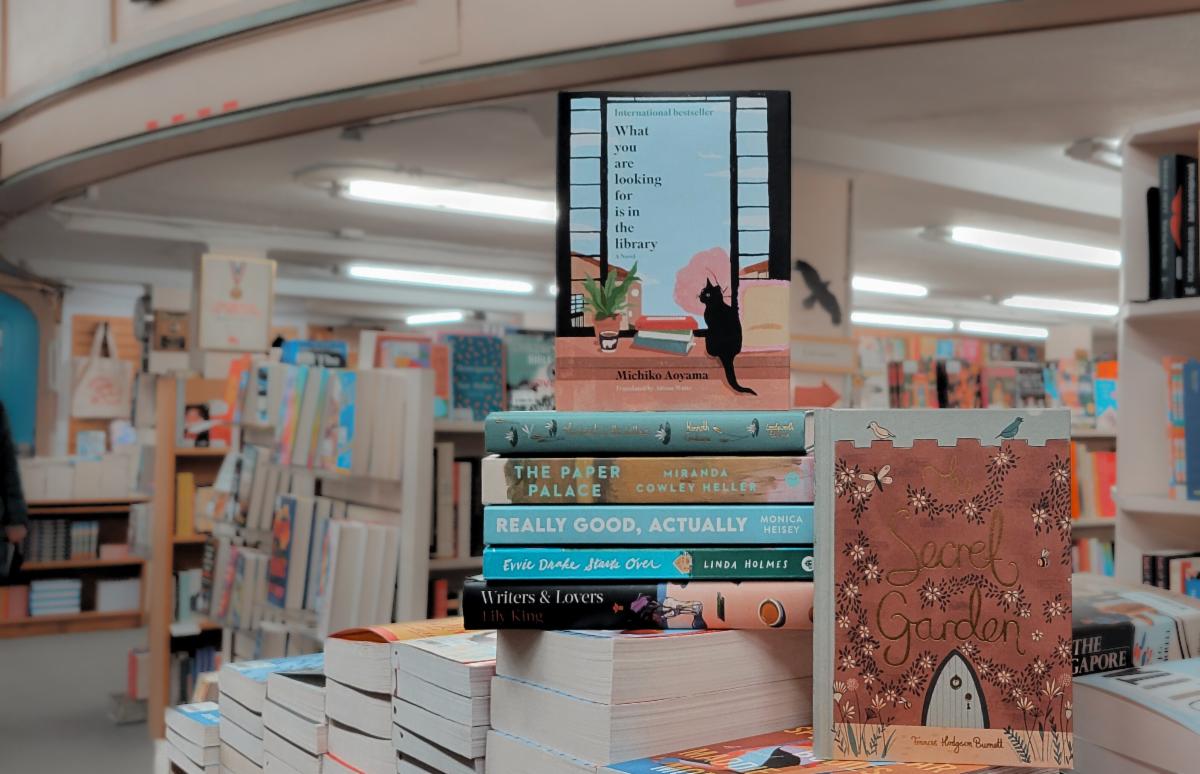
As we celebrate Women's History Month, we have a great selection of books featuring inspiring women from history and contemporary society. Also, don't miss our Fresh-start Fiction for spring, perfect for those looking for a new beginning.
And it's time for spring cleaning! Why not sell your used books to us and turn them into cash or store credit? We're always looking to add to our selection and we're happy to take your gently used books off your hands. So come on in and browse our new releases, or bring in your used books. We can't wait to see you!
|
|
March is Women's History Month, and we've compiled a list of inspiring books about women's history that you won't be able to put down. So grab a cup of tea, curl up with one of these empowering books, and celebrate the amazing women who have shaped our world. |
|
The first day of spring is upon us, and with it comes the promise of renewal and growth. What better way to celebrate the season than by diving into a book that captures the spirit of new beginnings? Check out our recommendations for Fresh-Start Fiction that will inspire you to bloom and grow. |
|
Looking to make some more space on your shelves? Turn your gently used books into cash or store credit! |
|
 |
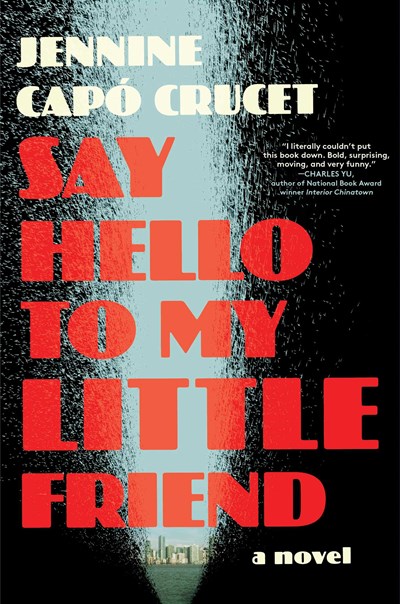
Say Hello to My Little Friend |
Failed Pitbull impersonator Ismael Reyes—you can call him Izzy—might not be the Scarface type, but why should that keep him from trying? Growing up in Miami has shaped him into someone who dreams of being the King of the 305, with the money, power, and respect he assumes comes with it. After finding himself at the mercy of a cease-and-desist letter from Pitbull’s legal team and living in his aunt’s garage-turned-efficiency, Izzy embarks on an absurd quest to turn himself into a modern-day Tony Montana.
When Izzy’s efforts lead him to the tank that houses Lolita, a captive orca at the Miami Seaquarium, she proves just how powerful she and the water surrounding her really are—permeating everything from Miami’s sinking streets to Izzy’s memories to the very heart of the novel itself. What begins as Izzy’s story turns into a super-saturated fever dream as sprawling and surreal as the Magic City, one as sharp as an iguana’s claws, and as menacing as a killer whale’s teeth. As the truth surrounding Izzy’s boyhood escape from Cuba surfaces, the novel reckons with the forces of nature, with the limits and absence of love, and with the dangers of pursuing a tragic inheritance. Wildly narrated and expertly rendered, Say Hello to My Little Friend is Jennine Capó Crucet’s most daring, heart-breaking, and fearless book yet.
Available Now
|
|
|
|
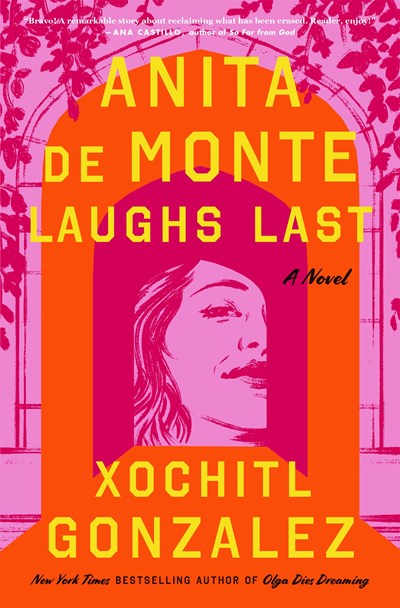
Anita de Monte Laughs Last |
1985. Anita de Monte, a rising star in the art world, is found dead in New York City; her tragic death is the talk of the town. Until it isn’t. By 1998 Anita’s name has been all but forgotten—certainly by the time Raquel, a third-year art history student is preparing her final thesis. On College Hill, surrounded by privileged students whose futures are already paved out for them, Raquel feels like an outsider. Students of color, like her, are the minority there, and the pressure to work twice as hard for the same opportunities is no secret.
But when Raquel becomes romantically involved with a well-connected older art student, she finds herself unexpectedly rising up the social ranks. As she attempts to straddle both worlds, she stumbles upon Anita’s story, raising questions about the dynamics of her own relationship, which eerily mirrors that of the forgotten artist.
Moving back and forth through time and told from the perspectives of both women, Anita de Monte Laughs Last, is a propulsive, witty examination of power, love, and art, daring to ask who gets to be remembered and who is left behind in the rarefied world of the elite.
Available Now
|
|
|
|
|
In Helen Oyeyemi’s joyous new novel, the Czech capital is a living thing—one that can let you in or spit you out.
For reasons of her own, Hero Tojosoa accepts an invitation she was half expected to decline, and finds herself in Prague on a bachelorette weekend hosted by her estranged friend Sofie. Little does she know she’s arrived in a city with a penchant for playing tricks on the unsuspecting. A book Hero has brought with her seems to be warping her mind: the text changes depending on when it’s being read and who’s doing the reading, revealing startling new stories of fictional Praguers past and present. Uninvited companions appear at bachelorette activities and at city landmarks, offering opinions, humor, and even a taste of treachery. When a third woman from Hero and Sofie’s past appears unexpectedly, the tensions between the friends’ different accounts of the past reach a new level.
An adventurous, kaleidoscopic novel, Parasol Against the Axe considers the lines between illusion and delusion, fact and interpretation, and weighs the risks of attaching too firmly to the stories of a place, or a person, or a shared history. How much is a tale influenced by its reader, or vice versa? And finally, in a battle between friends, is it better to be the parasol or the axe?
Available Now
|
|
|
|
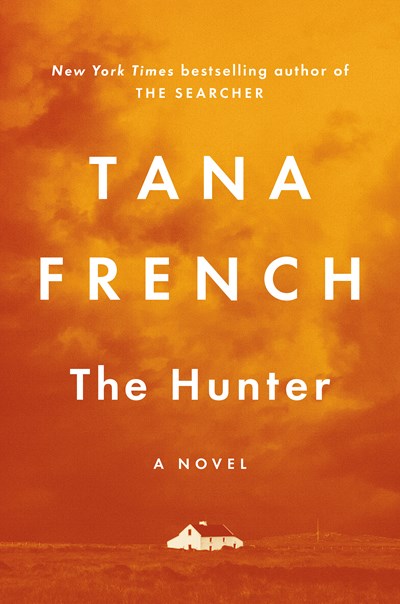
It’s a blazing summer when two men arrive in a small village in the West of Ireland. One of them is coming home. Both of them are coming to get rich. One of them is coming to die.
Cal Hooper took early retirement from Chicago PD and moved to rural Ireland looking for peace. He’s found it, more or less: he’s built a relationship with a local woman, Lena, and he’s gradually turning Trey Reddy from a half-feral teenager into a good kid going good places. But then Trey’s long-absent father reappears, bringing along an English millionaire and a scheme to find gold in the townland, and suddenly everything the three of them have been building is under threat. Cal and Lena are both ready to do whatever it takes to protect Trey, but Trey doesn’t want protecting. What she wants is revenge.
From the writer who is “in a class by herself,” (The New York Times), a nuanced, atmospheric tale that explores what we’ll do for our loved ones, what we’ll do for revenge, and what we sacrifice when the two collide.
Available Now
|
|
|
|
|
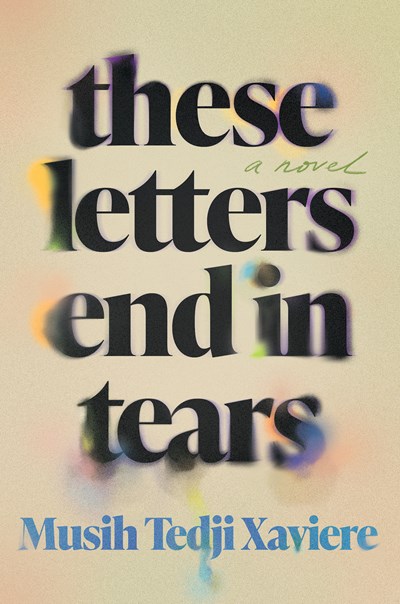
These Letters End in Tears |
Bessem notices Fatima for the first time on the soccer field—muscular and focused, she’s the only woman playing and seems completely at ease. When Fatima chases a rogue ball in her direction, Bessem freezes, mesmerized by the athlete’s charm and beauty. One playful wink from Fatima, and Bessem knows her life will never be the same.
In Cameroon, a country where same-sex relationships are punishable by law, the odds are stacked against Bessem and Fatima from the start. And when Fatima’s older brother, a staunch Muslim, finds out about their affair, he intervenes by physically assaulting them, an incident that precedes a police raid at the only gay bar in town. After spending days in jail, Fatima goes missing without a trace, and Bessem is left with only rumors of her whereabouts. Has Fatima been sentenced to an unknown prison? Has she been banished from her community, or married off, as some have suggested? Or something even more sinister?
Thirteen years later, Bessem is now a university professor leading a relatively quiet life, occasionally and secretly dating other women. However, she has never forgotten Fatima. After spotting a mutual friend for the first time in years—the last person who may have seen Fatima—Bessem embarks on a winding search for her lost love.
Available Now
|
|
|
|
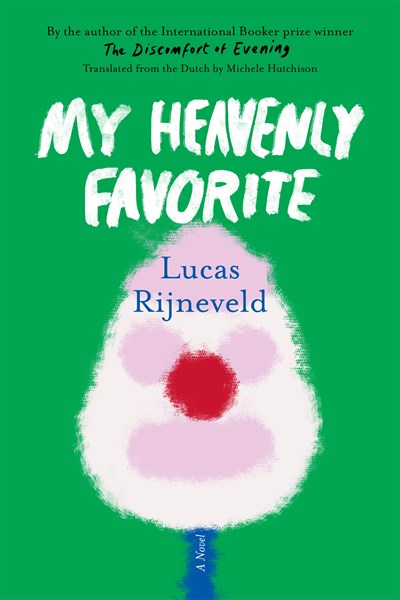
A confession, a lament, a mad gush of grief and obsession, My Heavenly Favorite is the remarkable and chilling successor to Lucas Rijneveld’s international sensation, The Discomfort of Evening. It tells the story of a veterinarian who visits a farm in the Dutch countryside where he becomes enraptured by his “Favorite”—the farmer’s daughter. She hovers on the precipice of adolescence, and longs to have a boy’s body. The veterinarian seems to be a tantalizing possible path out from the constrictions of her conservative rural life.
Narrated after the veterinarian has been punished for his crimes, Rijneveld’s audacious, profane novel is powered by the paradoxical beauty of its prose, which holds the reader fast to the page. Rijneveld refracts the contours of the Lolita story with a kind of perverse glee, taking the reader into otherwise unimaginable spaces full of pop lyrics, horror novels, the Favorite’s fantasized conversations with Freud and Hitler, and her dreams of flight and destruction and transcendence.
An unflinching depiction of abjection and a pointed excavation of taboos and social norms, My Heavenly Favorite establishes Rijneveld as one of the most daring and brilliant writers on the world stage.
Available Now
|
|
|
|
|
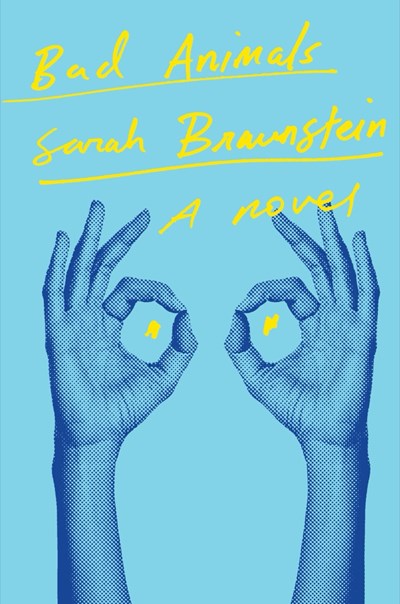
Now that her brilliant botanist daughter is off at college, buttoned-up Maeve Cosgrove loves her job at a quiet Maine public library more than anything. But when a teenager accuses Maeve—Maeve!—of spying on her romantic escapades in the mezzanine bathroom, she winds up laid off and humiliated. Stuck at home in a tailspin, Maeve cares for the mysterious plants in her daughter’s greenhouse while obsessing over the clearly troubled girl at the source of the rumor. She hopes to have a powerful ally in her attempts to clear her name: her favorite author, Harrison Riddles, who has finally responded to her adoring letters and accepted an invitation to speak at the library.
Riddles, meanwhile, arrives in town with his own agenda. He announces a plan to write a novel about another young library patron, Sudanese refugee Willie, and enlists Maeve’s help in convincing him to participate. Maeve wants to look out for Willie, but Riddles’s charisma and the sheen of literary glory he promises are difficult to resist. A scheme to get her job back draws Maeve further into Riddles’s universe—where shocking questions about sex, morality, and the purpose of literature threaten to upend her orderly life.
A writer of “savage compassion” (Salvatore Scibona, author of The Volunteer), Sarah Braunstein constructs a shrewd, page-turning caper that explores one woman’s search for agency and ultimate reckoning with the kind of animal she is.
Coming March 19
|
|
|
|
Lois Saunders thought that marrying the right man would finally cure her loneliness. But as picture-perfect as her husband is, she is suffocating in their loveless marriage. In 1951, though, unhappiness is hardly grounds for divorce—except in Reno, Nevada.
At the Golden Yarrow, the most respectable of Reno’s famous “divorce ranches,” Lois finds herself living with half a dozen other would-be divorcees, all in Reno for the six weeks’ residency that is the state’s only divorce requirement. They spend their days riding horses and their nights flirting with cowboys, and it’s as wild and fun as Lake Forest, Illinois, is prim and stifling. But it isn’t until Greer Lang arrives that Lois’s world truly cracks open. Gorgeous, beguiling, and completely indifferent to societal convention, Greer is unlike anyone Lois has ever met—and she sees something in Lois that no one else ever has. Under her influence, Lois begins to push against the limits that have always restrained her. But how far will she go to forge her independence, on her own terms?
Set in the glamorous, dizzying world of 1950s Reno, where housewives and movie stars rubbed shoulders at gin-soaked casinos, The Divorcees is a riveting page-turner and a dazzling exploration of female friendship, desire, and freedom.
Coming March 19
|
|
|
|
|
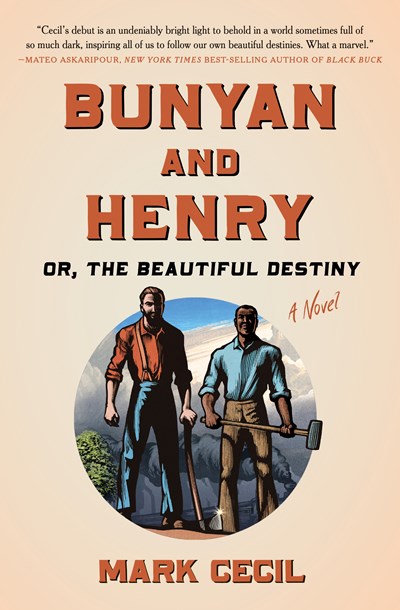
Paul Bunyan—legendary larger-than-life American lumberjack—is a man down on his luck. With a load of family debts on his broad back, he ekes out a miserable miner’s life in Lump Town, a bleak hamlet controlled by famed industrialist El Boffo. When Bunyan's wife Lucette falls ill with a disease caused by the toxic mineral Lump, he embarks on a quest to save her. His only guide: the Chilali—a mysterious creature who speaks only in questions.
Bunyan’s path leads to The Windy City—and to John Henry. Henry is not yet the “steel-drivin’” man known to folklore, but a fugitive on the run from a rigged, racist prison system. As Bunyan and Henry strive to reunite with the families they love, they must work together to solve riddles, forge weapons, brawl with a behemoth, and confront at every turn the relentless, duplicitous El Boffo.
A richly imaginative reinvention of myth, Bunyan and Henry is at once a timeless quest, a fresh origin story, and an urgent modern fable that wrestles with the two sides of the American dream—its wild idealism and cruel underbelly—to inspire the awakening of the folk hero in us all.
Coming March 26
|
|
|
|
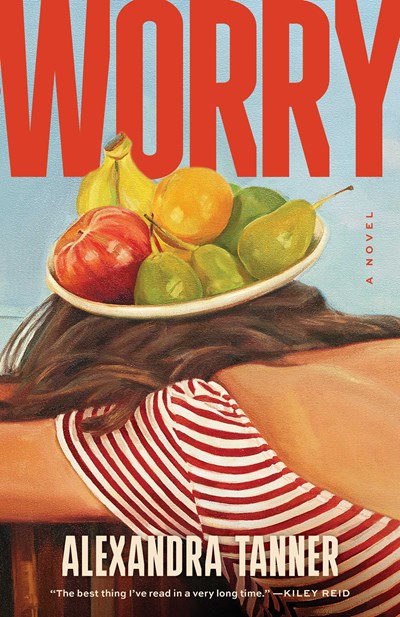
It’s March of 2019, and twenty-eight-year-old Jules Gold—anxious, artistically frustrated, and internet-obsessed—has been living alone in the apartment she once shared with the man she thought she’d marry when her younger sister Poppy comes to crash. Indefinitely. Poppy, a year and a half out from a suicide attempt only Jules knows about, searches for work and meaning in Brooklyn while Jules spends her days hate-scrolling the feeds of Mormon mommy bloggers and waiting for life to happen.
Then the hives that’ve plagued Poppy since childhood flare up. Jules’s uterus turns against her. The girls’ mother, a newly devout Messianic Jew, starts falling for the same deep-state conspiracy theories as Jules’s online mommies. Jules, halfheartedly struggling to scrape her way to the source of her ennui, slowly and cruelly comes to blame Poppy for her own insufficiencies as a friend, a writer, and a sister. As the year shambles on and a new decade looms near, a disastrous trip home to Florida forces Jules and Poppy—comrades, competitors, constant fixtures in each other’s lives—to ask themselves what they want their futures to look like, and whether they’ll spend them together or apart.
Coming March 26
|
|
|
|
|
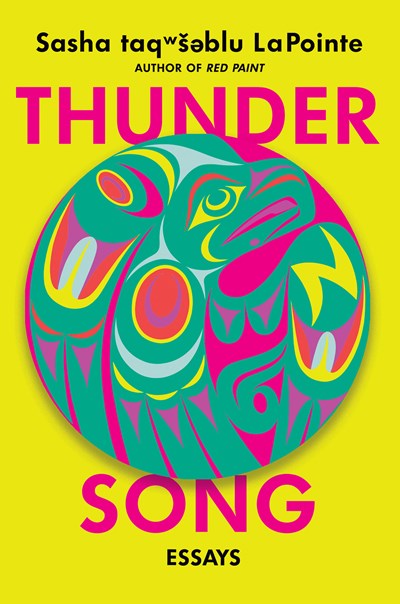
Drawing on a rich family archive as well as the anthropological work of her late great-grandmother, Sasha taqʷšəblu LaPointe explores themes ranging from indigenous identity and stereotypes to cultural displacement and environmental degradation to understand what our experiences teach us about the power of community, commitment, and conscientious honesty.
Unapologetically punk, the essays in Thunder Song segue from the miraculous to the mundane, from the spiritual to the physical, as they examine the role of art—in particular music—and community in helping a new generation of indigenous people claim the strength of their heritage while defining their own path in the contemporary world.
Available Now
|
|
|
|
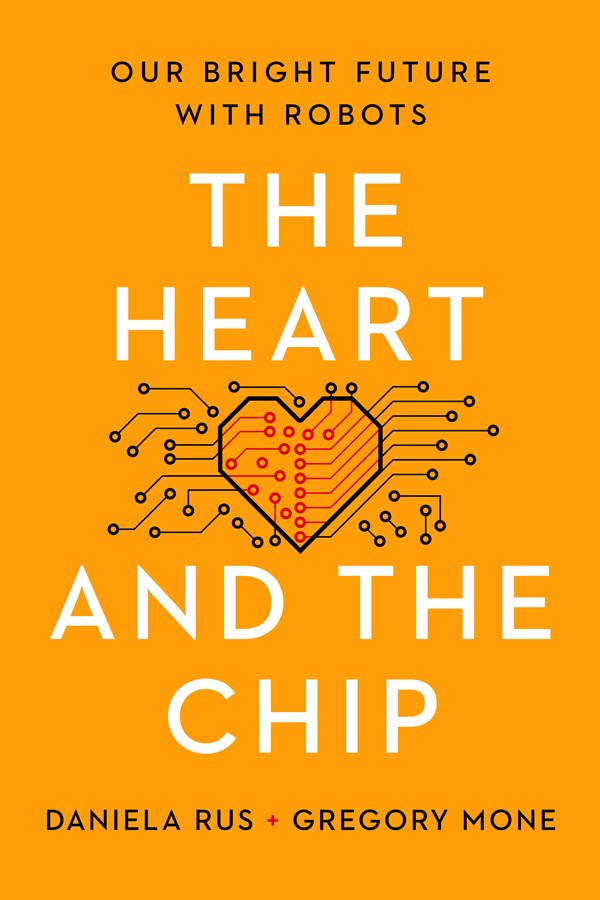
There is a robotics revolution underway. A record 3.1 million robots are working in factories right now, doing everything from assembling computers to packing goods and monitoring air quality and performance. A far greater number of smart machines impact our lives in countless other ways—improving the precision of surgeons, cleaning our homes, extending our reach to distant worlds—and we’re on the cusp of even more exciting opportunities.
In The Heart and the Chip, roboticist Daniela Rus and science writer Gregory Mone provide an overview of the interconnected fields of robotics, artificial intelligence, and machine learning, and reframe the way we think about intelligent machines while weighing the moral and ethical consequences of their role in society. Robots aren’t going to steal our jobs: they’re going to make us more capable, productive, and precise.
At once optimistic and realistic, Rus and Mone envision a world in which these technologies augment and enhance our skills and talents, both as individuals and as a species—a world in which the proliferation of robots allows us all to be more human.
Available Now
|
|
|
|
|
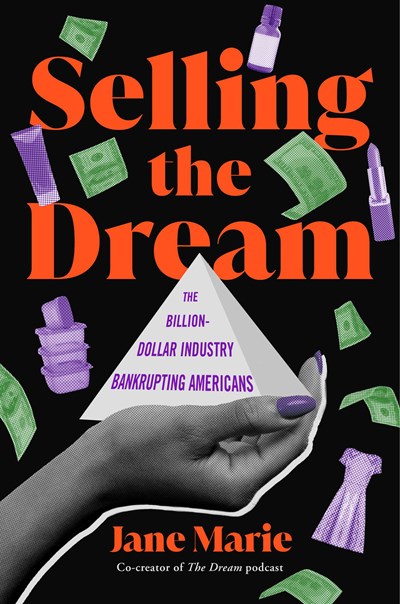
We’ve all heard of Amway, Mary Kay, Tupperware, and LuLaRoe, but few know the nefarious way they and countless other multilevel marketing (MLM) companies prey on desperate Americans struggling to make ends meet.
When factories close, stalwart industries shutter, and blue-collar opportunities evaporate, MLMs are there, ready to pounce on the crumbling American Dream. MLMs thrive in rural areas and on military bases, targeting women with promises of being their own boss and millions of dollars in easy income—even at the risk of their entire life savings. But the vast majority—99.7%—of those who join an MLM make no money or lose money, and wind up stuck with inventory they can’t sell to recoup their losses.
Featuring in-depth reporting and intimate research, Selling the Dream reveals how these companies—often owned by political and corporate elites—have made a windfall in profit off of the desperation of the American working class.
Available Now
|
|
|
|
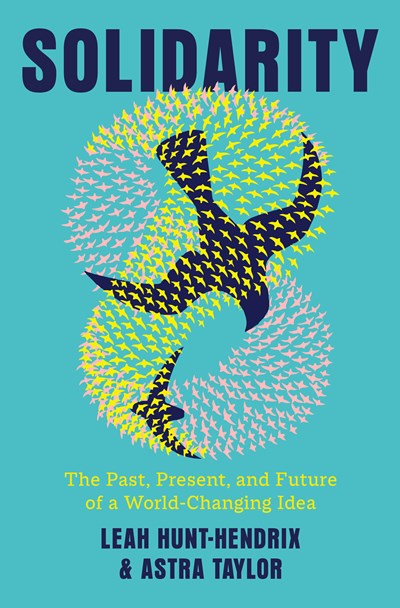
Solidarity is often invoked, but it is rarely analyzed and poorly understood. Here, two leading activists and thinkers survey the past, present, and future of the concept across borders of nation, identity, and class to ask: how can we build solidarity in an era of staggering inequality, polarization, violence, and ecological catastrophe? Offering a lively and lucid history of the idea—from Ancient Rome through the first European and American socialists and labor organizers, to twenty-first century social movements like Occupy Wall Street and Black Lives Matter—Hunt-Hendrix and Taylor trace the philosophical debates and political struggles that have shaped the modern world.
Looking forward, they argue that a clear understanding of how solidarity is built and sustained, and an awareness of how it has been suppressed, is essential to warding off the many crises of our present: right-wing backlash, irreversible climate damage, widespread alienation, loneliness, and despair. Hunt-Hendrix and Taylor insist that solidarity is both a principle and a practice, one that must be cultivated and institutionalized, so that care for the common good becomes the central aim of politics and social life.
Available Now
|
|
|
|
|
A definitive work of memoir and investigative journalism on the exvangelical movement: its origins, stories of its members, and massive social, cultural, and political impact.
Growing up in a deeply evangelical family in the Midwest in the ‘80s and ‘90s, Sarah McCammon was taught to fear God, obey him, and not question the faith. Persistently worried that her gay grandfather or Muslim friend would go to hell, and that she would, too, if she did not believe fervently enough, McCammon was a rule-follower and—most of the time—a true believer. But through it all, she was plagued by fears and deep questions as what she'd been carefully taught clashed with her expanding understanding of the outside world.
After spending her early adult life striving to make sense of an unraveling worldview, she found herself face-to-face with it in 2016 as she covered the Trump campaign for NPR, where she witnessed the power and influence that evangelical Christian beliefs held on the political right. Sarah also learned she was not alone: she is among a rising generation of the children of evangelicalism who are fleeing the fold, thinking for themselves, and deconstructing what feel like the “alternative facts” of their upbringing.
Rigorously reported and deeply personal, The Exvangelicals is the story of the people who make up this generational tipping point, including Sarah herself. This is the first definitive book that names and describes the post-evangelical movement: identifying its origins, telling the stories of its members, and examining its massive cultural, social and political impact.
Coming March 19
|
|
|
|
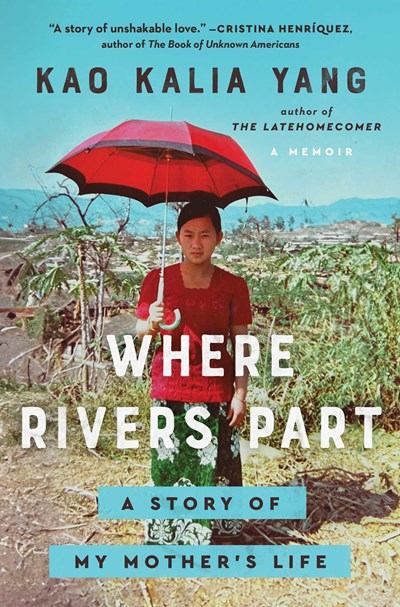
Born in 1961 in war-torn Laos, Tswb’s childhood was marked by the violence of America’s Secret War and the CIA recruitment of the Hmong and other ethnic minorities into the lost cause. By the time Tswb was a teenager, the US had completely vacated Laos, and the country erupted into genocidal attacks on the Hmong people, who were labeled as traitors. Fearing for their lives, Tswb and her family left everything they knew behind and fled their village for the jungle.
Perpetually on the run and on the brink of starvation, Tswb eventually crossed paths with the man who would become her future husband. Leaving her own mother behind, she joined his family at a refugee camp, a choice that would haunt her for the rest of her life. Eventually becoming a mother herself, Tswb raised her daughters in a state of constant fear and hunger until they were able to emigrate to the US, where the determined couple enrolled in high school even though they were both nearly thirty, and worked grueling jobs to provide for their children.
Now, her daughter, Kao Kalia Yang, reveals her mother’s astonishing saga with tenderness and unvarnished clarity, giving voice to the countless resilient refugees who are often overlooked as one of the essential foundations of this country. Evocative, stirring, and unforgettable, Where Rivers Part is destined to become a classic.
Coming March 19
|
|
|
|
|
The Rise and Fall of the Second American Republic |
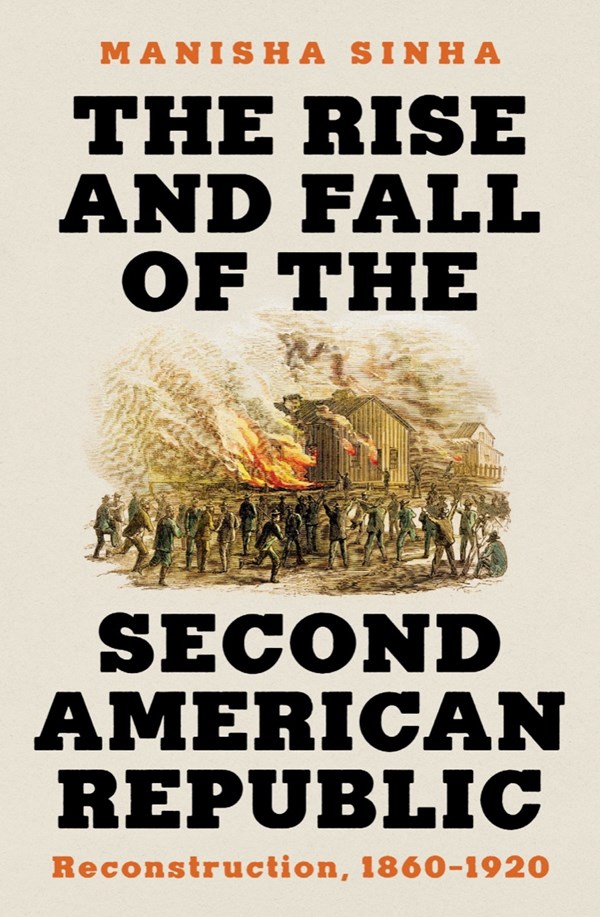
We are told that the present moment bears a strong resemblance to Reconstruction, the era after the Civil War when the victorious North attempted to create an interracial democracy in the unrepentant South. That effort failed—and that failure serves as a warning today about violent backlash to the mere idea of black equality.
In The Rise and Fall of the Second American Republic, acclaimed historian Manisha Sinha expands our view beyond the accepted temporal and spatial bounds of Reconstruction, which is customarily said to have begun in 1865 with the end of the war, and to have come to a close when the “corrupt bargain” of 1877 put Rutherford B. Hayes in the White House in exchange for the fall of the last southern Reconstruction state governments. Sinha’s startlingly original account opens in 1860 with the election of Abraham Lincoln that triggered the secession of the Deep South states, and take us all the way to 1920 and the ratification of the Nineteenth Amendment, which granted women the right to vote—and which Sinha calls the “last Reconstruction amendment.”
Within this grand frame, Sinha narrates the rise and fall of what she calls the “Second American Republic.” The Reconstruction of the South, a process driven by the alliance between the formerly enslaved at the grassroots and Radical Republicans in Congress, is central to her story, but only part of it. As she demonstrates, the US Army’s conquest of Indigenous nations in the West, labor conflict in the North, Chinese exclusion, women’s suffrage, and the establishment of an overseas American empire were all part of the same struggle between the forces of democracy and those of reaction. The main concern of Reconstruction was the plight of the formerly enslaved, but its fall affected other groups as well: women, workers, immigrants, and Native Americans. From the election of black legislators across the South in the late 1860s to the Great Railroad Strike of 1877 to the colonial war in the Philippines in the 1890s, Sinha narrates the major episodes of the era and introduces us to key individuals, famous and otherwise, who helped remake American democracy, or whose actions spelled its doom.
A sweeping narrative that remakes our understanding of perhaps the most consequential period in American history, The Rise and Fall of the Second American Republic shows how the great contest of that age is also the great contest of our age—and serves as a necessary reminder of how young and fragile our democracy truly is.
Coming March 26
|
|
|
|
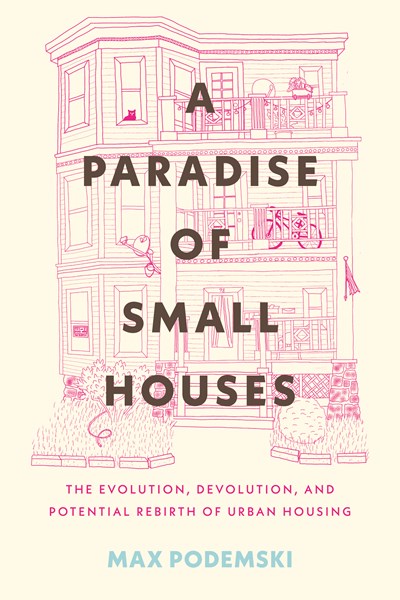
A Paradise of Small Houses |
The Philadelphia row house. The New York tenement. The Boston triple-decker. Every American city has its own iconic housing style, structures that have been home to generations of families and are symbols of identity and pride. Max Podemski, an urban planner for the city of Los Angeles and lifelong architecture buff, has spent his career in and around these buildings. Deftly combining his years of experience with extensive research, Podemski walks the reader through the history of our dwelling spaces—and offers a blueprint for how time-tested urban planning models can help us build the homes the United States so desperately needs.
In A Paradise of Small Houses, Podemski charts how these dwellings have evolved over the centuries according to the geography, climate, population, and culture of each city. He introduces the reader to styles like Chicago’s prefabricated workers cottages and LA’s car-friendly dingbats, illuminating the human stories behind each city’s iconic housing type. Through it all, Podemski interrogates the American values that have equated home ownership with success and led to the US housing crisis, asking, “How can we look to the past to build the homes, neighborhoods, and cities of the future that our communities deserve?”
Coming March 26
|
|
|
|
Magers & Quinn Booksellers
3038 Hennepin Ave
Minneapolis, MN 55408
(612) 822-4611
Open Daily 10am - 10pm
Next day pickup 10am - 7pm
Used book drop off 10am - 7pm
|
|
|
|
|
|
|