March is National Nutrition Month | | | |
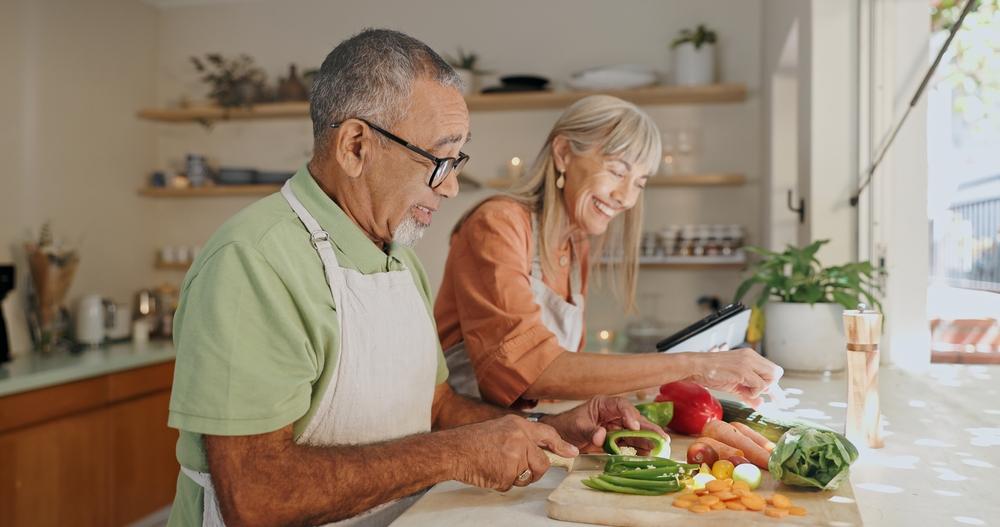
March is National Nutrition Month®—a perfect time to celebrate the power of smart food choices and healthy habits. As Americans live longer and remain active well into their 80s and 90s, good nutrition and regular physical activity play a central role in supporting energy, independence, and overall well‑being.
The good news? It’s never too late to feel the benefits. Choosing nutrient‑rich foods and joining friends for activities can boost your energy, lift your mood, and enhance your quality of life at any age. As we grow older, the decisions we make about what we eat and how we move matter more than ever.
Stay Healthy With Four Steps to Food Safety
Reducing your risk of foodborne illness starts right at home. Remember to: Clean, Separate, Cook, and Chill. These simple steps can help keep your meals safe and your body strong.
Clean
Cleaning includes handwashing. Handwashing is an easy and effective way to prevent the spread of germs, including those that cause foodborne illness. Use soap and clean water to wash hands for a minimum of 20 seconds. It’s also important to keep kitchen surfaces clean, like countertops, cutting boards, utensils, sinks and appliances.
Separate
Separating raw and ready-to-eat foods is important to help prevent cross-contamination. Cross-contamination occurs when harmful bacteria are spread from one surface to another. You should use separate cutting boards and utensils when preparing raw foods.
Cook
When cooking food, food thermometers are the only way to ensure food is cooked to a safe minimum internal temperature. The recommended temperature varies depending on the food.
A few examples of foods and their minimum internal temperature are:
- Fish and whole cuts of meat: 145°F*
- Ground meat: 160°F
- Eggs: 160°F
-
Poultry, mixed dishes and leftovers: 165°F
*Let meat rest for 3 minutes before carving or eating
Chill
It’s also important not to let perishable foods sit at room temperature for too long. Bacteria grow quickly between 40°F and 140°F. Perishable foods, like the ones listed below, should be refrigerated right away and not kept out more than 2 hours and only 1 hour if the temperature is 90 degrees or more.
- Milk, yogurt, cheese and eggs
- Meat, poultry and fish
- Cut or prepared fruits and vegetables
- Prepared food and leftovers
Learn more about food safety
Click the button below to learn more about food safety including washing, separating, safely cooking, and properly storing foods to reduce the risk of food poisoning.
|
| | March is Brain Injury Awareness Month | | | |
Falls are the leading cause of traumatic brain injury (TBI)-related hospitalizations in the United States—accounting for nearly half of all TBI hospital stays. Unlike other causes of brain injury, falls can happen to anyone, at any time, in any environment.
This month, we’re joining the Brain Injury Association of America (BIAA) to shine a light on how you can reduce your fall risk and protect your brain health.
| |
What Is a Brain Injury?
Every 9 seconds, someone in the United States sustains a brain injury. These injuries can change how a person thinks, acts, and feels—often impacting every part of life for both the survivor and their support network.
Traumatic Brain Injury (TBI)
A TBI occurs when a force disrupts normal brain function. Causes include falls, motor vehicle accidents, assaults, and blows to the head.
Concussion (mTBI)
Often called a “mild” TBI, a concussion is caused by a bump, jolt, or blow to the head that makes the brain move rapidly inside the skull. Even though the term “mild” is used, symptoms can be serious and long‑lasting.
Non‑Traumatic Brain Injury
These injuries result from internal factors such as lack of oxygen, toxins, or pressure from a tumor.
Learn more from the CDC by clicking the button below.
| |
How Lifestyle Habits Can Prevent Falls
Small daily choices have a big impact on balance, mobility, and fall risk.
Stay physically active
Regular movement strengthens muscles and improves flexibility—two key factors that reduce fall risk and injury severity.
Get vision & hearing checked
Changes in sight or hearing can make it harder to notice hazards. Routine checkups help you stay aware of your surroundings.
Talk with your doctor about medication side effects
Dizziness, drowsiness, and balance issues are common medication side effects. Review your prescriptions regularly.
Check your Vitamin D levels
Research shows that daily Vitamin D supplementation can reduce falls in older adults by 19%.
Wear supportive footwear
Shoes that fit well and match your environment help stabilize your steps.
Evaluate your personal risk
Age, health conditions, and medications all play a role in reducing your risk of falling. Ask your doctor to assess your fall risk and discuss prevention strategies.
How to Reduce Fall Hazards at Home
Creating a safer home doesn’t have to be overwhelming—a few adjustments go a long way.
Avoid uneven surfaces
Replace or repair uneven flooring. Keep walkways clear of clutter, loose rugs, and cords.
Add grab bars and railings
Install supports in high‑risk areas such as stairs, bathrooms, and showers.
Improve lighting
Ensure bright, accessible lighting throughout your home—especially in hallways, entryways, and bathrooms.
Limit use of ladders and stepstools
If you’re at higher risk, avoid climbing when possible. Ask a friend or relative for help or hire a professional.
The Bottom Line
Falls can happen to anyone—but most are preventable. By making small changes to daily habits and your home environment, you greatly reduce the risk of sustaining a brain injury from a fall.
| | Tax-Related Scams Are Rising:
What Older Adults Need to Know this Tax Season | | |
Tax scams are becoming more sophisticated — and more common.
In 2023 alone, the IRS Criminal Investigation unit opened 1,409 cases involving tax crimes and uncovered $5.5 billion in fraud. Older adults are especially targeted because scammers assume they may have retirement savings, Social Security benefits, or other financial resources.
These scams can cause real financial and emotional harm, and today’s criminals often use tools like AI to look and sound legitimate. Knowing the warning signs of tax scams and fraud is your best defense.
How the IRS Actually Contacts You
Understanding how the IRS communicates helps you spot impostors immediately.
The IRS usually contacts you by:
- Postal mail—this is the IRS’s primary, first method of communication.
- Email—only if you have given consent or are involved in a specific case.
- Text messages—only with your permission.
- Phone calls—generally to follow up on a case, verify information, or arrange a meeting.
Unannounced in-person visits are rare. You would normally receive a letter explaining the reason for the visit first.
If you’re unsure about a letter, you can verify it on the IRS website.
What the IRS Will Never Do
If you encounter any of these behaviors, it’s not the IRS:
- Ask for payment or contact you on social media
- Demand payment via gift cards, wire transfers, or prepaid debit cards
- Request credit card, debit card, or gift card numbers over the phone
- Threaten to call police, immigration officers, or law enforcement
- Take your citizenship, driver’s license, or business license
- Leave automated or prerecorded voicemail “warnings”
- Send advertisements for tax debt settlement
4 Common Signs of a Tax Scam
Here are the biggest red flags to watch for:
-
“Pay Now” Demands
The IRS never requires immediate payment through calls, texts, email, or social media. Gift cards, cryptocurrency, wire transfers = guaranteed scam.
-
Threatening or Aggressive Language
Real tax issues are handled by mail—not by threats of arrest, deportation, or lawsuits.
-
Promises of Big, Unexpected Refunds
Scammers bait people by promising refunds they weren’t expecting. The IRS will not offer you a surprise payout through a call, email, or text.
-
Spelling Errors or Strange Links
Fraudulent messages often include spelling mistakes, awkward grammar, or incorrect URLs like “irsgov.com” instead of “irs.gov”.
If You Think You’ve Been Targeted or Scammed
You’re not alone, and help is available.
| |
Help in your language
Below are links to resources in other languages; please share this important information with your non-English speaking friends, neighbors, and family members.
| |
Recognize Tax Scams & Fraud
| |  | | | |
If you can't find the answers to your tax questions on IRS.gov, with the support of professional interpreters, they can offer help in Spanish, Mandarin, Cantonese, Korean, Vietnamese, Russian, and Haitian Creole.
For Spanish, call 800-829-1040. For all other languages, call 833-553-9895.
You will reach an IRS assistor who can either:
- Provide an interpreter over the phone
-
Schedule an appointment for you at a local Taxpayer Assistance Centers so you can get help in person. Please note, their local offices provide assistance only on specific topics.
| | | |
A Fresh Start with PEARLS!
Before starting PEARLS, Michael felt isolated and down. But through the program, he regained his happiness and energy—so much so that he now drives himself to church twice a week and even took on the joyful responsibility of a new dog! 🐶💕
PEARLS helps older adults in Sacramento County facing depression find renewed purpose and connection.
If you or a loved one could benefit, let’s talk!
📞 (800) 211-4545
📧 cm@agencyonaging4.org
| | | March is National Colorectal Cancer Awareness Month | | |
National Colorectal Cancer Awareness Month reminds us that early detection is key to treating colorectal cancers. The month-long observance shines a spotlight on risk factors, research, and aims to raise awareness.
The American Cancer Society recommends that people at average risk* of colorectal cancer start regular screening at age 45. This can be done either with a sensitive test that looks for signs of cancer in a person’s stool (a stool-based test), or with an exam that looks at the colon and rectum (a visual exam). These options are listed below.
People who are in good health and with a life expectancy of more than 10 years should continue regular colorectal cancer screening through age 75.
For people ages 76 through 85, the decision to be screened should be based on a person’s preferences, life expectancy, overall health, and prior screening history.
People over age 85 should no longer get colorectal cancer screenings.
*For screening, people are considered to be at average risk if they do not have:
- A personal history of colorectal cancer or certain types of polyps
- A family history of colorectal cancer
- A personal history of inflammatory bowel disease (ulcerative colitis or Crohn’s disease)
- A confirmed or suspected hereditary colorectal cancer syndrome, such as familial adenomatous polyposis (FAP) or Lynch syndrome (hereditary non-polyposis colon cancer or HNPCC)
- A personal history of getting radiation to the abdomen (belly) or pelvic area to treat a prior cancer
Click the button below for more information and resources about colorectal cancer.
| | Got a space to share—or need a place to land? | | | |
Key Connections Co-Living Program helps match people with a room to rent to those looking for an affordable place to live.
- Have an extra room and open to sharing your home?
- Looking for a room and ready to share a space?
Let’s connect!
📞 1-800-211-4545
📧 keyconnections@agencyonaging4.org
New!
You can now view available rooms for rent on our website.
| | | March is National Kidney Month: Protecting the Organs That Keep Your Body in Balance | | |
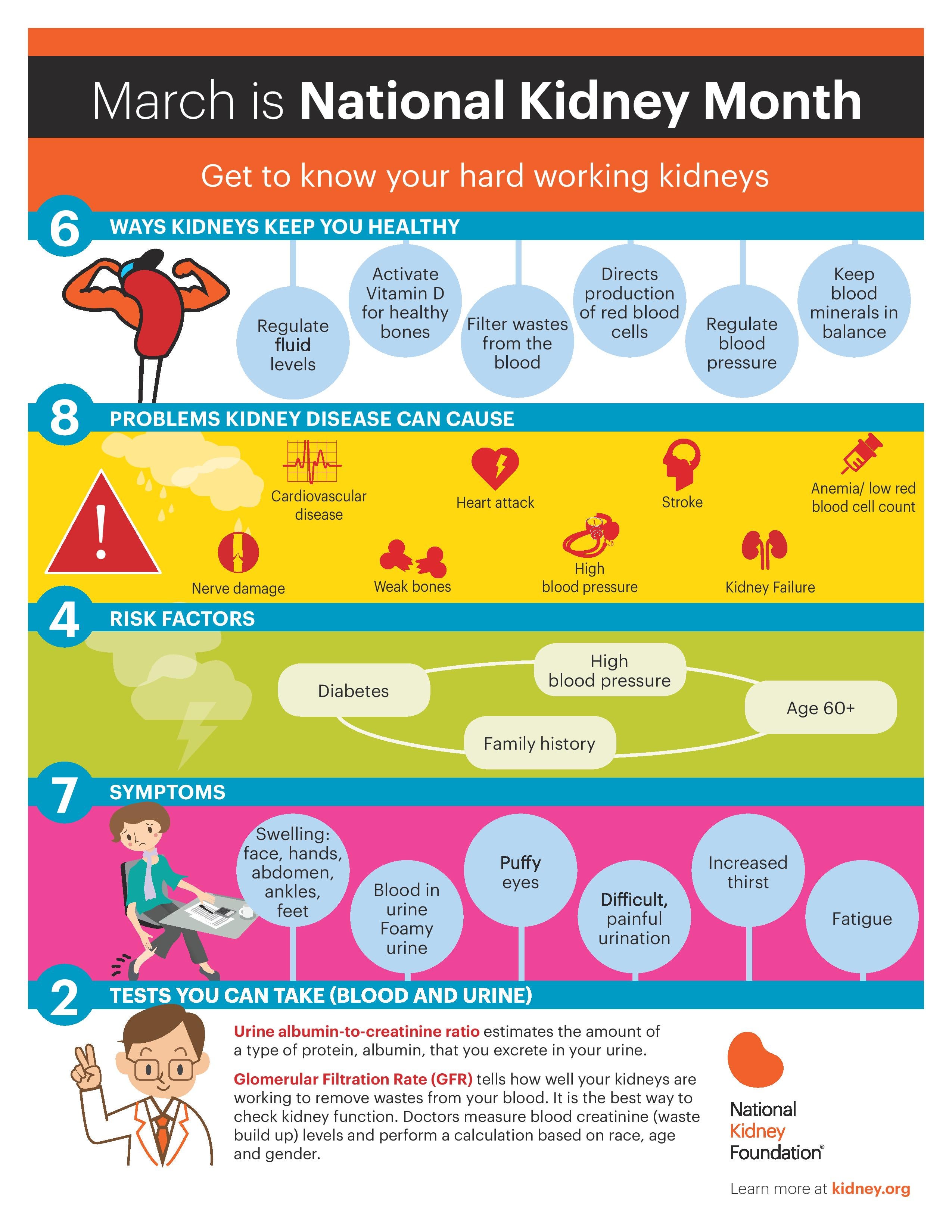
March is National Kidney Month—a time to raise awareness about kidney health and the steps we can take to prevent kidney disease. Your kidneys work around the clock, filtering about half a cup of blood every minute to remove waste, regulate pH, balance fluids, and help produce red blood cells.
Kidney disease is known as a “silent” condition because symptoms often don’t appear until the kidneys are already damaged. Early detection is key to preventing long‑term complications.
Why Kidney Health Matters
When the kidneys are not functioning properly, waste and extra fluid build up in the blood. Over time, this can lead to:
- High blood pressure
- Nerve damage
- Anemia (low red blood cells)
- Weakness and fatigue
- Circulatory problems
Because early signs can be subtle, it’s important to know what to watch for—especially if you’re at higher risk due to diabetes, high blood pressure, or family history.
Common Signs & Symptoms of Kidney Problems
These symptoms don’t always mean kidney disease, but they’re a signal to talk with your doctor:
Changes in urination
- More frequent urination, especially at night
- Foamy or bubbly urine (a sign of protein loss)
- Dark, red, or tea-colored urine
Swelling (Edema)
- Puffiness around the eyes, or swelling in the hands, ankles, or feet due to fluid retention
Fatigue & “brain fog”
- A general feeling of weakness caused by toxin buildup or anemia
Skin changes
- Dry, itchy, or rough skin due to mineral imbalances and toxin buildup
Changes in appetite or taste
- Loss of appetite, unintentional weight loss, or a persistent metallic taste
Muscle cramps & aches
- Especially in the legs or lower back
Shortness of breath
- This may happen when extra fluid builds up in the lungs or when anemia affects oxygen levels
Find Out Your Risk
Take a quick quiz to learn your kidney health score:
👉 Take the Kidney Risk Quiz
When to Talk to Your Doctor
If you have diabetes, high blood pressure, or a family history of kidney disease, regular checkups are especially important—even if you feel completely fine. Many people don’t notice symptoms until significant damage has occurred.
You can protect your kidney health by:
- Managing blood pressure
- Staying physically active
- Choosing kidney‑friendly foods and drinks
- Avoiding smoking and limiting alcohol
- Reducing stress
Learn More About Kidney Disease Prevention
Many of us don't give much thought to our hardworking kidneys. The truth is 33% of adults in the United States are at risk for developing kidney disease.
The main risk factors of kidney disease are diabetes, high blood pressure, heart disease, a family history of kidney disease, and obesity. Learn more about the 7 Golden Rules of Prevention to lower your chances of getting kidney disease.
| | Become a Senior Legislator | | |
- Are you 55 or older?
- Are you involved and aware of senior issues in your local area?
- Are you driven to make a difference in the lives of aging Californians?
- Interested in representing your local community at the State Level?
If you are passionate about issues facing older Californians and their families, you may want to consider running for the California Senior Legislature.
What is the California Senior Legislature (CSL)?
The California Senior Legislature (CSL) has been working to improve the lives of California’s seniors since 1981. This nonpartisan organization has sponsored over 200 new laws helping seniors with financial abuse, health care, transportation, housing, and more.
CSL members advocate diligently during each legislative session to have state lawmakers carry and support the CSL’s top State Legislative proposals. It then tracks the progress of its legislative proposals through a series of monthly reports.
Who can become a Senior Legislator?
Persons age fifty-five (55) or older on election day, who are registered to vote and who reside in the Planning and Service Area (PSA) for which the election is held. Candidates are required to identify their respective district’s State Senator, State Assembly Member, and Congressional Representative on their application for Candidacy.
How can I get involved?
To become a Senior Legislator or for more information about the California Senior Legislature, please contact Will Tift at Agency on Aging Area 4 at WTift@agencyonaging4.org.
| | | Healthy Eating = Healthy Aging | | |
To help keep you feeling your best as you age, it’s important to eat a variety-filled diet that contains the nutrients your body needs to thrive.
Try these nourishing recipe options that taste great and support your well-being.
| |
Lemon Chicken & Rice Skillet
This savory dish comes together in a single skillet, making clean up a breeze. Juicy chicken breast, brown rice, and Parmesan cheese deliver a hearty boost of protein and fiber to keep you full and energized. This dish has at least 20% of the daily value for two or more of the following nutrients: fiber, calcium protein and/or vitamin D.
| | |
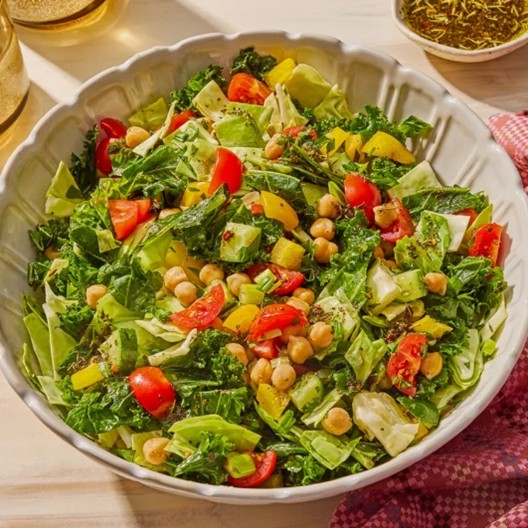
High-Fiber Chopped Salad with Italian Vinaigrette
This chopped salad is a crisp, colorful mix of veggies. It’s tossed with a zesty homemade vinaigrette while chickpeas bring on the plant-based protein and fiber. Everything is chopped small for the perfect forkful every time.
| |
Strawberry-Peach Chia Seed Smoothie
This fiber-rich chia smoothie is sweet and tangy with a velvety texture, thanks to nutritious chia seeds that expand as they combine with liquid. Chia seeds have plenty of health benefits, from delivering a boost of fiber to providing a dose of heart-healthy fats. We like the combination of strawberries, peaches and cherries, but any sweet and tangy fruit combo will work.
| | |
Spinach & Feta Mug Scrambled Eggs
Whip up eggs with a few simple ingredients in a microwave-safe mug, and you have the makings of a breakfast that’s prepped, seasoned, and will be ready to eat in a little more than a minute before running out the door. If you don’t want to store the mixture in individual mugs, you can store it in an airtight container then transfer to a mug when you’re ready to cook it.
| | GetSetUp: Free Online Classes for Older Adults | | |
We have teamed up with GetSetUp to provide hundreds of live online classes to keep you mentally, physically, and socially active. Classes are interactive, easy to join, offered day and night and free for our community.
All those 60+ are welcome and workshops are free when using passcode "area4-ca".
| | This Month's Featured Classes | |
Series: Protect Your Money
You’ve worked hard for your money—now make sure it stays safe. Learn simple ways to recognize scams, protect your accounts, and strengthen your financial security. These classes help you stay alert, confident, and in control of your finances.
| | |
Healthy Aging: Tips for Heart Healthy Eating
Maintaining a healthy lifestyle is essential for promoting healthy aging.
In this session, you'll learn tips on healthy eating and how to re-create popular recipes in a healthier way using heart-healthy ingredients. There will also be a cooking demonstration.
| | |
Cancer Prevention: Strategies for Reducing Risks
In this class, we cover cancer prevention strategies specifically for adults over 55. Understand the risk factors, learn about screenings, and discover lifestyle choices that can significantly lower your cancer risks. Join us to take proactive steps towards a healthier life.
| | |
Exercises to Lower Blood Pressure
Exercise plays a pivotal role in managing high blood pressure, weight control, heart strength, and stress reduction. In this class, we'll practice a low-impact cardio routine, tailored to assist in high blood pressure management.
| | |
Strategies to Improve and Protect Brain Health
Explore the fundamentals of brain health in this class for adults over 55. Learn how lifestyle, diet, and mental exercises can protect and enhance your brain function. Gain practical strategies to maintain cognitive health and improve memory.
| | |
Stay Safe at Home: Fall Risk and Prevention Strategies
Take control of your safety with essential fall risk and prevention techniques. In this class, we will review the impacts aging has on fall risk, other risk factors, and how to prevent falls.
| | |
Heal Your Gut and Reduce Inflammation Naturally
our gut health plays a huge role in everything from mood to metabolism. In this class, we’ll cover how to improve digestion and reduce inflammation with practical dietary strategies.
| | |
Setting Smart Nutrition Goals for Lasting Health
Struggling to stick to a healthy eating plan? In this class, we’ll explore how to set realistic nutrition goals based on your personal health needs. Learn why many diets fail and how to approach eating in a sustainable, long-term way.
| | |
Top Meal Planning Apps to Simplify Healthy Eating
Want to make meal planning easier and discover delicious, healthy recipes? Recipe and meal planning apps help you organize your meals, find new dishes, and create grocery lists in just a few taps. In this class, explore the best apps available and learn how to use them to save time, reduce stress, and eat well!
| | |
Fun Brain Games
Brain games have many benefits besides being fun. Physical exercise keeps our bodies strong and now scientific evidence suggests that mental exercise keeps our brains young. Join in our community’s brain games to share some laughs while keeping mentally fit.
| | |
| How did you like this email? | | | | For the latest news on healthy aging, follow us on social media! | | |
This material was funded by USDA’s Supplemental Nutrition Assistance Program - SNAP. This institution is an equal opportunity provider. The materials or product were a result of a project funded by a contract with the California Department of Aging.
| | | | |