SGHT Newsletter March 2026

As the 2025-26 season draws to a close on South Georgia, we are reflecting on what an incredible season it has been! From unveiling the first part of the Whale Memorial on Grytviken’s shore to stabilising the historic Stromness Manager’s Villa before another austral winter sets in, these last seven months have been defined by action and conservation. But what's next? We will be welcoming several supporters on the SGHT cruise in November and fundraising for our WildCounts project which is focused on our beautiful, diverse wildlife. We're incredibly grateful for your support in protecting South Georgia's past, present, and future.


In this month’s newsletter, discover the story behind Shackleton's pallbearers and find out what the on-island team got up to in February.


The Shetlanders who helped lay Shackleton to rest

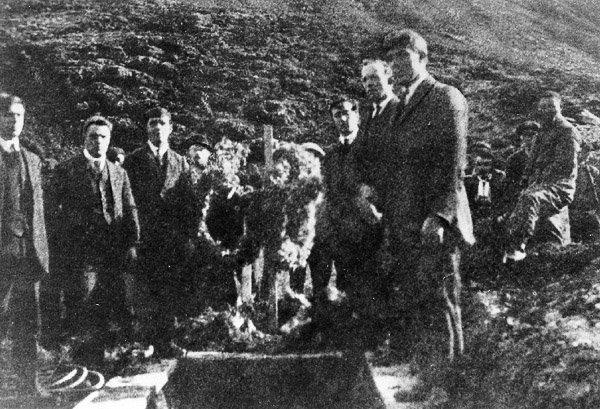
The Shetland Pallbearers (l-r): Willie Sandison, Geordie Manson, Magnus Leask, John Byrne, James Brown, James Leask. Credit: Shetland Museum and Archives

It is estimated that over 1600 men from Shetland served in WWI. When they returned to Shetland to a changed local economic and social environment with low chances of employment, they made the decision to make the long journey to the whaling stations of South Georgia to earn a living.


So, when Sir Ernest Shackleton died suddenly in South Georgia in 1922, it was six Shetlanders based at Leith Whaling Station who were his pallbearers. They were all ex-servicemen and had survived the First World War. But who were these men?


  • James Brown, known locally as Sodger, was given the responsibility to pick the men to carry Shackleton’s coffin. James had served in the 2nd Royal Scots. During WWII, he joined the Royal Engineers, after being turned down from the Home Guard due to his age.
  • John Bryne enlisted as a seaman in the Royal Naval Reserve in 1916, having previously served with the Gordon Highlanders. After the war, he was a baker and the town lamp lighter.
  • James Leask came from Lerwick and worked as a fisherman. In 1914, he enlisted as a seaman with the Royal Naval Reserve.
  • Magnus Leask was also a fisherman before he too enrolled as a seaman in WWI. After the war, he was employed as a crofter. In the 1970s, Shackleton's son visited Shetland and was presented with a photograph of the burial by Magnus.
  • George Manson was from Burra and enlisted in the Royal Naval Reserve as a seaman.
  • William Sandison was from Lerwick and before the war, he worked as a cooper at the barrel factory. He joined the 7th Battalion Gordon Highlanders in WWI. Following WWII, William again returned to whaling.


Over a century later, we remember not only Shackleton, but the Shetlanders who carried him to his final resting place.


Credit for the brilliant research on these pallbearers goes to Jon Sandison.


Cow costumes & outdoor maintenance

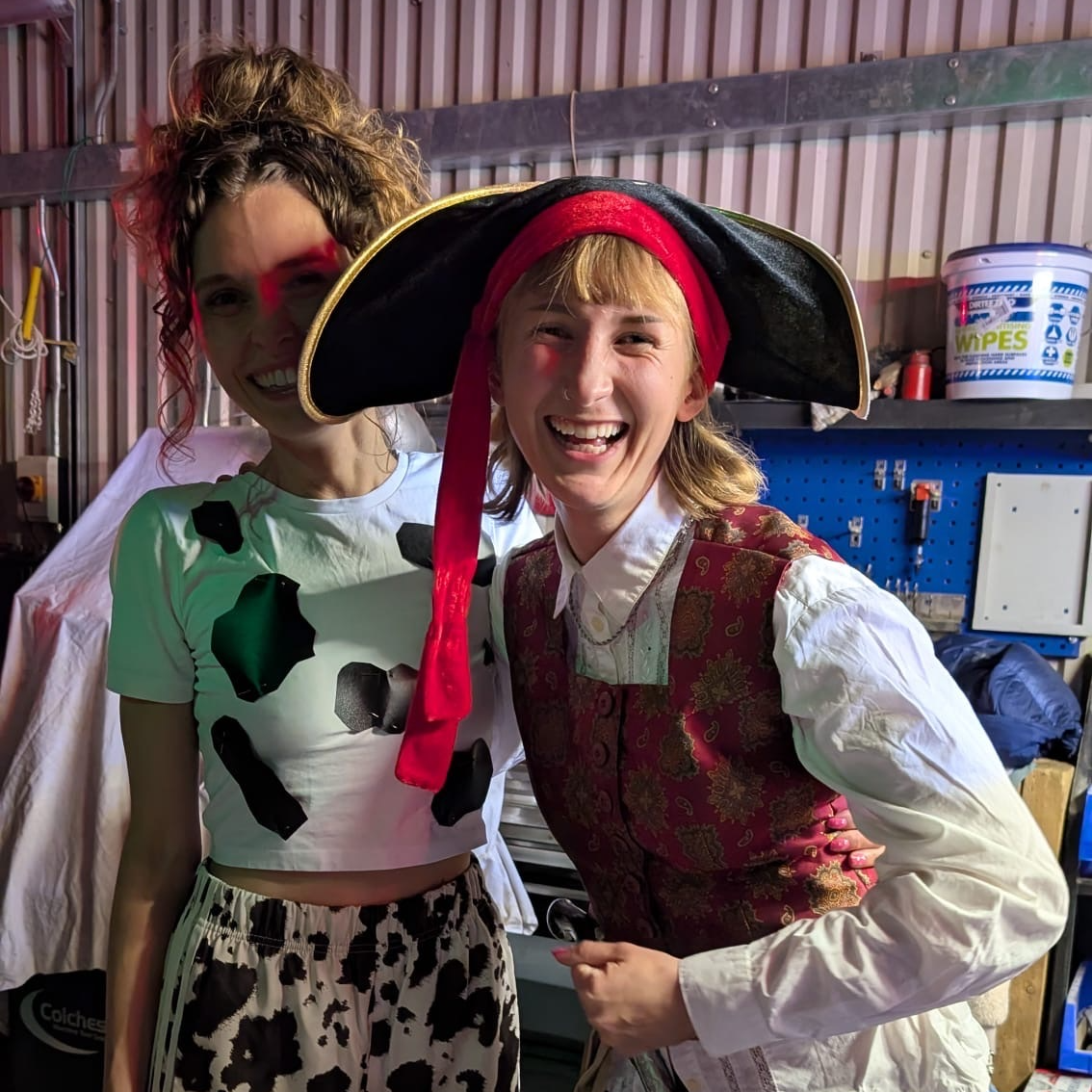
Lauren & Livvie at the fancy dress party

Operations Manager (Off-Island) Lauren writes, "It has been five months since I’ve seen the South Georgia Museum team so after three flights, one ship and ten days later I arrived on island for my fourth season, excited to see how everyone was doing. In true South Georgia style, the day after my mammoth journey, the only appropriate way to meet the rest of the base was at a fancy dress party dressed as a cow. That’s the great thing about life down here is that you can, in fact, meet people for the first time dressed as a cow and everyone welcomes you with open arms."


South Georgia through your eyes

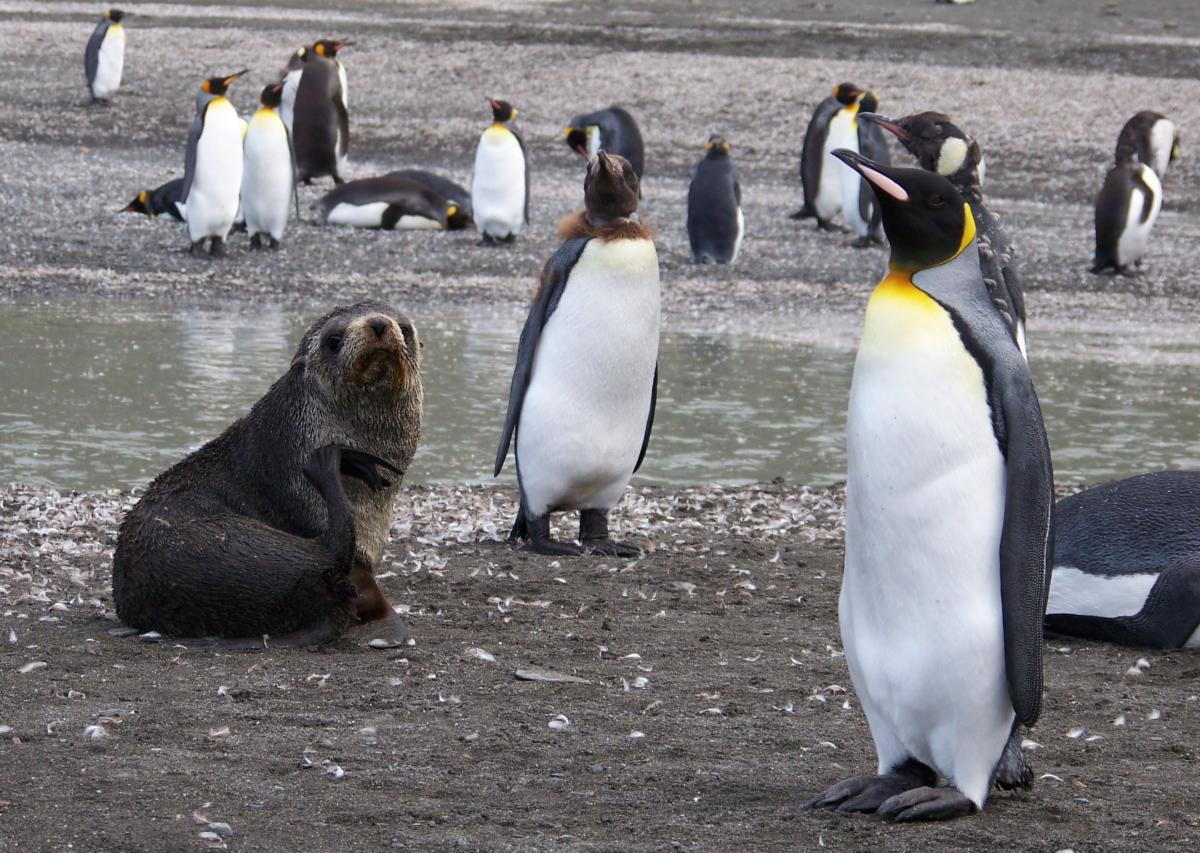
Credit: Evan Jones, taken over twenty years ago

Would you like to share your favourite image of South Georgia? Email it to us!


There are regular news and other updates from SGHT on Facebook, Instagram, and LinkedIn


Follow us on your favourite platform to find out so much more about South Georgia and the activities of SGHT

 
Facebook  Instagram  Linkedin