LinkedIn  Facebook

March is full of buzzer-beaters, bracket busters, and looming tax deadlines — and for real estate investors, the stakes can be just as high. While everyone is watching the madness on the court, smart exchangers are making sure their 1031 paperwork, Form 8824 reporting, and extension planning are all in order before time runs out. In the world of 1031 exchanges, beating the clock is not just part of the game — it can make all the difference.


This time of year, there are really two big filing issues we see most often. First, clients need to make sure their accountant has everything necessary to properly prepare Form 8824, which is the IRS form used to report like-kind exchanges. Second, clients who sold late in 2025 and are still in the middle of their exchange may need to file an extension so they do not accidentally cut short their own exchange deadline.

Form 8824 — What Your Accountant Needs


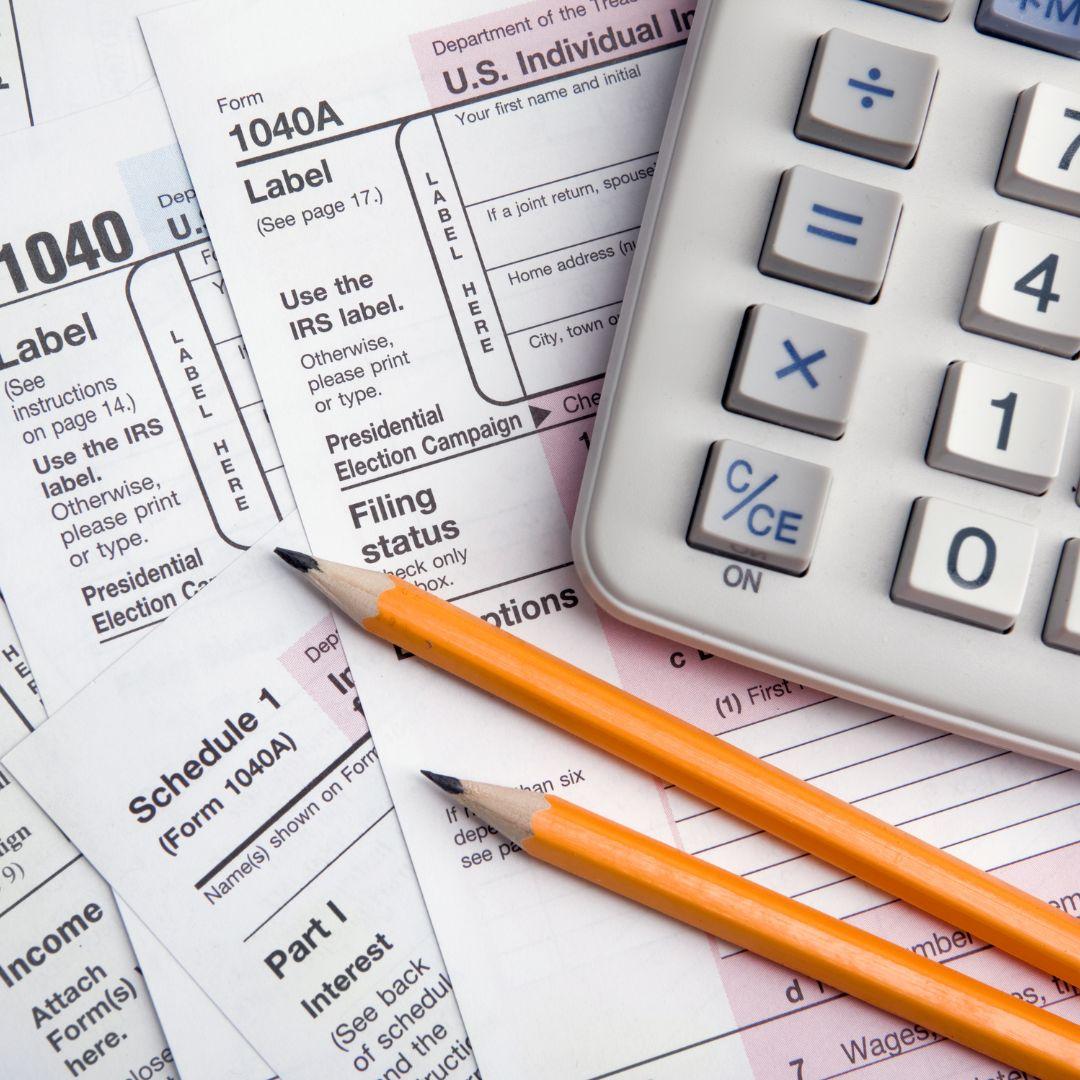
Form 8824 is the form used to report a like-kind exchange to the IRS. The IRS says the form reports each exchange of business or investment property for property of a like kind, and it asks for details such as the property descriptions, transfer and identification dates, any relationship between the parties, the value of like-kind and other property received, cash paid or received, liabilities assumed or relieved, and the adjusted basis and gain calculations.


In plain English, that means your accountant needs more than just “we did a 1031.” They need the actual paper trail.


To make tax filing easier, exchangers should send their accountant a complete package as soon as possible. That package should usually include the closing statement for the sale of the relinquished property, the closing statement for the purchase of the replacement property, the exchange agreement with the qualified intermediary, the assignment documents and notices, the identification letter showing what property was identified within the 45-day window, and a final accounting or settlement statement from the intermediary showing where the exchange funds went. Because Form 8824 also deals with cash, debt relief, adjusted basis, and potential boot, it is also helpful to provide loan payoff information, new loan information, depreciation schedules, and prior exchange documentation if the property being sold came from an earlier 1031 exchange. These are the documents that allow the accountant to complete the form accurately and calculate basis correctly.


A good rule of thumb is this: if it affected the economics of the deal, your accountant probably needs to see it.

Part 2: If Your Exchange Started Late in 2025, an Extension May Be Critical


This is the issue that catches many exchangers off guard.


The IRS rule for a deferred exchange is that the replacement property must be identified within 45 days after the relinquished property is transferred, and it must be received within 180 days or by the due date of the tax return, including extensions, whichever is earlier.


That “including extensions” language matters.


If an exchanger sold late in 2025, the full 180-day exchange period may run into 2026. But without a proper tax extension, the tax return due date can arrive before the 180th day. For many individual taxpayers filing a 2025 calendar-year return, the normal due date is April 15, 2026. An extension generally pushes the filing deadline to October 15, 2026, but the IRS is very clear that the extension is for filing, not for paying tax due.


So here is the practical takeaway: if you sold relinquished property late in 2025 and your 180-day exchange period extends beyond your normal filing deadline, filing an extension may be necessary to preserve the full exchange period allowed under the rules. The IRS instructions for Form 8824 expressly tie the replacement deadline to the earlier of 180 days or the tax return due date including extensions.


For individual taxpayers, Form 4868 is the automatic extension form. The 2025 Form 4868 states that it must be filed by the due date of the return, which for most calendar-year taxpayers is April 15, 2026, and that the total time allowed is generally through October 15, 2026. It also explains that interest and possible late-payment penalties can still apply if taxes owed are not paid by the original due date.


In other words, an extension can protect your exchange timeline, but it does not give you extra time to pay tax that is otherwise due.


Final Thought


A successful 1031 exchange is not finished at closing. It also has to be properly reported.


If you completed an exchange in 2025, now is the time to get your Form 8824 support documents organized and over to your accountant. And if your exchange began late in 2025 and is still in process, do not assume the 180-day period automatically controls. Your tax return deadline may arrive first unless an extension is filed.


If you exchanged with ERG, we are happy to help you gather the documents your CPA will need. We prepare our TaXadvantage package with all relevant documents to your exchange that will prepare you for filing. Good tax reporting helps protect the exchange you worked so hard to complete.

Exchange Resource Group, LLC

(303) 789-1031 • Info@erg1031.com

www.ERG1031.com

1 Hr CE: 1031 Exchange Essentials For Real Estate Professionals - Hosted By Capital Title of Texas


Date:

April 14, 2026

Location:

3400 W. FM 544, Suite 600 

Wylie, TX 75098

Time:

10am-11am (CST)

Contact:

Lu Ann Blough

Luann@erg1031.com - 972-863-1031

1 Hr CE: 1031 Exchange Essentials For Real Estate Professionals - With Equity Colorado Real Estate


Date:

April 21, 2026

Location:

7887 E. Belleview Ave, Ste 175

Denver, CO 80111

Time:

11am-12pm (MST)

Contact:

Caleb Ernst

Caleb@erg1031.com - 209-402-5053

Exchange Resource Group | (303) 789-1031 | info@erg1031.com | erg1031.com