Volume 3, Issue 11 - November 2025 | | |
Dear Friends,
As the last lines are coiled and our boats are put away for winter, the lake takes on that familiar November hush.
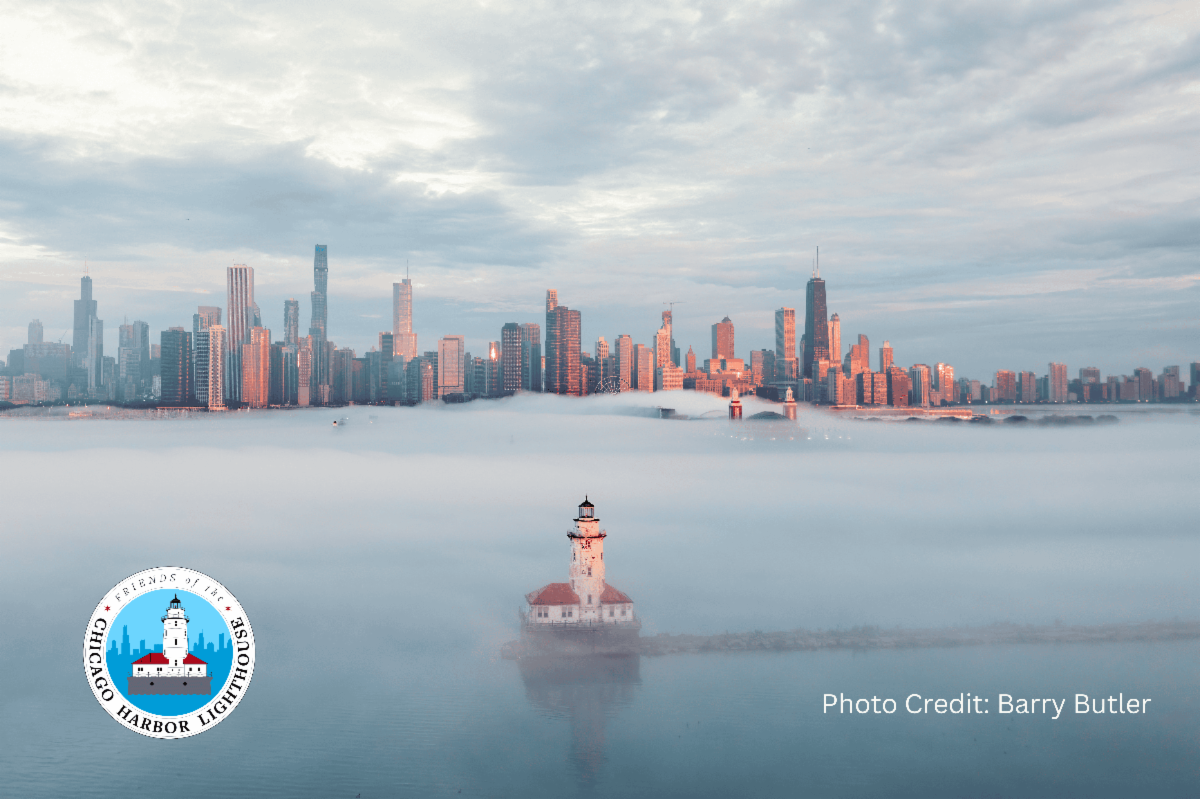
The Chicago Harbor Lighthouse stands steady in the distance—tucked in, but never asleep—welcoming the crisp fall air that rolls across the shoreline and ushers in the spirit of Thanksgiving.
This quiet season is when we take stock: of progress made, lessons learned, and the extraordinary community that keeps this light burning bright.
I want to extend my warmest wishes for a safe and joyous Thanksgiving to you and your families. Whether you’re hosting at home, traveling to see loved ones, or simply taking a reflective walk along the lakefront, know that your support has made a real difference this year.
Every donation, volunteer hour, shared post, meeting, and introduction—each one—has moved us closer to our vision: preserving, restoring, and celebrating the Chicago Harbor Lighthouse and opening it for the public to experience.
| | |
This month’s issue highlights how that vision is taking shape:
-
Where We Are: Securing the Chicago Harbor Light for the Public -We walk through our progress under the National Historic Lighthouse Preservation Act—key steps completed, approvals achieved, and what’s next. It’s a testament to grit, collaboration, and the belief that this landmark belongs to the people of Chicago.
-
Fifty Years Since the Edmund Fitzgerald - We honor the crew, the mariners who keep our waters safe, and the lighthouses that have long safeguarded navigation on the Great Lakes. It’s a solemn anniversary and a powerful reminder of why our mission matters.
-
Keeping the Light: Logbooks of the Chicago Harbor Lighthouse - In Steve’s latest installment, you’ll step into the keepers’ world through the pages of the logbooks—daily notes that reveal big stories: storms weathered, vessels guided, and a city growing around its harbor light.
-
Welcome, Jacob! - Meet our newest volunteer, Jacob, who’s already rolling up his sleeves to help us preserve history and build access for the future. Volunteers like Jacob are the heartbeat of this project.
-
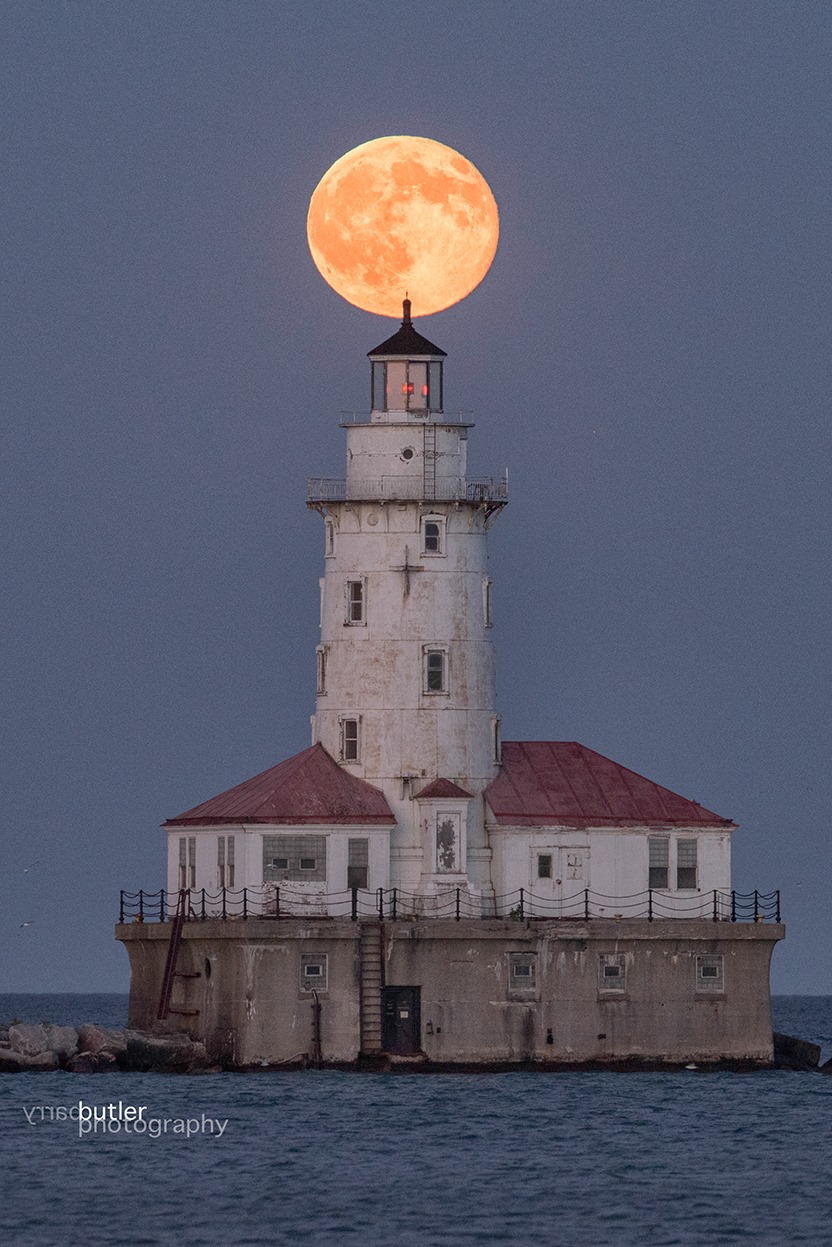
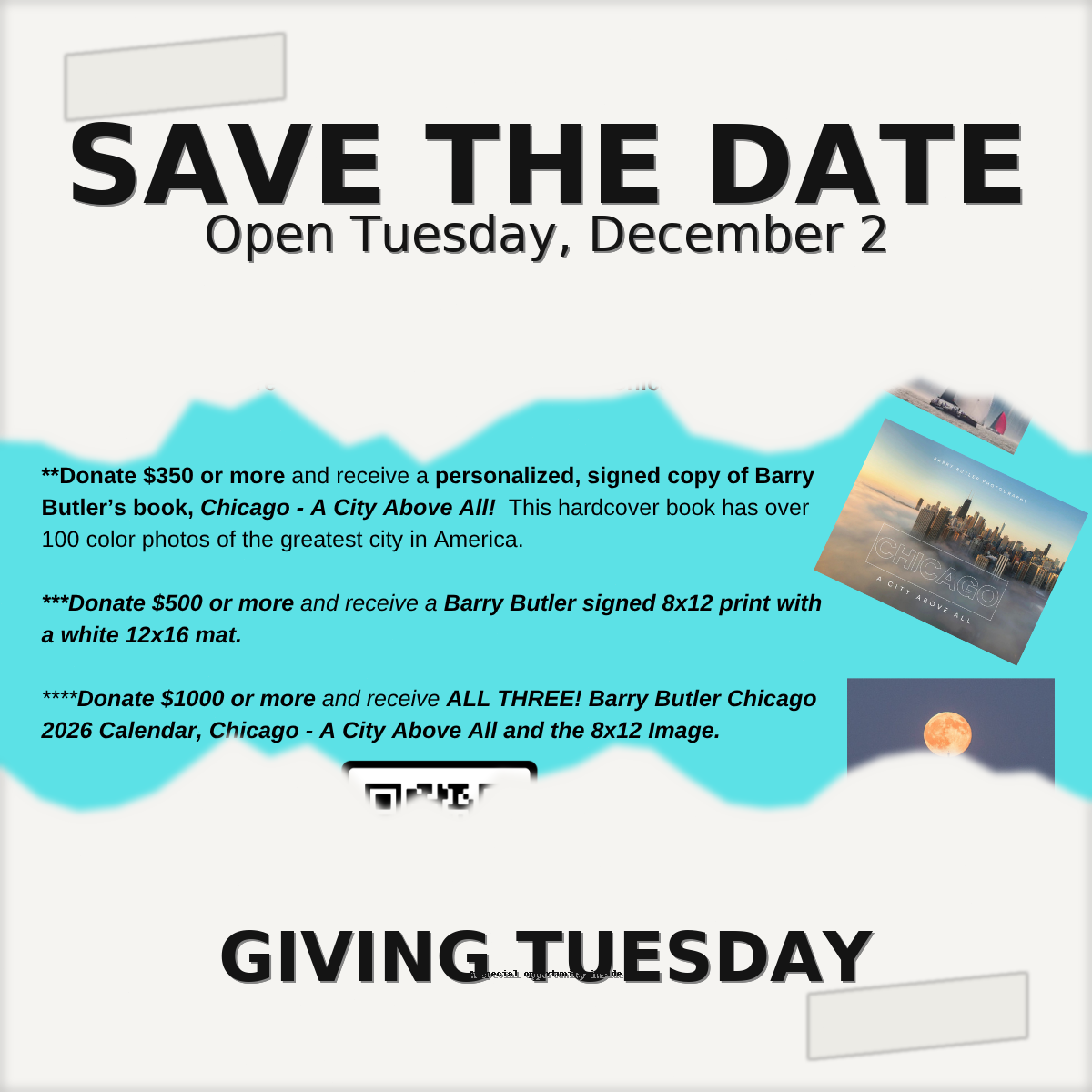
Save the Date: Giving Tuesday, December 2 - Mark your calendars for a one-day opportunity to propel us into 2026 public access. Your gift can unlock exclusive Barry Butler merchandise—with limited quantities available. It’s a great way to support the work and share your love of the lighthouse.
As we head into the holidays, I’m reminded that lighthouses don’t exist for themselves—they exist for others. They guide, protect, and welcome. That’s what your support does for this project: it guides us through complexity, protects this public treasure, and welcomes future generations to learn from it.
If you’ve already given this year, thank you. If you’re considering a first-time gift or an additional contribution, Giving Tuesday on December 2 is the perfect moment to make a meaningful impact.
And if you’ve been thinking about volunteering—docents, researchers, educators, mariners, content makers—we have a place for you.
From all of us at the Friends of the Chicago Harbor Lighthouse, thank you for standing watch with us.
May your November be filled with warmth, good company, and safe travels—and may the lighthouse’s steady beam remind us that, even in the quiet season, we’re moving forward together.
Be Safe and Be Well!
Regards,
Kurt Lentsch
Chief Dreamer and President
| | Where Are We? Securing the Chicago Harbor Lighthouse for the Public | | |
Thanks to grit, determination, and the generosity of our supporters, the Friends of the Chicago Harbor Lighthouse (FOCHL) continues to make steady, measurable progress toward public ownership of the lighthouse under the National Historic Lighthouse Preservation Act (NHLPA).
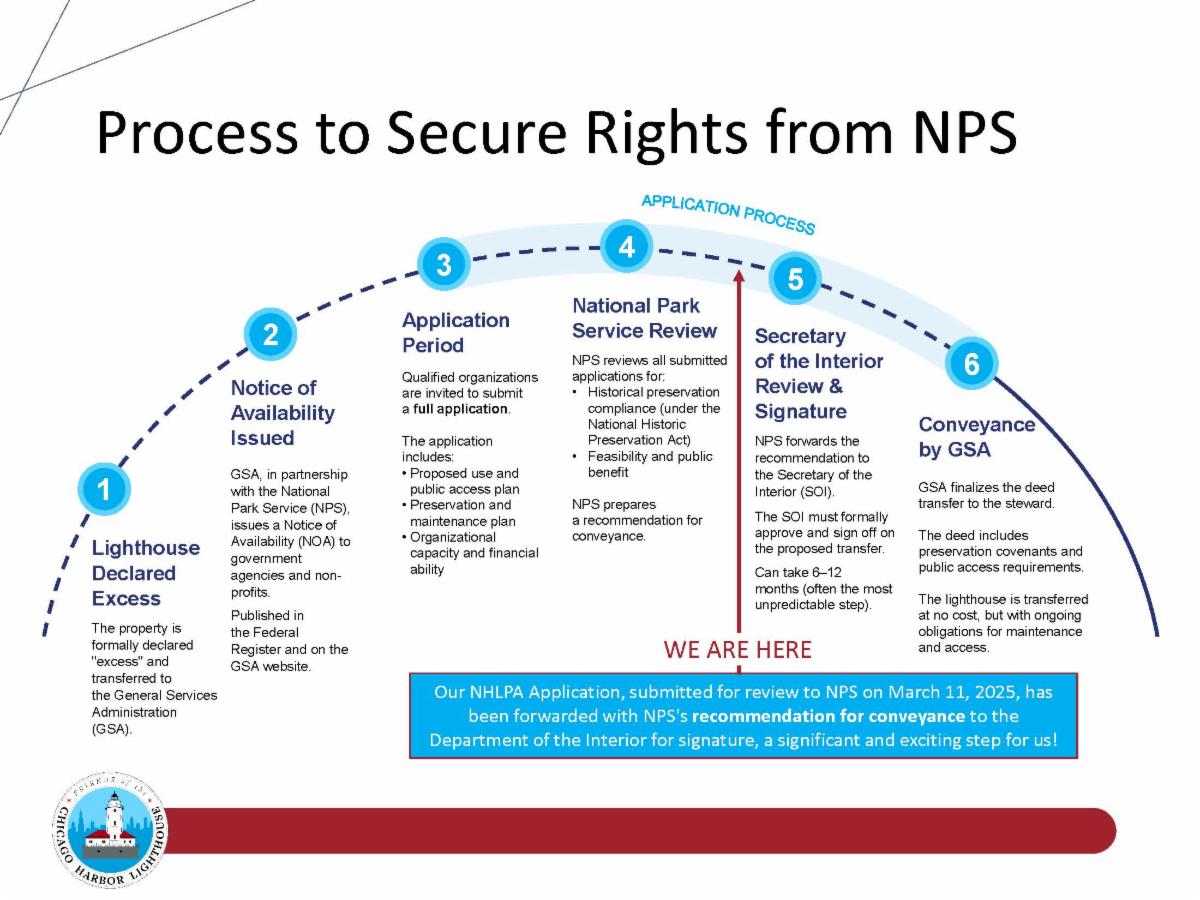
Here’s where we stand in the six-step NHLPA process—and what comes next.
The Six Steps of the NHLPA (and our status)
-
Lighthouse Declared Excess — Completed - The federal government determined that the lighthouse was no longer needed for federal purposes and moved it into the disposal process.
-
Notice of Availability Issued — Completed - The General Services Administration (GSA), in partnership with the National Park Service (NPS), announced the lighthouse’s availability to eligible stewards, opening the door for qualified nonprofits like FOCHL.
-
Application Period — Completed - March 11, 2025: FOCHL filed our NHLPA Application for Reconveyance with the National Park Service, presenting our plan for preservation, public access, and organizational capacity.
-
National Park Service Review — Completed - July 15, 2025: NPS confirmed its recommendation for reconveyance to FOCHL and forwarded it to the Secretary of the Interior for final review and signature. September 12, 2025: The Illinois State Historic Preservation Office (SHPO) approved the reconveyance, a key state-level milestone that supports the federal transfer.
-
Secretary of the Interior Review & Signature — In Progress - We are here. The Department of the Interior reviews NPS’s recommendation and—upon approval—authorizes the transfer. This step can be the most unpredictable in timing, but we are moving forward and remain actively engaged.
-
Conveyance by GSA — Next Step - After the Secretary's signature, GSA finalizes the deed transfer to FOCHL. The deed will include preservation covenants and public access requirements—exactly the mission we’ve been building toward.
Why This Matters
Every checkpoint we’ve passed brings us closer to returning the lighthouse to the people of Chicago—preserved, restored, and open for tours and educational programs. Our long-term vision includes public access by boat, a safe landing, and a “Classroom on the Lakefront” that connects students and families to our maritime heritage.
What Made This Progress Possible
You did. None of this would be possible without our donors, partners, and volunteers. Your belief in this project—and your continued support—has powered the expert reports, professional services, agency coordination, and community outreach that made our application successful and our momentum unmistakable.
How You Can Help Right Now
-
Stay engaged: Share our updates and spread the word about the lighthouse. Giving Tuesday, December 2, 2025!
-
Give or pledge: Your contributions fuel essential pre-transfer work and readiness for immediate post-transfer action. Giving Tuesday, December 2, 2025!
-
Volunteer: From events to education to preservation planning, there’s a place for you on the team. Giving Tuesday, December 2, 2025!
We’ve included a visual summary of the six steps alongside this article to show exactly where we are in the process.
With your continued support, the next update we share will be the one we’ve all been waiting for: transfer complete—and the path cleared to welcome the public back to Chicago’s lighthouse.
| | Fifty Years Since the Edmund Fitzgerald | | |
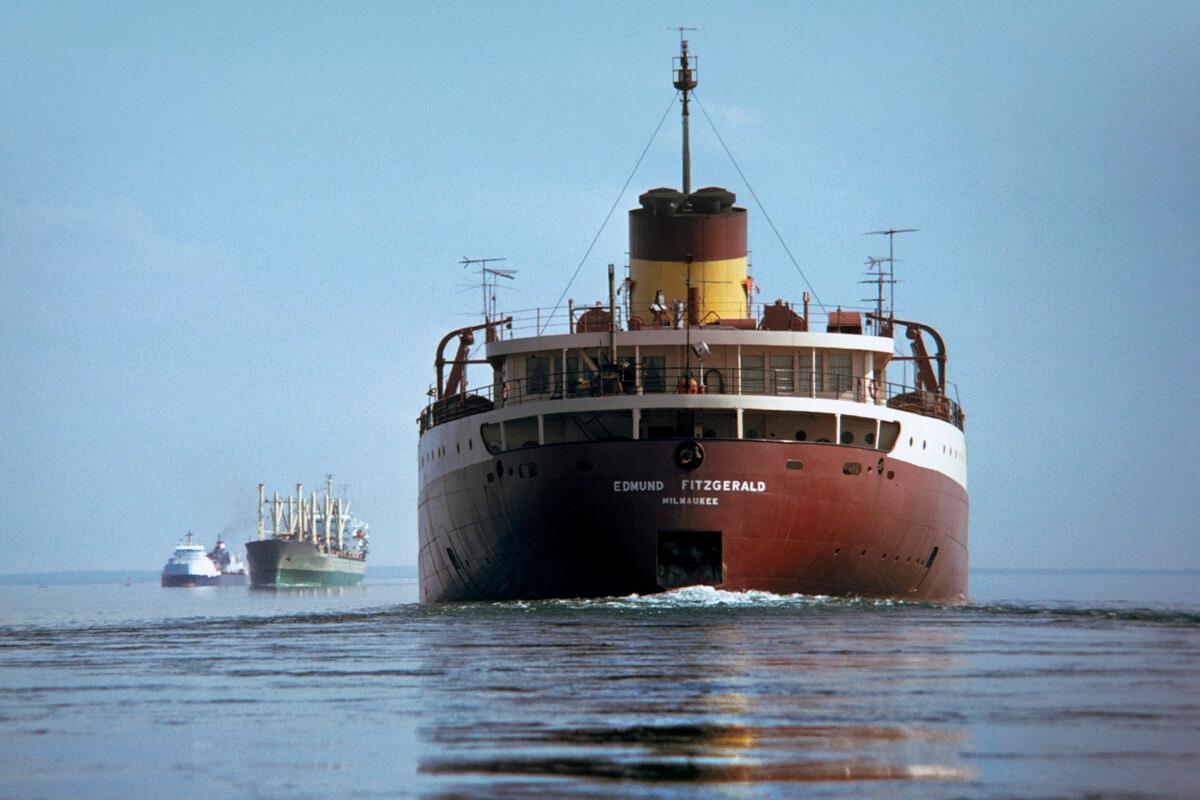
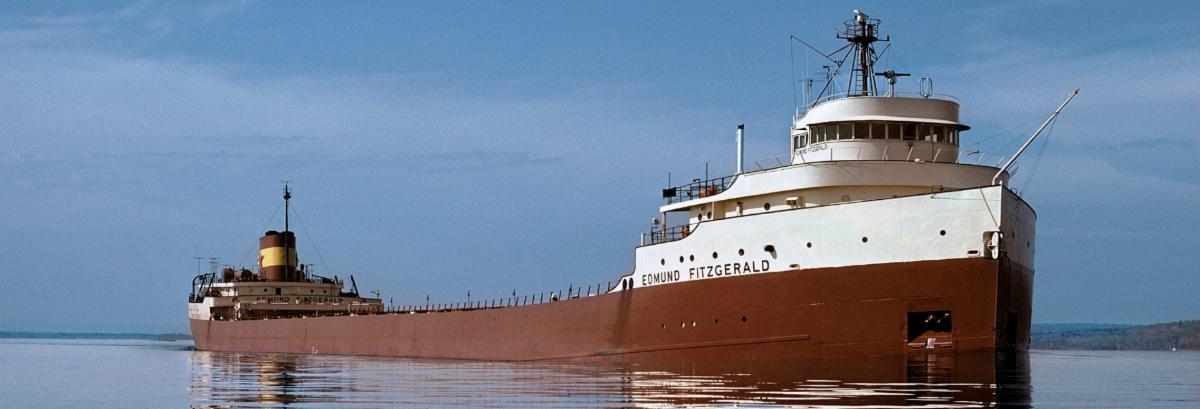
On November 10, 1975, the Great Lakes lost the Edmund Fitzgerald and her 29 crew to a brutal Lake Superior storm.
Marking the 50th anniversary this month, we remember those sailors and the families whose lives were forever changed—and we reaffirm the role lighthouses play in keeping mariners safe on our inland seas.
From Whitefish Point to the breakwaters of Chicago Harbor, beacons translate charts into something the eye can trust, providing clear, power-independent guidance when weather closes in or electronics fail.
Our own Chicago Harbor Lighthouse stands in that lineage, and FOCHL’s mission to Preserve, Restore & Celebrate it keeps that safety story alive for future generations.
Beyond the maritime community, many first learned this history through Gordon Lightfoot’s 1976 ballad, “The Wreck of the Edmund Fitzgerald,” which carried the crew’s memory into popular culture and helped ensure the ship’s legacy endures.
If you’re looking to honor the anniversary in a meaningful way, plan a remembrance visit:
- Great Lakes Shipwreck Museum (Whitefish Point, Paradise, MI) www.shipwreckmuseum.com: Stand beneath the Whitefish Point Light, see the recovered ship’s bell, and reflect at the memorial listing all 29 sailors.
- National Museum of the Great Lakes (Toledo, OH) www.nmgl.org: Explore Fitzgerald history through archival materials, unpublished manuscripts, and photographs, and watch for special programming commemorating the 50th year.
May the memory of the Edmund Fitzgerald renew our commitment to seamanship, stewardship, and the lights that still guide us home.
| Edmund Fitzgerald - St. Marys River, 1975. Photo by Bob Campbell | |
Keeping the Light: The Logbooks of Chicago Harbor Lighthouse
By: Steve Clements
| |
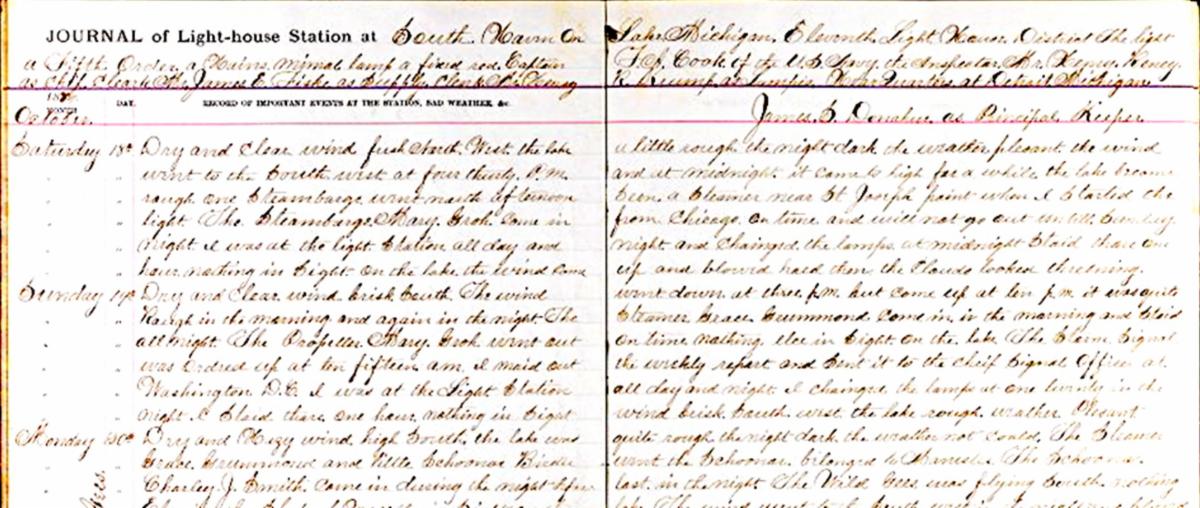
For lighthouse keepers, every day began and ended with a pen. Before dawn, the keeper noted the weather, wind, and sea conditions; after midnight, he might record the hour in which a passing schooner faded beyond the breakwater or when he trimmed the lamp’s wick one last time. These careful notations formed the heartbeat of a lighthouse: the keeper’s logbook.
The Purpose of the Logbook
From the earliest days of the U.S. Lighthouse Service, each station was required to maintain a daily logbook: an official record of the light’s condition, the weather, visitors, and unusual events. For an offshore outpost like Chicago Harbor Lighthouse, those pages became a mirror of life on the lakefront: disciplined, repetitive, and deeply human.
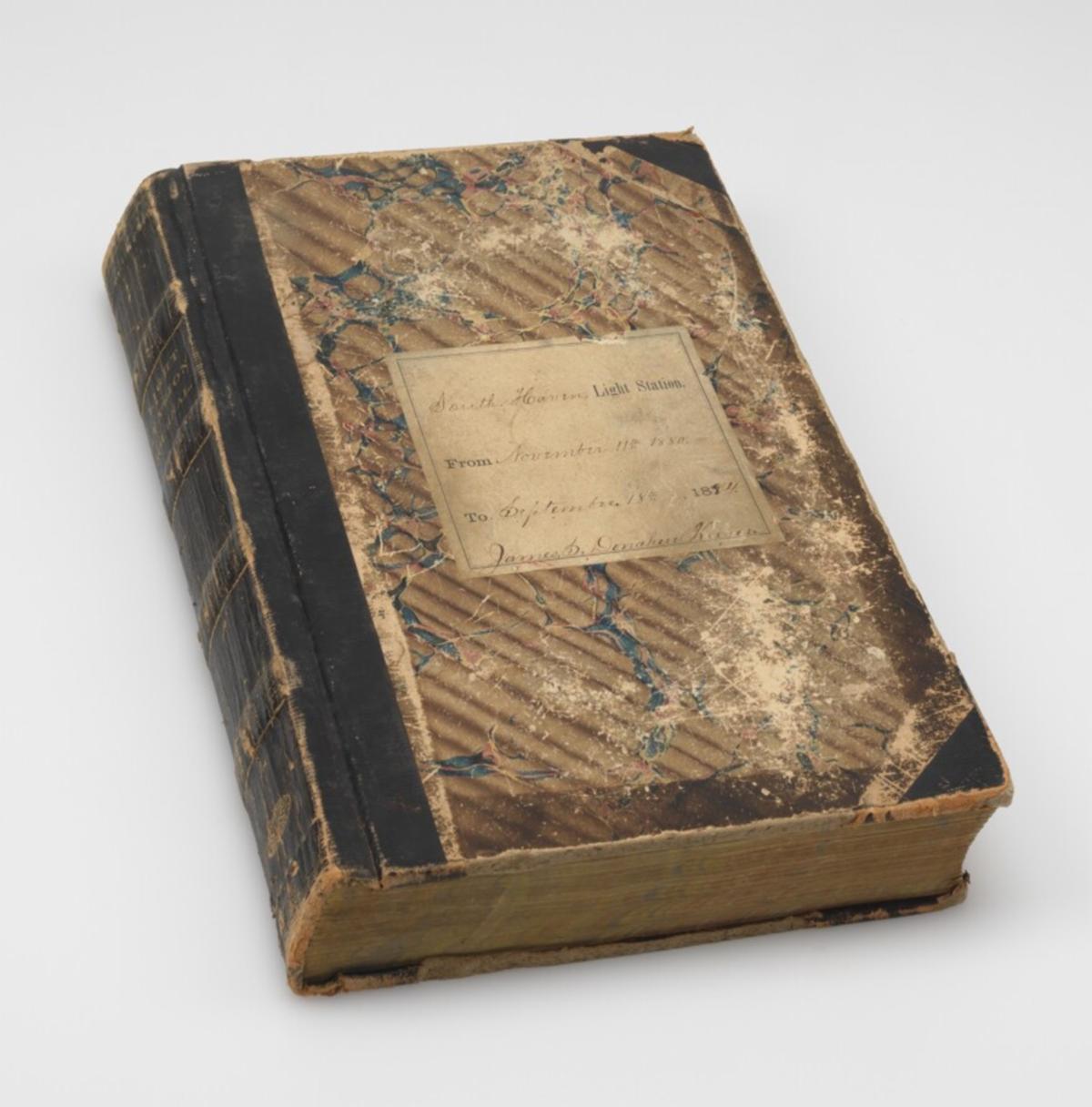
| South Haven, Michigan Lighthouse Logbook 1880 - 1894 | |
The Lighthouse Board officially instructed keepers to “enter daily the state of the weather, direction of the wind, condition of the light, the arrival and departure of vessels or inspectors, and any events of importance.” The entries served both practical and historical purposes.
Practically, they confirmed that the light was tended as required. Historically, they now offer a rare window into the daily rhythm of lighthouse life; what was seen, heard, and endured on the edge of Lake Michigan.
The logbook was both a legal record and a personal narrative. Some entries were short and to the point: “Wind west, moderate. Light burning well.” Others carried glimpses of humor or fatigue: “Sea rough, lantern smoked. Keeper drenched.” Over decades, these journals became the living story of an era—storm by storm, visitor by visitor.
What the Logbooks Contained
While we’ve not yet held an actual logbook from Chicago Harbor Lighthouse, a typical page might include:
· Date and time (usually in military 24-hour time format)
· Weather observations: wind direction, temperature, visibility, and ice conditions
· Operational details: when the light was lit and extinguished, cleaning, or repairs
· Personnel notes: who was on watch, sickness or leave, inspector visits
· Vessel sightings: ships passing the breakwater, rescue operations, or fog-signal use
· Visitors: engineers, family, or officials arriving by launch
· Unusual events: damage from storms, machinery failure, or acts of heroism
To modern eyes, these notes might seem mundane. Yet for historians, they provide firsthand data about climate, navigation, and daily discipline at a Great Lakes landmark.
A Glimpse into the Past
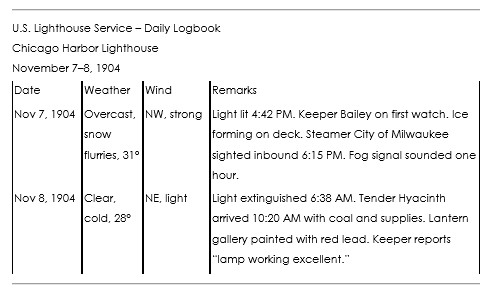
Here’s a reconstructed excerpt of a logbook inspired by typical early-1900s Great Lakes entries:
| Neat columns of ink, written in clear, steady language, recorded the presence of those who kept watch through every change of weather and hour. | An excerpt from the South Haven Lighthouse Log from Saturday, October 18, 1884 | |
Why These Records Matter
Lighthouse logbooks are among the most valuable surviving artifacts of the U.S. Lighthouse Service. They record more than operations—they capture discipline, isolation, and devotion to duty.
For Chicago Harbor Lighthouse, the surviving logbooks trace the station’s transformation from its first illumination on November 9, 1893, marking the entrance to Chicago’s busy harbor, through its relocation in 1917-1918 to its present location, and beyond.
Through the handwriting of keepers like Thomas J. Bailey (principal keeper 1893 – 1911), we follow the rhythm of maintenance, inspection, and endurance. Entries mention ice grinding against the breakwater, the fog signal’s constant groaning, visits by the tender Hyacinth, and even quiet domestic moments—a birthday, an injury, or a calm lake after days of gale.
In an age before automation, the keeper was the eyes and ears of the light, and his logbook was the station’s memory. Some entries describe rescues or collisions; others detail painting, scrubbing, or hauling coal. Overtime, these repetitions reveal the constancy that defined the lightkeeper’s profession.
Language evolved with lighthouse technology. Early logbooks (1890’s) read, “Light burning clear,” “Wind fresh to gale.” By the 1920s: “Incandescent lamp inspected,” “Motor generator serviced.” Handwriting shifted from looping script to block letters, mirroring the shifting cultural norms of a more modern age.
| |
A Treasure at the National Archives
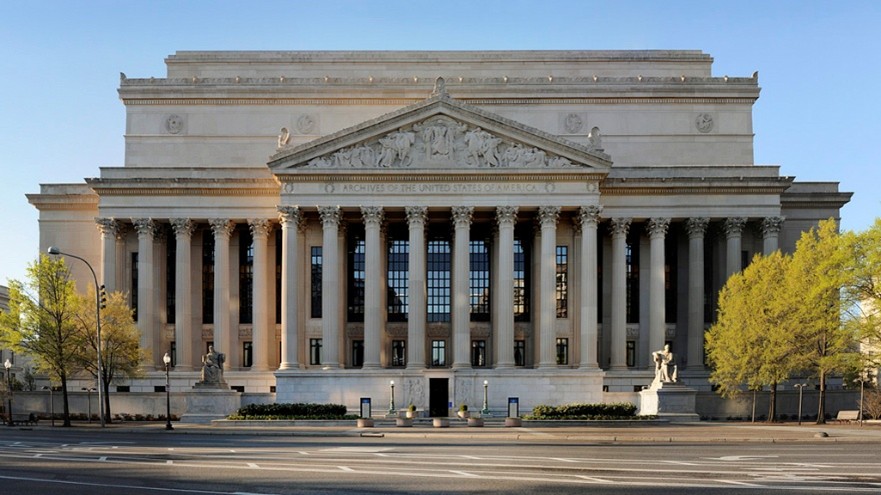
The National Archives houses and preserves the original Chicago Harbor Lighthouse logbooks from its first lighting in 1893 through 1930; thirty-seven years of continuous, handwritten records. These bound ledgers, with their ink faded but legible, are among the most complete sets of Great Lakes lighthouse logbooks. (We have not yet located logbooks beyond 1930 for Chicago Harbor Lighthouse; additional research is required.)Each page bears the signatures of keepers who served across changing administrations, technologies, and even world wars. Together they form the human narrative behind the bricks, iron, and lens.
For Friends of the Chicago Harbor Lighthouse (FOCHL), these logbooks are a priceless link to the people who made the light shine. They are the missing voices in our restoration story.
Plans for Digitization
FOCHL hopes to eventually secure funding and partnerships to digitize the existing set of Chicago Harbor Lighthouse logbooks and make them accessible to the public through an online archive and on-site exhibits.
With careful imaging, transcription, and tagging, visitors could browse entries by date, weather, or event; seeing, for instance, how often fog signals sounded in winter or how ice affected operations in 1905.
Digitization not only preserves fragile pages but also turns them into interactive storytelling tools. Imagine standing in the watch room and reading the entry for that same day in 1895: “Wind south, light haze. Lake smooth. Two gulls nesting on lantern roof.”
By pairing past and present, the logbooks would let visitors experience the lighthouse through its keepers’ eyes.
The Human Element
Every entry was written by hand, by men who, despite routine, faced constant challenges. The lake could shift from calm to chaos in minutes. Equipment froze. Supplies ran low. Yet the tone of the logs rarely faltered. Duty was recorded like the ticking of a clock.
Occasionally tragedy intrudes, noting a keeper’s death, a wreck within sight of the light, or an illness that forced relief from duty. Entries like this remind us that these records are not mere data—they are testaments of presence, penned by the very hands that trimmed the wicks and sounded the fog signal.
From Ink to Insight
For modern historians, these logs yield more than stories. They offer long-term data on weather, ice patterns, vessel traffic, and technological change. When combined with engineering reports, they create a complete picture of how the lighthouse functioned—and how it evolved with the growing city.
Illuminating the Future
Once digitized logs from Chicago Harbor Lighthouse are available, the collection could support classroom projects, research, and museum exhibits; perhaps even a “Keeper’s Desk” station where visitors could view scanned pages and hear recordings of authentic log entries.
By bringing these voices back to light, we honor both the keepers of the past and the mission that continues today: to preserve, restore, and celebrate the Chicago Harbor Lighthouse.
Epilogue: The Keeper’s Hand
On a calm November night in 1893, the newly appointed principal keeper, Thomas J. Bailey made a modest entry: “Light first exhibited this evening. Lamp burning bright. Weather fair. Wind light from southwest.”
He could not have known that more than 130 years later, those words would still flicker with life—echoing across time, carrying the steady rhythm of a hand that kept the light, one page at a time.
| Chicago News Producer Joins FOCHL Volunteers | |
Friends of the Chicago Harbor Lighthouse welcomes the group’s newest volunteer, Jacob Sarracino.
Jacob is a seasoned television producer, currently working at WBBM-TV. He will lead efforts to produce engaging videos reflecting the organization’s effort to preserve, restore and celebrate the Chicago Harbor Lighthouse.
| |
“I’m a big fan of Lighthouse’s mission and I look forward to boosting the group’s communications efforts,” says Jacob.
After studying Communications at Texas A&M, Jacob worked for several television stations across the country before joining CBS Chicago in June of 2022. At Channel 2, he coordinates stories for the morning news programs.
A West Loop resident, Jacob is interested in Chicago architecture and history.
| | Save the Date – December 2, 2025 - Giving Tuesday | | |
On Tuesday, December 2, 2025, join us for a special opportunity to support the mission of the Friends of the Chicago Harbor Lighthouse.
Your year-end giving will help preserve, restore, and celebrate this iconic beacon for generations to come.
Together, we can keep the light shining bright!
| | Book a Presentation: The Chicago Harbor Lighthouse — Past, Present, and Future | | |
As the boating season winds down and we move into the winter months, the Friends of the Chicago Harbor Lighthouse are eager to keep the story of our city’s most iconic beacon alive and growing. We are now booking 10 locations for our one-hour presentation, The Chicago Harbor Lighthouse: Past, Present, and Future.
This engaging program features a multimedia presentation, followed by an open question-and-answer session. Together, we explore the Lighthouse’s rich history, its role in Chicago’s development, and our mission to preserve, restore, and celebrate it for future generations.
The presentation is ideal for audiences of 50–200 people and is a perfect program for the offseason. If you or your organization is looking for dynamic, educational programming, we encourage you to contact us. Please direct your event planners to info@savethelighthouse.org to reserve a date.
Presenters include Edward Torrez, Steve Clements (FOCHL Board Secretary), and Kurt Lentsch (Chief Dreamer & President), who will walk audiences through the past, present, and exciting future of the Chicago Harbor Lighthouse.
Help us spread the word, share our story, and keep the light shining by booking a program today!
| | |
Help Light the Way
Every gift makes a difference. As we approach the final stages of acquiring the Chicago Harbor Lighthouse, your support powers the future-- restoration, public access, education, and celebration of this enduring symbol of our city’s maritime history.
This summer, we’re raising critical funds to launch our first major restoration efforts and create engaging programming that brings students, families, and visitors to the lighthouse for generations to come.
- Donate today and become part of the story.
- Share our mission with friends, neighbors, and colleagues.
- Be a Lightkeeper and help us preserve this national treasure.
The Friends of the Chicago Harbor Lighthouse is a 501(c)(3) nonprofit organization.
Your donation is fully tax-deductible.
Visit www.SaveTheLighthouse.org/donate
Together, we can Save the Lighthouse. Thank you!
| | If you are part of an organization that has an interest in financially supporting our efforts to Preserve, Restore, and Celebrate the Chicago Harbor Lighthouse, please reach out to Nick Naber (nicknaber@savethelighthouse.org), our treasurer and a member of our fundraising working group. | | Copyright © 2025 Friends of the Chicago Harbor Lighthouse - All Rights Reserved. | | | | |