|
Market Pulse
FEBRUARY 2026
| | |
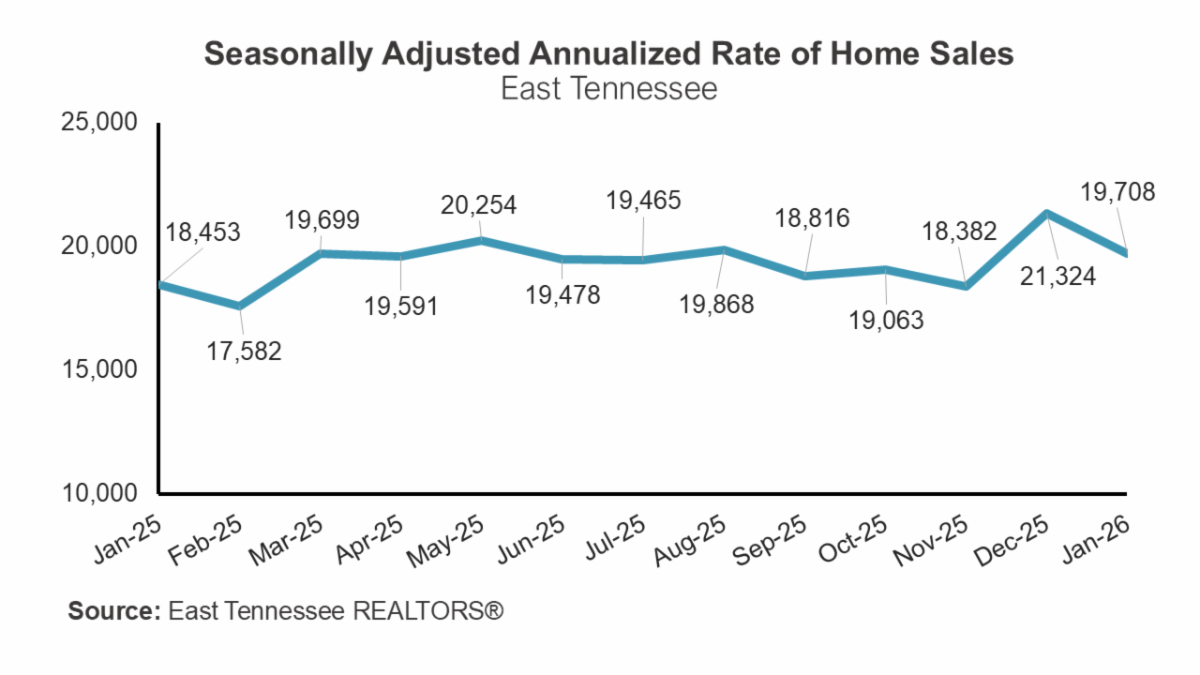
Looking at January's performance, East Tennessee home sales are already showing vast improvement over last year. This is likely due to a recent jump in affordability for homebuyers, thanks to a continued drop in mortgage rates.
Rates fell below 6% at the end of February for the first time in more than three years; both mortgage applications and home sales were up month-over-month and year-over-year. Inventory challenges remain, as the group of consumers empowered by rate changes are seeking affordability.
If rates remain at or under 6% through the spring busy season as more inventory becomes available, East Tennessee home sales will be poised for the largest recovery since 2022.
| | |
Home Sales Report
JANUARY 2025
-
East Tennessee home sales rose 8.4% from January 2025.
-
The median sale price was $360,000 — no change from the previous year.
-
Total housing inventory has increased 16% from the previous year.
-
Half of the homes sold were under contract in 47 days or less, up from 38 days a year ago.
-
34.9% of homes sold for the asking price or above, with 14.7% selling for more than the asking price. 5.4% sold for at least $10,000 over asking and 2.4% sold for at least $25,000 over asking price.
-
The sale-to-list price ratio held steady at 98.1% – down slightly from 98.5% a year ago.
-
New construction was 13.5% of total home sales, down from 14.5% from January 2025.
| | East Tennessee REALTORS® reports home sales data using a seasonally adjusted annualized rate (SAAR). This method takes into account seasonal fluctuations in the real estate market, such as increased home sales during the spring and summer, by adjusting the data to provide an annualized rate representing the projected number of homes that would be sold over a year if the current sales pace were to continue. | | |
What's the outlook?
The continued drop in mortgage rates has been a boon for homebuyers, significantly improving affordability and helping drive two months of rising sales. January's home sales increased 6.4% over December, and 8.4% over the previous year.
East Tennessee continued to outperform over other markets, which cooled in January; nationwide existing home sales fell 8% from the previous month and 4% year-over-year.
The National Association of REALTORS® latest estimate states that for every 1% drop in mortgage rates, an additional 14,000 households in the Knoxville metropolitan statistical area can afford to purchase the median priced home.
However, buyers are not fully unleashed just yet. After several months of robust sales, inventory on the more affordable side remains tight. As of February 1, only 25% of available listings were priced at $330,000 or below - the cutoff of affordability for a family earning the area median income, based on current mortgage rates.
| | |
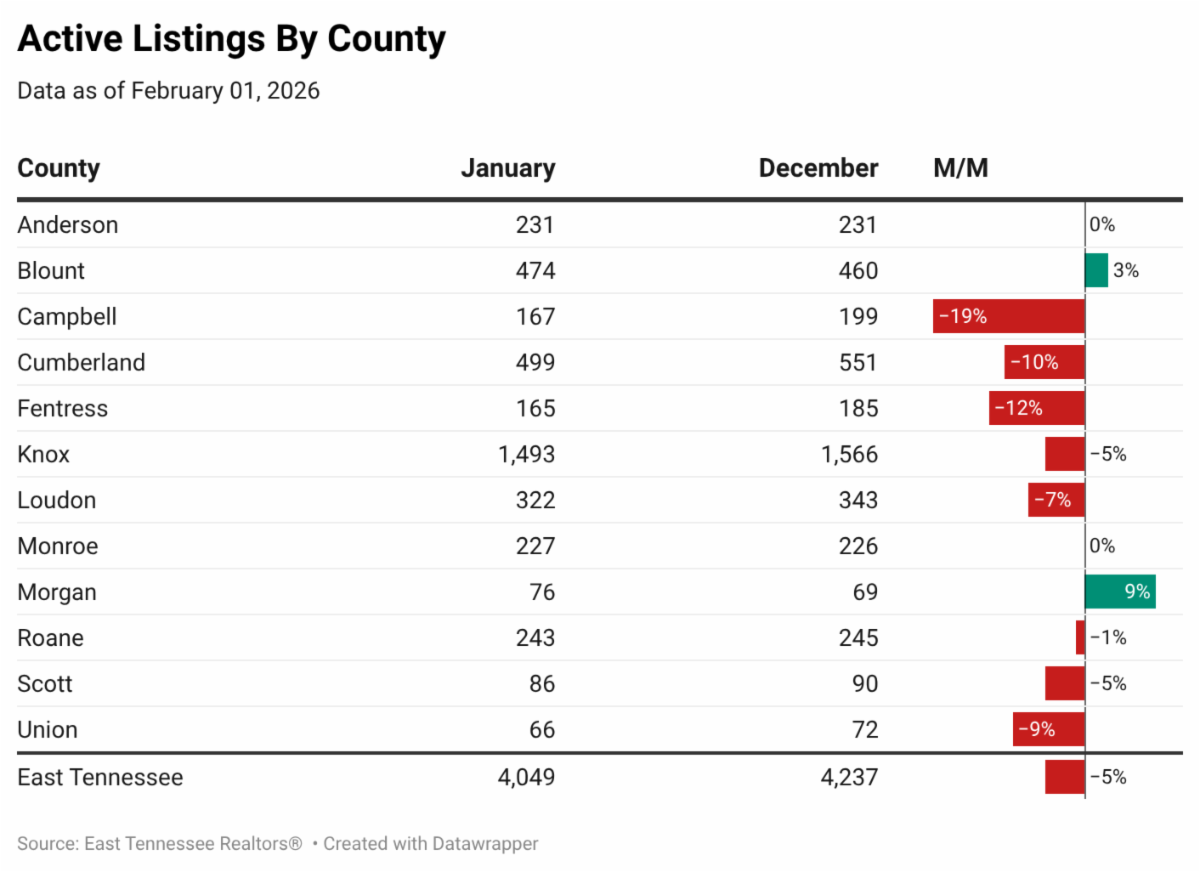
Inventory by county
Out of the 12 counties in the East Tennessee REALTORS® footprint, 7 marked measurable decreases in active listings month-over-month. Unseasonably high sales volume for two months in a row depleted the region's already tight inventory. Overall, regional inventory decreased month-over-month by 5%.
| | |
Rising costs of ownership
discourage renters from purchasing
Housing affordability is improving slightly nationwide and in East Tennessee with mortgage rate movement and incremental policy steps, but external costs surrounding homeownership remain stubbornly inflated. These costs add a layer of financial stress to households already struggling; as of Q4 2025, delinquency rates across all types of household debt had reached 4.8%, the highest percentage in nearly 10 years.
A recent report by LendingTree showed that homeowners with a mortgage pay 36.9% more per month than renters; that's the total monthly cost of ownership, which includes items like utilities and home insurance.
The Knoxville metropolitan statistical area fares slightly better - households with the median mortgage payment of $1,611 are paying 32.2% more per month than renters with a median rent of $1,219.
Home insurance has risen steeply nationwide over the last few years, and represents a large portion of the increase. American Community Survey data for 2024 showed that since 2019, the typical annual insurance premium has risen by $500 a month.
Research from Zillow estimates that for every 20% rise in home insurance costs, the pool of home listings affordable to the median household income shrinks by 2.5%. This is substantial considering that only about one fourth of our listings are on the table for median earners now.
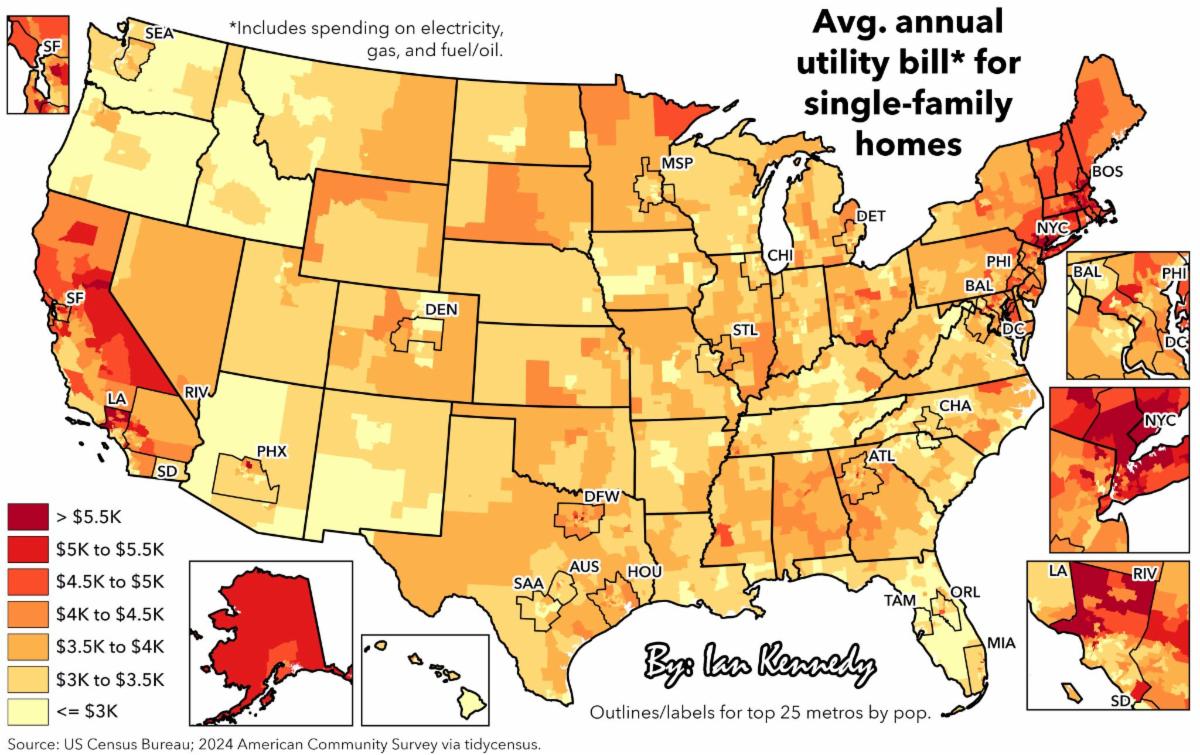
Analyst Ian Kennedy of data firm Shovels published this heatmap of costs showing that in 2024 for owners in Knox County, the average cost of home insurance, taxes and utilities added up to about $7,400 each year, or $617 per month. Of that cost, nearly $4,300 is utilities alone.
| | |
Considered as a portion of the total cost of ownership, this means that for homeowners in Knox County nearly 40% of their ownership expenditure is spent on utilities, tax and insurance, and not toward equity in the home.
Blount, Loudon and Anderson counties had average homeownership costs of $6,900 per year, with counties slightly further removed from population centers such as Cumberland, Fentress and Union landing around $5,800 per year.
The good news is that ancillary housing costs in East Tennessee haven't quite caught up to larger cities; the average annual cost of homeownership across the 50 largest metros nationwide was a whopping $15,979 in 2024 and increased 4.7% in just one year.
| | |
Spotlight on Knoxville's
Affordable Housing Fund
While we may have urgent work to do to improve our regional housing supply, it's also important to celebrate progress made. An incredibly effective tool, the structure of leveraging public-private funding to add workforce, income-restricted and subsidized housing is paying dividends in the City of Knoxville.
The Affordable Housing Fund was created in 2021, the result of a multi-year effort to establish a mechanism for public-private investment to support affordable housing.
| | |
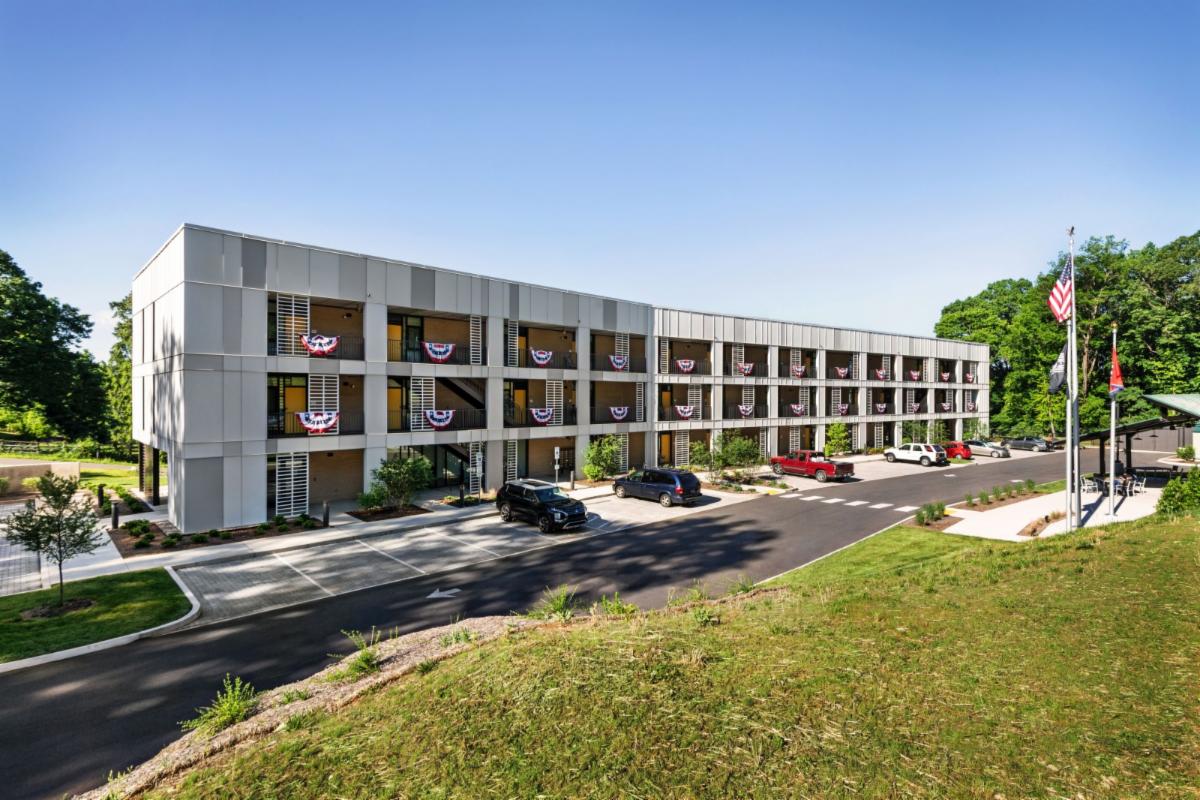
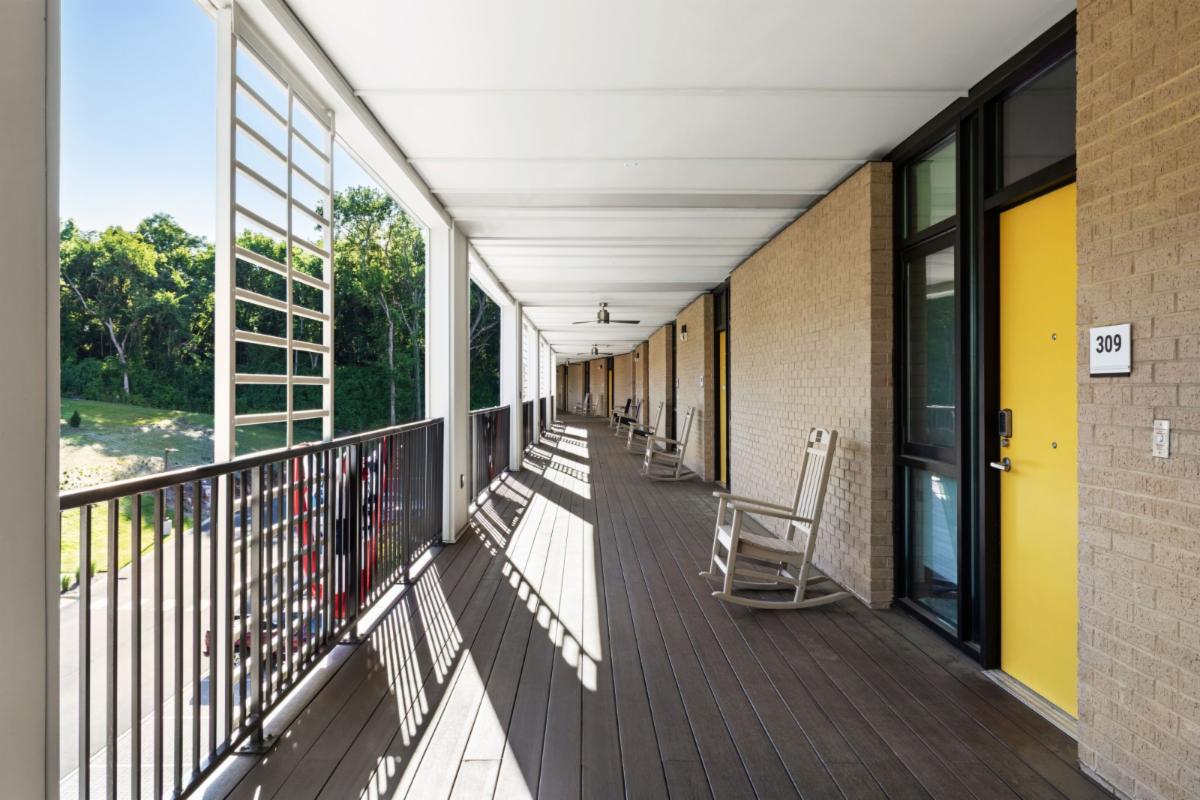
The new Liberty Place supportive housing development shown in these photos from project architect Barber McMurry recently opened to serve homeless and at-risk veterans and contains 32 1-bedroom units.
Since its inception, the city has invested about $35 million towards its original 10-year goal of $50 million. This investment has attracted supportive private and public funding totaling more than $729 million and enabling approximately 3,500 units of affordable housing.
The city has received multiple awards for affordable housing, including a leadership award at the recent Tennessee Housing Conference, and for Knoxville Community Development Corporation (KCDC) two impact awards from the Urban Land Institute, an award from the National Coalition for Homeless Veterans for the Liberty Place project, and an award from the National Association of Housing and Redevelopment Officials.
| |
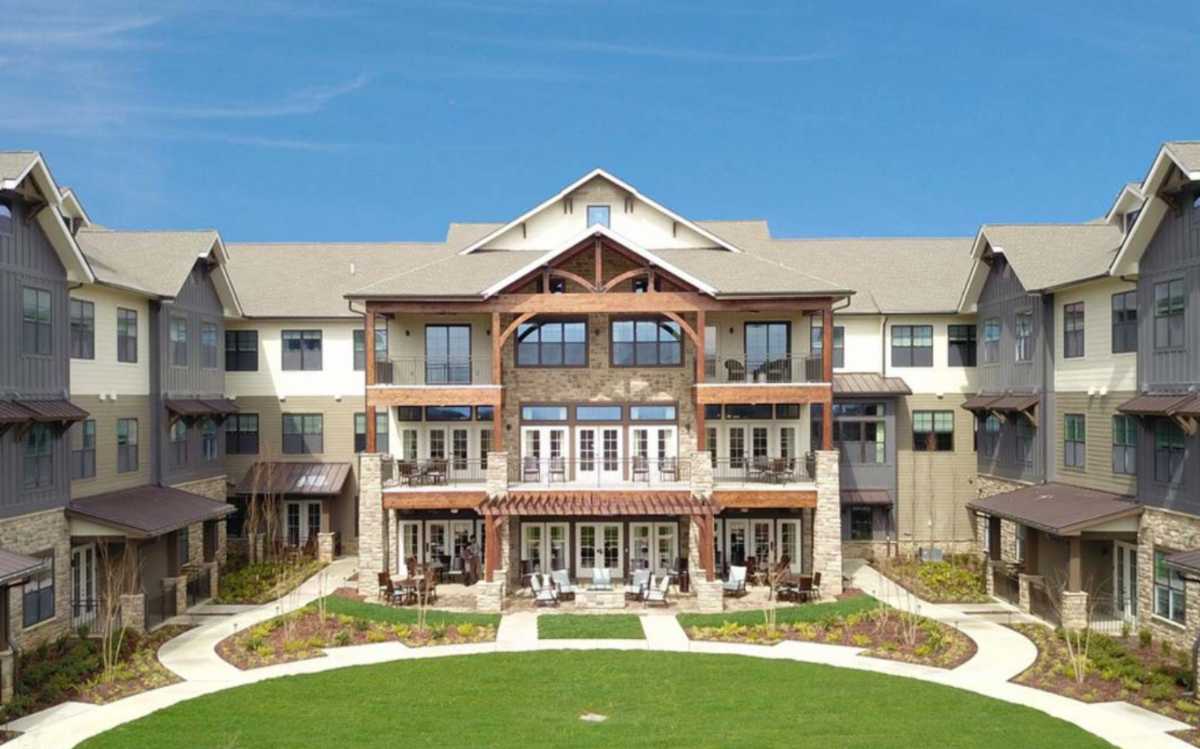
The Riverside at Holston project from DGA Residential opened last year and includes 96 income-restricted units ranging from 1-3 bedrooms. The complex also accepts Section 8 Housing Choice Vouchers.
Many of the most recent developments are income-restricted, serving households making around 80% of the area median income - an annual salary of $64-86,000. This mechanism fills a crucial gap in local rental supply, where many households cannot afford market rents of $1,800-2,600 for larger 2-3 bedroom units to accommodate a family, but they also make too much to qualify for vouchers.
| | |
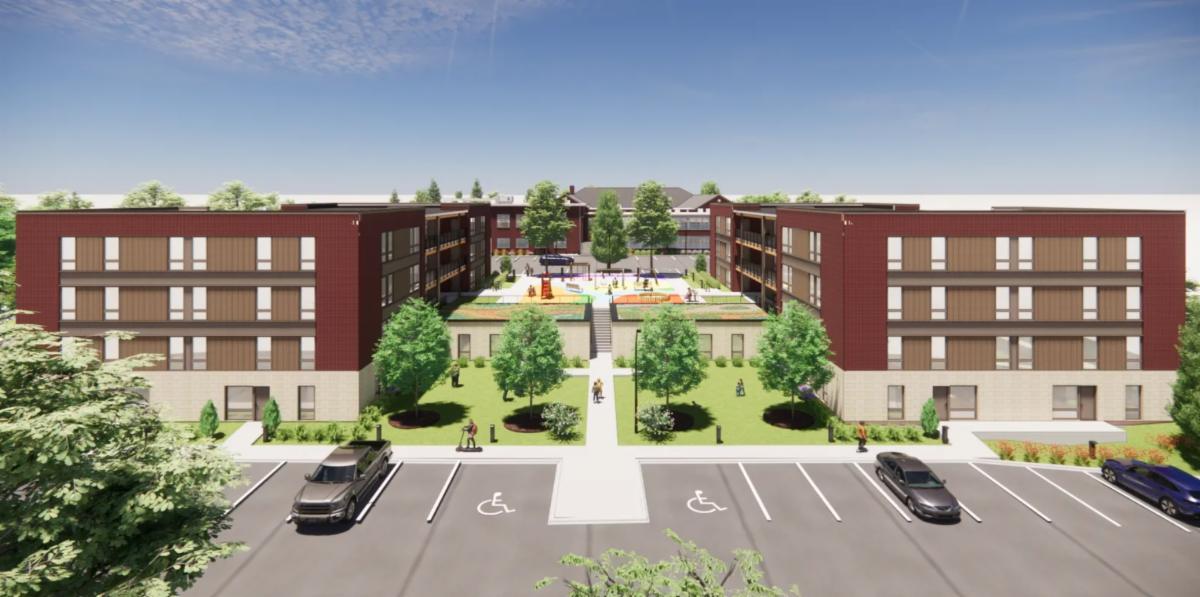
Rendering of South Knoxville Giffin School project from Case Enterprises shows multiple residential buildings and community green space envisioned for the development, which will add 77 affordable housing units.
Solving our housing supply and price challenges will require addition of all types of supply, from luxury market-rate homes to subsidized rentals, and the Affordable Housing Fund enables these mixed-income projects that can help with that goal while improving quality of life for residents.
| |
National market sluggish, waiting on more housing supply
While affordability has improved, home sales have yet to show a commensurate increase in buying activity.
Pending home sales are typically a reliable indicator of activity for the next several months, and January's total fell month over month by about 1%.
"Unless housing supply increases, these additional potential buyers becoming active in the market could simply push up home prices. This will put increasing pressure on affordability, which is why it is critical to increase supply by building more homes.
Fortunately, the House of Representatives recently passed the Housing for the 21st Century Act with strong bipartisan support, an important signal that addressing the nation’s housing shortage remains a shared priority. The legislation is a meaningful step toward expanding housing supply and removing barriers that make it harder for Americans to achieve homeownership."
- Dr. Lawrence Yun, Chief Economist for the National Association of REALTORS®
Read the full article here.
| | |
Mortgage Rate Update
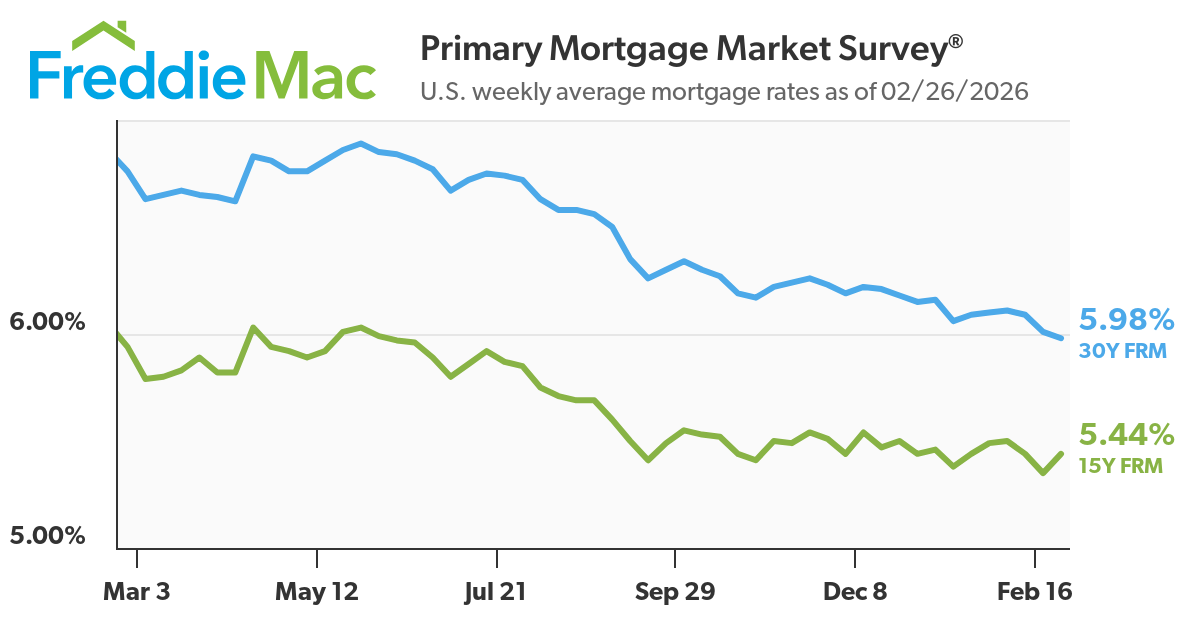
According to Freddie Mac's Primary Mortgage Market Survey, the 30-year fixed mortgage rate (30Y FRM) has reached its lowest point since 2022, landing at 5.98% as of February 26.
| | Mortgage application activity increased two months in a row, according to the Mortgage Bankers Association's weekly survey. As the Treasury yields lowered at the end of February, the 30-year fixed rate continued to decline, resulting in a 12% increase in applications over the previous year. | | Stay up to date with the most recent information about East Tennessee's housing and real estate market. Here's the latest from local media: | | Market Pulse is a monthly research newsletter providing a rundown of the latest housing and economic research and analysis across East Tennessee. | | Was this email forwarded to you? Subscribe here. | | | | |