|
In This Issue:
- Market Update: Where Do We Go from Here?
- Washington, D.C. Update: Government Shutdown Finally Comes to An End
- U.S. Rice Promotional Activities in Honduras Drive Strong Consumer Engagement and Sales Growth
- USRPA Leads Delegation to SS Rice News Convention in Thailand
- Ray Stoesser Memorial Scholarship: Just Three Weeks Left to Apply
- RMTC Sponsor Highlight: Horizon Ag
- Photo from Rice Country
| |
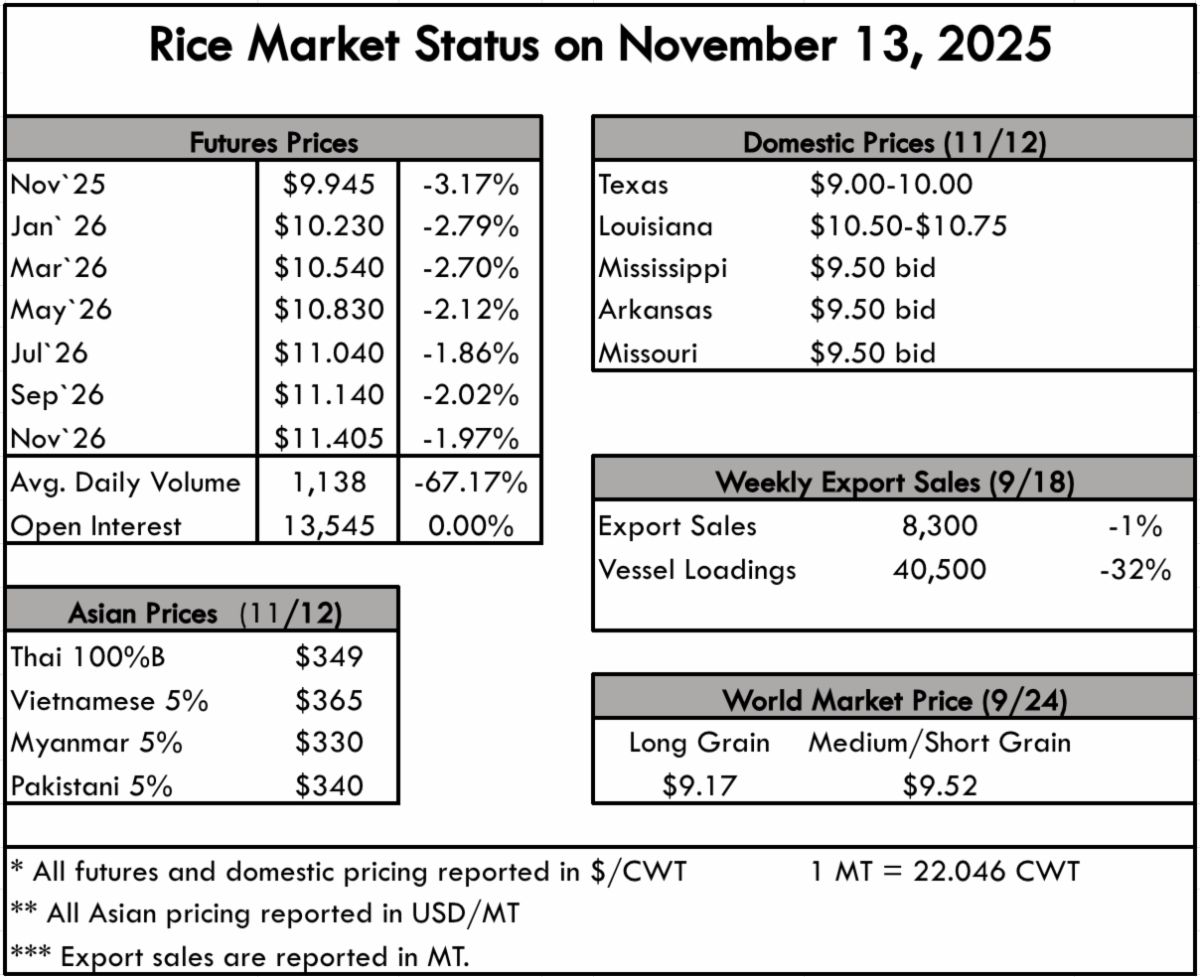
| U.S. Rice Market: Where Do We Go from Here? | | |
43 days of silence, finally broken. This marks the first time a government shutdown has overlapped with rice harvest, compounding the challenges in an already fragile market. Unfortunately, the threat and reality of shutdowns have become routine. As a result, marketers, exporters, and importers have been forced to make critical decisions without the benefit of USDA reporting—substantially increasing price risk across the board.
While this lack of data isn’t solely responsible for market conditions, it has certainly enabled a broader “wait and see” mentality among decision-makers. We expect to have a clearer picture of export sales and key indicators by next week, but for now, opacity remains the dominant theme.
In parallel, we are still awaiting updated figures from CONMASUR meeting underway in Porto Alegre, Brazil. The expected crop size out of that region will likely exert outsized influence on how the U.S. crop is marketed. Historically, U.S. milled and paddy rice have led in markets like Mexico and Latin America. But today, inconsistent quality and higher prices have pushed importers toward Brazil, Paraguay, and Uruguay. Where CONMASUR figures once played a secondary role, they are now a primary competitive benchmark.
The same trend is emerging elsewhere. Pakistani milled white rice is gaining traction in Haiti, once considered a marginal player in that market. Pakistan’s large, high-quality crop is meeting demand well, and its presence is growing. The U.S. crop still has a strong presence, but our market share is not guaranteed amidst these historically low prices.
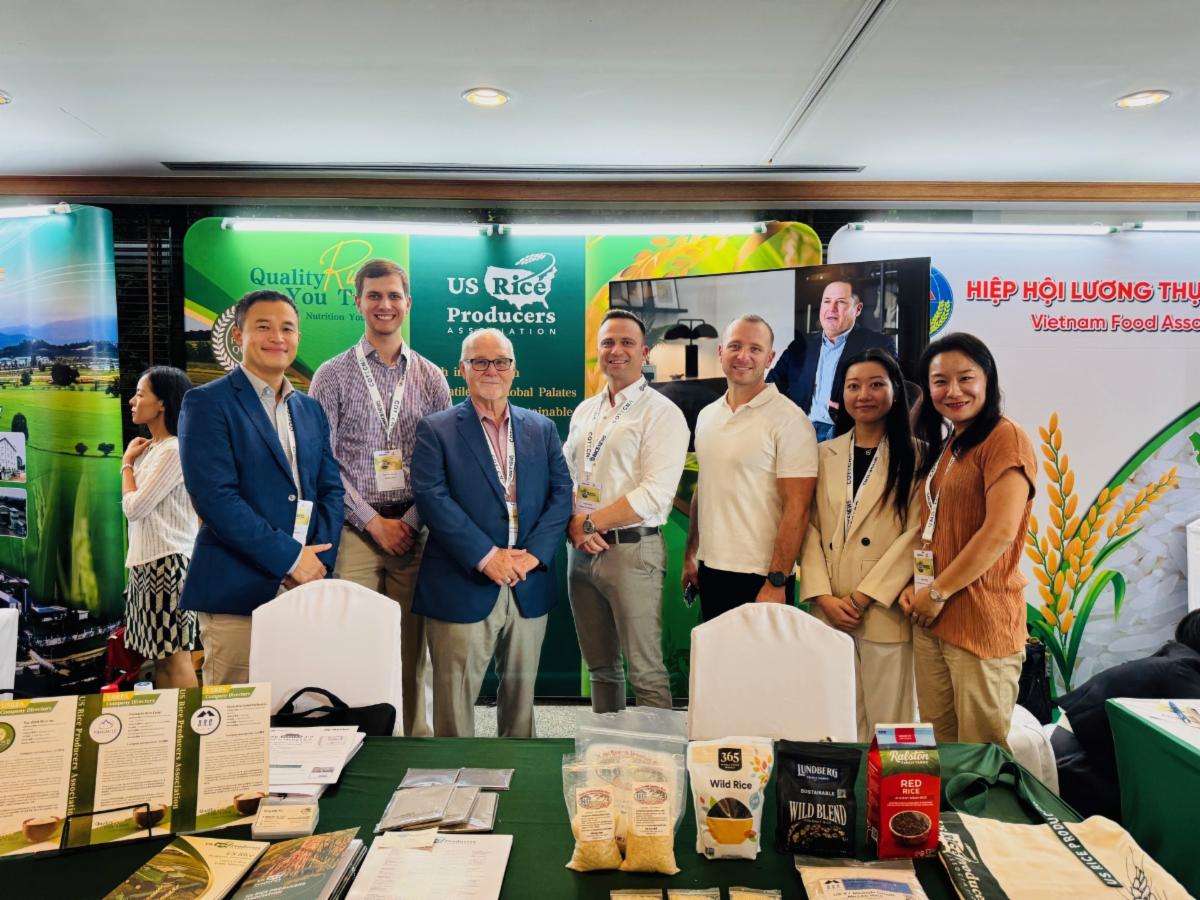
Much of this pricing pressure can be attributed to India’s prolific rice production, heavily underwritten by sweeping government subsidies. These subsidies have begun to shift pricing power away from global market fundamentals and into the hands of national governments. This situation and its detrimental effects on rice farmers was strongly and clearly pointed out at the SS Rice News Convention conference this week in Pattaya, Thailand by the US Rice Producers Association, who represented the U.S. rice industry to an audience of important exporters and officials from India, Thailand, Vietnam, Myanmar, Cambodia and other origins.
In short, competitiveness in rice exports is no longer determined by the market alone, but by the scale of government support. Every rice-exporting nation — not just the U.S. — is now forced to reconsider its support structure for producers. Emergency payments and structural reforms are no longer optional; they are necessary to preserve domestic food production systems.
These are difficult times not only for the U.S. rice industry but for producers globally—India being a notable exception. We look forward to sharing updated export data and more clarity in our next report.
| | |
Government shutdown finally comes to an end
This week, Congress finally brought an end to the record breaking 43-day federal government shutdown. On Sunday, November 9, the Senate initiated and outlined a new plan to reopen the government entailing a 3-bill omnibus funding FY26 appropriations for the Agriculture-FDA, Military Construction-VA, and Legislative Branch bills and an amended continuing resolution (CR) extending funding for the remaining appropriations through January 30, 2026.
Later that evening, Senate Republicans successfully cleared the first major procedural hurdle by garnering the 60 votes needed to invoke cloture and move forward with the vote process. Notably, 8 Democrats broke ranks to vote with Republicans including: Sen. Catherine Cortez Masto (D-NV), Sen. Dick Durbin (D-IL), Sen. John Fetterman (D-PA), and Sen. Maggie Hassan (D-NH), Sen. Tim Kaine (D-VA), Sen. Angus King (I-ME), Sen. Jacky Rosen (D-NV), and Sen. Jeanne Shaheen (D-NH). As a concession to bring more lawmakers to the table, Senate Majority Leader John Thune (R-SD) promised Senate Democrats a vote on renewing Affordable Care Act (ACA) subsidies sometime in December.
Fast forward to Tuesday, November 11, the Senate officially passed the CR by a 60-40 vote sending the stopgap measure to the House. After being out of session for 54 days, the House returned that Tuesday evening to initiate the Rules Committee process and eventually passed the CR on the House floor the afternoon of Wednesday, November 12, by a 222-209 vote. Notably, 6 Democrats joined House Republicans to reopen the government including: Rep. Jared Golden (D-ME), Rep. Marie Gluesenkamp Perez (D-WA), Rep. Henry Cuellar (D-TX), Rep. Adam Gray (D-CA), Rep. Don Davis (D-NC), and Tom Suozzi (D-NY), in addition the two Republicans Reps. Thomas Massie (R-KY) and Rep. Greg Steube (R-FL) who voted against the measure. After the House’s passage, the CR was sent over and signed by President Trump to officially bring an end to the shutdown.
Looking more closely at the Ag-FDA appropriations bill, key provisions include returning funds to the Supplemental Nutrition Assistance Program (SNAP), replenishing the Commodity Credit Corporation (CCC) funds to its $30 billion cap, restoring funding to the Food for Peace program under USDA purview, and blocking the unregulated sale of some hemp-based or derived products. The CR extends the 2018 Farm Bill authorization until September 30, 2026, as well as includes funding for various discretionary programs, conservation technical assistance, agricultural research, and health inspections. Additionally, it would introduce a Buy American requirement to SNAP implementation. You can find and review the conferenced bill text and summaries here.
| | |
U.S. Rice Promotional Activities in Honduras Drive Strong Consumer Engagement and Sales Growth
| | |
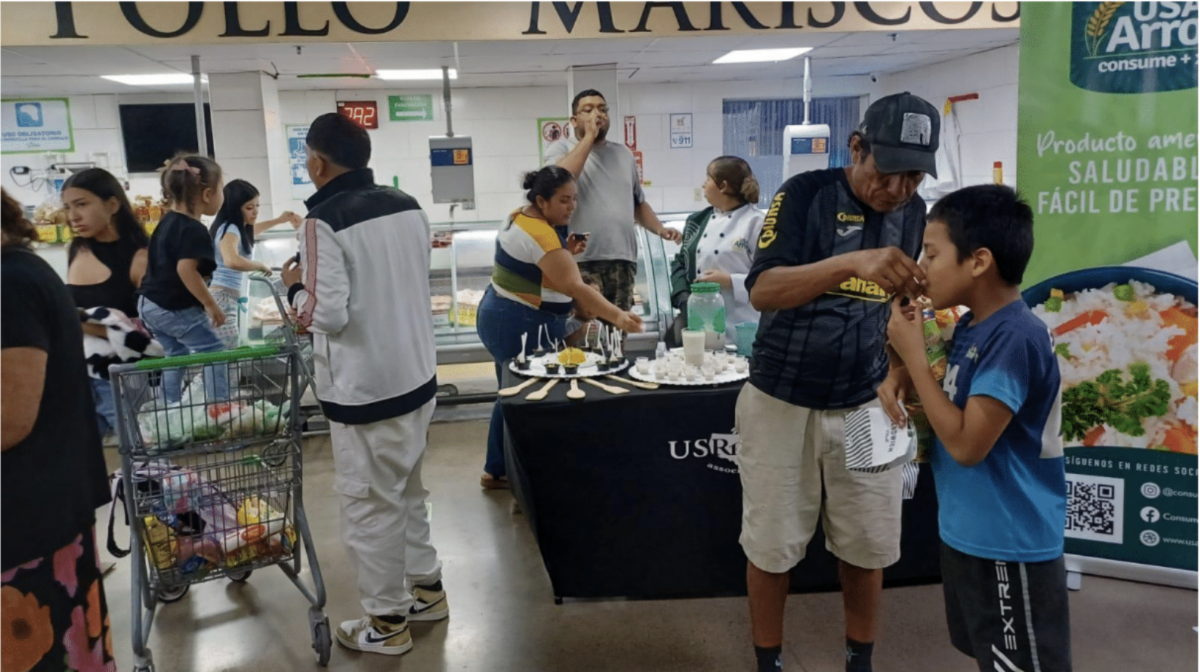
This past October, the US Rice Producers Association (USRPA) successfully executed a series of cooking shows at local supermarkets in Honduras as part of its ongoing promotional campaign to increase awareness and consumption of U.S. rice across Central America.
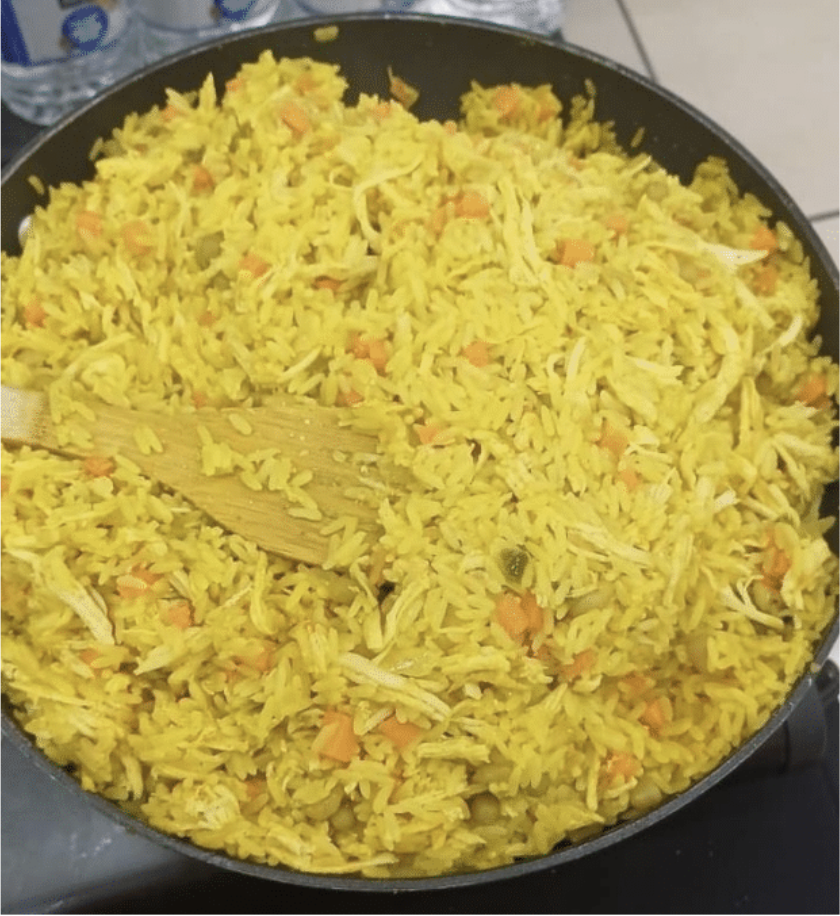
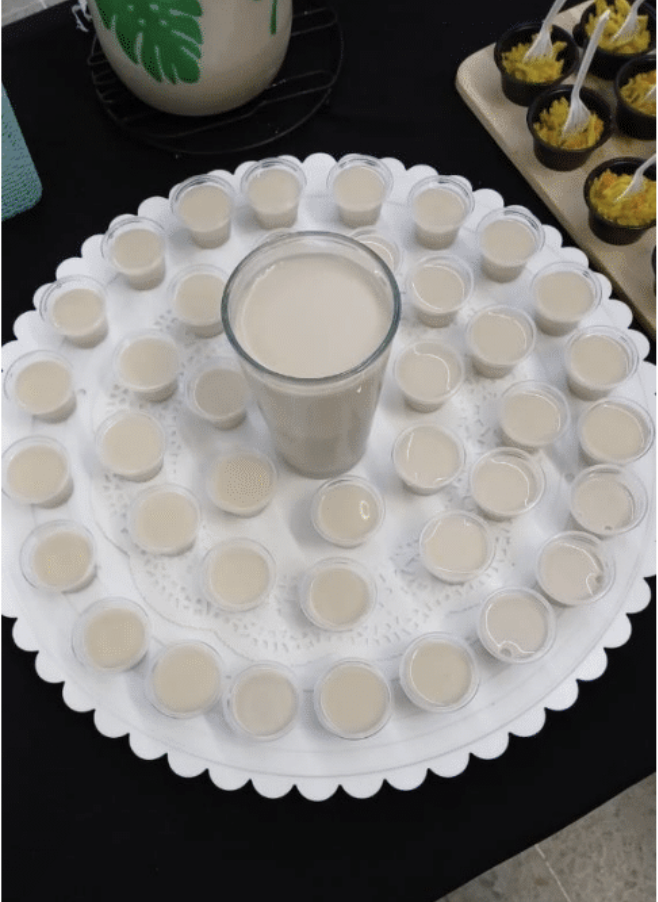
Led by a local chef, the demonstrations featured two popular recipes, chicken and rice and horchata made with U.S. rice, allowing shoppers to experience firsthand the quality, taste, and versatility of U.S. rice. These in-store activities drew strong consumer interest, with attendees sampling dishes, learning new ways to cook with rice, and receiving branded giveaways with their purchases.
The promotional events achieved notable results in U.S. rice sales.This initiative underscores the effectiveness of experiential marketing in strengthening consumer awareness and preference for U.S. rice in the Honduran market.
Iris Figueroa, USRPA Chief Operating Officer and Director of Promotions for the Western Hemisphere, emphasized the importance of these initiatives:“Seeing the immediate impact of our in-store promotions reinforces the importance of connecting directly with consumers. When people can taste and experience the quality of U.S. rice for themselves, they become our best ambassadors. Honduras continues to be a key market where these programs truly make a difference.”
USRPA’s promotional programs in Honduras and throughout the region continue to be made possible through close collaboration with local supermarket chains, importers, and the support of USDA’s Foreign Agricultural Service (FAS). These efforts reflect USRPA’s ongoing commitment to promoting U.S. rice and supporting American farmers by expanding market opportunities abroad.
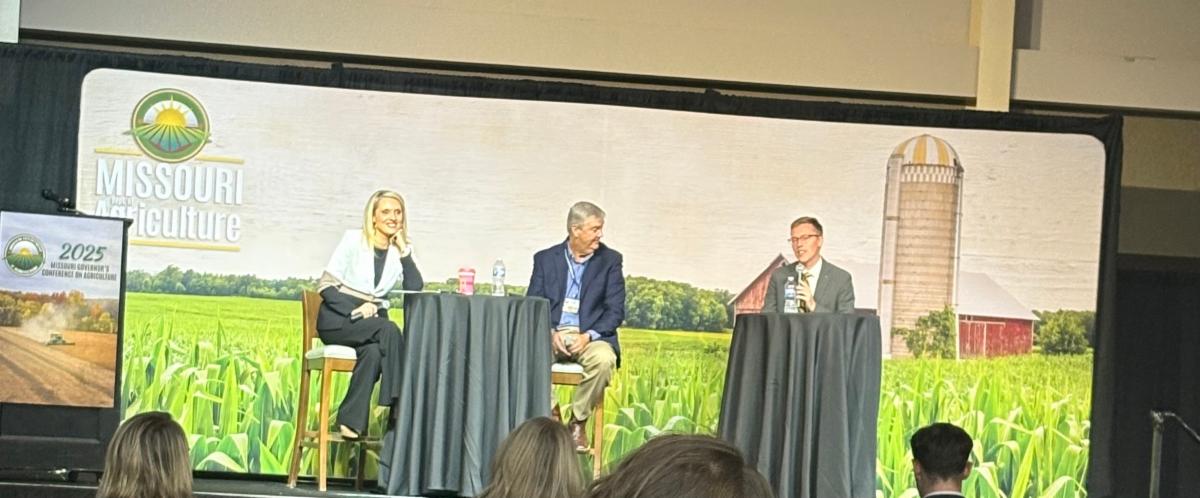
| | Left: Chicken and Rice, made with U.S. Rice. | |  | Right: Horchata, made with U.S. Rice. | | | USRPA Leads Delegation to SS Rice News Convention in Thailand | | This week, USRPA organized a trade mission with several U.S. rice suppliers to Thailand to participate SS Rice News Convention. The mission highlighted the presence of US rice as key supplier in the global market and successfully demonstrated its quality and positive image while effectively connected US rice to traders throughout Asia. | | Ray Stoesser Memorial Scholarship: One Month Left to Apply! | | RMTC Sponsor Highlight: Horizon Ag | | Texas in Missouri! At this week’s Missouri Governor’s Conference on Agriculture, Dr. Joe Outlaw, co-director of the Agricultural and Food Policy Center (AFPC) at Texas A&M University, joined Ben Brown, Senior Research Associate at the University of Missouri’s Food and Agricultural Policy Research Institute (FAPRI), for an insightful discussion on markets, trade, and tariffs. The conversation was expertly moderated by Tyne Morgan, host of U.S. Farm Report. | |
| | | |
Food & Agriculture
Regulatory & Policy Roundup
| | | Inter-Rice World Rice Market Report | | | 2025 Arkansas Rice Performance Trial Results | | | |
January 21, 2026
Western Rice Belt Conference
More details to come
| |
February 5 - 6, 2026
29th Annual National Conservation Systems Cotton & Rice Conference
Jonesboro, AR
More Information
| |
February 19, 2026
Missouri Rice Council Annual Meeting
Gobler, MO
More Information
| |
|
May 26 - 28, 2026
Rice Market & Technology Convention
Cartagena, Colombia
More Information
| | |
USRPA does not discriminate in its programs on the basis of race, color, national origin, gender identity, sexual orientation, religion, age, disability, political beliefs, or marital/family status. Persons who require alternative means for communication of information (such as Braille, large print, sign language interpreter or translation) should contact USRPA at 713-974-7423. |
| | | |