August 25, 2025

big_family_again.jpg

Wise Social Security Planning Seminar


Join us to enhance your understanding of Social Security and build your confidence on potential income strategies.


What you'll learn:

  • Changes happing to SS with the new One Big Beautiful Bill
  • File correctly the first time: "The 12 month window" ruling
  • Navigating strategies to help you capture more income
  • And more!


Dates are Tuesday, October 7th or Wednesday, October 8th at 6:00. We will be meeting in the Eclipse Training Center on the 2nd floor. You can RSVP by clicking on the link below, email pam.huston@avior.com or call (763) 542-8884.


RSVP - Website

The Markets

Will the Fed lower rates?


Last week, in a much-anticipated speech, Federal Reserve (Fed) Chair Jerome Powell said, “In the near term, risks to inflation are tilted to the upside, and risks to employment to the downside—a challenging situation…Nonetheless, with policy in restrictive territory, the baseline outlook and the shifting balance of risks may warrant adjusting our policy stance.”


Investors celebrated and financial markets rallied.


“Powell’s speech sparked the strongest cross-asset rally since April…,” reported Rita Nazareth of Bloomberg. On Friday, “The S&P 500 climbed 1.6 [percent], with tech megacaps rebounding. The Russell 2000 of small firms jumped about 4 [percent]. Two-year yields sank 11 basis points to 3.68 [percent]. Traders boosted bets on a Fed cut next month, pricing in an 85 [percent] chance of a move. The dollar fell.”


Monetary policy – the steps the Fed takes to maximize employment and keep prices stable – can be:


  • Restrictive when the federal funds rate is high enough to restrain economic activity and curb inflation.
  • Neutral when the federal funds rate is at a level that does not stimulate or restrain the economy.
  • Accommodative when the federal funds rate is low enough to stimulate economic activity and reduce unemployment.


Recent economic data showing a slowdown in employment and an uptick in inflation complicate the upcoming rate-setting decision, reported Joseph E. Gagnon of the Peterson Institute for International Economics.


When the Fed lowers the federal funds rate, the cost of borrowing moves lower as rates on home equity loans, auto loans, and credit cards typically follow the Fed. Lower borrowing costs may create opportunities for businesses to invest in new ventures and hire more workers. A rate cut also can boost consumer spending, reported Sarah Foster of Bankrate. The exception to this rule is mortgage loans. The rate for 30-year fixed mortgages typically tracks the benchmark 10-year Treasury note.


Last week, after the Fed Chair’s speech, the Dow Jones Industrial Average closed at a record high, and U.S. Treasuries rallied as yields moved lower, reported Karishma Vanjani of Barron’s.

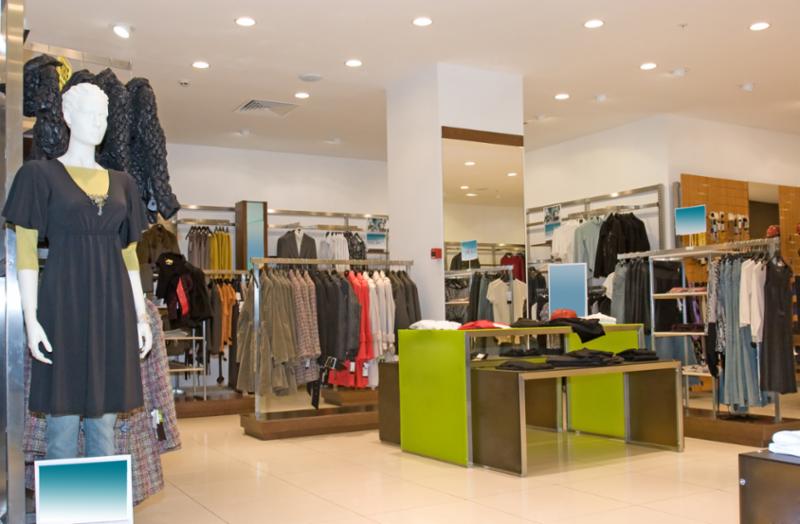
store_clothing.jpg

What Do You Know About Fashion?


The fashion industry is an important part of the global economy. It employs 300 million people and is expected to have global revenue of $2 trillion by 2026, reported Elaine Ritch for Economics Observatory.


Like all industries, fashion has hits and misses. There are trends that shine and trends that perplex. Consider Big Red Boots (BRBs), which were introduced at New York Fashion Week in 2023. The cartoon-style boots looked like they’d been pulled from Mario’s closet and retailed for $350. Their popularity was tempered by suction issues – the grippy rubber boots proved difficult to remove, reported Christian Allaire of Vogue.


See what you know about fashion trends today, and in the past, by taking this brief quiz:


1.The Communist Party reportedly does not approve of the latest fashion trend in China, but demand for a particular type of sun protection gear has been on the rise. What are Chinese women wearing to the beach?

a. Glare goggles

b. Sunsuits

c. Shade sleeves

d. Facekinis


2.People of a certain age may remember platform shoes as a disco-era wardrobe necessity. The 70’s weren’t the first time thick-soled shoes trended, though. In 16th century Venice, “chopines” – boots with platforms that were up to 20 inches tall – were popular. The boots were worn to:

a. Strengthen ankles and calves.

b. Provide protection in combat.

c. Protect shoes and dresses from muck.

d. Wade across shallow canals.


3.In the 1960s, dresses made of an unusual material that was printed with geometric patterns became very popular. What were the dresses made of?

a. Polyester

b. Paper

c. Chocolate

d. Vinyl


4.Which of the following is NOT an iconic fashion piece, according to Glam Observer?

a. Little black dresses

b. Poodle skirts

c. Denim jeans

d. Trench coats

thinking_girl_idea.jpg

a.Weekly Focus - Think About It


“The best fashion show is definitely on the street. Always has been and always will be.”

-- Bill Cunningham, Photographer

Answers: 1) d; 2) c; 3) b; 4) b

Bruce Kuehl | 763.542.8884 | bruce.kuehl@avior.com

Investment management and financial planning services offered through Avior Wealth Management, LLC a registered investment advisor. Investments involve varying degrees of risk and there can be no assurance that the future performance of any investment or investment strategy will be profitable or equal past performance results. All investments subject to loss including the loss of principle. Nothing contained herein should be construed as tax advice. Specific, individual tax questions should be asked of your CPA or accountant.


Please remember to contact Avior, In writing, if there are any changes in your personal/financial situation or investment objectives for the purpose of reviewing/evaluating/revising our previous recommendations and/or services, or if you want to impose, add, or modify any reasonable restrictions to our investment advisory services. Unless, and until, you notify us, in writing, to the contrary, we shall continue to provide services as we do currently. Please advise us if you have not been receiving account statements (at least quarterly) from the account custodian. A copy of our current written disclosure Brochure and Form CRS (Customer Relationship Summary) discussing our advisory services and fees continues to remain available upon request or at www.aviorwealthmn.com.