|
BOOKS
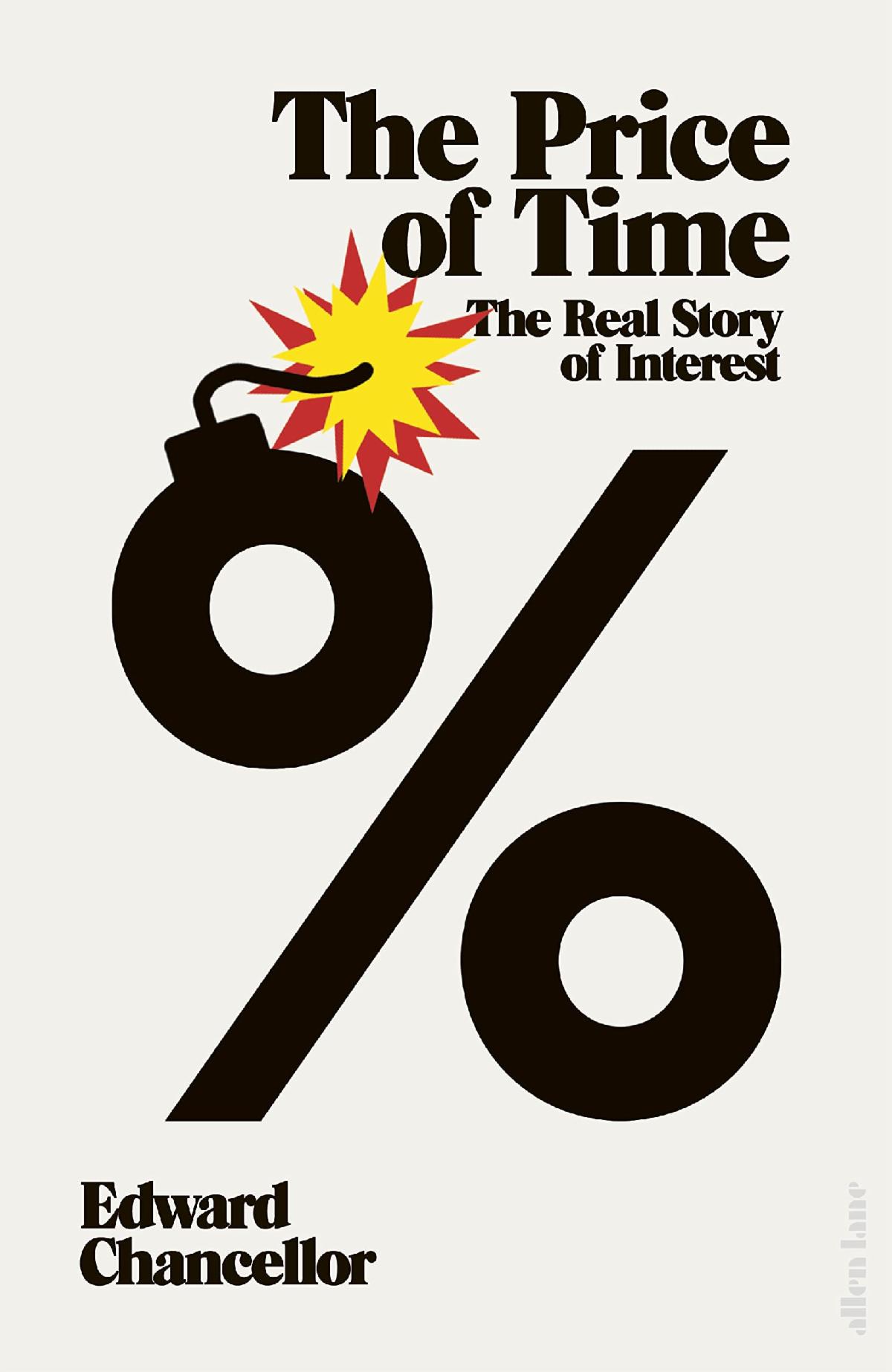
The Price of Time by Edward Chancellor: Great book on the history of interest rates. Providing a broad range of historical context, it makes a compelling case against artificially low interest rates maintained for extended periods. Which is the exact approach taken in Japan since the 1990s, and the rest of the developed world since the 2008 crash until recently.
One of the book’s strongest critiques against suppressed interest rates regard the perverse incentives they create. When borrowing is excessively cheap, investors borrow more to buy stocks and real estate. Business owners borrow too much to grow their businesses. CEOs, whose compensations are often tied to their business’s stock price, borrow to reduce their share count, and consumers spend more money on goods, cars, and homes than they probably should. These all create bubbles, while saddling borrowers with more debt than they can handle. And when interest rates rise, the situation can turn dire. But poor results occur even when they don’t.
Japan’s economy has been listless for years. Though widely attributed to their elderly and declining population, there’s more to the story. Their multi-decade experiment with anemic interest rates played a role too. In the ’80s and early ’90s, Japan’s economy was on fire. To capitalize, Japanese companies borrowed, borrowed, and borrowed some more. But when the music stopped, as it inevitably does, this mountain of debt forced companies into a perilous position. To enable their survival, interest rates were lowered to well below 1%. However, these businesses - referred to as zombie companies - were shadows of their former selves. Unable to innovate or grow, but still alive and taking up space, zombie companies made it difficult for new energetic companies to enter the market, as would normally be the case when companies are allowed to fail.
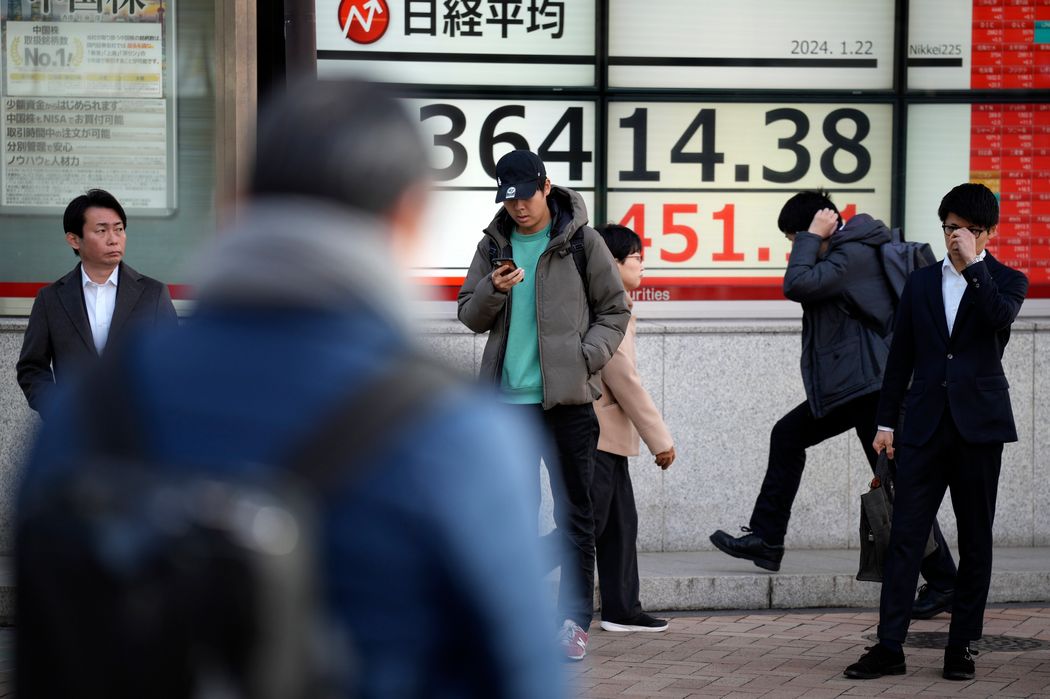
More than two decades later, these companies have finally paid down most of their debt enabling the Japanese economy to show signs of life again. How badly where Japanese companies hurt? If you invested in the Nikkei 225 (Japan’s index) in 1990, you’d still have lost money - even with their index rising more than 35% over the last 13 months!
The Power Broker (Volume 1 of 3) by Robert A. Caro: This huge 1974 Pulitzer Prize-winning biography of Robert Moses has been on my bucket list for years. He was the most powerful person in the city and state of New York for more than 40 years - and most people have never heard of him.
His life is fascinating study on how to acquire power. He didn’t’ gain it through personal wealth, running a business, or even elected office. He was a bureaucrat. But a bureaucrat that, through cunning and connections, amassed unchallengeable power. Even governors and mayors hesitated crossing him.
Volume 1 (the first 22 hours of the 65-hour audiobook) begins with Moses’ early life and career. It reads like the Anakin Skywalker story. He began as a progressive idealist wanting to improve New York. Unfortunately, his idealism got him fired by those abusing the system. When given a second chance, he stopped playing nice and ruthlessly acquired power and influence, often ruining people’s lives to do so - or just out of spite.
One of the great things about a well-written biography is how they’re so much more than a story about the protagonist. The Power Broker also explains how NYC developed, from its parks, beaches, and roads, to its infrastructure and buildings. It also contains short biographies on FDR (when he was governor of New York) and Governor Al Smith, a fascinating character himself.
Never Let Me Go by Kazuo Ishiguro: Thought-provoking novel about a boarding school for orphans with an interesting twist. If the author’s name seems familiar, he also wrote The Remains of the Day, which was later made into the 1993 movie starring Anthony Hopkins and Emma Thompson.
|