|
“Branding” is a word that is used a lot these days, a “must have” for successfully doing business. So what is a brand, and what will you need to build one?
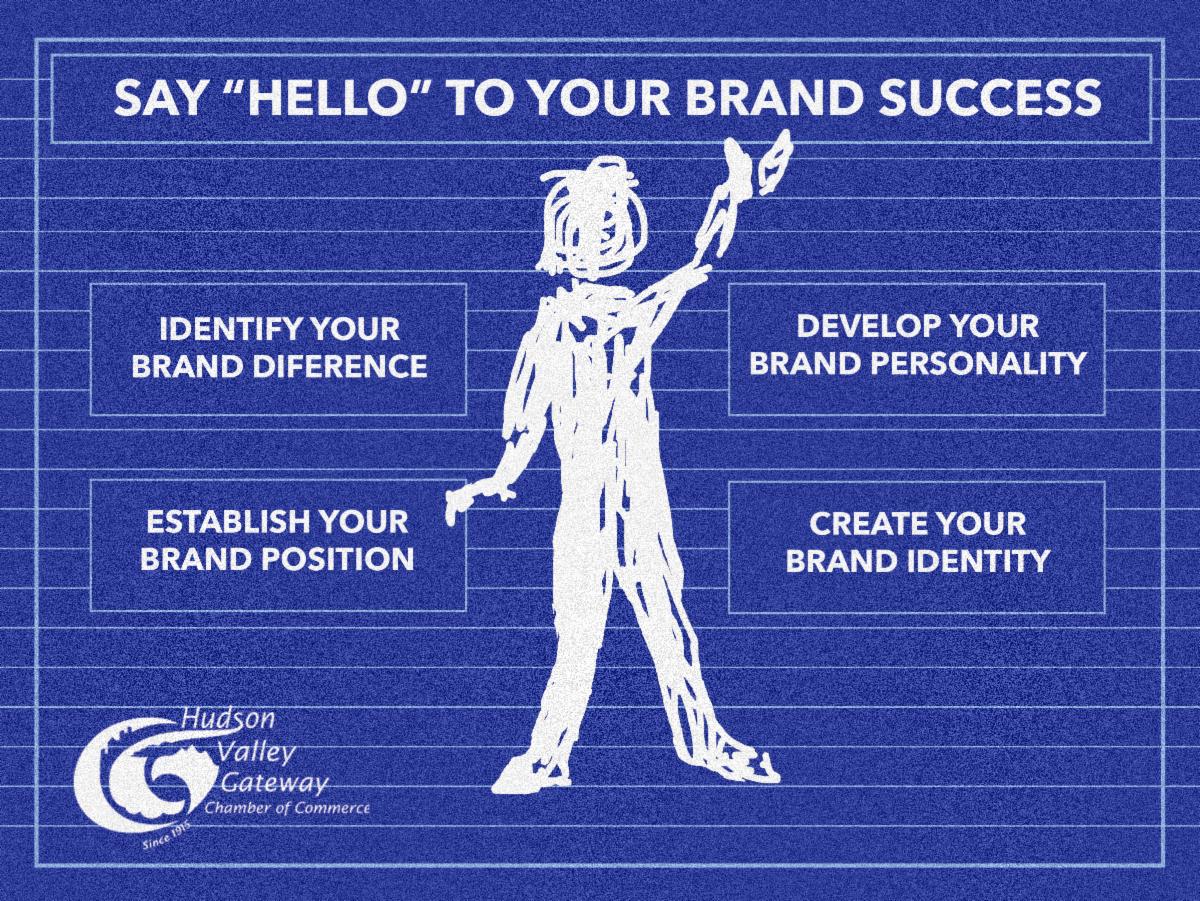
The toolkit for brand building starts with a plan that includes these steps:
- Identifying a competitive business difference
- Expressing that difference as a position that can be easily understood and vigorously leveraged
- Developing a relatable personality through voice and tone that support the position
- Representing the above in short form by creating a brand identity
It bears mentioning that brand identity is more than simply a name, logo, and tagline. It’s how you represent all your brand building work into a concise motivating idea that can then be sent out into the world to stimulate growth. Next month’s Marketing Minute will explore the topic of Brand Identity a bit further.
Brand Value
Your brand begins with your story. The ingredients include who you are, where you are, what you make, what you do, how you are unique or special. It sums up why those qualities - ethical and practical - make you worthy of consideration either now or in the future.
The answers to all these questions must be engaging and memorable if you expect to amplify your brand’s value. Together they create your brand personality, which humanizes a brand, forging a bond with the target audience that sticks. This can be intellectual or emotional, logical or visceral. Sticky brands reinforce this bond with a single proprietary quality, or a memorable mixture of attributes.
Your brand is worth its weight in gold. It is of existential consequence if a business intends to thrive over time. Treat your brand as a capital asset, to be cherished and protected. A healthy brand is the heart and soul of your business. Take care of it, and it will take good care of you.
Brands Are Different, Yet The Same.
While target audiences may vary, it’s still about reputation and relationships. All brand communication must be consistent, coherent, and portable across a wide range of media touchpoints.
Business to business (B2B) brands may find themselves trying to persuade an owner, corporate officer, committee, or even shareholders. Channels of communication tend to be more specialized. The scale of the sale may differ by orders of magnitude. The purchase cycle may be measured in days or decades.
Business to consumer (B2C) brands primarily target individual purchasers. Satisfying buyer needs is key, however mundane or extravagant. Communications channels are broad. Cherry picking may be needed to meet your communications strategy. The purchase cycle may be wildly variable. In each case, building long term, brand based relationships is worth the effort.
Not for profit brands seek to inform and persuade donors and supporters - both individuals and organizations - by communicating the value of a service, an urgent need, or worthy cause. The time frame for action varies from disaster relief to long term research to continuing education.
Branding Is Everyone’s Business
All enterprises share similarities when it comes to brand building. Branding enables any business to control the narrative. By creating positive awareness, promoting buzz, and generating traffic, strong branding leads to loyalty and growth. Following are descriptions of various branding scenarios. Each thrives on establishing, banking, and leveraging brand capital.
Nonprofits, medical research institutions, social welfare organizations, and philanthropies must draw attention to pressing needs facing society. The challenge for cause-related brands is to create interest in altruistic agendas, the reward being personal satisfaction from helping others. The focus is on building awareness that evokes empathy, resulting in support. Brand imagery, voice and vivid symbols are the tools that can achieve wide-ranging, lasting goals. (It should be noted that for-profit and commercial branding efforts often extend to social action causes and values that resonate with audiences.)
Service businesses depend on qualifications that differentiate them from the rest. For service brands the product is a person, even if only a member of a large organization. Certifications, expertise, reviews, statistics, and knowledge sharing can form the basis for buyers making an informed choice from many options. From lawn care to banking, connections count. Service providers must embrace an ethic that focuses on memorable, verifiable results.
Branding products is similar to services. Qualifications matter, while adding the quantitative attributes of what the buyer can physically possess. Again, owning a competitive difference is key to a product pedigree, whether it’s innovation, durability, design, affordability, and so on. Demonstrating multiple attributes allows the seller to adapt promotional emphasis to fit market conditions and purchaser priorities. Lean into your position to persuade prospects why your product is right for them.
Branding large enterprises is about the big picture. They’re the apex competitor in an industry, the T-Rex of trade. Their goal is to embed an impression in a large - perhaps global - audience’s mind that can be translated across language and media, reinforced by consistent communication. Home Depot sells thousands of items. Their brand position is that if you need it, they have it. De Beers sells diamonds, and have made enduring value synonymous with their name. Apple trades on the promise of innovative, integrated technology, and cutting edge design.
On the other end of the scale, individuals have embraced branding as the professional influencer phenomenon has grown. As such, personal brand credibility is earned by stating values, criteria, intelligence, creativity, and body of domain-specific expertise. Personal brands offer credible information to their audiences, building relationships based on one to one confidence and trust.
Branding retail channels relies on the brand position and identity seamlessly migrating between physical and virtual shopping experiences. Regardless of size, a physical space should invite shoppers who want to experience something directly, as if they already own it. In person shopping experiences also require knowledgeable representatives to reflect the company culture and meet each patron’s expectations. A corresponding online store should reflect the brand personality, while offering browsing convenience with purchase security. Whether the buyer’s priorities are grab (or click) and go, or hands on deliberation, the shopping environment must evoke the brand they may already, or wish, to know.
Well-Branded Products, Services, And Causes Sell Themselves!
Brands both large and small can own mindspace in the marketplace by leaning on a long list of potential deal makers. By communicating quality, longevity, innovation, certification, expertise, referrals, reviews, statistics, and more, brands can build trust and energize customers and contributors alike.
|