|
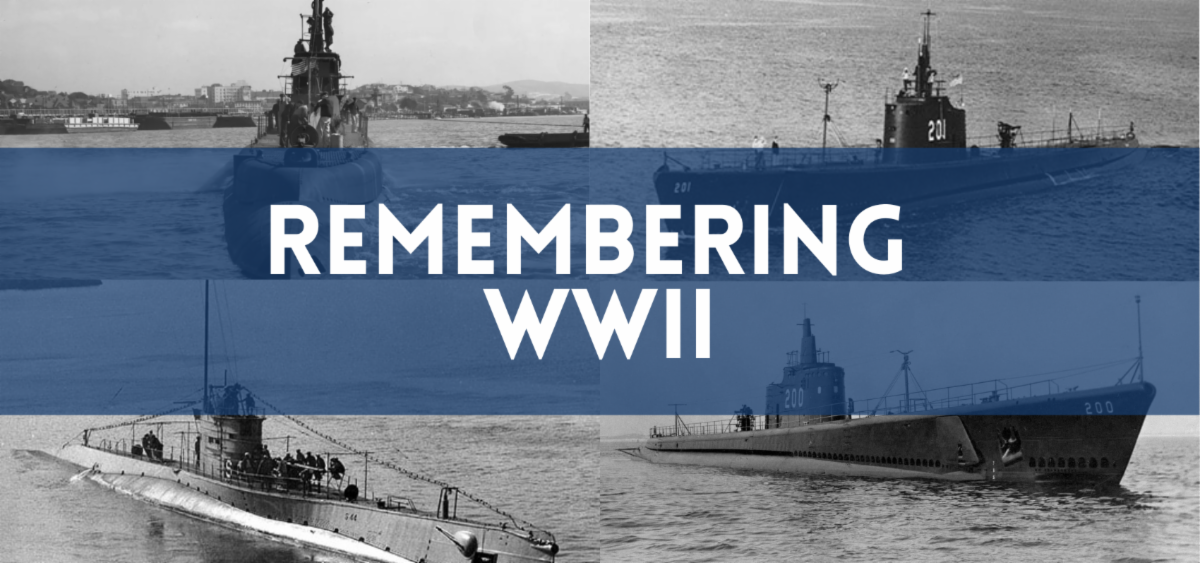
September 2nd marks the 80th anniversary of the end of World War II, a moment when the largest global conflict in history came to an end and eventually brought home thousands of American service members after years of brutal combat.
Throughout World War II, submarines played a critical role in the Pacific, especially as the U.S. Navy reeled from the devastation of Pearl Harbor. With much of the battle fleet destroyed or damaged, submarines became one of the few American forces immediately capable of striking back at Japan. Operating from forward bases such as Pearl Harbor, Manila, and later Fremantle and Brisbane, submarines conducted aggressive patrols against Japanese shipping, gathering vital intelligence, and disrupting enemy supply lines. Though plagued at first by faulty torpedoes, submarines still represented a stealthy and persistent threat to Japan’s sprawling Pacific operations. Their ability to penetrate deep into enemy-controlled waters and attack with surprise helped offset the temporary loss of surface superiority, bought time for American rearmament, and set the stage for the broader submarine campaign that would ultimately strangle Japan’s maritime lifelines.
Submarine warfare in World War II evolved from a limited, often experimental effort into one of the most decisive naval strategies of the conflict. At the start of the war, many navies, including the U.S., faced problems with doctrine, unreliable torpedoes, and restrictive rules of engagement. Early submarine operations were cautious and primarily focused on reconnaissance or fleet support. As the war progressed, however, submarine forces shifted to an aggressive commerce-raiding strategy that targeted enemy shipping with devastating effect. Improved tactics, better coordination with intelligence sources such as codebreaking, and advances in technology like radar, sonar, and more effective torpedoes dramatically increased their effectiveness. Although they comprised less than two percent of the U.S. Navy’s personnel, submariners were responsible for destroying 30 percent of the Imperial Japanese Navy fleet during World War II, including eight aircraft carriers, 11 cruisers and a battleship. They also destroyed 60 percent of the Japanese merchant fleet, cutting off crucial supplies to its military forces in the Pacific.
As for the impact made by the U.S. Submarine Force: “If it wasn't for the bravery and ingenuity of the U.S. Submarine Force, offensive operations in the Pacific would have been significantly delayed, setting the stage to recapture additional territory at the cost of more American military casualties. The history of World War II demonstrated the submarine’s transition from a secondary naval arm to a central weapon of strategic warfare.” said Pacific Fleet Submarine Museum executive director Andrew “Homer” Ring.
The toll among the U.S. Submarine Force, however, was costly. About 20 percent of the American forces were lost, including 52 submarines with a total of 3,506 officers and enlisted men killed. Their bravery and sacrifices are etched in naval history and in the freedoms their service helped protect.
“The anniversary of the conclusion of World War II serves as a tribute to the strength and sacrifice of American service members and workers who participated in our nation’s war effort,” Ring said. “A heartfelt thank you goes out to the Greatest Generation on this 80th anniversary as we celebrate the spirit of freedom and resilience that defines our nation.”
|