|
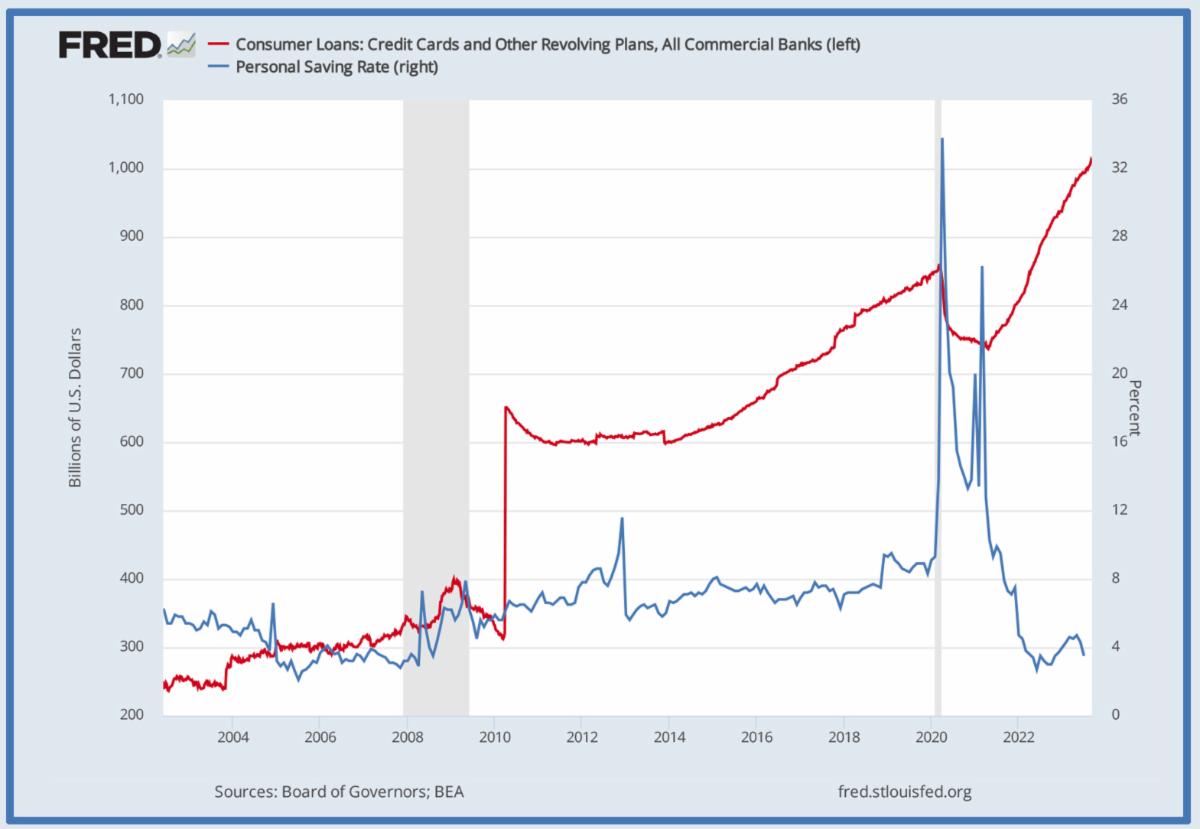
The story goes something like this. Back in March of 2020, the World Health Organization declared the COVID-19 outbreak a global pandemic. In the United States, restrictions of all sorts were issued within 48 hours of this announcement which unlocked billions of dollars in federal funding. The first round of economic “stimulus checks” were sent to qualified residents of the U.S. in April of 2020. Subsequent checks were issued December 2020 and January 2021. And lastly, March of 2021 brought yet another round of checks for eligible taxpayers. All the while, unemployment benefits were at all-time highs, eviction and foreclosure moratoriums were in effect and student loan debt payments were on hold.
By May of 2021 after the final stimulus checks were sent out, consumer credit spending began to rise for the first time since March of 2020 which obviously tracks with the influx of government checks arriving. The sudden work from home and school from home scenarios created a need for more flexible living spaces, hence the frenzied housing market in 2020 and 2021. Homeowners that didn’t change residences put money into remodeling their existing homes, adding square footage, swimming pools and outdoor space that previously hadn't been a priority.
The problem herein lies with the fact that consumers didn’t stop spending!! Last month our country reached over $1.3 trillion dollars in credit card and other revolving debt. Auto loans, retail credit cards, recreational vehicles and general “lifestyle” spending all attribute to this never-before-seen, outrageously high amount.
As more consumers feel the pinch from the Federal Reserve raising interest rates (which directly affect credit card and non-fixed interest rates) they appear unable to keep up with the minimum monthly payments, therefore increasing the balances owed. What we’re starting to see in today’s financial scenario is people needing to tap into their home equity to get rid of the 24%-33% interest on the revolving debt they’re carrying. They’re willing to give up a 3% mortgage rate because it certainly beats the uphill battle of high interest rate loans and monthly payments that seem like they aren’t even denting the balances. If the last few weeks are any indication of the future, we’re likely to see a pretty dramatic increase in debt consolidation refinances for at least the next year.
If you or someone you know has any questions regarding the current equity in your home, refinance options or other real estate related matters, feel free to call me at 602.369.6902 and let's have a confidential and honest conversation.
|