Mass-ENVISION October 2026 Newsletter | Welcome to the Massachusetts Center for Alzheimer and Dementia Behavioral Research and Innovation (Mass-ENVISION) newsletter, where we highlight the people, projects, and partnerships shaping our work. In this issue, we introduce new Mass-ENVISION RCMAR scientists, share our highlights from the Mass-ENVISION Center-wide annual retreat and the annual RCMAR National Meeting, and spotlight current research projects and work among our community advisory members. You will also meet a member of our research staff and hear about recent accomplishments from Mass-ENVISION alumni. We hope you enjoy this look at the people and work behind Mass-ENVISION! | | |
Message from the Director
Envisioning What’s Possible
Dear Friends,
It is a pleasure to share this inaugural issue of the Mass-ENVISION (Massachusetts Center for Alzheimer and Dementia Behavioral Research and Innovation) newsletter. This twice-a-year newsletter will provide an opportunity not only to spotlight the work of our Center, but also to celebrate the remarkable network of RCMAR scientists, mentors, staff, community partners, and collaborators who make the work possible.
Mass-ENVISION launched with an ambitious scientific mission and central theme: To develop, test, and implement rigorous behavioral interventions that improve the lives of people living with Alzheimer’s disease and related dementias (ADRD) and their care partners across hospital and community settings. Equally important is how we pursue this mission. We seek to expand and enrich the workforce of ADRD behavioral interventions investigators through sustained mentorship and collaboration, bringing together expertise across multiple disciplines and institutions, and building meaningful partnerships with the communities our research is intended to serve.
The stories in this first issue bring those commitments to life. You will meet Mass-ENVISION RCMAR Scientists beginning their journeys with us, learn about the accomplishments of our growing community of Mass-ENVISION alumni, and hear from dedicated community advisors whose perspectives inform our work and ensure that our science remains community-centered. Together, these stories remind us that meaningful progress depends not only on innovative ideas and rigorous methods, but also on relationships, sharing, trust, and a willingness to learn from one another.
I am incredibly enthusiastic about what this Mass-ENVISION community has already built, and equally excited about what lies ahead. I feel tremendous gratitude for the large community of patients, families, friends, colleagues, and community members who have made this journey possible. Thanks to all of you for your partnership.
Warm regards,
Olivia I. Okereke, MD, SM
Director, Mass-ENVISION
| | | |
Introducing the 2026-27 RCMAR Scientists
We are excited to welcome two new Mass-ENVISION Scientists! Their areas of expertise span health services research, clinical psychology, implementation science, and community-engaged approaches to advancing interventions for people living with Alzheimer’s disease and related dementias (ADRD).
| | |
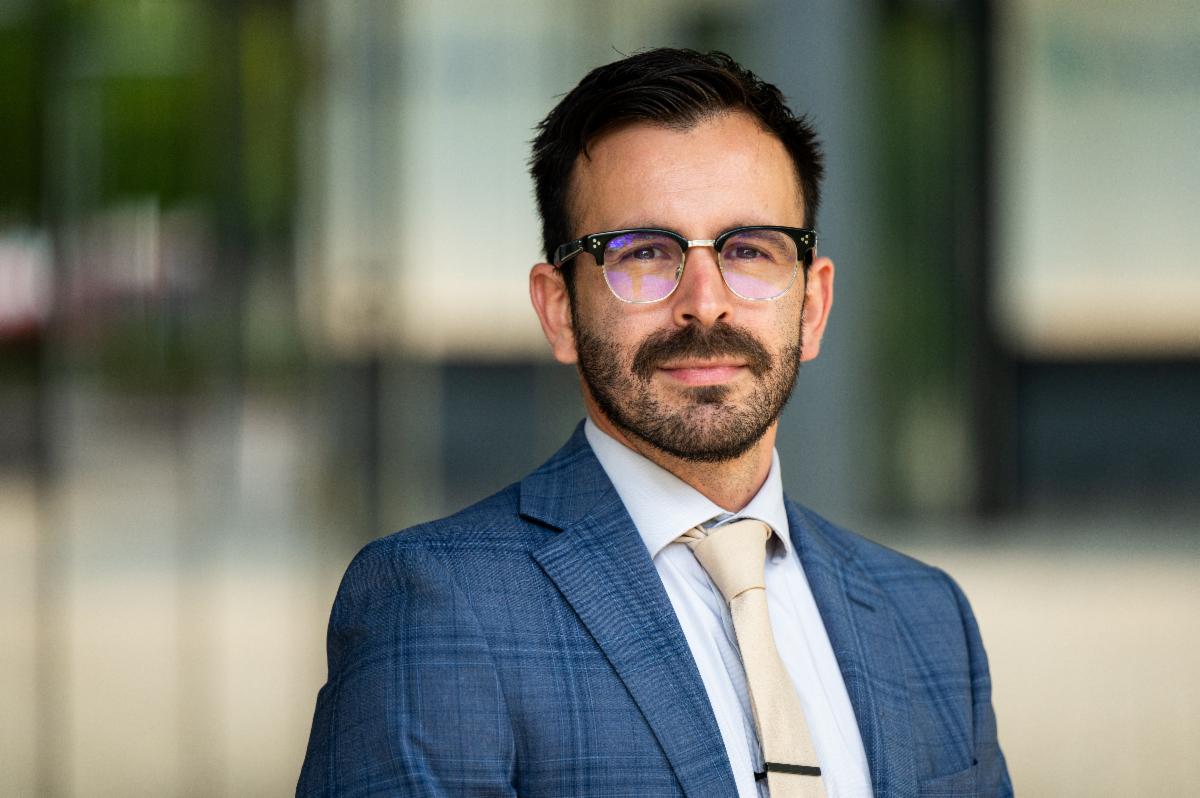
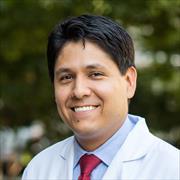
Esteban Barreto, PhD
Dr. Esteban Barreto is an early-career health services researcher focused on improving access to care for under-resourced populations, including individuals with limited English proficiency and communities experiencing challenges related to social and structural drivers of health. As an industrial-organizational psychologist and medical interpreter by training, Dr. Barreto brings a unique perspective on culturally responsive research engagement. His Mass-ENVISION project will develop a culturally tailored research engagement intervention for Spanish-speaking older adults living with ADRD and their caregivers.
| | |
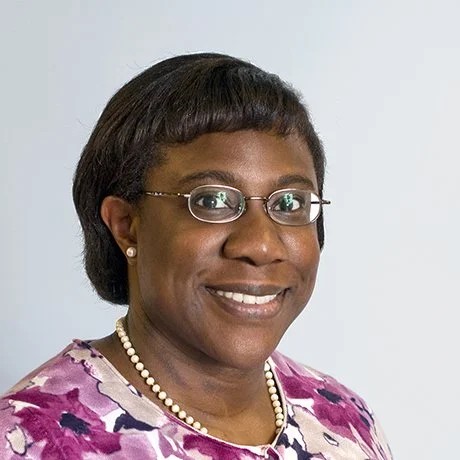
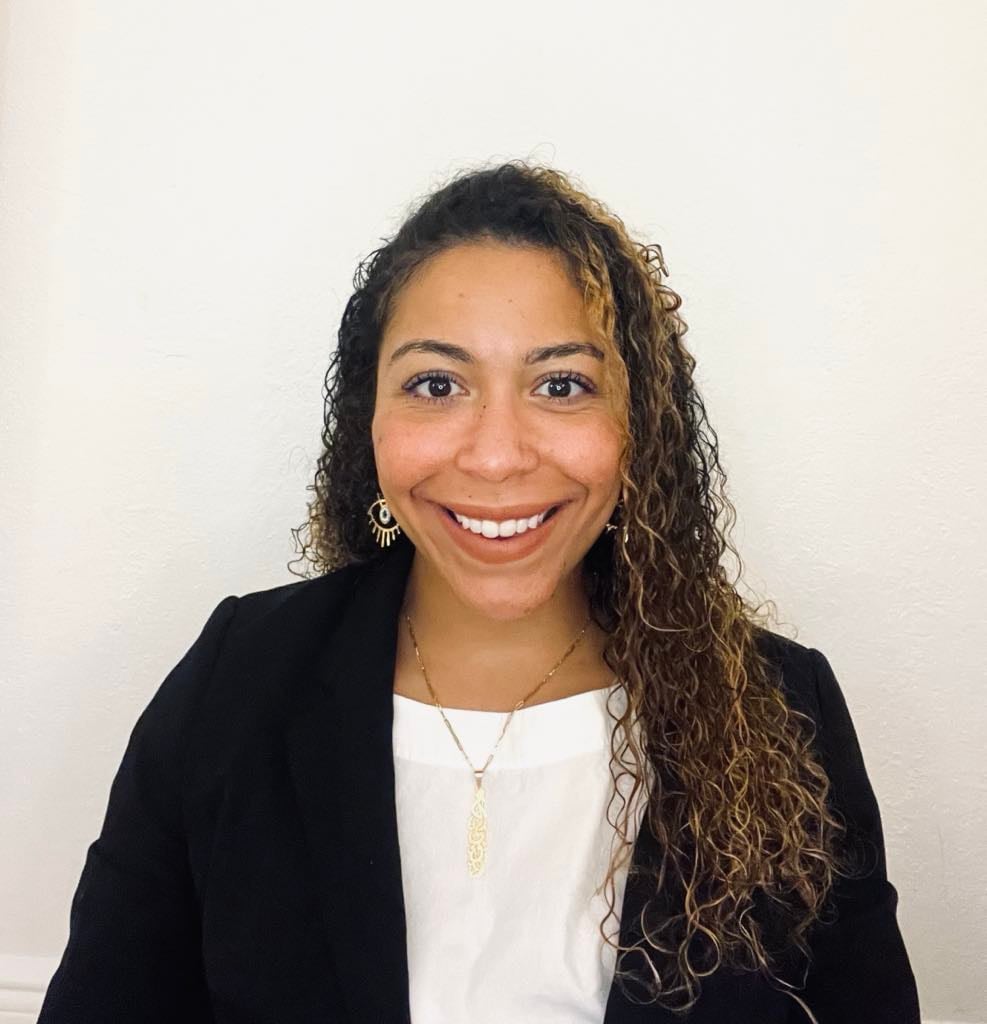
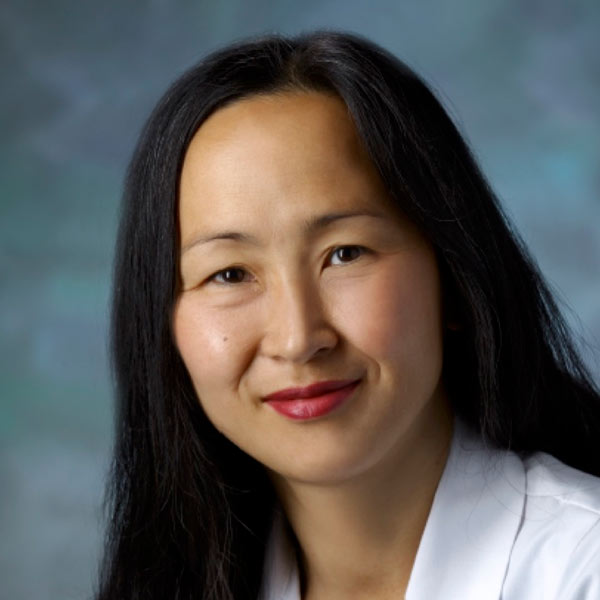
Malena Price, PhD
Dr. Malena Price is a clinical psychologist whose research focuses on adapting mind-body interventions to make them more accessible, relevant, and effective in healthcare and community settings. Her Mass-ENVISION project, Pain Ease and Cognitive Enhancement (PEACE), will engage older Black adults with chronic pain and subjective cognitive decline to inform the development of a culturally tailored mind-body intervention designed to improve accessibility, engagement, and healthy aging.
| | Highlights from the 2026 Mass-ENVISION Retreat | | |
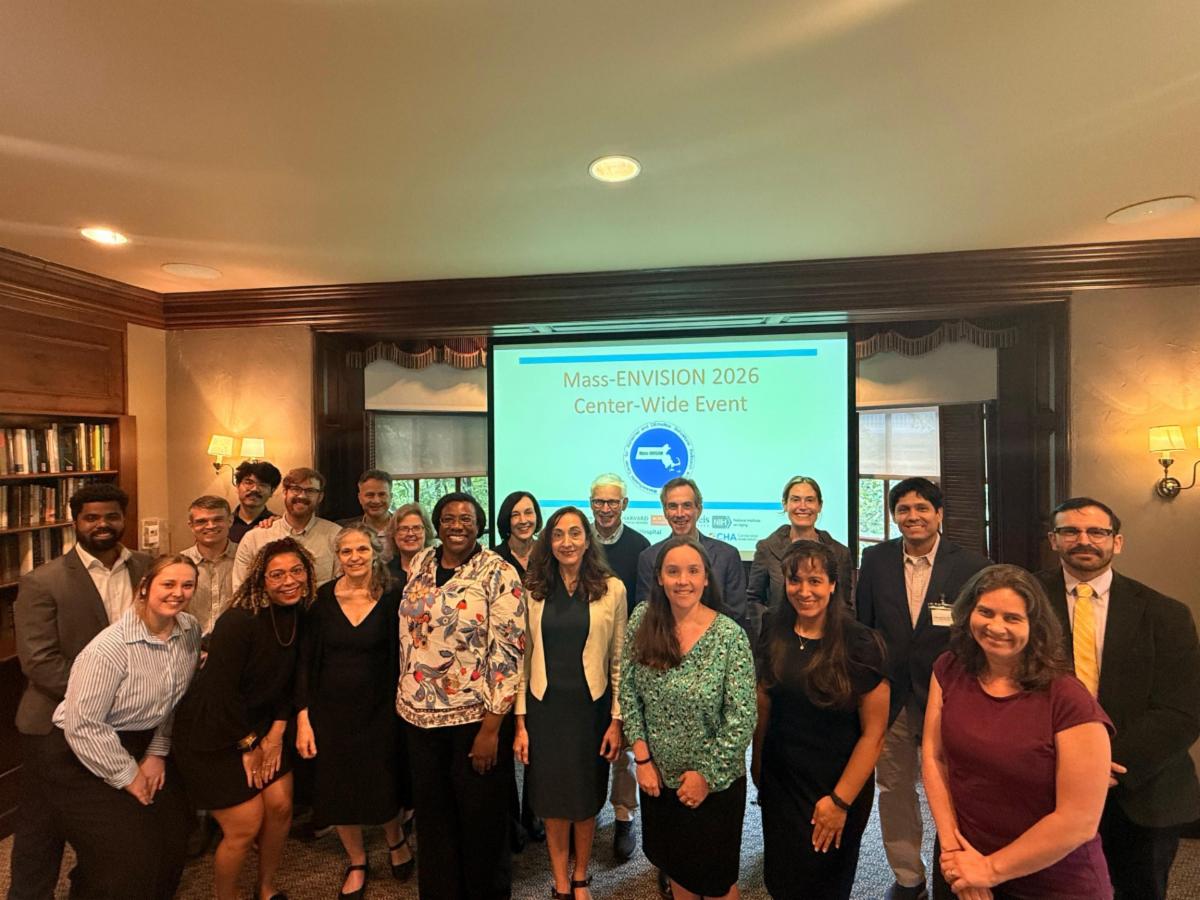
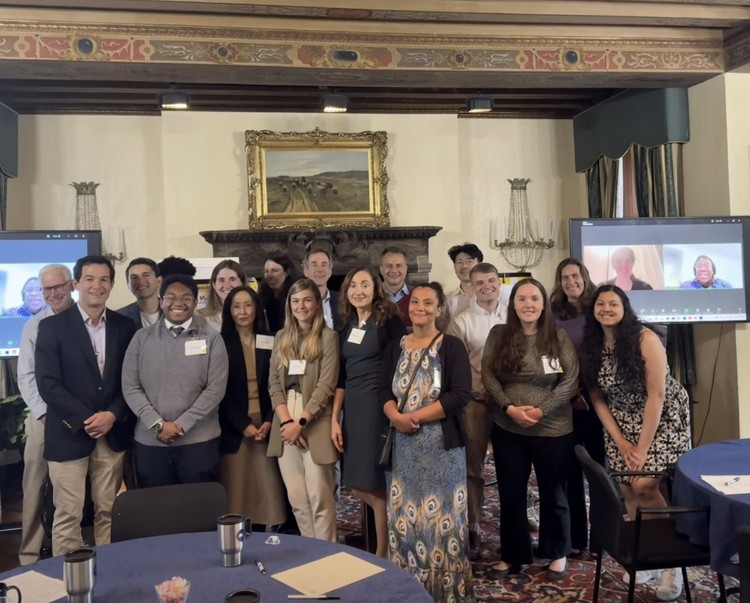
Investigators, RCMAR scientists, mentors, faculty and staff gathered in June 2026 at the Harvard Faculty Club for the Mass-ENVISION Center-wide annual retreat – a day dedicated to reflecting on the Center's accomplishments and identifying priorities for the future. The retreat highlighted the continued growth of Mass-ENVISION's early-career scientist development programs and research infrastructure, with updates from each of the Center's cores on advances in mentorship, training, community engagement, and methodological support. Attendees also celebrated the achievements of current and alumni RCMAR scientists, whose successes included faculty promotions, grant awards, publications, recognitions and honors, and national leadership opportunities.
A central theme throughout the retreat was the importance of building strong networks, both within academia and in the communities served by research. Presentations of pilot studies led by RCMAR scientists demonstrated how authentic partnerships with community organizations and individuals are strengthening ADRD behavioral intervention research and addressing health disparities. During a scientific autobiography panel, senior investigators offered valuable guidance for early career scientists and shared candid reflections on career development, mentorship, resilience, and work-life integration. Three concurrent breakout discussions explored: 1) strategies for navigating an evolving funding landscape, 2) developing research operations and grants-management skills, and 3) using environmental scanning to align research with emerging scientific and community priorities.
The conversations and ideas generated throughout the retreat reinforced Mass-ENVISION's commitment to supporting the next generation of ADRD researchers through mentorship, collaboration, community-engaged science, and innovative career development programming. Insights from the retreat will help guide future initiatives as the Center continues to expand its impact on research, training, and health disparities.
| | RCMAR Scientists Attend National Meeting in DC | | |
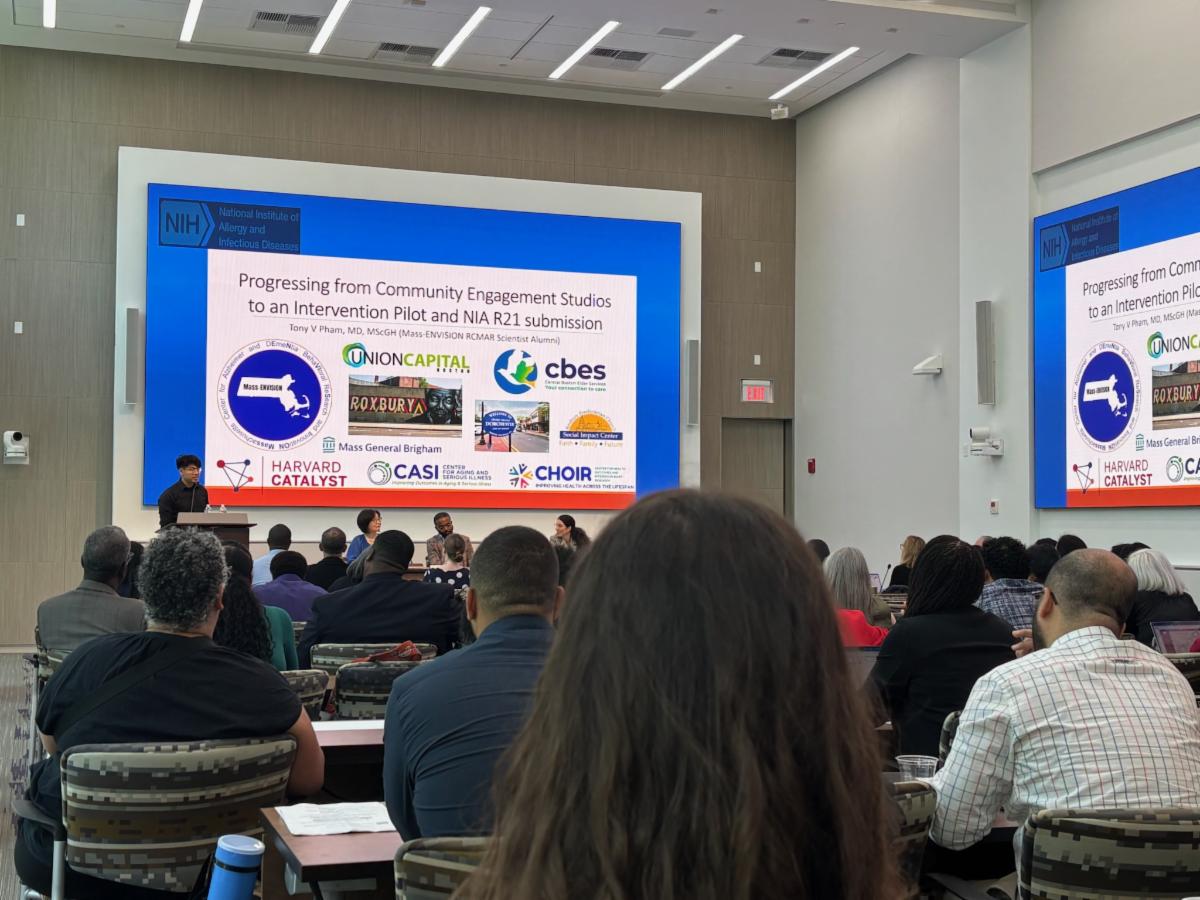
Mass-ENVISION was well represented at the 2026 RCMAR National Meeting, where three of our RCMAR Scientists - Drs. Carine Davila, Tony Pham, and Natalia Giraldo-Santiago - presented their research alongside investigators from RCMAR programs across the country. The meeting provided an opportunity for the scientists to share their work, receive feedback from national leaders in aging and health disparities research, and build connections with fellow early-career investigators committed to advancing equity in aging research.
The presentations highlighted the breadth and impact of research being conducted through Mass-ENVISION. Participation in the national meeting also allowed scholars to engage in professional development activities, learn about emerging research priorities, and strengthen collaborations within the broader RCMAR network.
| | |
Mass-ENVISION Alumnus Spotlight:
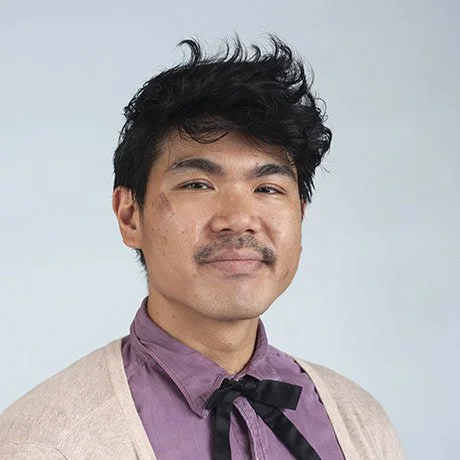
Tony V. Pham, MD, MScGH
| | |
Mass-ENVISION RCMAR Scientist
Cohort 1 (2023-2024)
For Dr. Tony Pham, Mass-ENVISION provided a critical opportunity to transform a promising research idea into a trial-ready intervention focused on reducing disparities in aging and cognitive health.
As a staff psychiatrist at Massachusetts General Hospital and Assistant Professor at Harvard Medical School, Dr. Pham has long been interested in how culture, community, and lived experience influence health and healing. Through Mass-ENVISION, he was able to apply these interests to aging and ADRD research by developing Feeling of Being, a culturally adapted mindfulness-based cognitive therapy (MBCT) intervention tailored for older Black adults living with chronic pain and early cognitive decline.
Mass-ENVISION's mentorship, training, and interdisciplinary network helped Dr. Pham strengthen key skills in intervention development, community-engaged research, measurement, recruitment, and clinical trial planning. With support from the program, he partnered closely with community members to refine the intervention's content, language, and delivery approach before moving into pilot testing.
"Mass-ENVISION was a critical transition point in my career," Dr. Pham shared. "The mentorship and cross-disciplinary environment helped me refine Feeling of Being from a cultural adaptation concept into a trial-ready intervention-development program."
The impact of this support is already evident. Since joining Mass-ENVISION, Dr. Pham has:
-
Completed community-engagement and cultural adaptation work for Feeling of Being.
- Advanced the project to an open pilot phase with NCATS Harvard Catalyst support.
-
Has been awarded an NIA R21 grant for a Feeling of Being pilot randomized trial.
-
Expanded his broader research portfolio through Quiet Focus, an NCCIH K23-supported project adapting MBCT for older Black adults with chronic pain and depression.
- Published scholarship focused on community engagement, chronic pain disparities, and culturally responsive intervention development.
A major lesson from the project has been the importance of meaningful community engagement throughout the research process. Feedback from older adults and community partners reinforced that chronic pain, cognitive concerns, mood, and social isolation are often experienced as interconnected challenges. These insights helped shape not only the intervention itself but also research procedures, recruitment strategies, and outcome measures.
Looking ahead, Dr. Pham plans to complete his now NIA R21 funded pilot randomized trial of Feeling of Being. He also hopes to build sustainable community-research partnerships that allow patients, caregivers, community organizations, and researchers to collaboratively shape future aging research.
Dr. Pham's journey highlights the mission of Mass-ENVISION: supporting emerging investigators as they develop innovative, community-engaged approaches to improving the health and well-being of older adults and addressing disparities in ADRD research.
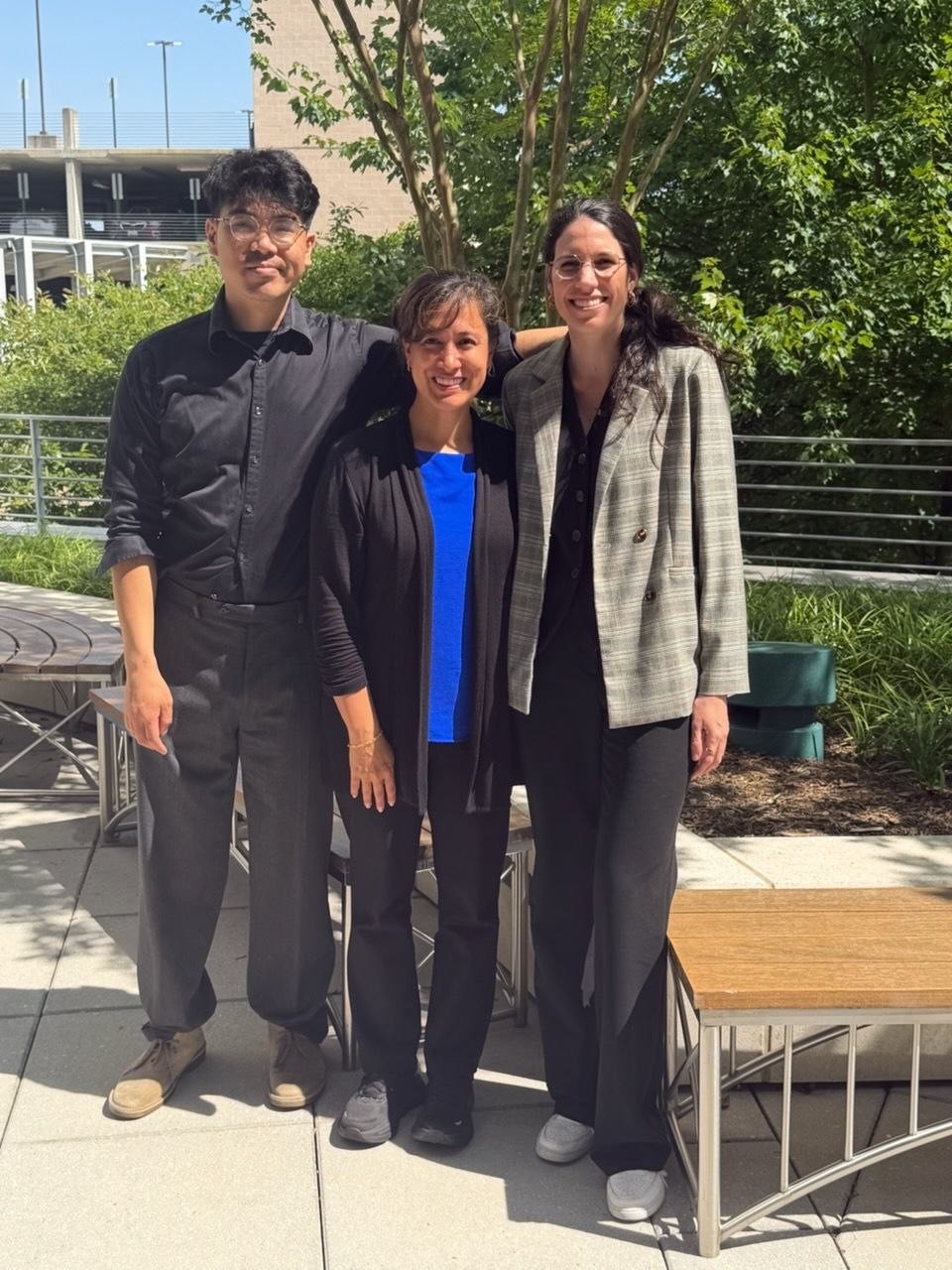
| From the Community Liaison and Recruitment Core (CLRC): Community Advisory Board Supports Community-Engaged Research Across Mass-ENVISION | | Pictured Above: Jin Hui Joo, MD, CLRC Core Lead & Hugo Aparicio, MD, MPH, CLRC Sub-PI | | |
The Mass-ENVISION Community Advisory Board (CAB) serves as a vital bridge between our research projects and the communities we aim to serve. CAB members provide guidance on community needs and priorities, helping ensure that research is relevant, accessible, and responsive to real-world concerns. Their contributions have informed recruitment strategies, outreach efforts, educational programming, and engagement activities. Thus, CAB members play a vital role in the education and training mission of Mass-ENVISION by providing RCMAR scientists with perspectives that can shape and strengthen their approach to research.
This year, CAB members reflected on their experiences, motivations, and hopes for the future. While their backgrounds and pathways to the CAB differ, a common message emerged: meaningful community involvement is essential to developing research that is relevant, accessible, and responsive to the people it aims to serve.
| | |
Bringing Community Perspectives to Research
CAB members described their contributions in many ways, from sharing professional and lived experiences to providing feedback on research studies, recruitment approaches, and outreach efforts. Many emphasized that CAB members bring perspectives that researchers may not otherwise encounter. As one member noted, the community input facilitated by a CAB allows researchers to better understand local residents’ needs while also creating opportunities for researchers to explain their work directly to the people they hope to reach. Another CAB member highlighted the value of having lived experience and shared that community members bring “what it is like to navigate [illness] and the systems available for care.” Several members also described their role on the CAB as an opportunity to advocate for their communities and help ensure that research reflects a broad range of experiences and perspectives.
Building Trust and Stronger Partnerships
Trust emerged as one of the strongest themes across members’ reflections. When asked what community members bring to research, one CAB member simply wrote: “Trust, participation, empowerment.” Another reflected on their experience serving on the Board, writing that it helped them recognize that “research NEEDS participant input. Trust is more important than I previously knew.” Other CAB members emphasized the importance of building connections between researchers and the communities they serve. One member described community members as bringing “lived experience, especially as we have completed studies before,” while another said they bring “insight from the [community] and encourage enrollment from others in the community.” Members also described the CAB as a space for
| | |
communication and collaboration between researchers and community partners. As one CAB member put it, being part of the Board means “adding eyes and ears to the researchers’ lenses as they seek to understand and deepen their expertise in reaching diverse communities.”
Learning Through Engagement
CAB membership is also a learning experience. Several members reflected on how their involvement has shaped their understanding of research and the people who conduct it. One member shared that participation has “deepened my understanding of ongoing research efforts and the research communities that do the research.”
For others, CAB involvement has provided a clearer understanding of both the research process and the barriers that can limit participation. One member described developing a “better understanding of the research process and the limitations,” while also having “gained insights into the barriers that keep people…from participating in research.”
Looking Ahead
CAB members expressed enthusiasm about the opportunities ahead. Their goals for the coming year include reaching more people, reviewing studies before they are shared with participants, improving outreach strategies, and continuing to provide guidance throughout the research process. Several members also hope to help ensure that research findings are meaningful and applicable to the communities they are intended to benefit. One CAB member expressed hope for “more participants from underrepresented communities,” while another hopes to see “researchers roll out new strategies or outreach techniques and test them out and collect observations about their effectiveness.”
| | |
A Shared Message
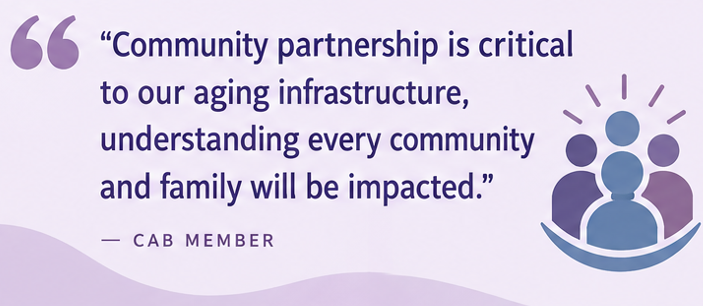
Although members came to the CAB through different pathways and experiences, their reflections point to a shared belief: research is stronger when the people it aims to serve have a meaningful role in shaping it. As one member wrote, “Community partnership is critical to our aging infrastructure, understanding every community and family will be impacted.” Together, these reflections illustrate the important role CAB members play in connecting research with community knowledge, lived experience, and priorities. Their perspectives help researchers better understand the communities they serve while creating opportunities for research to be more relevant, accessible, and responsive to the people whose lives it ultimately seeks to improve.
| Behind the Research: Meet Mallory Morehead, Mass-ENVISION Program Manager | |
Behind the Research: Meet Mallory Morehead, Mass-ENVISION Program Manager
Mallory Morehead's interest in applied research began during her undergraduate studies in anthropology, when she became involved in community-based research focused on neighborhood revitalization in South Memphis, TN. That experience introduced her to the idea that research could do more than generate knowledge. It could illuminate people's lived experiences, inform decision-making, and help communities and systems respond to real-world challenges.
She later earned an MPH in Community Health Sciences from UCLA, where she worked on HIV-related research focused on prevention, retention in care, and the structural factors that influence health outcomes. The work deepened her interest not only in understanding disparities, but also in exploring how interventions can be designed, implemented, and sustained in ways that better meet the needs of the communities they are intended to serve.
"I became increasingly interested in what happens beyond the research itself: how evidence gets translated into programs, how those programs operate in real-world settings, and what it takes to make them responsive to the people they are meant to serve. I wanted to understand that side of the work firsthand."
After completing her MPH, Mallory spent six years working across community health and social impact organizations, managing programs focused on homelessness prevention, housing stability, and healthcare workforce development. These roles provided a close view of the practical challenges involved in delivering services and strengthening systems, while reinforcing her interest in the relationship between evidence, policy, and lived experience.
| | |
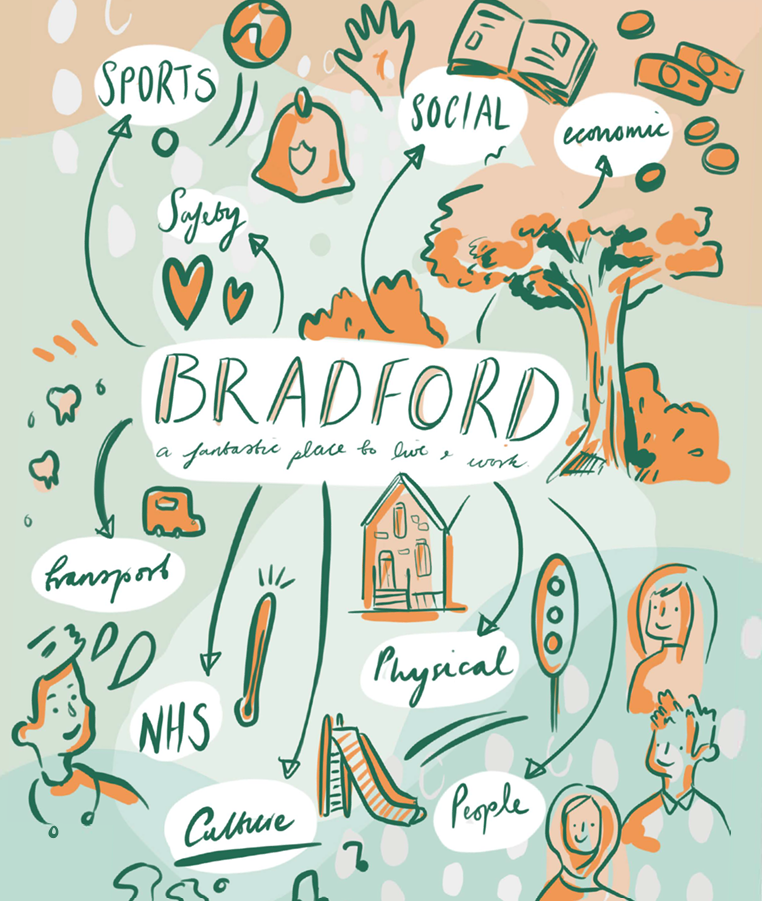
Her interest in the journey from evidence to action eventually took her to the United Kingdom, where she joined the team at Born in Bradford (BiB), one of the world's largest comprehensive longitudinal birth cohort studies. As Program Manager for BiB's Centre for Applied Education Research (CAER), she focused on research translation, helping move evidence beyond academic settings and into schools, local policy, and practice. By connecting researchers, educators, and decision-makers, she supported the use of research findings to inform programs, services, and community priorities.
| | | |
Working in Bradford proved especially influential in shaping how she thinks about the role of research. She collaborated with researchers, schools, local government, health services, and community organizations to address shared local priorities. Through initiatives such as Act Locally, a community-led approach that uses evidence to inform place-based interventions, she gained firsthand experience navigating the complexities of partnerships among stakeholders with different goals, expertise, and perspectives.
"CAER really changed how I think about the journey between generating evidence and actually using it. It gave me a much deeper appreciation for how complex that process can be," she says. "It's one thing to produce strong research. The more challenging, and often more interesting, part is understanding who needs that information, how it should be communicated, and what it takes to put it into practice."
The experience also reinforced her appreciation for serving as a bridge between different groups. "I enjoy working across disciplines and sectors to understand what each group needs. Researchers, policymakers, practitioners, and community members don't always speak the same language or share the same priorities, and it's incredibly rewarding when you can help bring those perspectives together."
| | |
Across these varied roles and settings, a common question has guided Mallory's work: how can research and evidence be translated into meaningful action that benefits the people and communities it is intended to serve? Today, she brings that perspective to her role as Program Manager for Mass-ENVISION, where she supports the program's mission to develop the next generation of researchers focused on Alzheimer's disease and related dementias.
What she has especially valued about Mass-ENVISION and the RCMAR network is the opportunity to support scientists earlier in their careers as they develop their research questions, expertise, and professional paths.
"I've had the opportunity to work alongside researchers across a wide range of career stages and settings, and what continues to inspire me is the curiosity and enthusiasm they bring to their work. One of the most rewarding aspects of my role is watching ideas take shape, seeing researchers grow in confidence, and knowing that I can play a part in supporting that journey."
| | Mass-ENVISION Scientists' Accomplishments | | |
The impact of Mass-ENVISION extends well beyond the program. Our RCMAR scientists continue to advance innovative research, secure new opportunities, and translate their work into meaningful contributions to the field of Alzheimer’s disease and related dementias. We are proud to highlight a few recent accomplishments from members of our growing Mass-ENVISION community:
- Liliana Ramirez-Gomez became the Associate Chief for the Division of Memory Disorders at Mass General Brigham Department of Neurology
- Tony Pham was awarded an R21 grant from the National Institutes of Health (NIH) and selected as incoming Chair for the Society of Behavioral Medicine's Integrative Health and Spirituality Special Interest Group
-
Alex Presciutti was promoted to Associate Professor of Rehabilitation and Human Performance at the Icahn School of Medicine at Mt. Sinai, and awarded an R01 grant from the NIH for his study, the COMA Family Program (COMA-F): A multi-site clinical trial of a resilience program for caregivers of patients with severe acute brain injury
- Malena Price was awarded an NIH K12 Mentored Clinician Scientist Career Development Award
- Natalia Giraldo-Santiago and Christopher Webster received Extramural Loan Repayment Program (LRP) awards from the National Institute on Aging (part of the NIH)
-
Christopher Webster was selected as an Emerging Scholars Program Fellow with the Black Men’s Brain Health Institute, and he is now Senior Researcher and Psychological Services Provider at the United States Olympic and Paralympic Committee
| | | | |