|
Can you describe your work?
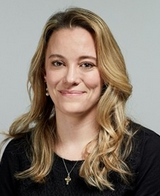
As the Vice President of Operations for the Hale Family YMCA in Quincy, I provide strategic leadership and oversee the overall administration of both the Hale Family YMCA branch and the South Shore YMCA Germantown Neighborhood Center.
In addition to my operational responsibilities, I serve as the Medical Wellness Director for the South Shore YMCA Association. In this capacity, I lead the development, implementation, evaluation, and growth of our Evidence-Based Health Interventions, Medical Wellness Programs, and Community Health Initiatives. My role also includes enhancing community awareness and engagement in these critical health services. Our portfolio of programs includes Blood Pressure Self-Monitoring, YMCA’s Diabetes Prevention Program (CDC Full Recognition), Diabetes Self-Management Education, and much more. These initiatives are designed to improve health outcomes, promote wellness, and support individuals across our community in leading healthier, more active lives.
How did you get into work related to diabetes?
My journey with the South Shore YMCA began in 2009 when I joined as the Assistant Health & Well-being Director. A few years into my tenure, I had the opportunity to contribute to the Quincy Weymouth Wellness Initiative, a transformative, million-dollar grant-funded program—marking a pivotal moment in my career and the beginning of my deeper involvement in community health and wellness initiatives.
What do you like most about your job?
My role at the branch keeps me constantly engaged — no two days are ever the same. The opportunity to make a meaningful impact through our programs and services is both energizing and deeply fulfilling. Being part of initiatives that positively influence the community continues to inspire and motivate me every day.
What motivates you to do work related to diabetes?
What motivates my work in diabetes prevention and management is the profound and lasting impact it has on individuals, families, and the broader community. Diabetes is a complex and often life-altering condition, but through education, early intervention, and supportive programming, we can empower people to take control of their health and improve their quality of life. Seeing participants gain confidence, adopt healthier habits, and experience measurable improvements in their well-being is incredibly rewarding. .
What guidance or “lessons learned” would you give other health professionals working in the diabetes space?
Meet People Where They Are. Every individual’s journey with diabetes is unique. Tailor your approach to their readiness, cultural background, and personal goals. Empathy and active listening go a long way in building trust and engagement.
Want to nominate a diabetes professional, organization, or project for this spotlight series? Please email Julie.Eisen@mass.gov.
|