August 2025 Canine Newsletter


Hi Everyone,


This month, I'm passing the mic to Jim!


Weda, our awesome bookkeeper, dropped by with her dog Jojo. You might recognize Jojo from his modeling days in the Beyond Dog Massage book. He’s a little older now, and we can tell - he’s got that classic “I’m skipping a step” senior strut, sometimes lifting a leg or lagging just a bit.


Usually, Jim visits them at home to work his magic. But today, with Jojo here, he jumped at the chance to get hands-on.


In this video, Jim walks you through three real-time techniques: Lumbar Release, Lateral Rocking, and Hind Limb Movement (while lying down). Watch how he flows from one move to the next. Jojo’s loving it, and you’ll learn a lot.


I’m so glad Weda and Jojo stopped by! The best way to watch this video? With your dog chilling next to you. Follow along with Jim and see how your own pup responds.


You are in good hands. I'll sign off and see you next month!


Keep using these techniques on your 4-pawed family members, your friends' dogs, and your neighbors' pets!


Conley


Fascinating Fascia


Fascia used to be a secret. Nowadays, the cat, or should we say the "dog" is out of the bag, and it's the word on everyone's lips. Fascia is a thin layer of connective tissue that's wrapped around every muscle fibre, organ, nerve, bone, and soft tissue in the body.


The importance of fascia, other than holding it all together, is that it's a communication system that can tell us where a dog (or ourselves, for that matter) is holding tension. But fascia doesn't just indicate physical tension; when the body experiences stress, the nervous system can trigger fascial tightening as a protective mechanism. This can happen in response to both physical and emotional stressors. 


In the clip below, Kalin Finsand helps unpack this: sometimes what we see as a physical pattern is the body holding on to emotional layers, fear, stress, or survival responses from the time of injury. It's fascinating!


Dr. Robin Robinett, DVM

From Beyond Dog Massage: Page 169

"Lameness and Holding a Leg Up"


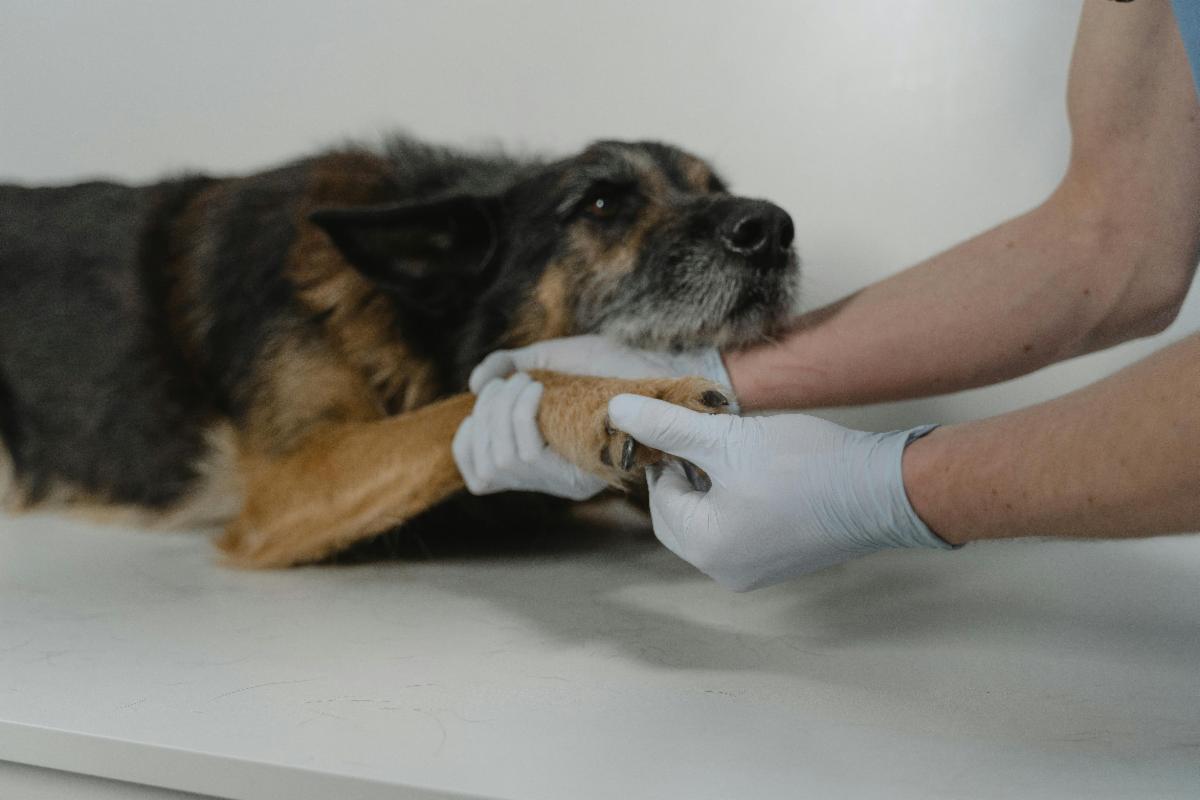
At some point, many of us have seen our dog limping or holding up a leg, clearly not feeling their best. This may be a result of a recent or acute injury, but may also be due to aggravation of an older issue. No matter the cause, the first port of call should be to get it checked out by a vet to first try and diagnose the cause and receive any treatment that might help with inflammation and pain. Once you've had the all-clear, supporting your dog with bodywork will help with overall motion and reduce pain.

What's important to remember is to use a very light touch over the affected area and pay close attention to your dog's body language and reaction to your touch. If you're asking for movement in the affected leg, don't ask for too much too soon, and go at your dog's pace.


Maintaining mobility in the muscles, tendons, and ligaments around the injured joint is important for healing and function, but take your time. Healing takes patience, not persistence!


Techniques to use depend on whether the lameness or limping is in the front or back leg, but releasing tension in the back can help with either.


For more bodywork techniques to help address lameness issues, check out pages 169-170 in the Beyond Dog Massage book


MM Canine Bodywork Facebook Page


Woof & Answer Wednesday


Question: My dog doesn’t really like giving me his paw — he pulls away or licks my hand like he’s nervous. Why is he so uncomfortable with this?


Answer: Many dogs are naturally sensitive about having their front legs and paws handled. This can come from sore paws, past experiences with their legs being pulled on, or simply because the front limbs are an area where they hold a lot of tension.


When working with The Masterson Method, it’s important to use a soft, respectful approach. Gently invite your dog to give you their leg - no grabbing - and always be ready to yield if they pull away. Keep sessions short, watch for subtle signs of tension release, and adjust as needed to keep them feeling safe.


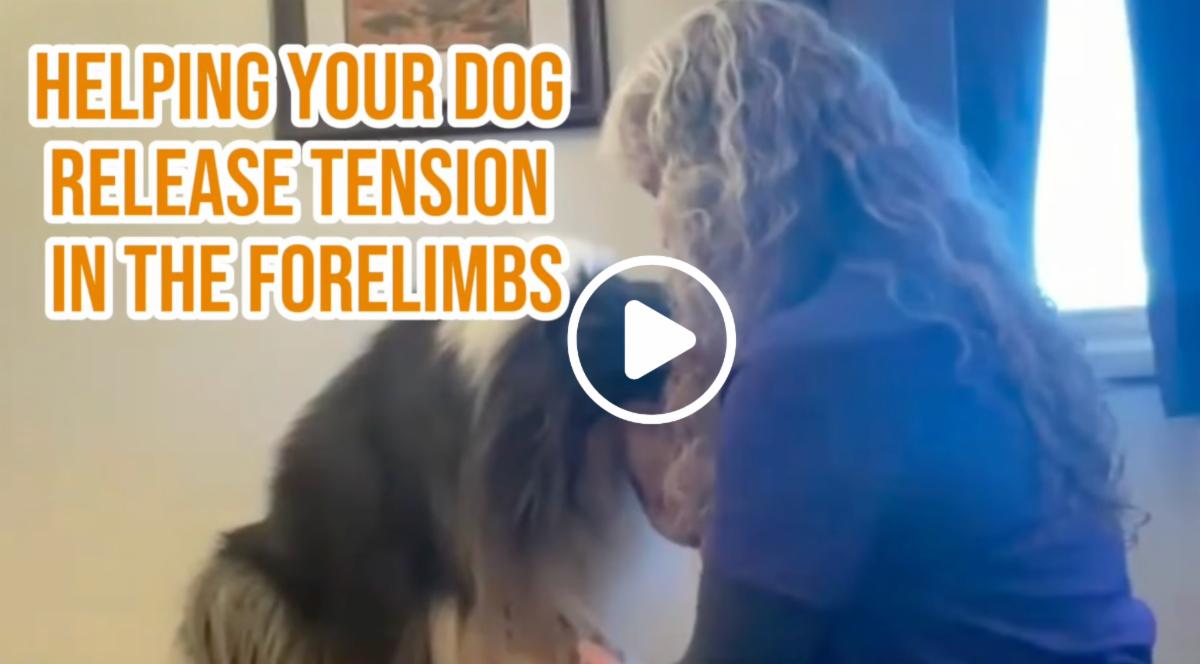
Here’s a clip of Valissa Willwerth demonstrating the Forelimb Movement Technique. Notice how lightly she invites movement and how she responds immediately to the dog’s signals.


Canine Zoom Courses for 2025


Read and Release Courses

(First in the Series)


Read and Release is the first course to start your journey with The Masterson Method Canine Bodywork. Enjoy learning from the comfort of your home.


Students will learn to recognize and use their dog’s visual responses to find and release tension. These visual responses give you insights into your dog’s physical and emotional needs. In this course, you and your canine companion will build connection, enhance movement, and improve comfort.


Saturdays at 11:00 am CT, September 6, 13, 20, 2025 with Stef Watts


Introducing Movement Courses

(Second in the Series)


Introducing Movement is your next step after completing the Read and Release Course.


Adding to the foundation of using touch effectively and understanding what your dog is communicating, you are ready to start applying Masterson Method Movement Techniques. In this course, you will learn all movement techniques from the Beyond Dog Massage book and help your dog with easier and more natural movement.


Saturdays at 11:00 am CT, October 4, 11, 18, 2025 with Stef Watts

If the course you are interested in is full, please email dog@mastersonmethod.com and we will add you to the wait list.


Facebook  Instagram  YouTube