July 2025 Canine Newsletter


Hi Everyone,


This month Jim and I are celebrating Jupiter’s Second Birthday!


From Puppy Mayhem to Trail-Ride Teamwork

Our boy Jupiter turns two on July 7th—can you believe it? It’s hard to say if the “terrible twos” apply to dogs, but one thing’s for sure: his antics aren’t from lack of knowledge anymore. These days, he knows exactly what he’s doing... and he’s testing just how much he can get away with!


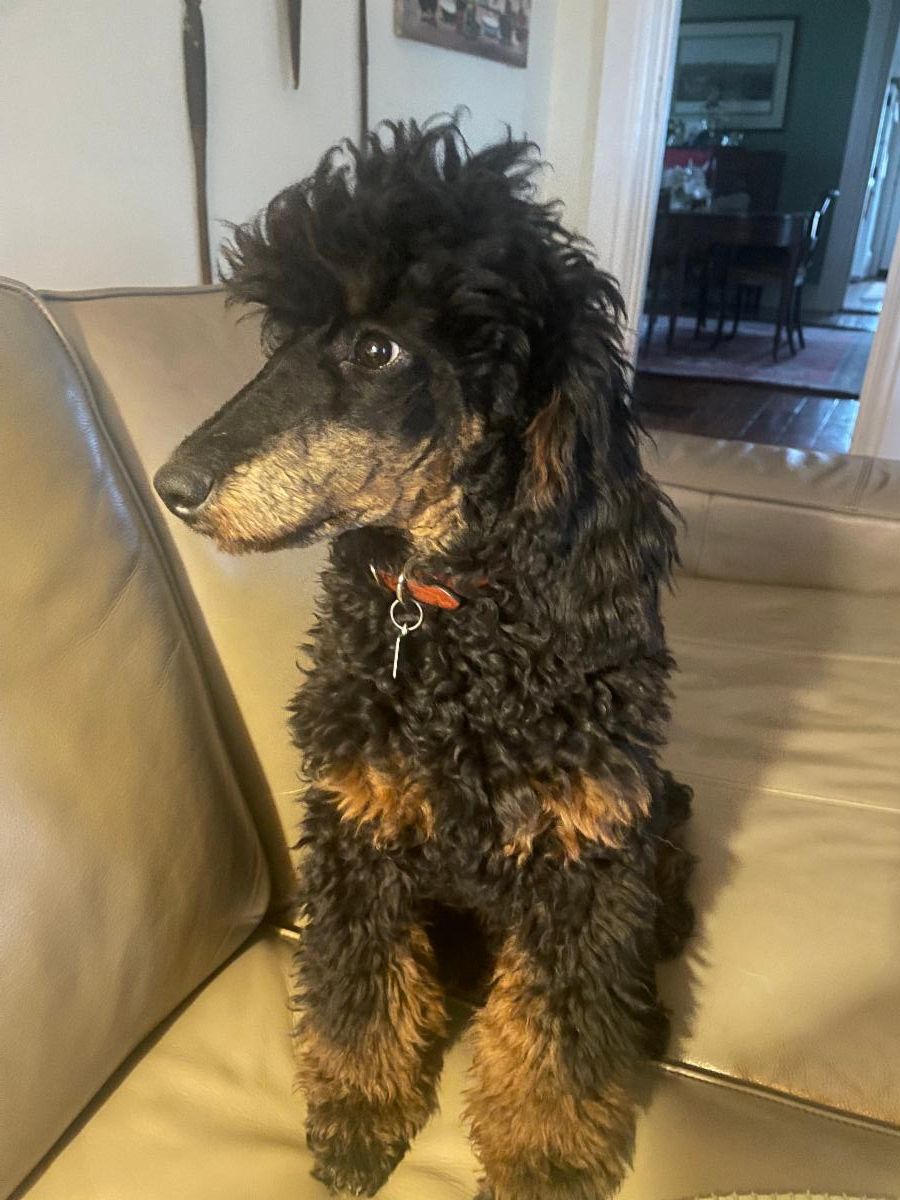
From shy to sly—Jupiter at 4 months old, still finding his footing and sticking close to Nellie’s side.

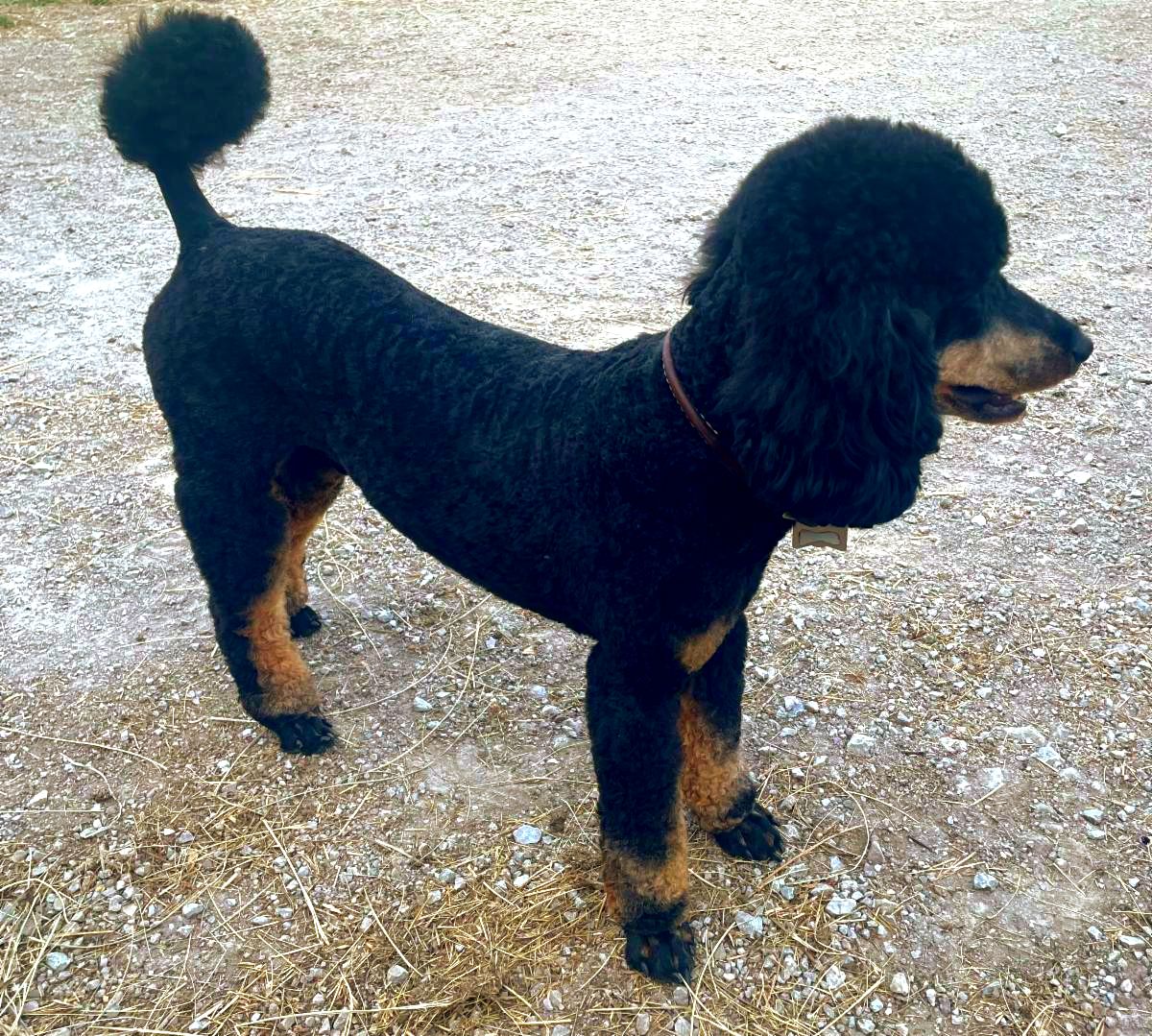
Confident, curious, and a little too clever—Jupiter today, all grown up and always looking for his next adventure.

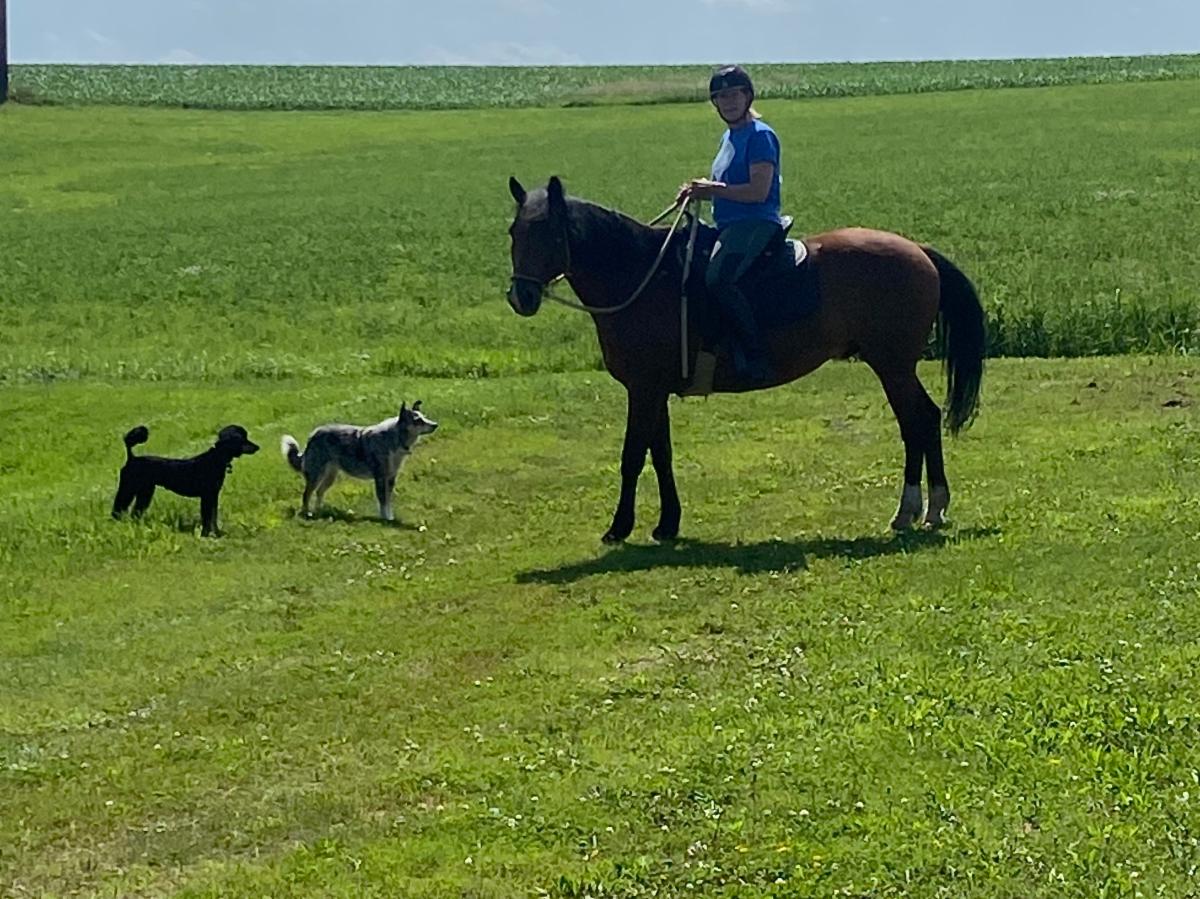
Jupiter has come so far—from a scared little puppy to a confident, bold adolescent. Keeping him engaged (and out of trouble) has been no small feat. But now, with the addition of our two horses, I’ve discovered a wonderful rhythm: I can head out on the trail and exercise both the horses and the dogs in one go. It’s a real joy—and a great way to burn off that boundless energy.

Raising a puppy has been a completely different experience for Jim and me—we were used to older rescue dogs, and to be honest, I’m not sure we’d go the puppy route again. It’s been a full-time project!


Luckily, we had an amazing teacher on staff: Nellie. She’s done more for Jupiter’s training than I ever could. Her calm, obedient, and sensitive nature has set a steady example, and Jupiter follows her lead with admiration. She’s been his mentor, his anchor, and—truly—the real MVP of this journey.


Three cheers for Jupiter!

Here’s to a year filled with new adventures, muddy paws, cozy snuggles, and all the fun a young dog can dream of. Happy 2nd birthday, my sweet dog—you’ve earned every hug coming your way!


Until the heat of August,


Enjoy your pups!


Conley


From the Dodo Website: Getting Ready for July 4th


As I researched the best information for this newsletter on how to prepare and live through the 4th of July with your dog, the best information came from the Dodo website. I thought I would just copy the full article here:


Directly from the Dodo Website:


The Fourth of July can be super stressful for dogs — things like exploding fireworks and unusual crowds outside can throw them into a literal frenzy.

“Every year dogs jump through windows, break through screens, dig out of their houses and put holes in walls because they’re so frightened,” Dr. Ann Hohenhaus, a veterinarian at Animal Medical Center in New York City, told The Dodo.


In fact, July 4th is the most common day of the year for dogs to go missing. It shouldn't come as a surprise — dogs don't know the reason behind those giant bangs like we do, so when they hear them they think something really dangerous is happening.


It's important to be prepared, so here are some vet-recommended Fourth of July tips for dogs to keep them calm and (relatively) stress-free this holiday.


Keep your pet calm and safe with these 4th of July tips for dogs


The best way to calm your dog from fireworks is to keep her at home. Even if you’re absolutely certain she’s OK with loud noises, even the calmest dogs can sometimes panic when they hear or see those big bangs.


Here's how to make your home a dog-friendly space:


1. Plan extra exercise

According to Dr. Hohenhaus, it’s a good idea to plan extra exercise for your dog during the day on July 4th. “This is so she’s tired and will want to hit the sack early,” Dr. Hohenhaus said, which can make your pup less likely to react during the evening’s celebrations.


2. Provide a safe and familiar environment for sleeping

“The safest place is his crate,” Dr. Hohenhaus said. To try to filter out the sounds outside, it’s a good idea to close the windows — and don’t forget to close the curtains too to keep out flashes of light, which can also startle your pup. Provide some background noise — like a TV, radio or air conditioner — to drown out the booming fireworks.


3. Calming products are worth a try

According to Dr. Hohenhaus, using essential oils can help destress your dog. “Rub lavender oil on your dog’s ear flaps or use one of the pheromone products designed to mimic the comfort signals a mother dog sends to her puppies,” Dr. Hohenhaus said.


You can also get a weighted anxiety jacket — like a ThunderShirt — for your dog. These hug your dog in all the right places, reducing stress and calming his nerves.


Another calming product to consider is the iCalm Dog speaker made specifically for dogs. It taps into their amazing sense of hearing and plays calming music to ease all those anxious feelings.


4. Consider desensitization of your dog.

If you have enough time, you can try desensitizing your dog by playing a recording of firework noises while doing something fun with him, so he learns to associate the noises with good things.


“The volume is gradually increased while your dog becomes used to the noise,” Dr. Hohenhaus said. “If you need help with this endeavor, you should consider a consultation with a veterinary behavior specialist. This project requires time, and you have plenty of time to start now for next year.”


Extra precautions to keep your dog calm on the 4th:


While taking all of these steps can help ease your dog’s anxiety this July, it’s always good to be prepared just in case the worst happens and he does run away. Dr. Hohenhaus suggests taking some extra steps so you’re prepared to jump into action if your dog goes missing.


  • Make sure that your dog is microchipped and registered with up-to-date contact information.
  • Make sure your dog’s tags are up-to-date.
  • Be sure you have a recent photo of your dog in case you need to make a lost pet poster.


If you still have reason to worry, or if your dog has a history of serious anxiety or of panicking around fireworks, Dr. Hohenhaus recommends seeing your veterinarian to discuss using a tranquilizer or prescribed dog anxiety medication on the Fourth of July.


“Remember, your veterinarian will want to see your dog, get an accurate weight and determine the appropriate medication to prescribe,” Dr. Hohenhaus said.


With the above recommendations, hopefully you and your dog can have a calm and stress-free Fourth of July!


"As a side note: We used the Thunder Shirt (stated above) for Popper (the red Aussie in the Beyond Dog Massage book) and had great results. Popper was terrified of lightening and thunder, and swaddling her with a Thunder Shirt took the edge off."


Dr. Robinett DVM: Dog's Subtle Responses to

the Masterson Method Bodywork


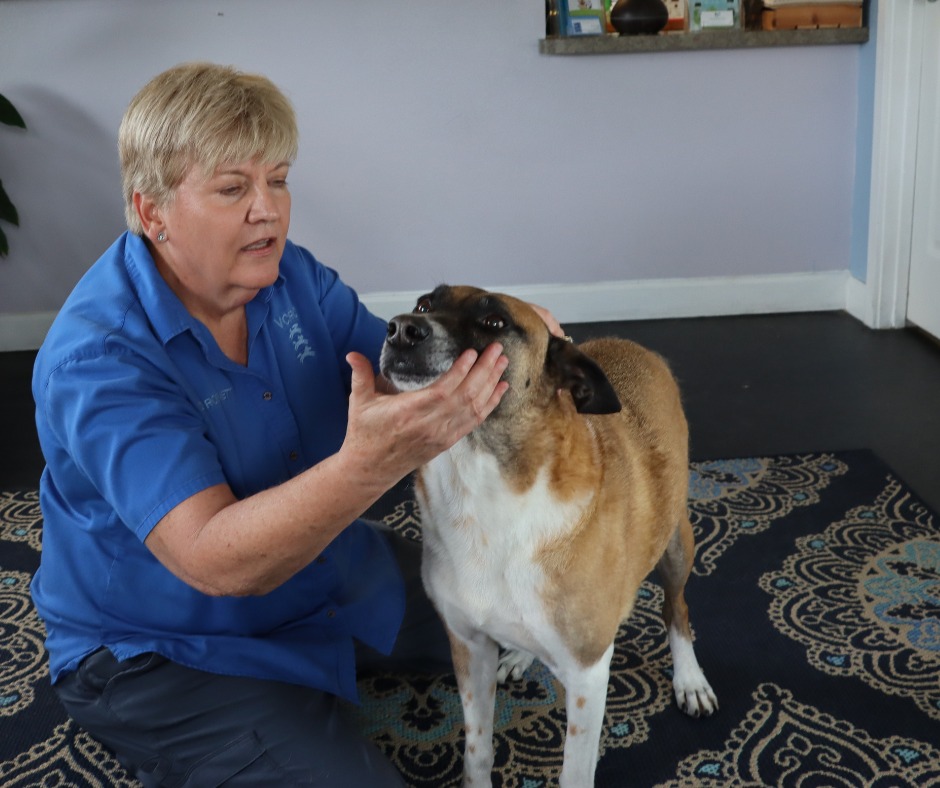
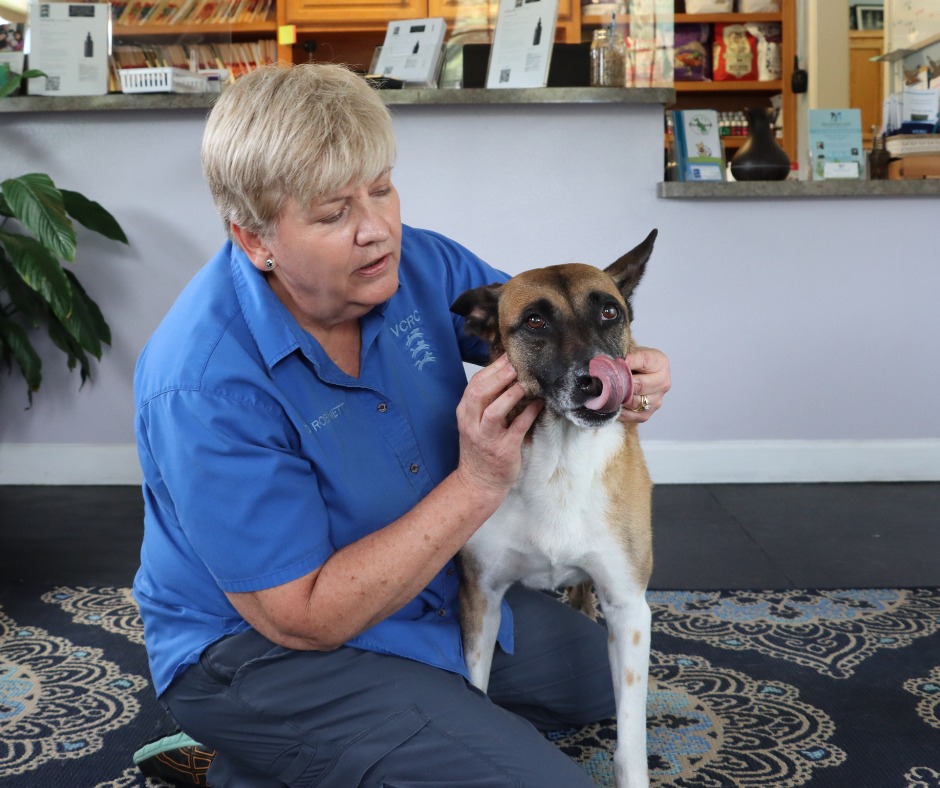
Have you ever noticed your dog’s quiet ways of communicating where they have tension or discomfort?


Dogs are always communicating, but their responses are often so subtle that we can miss them if we’re not paying attention. When we use The Masterson Method with our dog, we slow down and soften our touch, allowing us to notice even the smallest shifts—like a blink, a sigh, a change in breathing, or a tiny muscle twitch. These responses tell us where they’re holding tension and when they’re ready to release.


By learning to read our dog’s subtle responses to touch, we develop a deeper understanding of how they feel and what they need. This awareness strengthens our connection, as the dog realizes we are listening in a way they understand.


By adapting our touch to their comfort—so they don’t feel the need to brace against it—we create a space of trust and connection. The more we tune in to their subtle cues, the more we can help them release deep tension in their bodies.


Dr. Robin Robinett, DVM

From Beyond Dog Massage: Page 171

"Needs Assistance to Stand"


"I will get dogs referred to me because they are having problems standing up and need assistance because of suspected hind end issues and that their hind legs have finally given out on them.


After examining them, often I find that they have been compensating for hind end problems for so long, that now their front end is the secondary problem because it has given out and can no longer compensate for the weak hind end that is the primary problem. After releasing tension in the neck and front limbs, they can again pull themselves up with the front legs.


Make sure to release tension over the hind end and back for these dogs as well, but at this point it was the front end giving out causing the problem. Sometimes the chronic or old hind end issue may not be the reason they can’t stand up without help in these cases, so make sure to release the front end with hind end problems!"


MM Canine Bodywork Facebook Page


Woof & Answer Wednesday


Question: My dog is very active during the day—running, jumping, and playing non-stop. Lately, I’ve noticed he seems a little stiff in his back legs after resting. Could this be from all his activity, and is there something I can do to help?


Answer: Yes! Active dogs, especially those that run, jump, and make quick turns, can develop tension in their hind limbs. Gentle techniques like the Lower Limb Movement Technique, demonstrated here by Instructor Stef Watts, can help release that tension and improve mobility. Notice how she applies the technique while the dog is standing, working with the leg from the opposite side for better support and control.


The key is to gently "loosen" things up while paying attention to your dog's responses:


  • Keep the leg in a fully relaxed state—this is not a stretch, and there should be no pulling during extension.
  • If your dog tenses or has difficulty with a movement, adjust by moving in another direction, then gradually return to the more difficult one.
  • Watch for blinks, fidgets, or subtle changes in behavior—these indicate your dog is feeling something. Soften your touch, slow down, and gently go back and forth through that part of the movement.


With patience and a light touch, small, mindful movements like the Lower Limb Movement Technique can help your dog stay comfortable and ready for more adventures!


Canine Zoom Courses for 2025


Read and Release Courses

(First in the Series)


Read and Release is the first course to start your journey with The Masterson Method Canine Bodywork. Enjoy learning from the comfort of your home.


Students will learn to recognize and use their dog’s visual responses to find and release tension. These visual responses give you insights into your dog’s physical and emotional needs. In this course, you and your canine companion will build connection, enhance movement, and improve comfort.


Fridays at 6:00pm CT, August 1, 8, 15, with Amelia Nalli

Saturdays at 11:00 am CT, September 6, 13, 20, 2025 with Stef Watts


Introducing Movement Courses

(Second in the Series)


Introducing Movement is your next step after completing the Read and Release Course.


Adding to the foundation of using touch effectively and understanding what your dog is communicating, you are ready to start applying Masterson Method Movement Techniques. In this course, you will learn all movement techniques from the Beyond Dog Massage book and help your dog with easier and more natural movement.


Wednesdays at 11:00 am CT, July 16, 23, 30 with Kalin Finsand

Mondays at 6:00pm CT, July 21, 28, Aug 4, with Valissa Willwerth

Saturdays at 11:00 am CT, October 4, 11, 18, 2025 with Stef Watts


If the course you are interested in is full, please email dog@mastersonmethod.com and we will add you to the wait list.


Read and Release Course Testimonial


We loved hearing about Dana's experience after the Read and Release Online Course. She shared how it has totally changed both her dogs; laid-back Beau and anxious, sensitive Daisy, in totally opposite ways.


Listen in!


Facebook  Instagram  YouTube