Math Matters in Region 10
August 2025
| | | | We're excited to welcome everyone to the 2025-2026 school year! The mission of Region 10 is to be a trusted, student-focused partner that serves the learning community through responsive, innovative educational solutions. We're here to support you in all that you do, and we look forward to working with you this year. | | Meet Your Math Consultants | | |
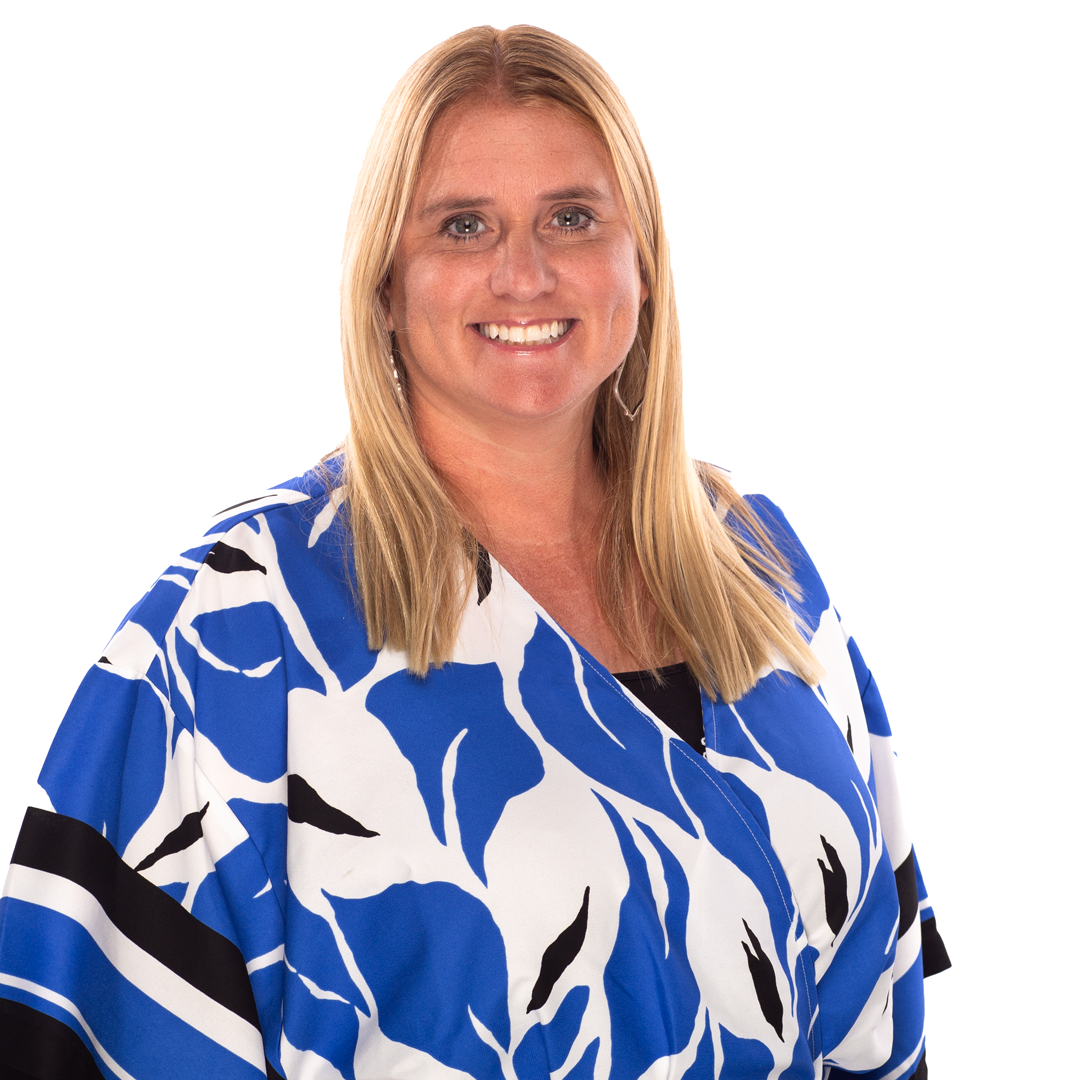
Kendall Veazey
Elementary Math Consultant (Grades K-5)
972-348-1494
kendall.veazey@region10.org
Kendall's passion is sharing learning to inspire educators with the love of math all students deserve. She has been an elementary teacher, district math coach, and campus math coach. Outside of work, Kendall enjoys spending time with her daughter, dog and cat.
| | |
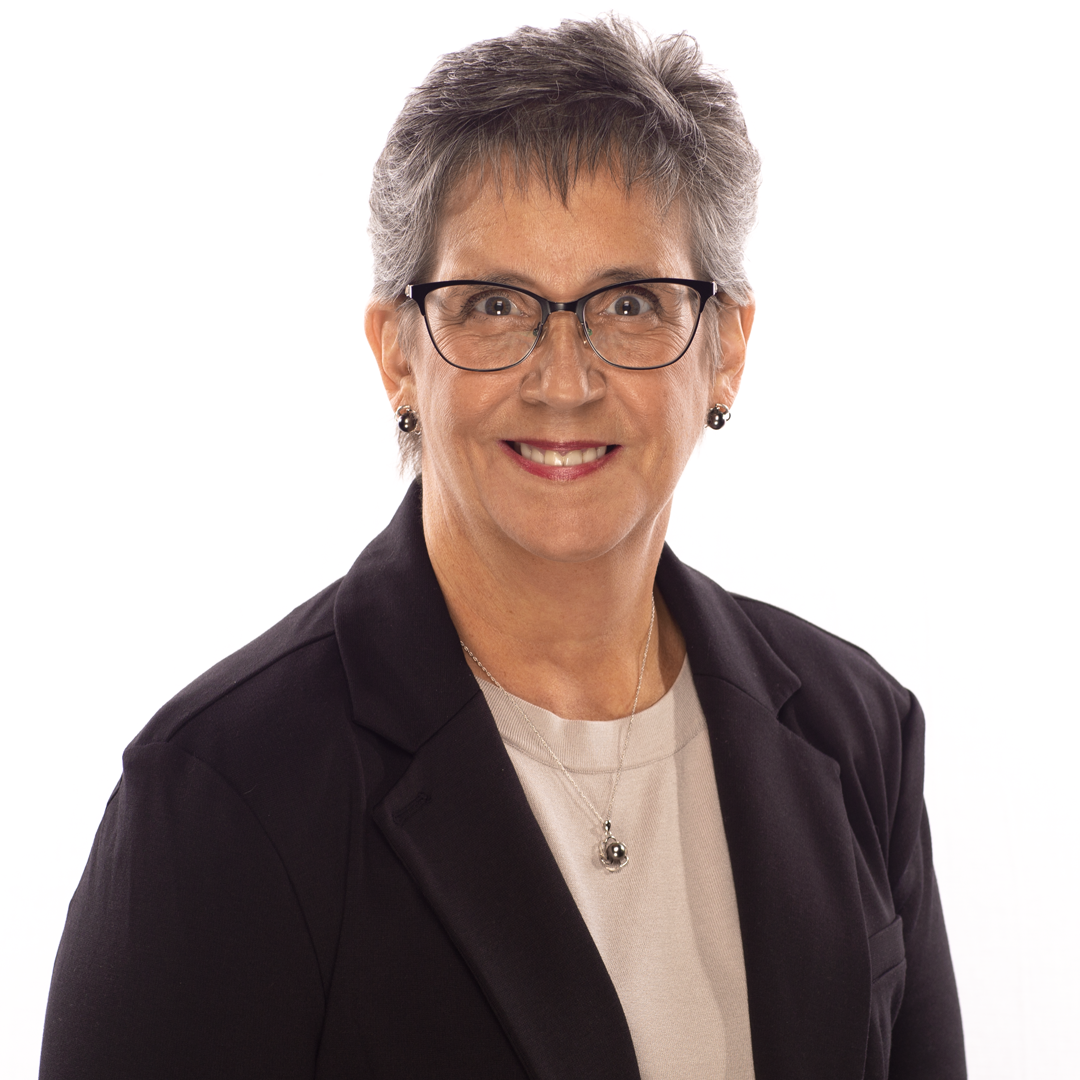
Julie Hills
Elementary Math Consultant (Grades K-5)
972-348-1470
julie.hills@region10.org
Julie has over 19 years of experience in education, serving as an elementary assistant principal and district curriculum coordinator. She supports districts in implementing curricular resources with strategic, campus-level planning. Outside of work, Julie enjoys weekends with her husband, Brian, and their Golden Retriever at their property in eastern Oklahoma.
| | |
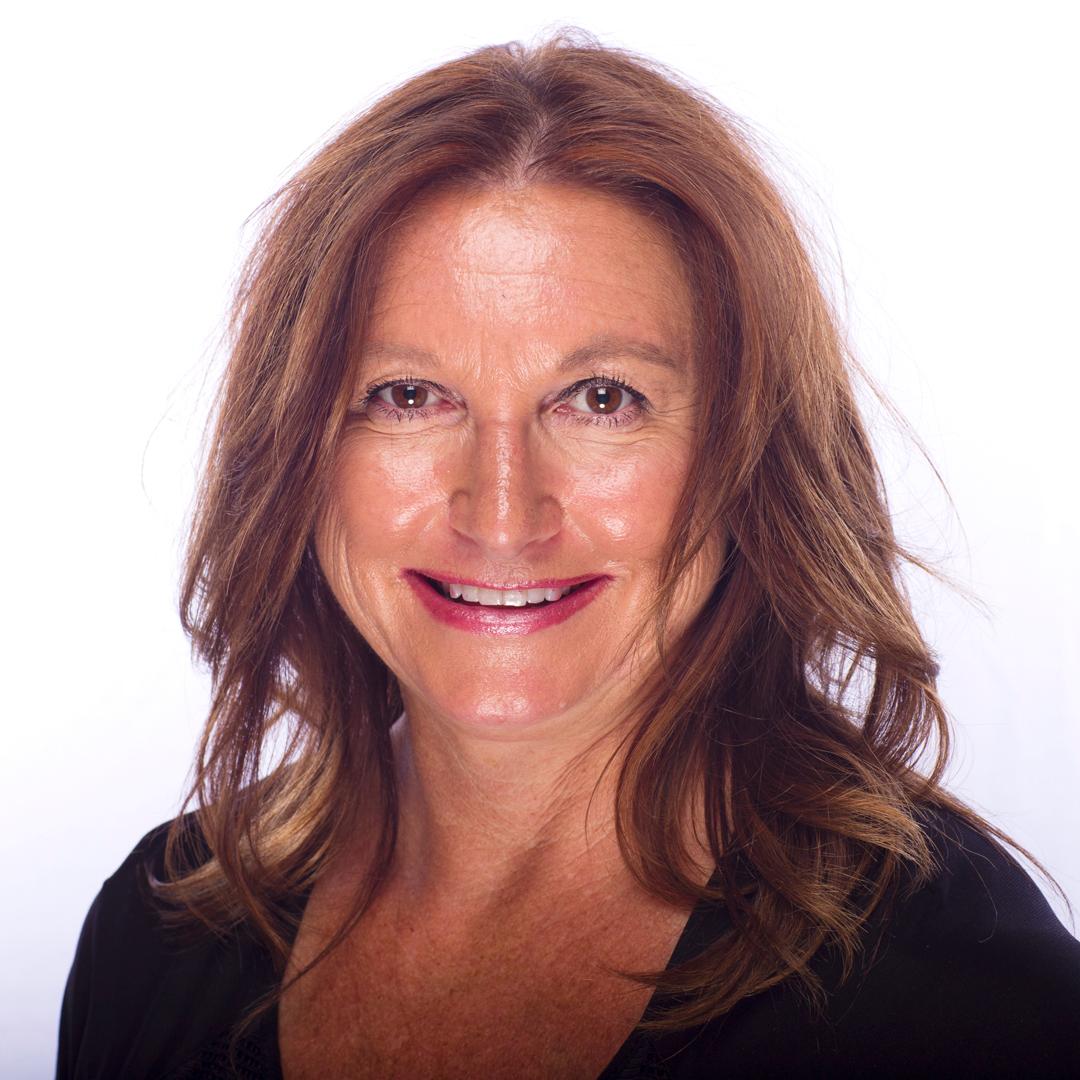
Julie Frizzell
Secondary Math Consultant (Grades 6-12)
972-348-1186
julie.frizzell@region10.org
With 40+ years of educational experience, Julie loves learning and sharing what she's learning with others. Julie has taught middle school, high school, and a little bit of college math, has been a team leader, department chair and instructional coach. Outside of work, Julie enjoys baking and spending time with her grandchildren.
| | |
Darcie Midkiff
Curriculum Support Consultant (K-12 Math)
972-348-1274
darcie.midkiff@region10.org
Darcie’s passion is helping teachers implement curriculum with confidence so they can focus on what’s best for students. She has over 30 years of experience in education, including 17 years teaching 8th grade math, followed by roles as a district math facilitator and curriculum support specialist. Outside of work, Darcie enjoys all things outdoors—especially pickleball, golf, disc golf, kayaking, fishing, hunting, and gardening.
| | |
Bluebonnet Learning, developed by the Texas Education Agency (TEA) and approved by the State Board of Education (SBOE) as official curriculum resources, offers state-developed instructional materials that are 100% aligned with the Texas Essential Knowledge and Skills (TEKS).
Strong Foundations Implementation (SFI) provides direct grant funds to local educational agencies (LEAs) for technical assistance to support the high-fidelity implementation of the Bluebonnet Learning Instructional Materials.
We're here to support you in the implementation of your curriculum. If you have specific questions related to Bluebonnet Learning or the Strong Foundations grant, please reach out to Dr. Nina Thomas at 972-348-1025 or nina.thomas@region10.org.
| | |
Upcoming Learning Opportunities
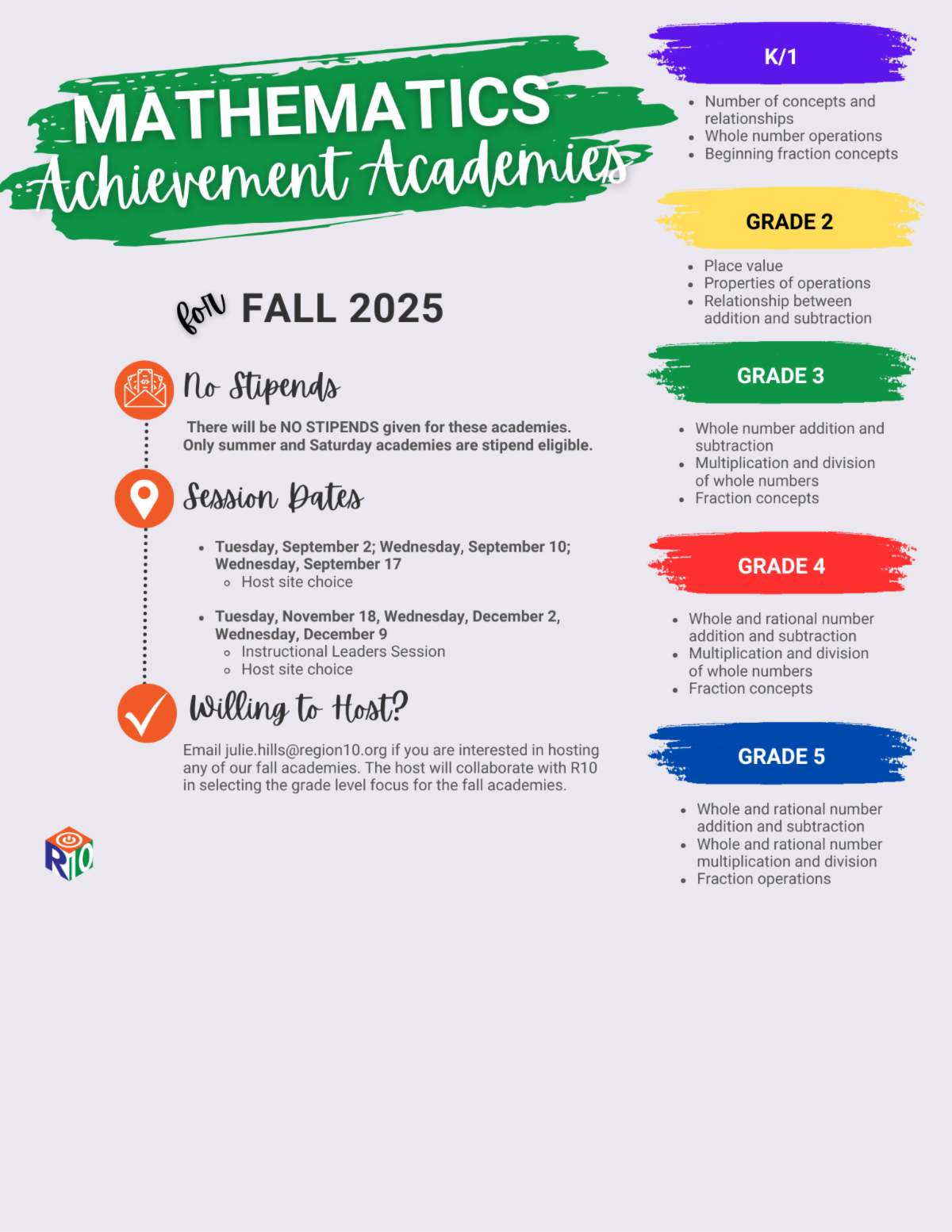
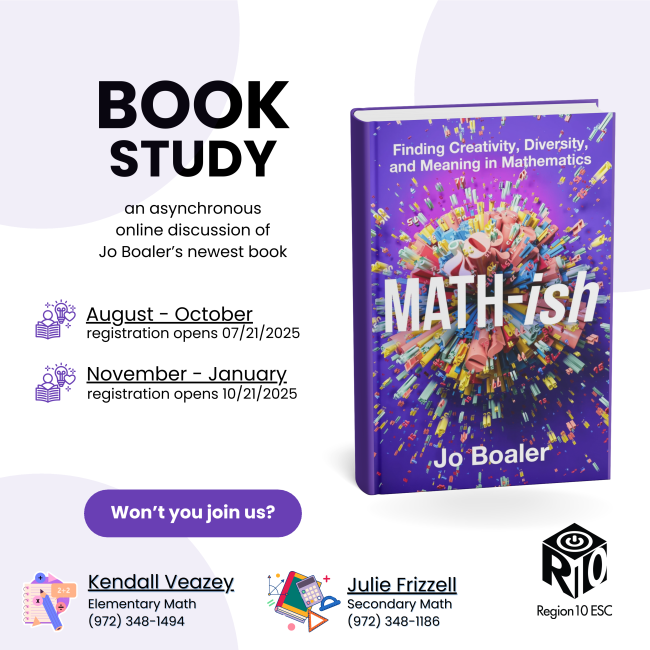
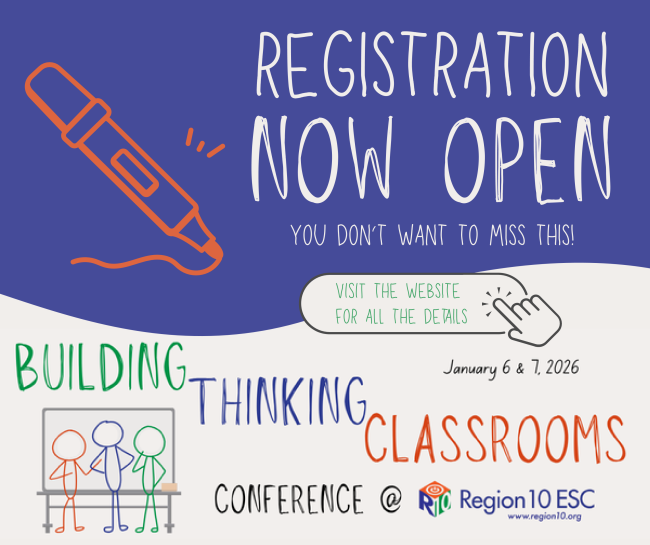
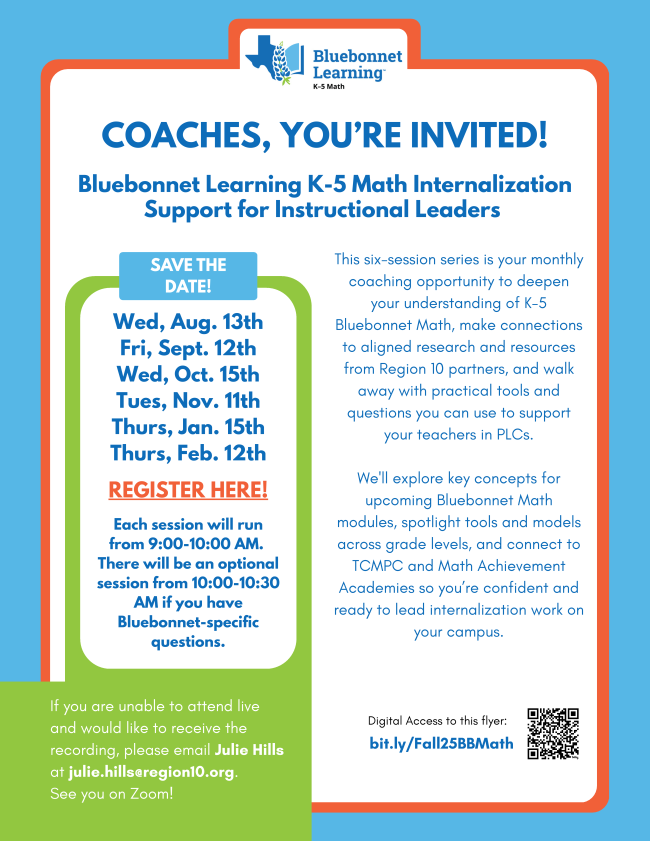
Click on the images for additional information.
| |
|
🎒 School is back in session—and it's the perfect time to plan something fun, inspiring, and energizing to break up the fall semester!
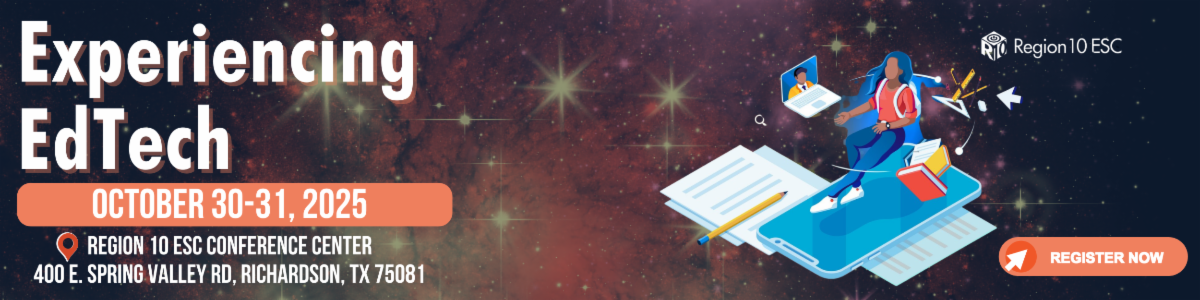
🌟 Join us for the 2025 Experiencing EdTech Conference, hosted by Region 10! This year, we’re expanding to TWO full days of innovation, collaboration, and practical edtech strategies you can use right away.
📅 Dates: October 30–31, 2025
📍 Location: Region 10 ESC, Richardson, TX
Whether you're in curriculum, instructional leadership, edtech integration, or student support services, this event is designed for leaders like you. Strands cover Generative AI, Edtech Strategies, and Supporting Unique Learners (EBs, SPED, etc)!
🎥 Catch a glimpse of the energy and impact from last year’s event:
👉 Watch the 2024 Experiencing EdTech Recap! https://lnkd.in/gT6QmCsM
🖊️ Ready to present? Our Call for Proposals is still open! Share your insights, tools, and success stories:
👉 Submit a Proposal: https://lnkd.in/gEnVDJ4x
🎟️ Register today and join us in shaping the future of digital learning!
👉 Register for Experiencing EdTech 2025: https://lnkd.in/guKvkpnX
| | | | Public Hearing on Mathematics Instruction Framework | | | | The State Board of Education (SBOE) Ad Hoc Committee on Mathematics Instruction Framework held a public hearing on Friday, July 25, 2025, at 9:00 a.m. in Austin, Texas. Public testimony registration opened on July 22, 2025, and closed on July 23, 2025. The committee was interested in feedback on topics such as the effectiveness of current TEKS in promoting mathematical fluency and conceptual understanding, existing gaps, and how to improve math scores and teacher preparation programs. The recorded meeting can be viewed online here. | | | What Have We Been Learning? | | |
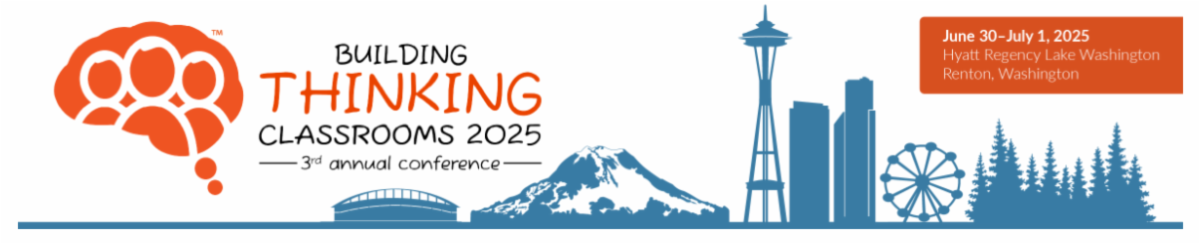
This summer, we (Julie and Kendall) had the incredible opportunity to attend the 3rd annual Building Thinking Classrooms (BTC) Conference in Renton, Washington. “Incredible” might even be an understatement! The event was filled with energizing sessions, and several were led by none other than Peter Liljedahl himself. Each time he presents, he brings new insights—whether it's a fresh task, updated research findings, or evolving perspectives on the 14 BTC practices. It’s clear he continues to refine this work in real time, shaped by his experiences with students and educators around the world.
Peter closed the conference with a powerful question:
"How do you know your students are better at math at the end of the year than they were at the beginning?"
In ELAR, this question often feels easier to answer—students read more fluently, write more thoughtfully, and analyze more deeply. In math, however, our conversations tend to center on whether students know more math, not necessarily whether they’re better at doing math.
But why shouldn’t they be?
| |  | |
In ELAR, instruction is competency-based: reading, inferring, synthesizing, connecting—the -ings of literacy. In math, while our grade-level standards are often content-based, we do have -ings too: analyzing relationships, selecting tools, representing ideas, and communicating thinking. These are our process standards, and they represent the core competencies of mathematical thinking.
The 14 BTC practices are designed to build those competencies. They help students become better thinkers, not just better memorizers. And when that happens, teachers can confidently say that students are better at math by year’s end—not just because they’ve learned more, but because they can do more.
Peter also shared some evolving ideas about the BTC practices and how they might be grouped into different toolkits. We’d love to hear your thoughts on those proposed refinements!
Other session highlights included:
- Strategies for thin slicing your curriculum,
- Ideas for using math games to support BTC implementation,
- Ways to use student data to embed cross-curricular content into thinking tasks.
If any of those topics spark your curiosity, we’d love to chat more—just reach out!
| | | | |