Physical Fitness + Sports Month
HIV Long-Term Survival
|
|
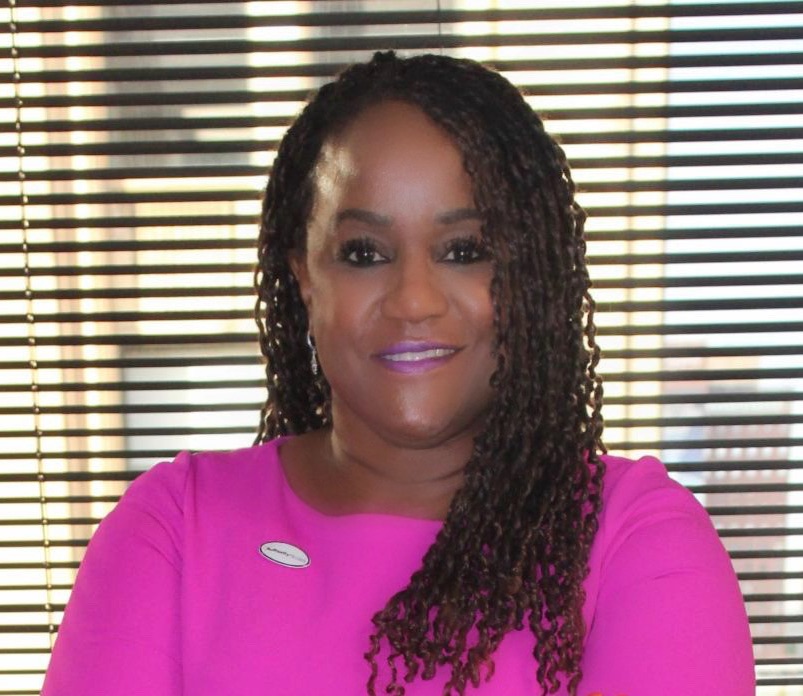
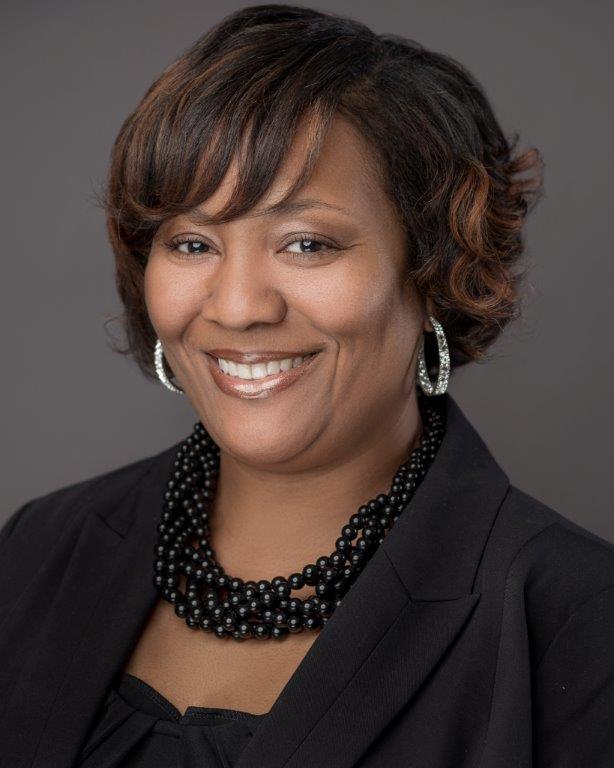
Message from our CEO, Loretta V. Bush... |
Physical Fitness Month: The importance of moving the body. |
Time to move for fun and fitness
“Move your way…” That’s the easiest and often the best way to stay fit. You don’t have to belong to a health club or dread a “workout.” Just move.
Since the launch of former First Lady Michele Obama’s “Let’s Move” campaign, health advocates have been promoting active living of all sorts to help us become more fit.
May is National Physical Fitness and Sports Month. We encourage people of all ages to adopt healthy lifestyles – especially because of the pandemic when many of us have become more sedentary.
Physical activity is the first step toward physical fitness. Becoming more active will not only improve your aerobic fitness, but it will also help reduce stress, the risk of many chronic diseases, and symptoms of anxiety and depression. For young people, sports helps develop the fitness habit, as well as improving academic performance, leadership and teamwork skills, time management, and relationship building.
Adults should get at least 150 minutes of moderate aerobic activity per week – or 75 minutes of vigorous activity – along with strength training.
Young people ages six to 17 need at least 60 minutes of moderate activity per day, with at least three days a week of vigorous intensity aerobic activity.
This month, we learned how fitness can be fun and enhance your overall well-being from Dione Johnson, co-founder of Krazy Fit - Detroit (see video link below). She is a nurse practitioner and digestive enzyme specialty who believes that proper nutrition and exercise is essential to health. You’ll learn that healthy eating and active living go together.
We are also celebrating living with HIV in June. I had the pleasure to interview Kathy Gerus-Darbison (see video link below), who is a lecturer at Macomb Community College. She developed an in depth course in HIV/AIDS from the historical context to the bio-medical, psycho-social, human perspective.
Summer is a good time for all of us to celebrate life!
Loretta V. Bush, MSHA
President and CEO, Authority Health
|
|
VIDEO - What you May Not Know about Being Physically Active
With the mission of bringing more awareness around the importance of staying physically active for our entire lives Authority Health's CEO, Loretta V. Bush interviewed the owner and founder of Stay Fit Detroit, Dione Johnson, NP.
|
|
 |
There's a New Doctor In Town, A Family Medicine Attending Physician at Hope Family Health Center, a School-Based Health Center located inside Hope Academy
|
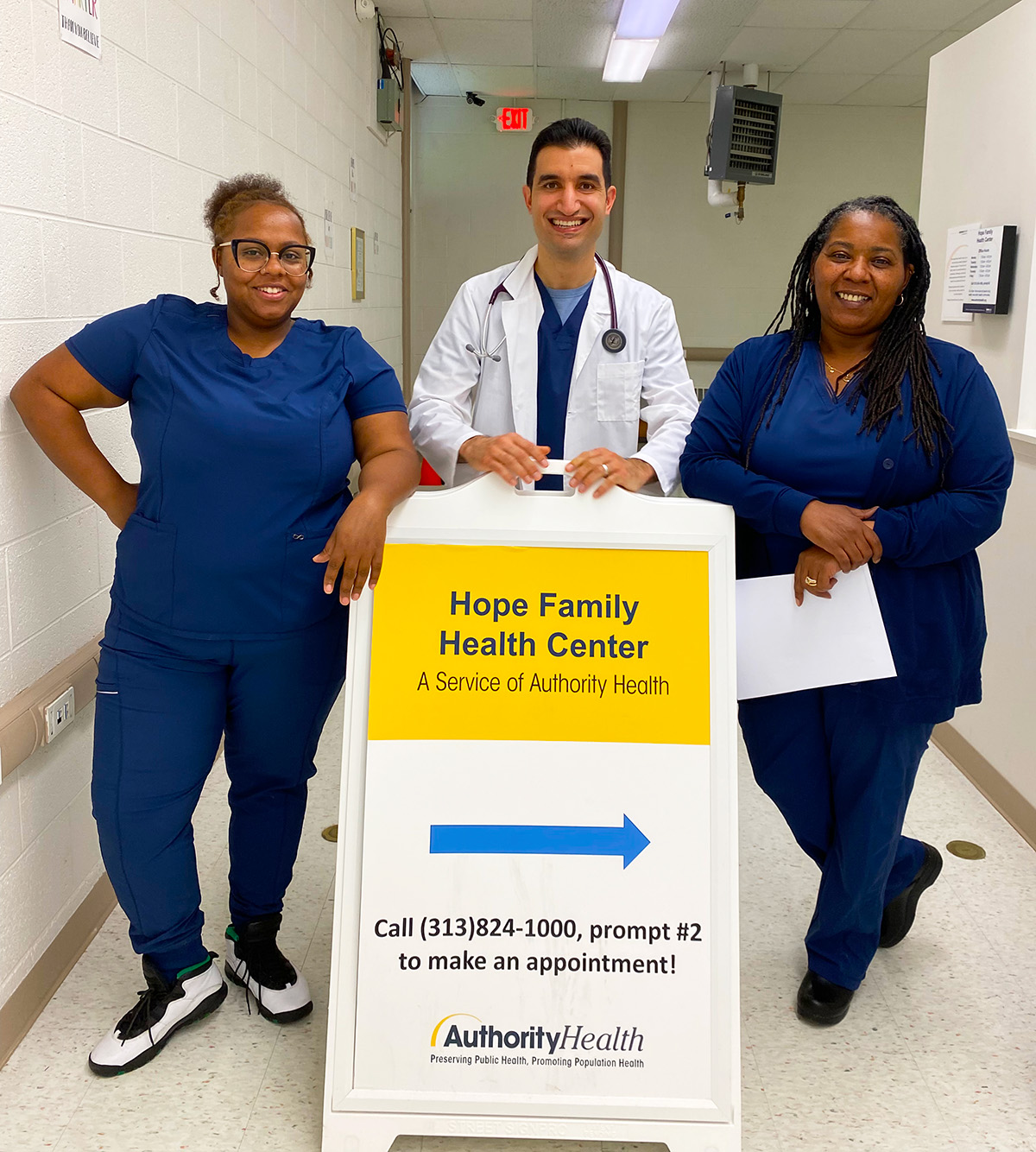
Hope Family Health Center team pictured above (from left): Adrienne Davis, Medical Assistant; Dr. Ali, D; Denita Johnson, Registered Nurse Manager |
Dr. Ali Abdallah, also known as Dr. Ali, has joined Authority Health as the Lead Physician at the Hope Family Health Center located inside Hope Academy in the Nardin Park community. To say that his appointment at the center has brought about a sense of excitement to not only the clinical staff at Hope, but also to our team here at New Center One is a bit of an understatement.
The surrounding synergy is not just simply a result of the fact that important position of Family Medicine Attending has been filled; it also has a great deal to do with the energy and enthusiasm that Dr. Ali has for his new role and for the patients, both current and future, and for the larger Nardin Park community; a community in which he not only looks to serve, but looks forward to actually becoming a part of as their very own community physician, right there in the neighborhood.
|
|
|
|
|
Expand Primary Care Training in Michigan
|
By Ernie Yoder
In a commentary published recently in the Detroit Free Press (“Lack of residencies leaves med school graduates without a career path,” May 21), the critical shortage of primary care physicians needs to be viewed as comparable
to any infrastructure issue we may choose to identify.
As the author of the Free Press commentary notes, there is a lack of residency programs for training new medical graduates, as we face an extreme shortage of physicians in the coming decade.
Indeed, according to Kaiser Family Foundation data, Michigan has 269 primary care professional shortage areas with nearly 3 million people living in parts of the state with an inadequate population-to-provider ratio.
|
|
|
|
On May 2, it was “Bike to School” day. And on May 20, it was “Bike to Work” day. The Detroit Greenways Coalition, which would like to say
that every day is a “bike to” day,
has proclaimed “Bike to Everywhere Day.”
Cycling is often polarized for racers and marathoners on the extreme end and child’s play on the opposite end. The Slow Roll popularized riding for adults in the middle a few years ago, and bike manufacturers have responded with retro designs, and bikes manufacturers for varying abilities, including recumbent bikes.
(I ride the equivalent of a moving stationary bike – but at least I’m moving.)
Whether we bike to work, school, or no particular place, it’s one option to staying in motion, which is one of the keys to staying healthy.
|
|
|
|
Implicit Bias Training Offers An Opportunity to
Enhance Patient Care
|
|
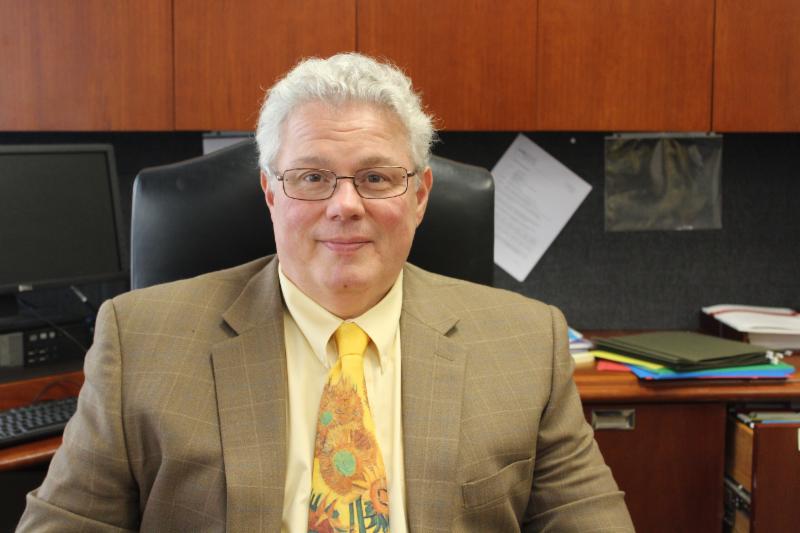
By Ernie Yoder, MD, PhD, MACP
I read with interest a recent commentary of Dr. Daniel Dessner in the Detroit News, “Why it’s dangerous for Michigan to assume I’m biased against my patients”. Dr. Dessner expressed concerns regarding the State of Michigan requirement that all physicians licensed in Michigan complete
implicit bias training on a regular basis – during each licensing cycle.
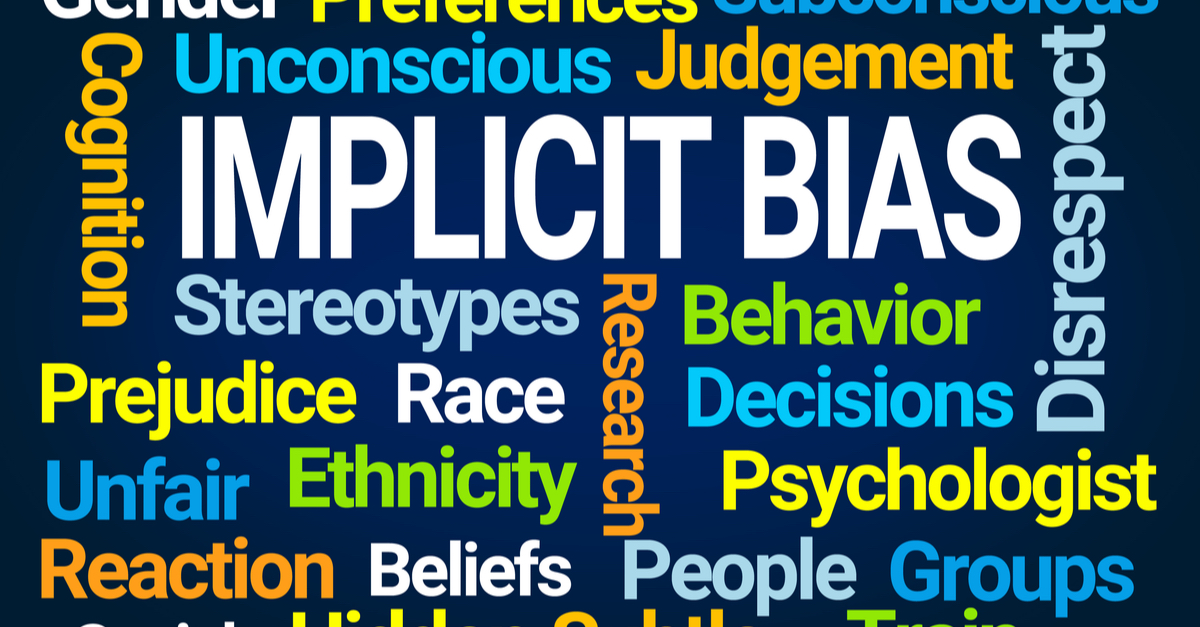
The State of Michigan defines implicit bias as “an attitude or internalized stereotype that affects an individual’s perception, action or decision making in an unconscious manner and often contributes to unequal treatment.” One definition of implicit is “implied though not plainly expressed.” Implicit bias is equivalent to unconscious bias. If a bias has been subtly inculcated, and thus unconscious, how can one know that they are unbiased…behaving in an unbiased fashion?
|
|
Pictured above: A puzzle put together by staff. Below: Pat Johnson, Director of Human Resources |
|
By Patricia Johnson
For many of us, much of our time is spent in the workplace, making it that much more important that we ensure it is a safe and healthy environment for everyone. Our goal is to create a workplace that is sustainable and provides a sense of calm without forgoing productivity.
Creating a healthy workplace environment not only helps with productivity it also increases retention, and perhaps most importantly, it helps to support the organization’s collective mental health with the understanding that some workplace factors can either negatively or positively affect mental health.
Mental health awareness and the challenges at the workplace was compounded by the pandemic, political unrest, and racial unrest, especially following the murder of George Floyd and other Black Americans. After hearing some of our staff and medical residents voice concerns about how these incidents affected their mental health and feeling as though, not unlike the entire nation, it had perhaps challenged our organization’s collective mental health, we went about implementing an antiracism program designed to create a safe space for sharing and learning about things such as the need for diversity, equity and inclusion, unconscious bias, personal experiences with harmful practices, etc.
|
|
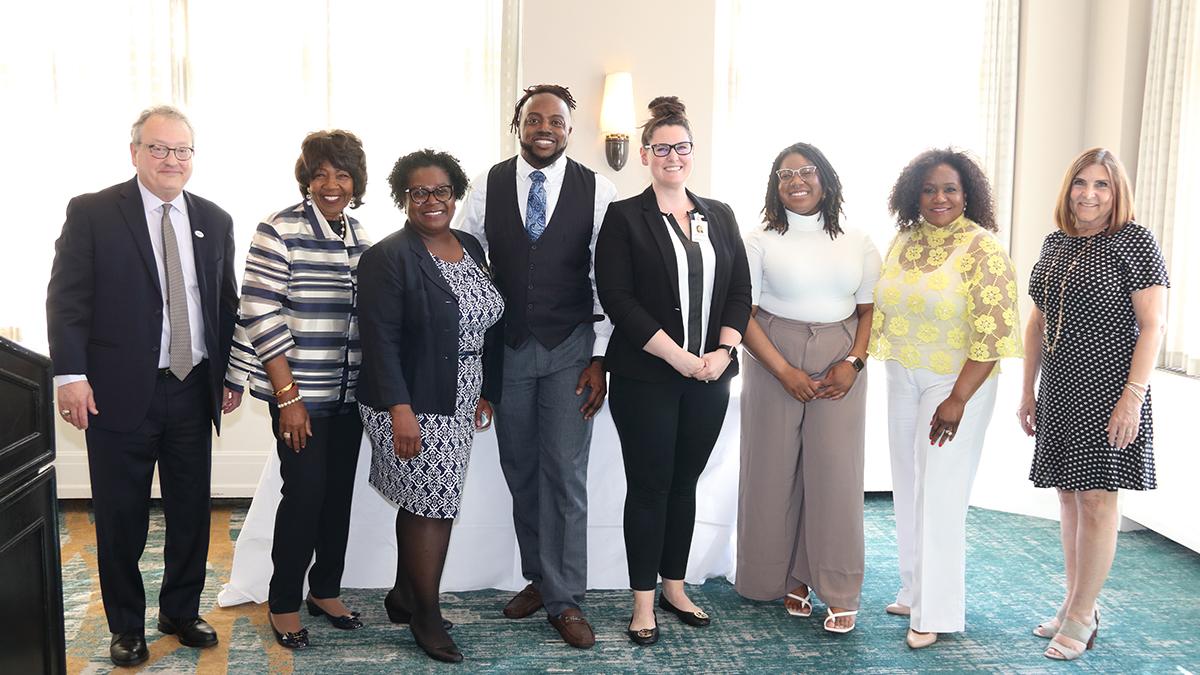
2021-22 Schweitzer Fellows, Guests Celebrate Their Service |
From left: Dennis Archambault, Alice Thompson, Dana Thomas, Stephen Henry, Erika Blaskay, AeYanna Yett, Loretta V. Bush, Nancy Moody |
The 2021-22 Albert Schweitzer Fellows concluded their Fellowship year with a Celebration of Service on May 13 at the Detroit Golf Club. The event, underwritten by Black Family Development, honored nine Fellows for their work. Mayor Abdullah Hamoud of Dearborn was the keynote speaker. Mayor Hamoud, who earned a master’s degree in Public Health from the University of Michigan, spoke about his commitment to instituting a health in all policies philosophy in Dearborn and the role of health in public policy.
Schweitzer Fellows are graduate students in the health and human service disciplines who commit to providing at least 200 hours of service to an underserved community or vulnerable population. Their commitment includes creating a sustainable project that will continue after they exit the Fellowship. All the Fellows achieved their service goals and most completed their Fellowship with a sustainable addition to the health care safety net.
|
|
|
|
Authority Health Psychiatry Resident Sees Future in Public and Community Psychiatry
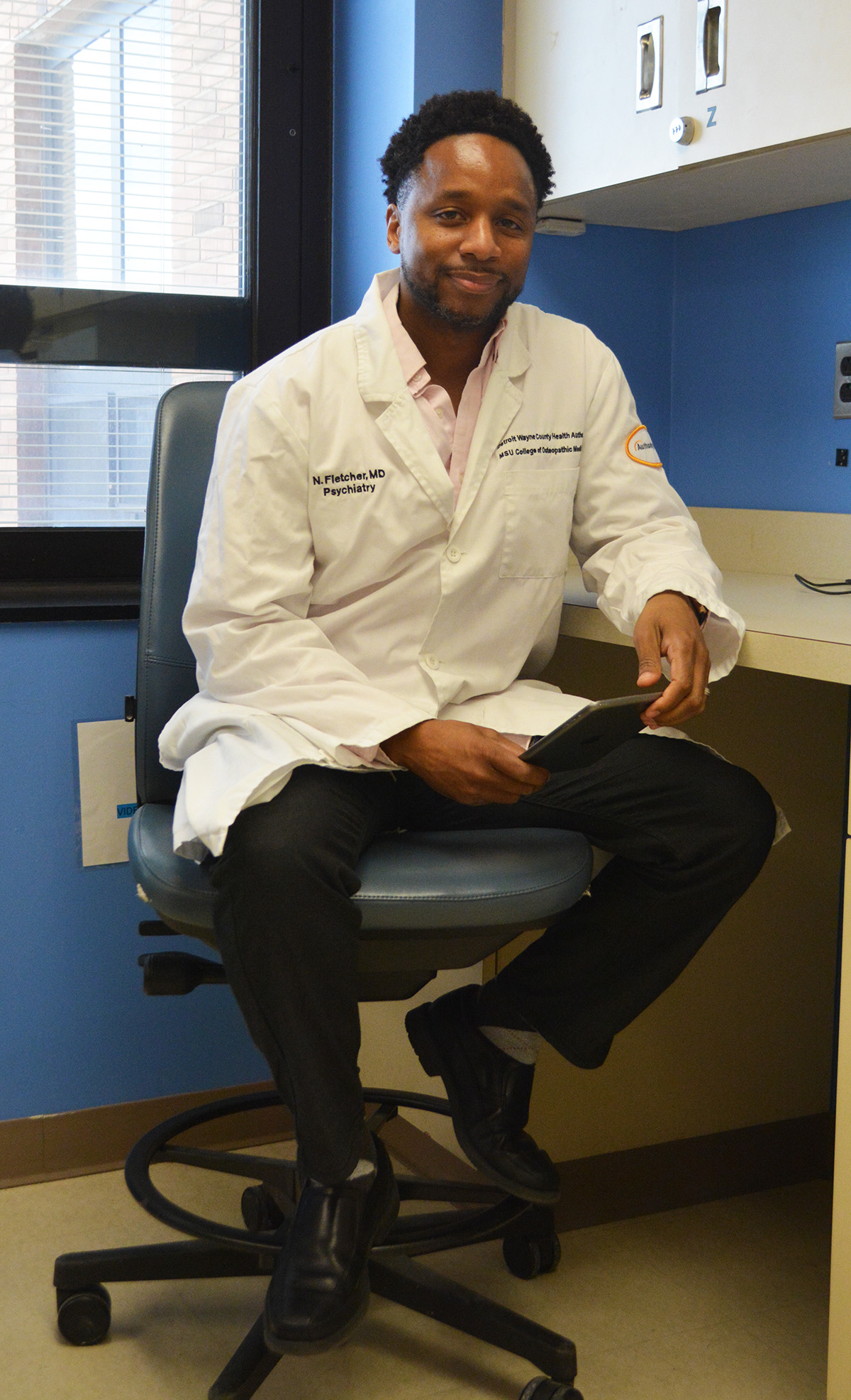
Dr. Nicholas Fletcher’s future seemed uncertain a year ago, having been accepted into the Authority Health Teaching Health Center. What made his future so uncertain was not that he had selected the Authority Health Psychiatry program, but because the field of psychiatry had chosen him.
A year later, he was accepted by the American Psychiatric Association Foundation (APAF) as a Leadership Fellow in Public and Community Psychiatry.
“Detroit has been the most amazing blessing I’ve ever received,” he wrote on his LinkedIn page.
The two-year APAF program provides support for a group of outstanding residents interested in the field of public and community psychiatry. Fellows will engage thought leaders in the specialty area of public psychiatry, a form of population health.
|
|
|
Residents Assess Antiracism/Social Justice Program |
|
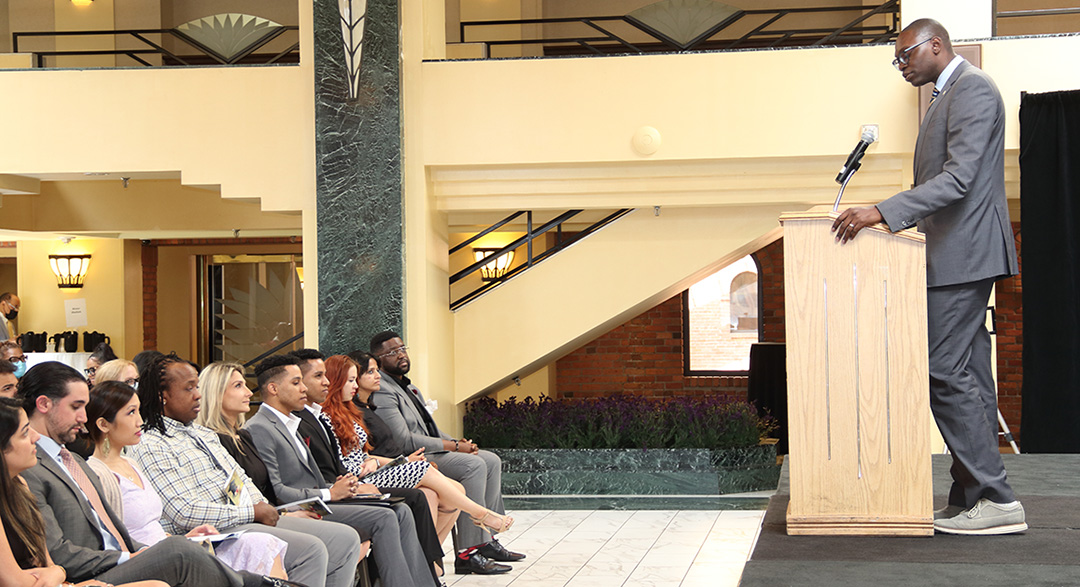
Above: Authority Health Medical Residents; Lt. Governor Gilchrist II at podium. |
|
On June 9, the first group of “COVID-certified” residents completed their training at Authority Health. This group not only endured the pandemic, but they were also sensitized by the cumulative effect of police killings of African Americans – to the degree that they called on Authority Health leadership to do something. Loretta Bush, president and CEO, together with Dr. Ernie Yoder, director of Medical Education, established an antiracism curriculum to enhance residency training and improve our organization’s understanding and commitment to social justice. The program complements the population health and trauma informed care training that residents receive, in addition to their residency work. We asked both departing and ongoing residents to comment on their experience after two years into the program. Here are some comments:
|
|
One Woman's Journey of Living with HIV
We'd like to close this newsletter with a heartfelt conversation between friends...watch as guest, Kathy Gerus-Darbison, Professor of Sociology at Macomb College shares her story with Loretta V. Bush, President and CEO at Authority Health.
|
|
Authority Health is a public body corporate serving the needs of the health care safety net. It sponsors the nation’s second-largest graduate medical education teaching health center and community-based wellness centers. In addition, Authority Health provides extensive enrollment and navigation services, as well as professional training opportunities.
Authority Health | 313.871.3751 | media@authorityhealth.org | www.authorityhealth.org
|
|
|
|
|
|
|