|
How Style Affects a Home's Value
Greetings!
Many factors determine your home’s value—and how it affects the mortgage process—including location, condition, construction quality, and amenities. But architectural style matters more than you might think.
That influence shows up in the appraisal process. Because the property serves as collateral for the loan, lenders use a licensed, independent appraiser to confirm the home’s value supports the loan amount. For owner-occupied homes, appraisers most commonly use the sales comparison approach—identifying three to five recently sold homes nearby that share similar size, style, age, and features. No two homes are identical, so the appraiser adjusts comparable sale prices up or down based on differences like lot size, bathrooms, renovations, or location.
When "Unique" Becomes a Challenge
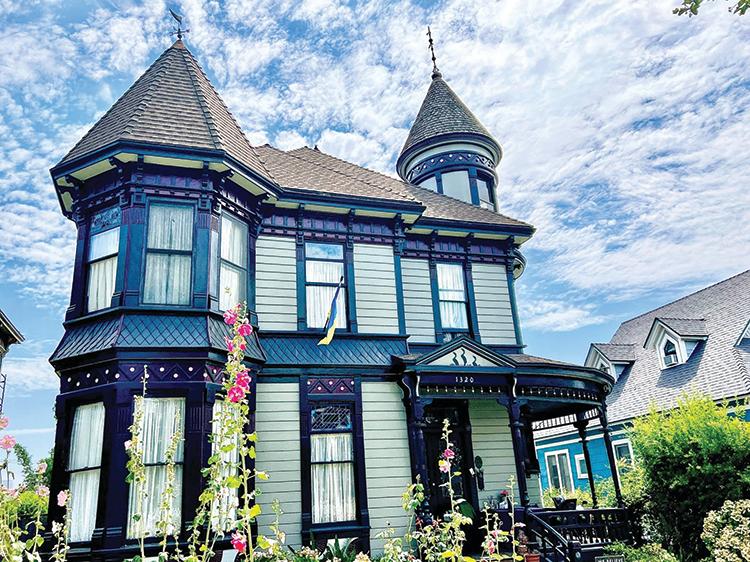
For the appraisal to be reliable, comparable properties must be as similar to the subject home as possible. When a home is unusual for its neighborhood, the appraiser may struggle to find local sales that support its value. A lovingly restored Victorian in a neighborhood of tract homes, for example, may not appraise higher than its neighbors—because buyers tend to value the neighborhood itself over custom trim or original stained glass.
This is why buyers should avoid the most expensive home in a neighborhood, and homeowners should not over-improve relative to nearby homes. A marble kitchen or infinity pool may be standard in a luxury community but hard to justify in an entry-level neighborhood where comparable sales simply don't exist.
While individuality is appealing, conformity matters in lending. Some unusual home styles may not qualify for standard loans, including government-backed options such as FHA, VA, or USDA. For example, mobile and manufactured homes not on permanent foundations typically require specialized chattel loans, which are for the structure itself, not the land beneath.
Alternative construction styles are growing in popularity—rammed earth, straw bale, dome homes, berm houses, and kit homes. While creative and often eco-conscious, most lenders exclude these from standard lending policies due to the difficulty of finding comparable sales.
Unpermitted additions are another red flag. Any modifications—finished basements, in-law units, bump-out additions—should be verified as properly permitted. Check with your municipality early to avoid surprises that could delay your closing.
Charming historic homes come with financing considerations also. Older homes often have deferred maintenance, outdated systems, or unusual layouts that can trigger lender requirements—especially with government-backed loans, which may require health or safety repairs before closing. Historic designations can also increase insurance costs and involve stricter renovation guidelines, which can make conventional financing a more practical option.
Financing for Unique Properties
Unusual properties can still be financed—it just takes more planning. Conventional loans may still be available depending on the property. Non-qualified mortgages, such as jumbo loans, offer more flexible underwriting but may come with higher rates and larger down payments. Portfolio loans, which lenders hold rather than sell to the secondary market, offer even greater flexibility for unique properties.
Whether you're drawn to a historic charmer, an eco-friendly build, or something truly one-of-a-kind, the right guidance makes all the difference. Reach out before you start looking—a quick conversation can help you understand what to expect and avoid unpleasant surprises along the way.
|