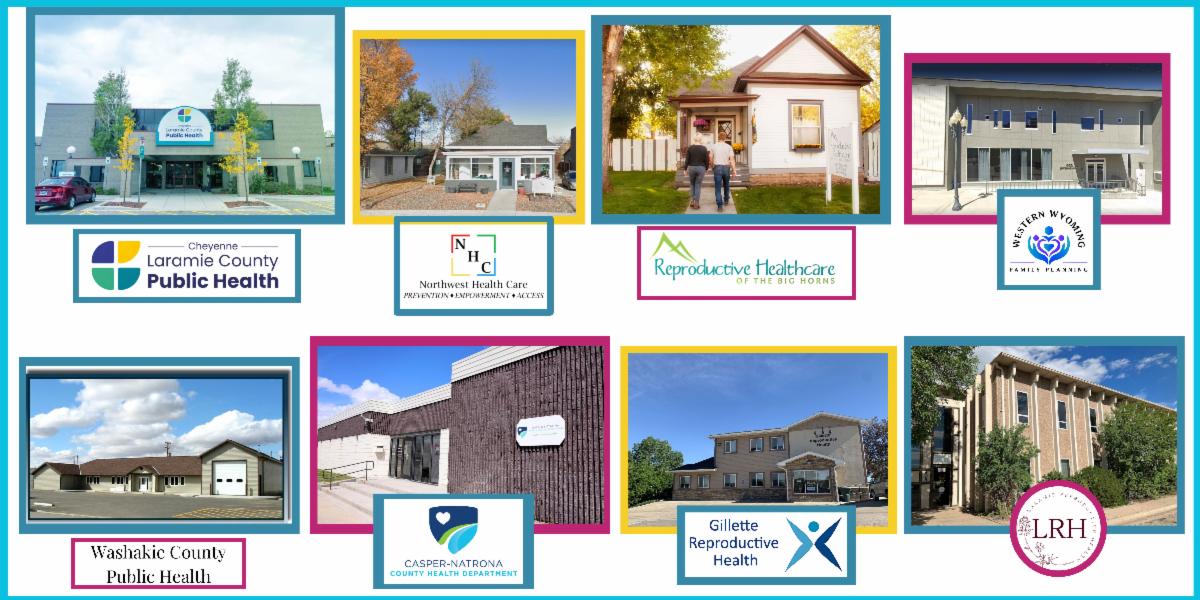
The Wyoming Health Council works to ensure that all people can access equitable, inclusive, high-quality, and affordable reproductive and sexual health care. | |
If/Then
If you care about access to contraception, then you should care about sex education
Quality sex education is crucial to our communities. Among many benefits, it ensures that young people learn about all contraceptive options, their benefits, purposes, and risks, and how to access care and resources. This kind of education empowers young people with the knowledge and skills to make informed decisions about their reproductive well-being, including knowing which contraceptive option is best for them, assessing their personal readiness for intimate relationships, and how to communicate effectively with partners and healthcare providers. Contraception and comprehensive sex education are inextricably linked, ensuring that young people have the information and skills needed to navigate their reproductive health, make informed choices about pregnancy, and access reliable healthcare. Furthermore, access to contraception and access to comprehensive sex education are overwhelmingly popular among the majority of Americans regardless of their political affiliation.
Despite the overwhelming popularity and proven benefits of contraception and comprehensive sex education, access to both remains under constant threat. Social and cultural stigma play a significant role in the pushback against implementing sex education, with opposition often rooted in cultural, religious, or political beliefs. This stigma not only fuels resistance but also influences the inclusivity and comprehensiveness of the education provided. Addressing these disparities requires combating stigma surrounding sex, sexuality, and contraception. Developing and implementing effective policies to expand access to sex education and contraception is an ongoing challenge. Barriers include inconsistent funding, policy restrictions, and widespread misinformation. Many policymakers and communities lack accurate information about contraception, which hinders the creation of well-informed, evidence-based policies. Additionally, attacks on reproductive health care—such as cuts to Title X funding—have further obstructed efforts to ensure comprehensive sex education and contraceptive access.
Read more in the informative PDF by SIECUS and Power To Decide
| | |
70% of Parents Want Better Sex Education For Their Kids
In the past few years, legislators around the country have passed a record number of restrictive laws targeting curriculum about sex and gender. Perhaps most notoriously, Florida’s “Don’t Say Gay” law restricts discussions of gender and sexuality in schools from kindergarten through 12th grade.
Given the sheer volume of such policies, it may appear that parents are the driving force for these restrictions. But what do parents actually want when it comes to sex education for their kids? This month, we surveyed 1,500 caretakers around the country to bring you Parents' 2023 Sex Education survey results.
First and foremost, the findings suggest that the recent spate of restrictive legislation is not in line with the realities of parents’ needs or children's health.
Seventy percent of parents surveyed believe that “comprehensive sex education is important for the well-being of children,” and in fact, 3 out of 4 parents think sex education is important or very important.
This is in line with a recent report published in the journal of the American Academy of Pediatrics (AAP), which states that “[d]eveloping a healthy sexuality is a key developmental milestone for all children and adolescents that depends on acquiring information and forming attitudes, beliefs, and values about consent, sexual orientation, gender identity, relationships, and intimacy.”
| |  | |
The Benefits of Sexual Education in School
Sexual education in public schools aims to provide accessible, accurate, inclusive, and positive information to children and adolescents. The goal is to teach young people how to have healthy sexual relationships and avoid sexually transmitted infections (STIs) and unplanned pregnancies.
Research has shown that abstinence-only education does not work. Pregnancy prevention and safe sex education must start young but should be lifelong.
This article will cover 10 reasons why comprehensive sexual education should be part of a young person’s education.
1.) Abstinence-Only Sexual Education Doesn't Work
Research has consistently shown that abstinence-only sex education does not affect the rates at which teenagers decide to have sex.
Since the primary purpose of abstinence-only education is to prevent sexual activity among teenagers, it is clear that the teaching does not work.
Comprehensive sex education does not discourage kids from having sex. It does, however, teach them how to have safer sex.
| | | |
7 'Embarrassing' Sex Questions Experts Get Asked All The Time
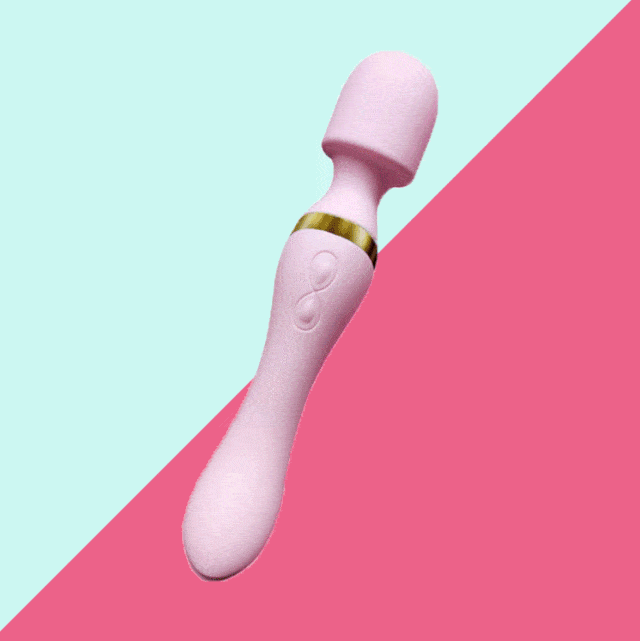
From vibrators to penis size to squirting, these at the topics sex educators say people secretly want to know more about.
Conversations about sex are happening more freely and frequently than they once did. But even as we become more comfortable discussing certain topics, there are others that still make some people a little bashful.
We asked sex educators to share the seemingly “weird” or “embarrassing” questions they actually get asked all the time. If you, like so many others, have wondered about some of these things, you’re definitely not alone ― so there’s no reason to be embarrassed.
| | | |
All Adults Should Be Able To Pass This Super Basic Sex Ed Quiz, But Can You?
Seriously, you should know this stuff.
Most people undergo some sort of sexual education class during adolescence. Unfortunately, sex ed is not always taught openly and honestly. Many students are subject to abstinence-only curriculums, which are ineffective and, frankly, damaging.
But, regardless of the type of sex ed you received growing up, as an adult, it's your responsibility to dedicate time to understanding the ins and outs of your sexual health. There are many resources online (some you may need to consult after this) at your disposal. So, give this quiz a try and see if you could pass a high school sex ed class today.
| | | |
How Health Workers Can Better Connect With Young Adults About Their Sexual Health
Embracing discomfort is key when working with young people.
Many young people say they haven’t talked to their health care provider about sexual health, including HIV/AIDS, sexually transmitted infections, condoms, birth control, and making sexual decisions.
A 2022 National Coalition for Sexual Health survey found that 85 percent of young people wish they could talk about these topics more openly in their relationships. But for most, these conversations are awkward, induce anxiety, and are avoided altogether.
To better understand ways health workers can improve their outreach in the communities they serve, Public Good News spoke with Shadeen Francis, a licensed marriage and family psychotherapist, board-certified sex therapist, and president-elect of the American Association of Sexuality Educators, Counselors, and Therapists. Francis shared her tips and more about a new multimedia campaign with which NCSH aims to empower Gen Z and those who care about them to engage in open and honest conversations.
Here’s what she said.
| | |
Achieving Positive Outcomes for Teen Moms Through Appropriate Policy and Educational Support
Statistics foresee uncertain futures for pregnant adolescent girls, depending on educational level. About half of pregnant girls between the ages of 15 and 19 will drop out of high school before graduation; only about two percent will have a college degree by age 30. Becoming a mom and a high school dropout at sixteen — or younger — can lead to generational poverty that most never overcome. Some do, but it’s impossible to predict which ones.
Spending eight years in the classroom with pregnant and parenting girls from diverse circumstances taught me to not make assumptions about them. Instead, my commitment to learning the causes and effects of teen pregnancy yielded sometimes surprising facts and guided my intentions.
- Poverty is both a cause and consequence of teen pregnancy.
- Pregnancy is a primary reason girls drop out of high school.
- Sons of teen moms are nearly three times more likely to spend time in jail than sons born to adult mothers.
- Daughters of teen moms are much more likely to become teen mothers themselves.
- U.S. states without sex education requirements for public schools tend to have higher teen pregnancy rates.
- Girls who are victims of child abuse are more likely to become pregnant in their teens.
- Children of teen moms are much more likely to suffer serious health conditions later in life than other children.
- Teen moms are vulnerable to depression, substance abuse, and posttraumatic stress disorder, among other negative impacts.
A high school diploma is key to combatting many of these challenges.
| | | |
Own The Awk
Picture this. You’re with your boo. You want to talk about something real. It gets weird. Cue the internal screams of “Awkward!” Learn how to navigate nerve-wracking chats with confidence—whether it’s spilling your feelings, diving into sexual desires, defining your relationship, setting boundaries, or talking about safer sex. Because when you own the awk, you can get closer, get on the same page, and build trust!
| | |
The National Coalition for Sexual Health (NCSH) launched Own the Awk, a multi-media campaign to empower young adults to have open, honest conversations with their partners about sexual health and relationship topics.
At least 85% of young adults want to talk more openly about these topics and 97% want to improve their communication skills, according to NCSH national surveys. Shaped by young adults for young adults, “Own the Awk: Real Talk. Real Connection” offers free, practical, and interactive tools to build confidence and skills.
Through humor, awkward portraits, and real-life scenarios, Own the Awk helps young adults navigate difficult conversations head on, which can open the door to safer sex, positive relationships, and sexual pleasure.
Own the Awk features videos, conversation starters, digital card decks, scripts, and resources on seven different topics: communication 101, defining the relationship, sexual desires and pleasure, safer sex, STIs, feelings, wants, and needs, and boundaries and consent.
| | |
Integrating Mental Health and Sexual Health
Sexual health refers to physical, mental, emotional, and social well-being in relation to one's sexuality. It is essential for well-being, general health, and overall quality of life. It is not solely the absence of an illness, dysfunction, or infirmity. Sexual health necessitates a respectful and positive approach to life toward sexuality and sexual relationships and the ability to make pleasant and safe sexual experiences that are free of coercion, discrimination, and violence.
People often think about sex as something that happens in our bodies, but much of our sex life occurs in our brains. It's critical to understand that, for all genders, our feelings and thoughts play a significant role in arousal and maintaining it.
Anxiety, depression, or other mental health problems can make it difficult to be relaxed enough to have or enjoy sex, overshadowing it with intrusive distractions or worries. When a person is extremely ill and struggling hard to function, sex is rarely on the mind. The conflict of mental illness, in its various forms, can harm a person's self-esteem and make them feel undeserving of sexual attention.
| | | |
Is Physical Health Masculine? Is Mental Health Feminine?
Healthcare approaches have historically developed along gendered lines, creating environments where women often feel alienated in physical health spaces while men struggle to engage with mental health resources. These divisions don't just reflect social stereotypes—they actively shape health outcomes and create barriers to comprehensive well-being. By examining these patterns and considering innovative solutions, we can work toward more inclusive healthcare models that serve everyone effectively.
| | |
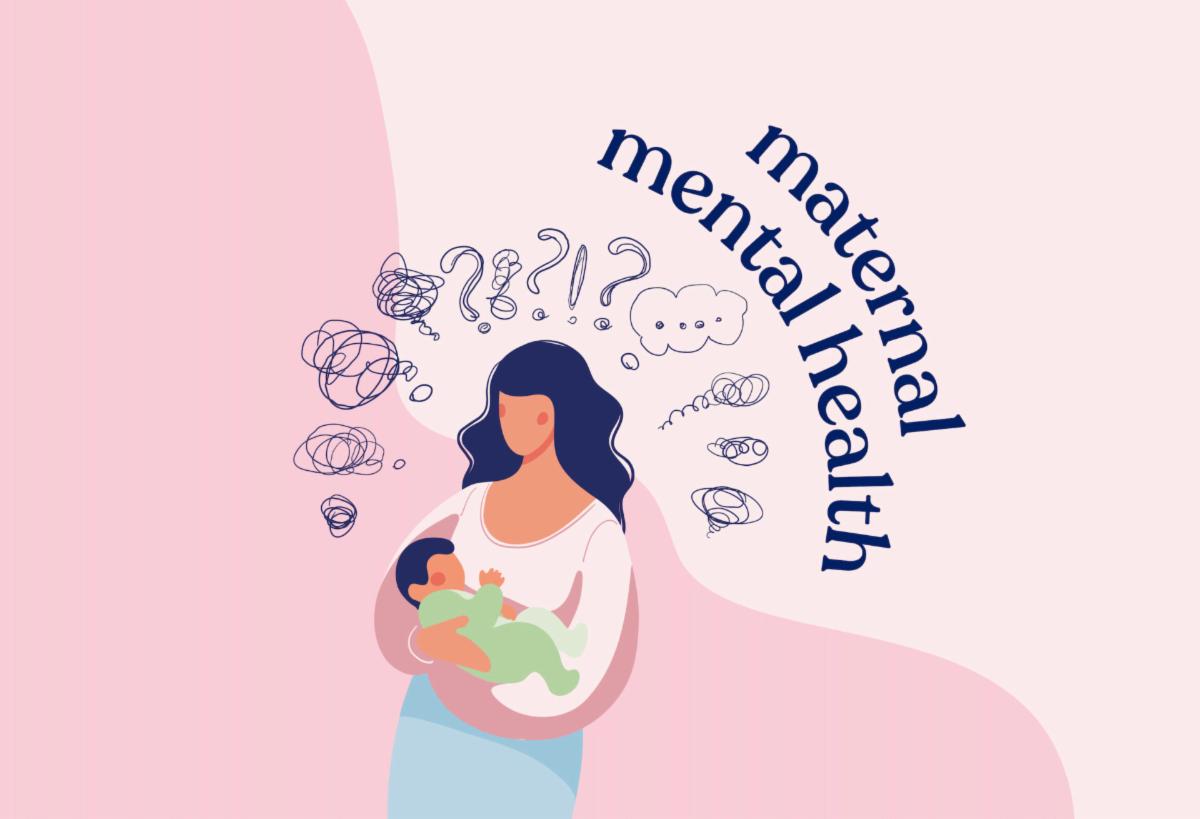
What I Tell My Pregnant Postpartum Patients About Depression and Anxiety
As an ob-gyn and psychiatrist, I talk with patients about mental health conditions and treatment options.
Pregnancy and childbirth can be a vulnerable time in your life. You may experience depression and anxiety while you are pregnant or after you give birth. And you may not be sure how to get the help that you need to cope with these common challenges.
Treatment is available, and it can make all the difference for you and your baby. As an ob-gyn and a women’s behavioral health psychiatrist, I help patients struggling with mental health conditions. I see their lives turn around with treatment.
Here is what I wish everyone knew about depression and anxiety during and after pregnancy—including when, why, and how to find the help you need.
| | | |
Why True Mental Health Support For Moms Starts With Community
Parental burnout is at an all-time high. According to the U.S. Surgeon General’s Advisory, nearly half of parents report that their daily stress feels overwhelming. For moms, the traditional self-care narrative—baths, candles, solo yoga classes—often feels more like a Band-Aid than a true salve. Recognizing this, Calm, the leading mental health platform, has launched Not Calm Moms, a bold new initiative reframing maternal mental health around the community, not unattainable notions of serenity.
Featuring voices like comedian and mom Ilana Glazer and grounded in research from leading experts, including California Surgeon General Dr. Diana Ramos and Never Enough author Jennifer Wallace, Not Calm Moms is about real connection, honest conversations, and meaningful support.
Here's why this campaign—and the larger shift it represents—could be the beginning of a much-needed maternal mental health revolution.
| | | |
We Need Maternal Mental Health Data Systems that Leverage Existing Data and Platforms
The US is in a maternal health crisis. Pregnant and postpartum women experience preventable sickness and death from mental health conditions. Medical professionals have effective treatments for these conditions, but most women do not receive them. More women die from these conditions in the US than in any other similar country in the world.
We know that the maternal health crisis is complicated by our significant lack of data and slow translation of research evidence to improved policy and practice. The US lags behind the rest of the world by not having access to high-quality maternal mental health data, as evidenced by lack of a national depression or anxiety prevalence rate that includes both privately and publicly insured people during pregnancy or in the year after birth, known as the perinatal period. The best estimate is that one in five people experience a mental health problem during pregnancy or in the perinatal period. When untreated, maternal mental health problems represent a major risk for infants, mothers, and the entire family—for example, infant health problems at birth and maternal suicidality in the year after giving birth. Unfortunately, most perinatal women do not get the mental health treatment that they need. Therefore, maternal mental health in the US remains unaddressed as the most pressing national priority to improve health outcomes for perinatal women and infants.
| | | |
Wyoming Chamber of Mothers Chapter Looks to Improve Maternity Leave, Other Key Issues
When Natrona County teacher Katie Galloway learned of the Natrona County School District’s policy on maternity leave, she knew things needed to change in Wyoming. Now, she’s fighting to make that change a reality after creating a Wyoming chapter of the Chamber of Mothers.
Galloway had her daughter in late 2023. Upon learning of the maternity leave policy, she was shocked. According to Galloway, new mothers in the school district are granted six weeks of maternity leave, though she had an extra two due to complications. However, she also had to use up all of her paid time off, and was even forced to use two weeks of unpaid leave.
Over time, Galloway began connecting with mothers in other career fields, and learned that her issue is by no means isolated to the world of education.
It was also during this time that Galloway discovered the Chamber of Mothers, and became interested in its mission. She said the chamber breaks its focus into three pillars: maternal health, paid leave and affordable childcare.
Throughout the country, the nonpartisan organization provides a space for mothers to connect and find resources and personal support, while also including an advocacy component to push for change.
| | | |
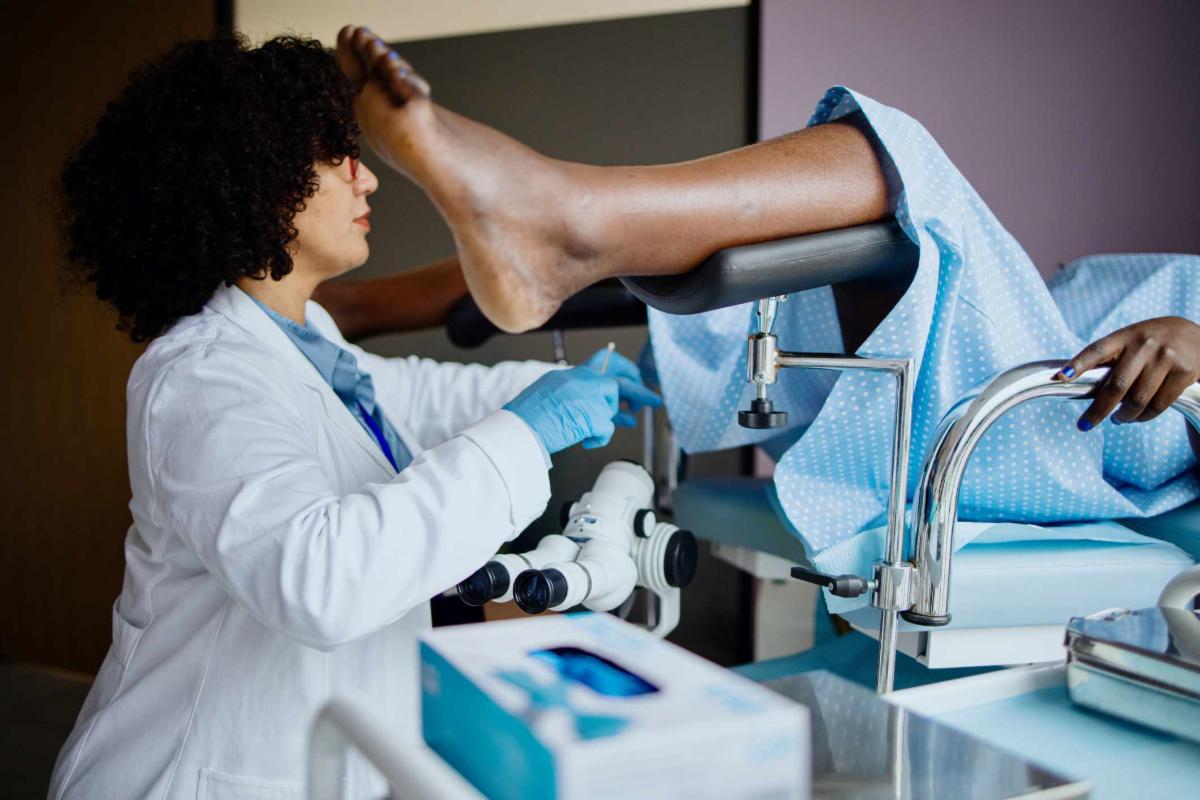
11 Things Your Gyno Wishes You'd Ask At Your Next Appointment
Even though your gyno literally knows your vag inside and out, it can still be embarrassing to ask the questions we really want to get off our chests. But let me reassure you, dear reader: It’s impossible to embarrass a gyno—they’ve heard (and seen) it all before and they want to help. Your gyno visits should feel like one of your safest spaces because it's the time to put it all out there and ask whatever big or little thing is on your heart. And absolutely no question is a silly one or off limits.
But don't take it from me! Take it from the docs themselves. To give you that extra layer of reassurance next time you head to your next office visit, I hit up three gynecologists to tell me—and you—the questions they wish their patients would ask them at their annual checkups. So don't be shy at your next appointment. Asking these questions are literally doctor's orders.
Keep scrolling for the 11 questions you should ask at your next gyno appointment.
| | | |
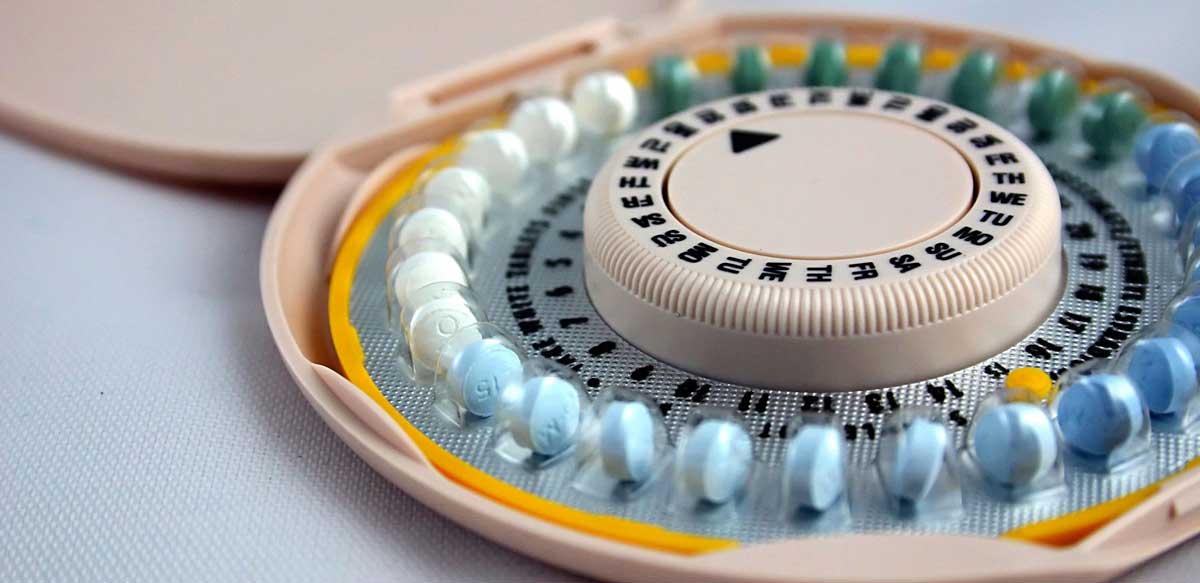
10 Benefits of Birth Control Beyond Preventing Pregnancy
Each type has similar benefits, although everyone responds differently to the hormones.
Hormonal birth control is a lifesaver for many people trying to prevent unwanted pregnancy. Of course, nonhormonal methods have their benefits too.
But hormonal birth control, including the pill, some intrauterine devices (IUDs), implants, and patches, offers a range of benefits beyond pregnancy prevention.
1.) It can help regulate your menstrual cycle
Hormonal birth control methods may balance the hormonal fluctuations that happen throughout your cycle. This can help with a variety of menstrual issues, including irregular or heavy bleeding.
It can even help with polycystic ovary syndrome (PCOS) symptoms, including acne and excess hair.
| | |
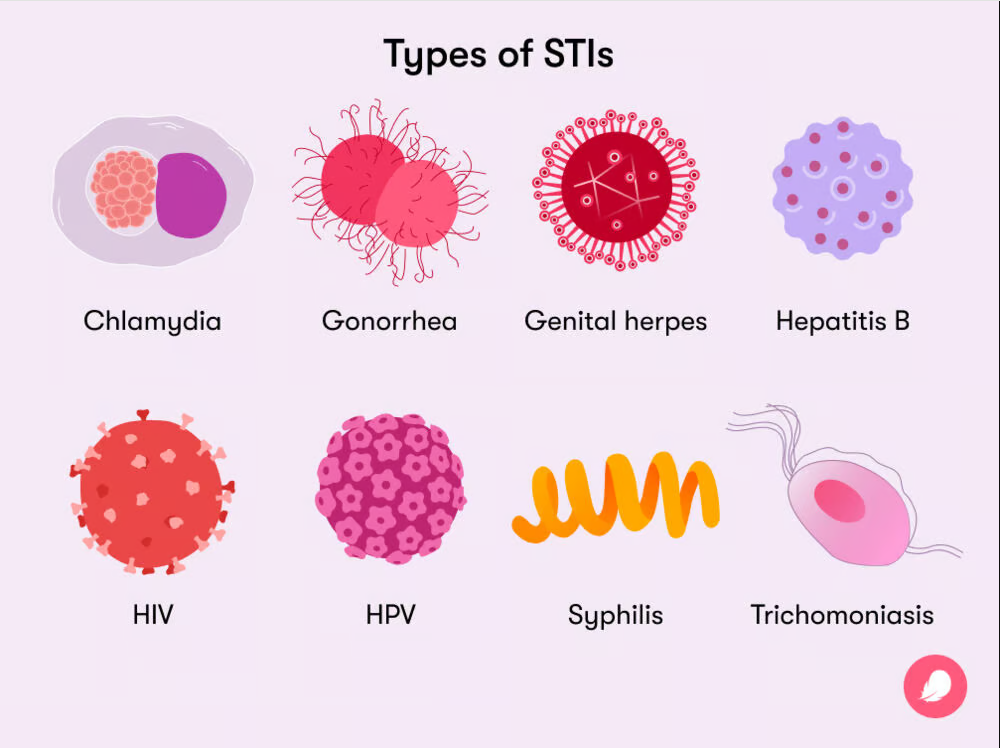
Sexually Transmitted Disease (STD) Information For Women
If left untreated for an extended period of time, STIs and STDs can increase your risk of infertility, cervical cancer, and other long-term complications.
Sexually transmitted infections and diseases (STIs and STDs) are transmitted through vaginal, anal, or oral sexual contact.
Vulvar and vaginal STD symptoms can include:
- vaginal itching
- rashes
-
unusual discharge
- pain
Many STIs display no symptoms at all.
Every year worldwide, there are approximately 376 million new transmissions of syphilis, chlamydia, gonorrhea, and trichomoniasis. Because many people don’t show symptoms with some STIs, they may not know they need treatment. It’s estimated that as many as 1 in 6 Americans has genital herpes, but most are unaware that they have it.
| | |
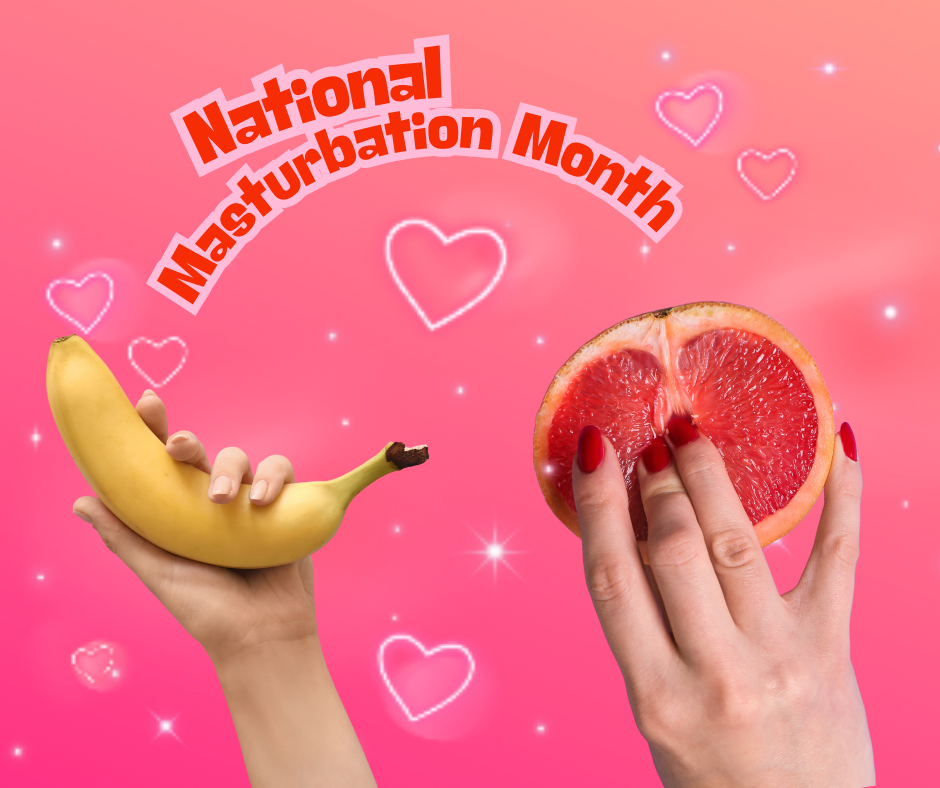
Women who masturbate more frequently tend to have better sexual health literacy and sexual functioning, study finds
A study of sexually active Turkish Muslim women found that those who masturbate more frequently have better sexual health literacy and sexual functioning. On average, this sample of women reported masturbating five times per month. The study was published in the Journal of Sexual Medicine.
Sexual desire is a natural human instinct characterized by a longing or drive for sexual intimacy and connection. It varies greatly among individuals and can fluctuate over time due to personal, health-related, or situational factors. Sexual desire is influenced by hormones, emotions, stress, and social or relationship dynamics. It is a core component of sexuality, which encompasses sexual orientation, a wide range of behaviors, and emotional connections.
Humans satisfy their sexual desires in various ways, including intimate relationships with partners and self-stimulation, such as masturbation. Masturbation involves self-stimulation of the genitals for pleasure or sexual release. It is a common behavior among people of all genders, ages, and sexual orientations. While generally considered healthy and safe, cultural, religious, and societal attitudes toward masturbation can influence how individuals perceive and feel about the practice.
| | | |
Masturbation Remains Taboo-But Research Shows How It Can Be Good For You
Despite being a natural act, many people still feel awkward and embarrassed about masturbation. So, why does this topic make so many of us feel uncomfortable? The past can offer clues.
Throughout history, views on self-pleasure vary. Egyptians saw masturbation as sacred. Greeks viewed it as natural but not something to celebrate. And Romans considered it inferior to sex with a partner.
In medieval Europe, masturbation was labelled sinful and harmful. But 20th-century scholars, including sexologists Alfred Kinsey and Shere Hite, challenged negative perceptions and helped normalise masturbation.
However, the stigma attached to masturbation is stubborn and negative attitudes persist. Attitudes that it’s dirty, shameful or even harmful to touch yourself sexually are often shaped by conflicting messages rooted in societal norms, religious doctrines and inadequate sex education.
| | | |
This newsletter was developed (in part) with federal funds from the Office of Population Affairs. For more information on the rules and regulations that apply to our programs, please visit
https://opa.hhs.gov/grant-programs/title-x-service-grants
This project is supported by the Office of Population Affairs (OPA) and the Office of the Assistant Secretary of Health (OASH) of the U.X. Department of Health and Human Services (HHS) as part of a financial assistance award 1 FPHPA 006541-0-00 totaling $978,380 with 100 percent funded by OPA/OASH/HHS. The contents are those of the author and do not necessarily represent the official views of, nor an endorsement, by OPA/OASH/HHS or the U.X. Government.
| |
WYOMING HEALTH COUNCIL
111 S. Durbin, Suite 200
Casper, WY 82601
Call Us: (307) 439-2033
| | | | | |