Our Top 10 Formal Plants for your Restoration |
|
So why go native? The answer is pretty simple. While ornamental garden plants may look nice, they are really lacking when it comes to ecological benefits. Our Minnesota native plants provide high quality habitat for pollinators and other wildlife. On top of this, they also look great and are hardy; requiring no fertilizers or watering.
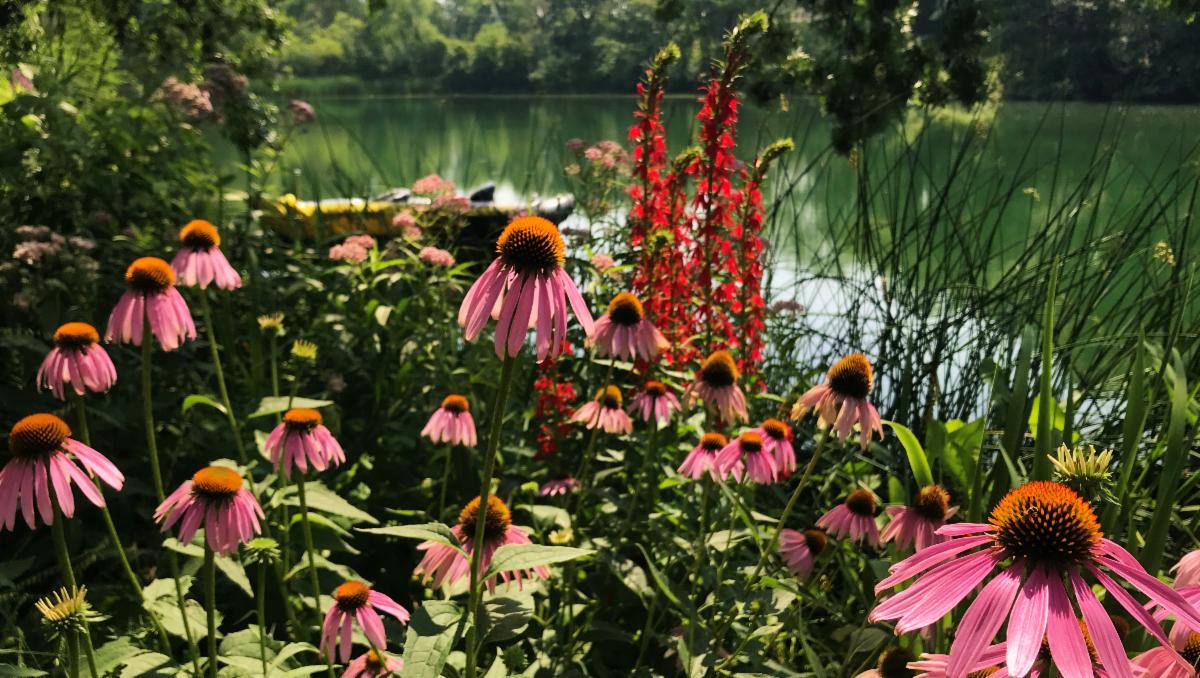
For decades, native plants have been overlooked when it comes to home landscaping and perennial gardens. However, there are a multitude of species that fit just fine into your more traditional landscape. For instance, there are many species that are short statured and clump forming, making them the perfect fit for garden beds or foundation plantings. Creating borders and using repetition will also lend to a more formal appearance.
|
|
90% of plant-eating insects use native plants to grow and survive. Without their native host plants, many butterflies and other insects cannot survive. Birds and other wildlife use caterpillars and other insects to feed their young. Over the last few years, we have seen major declines in both insect and bird populations due to a variety of factors, especially habitat loss and fragmentation. Rebuilding habitat with native plants is crucial in providing food for caterpillars, which in turn provide food for baby birds; making native plants the foundation of our food webs. |
|
Wild Indigo
(Baptisia spp.)
# of Larval species- 10
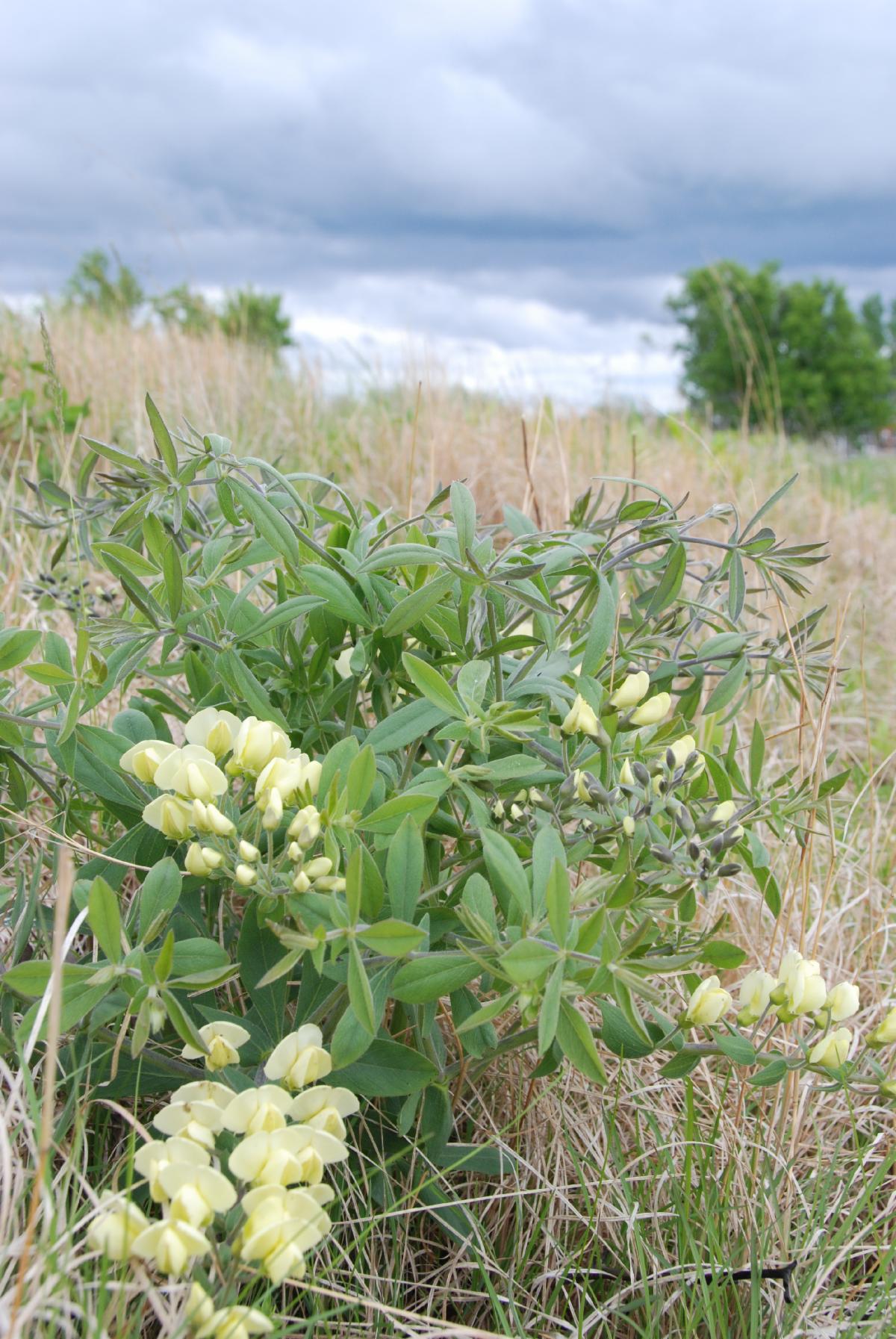
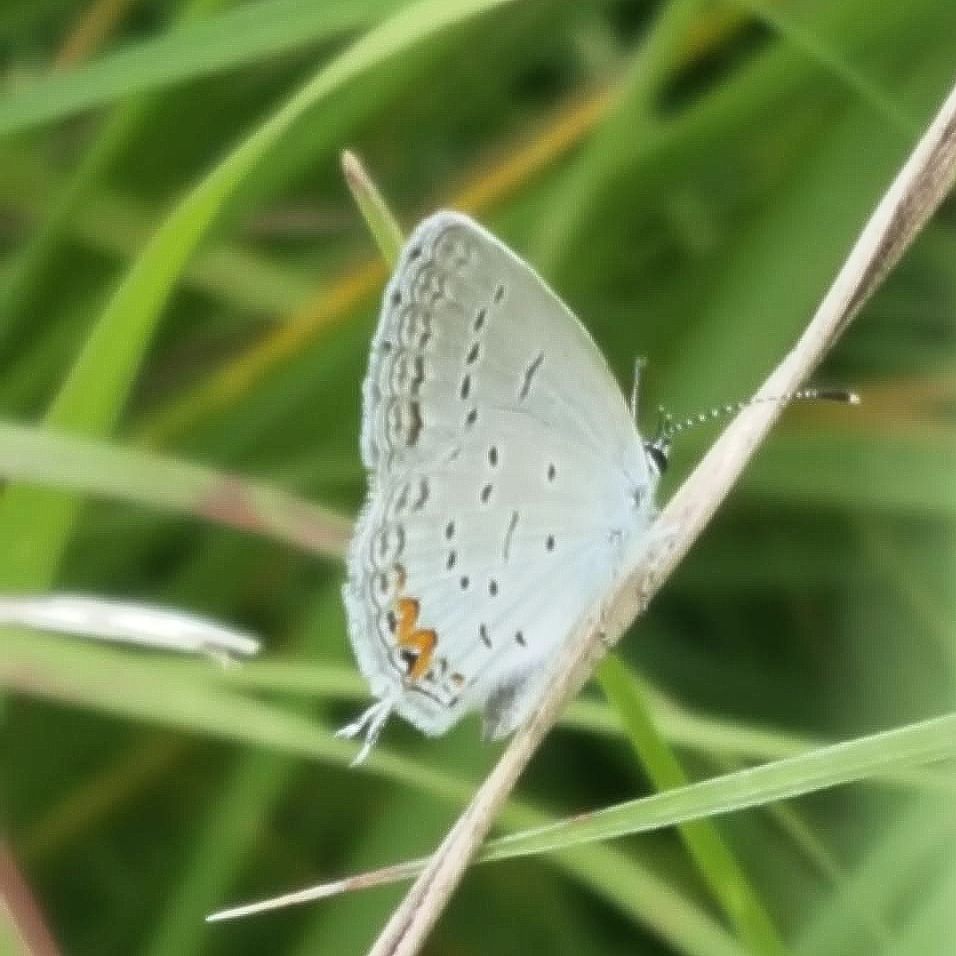
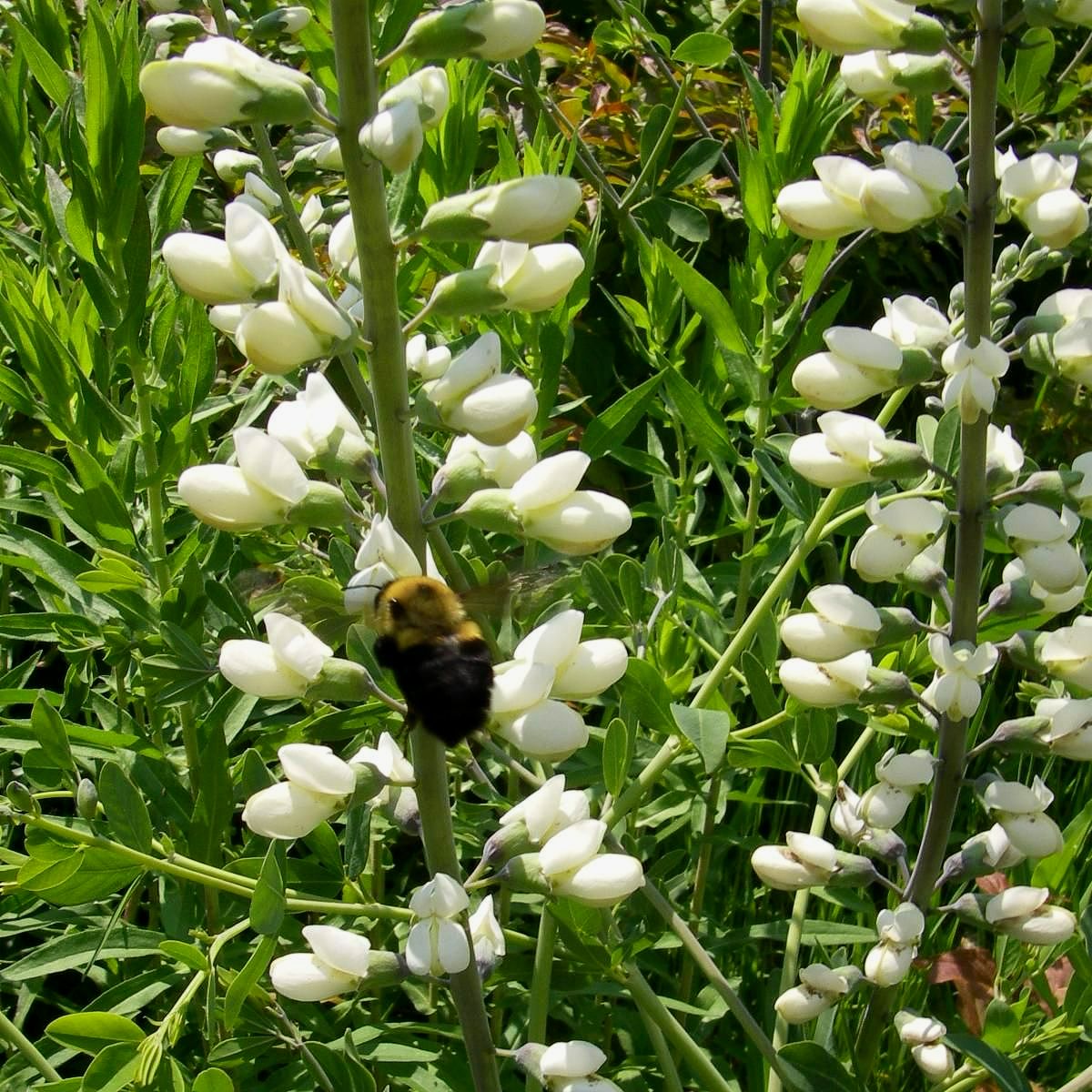
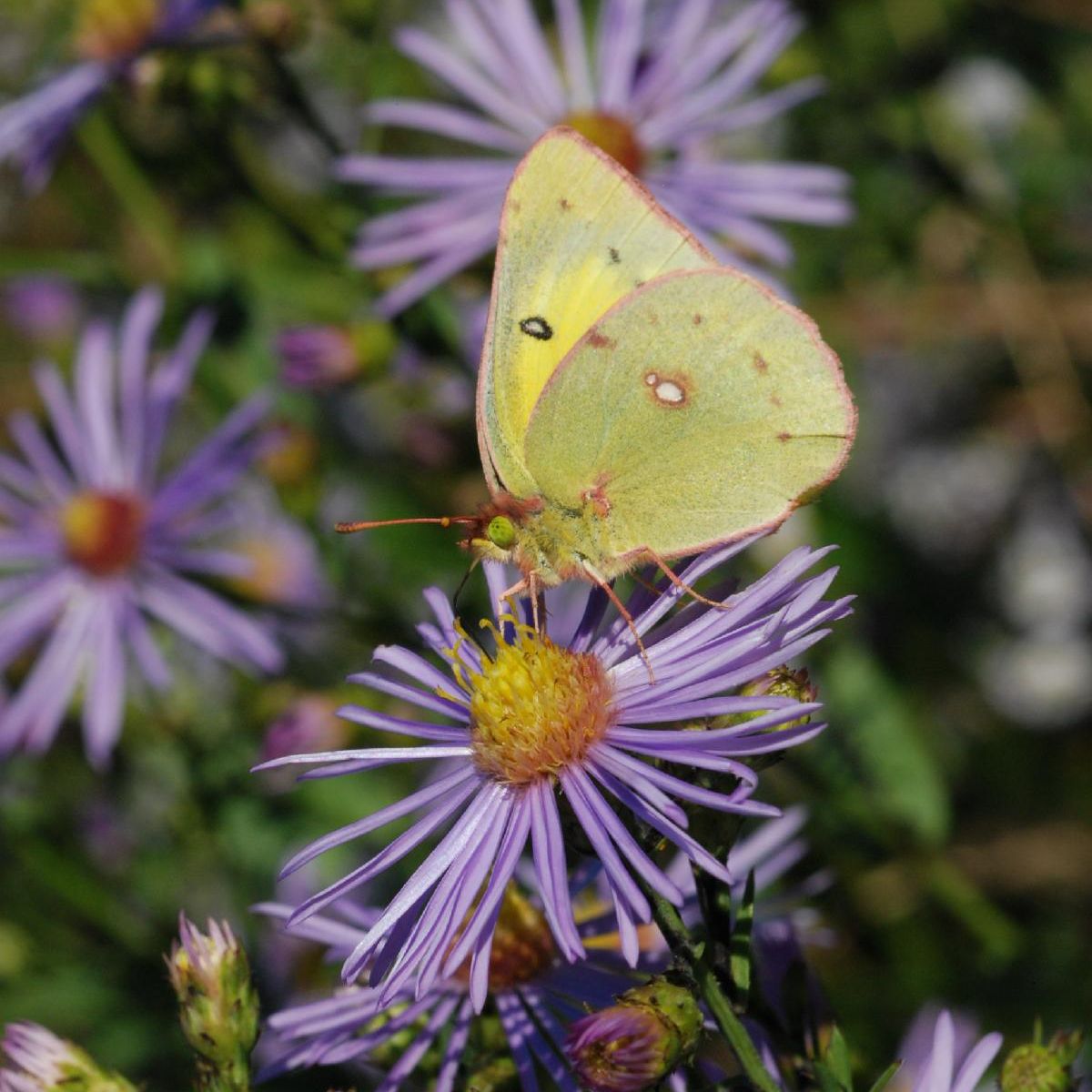
Wild indigo (Baptisia spp.) serves as a host plant for 10 species of larval insects, including sulphur butterflies and the eastern tailed blue butterfly. Sulphur butterflies range in color from pale yellow to orange. Eastern tailed blue butterflies are small with sky-blue wings with a small “tail” on each hindwing. There are several different Baptisia species including blue, white, and cream. Its shrubby form makes it an excellent plant for landscaping.
|
|
Cream Wild Indigo (Baptisia bracteata)
|
|
Eastern-tailed blue butterfly |
|
White Wild Indigo
(Baptisia lactea)
|
|
|
Our Plants are Ready to Go!
Our first plant sale is here! Visit our website for more information on all of our Minnesota native plants grown completely pesticide free. You can also order plants online and pick them up during our May 20th and 21st sale dates!
|
|
2022 Nursery Sale Dates
Hours 10am-4pm
May 13 & 14
May 20 & 21
June 10 & 11
June 24 & 25
July 15 & 16
August 12 & 13
For more information visit:
|
|
Non-native Species of the Month
Birdsfoot Trefoil
(Lotus corniculatus)
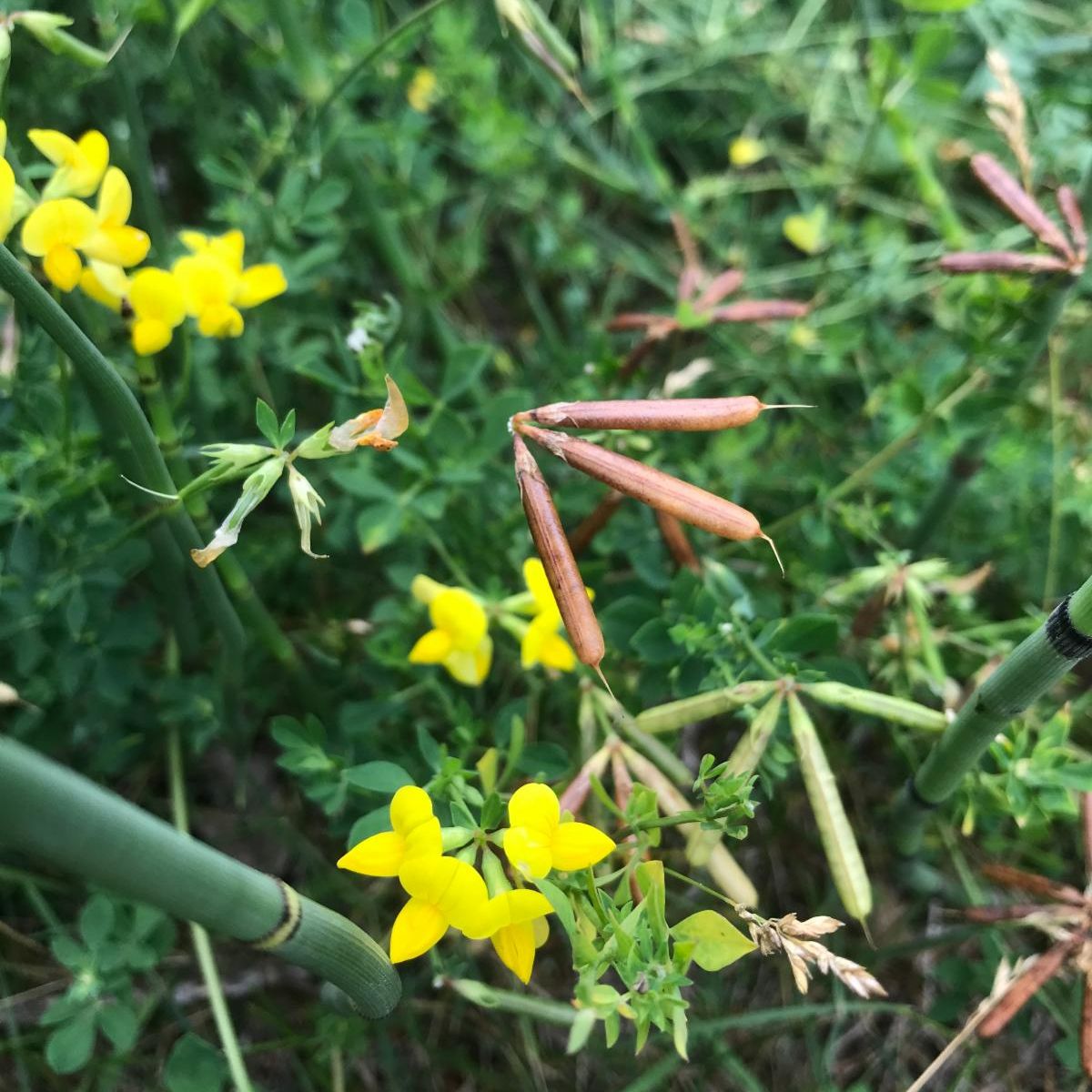
A very common weed occupying roadsides, prairies, and disturbed areas. Birdsfoot Trefoil has a low, sprawling growth pattern which can choke out native vegetation. It was introduced from Europe for forage and erosion control along roadsides and is still sold commercially despite its noxious nature. The leaves are divided into 3 leaflets, and the plant also has a pair of leaflets at the base of stalks. Yellow pea-shaped flowers bloom throughout the growing season, forming into brown pods that explode to disperse seeds far away from the mother plant. Control measures include repeated mowing before seed set to a height of 2” and spot spraying with herbicide in spring and fall. Burning can increase the abundance of this species, warranting follow-up control methods.
|
|
Native Plant of the Month-
Sweet Flag
(Acorus americanus)
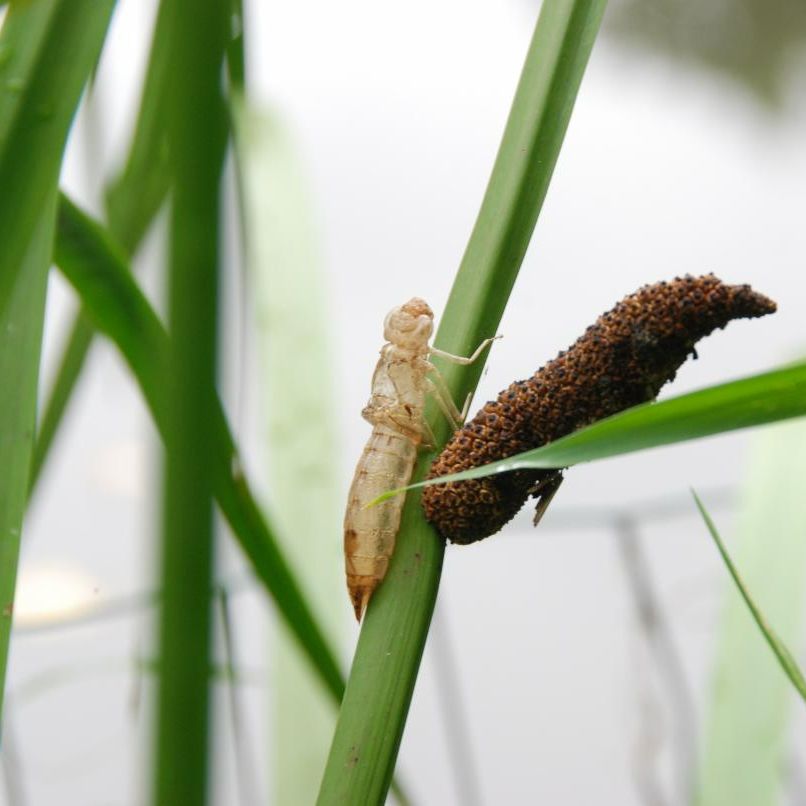
Sweet Flag is a rhizomatous perennial with aromatic, sword-like leaves that resemble iris and cattail leaves. This plant is stemless, with clumps of leaves arising from the rootstock to a height of 2-5 feet. Both the leaves and rhizomes have a distinct, sweet yet spicy scent. The flowering stalks are covered with minute yellow-brown flowers and emerge from the sides of leaves. Sweet Flag grows in wet soils and shallow waters, preferring quiet water habitats such as ponds, marshes and lakes. The rhizomes make this plant very useful for shoreline stabilization, and in the right conditions the plant can form large colonies. Sweet Flag provides food and habitat for wildlife, and muskrats often feast on the rhizomes.
|
|
We love to read books about our natural world, and want to share our favorites with you! On the last Wednesday of each month we will feature a book discussion and review on our Facebook Page and YouTube Channel.
Here are the next three!
|
|
Watch our April Book Review featuring Amphibians and Reptiles of Minnesota by John J. Moriarty and Carol D. Hall!
|
|
|
|
Forager Fix
Sow Thistle
(Sonchus spp.)
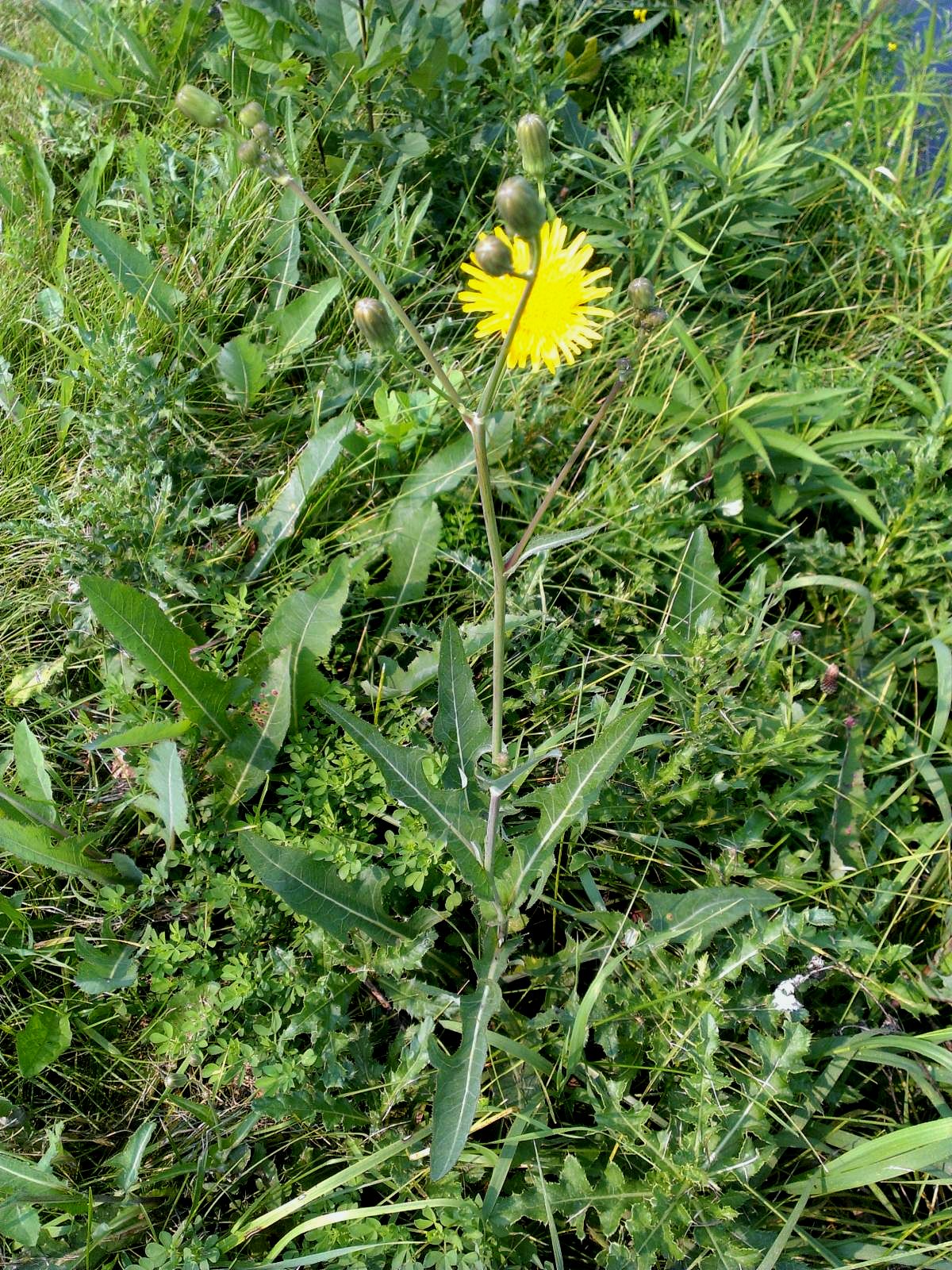
Our Forager Fix this month is a dandelion look-alike that we commonly find and control on the landscape. Sow Thistles (Sonchus spp.) are all edible and have a strengthening bitter taste with age, so are best harvested when young. This also prevents the plant from maturing and dispersing its fluffy-coated seeds on the wind! Take advantage of eating the whole plant-leaves, flowers, and roots can all be consumed. Try something new and roast and grind the root for a coffee substitute. We cannot guarantee the same aromatic flavor as our beloved tropical fruit, but we can get behind taking this invasive off the landscape and using it for nourishment! The leaves are rich in minerals and can be consumed raw or cooked after removing the spiny edges. The sunshine yellow flowers can be candied for a delightful treat. Sow Thistles are from Eurasia and found almost everywhere-one of those weeds that will fill sidewalk cracks. Be sure you are harvesting in a safe area that does not get sprayed with chemicals or builds up pollution. Happy foraging!
|
|
|
|
Restoration Tip of the Month |
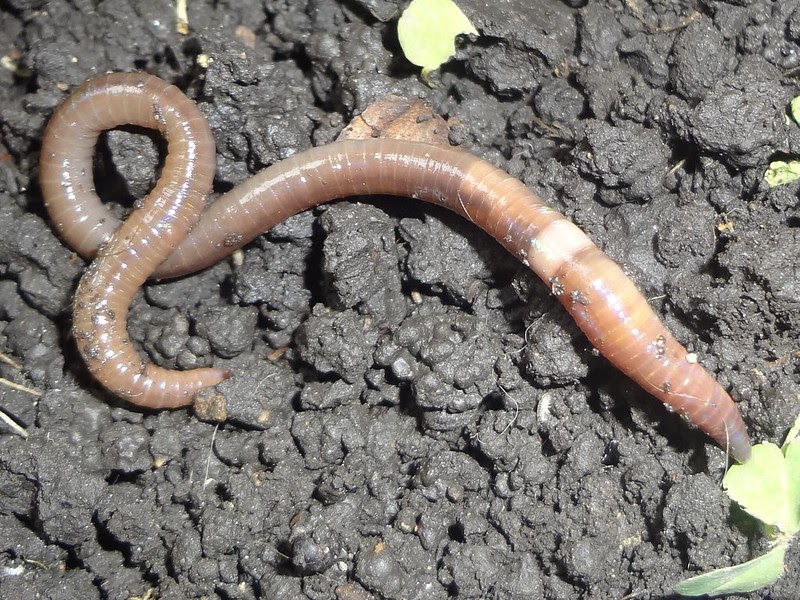
Plant Swapper Beware! Jumping worms, an invasive species that can quickly colonize your gardens and restoration and destroy the soil, is often transported during plant swaps. Make sure any plants you receive from another garden enthusiast has all the soil removed first to prevent the spread of these prolific soil monsters. If you do find any jumping worms, throw them in the trash! They are identified by their light-colored band near their head (called a clitellum) and their tendency to thrash around robustly (jump) when touched.
|
|
Jumping Worm- Flickr by Alfredo Eloisa
|
|
|
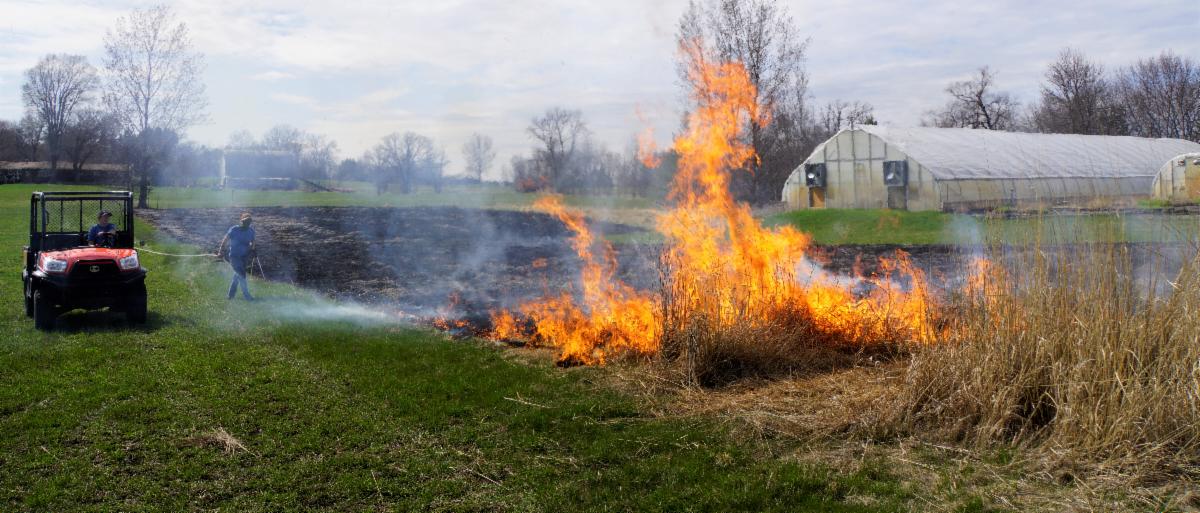
Spring Burn at our Greenhouse Prairie! |
|
|
|
|
|
|