In This Issue
SCFC News
Safety
Community
Adventure
|
Welcome New Members
Edward Abraham
Dan Bitner
Tim Fewkes
Darsh Gandhi
Member Achievements
Chandler Ball
Private Pilot
CFI Russell Bowerman
Chris Gruenwald
Private Pilot
CFI Lukasz Zoromski
John Taylor
Commercial ME
CFI Brian Eliot
Stanislav Vitko
First Solo
CFI Kyle Smathers
|
A Fun Monthly Test of Aviation Knowledge
Editor: Herb Patten
1. What is not allowed at KHAF?
a) Stop-and-go's
b) Practice instrument approaches
c) Go arounds
2. When should you turn crosswind at KHAF?
a) At 700' AGL
b) As soon as safe
c) After reaching the shoreline
3. What is discouraged at KHAF?
a) Flying over homes
b) Pattern work at night
c) Pattern work weekend and holiday mornings
d) All of the above
(answers at the bottom)
|
Upcoming SCFC Events and Safety Seminars |
May 4 (Wed) 7pm
May 7 (Sat) 12pm
May 11 (Wed) 7pm
May 14 (Sat) 12pm
May 18 (Wed) 7pm
May 21 (Sat) 12pm
May 25 (Wed) 7pm
|
Upcoming
Events & Trips
Airport of the Month
FOG Lunch at
Auburn
FMF: Hollister
|
Member Rates
C182 - TAA
N1483L - $257/hr
N182EE - $253/hr
C182 - Analog
N9894E - $212/hr
C172S - G1000
N63251 - $194/hr
N6198N - $194/hr
N646DW - $186/hr
C172S
N106RA - $179/hr
N137ME - $179/hr
N21591 - $179/hr
N236SP - $179/hr
N410BS - $179/hr
N458SP - $179/hr
N5210A - $179/hr
C172R
N2370F - $169/hr
C152
N111RK - $129/hr
N530CA - $133/hr
N5369H - $125/hr
Piper Archer
N6848J - $169/hr
Baron
N169SP - $415/hr
Simulators
AATD G1000 - $75/hr
BATD GNS-430W - $40/hr
|
Contact Us
Front Desk
(650) 946-1700
SCFC Maintenance
(650) 946-1701
Email Us
Club Address
795 Skyway Rd, Suite A
San Carlos, CA 94070
|
Pop Quiz Answers
1. a
2. b
3. d
|
|
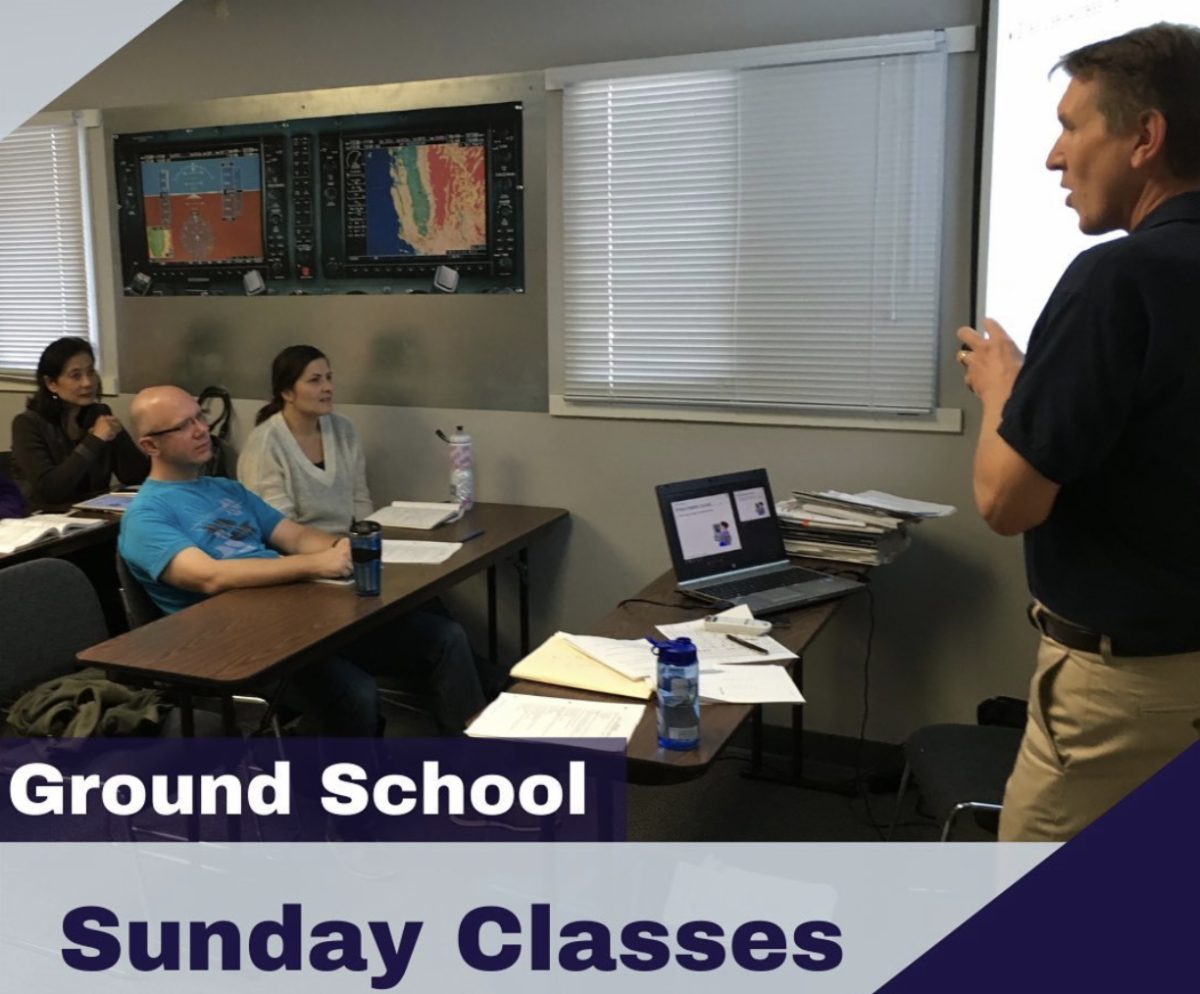
Sunday 10am Ground School is Back |
Now that Private Pilot classes have returned to in-person sessions, we have once again opened up a second session each week on Sunday mornings.
Although recorded versions of the Private Pilot ground school sessions are available online 24x7), SCFC's in-person ground school has long been regarded as the most effective way to learn the volumes of aviation knowledge that Private Pilots are supposed to know. The classes are fun, it's a great way to meet and interact with other student pilots, and it is the best value aviation instruction in the SF Bay Area by far, with over 30 hours of instruction, and individualized follow up for one low price.
The classes are arranged so that you can choose whichever session fits your schedule. If you miss the Sunday 10am class, the same material is presented the following Tuesday evening at 6:30pm. For more information, contact the Front Desk.
|
New Club Leadership Positions Opening |
As the Flight Center plans for the next decade of growth, we are adding new positions to our leadership team. We are seeking passionate, dynamic people who want to help steer the organization through growth, while maintaining our strong Flight Center culture. If you are passionate about safety, community, and adventure, and are looking to deepen your connection to aviation, please contact us regarding any of the following positions.
Manager
Responsible for managing Club staff training, front desk operations, and other business aspects of Club operation.
Director of Maintenance
Responsible for coordinating the work of the mechanics, overseeing SCFC's goals for quality aircraft, and performing Annual Inspections (IA).
Chief Pilot Office
Join the Chief Pilot office and assist with training of flight instructors, oversight of student phase checks and aircraft checkouts, and contribution to the safety seminar program.
These are full-time positions that will build on our last ten years of growth and service. If you or someone you know is interested in becoming a part of the great SCFC tradition, contact our Executive Search team for more information.
|
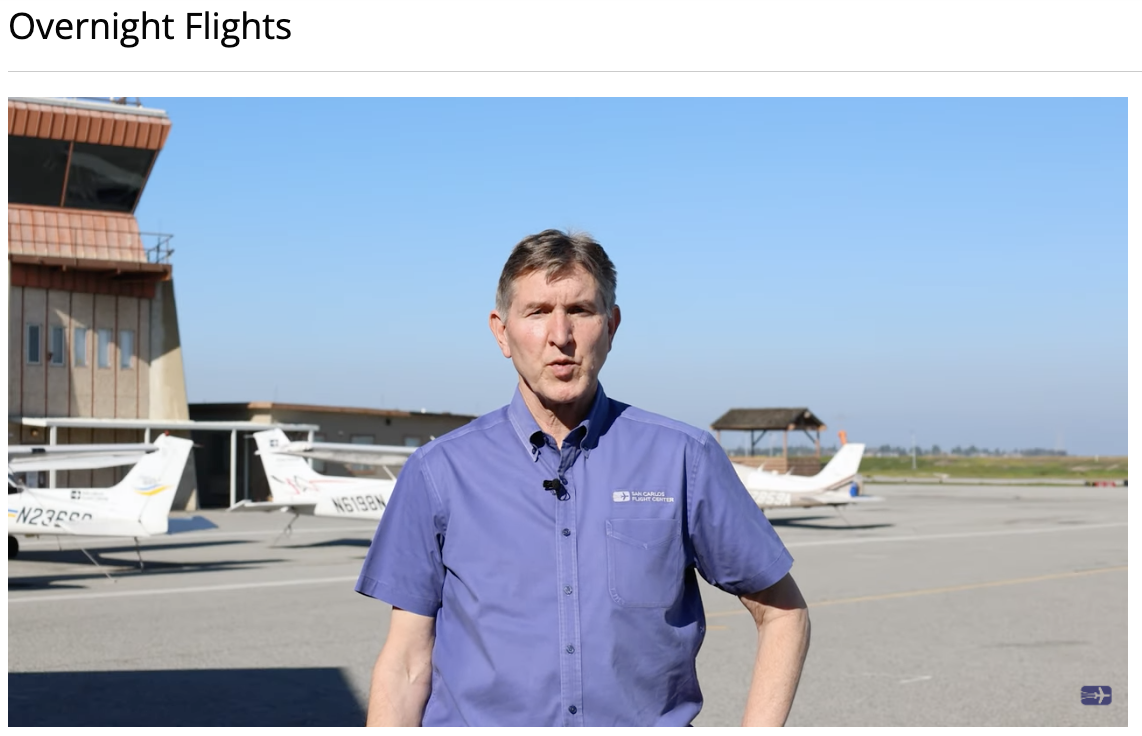
Updated Member Video: Booking an Overnight Flight |
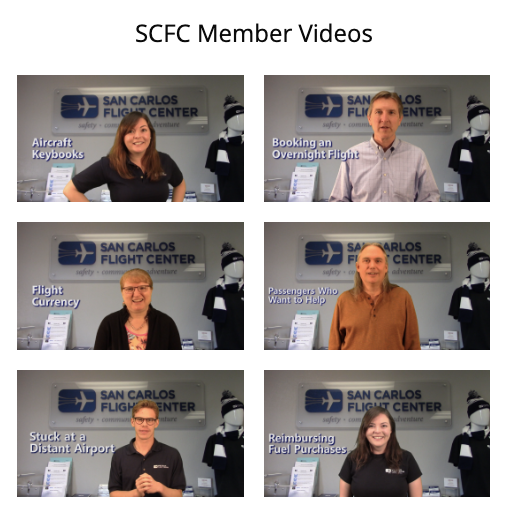
SCFC has made it easy to learn and stay current with member policies and procedures with a set of Club Orientation Videos. Each is about 3 minutes and introduces new members to the way flights are reserved, squawks are reported, fuel is reimbursed, and new aircraft checkouts are performed.
Recently, we have updated the video for "Booking an Overnight Flight" to help pilots with their first multi-day cross-country flight, or flight out of state, either of which require pre-approval from the Chief Pilot's office.
|
Take a look at the updated video and you'll find out about our online flight request tool, as well as some of the pre-trip considerations you should be making. Our goal is to make your multi-day flight a success, and we've included all our best tips for making that happen.
|
Play Ball! Summer Sporting TFRs |
Opening day for baseball is like a national holiday for some. For pilots, it means that we need to pay attention to NOTAM FDC 0/0367. What is this cryptic NOTAM? Referred to as the sporting events TFR, it prohibits flight within 3,000 AGL in a 3 NM radius over a “qualifying stadium” during a “qualifying event”. It is effective one hour before the scheduled start to one hour after the end of the qualifying event. What is a “qualifying stadium”? These are now depicted on our charts with a magenta diamond.
A qualifying event is an MLB, NFL, NCAA Division I Football game or NASCAR Cup, Indy Cup, or Champ Series race. This is the challenging part as keeping track of this is not always easy. These events aren’t included in an FAA briefing but thankfully products such as ForeFlight and SkyVector graphically depict these. Remember that the TFR extends until 1 hour after the event actually ends and with the average length of a baseball game increasing to over 3 hours you can expect many games to last longer than that. If you want to transition via Oakland during an Oakland A’s game you might be better off transitioning overhead Hayward to avoid the TFR.
|
Say "Twenty One", Not "Two One"
Some San Carlos Tower controllers have recently begun pronouncing SCFC’s Bay Flight callsigns incorrectly.
Per AIM 4-2-4, ICAO callsigns (such as the Bay Flight callsigns) should be pronounced in "group form", with numbers pronounced as "twenty-one" instead of "two one", for example. Some of the newer controllers seem to be struggling with this and attempts to work with SQL Tower management have been unsuccessful.
Remember, you may hear your callsign pronounced either way at San Carlos, but pilots should respond with their callsign in group form unless explicitly instructed.
When to Include the Type
On an initial call to ATC, you should provide the aircraft type along with the callsign, e.g., Skyhawk Bay Flight 17. Providing the type is important because a controller does not know if Bay Flight 17 is a Skyhawk or a Pilatus.
If you have a squawk code and are handed off from the SQL tower to NorCal, the preferred communication is to just use your Call Sign and altitude, e.g. NorCal Approach, Bay Flight 17, 2,000.
How to Help a Confused Controller
If you fly to an area of the country that isn’t familiar with the Bay Flight callsign, the controllers may be initially confused. No worries, Bay Flight is official and can be used everywhere. To help the controller out, you can let them know the code for Bay Flight is BYF. That way if they need to put it in their system or look it up, they know the ICAO code.
|
Warning to YouTubers, Instagramers, and TikTokers: Safety First, Likes Later |
Recently, we've seen a big increase in the number of younger pilots who record flight footage for the purpose of uploading to social media sites. It's worth reminding members, that clear safety policies exist at SCFC which limit your options for in-flight video production. The obvious problem we are trying to avoid, is a pilot more interested in getting good video footage than in flying the airplane safely. |
Here are some of SCFC policies and guidelines:
- Handheld filming by the pilot is prohibited at all times. You are welcome to bring passengers, and they can use cameras provided it doesn't interfere with pilot operation. But pilots CANNOT use handheld cameras or camera phones during flight.
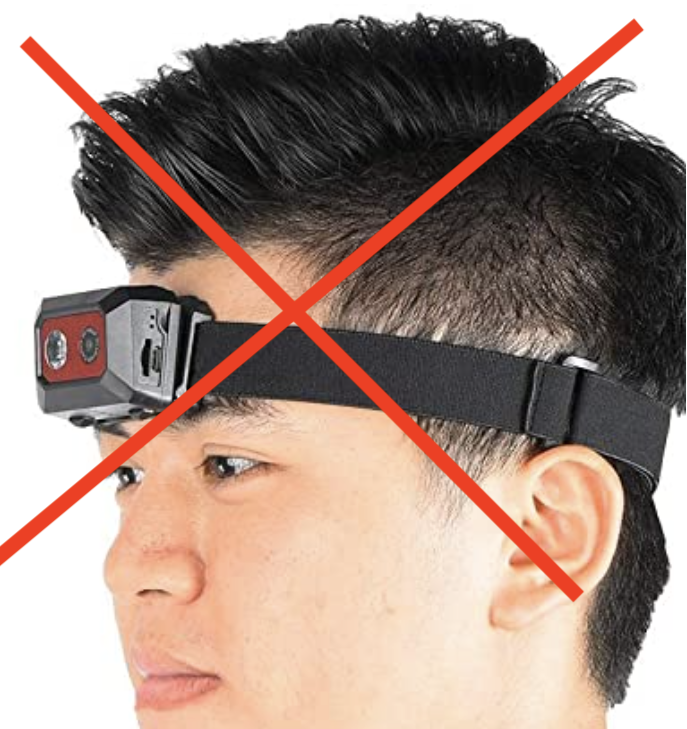
- Head-mounted cameras, while seeming to free the pilots hands, are causing a problem as they still force the pilot to direct the recording in real-time which takes attention away from flying. No head-mounted cameras, they are too distracting.
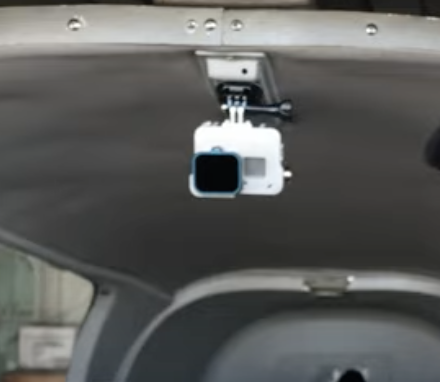
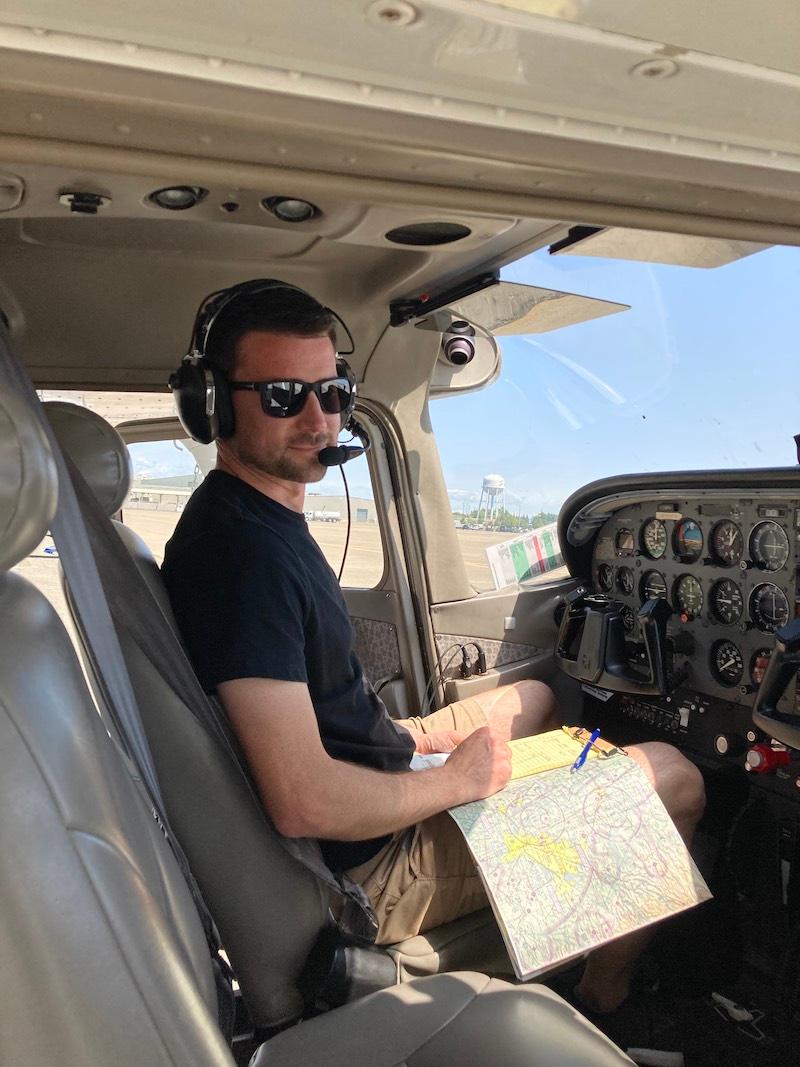
- Cameras mounted to the aircraft inside the cockpit typically are okay, provided they don't interfere with the pilots lines of sight or freedom of movement.
Safety is our primary concern as pilots. If you must document your flight lesson or flying adventures, do so safely by bring along a passenger who can focus on collecting video without taking time or attention away the pilot.
|
Mountain Flying Safety Seminar |
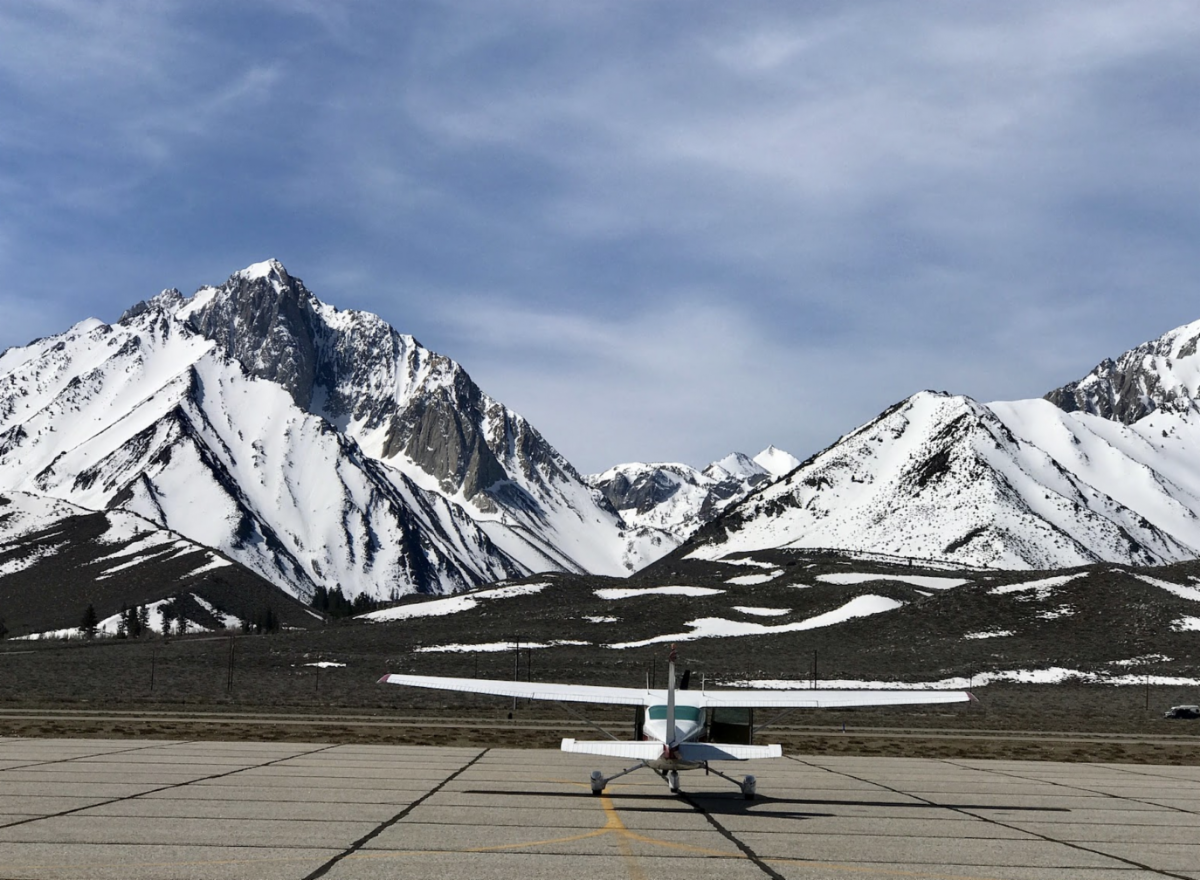
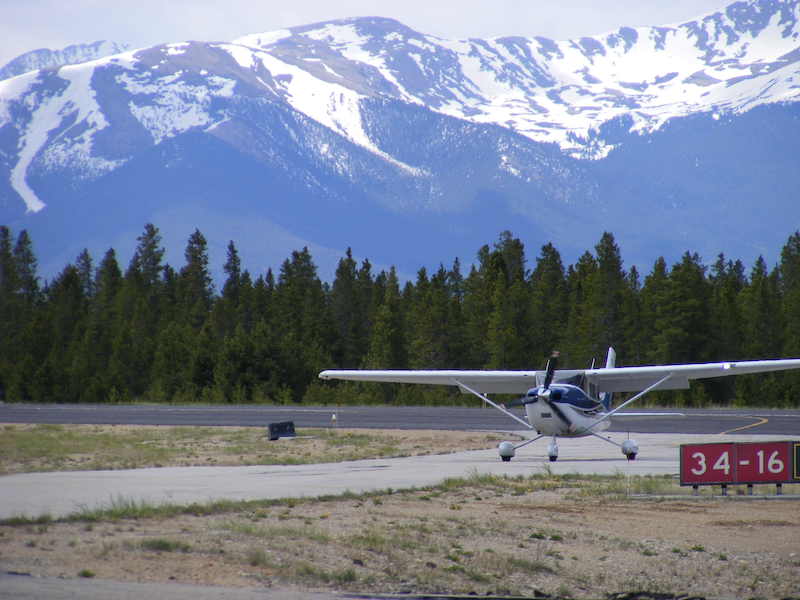
On Saturday, May 14, join SCFC CFI Brian Eliot as he reviews mountain flying operations. Flying in the mountains can be some of the most amazingly beautiful and satisfying flying you may ever accomplish. But it comes with increased risk, and thereby increased responsibility. Every day, GA pilots who fly in the mountains safely calculate and plan for such risks, and you can too.
Tune into this livestreamed FAA Safety Seminar listed here where he’ll review the critical elements of mountain flying. We'll look at how terrain and mountain weather patterns affect one another and what that means to pilots of small aircraft. We will discuss how to calculate density and what it means for landing and departing at high-altitude mountain airports. And no mountain flying discussion is complete without emergency preparedness and survival gear.
If you are planning a trip to the mountains anytime soon, or just want to learn more about mountain flying, don’t miss out on this seminar.
|
SCFC Member Profile: Chris Gruenwald |
SCFC: When did you start flight training? What motivated you to begin to learn to fly?
CG: I really liked attending airshows growing up, so I always had it in my head that one day I would learn to fly. I started flight training in Fall of 2020, and enjoyed learning a new skill during the days of social distancing.
SCFC: How would you compare the process of learning to fly to other training processes you’ve been through?
CG: Flight training is a lot like preparing for a marathon. If you are consistent and put in the time, you start to notice gradual and steady improvement. It's a really rewarding experience.
|
SCFC: Who was your first passenger? If not yet, who will your first passenger be?
CG: No passengers yet, but I have many friends who are keen to get a Bay Tour!
|
SCFC: What additional ratings, aircraft checkouts, or certificates do you plan to pursue?
CG: After building up some more cross country experience, I'd like to get an Instrument Rating. It would also be nice to do some mountain flying and checkout in a low-wing aircraft.
SCFC: Have lessons from aviation about risk management and avoidance impacted any other aspects of your life?
CG: Planning is really emphasized in the cross country portion of training. I find that when I'm getting ready for a backpacking trip now, I think more about contingency plans and health considerations.
|
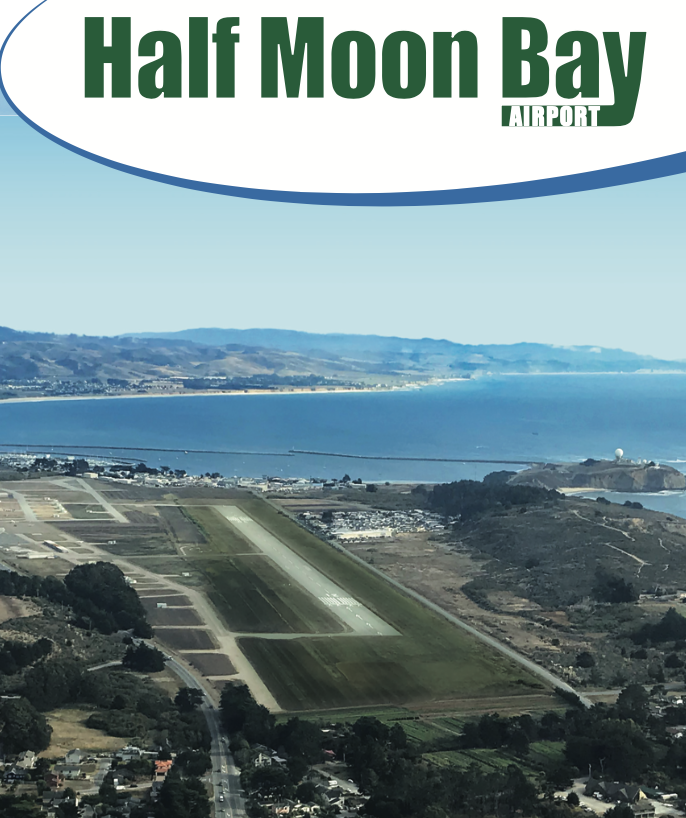
Easing Noise Pressures at Half Moon Bay |
As we know, a very common threat to general aviation airports are people buying homes adjacent to an airport and then complaining about airport operations. Such pressures, however unfair they seem, have put flight operations at risk at many California airports. As pilots, we have every right to use airports for their intended purpose, but it benefits us all to do so in a way that places the lightest footprint on the local community.
San Mateo County Airport administration is regularly flooded with noise complaints from neighbors who are irritated by regular airport operations. World events seem to have heightened neighbor complaints, both because more people are working from home, and because general fears and anxieties have increased from the pandemic and other world events.
Pilots can help. Yes, pattern work is a perfectly legitimate use of an airport. But there are small changes you can make to reduce your noise footprint. Half Moon Bay's voluntary noise abatement procedures, agreed upon by the pilots operating in the area, call for all pilots to avoid flying over homes as much as possible, and to avoid the airport for pattern operations at night, and on weekend mornings, when some people sleep in late. Also, although each PIC is allowed to make their own decisions, we encourage you not to do more than 5 laps in the traffic pattern on a single flight, as requested by the airport administration. Try a few, and then head to another airport for more practice.
San Carlos Flight Center is strongly committed to working with the airport and the local community to ensure that general aviation remains a part of the SF Bay Area for many years to come, and your courtesy shown to our neighbors around Half Moon Bay will go a long way.
|
Summer BBQ - Saturday June 4 |
It's time to gather as a pilot community and celebrate the gift of flight, and the strength of our Flight Center community. Bring your family and friends on Saturday, June 4, for an afternoon of socially responsible bonding and fun.
The BBQ will be hosted by the Flight Instructors who have been making big claims about their BBQ'ing skills after the last big event hosted by our SCFC Maintenance Department. Come and see what your favorite flight instructor is cooking up. More details to follow in the coming weeks, but you can set your calendar now.
|
SCFC CFIs: Where are they now? |
Many CFIs launch their flying careers at San Carlos Flight Center. Some of our CFIs have taken the leap to airline flying and can be found operating routes around the country.
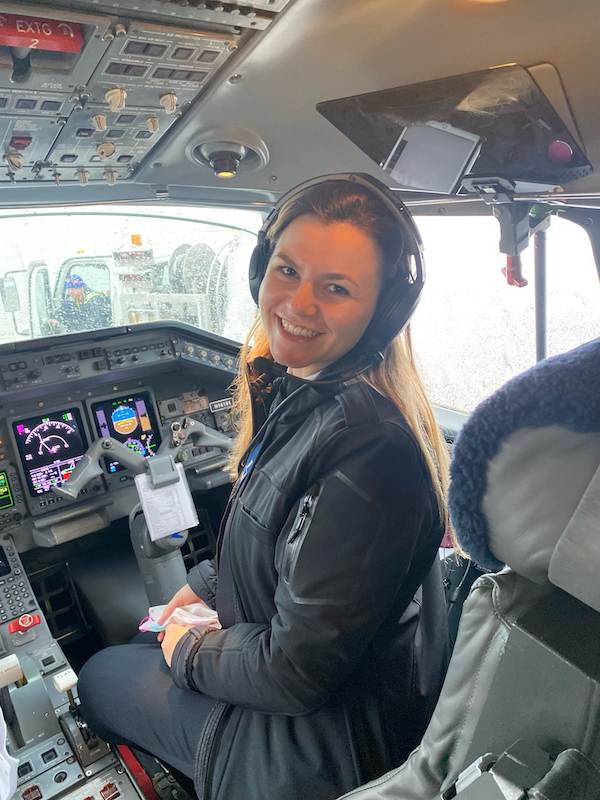
Mari Baratto left the Flight Center a year ago to fly for CommutAir, an airline in the midwest. While she has missed the scenery of the West Coast, she enjoys the fast-paced flying at a regional carrier.
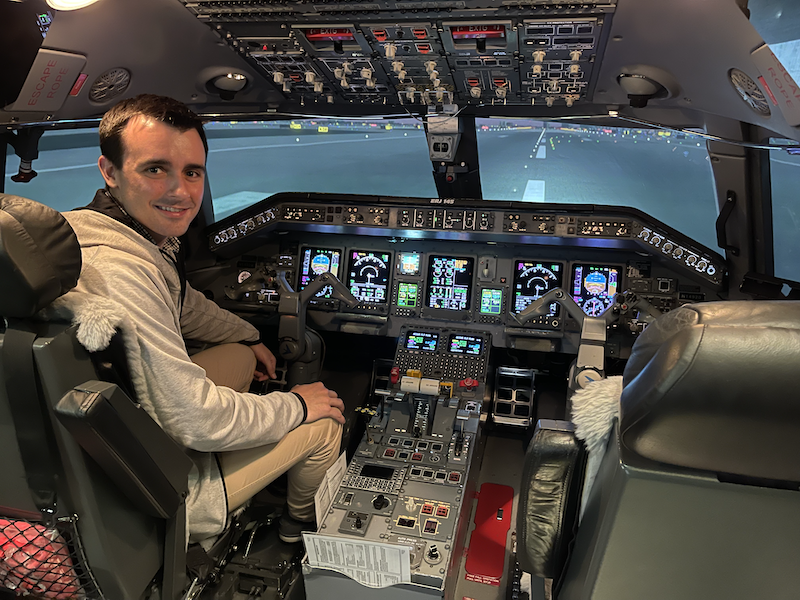
Three other CFIs have stayed closer to the west, where they have joined Skywest Airlines as First Officers. Sydney Rapp, Justin Chow, and Kyle Smathers are currently in ground school, where they are hitting the books and learning the nuances of jet flying. If you fly around the west coast frequently, you may soon see them working on their Initial Operating Experience (IOE) flights.
|
Other pilots found a new home at Part 135 carrier, JetSuiteX. Adam Kelly, our former Assistant Chief Pilot, has been at the company for a few years. He is joined by part-time CFI Russell Bowerman, who will start flying this month for the company. |
5-Day Colorado Mountain Training
Jul 6-10 (Wed-Sun)
|
Each year an armada of 182s departs the Bay Area bound for a fun and amazing mountain flying adventure!
This year we head back to Colorado for some awesome Rocky Mountain flying. We will take the southern route through Arizona, landing at the KSEZ for an overnight stay in Sedona. Day two we journey into the heart of the Rockies for a two-night stay in Eagle, Colorado, our home base for mountain flying. Eagle is situated among the best mountain passes and 40 NM Northwest of the famous Leadville Airport, North America's highest airport at 9927'. Day Four we overfly the Grand Canyon en route to Las Vegas.
The trip is a great opportunity to master advanced avionics, get an airplane-specific checkout and earn your high performance endorsement. Each plane will have 1 CFI and 2 pilots on board. With two pilots per CFI and aircraft, the daily rate is halved between you and whomever you fly with to get mountain flying experience.
It promises to be an unforgettable flying adventure with plenty of room for ground-based fun as well. More information is on our website.
|
Full-Moon Flyers Hollister - May 16 (Mon) |
Need to practice night flying, or just want to gain more experience at night? Come join us for dinner at Seabrisa’s Eatery in Hollister (CVH) on May 16th at 7 PM.
On the way down, soak in the gorgeous sunset over the coastal mountains before descending into Hollister Airport. Make sure to remain clear of the San Jose final approach course, and consider talking to NorCal Approach to have an extra set of eyes looking out for you. Park in transient parking, and then at 7 PM, walk across the street to the local airport restaurant – Seabrisa’s Eatery! A local favorite for many pilots in the area, they’re known for their unique flavors and vegetables grown from many of the local farms.
After dinner, Hollister is a great place to work on night landings or fly to San Jose (SJC) to complete your night requirements there. With big runways, it’s easy to make the landings to a stop-and-go, and you’ll enjoy the challenge of flying alongside jet traffic.
Everyone is welcome to join us, so please RSVP and we’ll see you at the event.
|
Airport of the Month - Columbia (O22) |
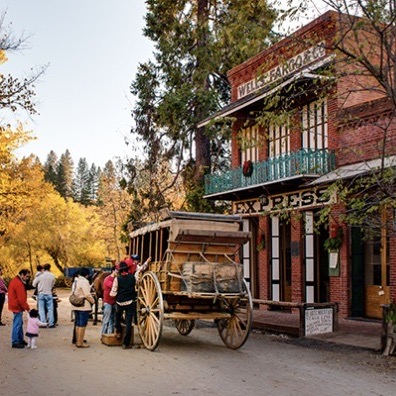
This month’s airport is a classic – Columbia Airport in the Sierra Nevada foothills. The airport is known for being within walking distance of the downtown area of Columbia, which features Gold Rush-era buildings and Wild West amenities.
The airport has two runways – one paved and one grass. There is fuel and an FBO, which does have access to Rental Cars. Many pilots enjoy using the cars to get into the mountains, allowing easy access to the numerous trails and scenic overlooks only a short drive away. Another fun option is to camp at the airport, which you can do on the north side of the field!
The downtown historical area is a 20-minute walk from transient parking. If you’re flying in the summertime, please make sure to bring water, as the area can be warm. Numerous restaurants are in the area, as well as places with cool drinks and ice cream to help cool off. Outside of the passing cars, the area looks very similar to how it was 150 years ago. Make sure to spend some time wandering around, and imagining what life would be like in the 1800s.
One other thing to keep in mind is density altitude. Pilots should always calculate their performance numbers for landing and takeoff, as the area is known to have wide fluctuations in density altitude.
If you visit Columbia, this month, please send us pictures of your adventures to fog@sancarlosflight.com!
|
|