|
Guest Editor Joseph Kitchen, Associate Research Professor
Dear Colleagues,
As the year comes to a close, I continue to reflect on the inspiring work of my colleagues in their efforts to promote equity in higher education through research-informed practices and policies. Their commitment to equity is palpable, and their steadfast focus on acknowledging and elevating students’ considerable assets and strengths to inform postsecondary support is praiseworthy.
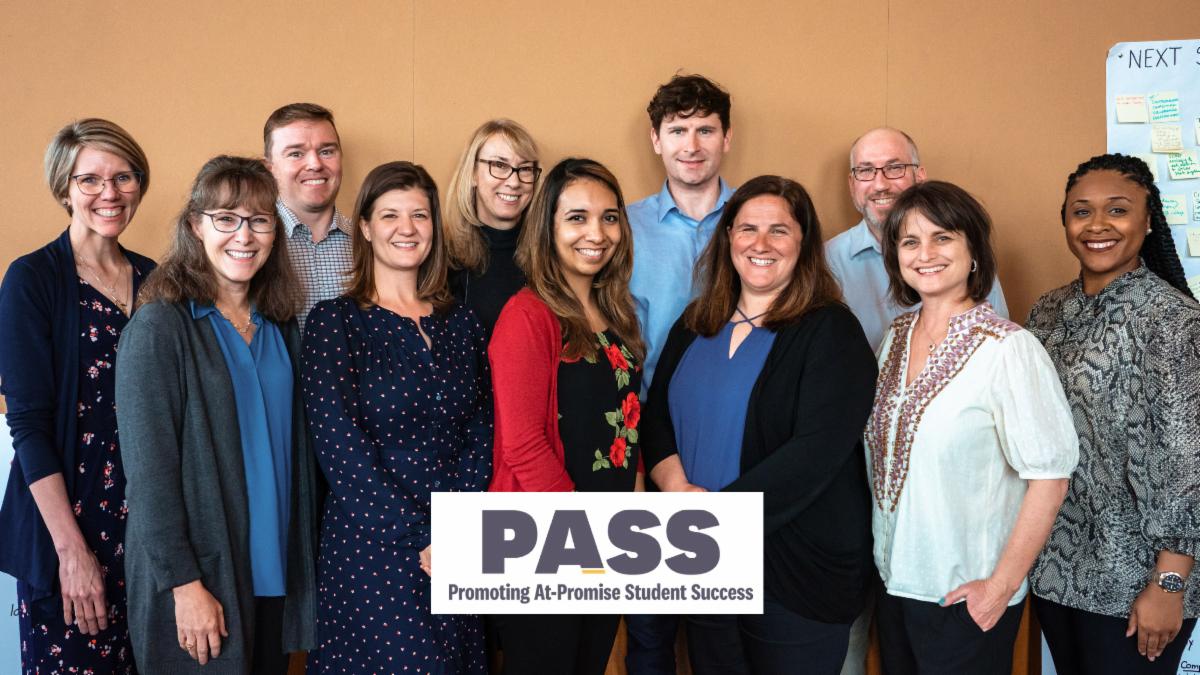
This edition of the Pullias newsletter highlights work from researchers and practitioners as part of the Promoting At-Promise Student Success (PASS) study — a longitudinal project examining college success among low-income students — many of whom are racially minoritized and first-generation. We know the factors influencing low-income college student success are multifaceted — including academic and social adjustment, financial well-being, and career and professional development. Fully supporting low-income student success will require a multifaceted, equity-oriented, evidence-based approach, as outlined in our recent book, Creating a Campus-Wide Culture of Student Success.
This newsletter offers three student success strategies — each of which tackle a particular facet of low-income students’ college experiences. The first feature in this newsletter discusses the role of peer mentoring in promoting sense of belonging, mattering, and confidence among low-income students. The second is a research-to-practice feature that describes support for low-income students’ career and professional development, while the final article discusses promoting students’ financial well-being. For each practice, I urge readers to consider the diverse, multiple and intersecting identities low-income students hold in order to fully engage student success in a holistic way.
I invite you to read on to learn more and join me in reflecting on how the ideas shared might inform higher ed practice, research, and policy in inclusive, equity-oriented ways.
Cordially,
|