SPRING 2024 | Quarterly Update for Donors, Sponsors, Patients, Doctors, and Hospitals


Remembering Mom

By Linda Taxel and David Lord  


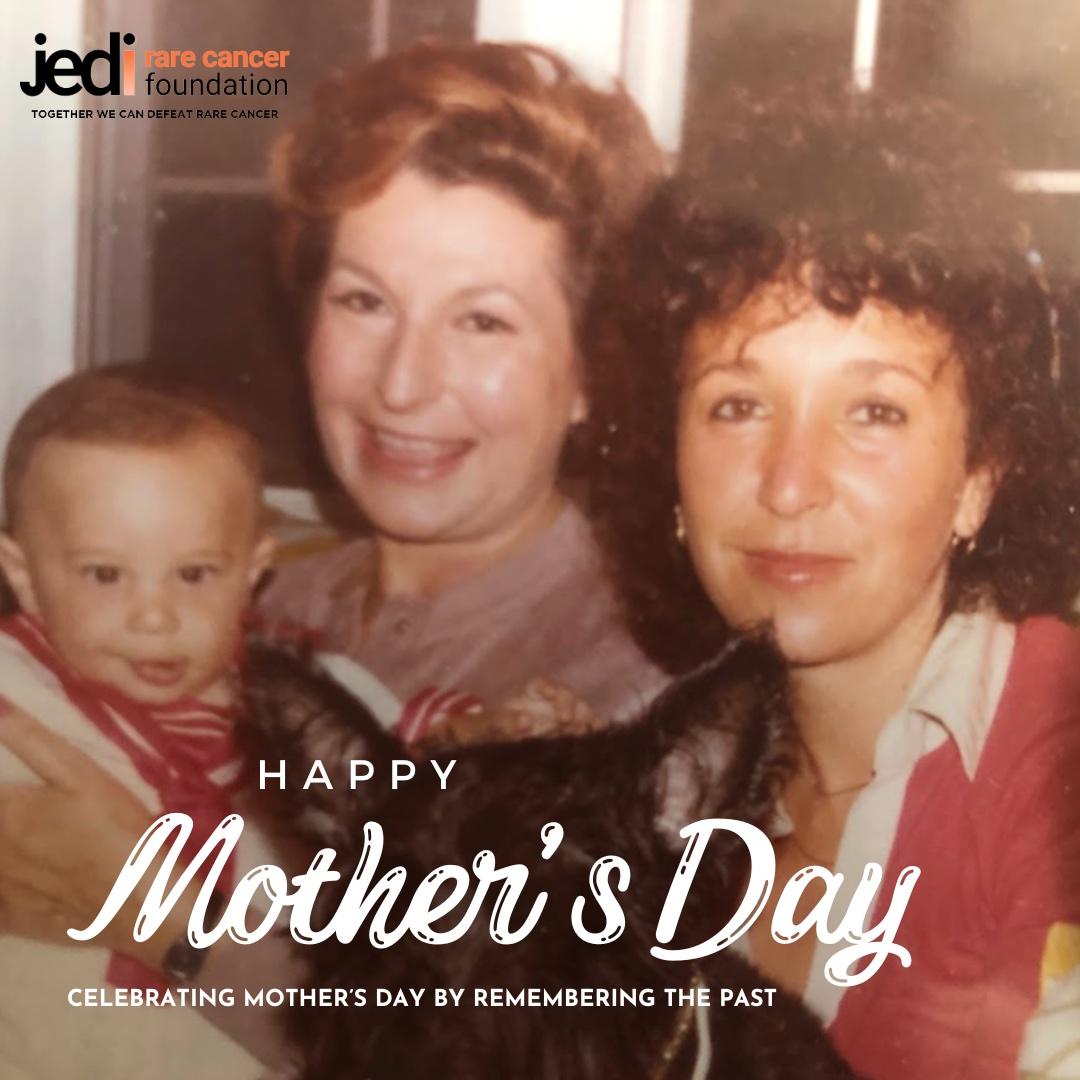
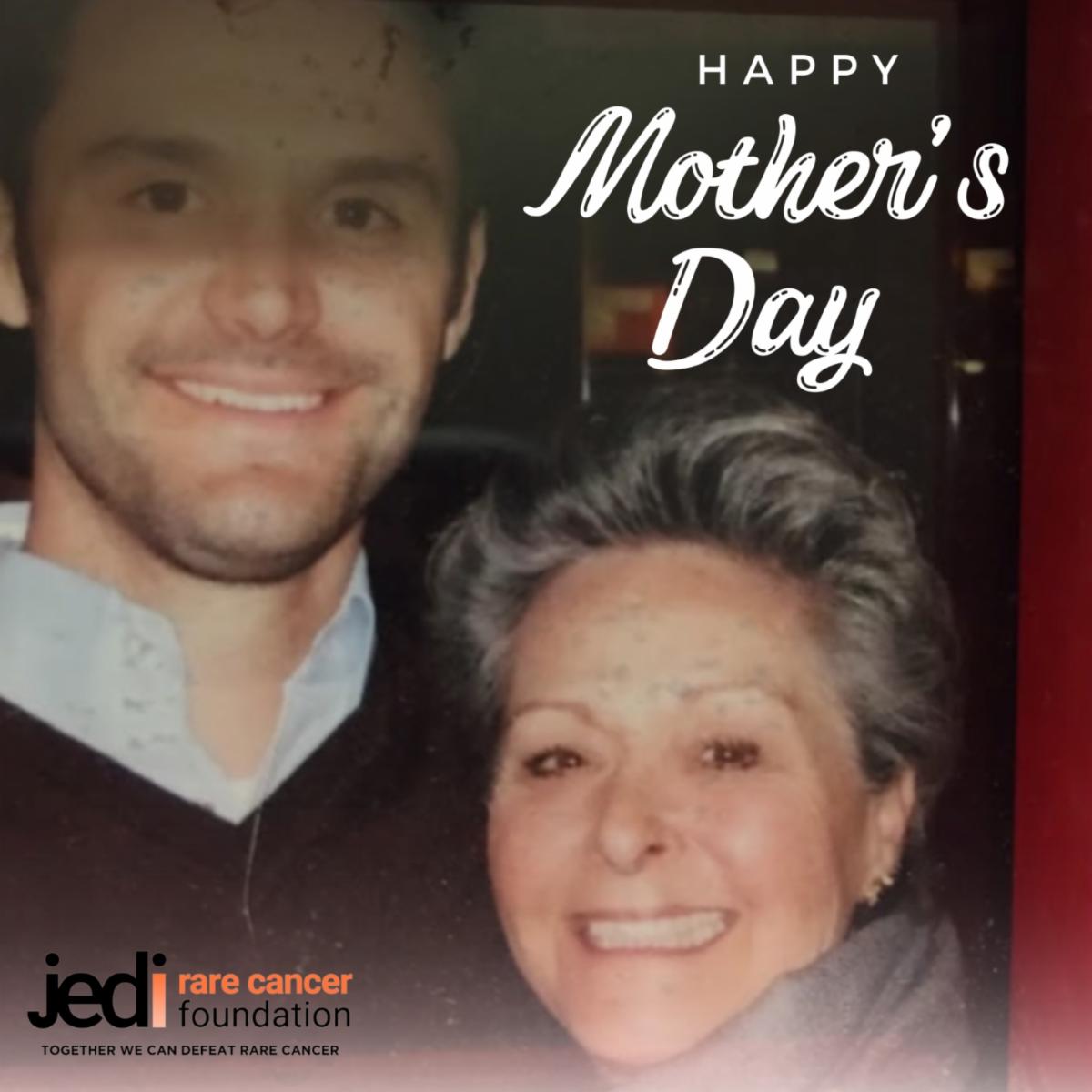
In honor of Mother’s Day, Linda Taxel shares her thoughts on grieving and remembrance of her son Jed to offer hope to other mothers and their loved ones on Mother’s Day. Our board member David Lord finds that choosing to reflect on memories with photos and videos on Mother’s Day and other special holidays provides a tradition to remember his mom surrounded by other loved ones.


Rare cancer research offers groundbreaking insights.


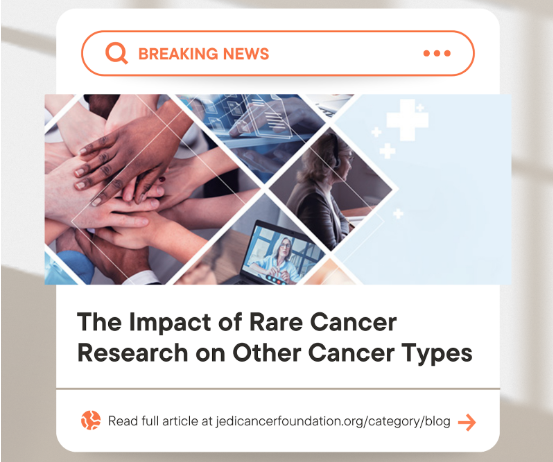
From unveiling crucial genetic insights to pioneering personalized medicine, rare cancer research is not just a beacon of hope for those directly affected but also a cornerstone in the fight against more prevalent cancers. Our blog post explores the ripple effect of this vital research, showcasing how innovations in the study of rare cancers pave the way for new treatments and a better understanding of cancer biology.


Did you know?

We’re naming cancers all wrong.


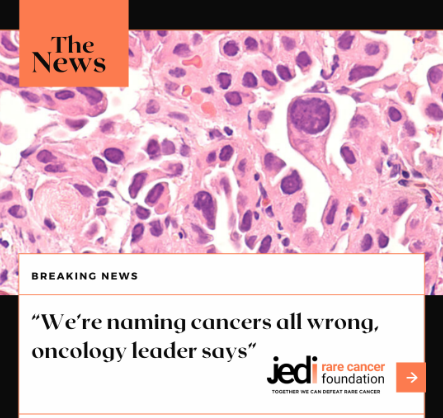
Naming cancers solely by the organs they originate in is getting a bit old, according to Fabrice André, a medical oncologist at Gustave Roussy in France and the president-elect of the European Society of Medical Oncology. 


Instead, Dr. André hopes to push for a new naming system that emphasizes the molecular characteristics of a cancer, regardless of its tissue of origin, because today’s science has uncovered the ways genetic alterations can drive the growth and development of cancers — and how those alterations can be targeted with medicines to melt tumors away.


With CURE: The Rare Cancer Initiative as a strategic priority for our foundation, we believe that these insights have important ramifications for rare cancer, in that the real identity of a cancer is the genetic underpinning of a tumor. If this sounds all very academic, André argues the naming conventions for cancer can have real-world consequences for patients. Read the full article and interview with Dr. André here.


A complex approach to a rare cancer:

Bruce Brown’s inspiring journey with Yale School of Medicine  


In a recent article posted by the Yale School of Medicine, there’s a remarkable story that epitomizes the significance of pioneering treatment options for rare cancers.


Bruce Brown was diagnosed with Multiple Myeloma (MM), a rare type of blood cancer, after experiencing a severe spinal injury following a fall. Despite the bleak prognosis, a multidisciplinary team at Yale New Haven Hospital, led by Dr. Ehud Mendel, performed a complex spinal fusion surgery to stabilize Bruce's spine, enabling him to walk again.


Despite some challenges along the way, including additional surgeries, Bruce's condition improved, and he credits the expertise and support of his medical team for his recovery. A year and a half out, he looks back on the experience and comments that although it was difficult physically, he felt supported the entire time. His advice to others is to ask questions and to listen and engage with the experts. Read more about Bruce's inspiring journey in the Yale Medicine article here.


This story underscores the critical importance of advancing research and developing new treatment modalities for rare cancers, which is the focus of our foundation’s’ funding to provide hope, support, and resources to individuals facing the challenges of rare cancers.


Your support makes stories like Bruce's possible.

Facebook  Instagram  Linkedin  
The Jed Ian Taxel Foundation for Rare Cancer Research, Inc. is a 501(c)(3) Nonprofit Organization, accepting Tax Deductible Donations from individuals, corporations, family advised funds, and foundations. Federal Tax ID 86-261081