In this issue (scroll down):
- What are the rules for scattering ashes in Alberta?
- What is aquamation?
- What is green burial?
- What is required to transport cremated remains?
- Is it always necessary to have a Will?
- What is an Enduring Power of Attorney, and do I really need one?
- Ask Barb
|
|
Scattering cremated remains in Alberta: Guidelines and consideration |
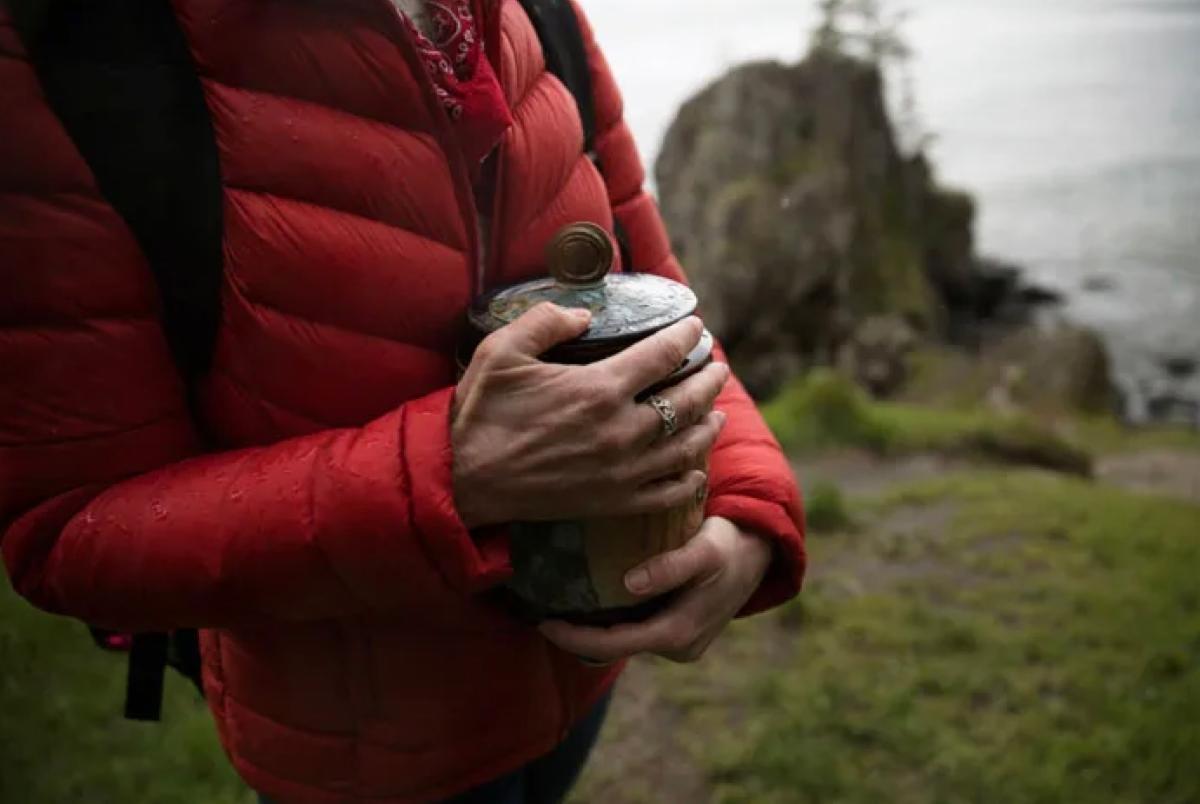
General Guidelines: In Alberta, the rules for scattering ashes are relatively flexible, providing a respectful and lawful way to honour loved ones. Here are the key points to consider:
1. Permission: Always obtain permission from landowners or governing authorities when planning to scatter ashes on private property or in public spaces.
2. Public Spaces: Scattering ashes in public areas, such as parks or natural reserves, may require special permission from local authorities or the managing organization.
3. Waterways: Ensure that scattering ashes in lakes, rivers, or other water bodies does not violate local regulations, trespass on private property or negatively impact the environment.
4. Respect and Sensitivity: Choose a location that is not heavily trafficked to avoid causing distress to others. Be mindful of the environmental impact and the feelings of other people.
5. Packaging: Remove the ashes from any non-biodegradable containers before scattering to protect the environment.
Specific Locations
National and Provincial Parks: Cremated ashes may be scattered on unoccupied provincial government-owned Crown land or water, including provincial parks, without official government approval. Avoid scattering ashes near water treatment intakes, facilities, or places where recreational water activities occur to prevent environmental contamination and respect public health concerns. Ensure that scattering ashes does not interfere with the rights or enjoyment of others using the area.
Cemeteries: Some cemeteries have designated areas for scattering ashes. Contact the cemetery management to understand their specific rules and requirements.
Summary
By adhering to these guidelines, families can honor their loved ones' wishes in a way that is both respectful and considerate of others and the environment. The updated guidelines ensure that the process is clear and accessible, reflecting the cultural and spiritual diversity of Alberta's residents.
|
Aquamation, also known as alkaline hydrolysis, is a process that uses water, heat, and alkali (potassium hydroxide or sodium hydroxide) to break down a body after death. It's often considered an environmentally friendly alternative to traditional cremation and burial. Here are the key points about aquamation:
How It Works
- Process: The body is placed in a stainless-steel chamber filled with a mixture of water and alkali.
- Conditions: The chamber is heated to around 160°C (320°F) under high pressure, preventing the water from boiling.
- Duration: The process typically takes 6 to 8 hours.
- Breakdown: The chemical reaction breaks down the body's tissues into their basic elements, leaving behind a sterile liquid and bone fragments.
- Results: The liquid can be safely returned to the environment, often through the wastewater system, as it is sterile and contains no DNA. The remaining bone fragments are dried and ground into a fine powder, like cremation ashes, which can be returned to the family.
Environmental Benefits
- Lower Energy Use: Aquamation uses significantly less energy than traditional cremation.
- Reduced Emissions: It does not produce harmful emissions like mercury or carbon dioxide.
- Water Usage: Although it uses a substantial amount of water, the water is typically reused, and the overall environmental impact is lower than other methods.
Legal Status
Aquamation is legal in several places around the world, including parts of the United States, Canada, Australia, and the United Kingdom, but its availability can vary by region. Unfortunately, aquamation of humans is not legal in Alberta, but the legislation is being reviewed and will hopefully change soon.
Other Names
Synonyms: It is also known as resomation, biocremation, or water cremation.
Summary
Aquamation is gaining popularity as people look for more sustainable and environmentally friendly end-of-life options. Unfortunately, aquamation of humans is still not legal in Alberta.
|
Green burial, also known as natural burial, is an eco-friendly approach to interment that aims to minimize environmental impact and promote the natural decomposition of the body. Here are the key aspects of green burial:
Principles of Green Burial
- Minimal Environmental Impact: Green burials avoid the use of embalming chemicals, metal caskets, and concrete vaults, all of which can have significant environmental impacts.
- Natural Decomposition: The body is allowed to decompose naturally and return to the earth, which enriches the soil and supports new plant growth.
- Biodegradable Materials: Only biodegradable materials such as wooden caskets, shrouds, or wicker baskets are used. These materials decompose along with the body.
- Conservation of Natural Resources: Green burials use fewer resources compared to traditional burials, which often involve resource-intensive practices.
Features of a Green Burial
- No Embalming: Bodies are not embalmed, avoiding the use of toxic chemicals that can leach into the soil and water.
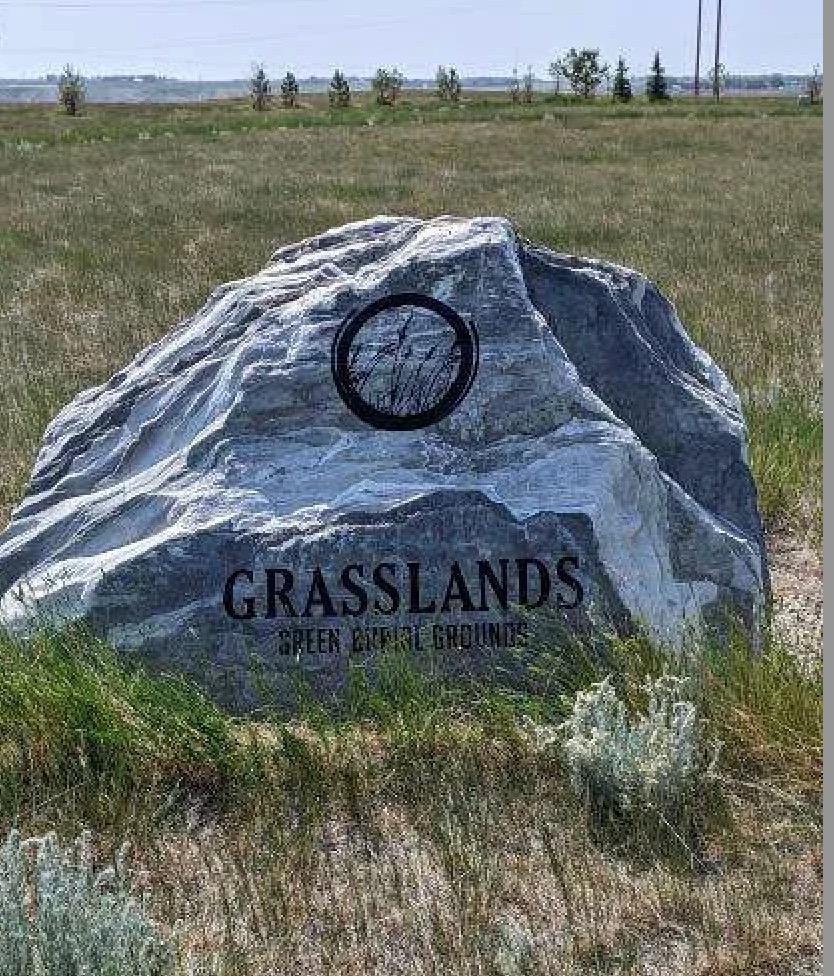
- Natural Burial Sites: Green burials often take place in designated natural burial grounds or conservation cemeteries, which may be managed as protected natural areas.
- Simple Markers: Graves may be marked with simple, natural markers such as engraved stones or trees rather than elaborate headstones.
- Conservation Efforts: Some green burial sites also serve as conservation areas, helping to preserve natural habitats and biodiversity.
Benefits of Green Burial
- Environmental Sustainability: Reduces pollution and resource consumption, contributing to environmental preservation.
- Cost-Effective: Green burials can be less expensive than traditional burials due to the avoidance of embalming, elaborate caskets, and vaults.
- Spiritual and Emotional Comfort: Many people find comfort in the idea of returning to the earth and contributing to the natural cycle of life.
- Preservation of Natural Areas: Supports the creation and maintenance of natural burial sites, which can also serve as conservation areas.
Legal Considerations
- Regulations: The legal status of green burial varies by region. It is important to check local laws and regulations to ensure compliance.
- Cemetery Policies: Not all cemeteries offer green burial options, so it's important to choose a cemetery that supports this practice.
Municipal Cemeteries with Green Burial Options
Aurora Gardens at Northern Lights Cemetery is Edmonton Municipal Cemeteries’ first green burial area. You can also call 780-442-0974 or email the municipality at cemetery@edmonton.ca.
Summary
Green burial is a sustainable and environmentally friendly alternative to traditional burial practices. By using biodegradable materials and avoiding harmful chemicals, green burial allows for natural decomposition and contributes to the preservation of natural habitats. It is an option that appeals to those seeking a more eco-conscious and simple approach to end-of-life arrangements.
|
What is required to transport cremated remains? |
Transporting cremated remains involves adhering to specific legal and procedural requirements to ensure the process is respectful and compliant with regulations. Here’s a general guide for transporting cremated remains:
Documentation and Permissions
- Death Certificate: Obtain a certified copy of the death certificate.
- Cremation Certificate: Acquire a cremation certificate from the crematory that performed the cremation.
- Permit for Disposition: Some jurisdictions require a permit for the disposition of the remains.
- Letter of Consent: If the remains are being transported internationally, a letter of consent from the next of kin or the person authorized to make funeral arrangements may be needed.
Domestic Transport
By Air
- Check Airline Policies: Each airline has its own policies regarding the transport of cremated remains. Contact the airline in advance to understand their specific requirements.
- Proper Packaging: Use a sturdy, leak-proof container. Airlines often recommend using a temporary container for security screening and a more permanent one for the final transport.
- TSA Requirements: The Transportation Security Administration (TSA) requires that the container be able to pass through X-ray machines. Containers made of materials such as wood or plastic are generally preferred over metal for this reason.
- Carry-On vs. Checked Baggage: It’s advisable to carry the remains as carry-on baggage to prevent loss or damage. Most airlines allow this, but verification with the airline is necessary.
By Mail
- Postal Service Guidelines: Use Canada Post or the United States Postal Service (USPS) if mailing within the United States, as these are legal methods for shipping cremated remains. Use acceptable services such as Priority and Xpresspost and confirm with the postal agent.
- You’re required to ensure the destination and return address are correct and complete. The inner container must be packed in a sealed container (urn or otherwise) and placed inside an outer container. You must protect breakable inner receptacles with enough packing material. The outer container is durable and sift-proof. A certificate of cremation, issued by the proper authority, must accompany the remains. Clearly label the package with the appropriate shipping information and enclose the certificate in a plastic envelope and secure it to the top of the parcel.
International Transport
- Consulate/Embassy Regulations: Contact the consulate or embassy of the destination country to understand their specific requirements and obtain any necessary permits or documentation.
- Translation of Documents: Some countries may require translations of the death certificate and cremation certificate.
- Customs Declarations: Be prepared to declare the cremated remains with customs at both the departure and arrival countries.
Additional Considerations
- Funeral Home Assistance: Our funeral service providers offer services to assist with the transport of cremated remains and can handle much of the paperwork and logistics.
- Local Laws: Be aware of local laws and regulations regarding the scattering or burial of cremated remains at the destination.
Following these guidelines ensures that the transport of cremated remains is conducted with the utmost respect and in compliance with legal requirements.
|
Is it necessary to have a Will in Alberta? |
In Alberta, while it is not legally required to have a will, it is highly recommended for several reasons. Here's an overview of the implications and benefits of having a will:
Benefits of Having a Will:
- Control Over Distribution of Assets: A will allows you to specify how your assets will be distributed after your death. Without a will, your estate will be distributed according to the rules set out in the Wills and Succession Act.
- Appointment of Guardians for Minor Children: If you have minor children, a will enables you to appoint a guardian. Without a will, the court will decide who will take care of your children.
- Choice of Executor: You can name an executor in your will, the person responsible for administering your estate. Without a will, the court will appoint an administrator, who may not be someone you would have chosen.
- Minimizing Family Disputes: A clear will can reduce the likelihood of disputes among surviving family members over your estate.
- Charitable Bequests and Specific Gifts: A will allows you to leave specific gifts or bequests to individuals or charities, ensuring your wishes are honored.
Consequences of Not Having a Will:
- Intestate Succession: If you die without a will (intestate), your estate will be distributed according to Alberta's intestate succession laws. This may result in outcomes that do not reflect your wishes. For example, your spouse might share your estate with your children, which could complicate financial matters.
- No Control Over Who Manages Your Estate: Without a will, you have no say in who administers your estate. The court will appoint an administrator, who might not be your preferred choice.
- Potential Delays and Increased Costs: The process of administering an intestate estate can be more time-consuming and costly, as the court must appoint an administrator and resolve any disputes according to statutory rules.
Specific Considerations:
- Wills and Succession Act: This Act governs the creation, validity, and execution of wills in Alberta. It also outlines how estates are to be handled in the absence of a will.
- Simplified Procedures for Small Estates: Alberta has provisions that can simplify the process for smaller estates but having a will can still significantly streamline this process.
Conclusion:
While it is not strictly necessary to have a will in Alberta, having one provides significant benefits and ensures that your estate is handled according to your wishes. It reduces potential legal complications, administrative delays, and familial disputes. Consulting with a legal professional in Alberta can help you draft a will that meets your specific needs and ensures your intentions are clearly documented.
|
What is an Enduring Power of Attorney, and do I really need one? |
In Alberta, an Enduring Power of Attorney (EPA) is a legal document that allows you to appoint someone (referred to as your attorney) to manage your financial and property affairs if you become unable to do so yourself due to mental incapacity. Here’s a detailed overview:
Key Features of an Enduring Power of Attorney (EPA):
- Durability: Unlike a regular Power of Attorney, an EPA remains in effect even if you become mentally incapacitated. This is why it is called "enduring."
- Scope: The EPA can be as broad or as specific as you wish. You can grant your attorney authority over all your financial affairs or limit their powers to specific tasks, such as paying bills or managing investments.
- Activation: An EPA can take effect immediately upon signing or only when a specified event occurs, such as a medical determination of incapacity.
- Termination: An EPA remains in effect until you revoke it (while you are still mentally capable), you pass away, or a court cancels it.
Why You Might Need an EPA:
- Financial Management During Incapacity: An EPA ensures that your financial affairs are managed according to your wishes if you are no longer capable of handling them yourself. This can include paying bills, managing investments, and handling property transactions.
- Avoiding Court-Appointed Guardianship: Without an EPA, if you become incapacitated, the court may appoint a trustee to manage your affairs. This process can be time-consuming, costly, and may result in someone you wouldn’t have chosen managing your affairs.
- Reducing Stress for Loved Ones: An EPA can alleviate the burden on your family members, as they won’t need to go through legal proceedings to gain authority over your finances during a difficult time.
- Personal Control and Choice: By creating an EPA, you maintain control over who will manage your affairs and how they will do so, ensuring your preferences are respected.
Steps to Create an EPA:
- Choose Your Attorney: Select someone you trust implicitly, as they will have significant control over your financial affairs. It's advisable to name an alternate attorney in case your first choice is unable or unwilling to act.
- Draft the EPA: It’s best to have a lawyer assist in drafting the EPA to ensure it meets all legal requirements and accurately reflects your wishes.
- Sign the Document: You must sign the EPA in the presence of a witness. The witness cannot be the attorney, their spouse, or their adult interdependent partner.
- Inform Relevant Parties: Once the EPA is created, inform your appointed attorney and other relevant parties, such as your financial institutions, to ensure they are aware of the document's existence and its terms.
Conclusion:
While an EPA is not legally required, it is highly advisable to have one if you want to ensure your financial affairs are managed according to your wishes in the event of your incapacity. An EPA provides peace of mind, reduces potential legal complications, and ensures that a trusted person oversees your financial matters. Consulting with a legal professional in Alberta can help you create an EPA tailored to your specific needs and circumstances.
|
|
Question:
"Hi, Barb- Can I buy a membership for someone else? Do I need to be power of attorney for them?”
Answer:
Barb- Thank you for your question. Anyone can purchase a lifetime $40 membership for anyone else: Purchase Online - COOPERATIVE MEMORIAL SOCIETY (calgarymemorial.com) You do not need to have power of attorney or consent. Just their first and last name, and address. What a gift that would be! The gift of thousands of dollars of savings! You can buy memberships for your loved ones and we can send them out to you. Everyone can benefit from the $40 membership. We have funeral home partners throughout Alberta where our members save. COOPERATIVE MEMORIAL SOCIETY - Co-operative Memorial Society (calgarymemorial.com) Be sure to ask us any time for assistance with purchasing multiple memberships.
Submitted by Barb Montgomery, Membership Services Coordinator
Barb became the CMS Membership Services Coordinator in January 2017 after a 30 year career in hotels and hospitality. Barb's warm and caring personality and attention to detail is appreciated by the entire Board.
|
|
|
|
|
|
|