In this issue:


RCD Updates:

  • Yolo Creek and Community Season Recap
  • May is Wildfire Preparedness Month
  • New Agricultural Conservation Resources Webpage
  • Know Before You Mow: Nesting Birds
  • Photos from the Field


Funding Opportunities:

  • Pollinator Habitat Funding Opportunities for California Ag Producers
  • BirdReturns is Seeking Farmers: Get Paid to Provide Habitat
Facebook  Instagram

Yolo Creek and Community Partnership

Season Recap

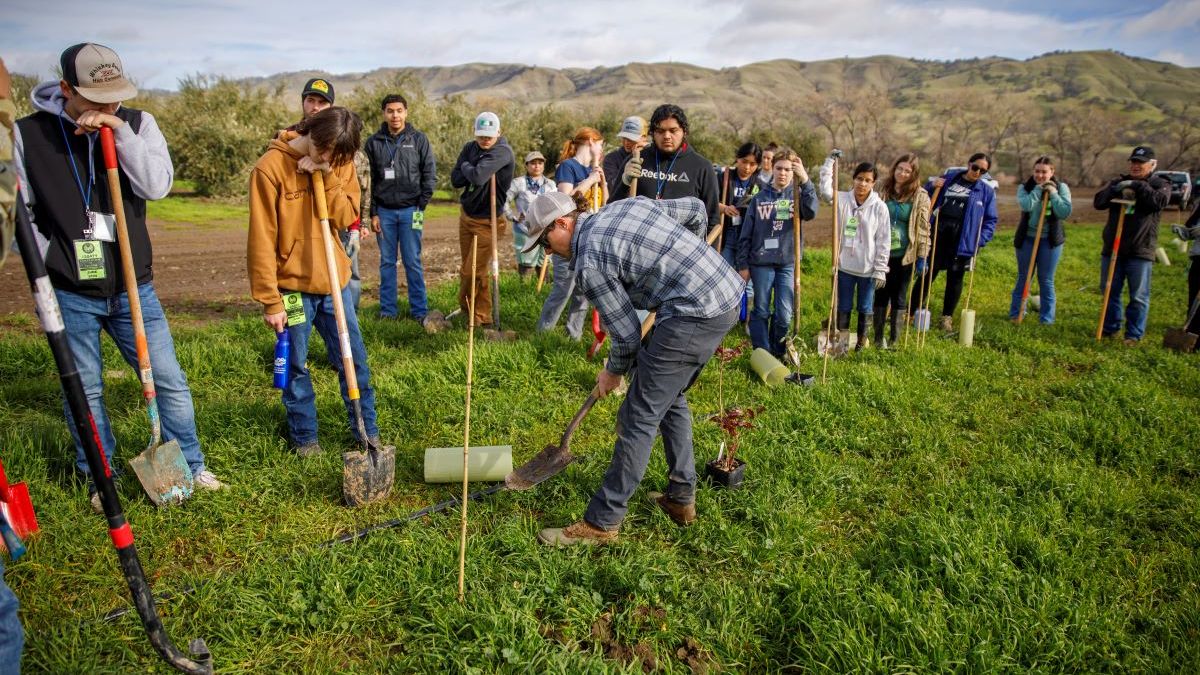
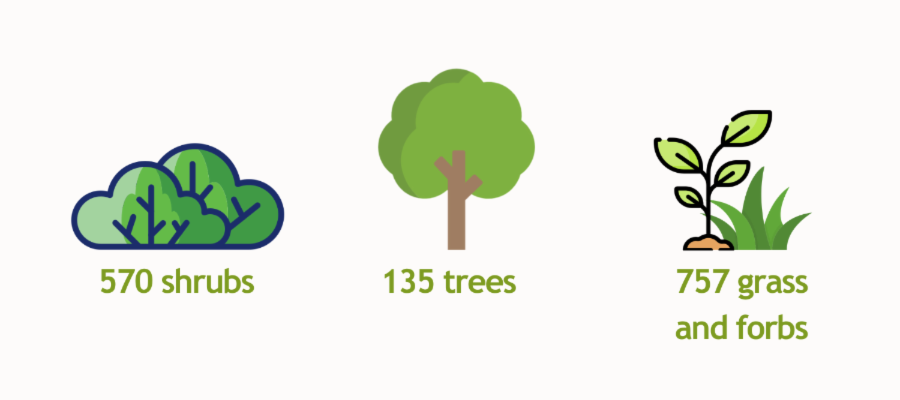
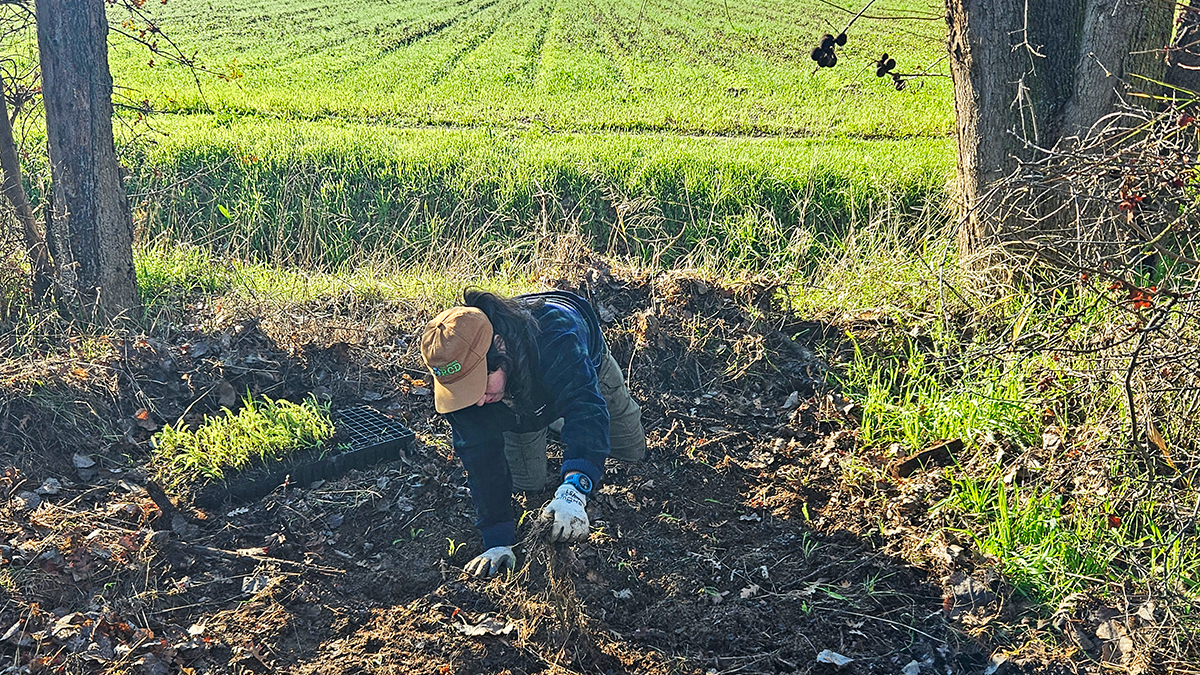
Another year of habitat enhancement and restoration with the Yolo Creek and Community Partnership (YCCP) wrapped up in April 2024. Thanks to the generous support of the Yocha Dehe Community Fund, the RCD and its partners installed over 7,000 feet of hedgerows along farm field edges - that's over a mile and a half of habitat for birds, pollinators, and other wildlife!

The Yolo Creek and Community Partnership is a regional partnership that implements conservation projects with assistance from high school students and the local community. The partnership consists of Yolo County RCD, the Center for Land-Based Learning, Putah Creek Council, and Point Blue Conservation Science. This YCCP season, high school students implemented hedgerows at five different sites throughout Yolo County and volunteers from Putah Creek Council helped replant and maintain a YCCP site from last year - the Pacific Flyway Pond in Woodland.


To check out the YCCP season recap, visit the link below!

Yolo Creek and Community Partnership 2024 Season Recap 

Wildfire Preparedness Month

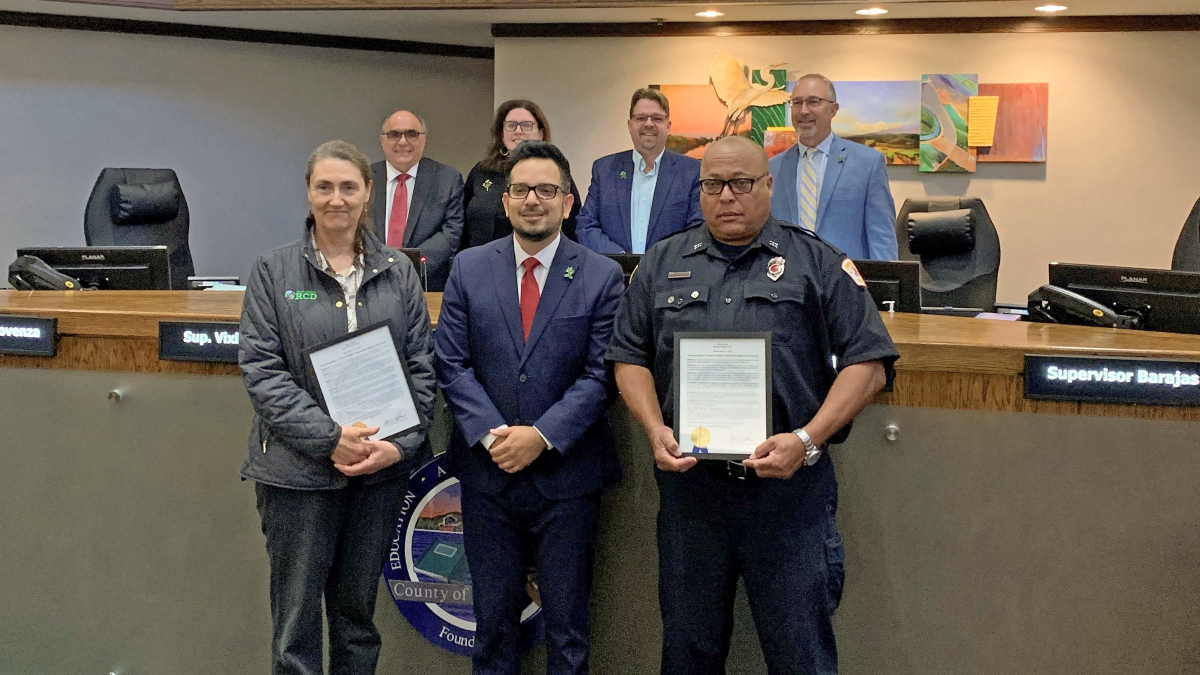
On May 7, 2024, a Board Resolution authored by Supervisor Barajas from District 5 was approved which declares May 1st through May 7th Wildfire Preparedness Week in Yolo County. Tanya Meyer (pictured above - first row, left), RCD Program Manager and the County Coordinator for the Yolo County Fire Safe Council, attended the meeting to receive the resolution alongside Captain Craig Hollis, Capay Valley Fire Protection District and Capay Valley Emergency Response Auxiliary.


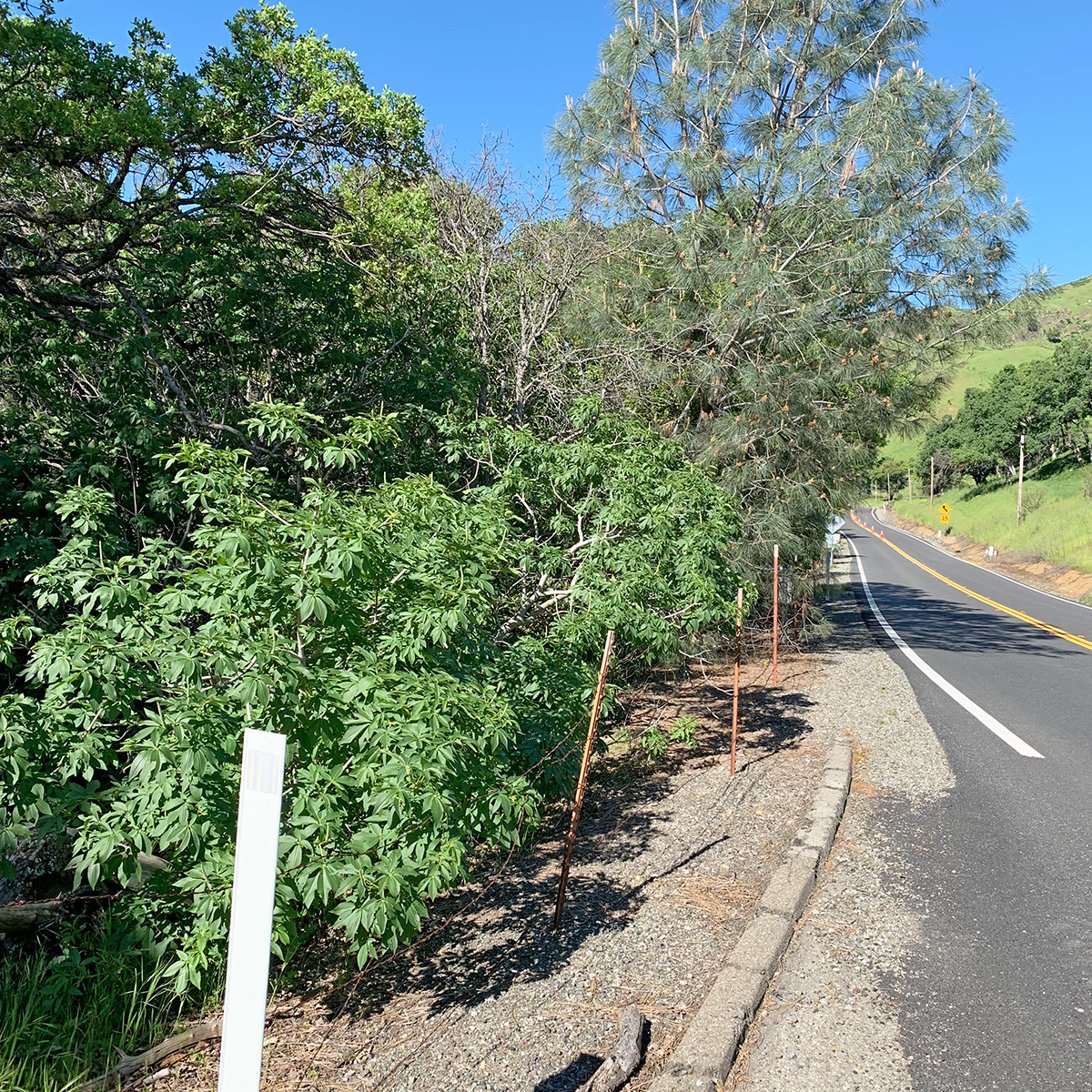
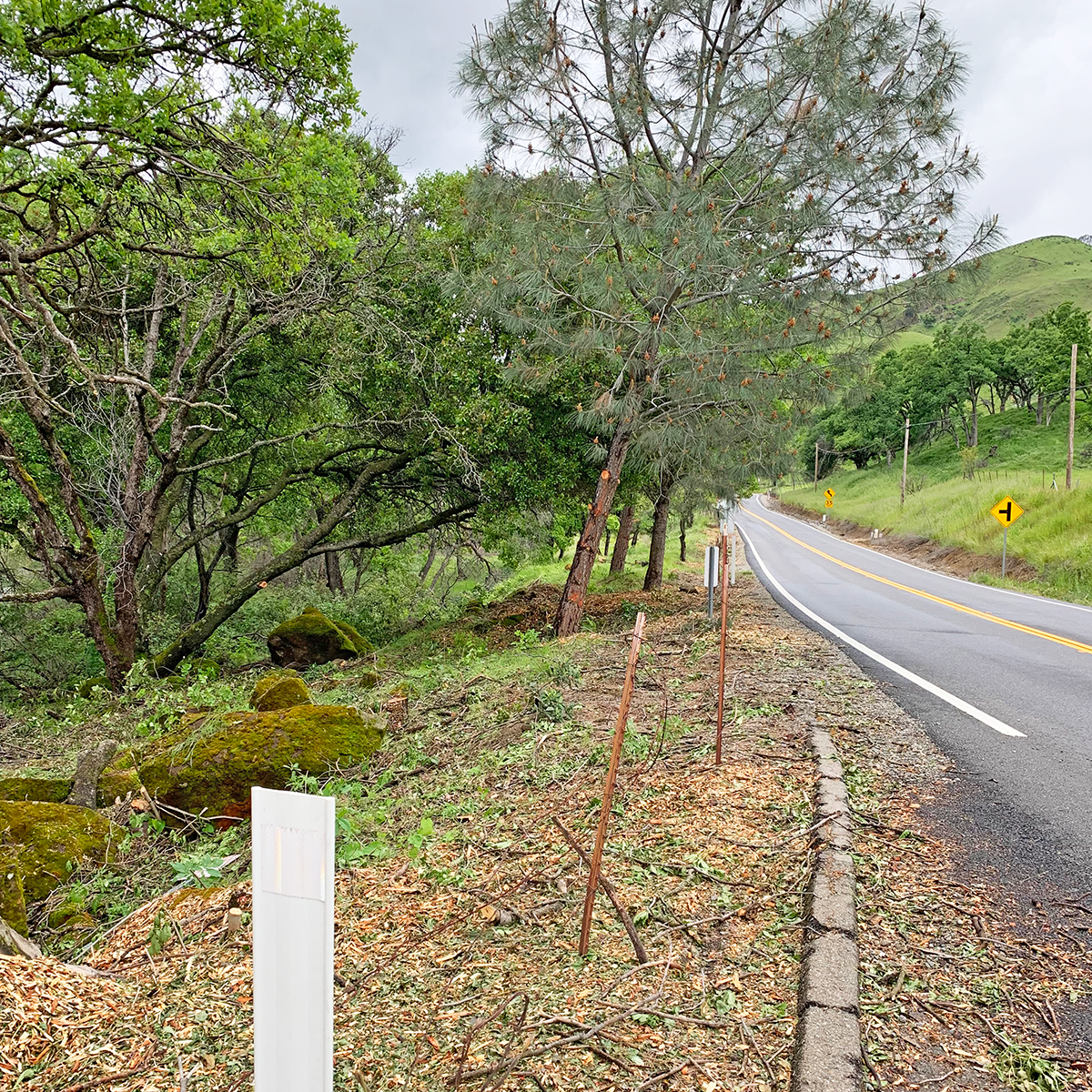
The resolution recognizes the vital partnership between private landowners, community groups, and neighborhoods and local fire districts and CAL FIRE in fire prevention and mitigation. Wildfire Preparedness Week encourages folks to perform defensible space and fuels reduction work around their homes. In conjunction with larger vegetation management projects (like the Highway 128 shaded fuel break project pictured below), private landowner fuels reduction projects are vital to slow and reduce the intensity of wildfires for community protection.

This year's wildfire season is expected to be normal according to CAL FIRE and the National Interagency Fire Center Predictive Services Department. A normal fire season doesn't mean communities shouldn't be prepared. Learn more about this fire season and ways to prepare at the link below.

Looking Forward: 2024 Wildfire Season Predictions

New Agricultural Conservation Webpage

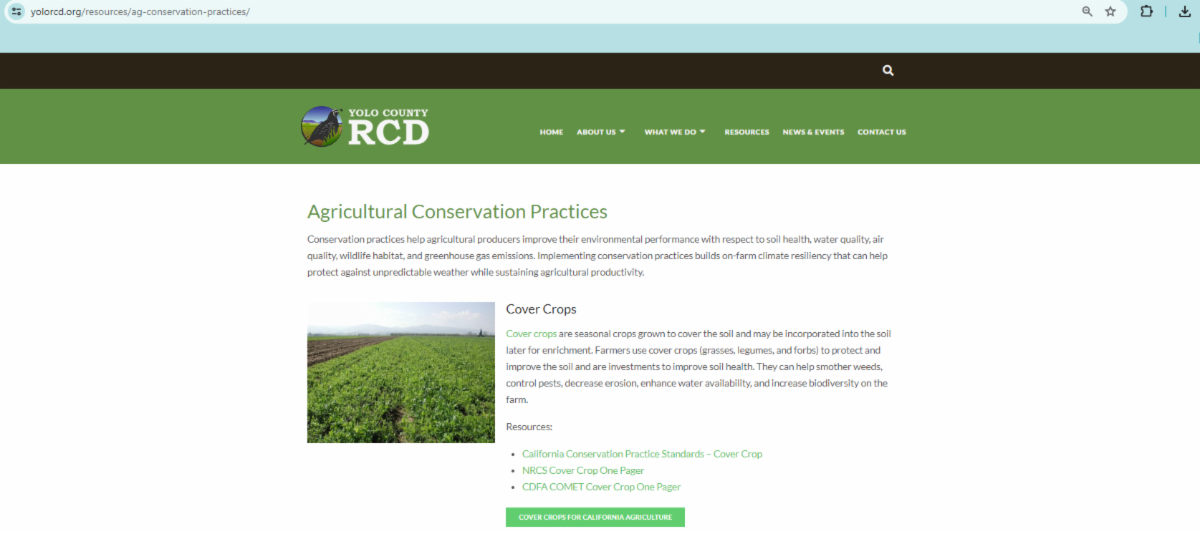
Are you an agricultural producer looking to improve soil health, ecosystem services, or wildlife habitat on your farm? The RCD website features a new Agricultural Conservation Practices Resource page to connect growers with relevant conservation practices and contacts to help improve environmental performance on their farm or ranch. The page features resources and information about:


  • cover crops
  • whole-orchard recycling
  • compost
  • equipment and tractor replacement
  • on-farm hedgerows
  • carbon farm planning


Check out the new webpage at the link below! Interested in implementing these practices on your agricultural operation? Reach out to Conor Higgins, RCD Mobile Irrigation Lab, for more information and technical assistance at higgins@yolorcd.org.

Check out the new Ag Conservation Webpage

Know Before You Mow: Nesting Birds

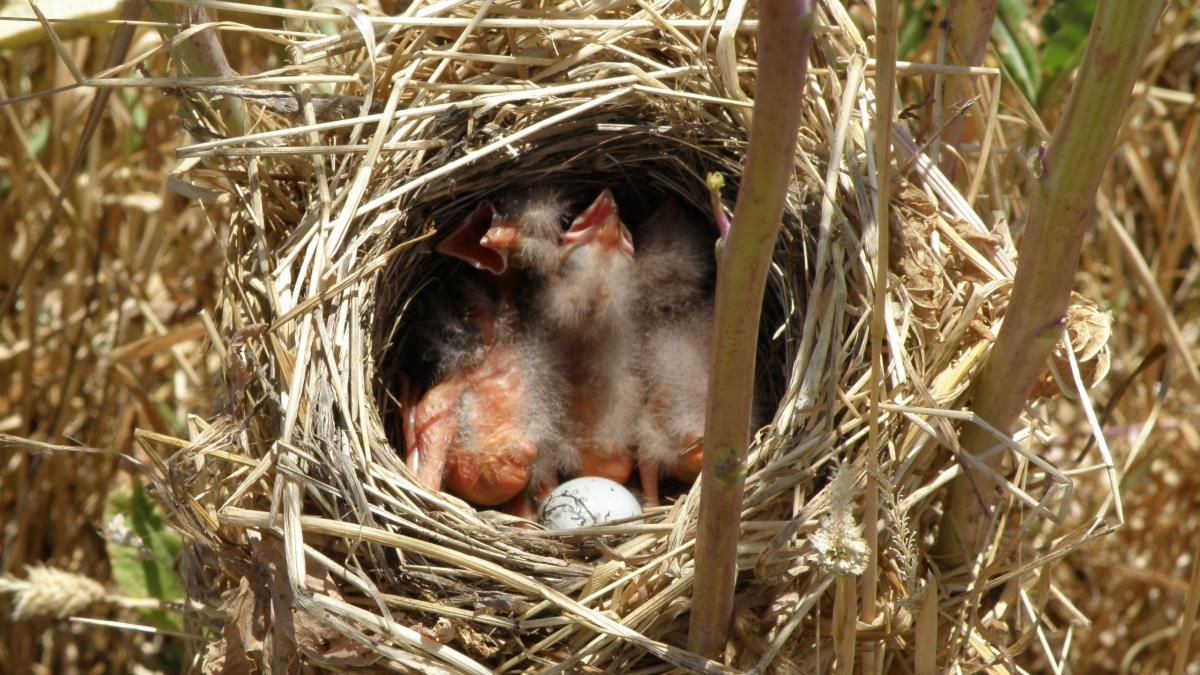
March through late August is nesting bird season. Yolo County is home to many ground and shrub nesting birds including red-winged blackbirds, killdeer, Northern harriers, Western Meadowlarks, peregrine falcons, and some songbirds. These grassland and shrubland birds are experiencing declines populations are declining across California and the western United States due to habitat loss. Instead they are utilizing agricultural lands, ditches, and even patches of tall weeds for nesting. Human disturbances and loud noises can disturb birds and cause them to abandon nests.


Consider implementing some of the following practices to protect birds and other wildlife that may be utilizing empty fields, agricultural fields, roadsides, and field edges as nesting habitat:


Scan for nests and nesting birds - if you find nesting birds or nests, create a wide buffer around the nest to avoid disturbance.


Watch bird behavior – if you spot a bird, observe the bird’s behavior to see If they are carrying nest material or food to the same place more than once.


Aim high – set your mower as high as possible. Even 4-8 inches off the ground can spare many grassland birds and other wildlife.


Leave uncut field edges – a 10+ foot buffer around fields is sufficient to provide habitat, escape, and nesting.


Plan tree removal outside of nesting season, preferably between September to January.

Pollinator Habitat Funding Opportunity for

California Ag Producers

Pollinator Partnership, the Community Alliance for Family Farmers, and Wild Farm Alliance are collaborating to offer funding through the California Department of Food and Agriculture Pollinator Habitat Program to implement:


  • hedgerows
  • conservation cover
  • cover crop
  • field border
  • tree and shrub establishment
  • wildlife habitat planting
  • integrated pest management


To learn more or for the program application, visit the link below.

Click here to learn more on the Pollinator Partnership Website
Enhanced Farmland for Pollinators, Crops, and Soil Flyer

BirdReturns-Late Summer Farmlands Habitat Program

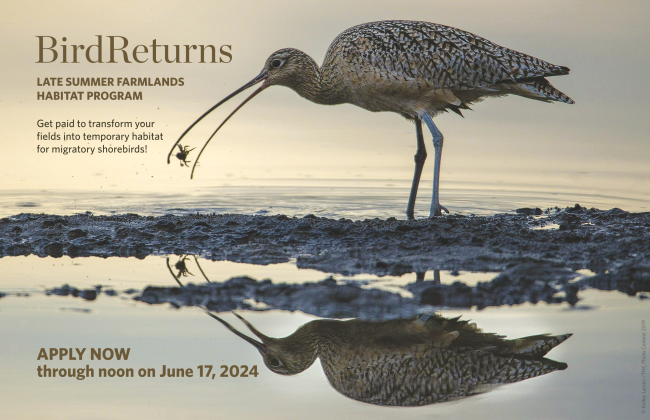
The Migratory Bird Conservation Partnership (Audubon California, The Nature Conservancy, and Point Blue Conservation Science), in collaboration with the California Rice Commission and the Delta Conservancy, and funding from the California Dept. of Fish and Wildlife, is now accepting online bids for the BirdReturns-Late Summer Farmlands Habitat Program. This program offers farmers and landowners in the Sacramento Valley an opportunity to receive financial compensation for providing a few weeks of ponded or shallow flooded habitat for migratory birds. IMPORTANT: Although eligible for this program, rice growers are encouraged to apply to the Bid4Birds Program instead. Fields can be enrolled in only one wetland habitat program at a time. 


Applications are being accepted from now through June 17 at noon. To apply, complete a one-page bid form with your bid price per acre and a map for each proposed field.


For more information, please visit the BirdReturns website at the link below or join one of the following in-person workshops, linked below.

Visit BirdReturns Farmland Habitat Program Webpage
BirdReturns Farmland Habitat Workshops

Photos from the Field

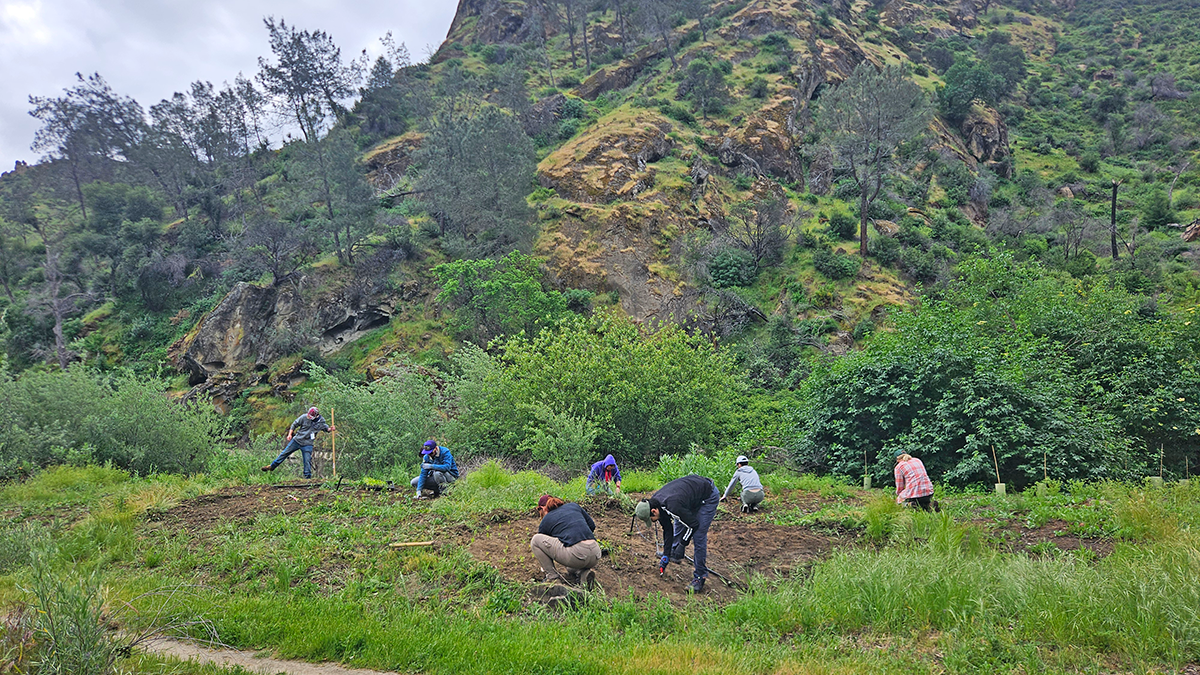
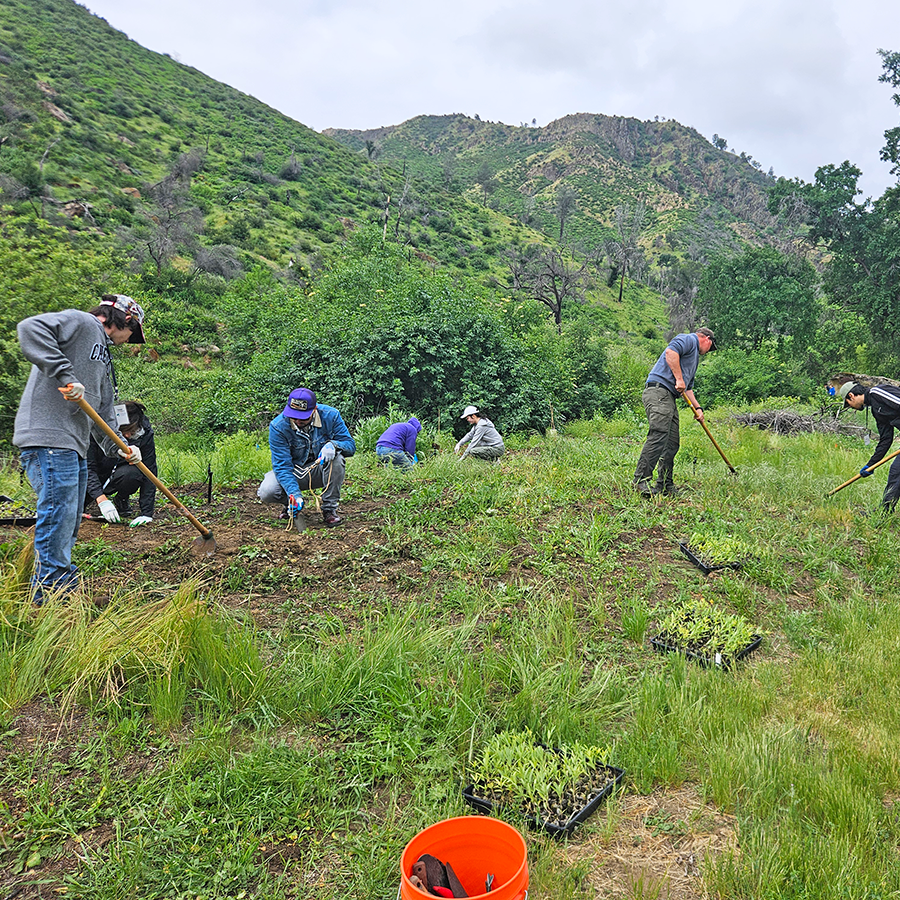
The RCD hosted Putah Creek Council's OneCreek Restoration Technicians at the Putah Creek Fishing Access sites where the RCD installed additional native plants to support pollinators and performed site maintenance.

Left: Putah Creek Council's OneCreek Technicians use hoes to combat weeds and prep sites for planting.

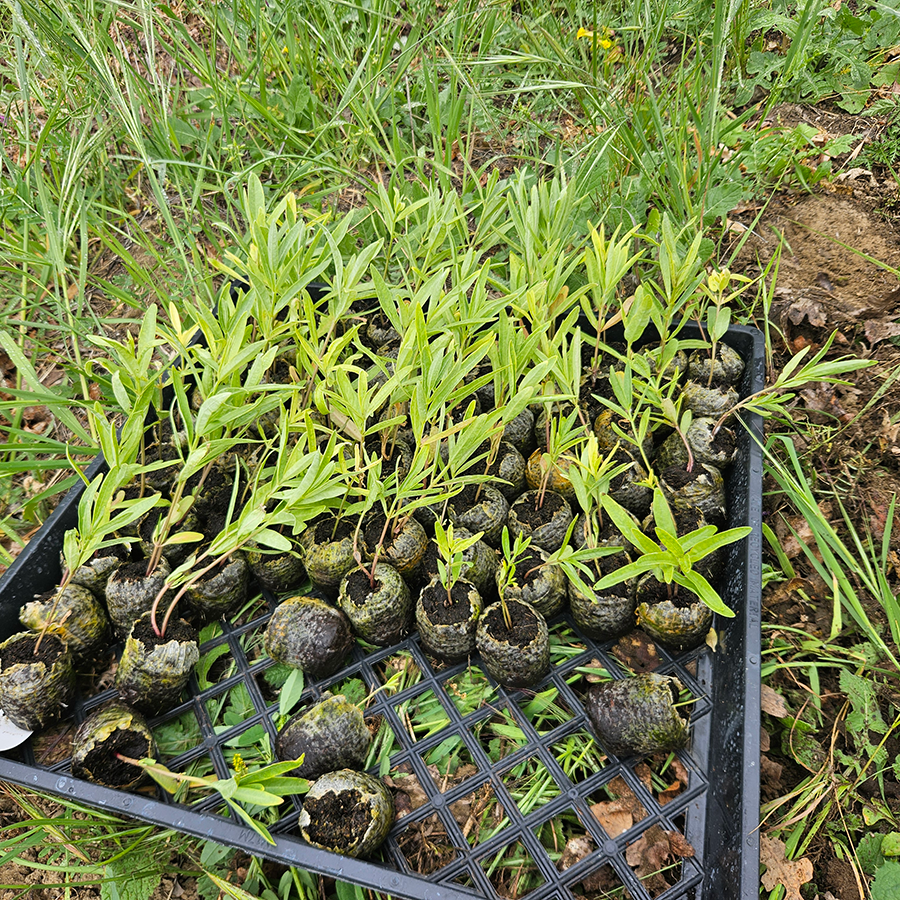
Right: A tray of narrowleaf (Asclepias fascicularis) and showy milkweed (Asclepias speciosa) ready for planting.

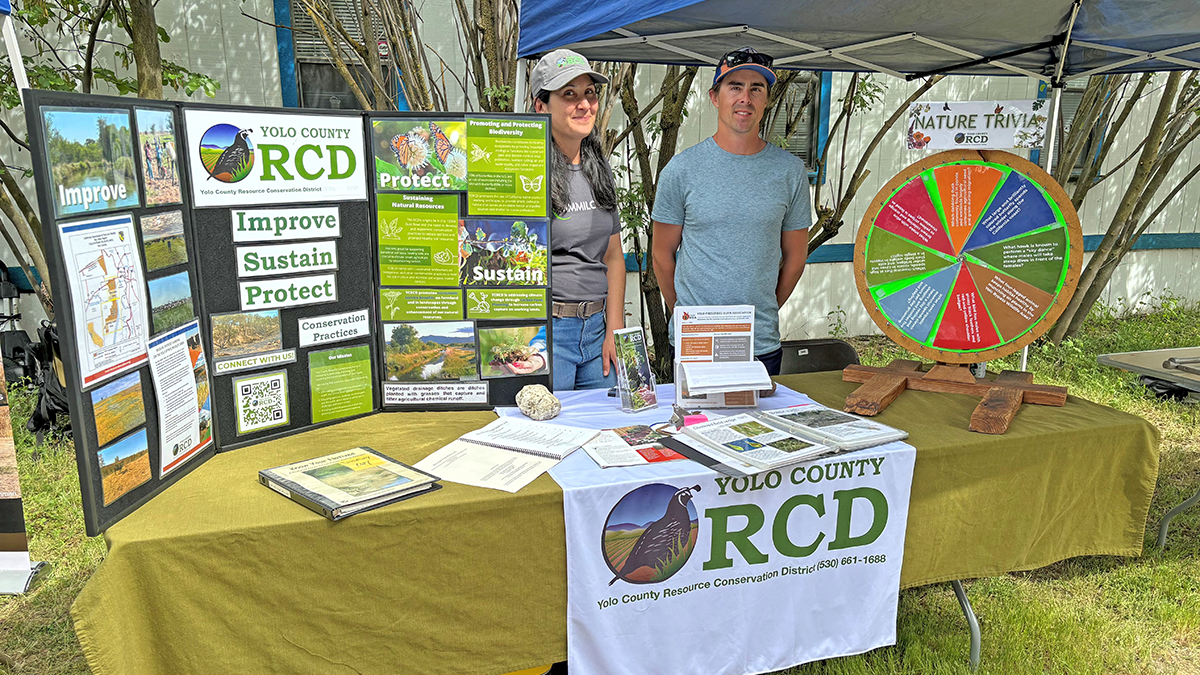
Amanda Farnsworth, Field Technician, (left) and Matt Toney, Project Manager, (right) represented Yolo County RCD at Yolo Basin Foundation's California Duck Days. The table featured resources and information on the RCD's work managing agricultural and duck club leases in the Yolo Bypass as well as a nature trivia game about local wildlife.

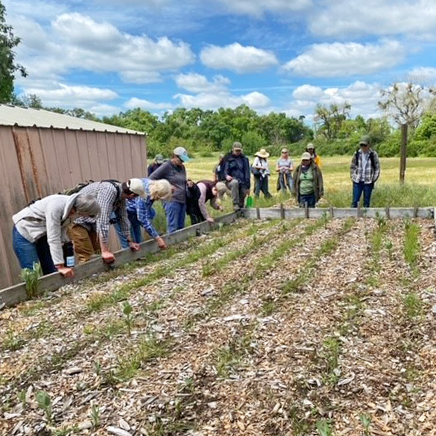
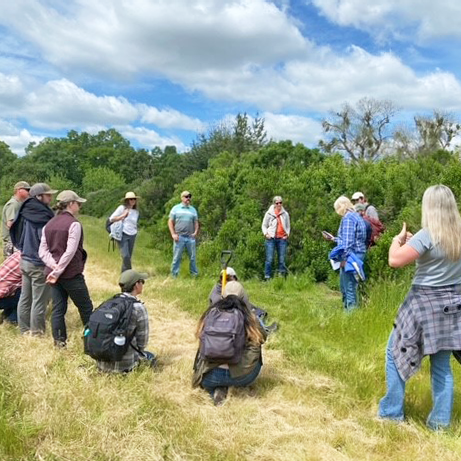
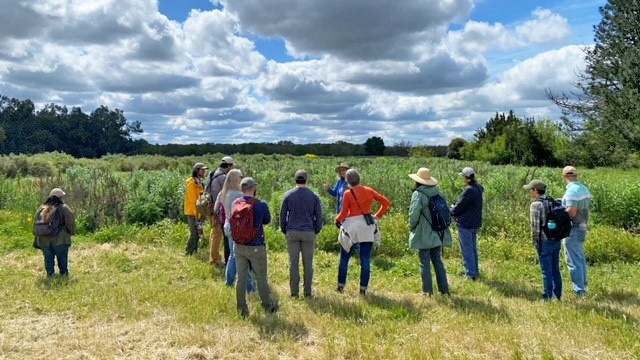
Left and Right: The RCD and the local Woodland Natural Resources Conservation Service (NRCS) office staff at the USDA NRCS Plant Materials Center in Lockeford, CA for the RCD's Spring 2024 Staff Retreat. USDA NRCS operates Plant Materials Centers all over the United States to test and find vegetative solutions to reduce soil erosion, increase soil health and productivity, improve water quality and forage, improve wildlife habitat, and other agricultural and ecosystem services.

The Lockeford Plant Materials Center has been in operation since 1939 and provides plant solutions for the diversity of the California landscape. The center develops and maintains conservation plant releases (like the field in the background), which include native and non-native solutions for range and pasture enhancement, cover cropping systems and wildlife habitat.

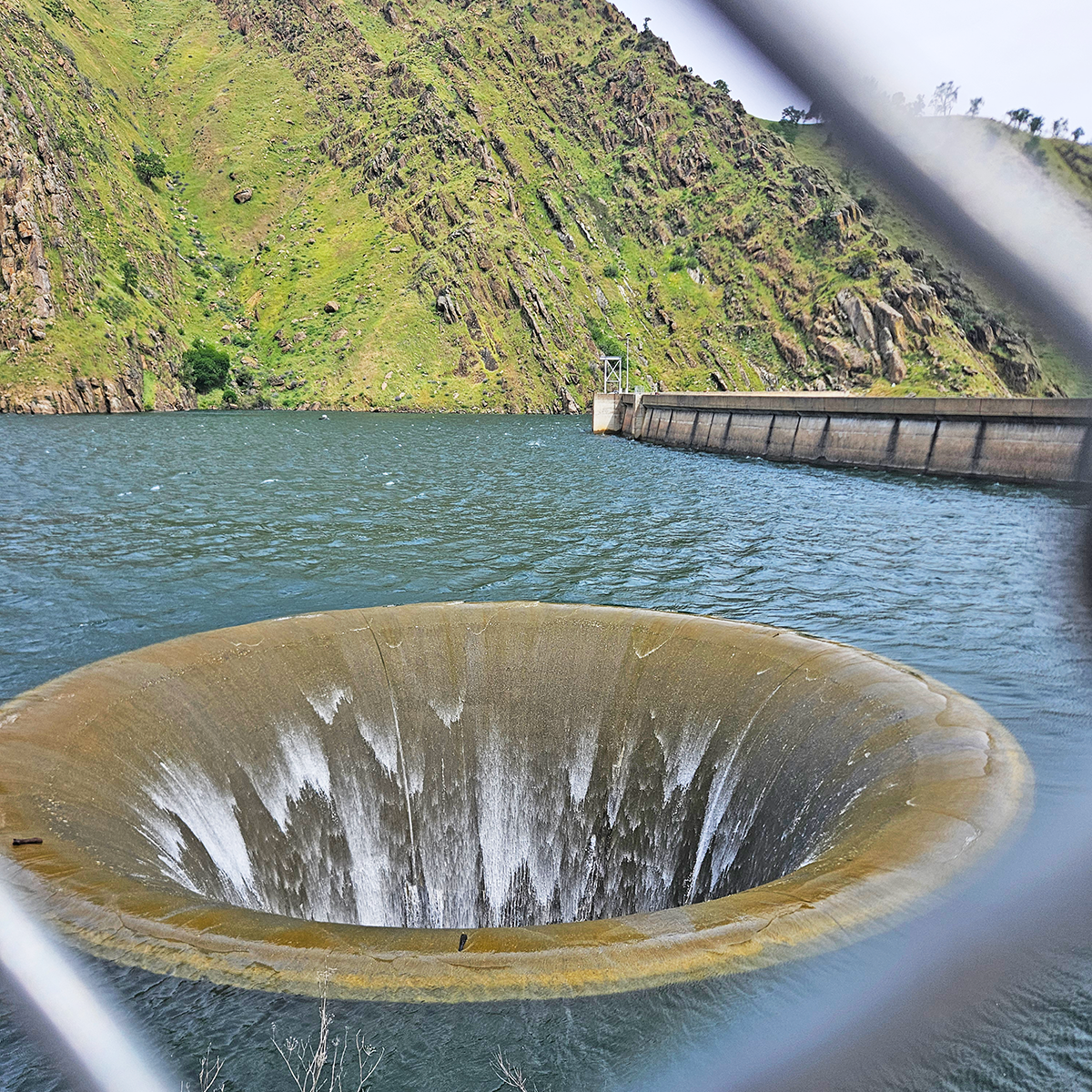
Left: The Lake Berryessa spillway spilling over in April 2024. Lake Berryessa spills when it hits 440 feet. The lake is currently at 439.59 feet as of 5/8/2024.

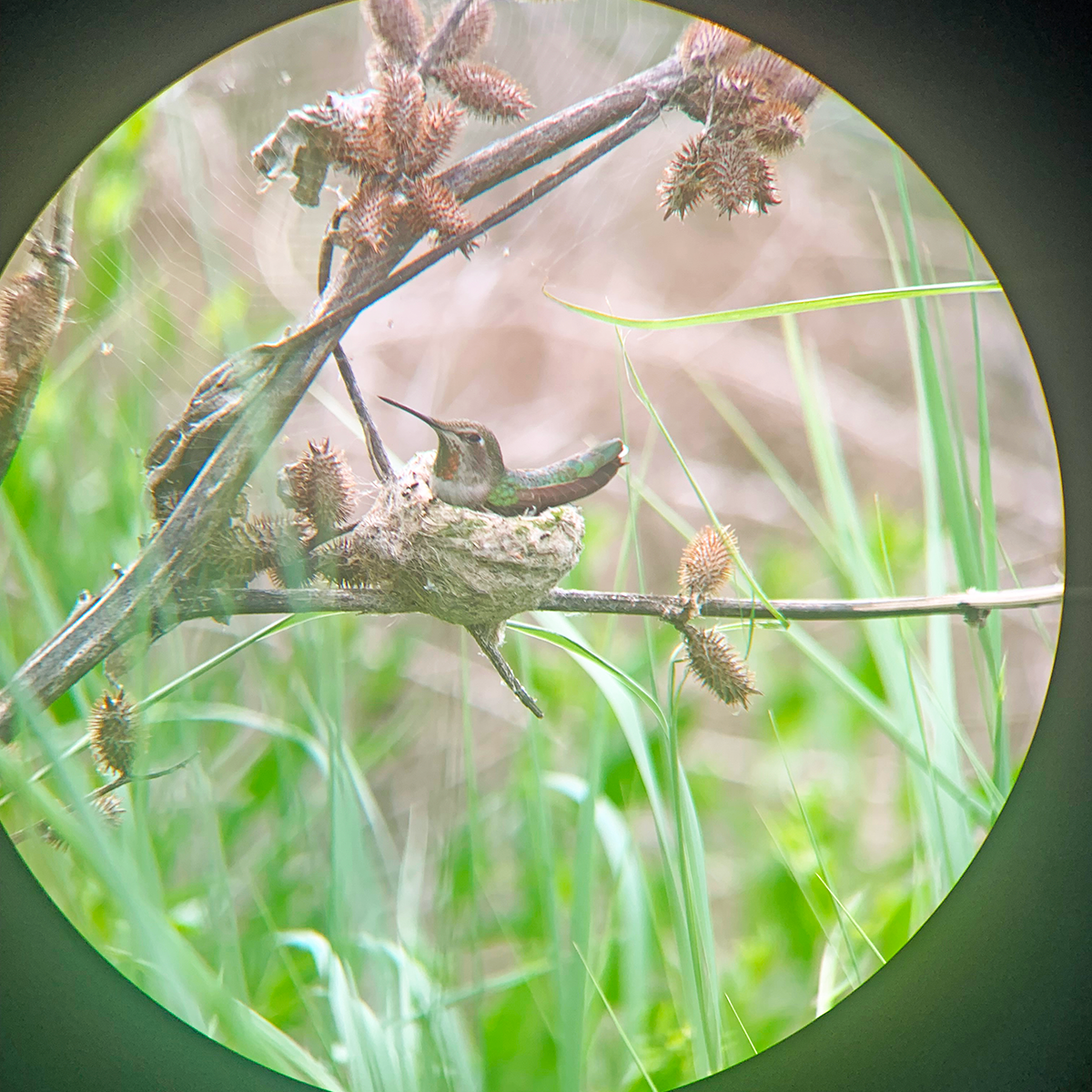
Right: An Anna's hummingbird perched in a nest in a common cocklebur (Xanthium strumarium) plant. This photo was taken at an RCD project site in the Sacramento San Joaquin Delta during Spring bird surveys.

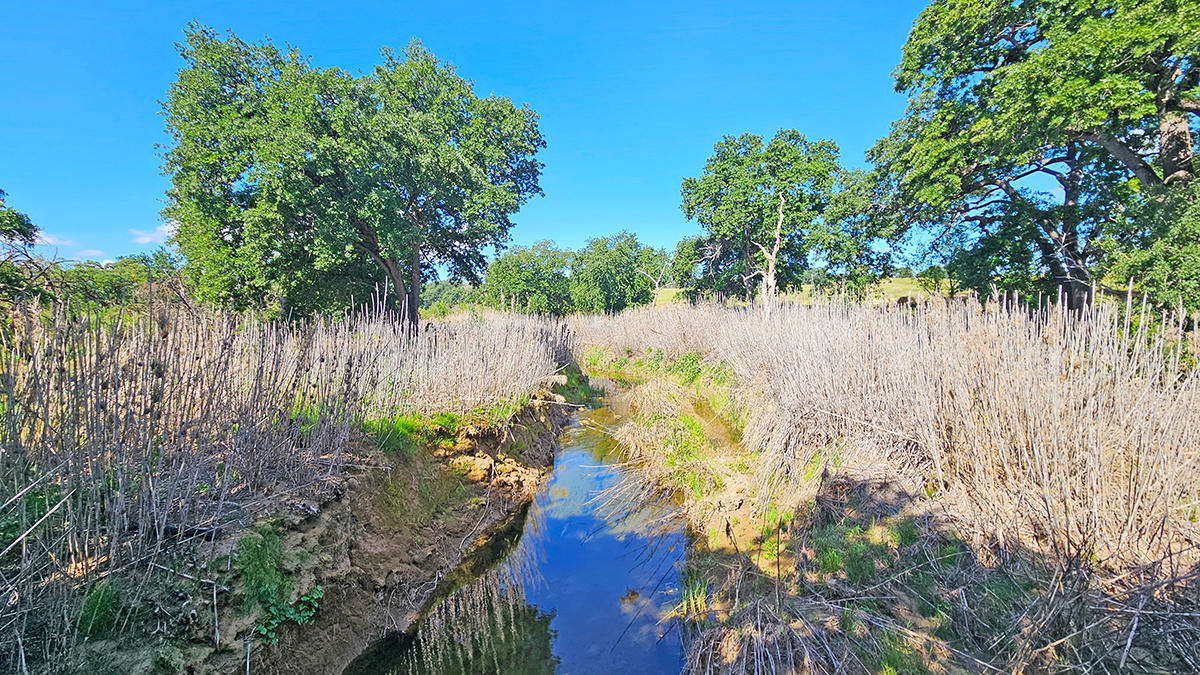
A dead stand of Arundo donax along a tributary in the Capay Valley that was treated in 2022 and retreated in 2023. This photo was snapped in April 2024 when Arundo usually starts to green up and resprout after winter. It shows that this stand of arundo has been successfully killed. Removing Arundo from waterways in Yolo County is vital to protect riparian habitat and water resources.

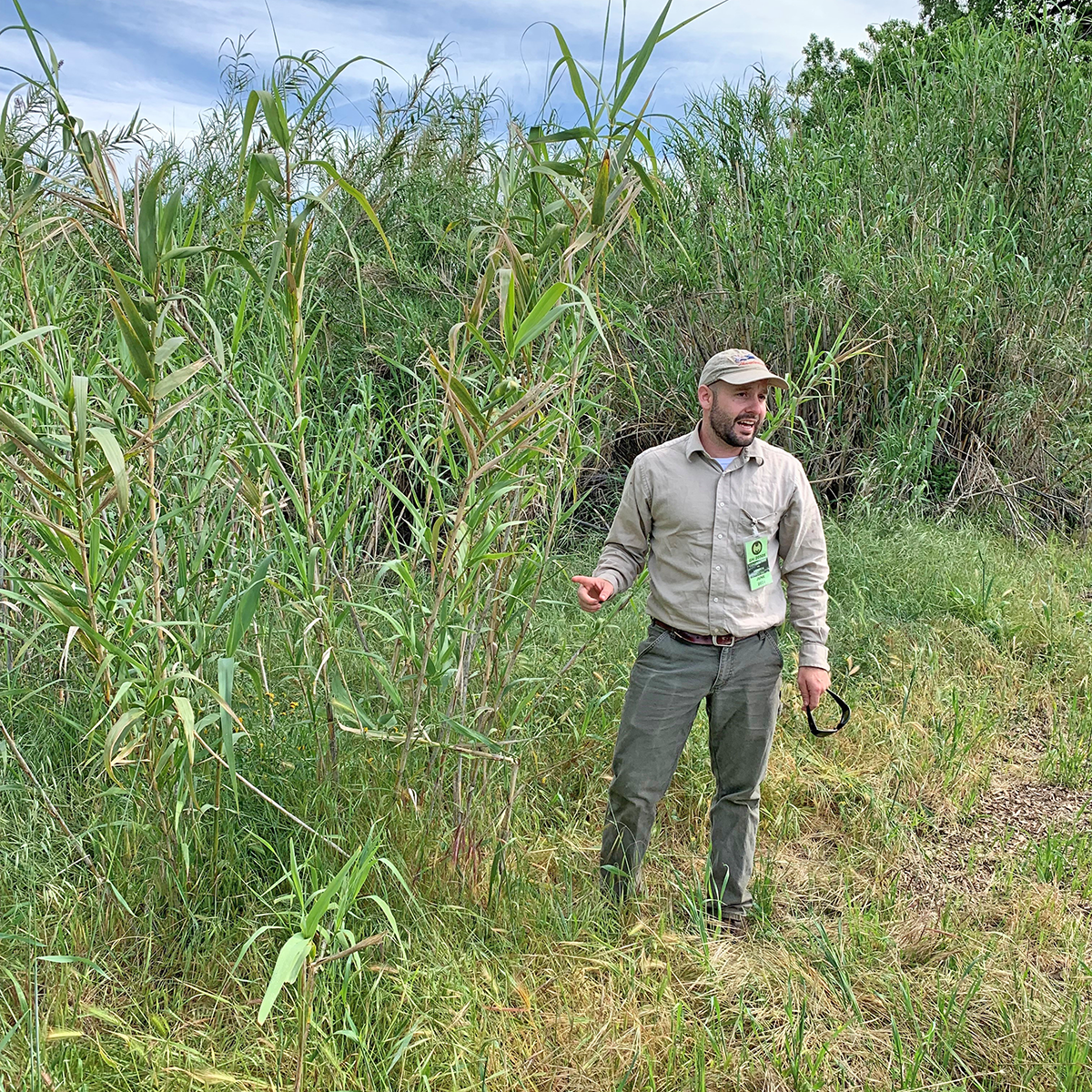
Left: Greg Pelaez, Project Manager, stands next to a thatch of invasive Arundo during a site visit.

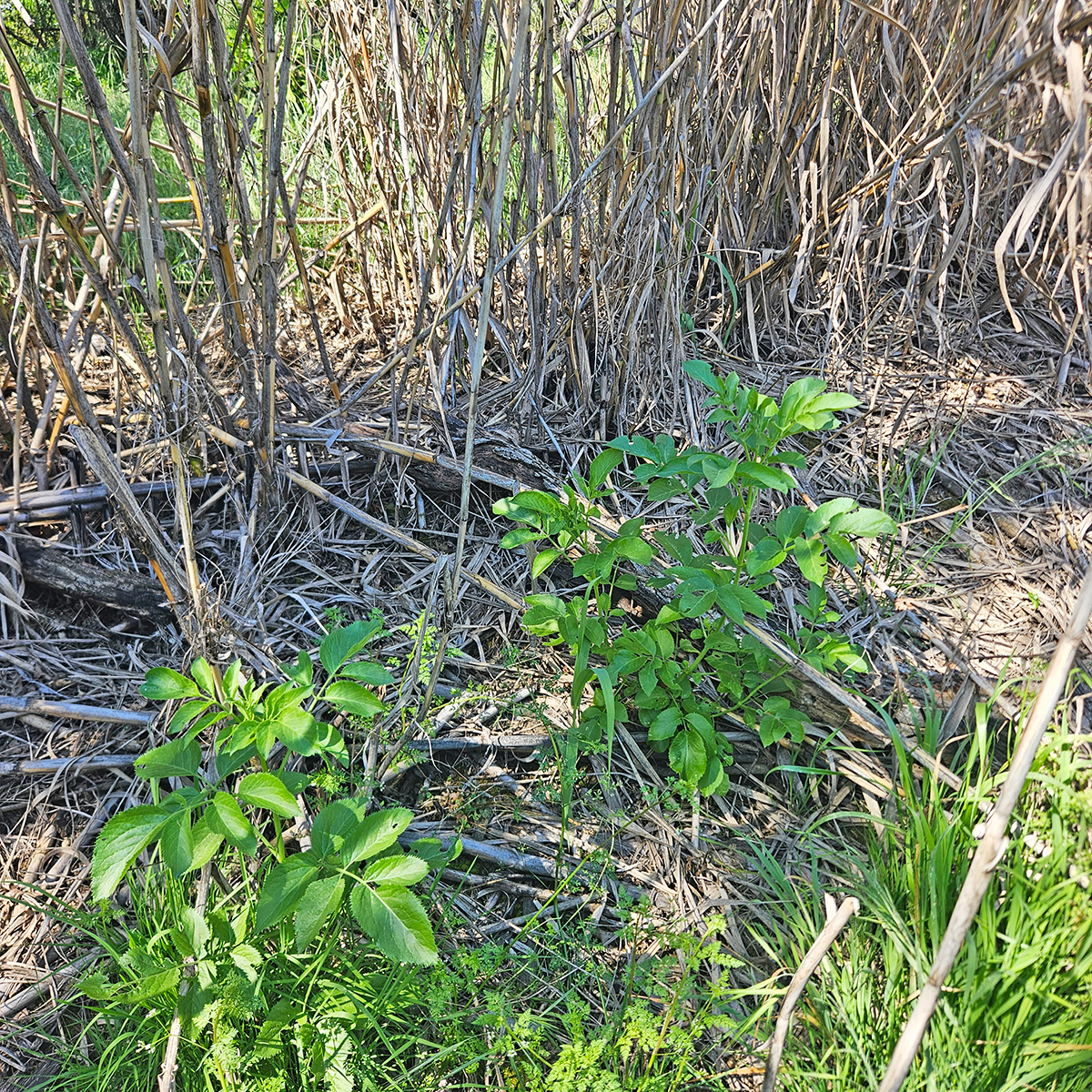
Right: Two blue elderberry plants (Sambucus nigra  L.  ssp. caerulea) sprouting in front of a dead stand of arundo that was treated thanks to the Putah-Cache Riparian Restoration Program. These elderberry plants have naturally sprouted due to increased sunlight and decreased competition from arundo removal.

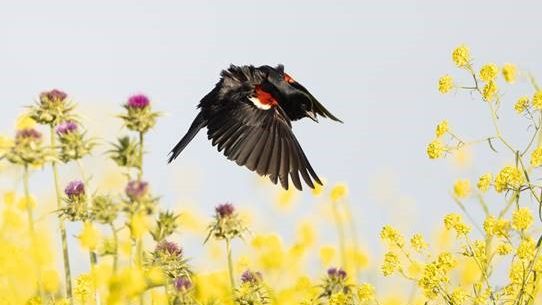
A tricolored blackbird (Agelaius tricolor) in-flight in a field of black mustard and thistles at an RCD project site. The site is owned by the City of Woodland and the RCD assists in management to protect and enhance existing tricolored blackbird habitat. More habitat enhancements for tricolored blackbirds and other migratory birds are scheduled to begin in Fall 2024. Photo credit: JoAnne Fillatti 

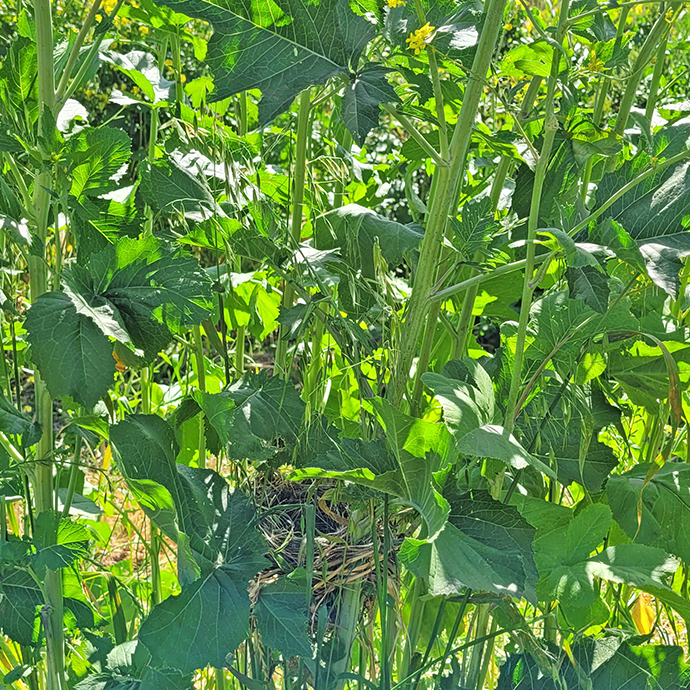
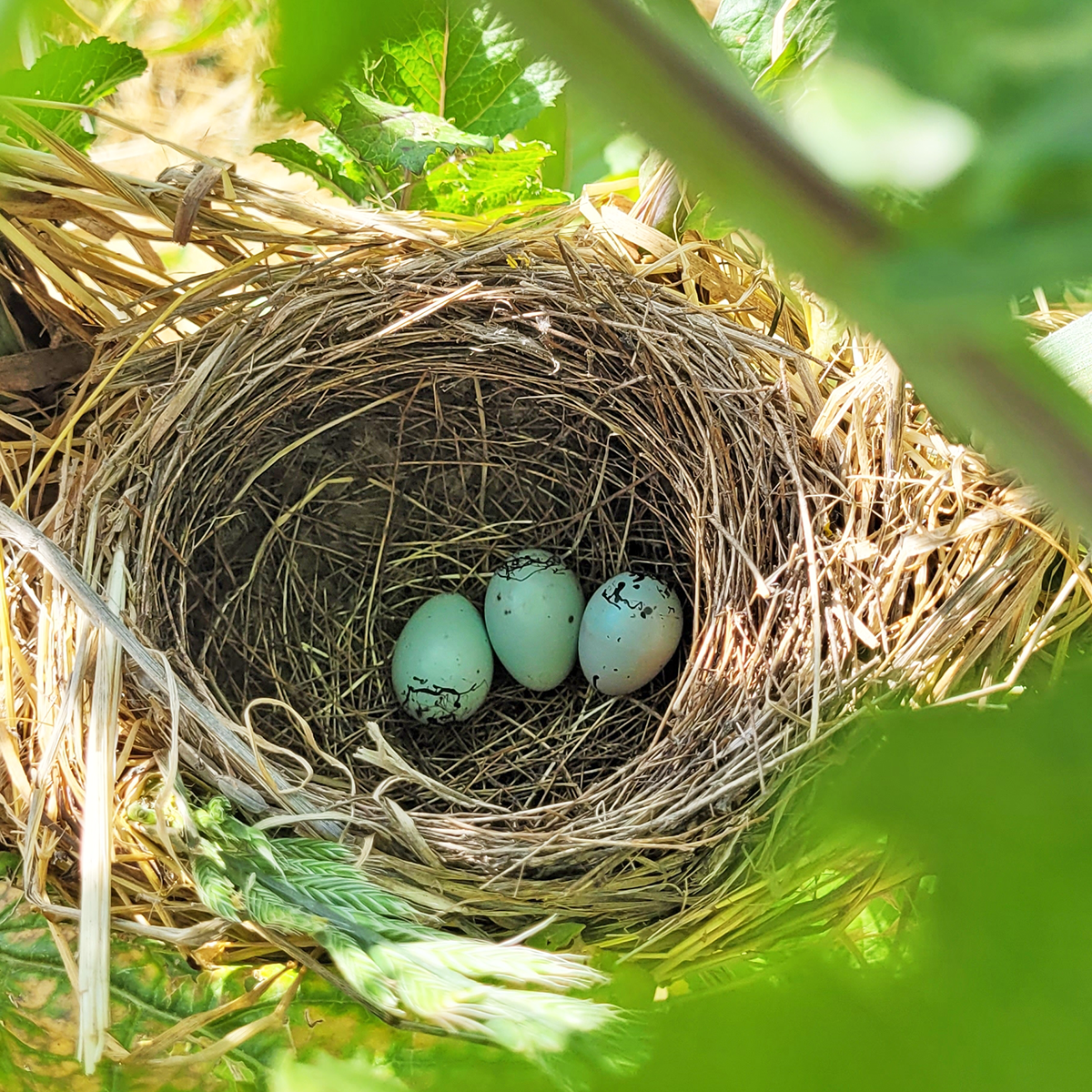
Left: Can you spot the red-winged blackbird nest? This photo was snapped at a hedgerow project site where black mustard is growing along a field edge. Red-winged blackbirds build their nests among low vertical shoots of shrubs, trees, or cattails, but will use black-mustard and other stalky weeds.

Right: A different perspective of the red-winged blackbird nest in black mustard which contains three eggs.

Facebook        Instagram        Web